22.04.2026
392
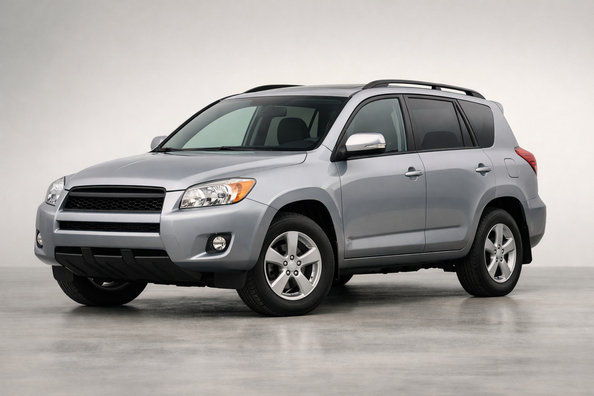
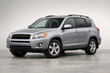
In short: looking at a Toyota RAV4 2006–2012 today makes sense, but selectively. The smartest buy in this year range is a well-kept 2011–2012 car with the 2.5-liter gasoline engine. 2006–2008 cars with the 2.4 L are worth considering only after checking the service history and real oil consumption. And 2013 is already a different generation—more modern in terms of transmission and a bit more fuel-efficient.
This RAV4’s strong point is simple: it’s practical in everyday life. A large trunk, decent ground clearance, front-wheel drive or AWD, straightforward gasoline powertrains. The weak spots are also well known: highway noise, average seat comfort, and the outdated 4-speed automatic on the four-cylinder versions.
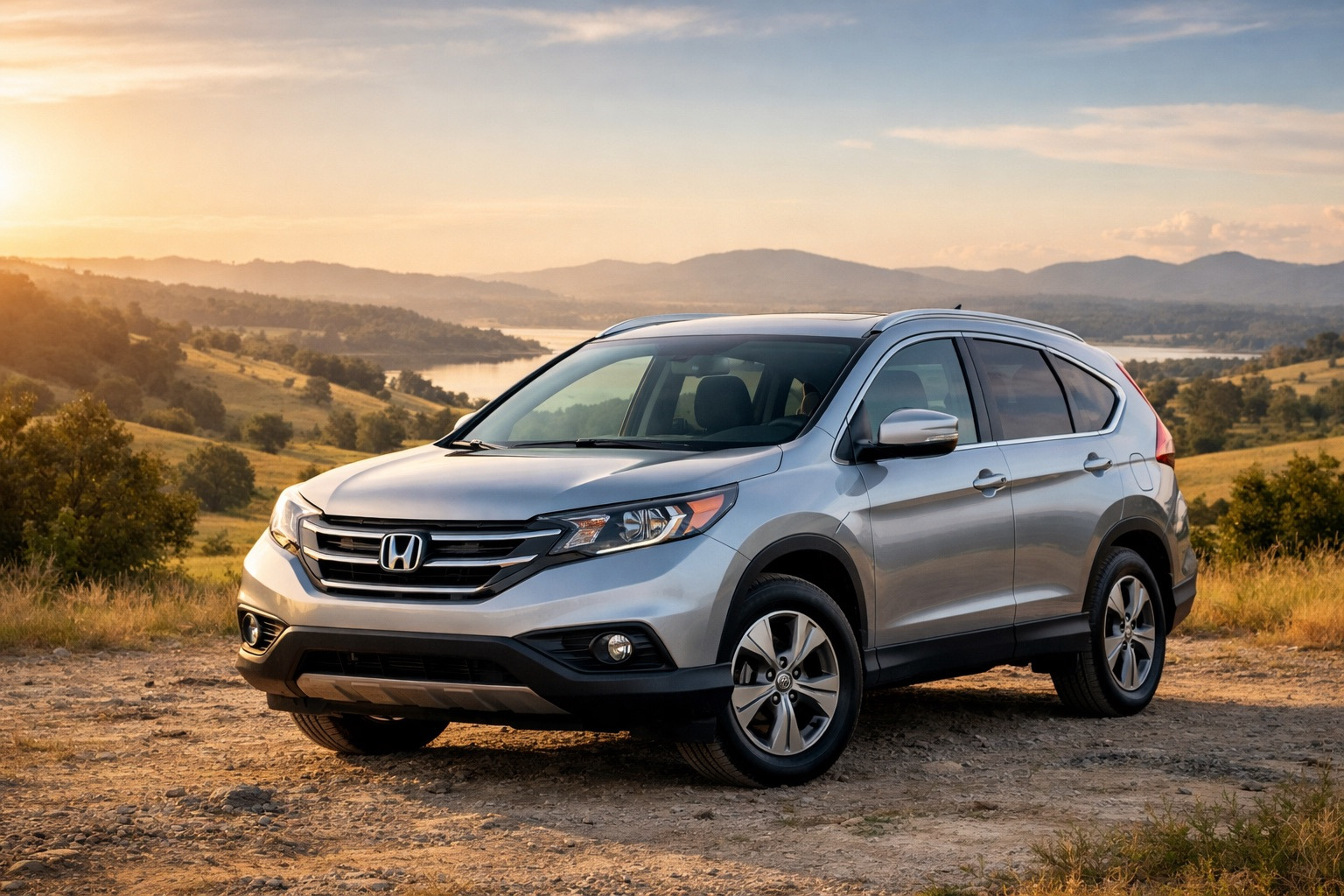
The RAV4 of this period is a family crossover for the city, highway, winter, and daily errands. It doesn’t try to be a true off-roader, but it’s also not just a lifted wagon. Compared to its contemporaries, the model stood out with a practical cargo area, decent body geometry, and in some markets even a V6 engine—something the segment typically didn’t offer.
This car suits those who need a spacious gasoline crossover without complex tech. It’s less suitable for those who want business-sedan quietness, a modern transmission on all versions, and the lowest possible fuel consumption at any cost.
It’s easy to get confused in the 2006–2013 window: 2006–2012 is one generation, while 2013 is already the next. So listings should be read carefully: a 2013 RAV4 isn’t a “late version of the old body,” but a separate vehicle with different hardware and packaging.
If you’re looking specifically at the 2006–2012 generation, the best entry point today is 2011–2012 with the 2.5 L. Early 2006–2008 with the 2.4 L can work, but only with a verified history. The 2013 should be evaluated separately: it has a 6-speed automatic, only five seats, and lower ground clearance.
The engine lineup depended on the market, so below are specs for the most common gasoline versions. Dimensions for 2006–2012 are provided as a generation reference: across trims there were small differences due to wheels, roof rails, and interior configuration.
| Parameter | 2006–2008 2.4 L | 2011–2012 2.5 L | 2006–2012 V6 3.5 L | 2013 2.5 L |
|---|---|---|---|---|
| Generation | 2006–2012 | 2006–2012 | 2006–2012 | New generation |
| Power | 166 hp | 179 hp | 269 hp | 176 hp |
| Torque | 223.7 N·m | 233.2 N·m | 333.5 N·m | 233.2 N·m |
| Transmission | 4-speed automatic | 4-speed automatic | 5-speed automatic | 6-speed automatic |
| Drive | Front-wheel or AWD | Front-wheel or AWD | Front-wheel or AWD | Front-wheel or AWD |
| Dimensions, mm | 4620 × 1816 × 1684–1745 | 4620 × 1816 × 1684–1745 | 4620 × 1816 × 1684–1745 | 4569 × 1844 × 1661 |
| Ground clearance | 190.5 mm | 190.5 mm | 190.5 mm | 160 mm |
| Trunk | 1031 / 2067 L | 1031 / 2067 L | 1031 / 2067 L | 1087 / 2076 L |
| Fuel consumption reference | no single figure for all markets | 10.7 / 8.4 L; AWD 11.2 / 8.7 L | 12.4 / 8.7 L; AWD 12.4 / 9.0 L | 9.8 / 7.6 L; AWD 10.7 / 8.1 L |
| Towing | 680 kg | 680 kg | 907 kg, up to 1588 kg with package | depends on version |
Without overcomplicating it, the 2.5 L is the best balance for today’s purchase. The 2.4 L is tempting because of the lower entry price, but the risk of excessive oil consumption on some 2006–2008 vehicles outweighs that benefit. The V6 is nice for its pulling power and useful for towing, but it requires a relaxed attitude toward fuel consumption.
The 2006–2012 RAV4 is a fairly grown-up crossover in size: 4620 mm long, 1816 mm wide, and a 2659 mm wheelbase. In the city, it’s important that the turning circle is about 10.61–11.22 m depending on the wheels, so maneuverability remains decent even in tight parking.
190.5 mm of ground clearance and approach/departure angles of 29° and 25° provide enough margin for snow, rough yards, dirt roads, and curbs. But it’s not a vehicle for serious off-roading. Compared to the older body, the 2013 RAV4 sits lower to the ground, so it’s less forgiving on poor surfaces, even though it feels more modern on asphalt.
The interior in this generation is workmanlike in character: the focus is not on wow factor, but on space and everyday convenience. The trunk is large even in the five-seat configuration, and with the second row folded it becomes a very roomy cargo bay. Some markets and trims offered a third row, but it’s not a universal feature of every 2006–2012 RAV4.
Comfort isn’t the main trump card. On the highway, owners often mention noise, and the front seats aren’t everyone’s favorite on long trips. On safety, late 2011–2012 cars have a standard set of stability control, traction control, ABS, brake-force distribution, brake assist, and six airbags. In 2013, the standard set is broader already, with eight airbags.
In day-to-day life, the RAV4 is convenient mainly because of its format. A 60.2 L tank, a high seating position, a large trunk, a low load-in height, and the choice of front-wheel drive or AWD make it a good family vehicle. For most drivers, the four-cylinder versions are sufficient, while the V6 makes sense where you often drive on the highway under load or actually tow something.
Fuel consumption should be viewed realistically: published figures are only a reference, and real cars vary greatly by condition, drivetrain, and driving style. Before buying, it’s important to check cold starts, smooth automatic operation without jerks, the absence of suspicious oil consumption on the 2.4 L, and whether you truly need AWD. For a city use case, front-wheel drive is often enough.
From an owner’s perspective, the picture is quite simple: the RAV4 wins with practicality, but it doesn’t hide the age of its hardware and sound insulation.
| Pros | Cons |
|---|---|
| Large trunk and convenient loading | Highway noise is higher than you’d like |
| The 2.5 L offers a good balance of pull and consumption | The 4-speed automatic on 4-cylinder versions is already outdated |
| The V6 really pulls and is suitable for towing | The V6 is noticeably more expensive on fuel |
| 190.5 mm of ground clearance is enough for winter, yards, and dirt roads | This model isn’t intended for serious off-road use |
| Front-wheel and AWD options; a third row on some versions | Trims vary heavily by market and year |
| Overall, a simple car for daily use | 2006–2008 2.4 L requires extra checking due to the risk of oil consumption |
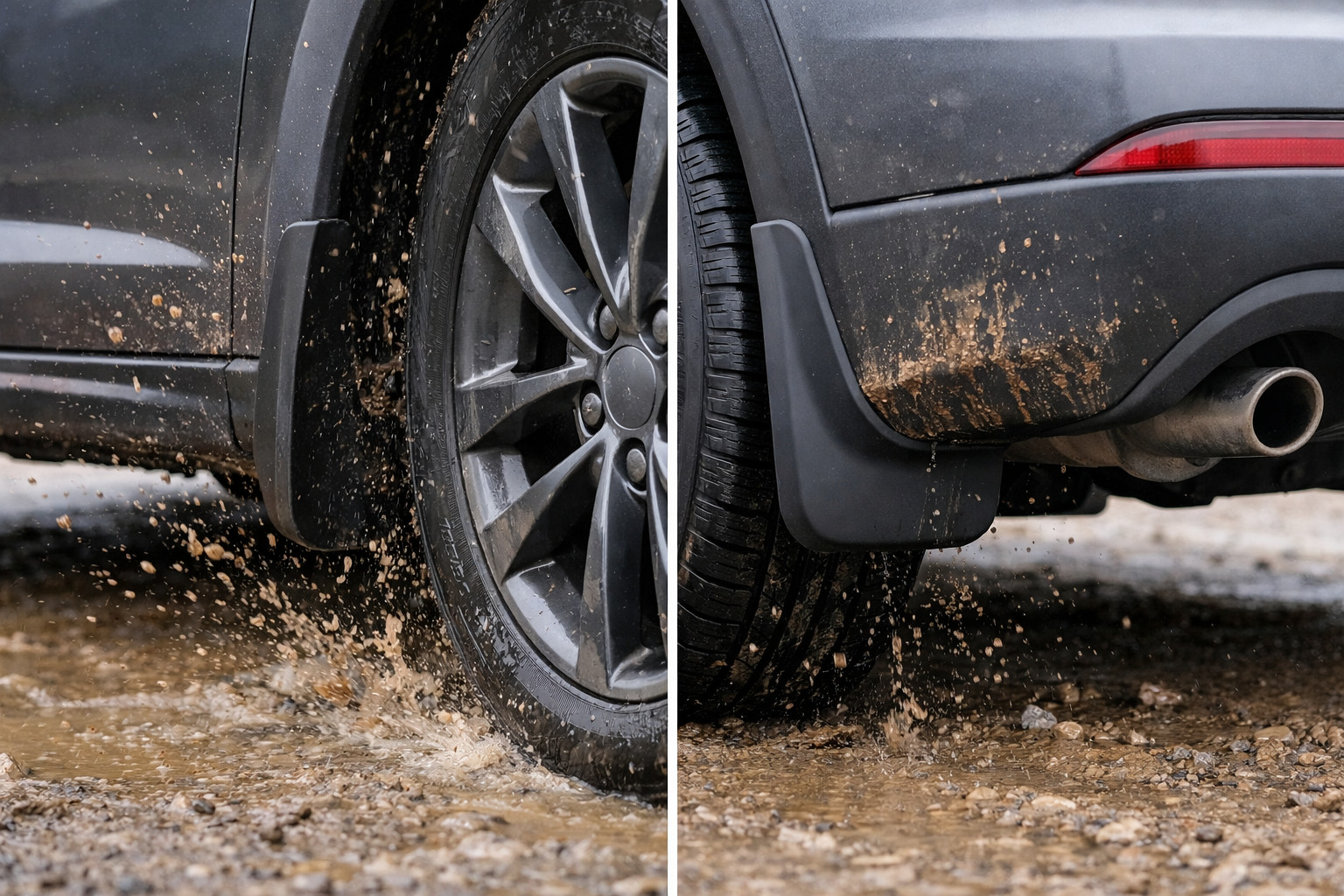
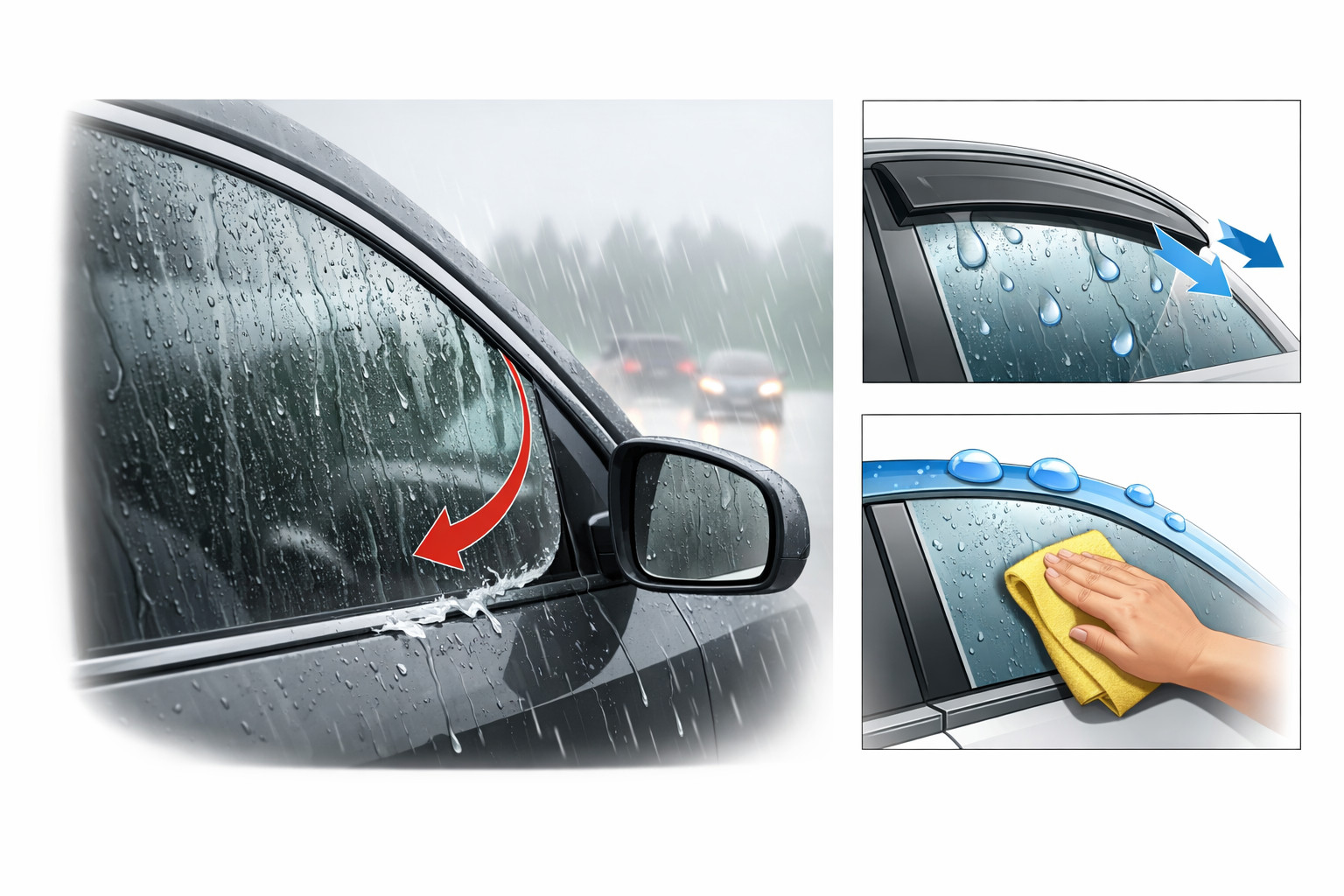
For this RAV4, the smartest route is not power mods, but protection for the body and interior. The most useful items are accessories for Toyota RAV4: floor mats, a trunk liner, rear bumper sill protectors, mud flaps, wind deflectors, and roof crossbars if the car often carries family luggage or seasonal gear.
Sound deadening also makes more sense than bigger wheels or aggressive tires. Any mods that add weight, noise, or load to the suspension can easily ruin the model’s main advantage—its everyday versatility. It’s better to improve daily usability rather than play at being a pseudo off-roader.
Yes, the Toyota RAV4 2006–2012 is still worth considering today if you need a practical gasoline crossover without complex electrification and unnecessary surprises. The best choice is 2011–2012 with the 2.5-liter engine. The V6 is a good but niche option for those who genuinely need pulling power and towing.
It’s not worth buying the first cheap 2006–2008 2.4 L example you find without a detailed inspection. And if a more modern transmission, better efficiency, and a newer level of safety matter to you, you should look at the 2013 RAV4 instead—understanding that it’s a different generation, not just a late version of the previous one.
| ✔ | The large trunk and easy loading make the RAV4 practical for family use and everyday trips. |
| ✔ | The 2.5-liter gasoline engine is described as the best balance of power and fuel economy for this generation. |
| ✔ | 190.5 mm ground clearance and decent approach/departure angles provide extra confidence for winter, curbs, and rough roads. |
| ✔ | There is a choice between front-wheel drive and all-wheel drive, and some versions feature a third row of seats. |
| ✔ | Overall, the model is simple to use day to day and is not tied to complicated technology or electrification. |
| ✘ | On the highway, this RAV4 is noticeably noisy, and the comfort of the front seats does not suit everyone on long trips. |
| ✘ | The 4-speed automatic on four-cylinder versions is already outdated. |
| ✘ | The V6 delivers better pulling power, but it noticeably increases fuel consumption. |
| ✘ | Early 2006–2008 models with the 2.4-liter engine should be checked especially carefully due to the risk of oil consumption. |
| ✘ | The model is not intended for serious off-road use, and the trims also vary greatly depending on the market and model year. |
Shipping to EU
Wholesale and retail
Own warehouse
Опис продукту
Подарунки не надаються при оформленні покупки у кредит під 0,01% або при покупці частинами.