13.05.2026
998
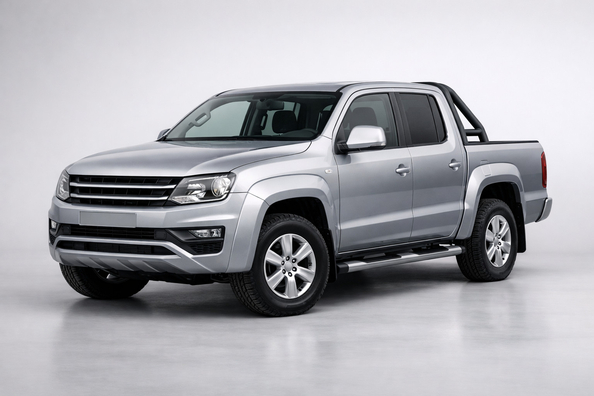
Volkswagen Amarok 2010-2022 is a pickup for those who need not only a frame and a cargo bed, but also more passenger-car-like behavior on the highway. That’s exactly what set it apart from many rivals: less of a “pure work truck” feel, more calm on long trips, better sound insulation, and a more mature character.
Within this topic, we’re primarily talking about the first-generation Amarok, which launched in 2010 and in some markets was sold through 2022. This matters because within one generation the vehicle changed noticeably: early versions were simpler and more utilitarian, while later V6 models were far more torquey and more expensive to run.
Amarok entered a segment long dominated by the Toyota Hilux, Ford Ranger, Nissan Navara, and Mitsubishi L200, but it didn’t come in as a purely work-focused tool. Its key strength is combining pickup practicality with road manners that feel closer to a large passenger vehicle than to rough commercial transport.
That’s why Amarok suits best those who actually use the bed, tow a trailer, travel long distances, or want one vehicle for both work and everyday driving. If, however, you mainly need a vehicle for short urban routes, parking in tight courtyards, and only occasional hauling, its size and diesel-specific quirks can get old quickly.
Sales began in 2010. That’s when Amarok became the brand’s first mass-produced pickup, and the concept from the start focused not only on payload, but also on cabin comfort. At launch the model got 2.0-liter diesels and several drivetrain options, including rear-wheel drive and four-wheel drive.
In 2012 the range was updated: the 2.0 BiTDI with 180 hp appeared, as well as an 8-speed automatic transmission. Later, the key change was the 3.0 TDI V6 versions: these ultimately shifted the Amarok toward a fast, torquey highway pickup for towing and long-distance routes. Power and equipment varied by market and year, so you should evaluate a specific vehicle not by the trim name, but by its actual specification.
The real lineup for the first Amarok looks like this: 2.0 TDI with 122 hp and 340 N·m, 2.0 BiTDI with 163 hp and 400 N·m, later 2.0 BiTDI with 180 hp. After the update came 3.0 TDI V6 versions with 204 hp and 258 hp; for the top variant they quoted 580 N·m and a short-term power increase to 272 hp in overboost mode.
There are differences in transmissions as well between early and later vehicles. At launch there was rear-wheel drive, permanent all-wheel drive, and selectable 4MOTION with low range depending on version. The 8-speed automatic arrived later, and for the V6 it effectively became the main solution together with permanent all-wheel drive. On paper the early 2.0 BiTDI could look very economical, but in real driving the more powerful diesels often end up closer to noticeably higher consumption, especially in the city and under load.
| Parameter | Data for Amarok 2010-2022 | What matters in practice |
|---|---|---|
| Years covered | 2010-2022 | Focus is on the first generation, which changed over its life cycle |
| Engines | 2.0 TDI 122 hp; 2.0 BiTDI 163 hp; 2.0 BiTDI 180 hp; 3.0 TDI V6 204 hp or 258 hp | Early 2.0 is about work and budget; V6 is about torque, highway use, and towing |
| Gearboxes and drivetrain | Manual transmissions, 8-speed automatic; rear-wheel drive, permanent or selectable all-wheel drive | You need to verify the exact combination, because it strongly affects the vehicle’s character |
| DoubleCab dimensions | 5254 x 1944 x 1834 mm, wheelbase 3095 mm | Stable on the highway, noticeably bulky in the city and parking lots |
| Ground clearance | Approx. 192-230 mm depending on version | You can’t quote one number for all Amarok variants |
| Cargo bed | Usable volume up to 2.52 m³ | A Euro pallet can be placed sideways between the wheel arches |
| Payload | Up to 1165 kg | Depends on the configuration, but as a work vehicle the Amarok is genuinely strong |
| Towing with brakes | Up to 2800 kg in early data, up to 3500 kg on later V6 | For a trailer or car transporter, it’s better to look specifically at V6 versions |
| Wading depth | 500 mm | Enough for off-asphalt trips without extremes |
| Turning circle | 12.95 m | Maneuverability in tight courtyards is not its strong point |
For the DoubleCab, Amarok is 5254 mm long, 1944 mm wide, 1834 mm tall, with a 3095 mm wheelbase. It’s a large pickup even by class standards, and in real use you feel it every day: the seating position is high, forward visibility is good, but rear overhangs and U-turns in the city take getting used to.
On the practical side, though, it’s very strong. The usable cargo-bed volume reaches 2.52 m³, payload in some versions goes up to 1165 kg, and towing capability on later V6 models is up to 3500 kg with brakes. Ground clearance depends on configuration and market, so it’s more accurate to speak of a range around 192-230 mm. For getting off the asphalt, angles matter too: roughly 28° approach, 23.6° departure, and 23° breakover, plus a 500 mm wading depth. But keep in mind that an unladen body-on-frame pickup is inevitably a bit harsh over small bumps.
It was the interior and the overall feel from behind the wheel that made the Amarok stand out in the market. The driving position is comfortable, the front row feels passenger-car-like, and the sound insulation is good for a pickup: on the highway it’s calmer than many competitors. That doesn’t mean it suddenly became a crossover, but the difference compared to rougher utilitarian models is noticeable.
For safety, you need to look at the model year. Later specifications included six airbags and automatic post-collision braking, and at launch the model performed well in the crash test of its time. At the same time, base or early versions can be simpler in terms of equipment, so buying an Amarok just by the principle of “it’s a Volkswagen” isn’t worth it—you should verify the list of systems separately.
In daily life, the Amarok shines most in a mixed scenario: highway driving, suburban routes, tools or cargo in the bed, a trailer in season. There its long wheelbase, quiet cabin, and torquey diesels work in its favor. If the vehicle constantly runs only short trips, diesel components like the EGR valve and diesel particulate filter tend to remind you of themselves more often.
From an owner’s point of view, the most practical question here is not “what does an Amarok look like,” but “what exactly will it carry.” An open bed is convenient, but for everyday items you often need a cover. Likewise, an automatic transmission in these vehicles likes regular servicing, and the water pump and other typical diesel components don’t tolerate postponed repairs. So it’s not a pickup that’s cheap in the small details, but with proper care it pays back with convenience for real work.
There’s no universal “buy or not” answer with the Amarok—everything depends on your use case. If you need a more comfortable pickup for roads, torque, and a trailer, it’s a very good fit. If you just need a tall vehicle for the city, it makes less sense.
| Strengths | Weaknesses |
|---|---|
| Calmer, quieter highway behavior than many pickups | When empty it can ride harshly, especially on uneven surfaces |
| Spacious cabin and more passenger-car-like ergonomics | Large dimensions and turning circle make city life harder |
| Strong work capability: 2.52 m³ bed, payload up to 1165 kg | Real fuel consumption is often higher than the nice brochure numbers |
| Good torque, especially with the V6, and strong towing capability | Diesel systems don’t like constant short trips without warming up |
| Decent off-asphalt reserve thanks to 4MOTION and geometry | The automatic transmission and service history need careful checking before purchase |
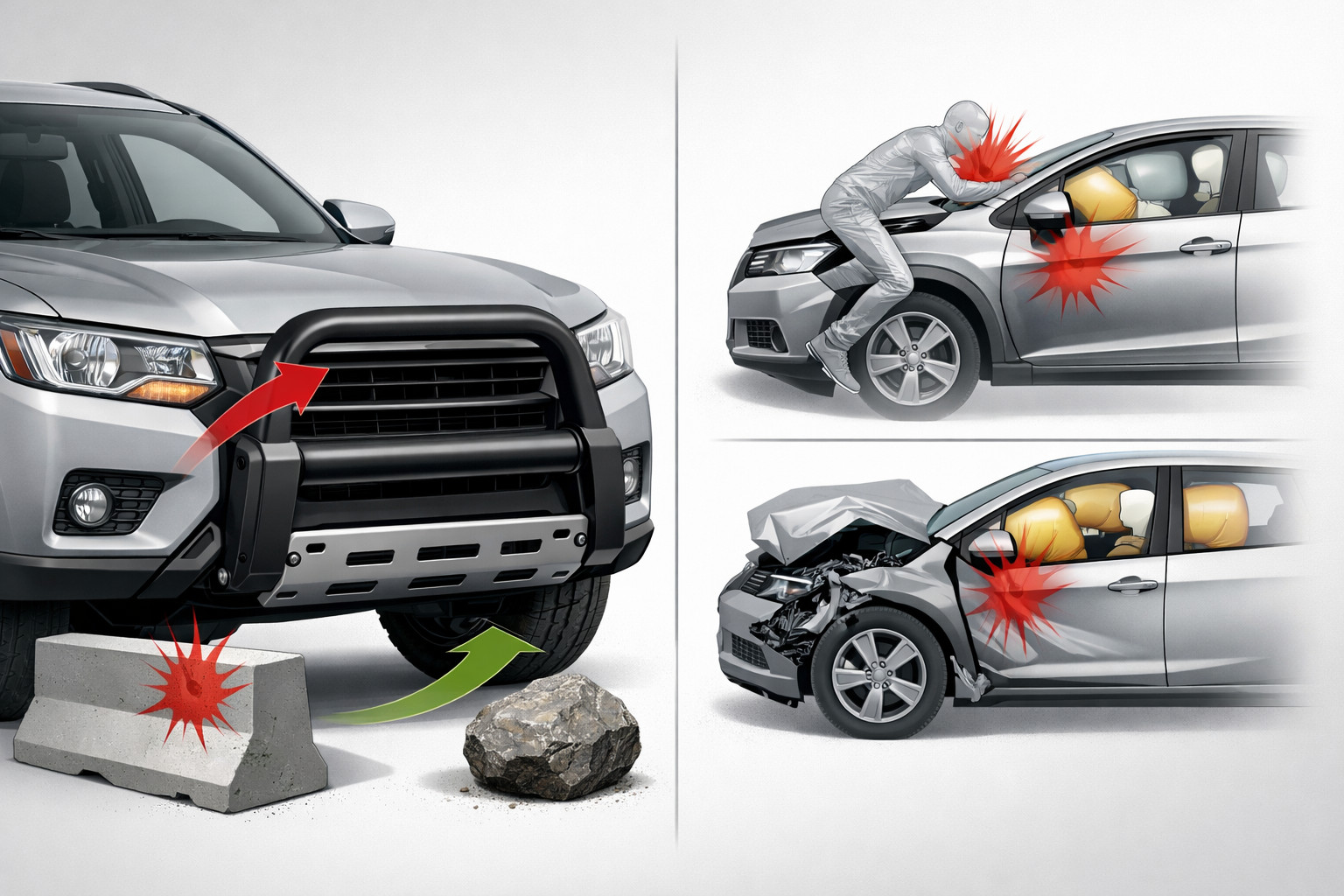
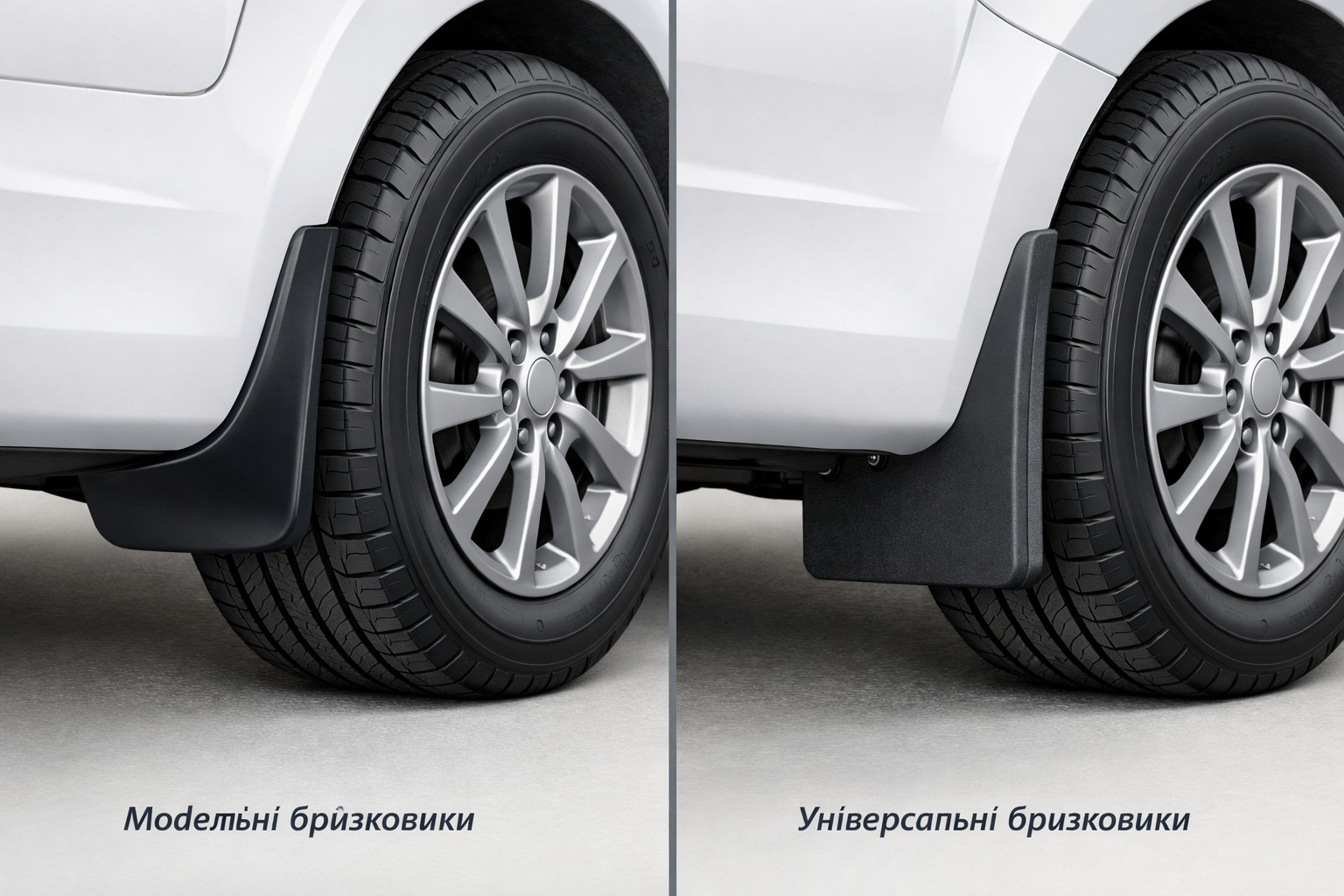
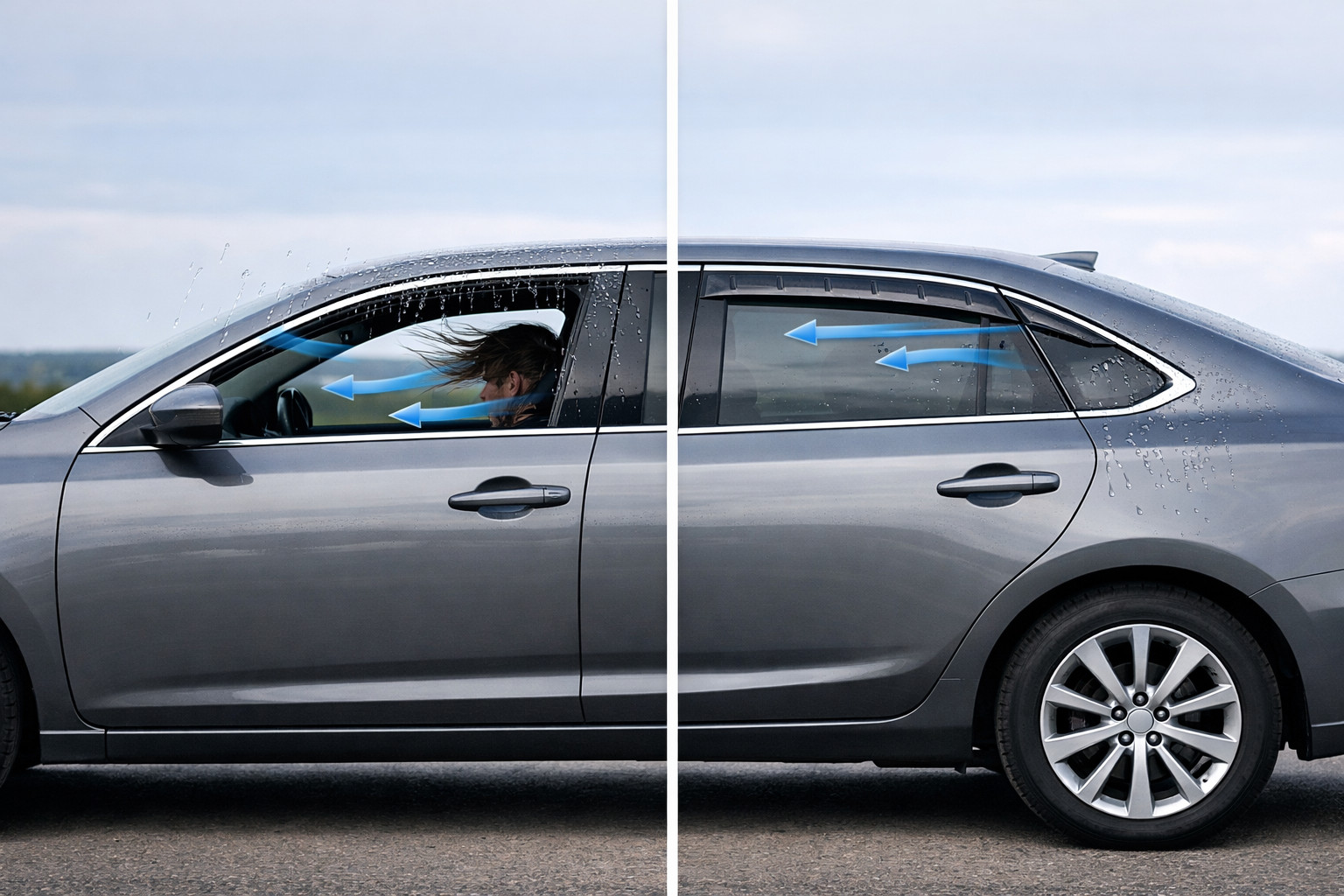
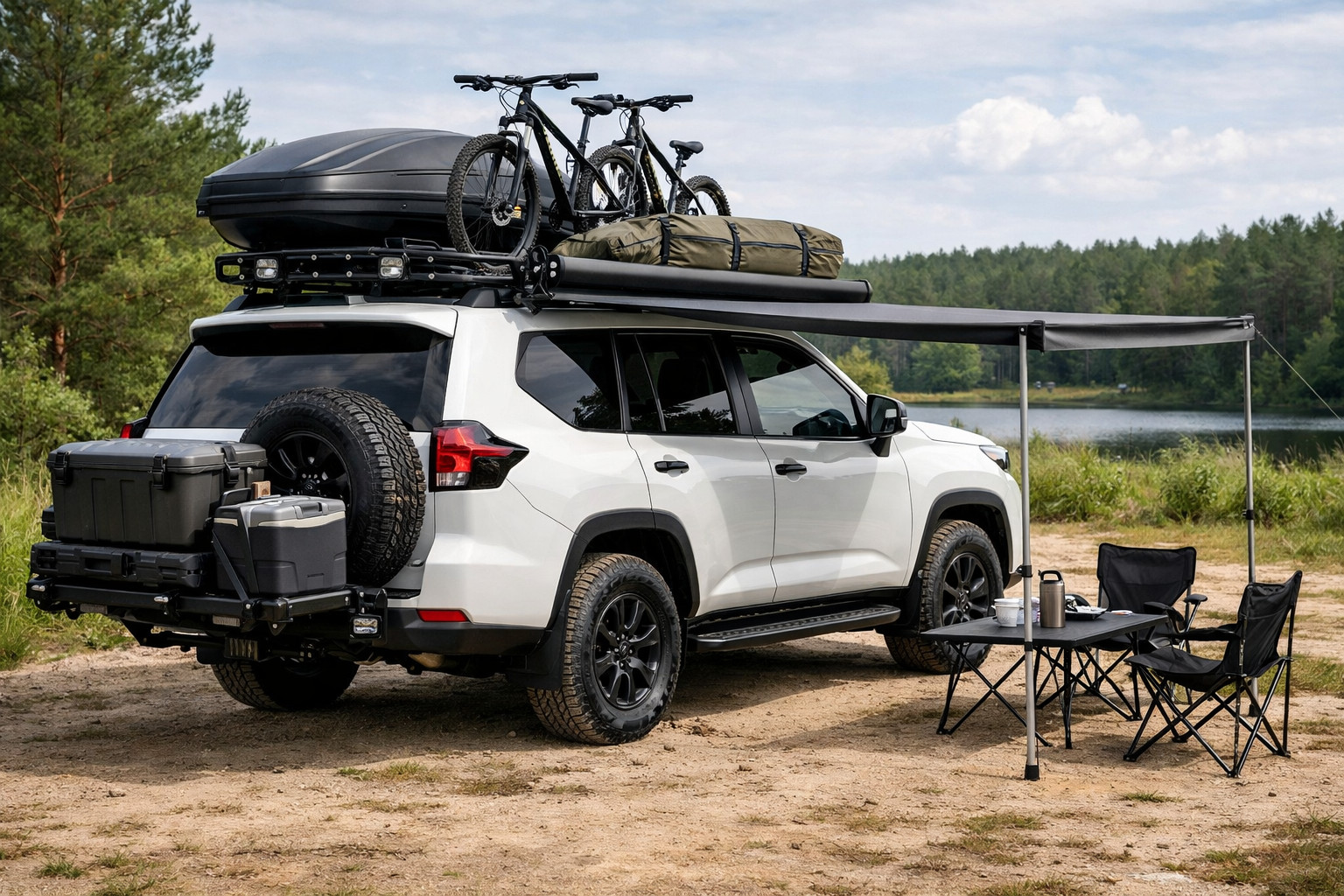
For the Amarok, tuning makes sense when it solves a real task: covering the bed, preparing the vehicle for towing, protecting the interior from dirt, or making daily use easier. Decorative parts quickly lose out to practical ones here, because the pickup format constantly pushes you toward functional upgrades.
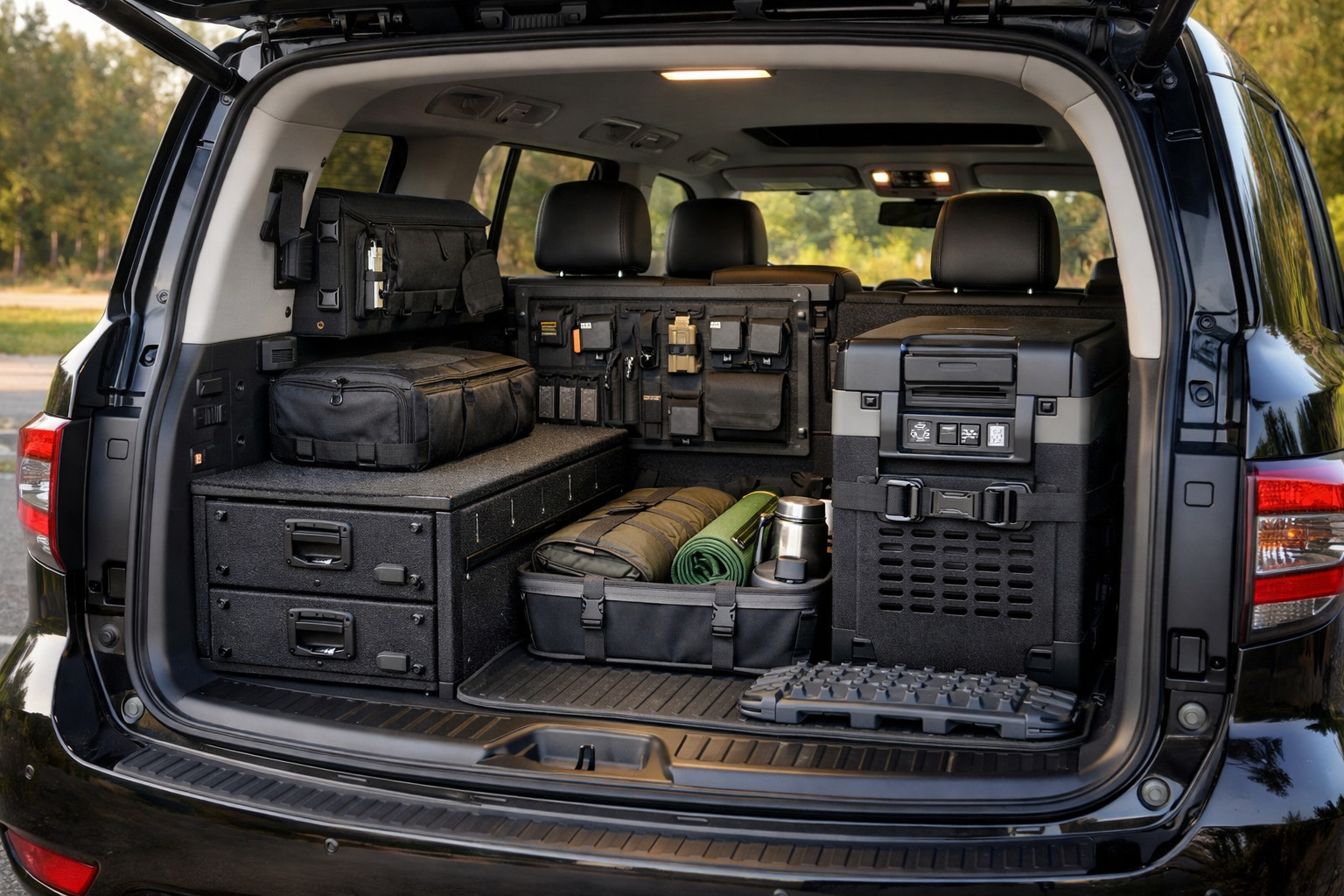
If the vehicle works every day, it’s worth thinking not about “nicer bars,” but about how the cargo bed is organized and whether you’re missing basic protection for the bed and interior. That’s when accessories actually enhance the model rather than just change the look.
Volkswagen Amarok 2010-2022 is one of the most mature pickups of its time: it can be a work vehicle, but it doesn’t force you to tolerate fully truck-like habits on the highway. It’s best suited to those who truly use the bed, tow a trailer, drive a lot between cities, and want more comfort than a typical utilitarian model offers. It’s not a great fit for purely urban use, short trips, and the “I just want a big diesel vehicle” scenario.
Later V6 Amarok models are especially strong, but cost more to buy and maintain; early 2.0-liter versions are more budget-friendly, but require a careful condition check. This material is based on real selection experience, practice, and real usage scenarios, so the main takeaway is simple: you should buy an Amarok not for the image, but for a specific job and a clear understanding of how you will use it.
| ✔ | More comfortable on the highway than many pickups in this class: the cabin is quieter, and the handling feels closer to a passenger car. This is noticeable on long trips and daily intercity routes. |
| ✔ | Well suited for real work with cargo and a trailer. It has a large bed, good payload capacity, and, in the later V6s, strong towing capabilities. |
| ✔ | The cabin feels more convenient and more 'grown-up' than in rough utilitarian pickups. The seating position is comfortable, and the ergonomics are closer to a passenger car. |
| ✔ | It has enough capability for trips off the asphalt: all-wheel drive, decent ground clearance depending on the version, and a 500 mm wading depth. This makes the model suitable for field roads and seasonal work. |
| ✔ | The engine lineup gives a choice between more affordable early 2.0 TDI units and torquey V6s. This makes it possible to pick a version for different use cases — from work to towing. |
| ✘ | In the city, the Amarok is inconvenient because of its large dimensions and wide turning radius. In tight parking lots and narrow courtyards, this quickly starts to annoy. |
| ✘ | When empty, it can feel stiff over small bumps, especially on poor road surfaces. In other words, comfort depends heavily on the load and road condition. |
| ✘ | Real fuel consumption is often higher than the official figures, especially for older diesels in the city and under load. For budget daily use, this is an important drawback. |
| ✘ | Diesel components do not like constant short trips without warming up. In this mode, the EGR and diesel particulate filter remind you of themselves more often, which adds hassle and costs. |
| ✘ | The automatic transmission and service history require a careful check before buying. For a used Amarok, the condition of the specific vehicle matters more than the model name itself. |
Shipping to EU
Wholesale and retail
Own warehouse
Опис продукту
Подарунки не надаються при оформленні покупки у кредит під 0,01% або при покупці частинами.