02.04.2026
492
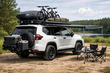
This upgrade plan is for a Toyota Land Cruiser Prado 250 owner who uses the vehicle not as a show project, but as a family tool: school runs, the cottage, holidays, trips with suitcases, kids’ stuff, sometimes with a dog or gear. The Prado 250 has a decent space reserve, but with 5 seats and a full cabin even a large trunk runs out quickly if you’ve got a stroller, bags, scooters, and seasonal clothing.
That’s why the right upgrade here is not about “bolting on everything”, but about order: first protect the cabin and cargo area, then eliminate small everyday chaos, and only after that decide whether you really need the roof setup. This is especially important for the Prado 250, because with the roof you have to look not only at the overall limit but also at the specific system: some solutions still have a safety margin for load, others are already more modest.
In the “roof + luggage + family trips” scenario, the upgrade must cover three things. First, the cabin and cargo area must cope with water, sand, mud on shoes, wet jackets, kids’ items, and groceries. Second, things shouldn’t slide around the trunk and pile onto each other under braking. Third, if you’re short on volume specifically on long routes, part of the light but bulky load needs to move to the roof without overloading and without accidentally choosing the wrong system.
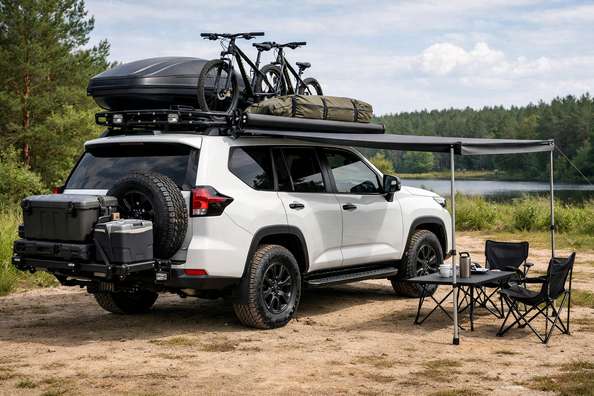
For short trips, the Prado 250 usually doesn’t need anything heavy on the roof. For a vacation with 4–5 people it’s different: the 742 L trunk sounds convincing, but in practice it gets filled quickly with suitcases, a stroller, backpacks, blankets, and small items. That’s why the baseline scenario here is not an expedition platform, but a neat roof setup for light, bulky cargo.
Your first money should go not to the roof, but to everyday dirt and mess. For a family Prado 250, the smartest start is rubber floor mats for the cabin, an all-season trunk liner, and a simple organizer. These are affordable upgrades that work every day, not twice a year before a holiday.
Next, look at your real usage style. If the trunk is constantly packed to the cargo cover, items get mixed with kids’ gear, or you travel with a pet, it makes sense to think about separating and securing cargo. Roof crossbars, however, should be bought not “just in case”, but when after a few trips it’s already clear that you truly lack interior volume.
| Upgrade | Why it’s needed | Who it truly benefits |
|---|---|---|
| Rubber cabin floor mats | Hold water, sand, mud, and snow; make cleaning easier | Anyone who drives daily, especially families with kids |
| Rubber trunk liner | Protects the cargo floor from wet bags, a stroller, shoes, and groceries | Those who often load household items, gear, or things after walks |
| Trunk organizer | Secures small cargo so there’s no chaos | Those who always keep chargers, tow strap, first-aid kit, inflator, kids’ items in the trunk |
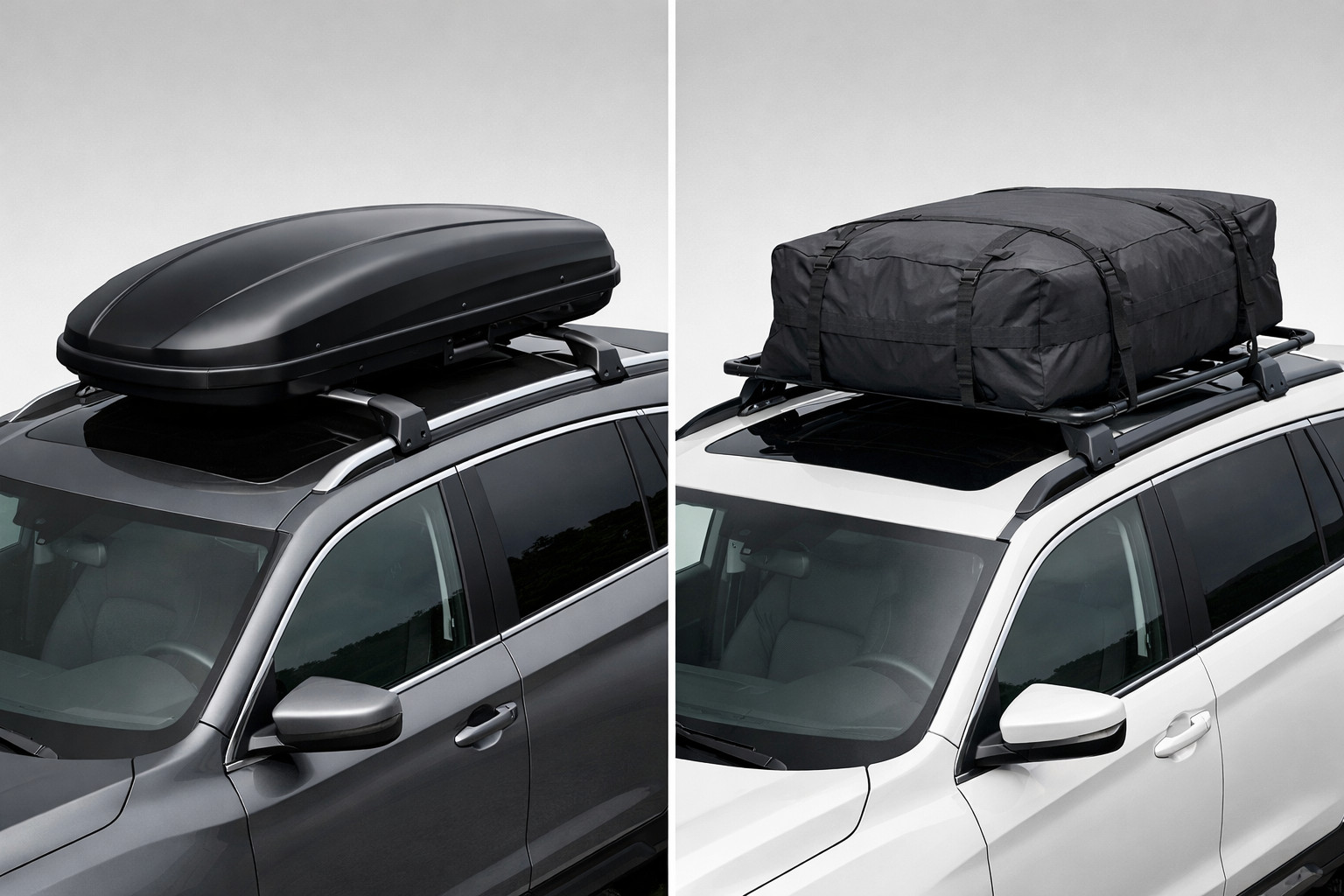
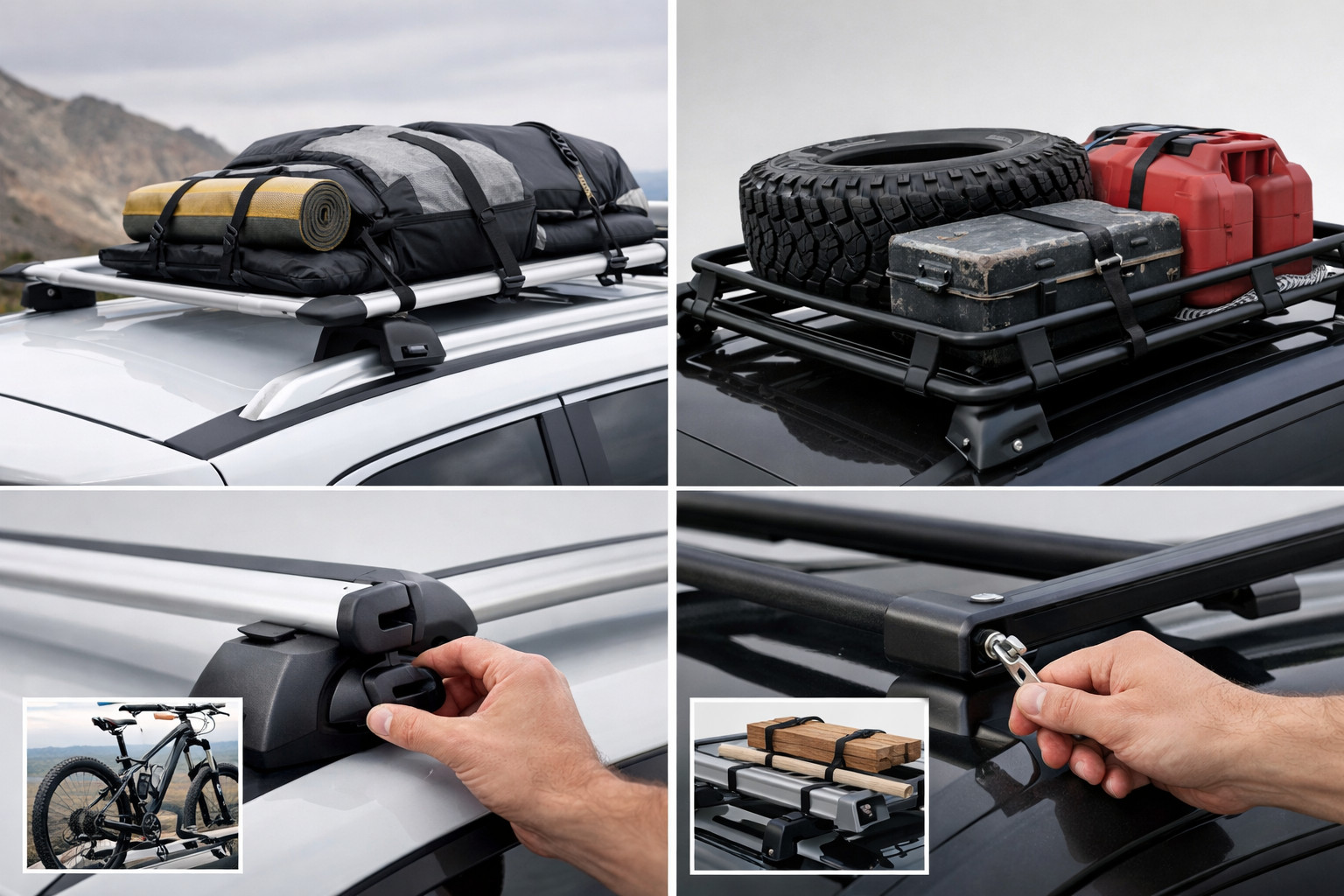
| Crossbars for the roof rails | Create a base for a roof box or other light roof transport | Those who objectively run out of space on long family trips |
| Compact roof box | Moves light bulky luggage to the roof and unloads the cabin | A family that travels on vacation fully loaded |
| Cargo barrier/partition | Reduces forward movement of items under hard braking | Those who carry a dog, tall loads, or heavy bags stacked high |
DD Tuning expert comment: the most common Prado 250 mistake is buying a heavy platform or a big box right away without doing even one proper test pack for a family trip. As a result, people overpay for looks, but still live daily with a dirty trunk and chaos in small items. The second common mistake is not checking the crossbar profile and the roof box base shape before buying.
The second stage starts when the basics are already installed and, after a few long trips, you see a specific shortage. If the problem is volume, not mess, the logical combo is: crossbars on the rails, and only then a compact roof box. For a family scenario, this is more practical than a full expedition rack because weight is lower, noise is usually lower, and the task is to carry light jackets, textiles, kids’ items—not build a campsite on the roof.
If you travel with a dog or often load items up to window height, a partition or another cargo-retention solution is useful as a second-stage upgrade. If you have small children in the cabin, model-specific seat covers also make sense earlier than decorative trim: they genuinely save the upholstery and don’t create issues with access to mounts.
With the roof, cold calculations matter. The vehicle has one limit, the crossbars or platform have another, so you can’t think “the bigger the construction, the more it will carry”. On the Prado 250, that easily turns into an expensive purchase with no real benefit.
In this group I’d put window deflectors, side steps, trim pieces, chrome, and part of the exterior decor. For family use, the most often justified item from this list is the steps—if children or older people regularly get in. But even here there’s a nuance: if you often drive on bad roads, steps can collect dirt and be less convenient than they seem in the showroom.
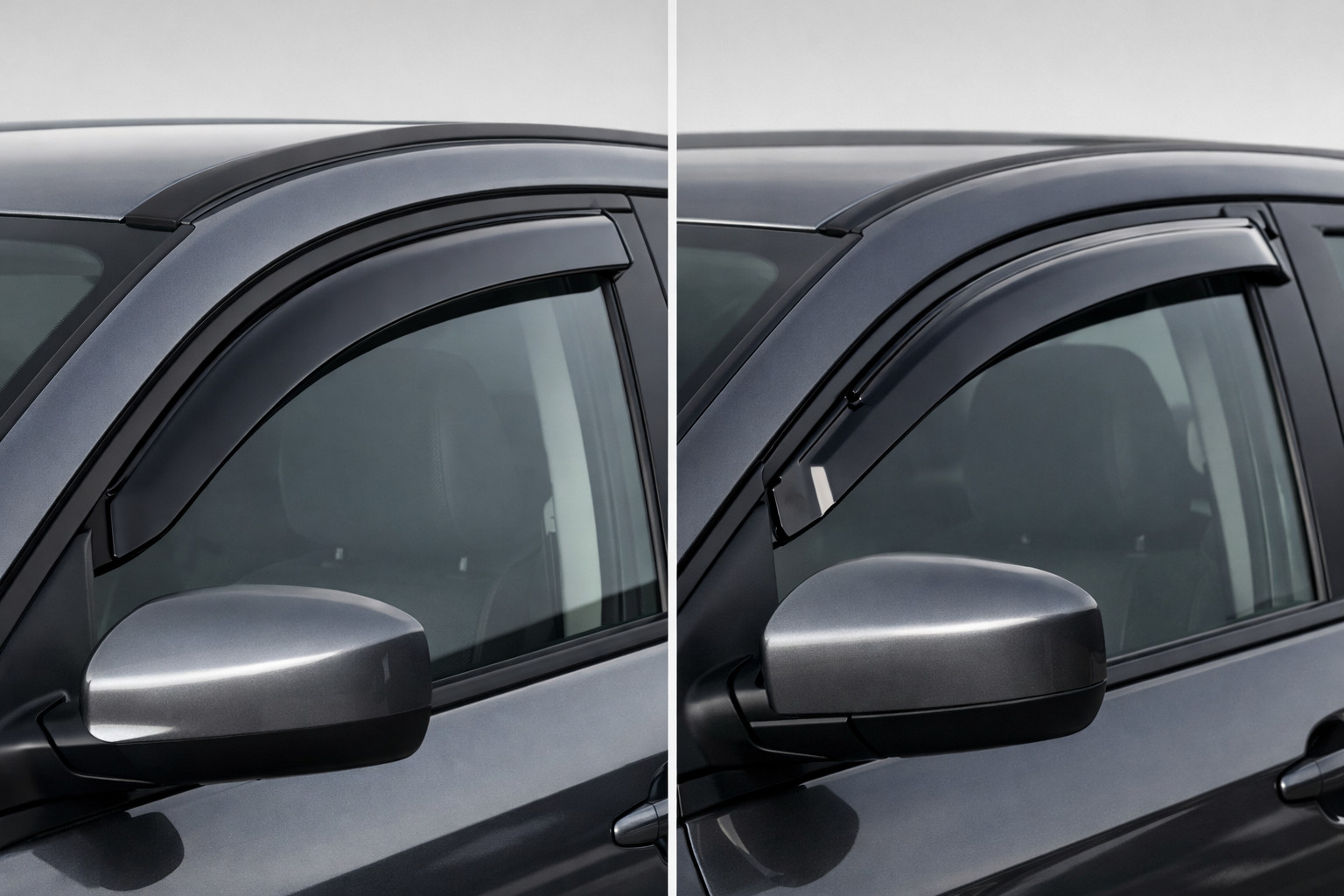
Deflectors are a fine little thing for ventilation in the rain, but they don’t solve luggage needs. Chrome, spoilers, decorative trims, moldings—this is about taste, not family logistics. If the budget is limited, these items should come long after floor mats, the trunk liner, cargo organization, and the roof setup.
It’s also worth remembering that the Prado 250 already has useful everyday features for family trips, including power in the cargo area for a small load. So additional complex comfort solutions should be bought only when the factory functionality is truly not enough.
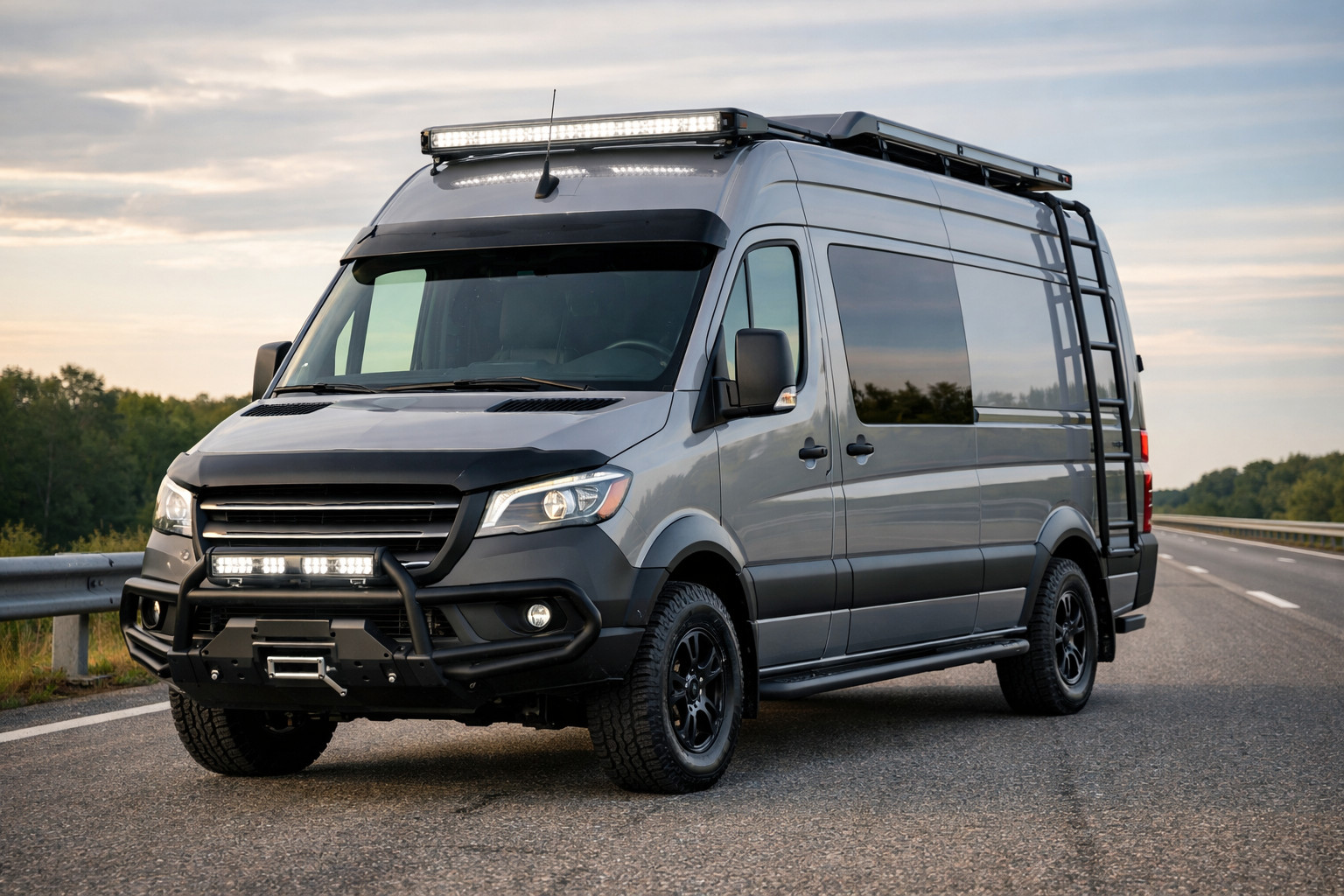
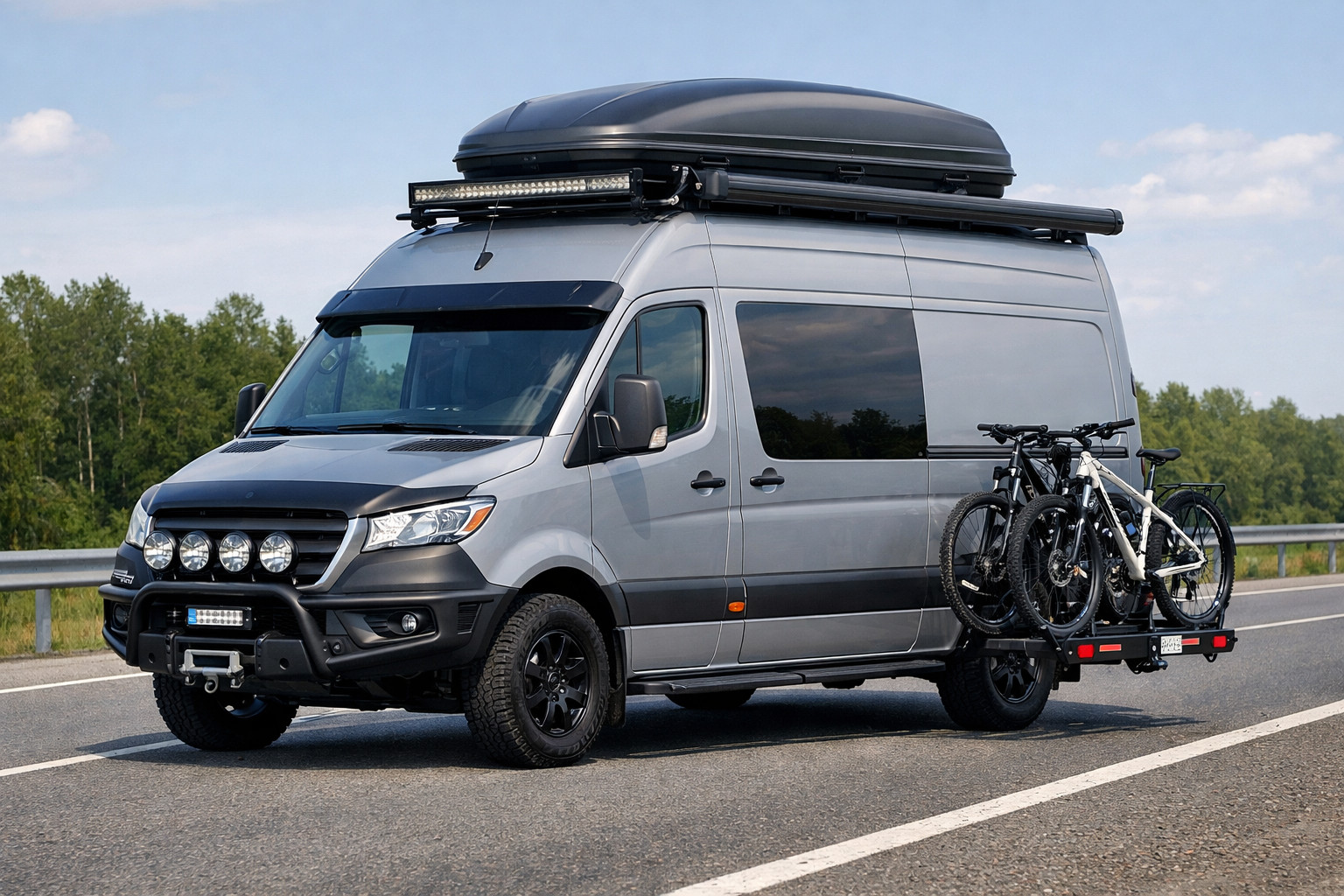
Most often bought unnecessarily are a full expedition rack, ladder, aggressive off-road kit, snorkel, heavy-duty bumpers/armor, lift, and heavy tires for a scenario where the vehicle actually drives highways, city routes, the cottage, and once a month to a forest park. For that kind of use, it’s extra weight, extra noise, extra cost, and sometimes a loss of everyday convenience.
The second common mistake is universal no-name roof solutions. On the Prado 250 this is especially risky: the shape of the rails, the crossbar profile, and the fit of the box matter. People often overpay not because they bought a good product, but because they first bought an incompatible one.
The third unnecessary purchase is a tow kit if you’re not towing a trailer, boat, or camper. Same goes for a very large roof box: if you take long trips only a few times a year, it can be smarter to stick to a compact solution than to carry extra volume and aerodynamic drag all the time.
| What to install first | What you can postpone | What is not mandatory |
|---|---|---|
| Rubber cabin floor mats | Seat covers, if the interior isn’t suffering from kids or pets yet | Chrome trims and decorative body kit |
| Trunk liner | Window deflectors | Spoiler and cosmetic details |
| Trunk organizer | Cargo barrier/partition, if you don’t carry a dog and don’t load to the ceiling | Ladder, heavy-duty exterior kit |
| Crossbars for the roof rails, if after test trips you lack space | Roof box until the first truly loaded vacation | Expedition platform for normal family routes |
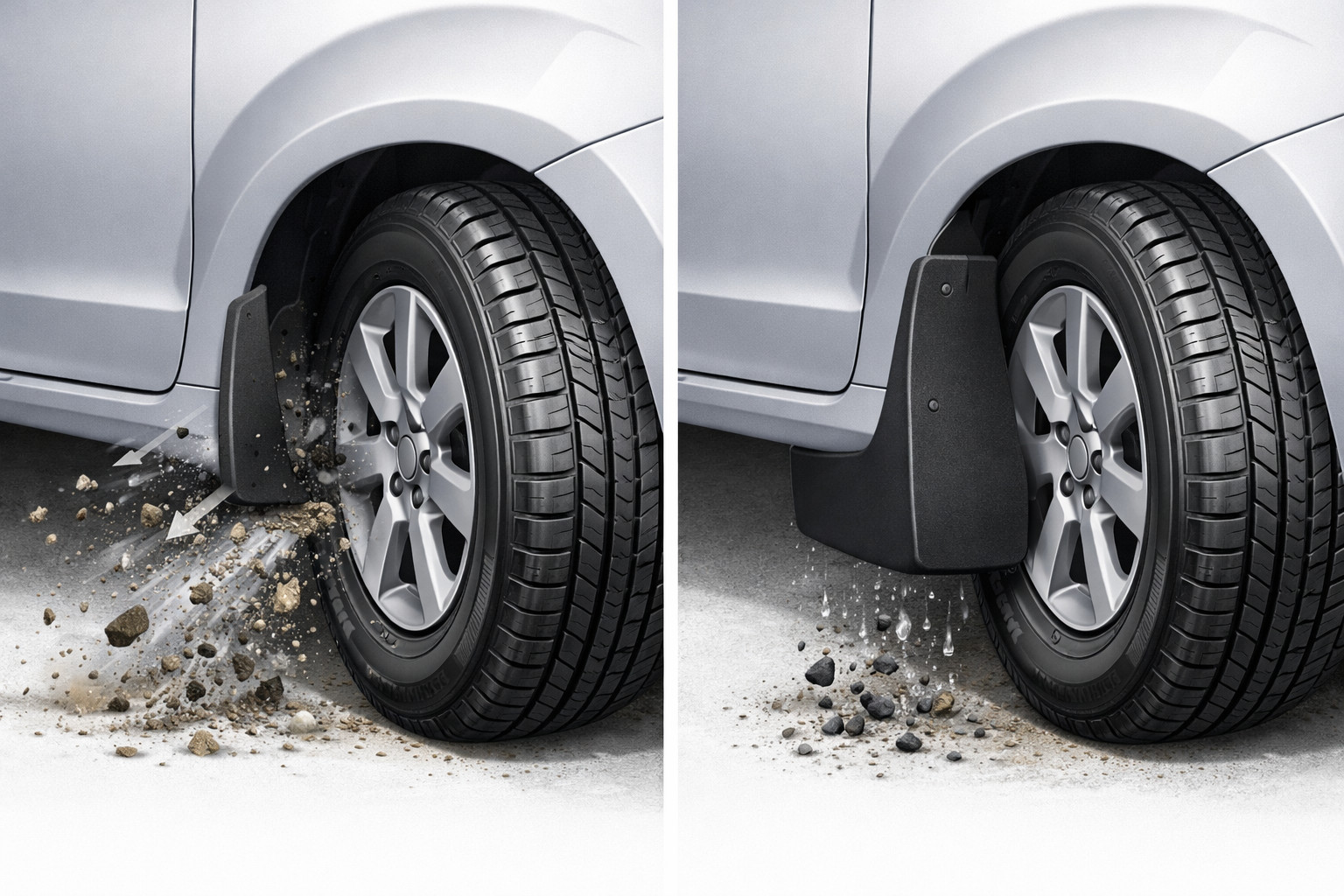
| Mud flaps for frequent muddy roads | Tow kit until you actually tow | Snorkel, lift, MT tires for a city-and-highway scenario |
More expensive solutions are justified not when you want it “to look like a built off-roader”, but when you have a repeatable use case. If after several long trips it’s clear that the bottleneck is the roof, start with crossbars for the roof rails—a logical base without extra mass and without jumping straight into a heavy expedition format.
If you need to compare several roof configurations for this model, it makes sense to look at roof racks and roof bars and select an option for a specific box, not for a picture. This is especially important if your version has a different rail profile or you’re choosing a solution for regular holidays rather than a one-off trip.
And off-road accessories make sense only when family trips regularly turn into camping, dirt roads, gear on the roof, and a heavier cargo scenario. For normal family use, they’re often more expensive, heavier, and less practical than the simple “crossbars plus a neat box” combination.
From a customer’s experience: a Prado 250 owner initially wanted to install a large roof platform right away, because with two kids and a stroller the car seemed too small. After a proper review of the use case, he started with floor mats, a trunk liner, and an organizer, and moved only vacation volume to the roof via crossbars and a compact box. As a result, the vehicle stayed convenient day to day, and on long trips there was no longer a need to stack items in the cabin up to window level.
For a Toyota Land Cruiser Prado 250 in a family scenario, the right upgrade path is simple: first protect the cabin and cargo area, then bring order to your things, and only after that—go to the roof. The most useful investments here aren’t the flashiest: rubber floor mats, a trunk liner, an organizer, then crossbars and a compact roof box if your trips really require it.
Anything heavy, expensive, and visually “serious” should be bought only for a repeatable scenario, not a mood. This material is based on real selection experience, practice, and real-world use cases where what matters most isn’t the picture, but that the Prado 250 remains convenient every day and doesn’t turn into an unnecessarily burdened project.
| ✔ | Rubber floor mats and a cargo mat are the first to catch water, sand, and dirt after trips to the country house, rain, or outings with kids. They are practical because the cabin and trunk are then easier to clean every day. |
| ✔ | A trunk organizer really reduces the mess among small items: chargers, a first-aid kit, a pump, tow straps, and children’s things do not roll around in the trunk. It is especially useful in a family car, where there is usually a lot of small cargo. |
| ✔ | Roof crossbars provide the base for a roof box without moving into a heavy expedition setup. For vacations and long trips, this makes it possible to move light, bulky luggage out of the cabin. |
| ✔ | A compact roof box works when suitcases, a stroller, and children’s items no longer fit in the trunk. It unloads the cabin and fits the family scenario better than a large platform. |
| ✔ | A cargo divider is useful if you carry a dog or cargo up to window level. It reduces the risk of items moving forward during hard braking. |
| ✘ | A large expedition platform, ladder, power body kit, and similar off-road kit look unnecessary for ordinary family trips. They add weight, noise, and costs, but do not solve the daily luggage problem. |
| ✘ | Buying roof solutions without test packing is risky, because you can spend money on an unnecessary system. The article directly points out that people often buy a heavy platform or a large box without understanding the real amount of needs. |
| ✘ | Universal no-name roof solutions may not fit because of the shape of the roof rails, the profile of the crossbars, and the box mounting. This creates the risk of overpaying for something incompatible. |
| ✘ | A large box is not always better than a compact one: if you travel long distances only a few times a year, the extra volume and aerodynamic drag will be there all the time. For such a scenario, it may be less practical than a smaller box. |
Shipping to EU
Wholesale and retail
Own warehouse
Опис продукту
Подарунки не надаються при оформленні покупки у кредит під 0,01% або при покупці частинами.