11.06.2026
333
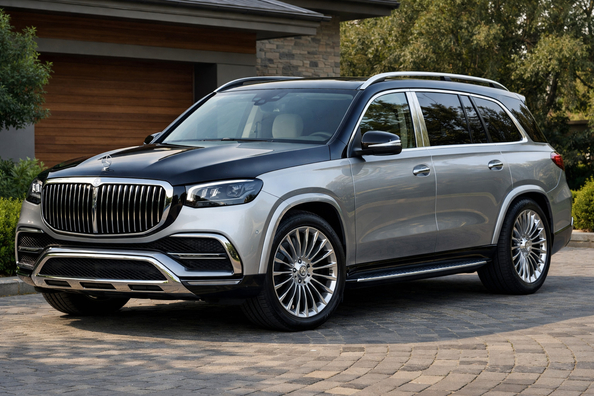
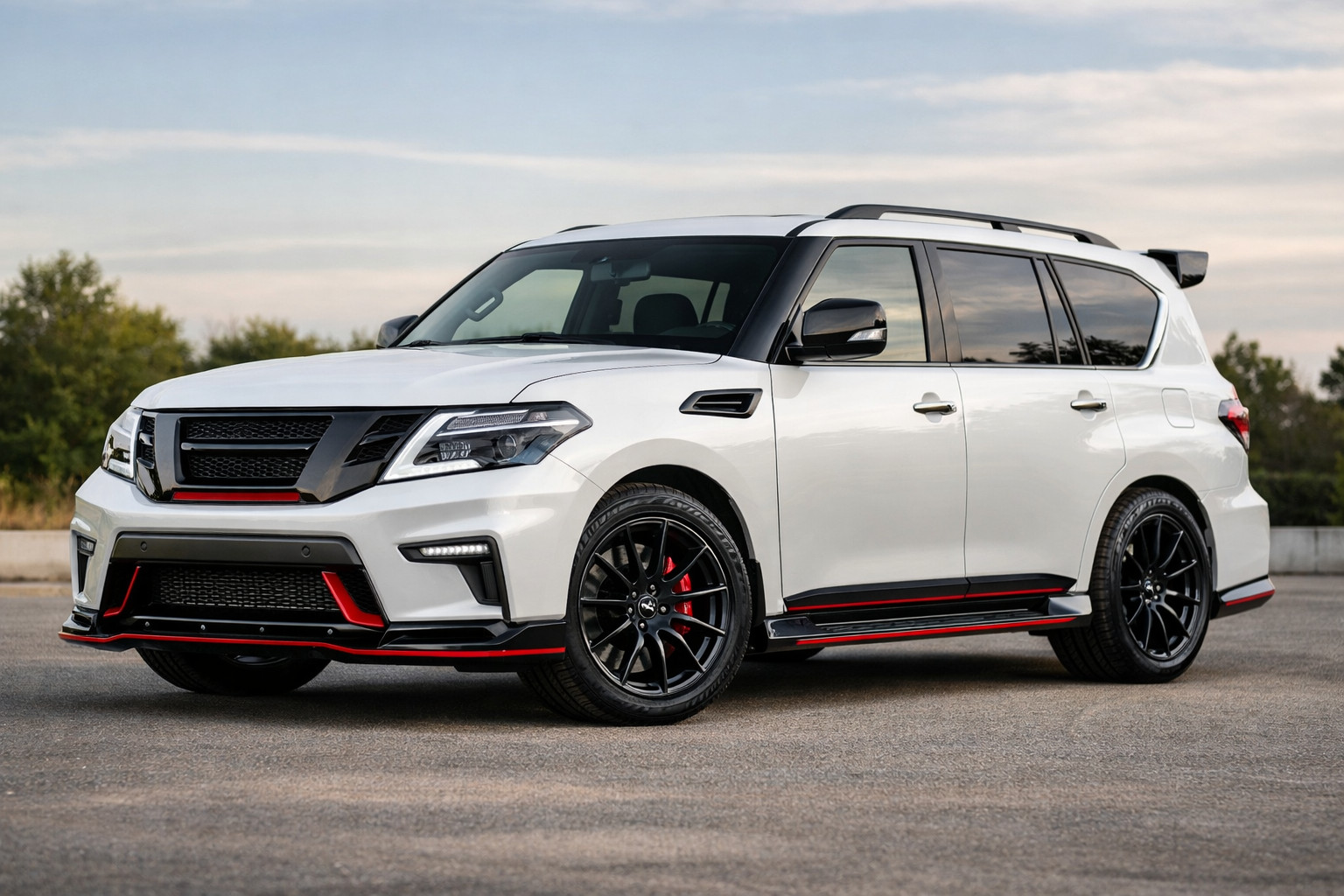
This is a plan for a Mercedes GLS X167 owner who wants a Maybach 2025 look without the typical fail: first an expensive body kit and big wheels, then problems with tires, ground clearance, and daily use. The scenario is simple: make the car look more expensive, but don’t ruin winter driving, parking, trips with passengers, or future maintenance.
On the X167, the upgrade logic is especially important: it’s a large and heavy crossover, and the Maybach style itself pushes you toward 22-inch wheels, side steps, and a full body kit. That’s why you start by covering the protection basics, checking compatibility by model year and trim, and only then spending money on the exterior.
A proper Maybach-style upgrade for a GLS X167 has to solve two tasks at once. First—deliver the right image: a different front end, a richer silhouette, the correct stance on the wheels, and the feeling of a more expensive vehicle. Second—not break the day-to-day routine: passenger entry, clearance margin, tire availability, calm winter use, and driving on bad roads.
If the car is driven in the city every day, carries family or rear passengers, the real goal isn’t to build the loudest possible parts list. The goal is to get the Maybach visual effect where it’s actually noticeable—and not overpay for things that will only make life harder on a big, heavy X167.
The first stage here isn’t decorative. You need to verify the exact model year, body kit compatibility by mounts and equipment, the operation of parking sensors and cameras, and any open VIN campaigns. With wheels, don’t focus on design alone either: on the X167, year-to-year compatibility should be checked separately, because original solutions from early years don’t always fit later cars without modifications.
Next is the basic practical set: floor mats for the cabin and trunk, wheel locks, a battery charger for a car that sits often. If the vehicle is driven in winter or on broken roads, reserve the budget first for a separate wheel and tire set in 21–22 inches. That’s more rational than immediately chasing 23–24 inches: at larger diameters tires are more expensive, the selection is weaker, and comfort is lower.
| Modification | Why it’s needed | Who actually benefits |
|---|---|---|
| Rubber floor mats for the cabin and trunk | Protect the expensive interior from moisture, dirt, and winter chemicals | Daily city use, family cars, chauffeur-driven vehicles |
| Wheel locks | Reduce the risk of losing expensive wheels | Anyone who parks on the street or often leaves the car unattended |
| Battery charger | Maintains the battery if the car sits for weeks | A second car in the family, seasonal use, rare trips |
| Separate winter or road wheel & tire set | Gives a better tire choice, lower replacement cost, and a softer ride | Anyone who drives in winter, does a lot of highway miles, or runs on poor asphalt |
| Rear screen and tablet holder | Improve the rear-passenger scenario, but only if the required pre-installation is present | Family format and chauffeur-driven use |
| Roof crossbars | Provide real cargo function for a roof box, skis, or bicycles | Travel, outdoor activities, long trips |
| Maybach-style body kit | Creates the target exterior look of the vehicle | Those who deliberately go for a visual refresh and are ready for fitting and painting |
| 23–24-inch wheels | Change proportions and presence the most | Mainly a city/show scenario, smooth roads, a separate winter set already exists |
DD Tuning expert comment: The most common mistake with the GLS X167 is starting with wheels and side steps, and only then realizing the tires are expensive, the selection is limited, and clearance got worse. The second typical mistake is painting the body kit before test fitting. Also, always check the pre-installation for the rear screen separately: without it, even the right purchase can get stuck without a quick result.
The second stage depends on how the car is used. If a GLS X167 often carries rear passengers, then it’s logical to look at a rear screen and tablet holder—but only after checking for the required pre-installation. If the car is more about trips, skis, bicycles, or family vacations, roof crossbars are genuinely useful.
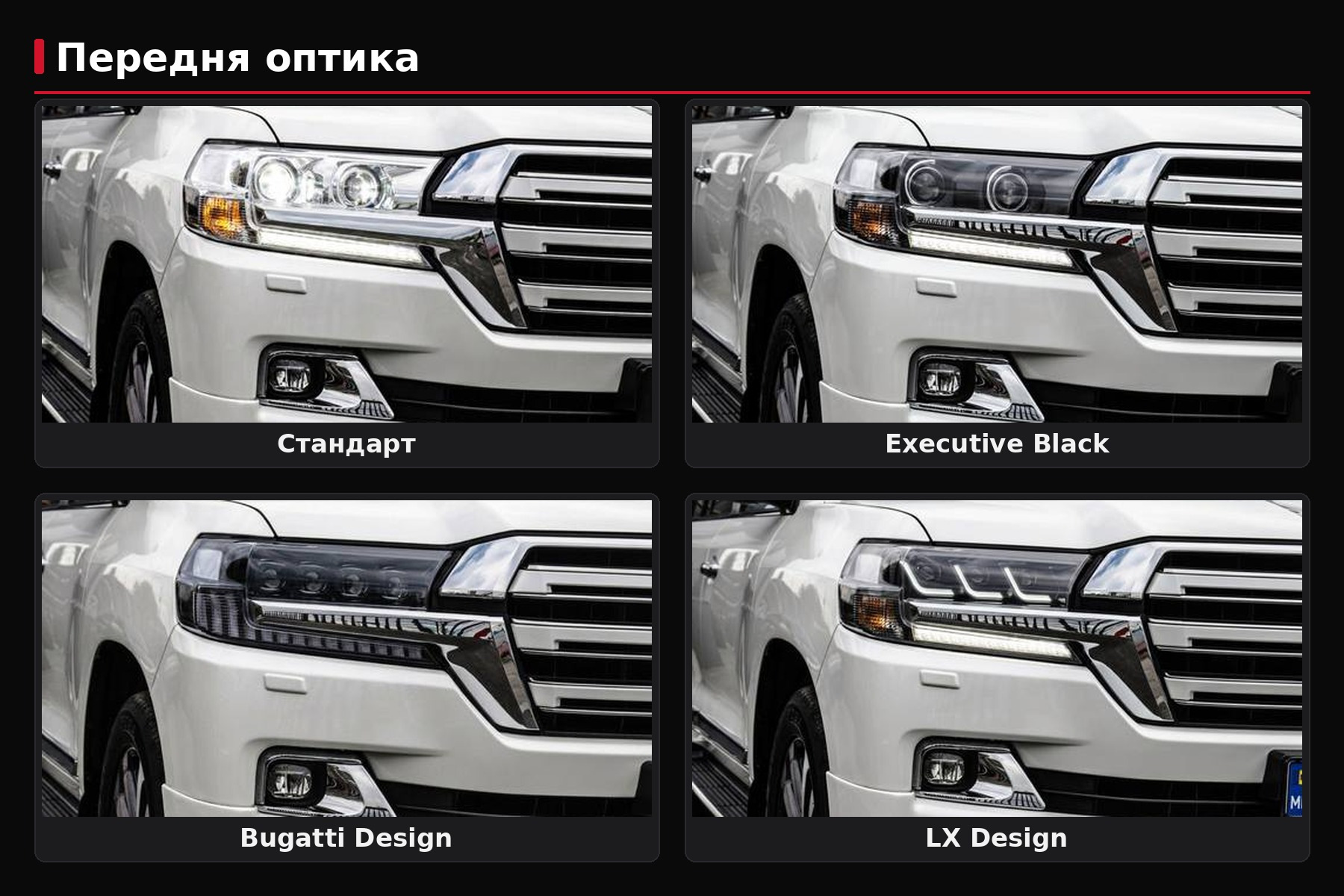
For those going specifically for the Maybach style, the second stage becomes a quality exterior set: grille, front and rear elements, small body details. Second, not first—because it doesn’t solve any daily problem, but it does require budget for fitting, painting, and assembly.
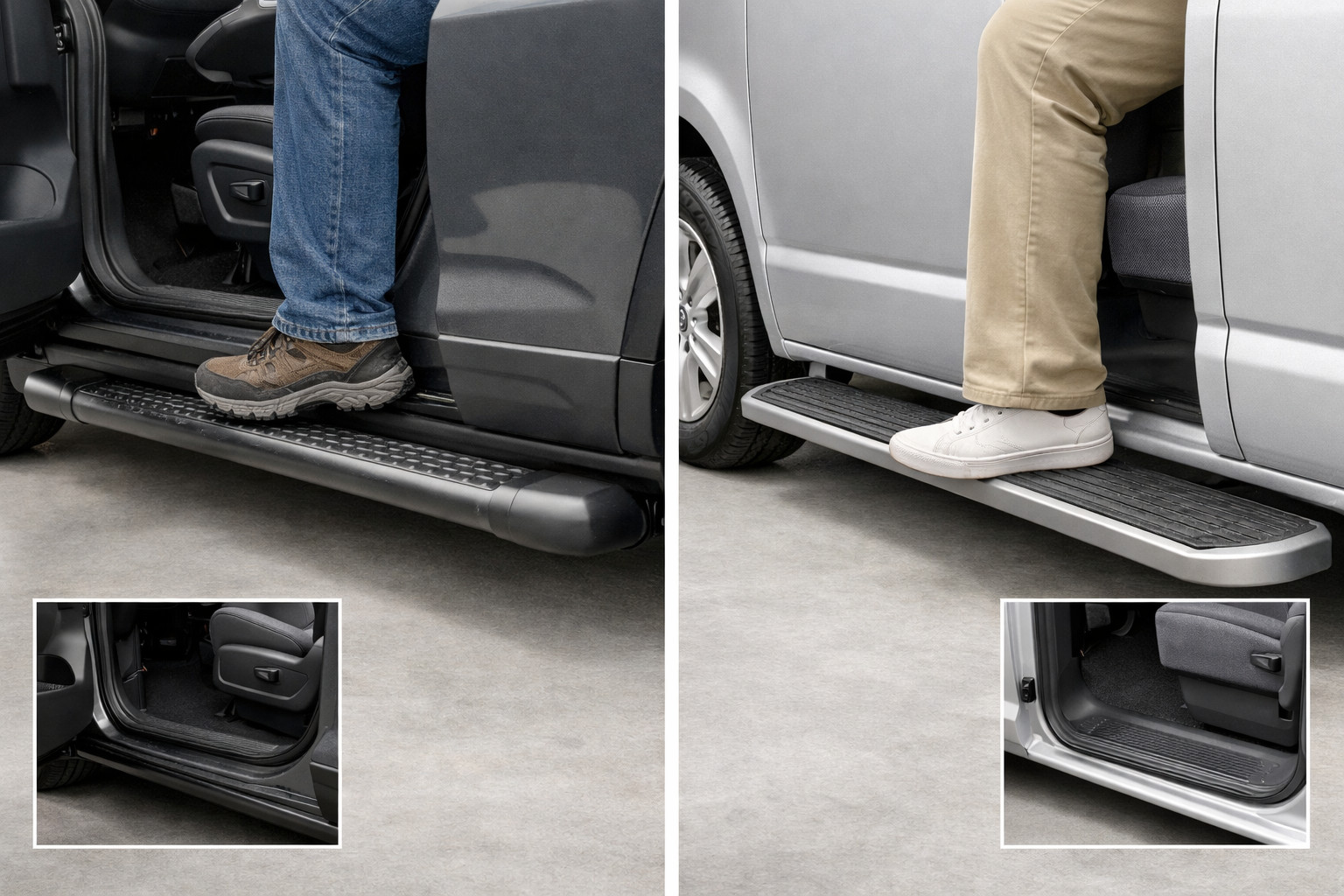
This group includes side steps, large wheels, decorative interior elements, and all tuning that changes the impression more than the usage scenario. Side steps can действительно make passenger entry easier, but you pay for it with less clearance margin. For curbs, yard potholes, snow, and trips outside the city, that’s no longer a minor detail.
23–24-inch wheels deliver the desired look, but they aren’t a basic need even for the Maybach style. On a large, heavy X167, this almost always means more expensive tires, a tougher selection of winter or all-season options, and faster rear-axle wear. If you need comfort for passengers, a rear multimedia setup often brings more benefit than another visual accessory.
Another typical mistake is buying things not for your scenario, but for a picture from someone else’s car. If the car lives in a city with winter, poor roads, and daily trips, overpaying for looks almost always hits harder than it seems at the start.
| Scenario | What to install first | What can be postponed | What is not required |
|---|---|---|---|
| Daily city X167 | Mats, wheel locks, VIN check and parts compatibility | Body kit after budgeting for painting and installation | 24-inch wheels, small decorative tuning |
| Winter, highway, bad roads | Separate 21–22-inch wheel & tire set, basic interior protection | Visual restyling if the road-use scenario is already reliably covered | Side steps and oversized wheels |
| Family or chauffeur-driven scenario | Check pre-installation for the rear screen, mats, clean cabin functionality | Exterior body kit and wheels after passenger comfort is covered | Sport pedals, decorative trims, random accessories |
| Project focused on the Maybach exterior effect | Quality parts set, test fitting, preparation for painting | Wheels after the final look and tire plan are clear | Any cheap replicas just to save money upfront |
The expensive route is justified if you need not just a similar silhouette, but the most cohesive possible restyle to the current Maybach look. Then you look not at random copies, but at restyling kits or a specific Maybach kit for your X167. Here you pay not only for the part, but for more accurate geometry, fewer surprises during test fitting, and a proper final look after painting.
More expensive wheels only make sense when the car is driven mostly on smooth asphalt, you already have a separate winter set, and you consciously accept tire costs. In that case, you can look at wheels for the GLS X167, but 23–24 inches is about presence, not rationality.
Side steps are not always justified either. They make sense only where passengers truly need easier entry, and the routes aren’t made up of high curbs, snow, and rough yards.
From a customer’s experience: a GLS X167 owner initially wanted to start with 24-inch wheels and side steps, but after calculating costs, changed the order. First he covered mats, wheel locks, and a separate winter set, then installed a Maybach-style body kit. As a result, the car got the desired look without losing daily convenience, and the budget didn’t dissolve into expensive tires and rework.
For a Mercedes GLS X167, the path to Maybach 2025 should be built not from the picture, but from the order of work. First—compatibility, protection, tires, and basic practicality; then—items for your scenario; and only then—the body kit, big wheels, and other expensive visual solutions.
This approach delivers a better result both in money and in usefulness: you don’t buy junk, you don’t overpay for looks where function is needed, and you don’t damage the strong sides of the X167. The material is based on real selection experience, practice, and real usage scenarios.
| ✔ | First, focusing on compatibility by year, VIN, and trim helps avoid issues with mounting points, sensors, and poorly matched parts. This is more practical than immediately buying a body kit or wheels blindly. |
| ✔ | Initial coverage of basic practicality — floor mats, trunk protection, wheel locks, and a charger — really reduces everyday risks for a large and expensive crossover. This is especially useful for the city, winter, and a car that often sits unused. |
| ✔ | The author clearly separates what creates visual impact from what truly improves the car’s usability. This makes it easier not to spend the budget on things that complicate operation but add little benefit. |
| ✔ | A separate winter or road wheel set in 21-22 inches is presented as a more balanced solution for difficult roads. It allows you to maintain comfort, have a better tire selection, and avoid overpaying for oversized wheels. |
| ✔ | The upgrade plan is built step by step: first the foundation, then passenger comfort, and only after that exterior style. This sequence reduces the chance of rework and unnecessary expenses on installation and painting. |
| ✘ | A full Maybach style requires not only parts, but also fitting, painting, and careful assembly. Because of this, even a successful kit can end up more expensive and take longer to realize than it seems at the start. |
| ✘ | Large 23-24 inch wheels significantly increase tire costs and narrow the tire choice, especially for winter. For everyday driving on the heavy X167, this also means worse comfort and faster wear. |
| ✘ | Side steps are not always useful: they do make getting in easier, but they reduce ground clearance margin. For curbs, snow, and bad courtyards, this can become a real problem. |
| ✘ | The rear screen or tablet holder only makes sense if the required pre-installation is present. Without a prior check, you can buy an expensive option that won’t work without additional modifications. |
Shipping to EU
Wholesale and retail
Own warehouse
Опис продукту
Подарунки не надаються при оформленні покупки у кредит під 0,01% або при покупці частинами.