02.06.2026
274
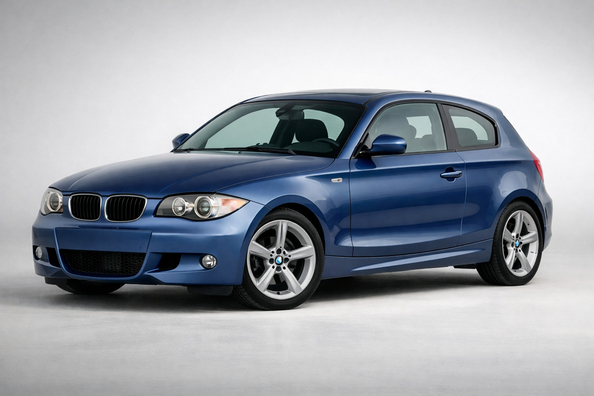

BMW 1 Series E81/E82/E87/E88 is an old-school compact BMW: rear-wheel drive, a longitudinal engine, and very sharp steering response. That’s exactly why the model is still sought after on the used market, even though its age now demands careful condition-based selection rather than just a nice trim level.
This generation is a good fit for those who want a small car with character, a strong driving position, and straightforward mechanics. But if your priorities are a spacious second row, a soft ride, and low running costs, the 1 Series E8x can disappoint quickly.
In its class, this BMW stood out for its architecture: most competitors were front-wheel drive, while here you get rear-wheel drive and a layout closer to the brand’s larger models. As a result, the 1 Series wasn’t the most practical in the segment, but it delivered the handling feel people still buy it for today.
The first generation of the 1 Series launched in 2004 as a compact BMW in a new format. Within the family, the indices were E87 for the 5-door hatchback, E81 for the 3-door hatchback, E82 for the coupe, and E88 for the convertible. The coupe and convertible were added in 2007, and in 2009 the model was updated: a refreshed multimedia system appeared, along with new electronic features and expanded comfort options.
In terms of layout, it was a fairly bold car for its class, and that’s exactly why it has aged well conceptually. Even now, the E8x is perceived not as just a compact, but as a small driver-focused BMW.
| Body | Format | Seats | Trunk |
|---|---|---|---|
| E81 | 3-door hatchback | 4 | volume data is not provided separately in this set |
| E87 | 5-door hatchback | 5 | 330 L, up to 1150 L with the seatbacks folded |
| E82 | coupe | 4 | 370 L |
| E88 | convertible | 4 | 260–305 L |
The range was broad: from calm gasoline and diesel versions to very fast 6-cylinder modifications. Gearboxes included a 6-speed manual, a 6-speed automatic, and on some of the most powerful 135i versions—a 7-speed transmission. If you look at a purchase without romance, the healthiest approach is to chase not the “strongest engine,” but the best-maintained example.
For daily driving, the 120i or well-kept diesels look like the most sensible options. For эмоції — 125i, 130i and 135i, but then you’re into higher costs for fuel, tires, and related maintenance.
| Engine group | Displacement and power | Practical takeaway |
|---|---|---|
| 116i / 118i | 1.6–2.0 L depending on year and market, 122–143 hp in later specifications | fine for the city, but early gasoline versions require attention to the timing chain |
| 120i | 2.0 L, 170 hp | one of the most sensible gasoline choices in terms of balance |
| 125i / 130i / 135i | 3.0 L, 218 / 258 / 306 hp | this is where the platform’s character really comes through, but ownership is more expensive |
| Diesels | mostly 2.0 L; the lineup included 116d, 118d, 120d, 123d; for certain versions 143 and 204 hp are officially confirmed | a strong point of the model for highway use and economical daily driving |
All versions are built around the same idea: a long wheelbase for the class, rear-wheel drive, and a chassis tuned for precision. That’s why the car turns in very eagerly, but on rough surfaces it can feel firm. The suspension and tires shape most of the driving impression, so suspension condition is critical here.
| Parameter | E87 | E82 | E88 |
|---|---|---|---|
| Length | 4239 mm | 4360 mm | 4360 mm |
| Width | 1748 mm | 1748 mm | 1748 mm |
| Height | 1421 mm | 1423 mm | 1411 mm |
| Wheelbase | 2660 mm | 2660 mm | 2660 mm |
| Fuel tank | 53 L | 53 L | 53 L |
| Curb weight | 1245–1410 kg | 1300–1470 kg | 1420–1600 kg |
The official ground clearance value is not listed in the available technical tables for this generation. For Ukrainian roads, this matters: in practice, it’s better to look at the actual condition of the springs and dampers and the wheel size, rather than the number in an ad.
The E8x’s strong suit is the driving position. You sit low, the controls are within easy reach, and the overall cabin feel is closer to larger BMWs than to a typical compact hatchback of that era. Build quality is good, although on higher-mileage cars everything depends on how they were cared for.
Comfort comes with caveats. The front seats are comfortable, but the second row is tight both for legroom and width, especially in the coupe and convertible. In terms of safety, the model performed well in its time: 5 stars in crash tests is a strong result for the class.
As a daily car, the 1 Series is decent—if you honestly accept its format. The E87 hatchback is the most practical in the family, the coupe is more convenient for those who mostly drive as a pair, and the convertible is less about practicality and more about seasonal enjoyment. Official fuel-consumption figures here are old-style, so it’s not worth comparing them directly with newer cars.
Common cost items include the water pump, ignition coils, window regulator mechanisms, and minor electrical issues. On diesels, you should check the condition of the exhaust gas recirculation system, the injectors, and the rear differential for leaks. If the car is on puncture-resistant tires with reinforced sidewalls, everyday running costs will be higher.
The key advantage of the E8x is that it feels like a “small BMW,” not just a premium compact. The main drawback is age and dependence on previous maintenance: a good example still brings joy, while a tired one starts asking for money regularly.
| Strengths | Weaknesses |
|---|---|
| precise steering and rear-wheel drive | tight second row |
| wide choice of engines | firm ride on poor roads |
| successful diesels for highway driving | timing chain risks on some early gasoline versions |
| great driving position and a solid cabin | age-related issues with electrics, water pump, window regulators |
| decent trunk in the hatchback | condition varies greatly across cars on the market |
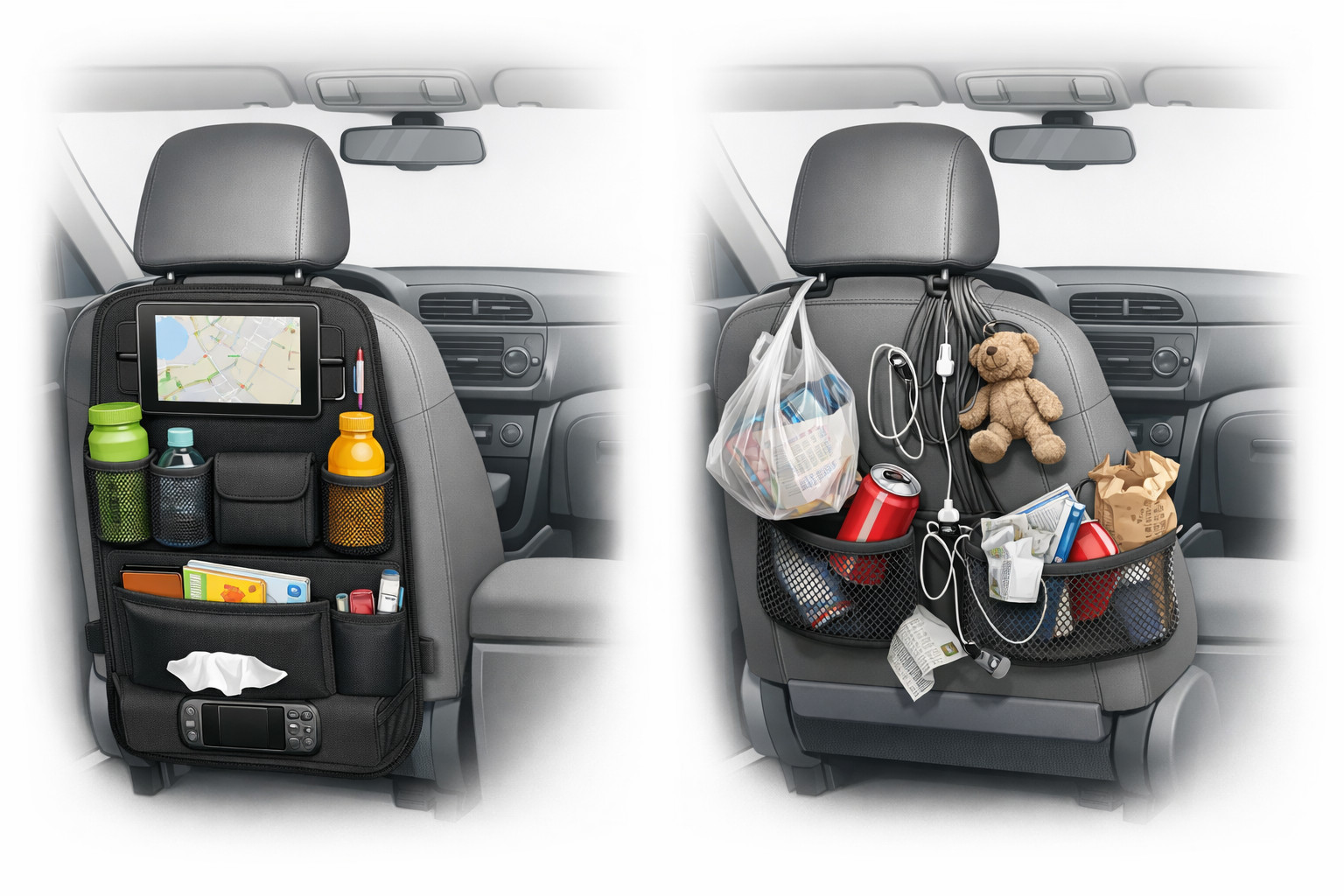
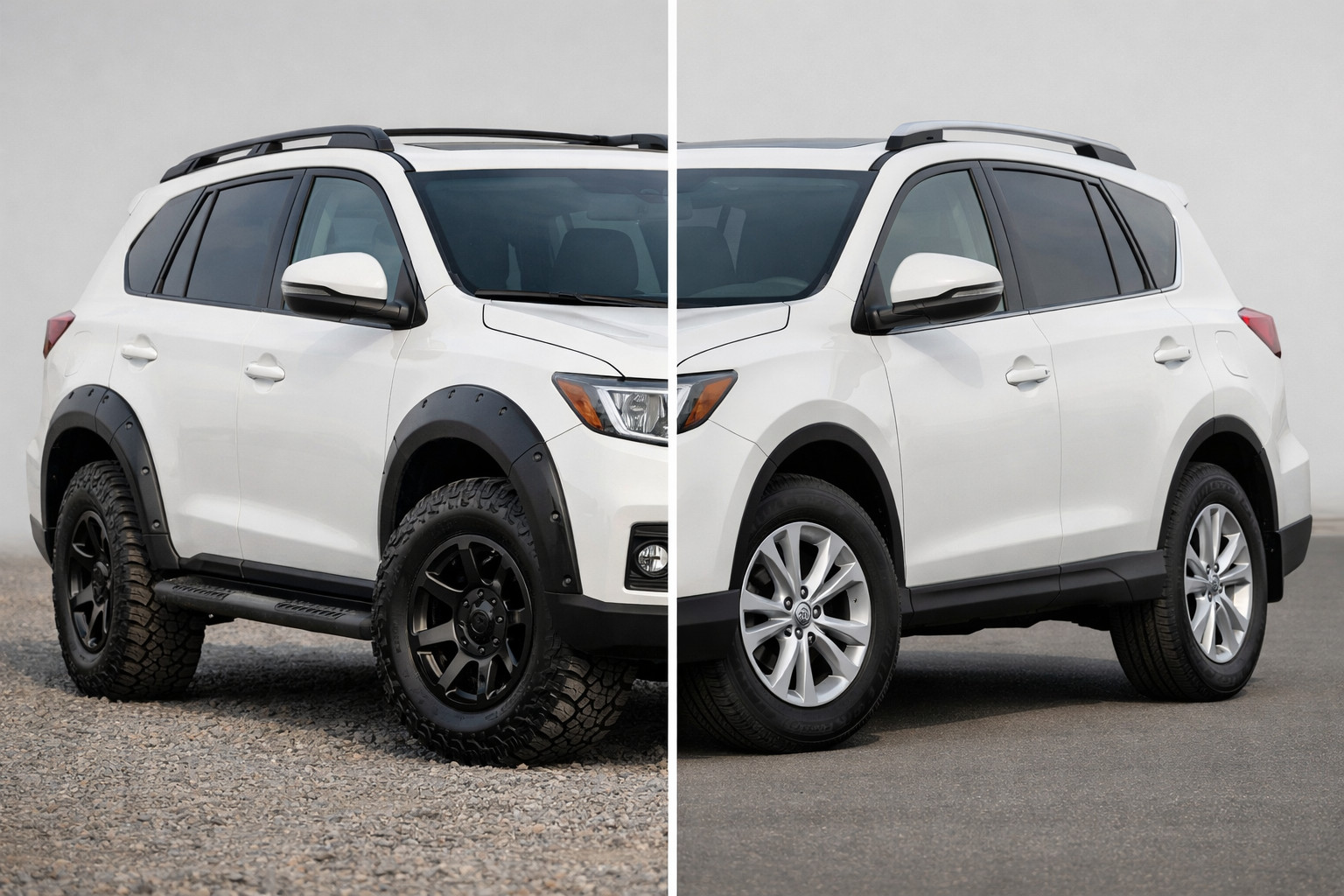
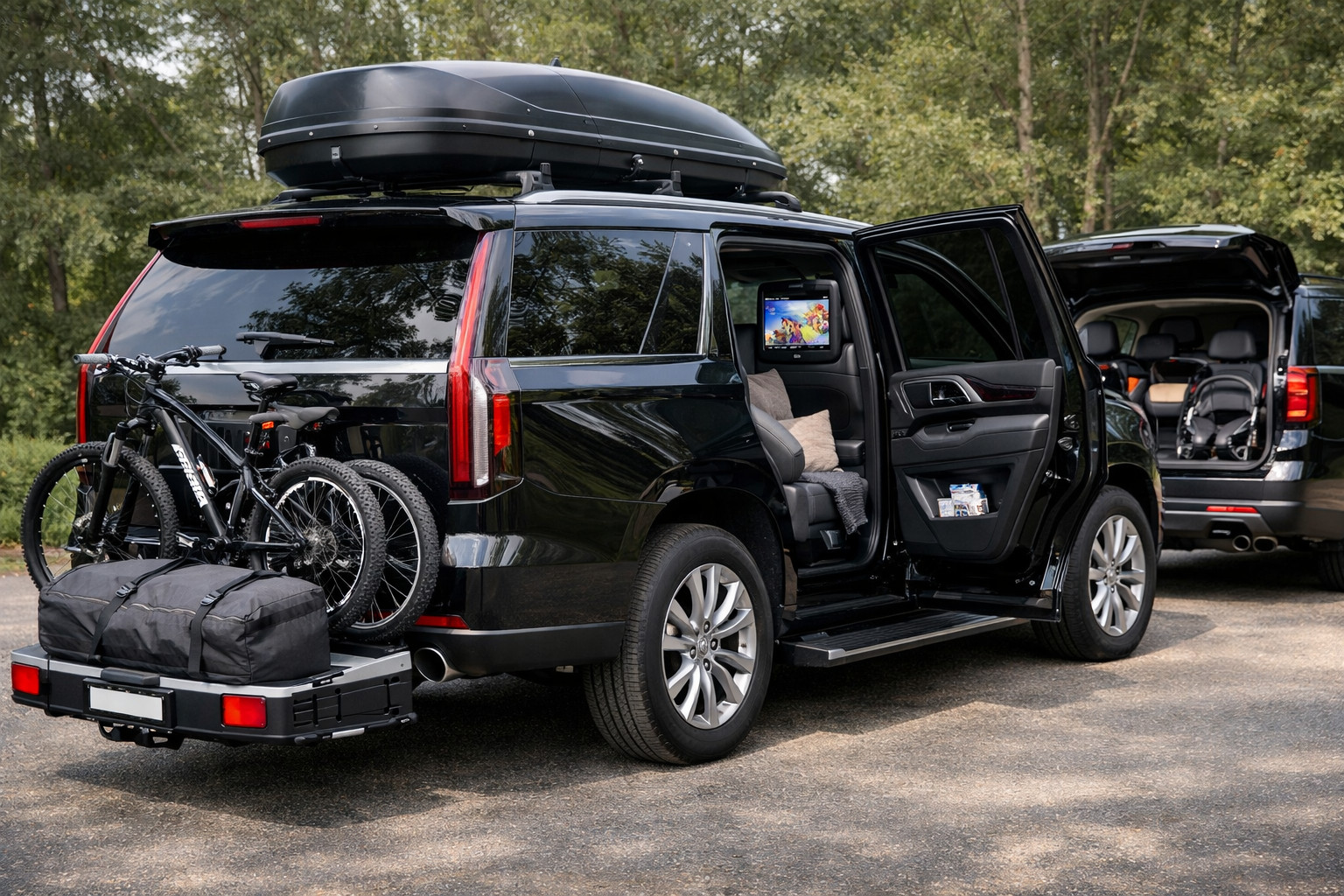
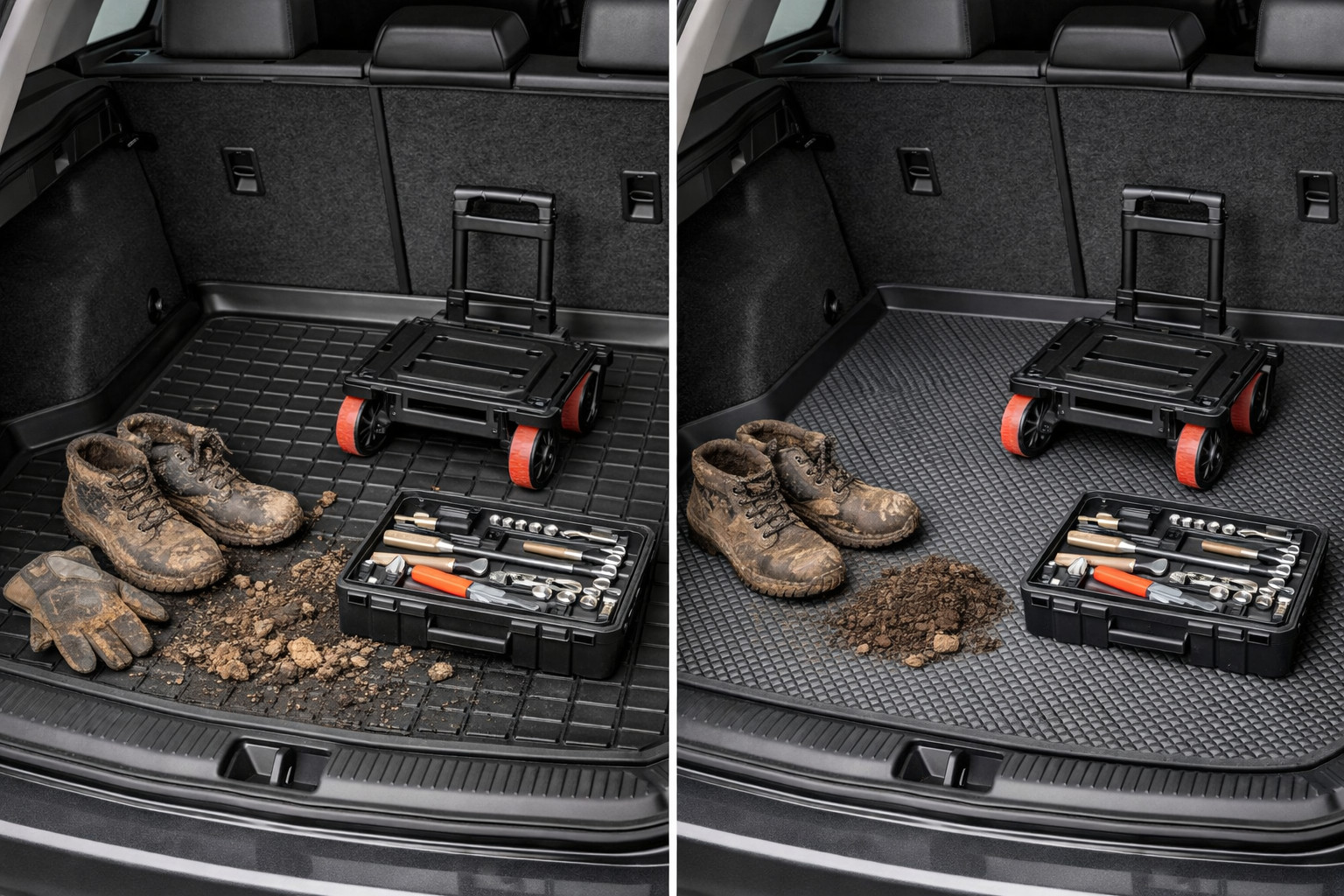
For this model, the smartest tuning is practical rather than loud. First, it’s worth getting the suspension, brakes, cooling, and electricals in order, and only then thinking about exterior parts. On the E82 and E87, a light retrofit approach works well: protecting the interior, trunk, and body edges brings more benefit than a random body kit on a tired car.
BMW 1 Series E81/E82/E87/E88 2004-2011 is a good option for anyone who wants a compact car with lively character and isn’t afraid to choose carefully by condition. It works best as a car for one or two people, for the city and highway, but not as an all-purpose family vehicle. The material is based on real selection experience, practical know-how, and real-life usage scenarios, so the main advice is simple: with this model, you’re not buying the badge—you’re buying a specific, truly healthy example.
| ✔ | Rear-wheel drive and precise steering give it a very lively, predictable response in corners. For the driver, it feels like a “small BMW” rather than just a compact hatchback. |
| ✔ | There is a wide range of engines and transmissions, so you can choose a version for different tasks — from city driving to a more dynamic performance-oriented setup. The well-chosen diesel engines for highway use and daily driving are especially worth noting. |
| ✔ | The driving position is described as one of the model’s strengths: you sit low, the controls are convenient, and the cabin feels solid. This adds to the impression of a higher-class car. |
| ✔ | The E87 hatchback has a decent trunk for its class — 330 l, and with the rear seats folded down, up to 1150 l. This makes it more practical than the coupe and convertible. |
| ✔ | In terms of safety, the model delivered a strong result for its time — 5 stars in crash tests. For a compact car, this is an important practical advantage. |
| ✘ | The second row is tight both in legroom and width, especially in the coupe and convertible. For frequent trips with rear passengers, this is not the most convenient option. |
| ✘ | The suspension is tuned for precision, so on bad roads the car may feel a bit stiff. For Ukrainian roads, this needs to be considered separately, because the condition of the chassis greatly affects comfort. |
| ✘ | Some early gasoline versions have timing chain risks. In other words, when buying, you cannot rely only on mileage or trim level — the engine condition must be checked very carefully. |
| ✘ | Older cars often have issues with electrics, the water pump, and power windows. Because of this, this model is not cheap to maintain, especially if the example is worn out. |
| ✘ | The condition of cars on the market is very uneven: a good example can still be enjoyable, but a neglected one starts demanding money regularly. Therefore, buying without a thorough inspection here is risky. |
Shipping to EU
Wholesale and retail
Own warehouse
Опис продукту
Подарунки не надаються при оформленні покупки у кредит під 0,01% або при покупці частинами.