02.04.2026
493
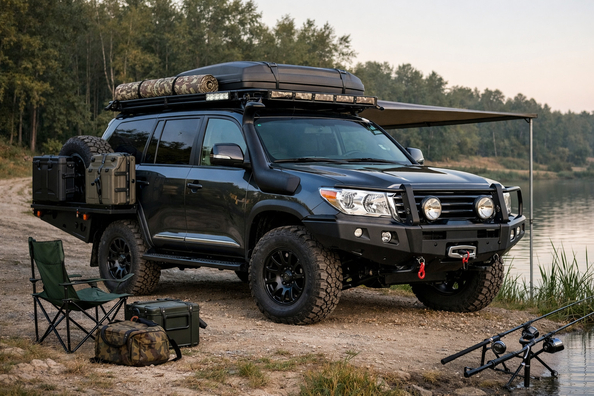
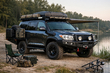
This upgrade plan is for a Toyota Land Cruiser 200 owner who goes fishing, drives long stretches of dirt roads, drops down to the water via slippery access tracks, carries wet gear, and wants to keep the vehicle behaving normally on the highway. The main idea is simple: don’t build a heavy expedition rig—make the LC200 calmer, more practical, and less vulnerable where it actually works.
This model already has a strong stock foundation: full-time 4WD, low range, about 230 mm of ground clearance, fording depth up to 700 mm, and solid pulling power for towing a boat or trailer. So the right upgrade for this scenario doesn’t start with a lift and heavy steel bumpers—it starts with tires, tire-pressure control, mud protection, and careful weight management. If you have a later trim with cameras and parking assistants, the list of must-do upgrades is often even shorter.
For fishing and bad roads, the LC200 needs to solve three practical tasks. First: confidently drive a mixed route—highway, gravel, rough forest road, wet ruts, sand by the shore. Second: not suffer in everyday use—wet boots, landing nets, boxes, jerry cans, and the smell of fish shouldn’t destroy the interior. Third: not lose the vehicle’s balance by adding unnecessary weight.
That’s why what matters here isn’t maximum off-road numbers on paper, but predictable behavior. If the vehicle sometimes tows a boat, the priority also shifts toward stability under load, a clean cargo area, easy entry/exit, and protection for the underbody on descents to the water.
The first step is all-terrain tires in the stock size or close to stock. For the LC200, this brings more benefit than any decorative or heavy-duty steel upgrade: better traction on wet ground, more predictable braking on gravel, less wheelspin on slippery climbs, and less stress on the shoreline.
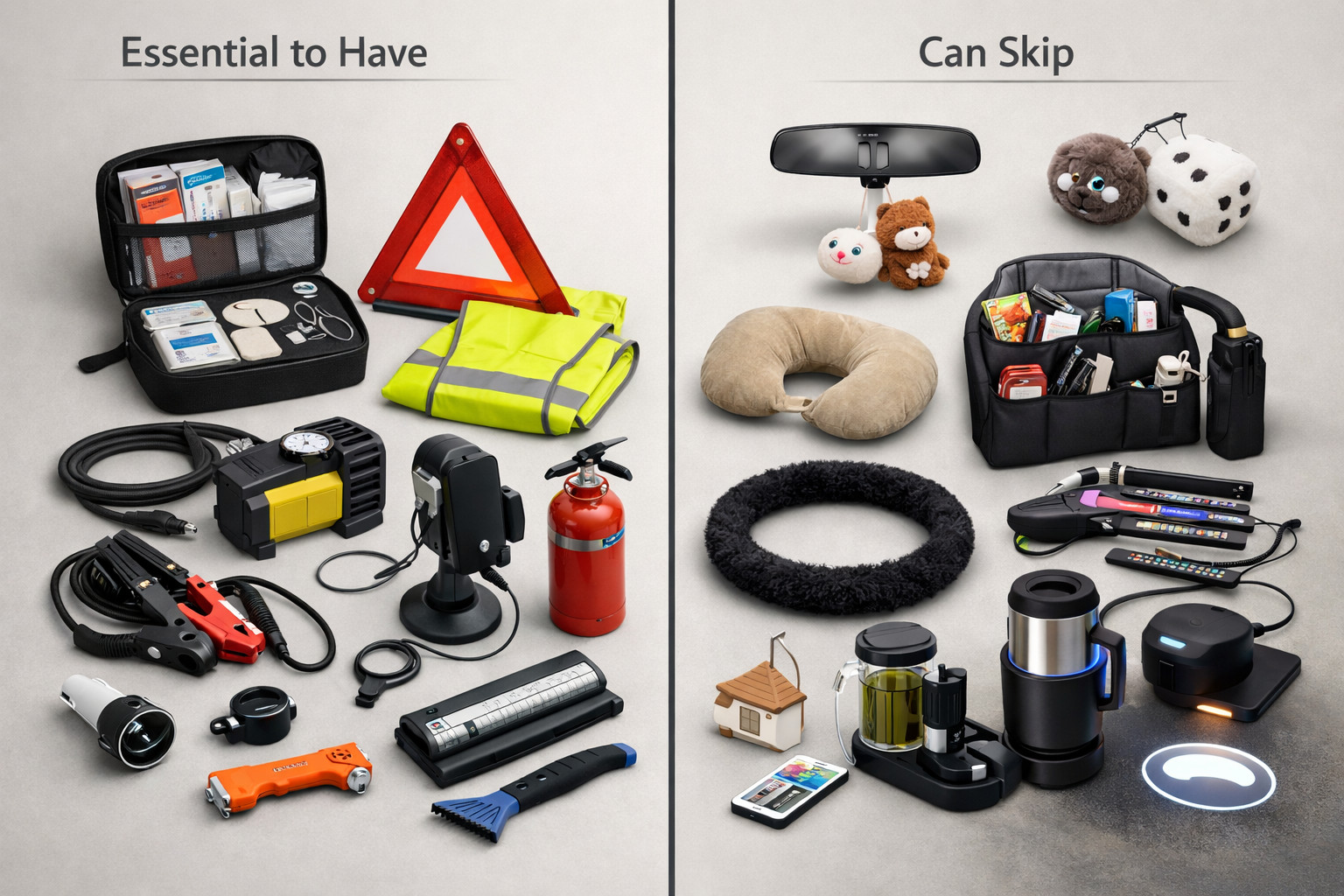
The second step is an air compressor, a pressure gauge, and a basic tire repair kit. On these routes, the effect of correct pressure is very noticeable: the vehicle rides the washboard smoother, grips loose surfaces better, and hits the suspension less. It’s an inexpensive upgrade that actually works every time—not once a year.
The third step is protecting the interior and cargo area from dirt. Rubber mats, a cargo tray, and seat covers if needed don’t add “looks”—they make cleanup after fishing simple. If your gear always rides in the vehicle, you’ll feel the difference after the first trip.
| Upgrade | Why it’s needed | Who really benefits |
|---|---|---|
| All-terrain tires in stock or near-stock size | Improve traction on dirt, gravel, and wet grass, reduce wheelspin, and extend controlled braking | Almost anyone who regularly leaves the pavement |
| Compressor, pressure gauge, repair kit | Let you manage tire pressure correctly and avoid relying on the nearest service shop | Those who drive far and often and don’t want to get stuck over something minor |
| Selective underbody and fuel tank protection | Takes hits from rocks, ruts, stumps, and sharp breakovers | Those who actually drive on rough roads, not just across a dry field |
| Practical side steps or running boards | Make entry easier, especially in muddy footwear, and reduce wear on the lower bodywork | Family vehicles, anglers, drivers who often get in and out on a slippery shoreline |
| Mats, cargo protection, seat covers | Simplify care after trips with wet and dirty gear | Those who carry boxes, tackle, muddy boots, bait, ice, tools |
| Cargo organization | Prevents small loads from rolling around, speeds up packing and unloading | Those who go on trips often, not occasionally |
| Suspension tuned to actual weight | Restores control and ride under load if the vehicle постоянно carries extra weight | Only those with a boat, heavy gear, drawer systems, extra luggage, or постоянная load |
DD Tuning expert comment: the most common mistake with the LC200 is buying heavy items before the vehicle has even driven your real route a few times. People install big armor, then discover the issue wasn’t a “lack of steel,” but tires, tire pressure, and a messy cargo area. If the vehicle goes fishing and not trophy raids, weight is almost always more important than looks.
After a few trips, it becomes clear where the LC200 truly needs upgrades. If you’re scraping the underbody on rocky gravel roads or on descents to the water, then selective protection makes sense: the oil pan, critical underbody areas, and the fuel tank if needed. A full heavy “just in case” kit is often unnecessary: it adds mass and sometimes even reduces useful ground clearance.
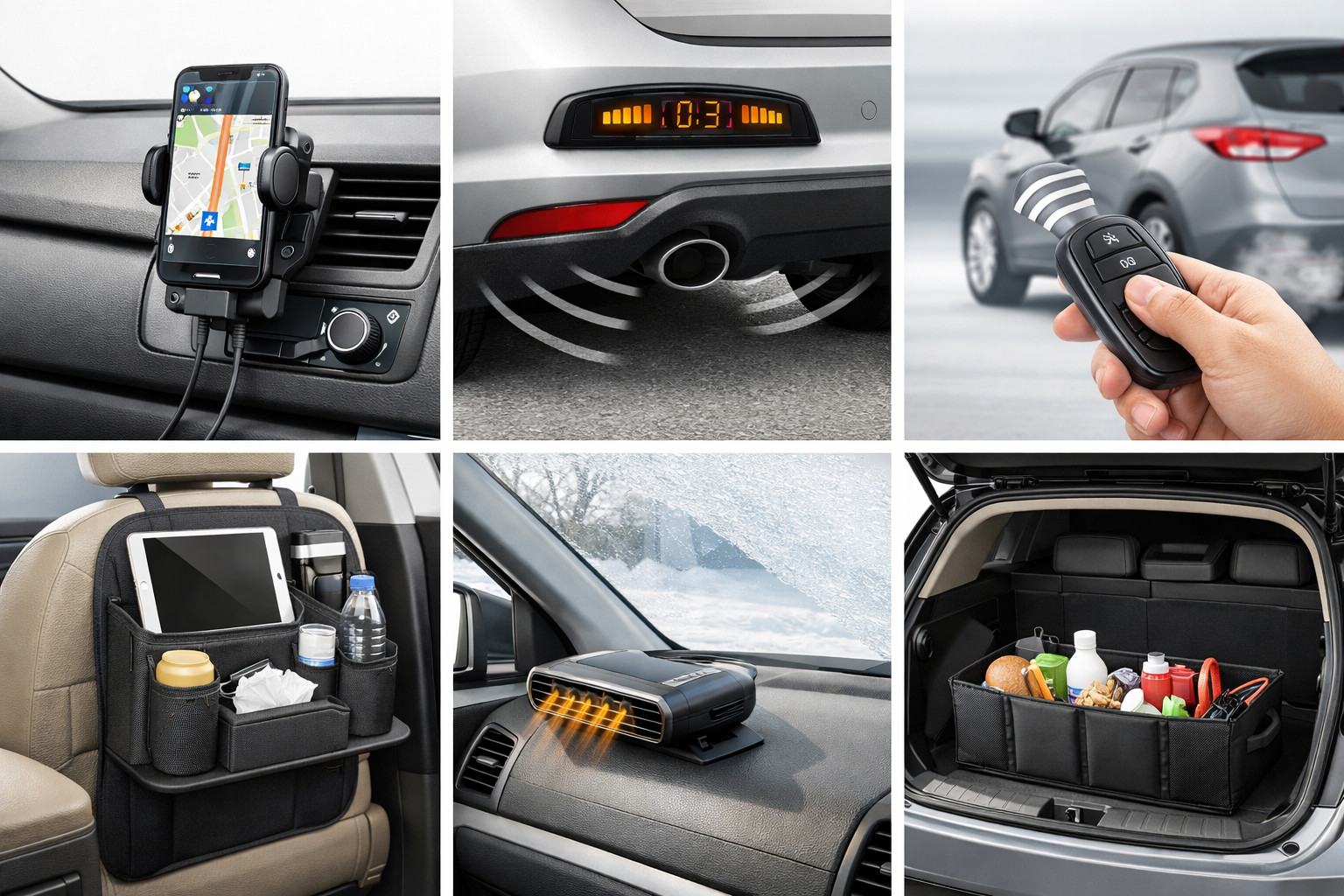
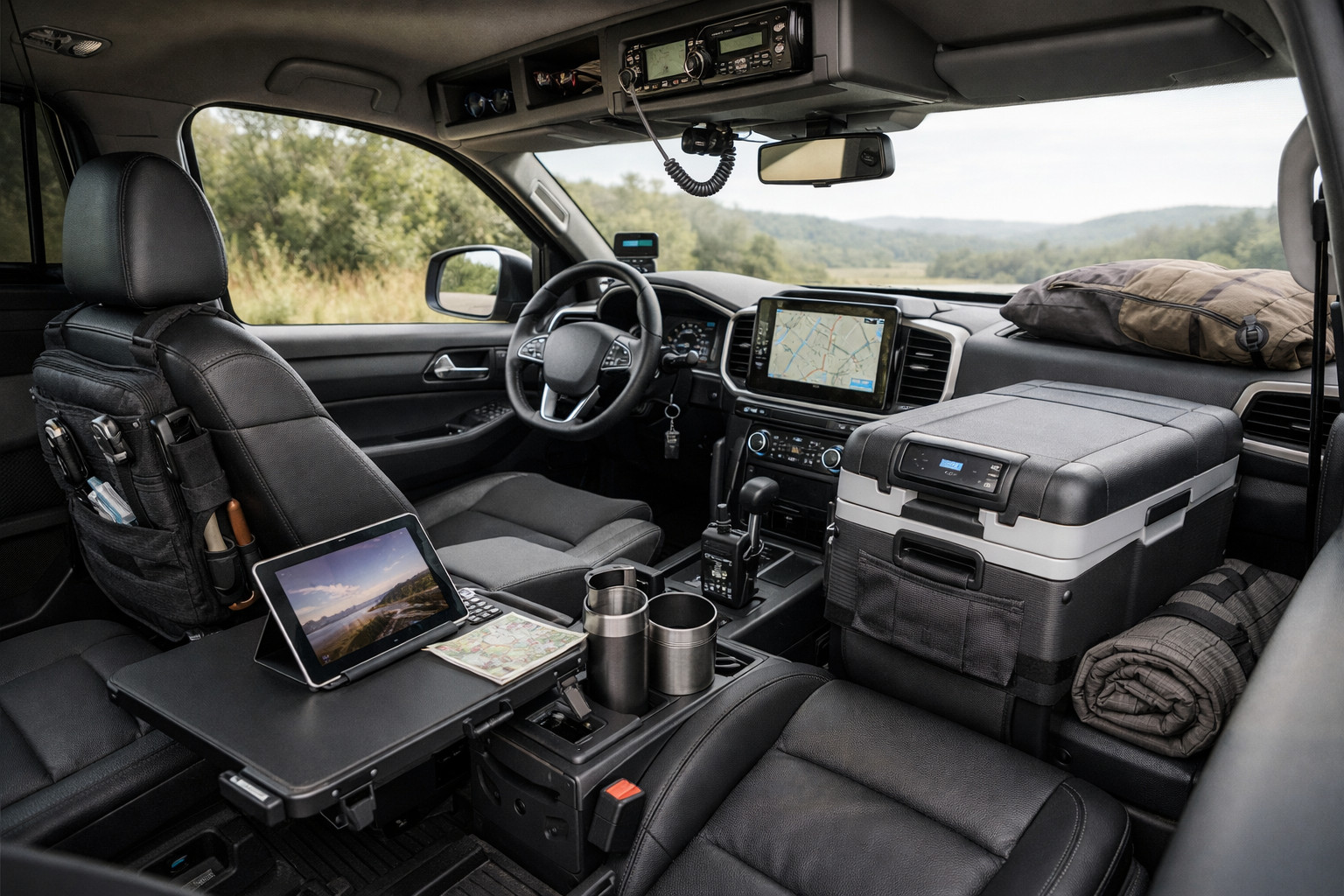
The second logical direction is cargo organization. For fishing, this is often more useful than exterior tuning: tools, recovery straps, pump, footwear, wet items are kept separately; boxes don’t fly around; the interior stays cleaner. If trips are frequent, this upgrade saves time every day.
Suspension at the second stage is not for everyone. It only makes sense to choose it when the vehicle has a clear постоянная load: boat gear, heavy drawer systems, protection plates, a roof rack, extra cargo. Installing a stiff setup “for the future” on an empty vehicle is a classic mistake.
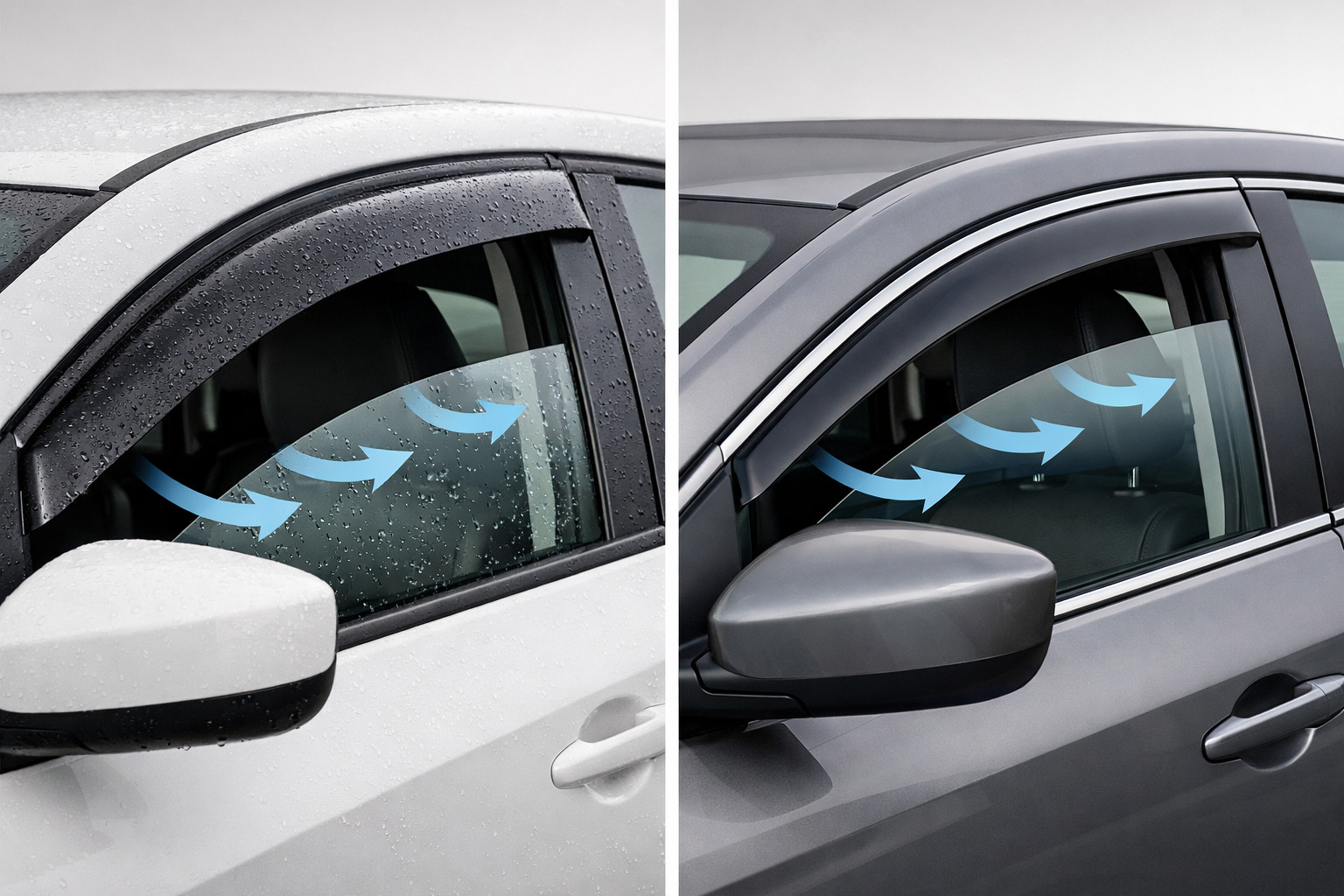
In this group I’d put rain deflectors, decorative trims, most chrome elements, some exterior add-ons, and things that barely change functionality for your route. They don’t hurt, but they don’t solve the core tasks: traction, protection, a clean interior, and weight control.
There are also comfort upgrades with real value. For example, seat covers, mats, and cargo protection aren’t about looks—they’re about not spending half an hour cleaning after a fishing trip. But even these items make sense only after tires and basic operational readiness are sorted.
Most often, people waste money on things that look “serious”: a big lift, a heavy front steel bumper, a winch, a snorkel, oversized wheels, mud-terrain tires for a daily driver. For a “highway + dirt road + fishing” route, this often means more noise, worse on-road manners, a heavier front end, higher consumption, and постоянные compromises without proportional benefit.
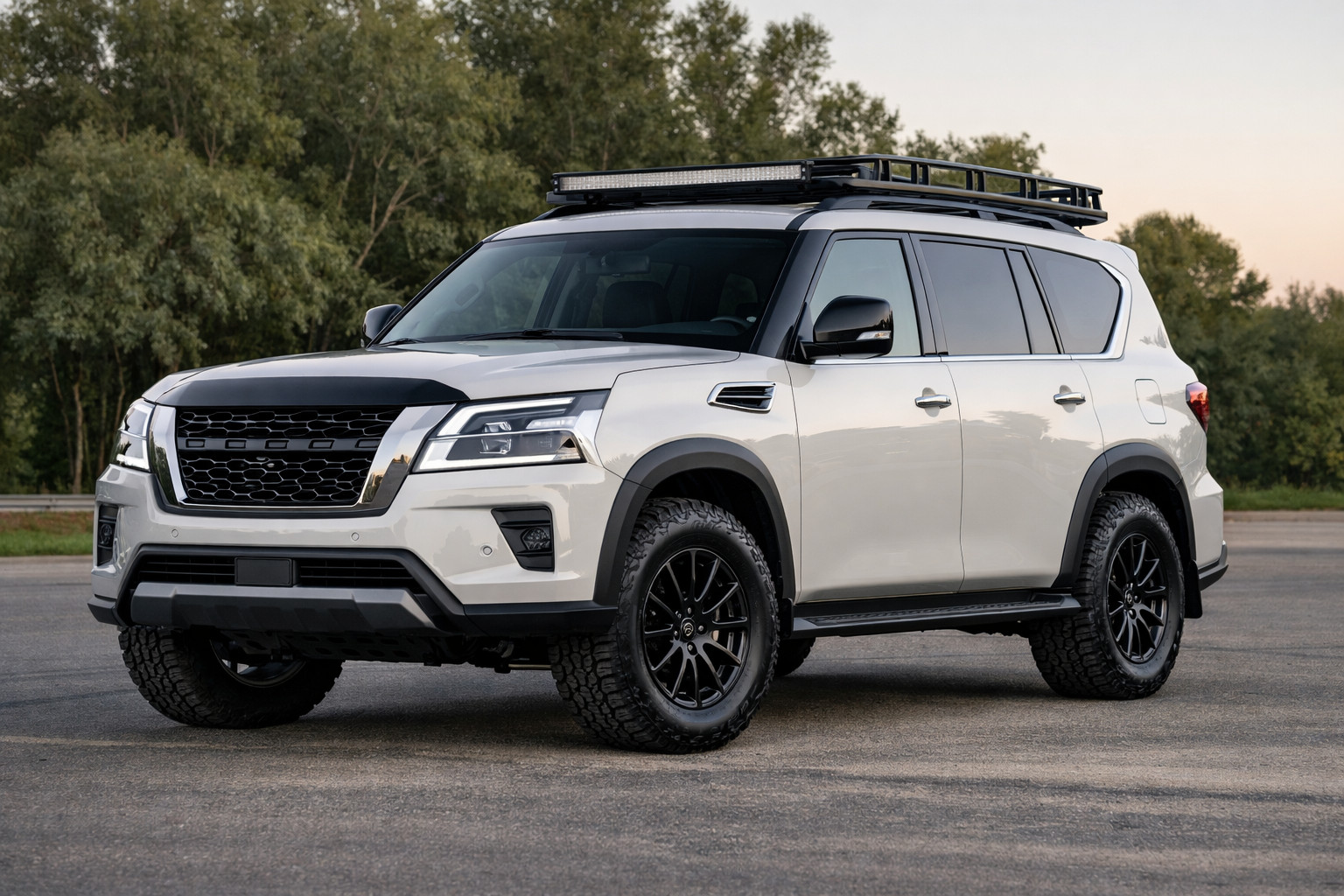
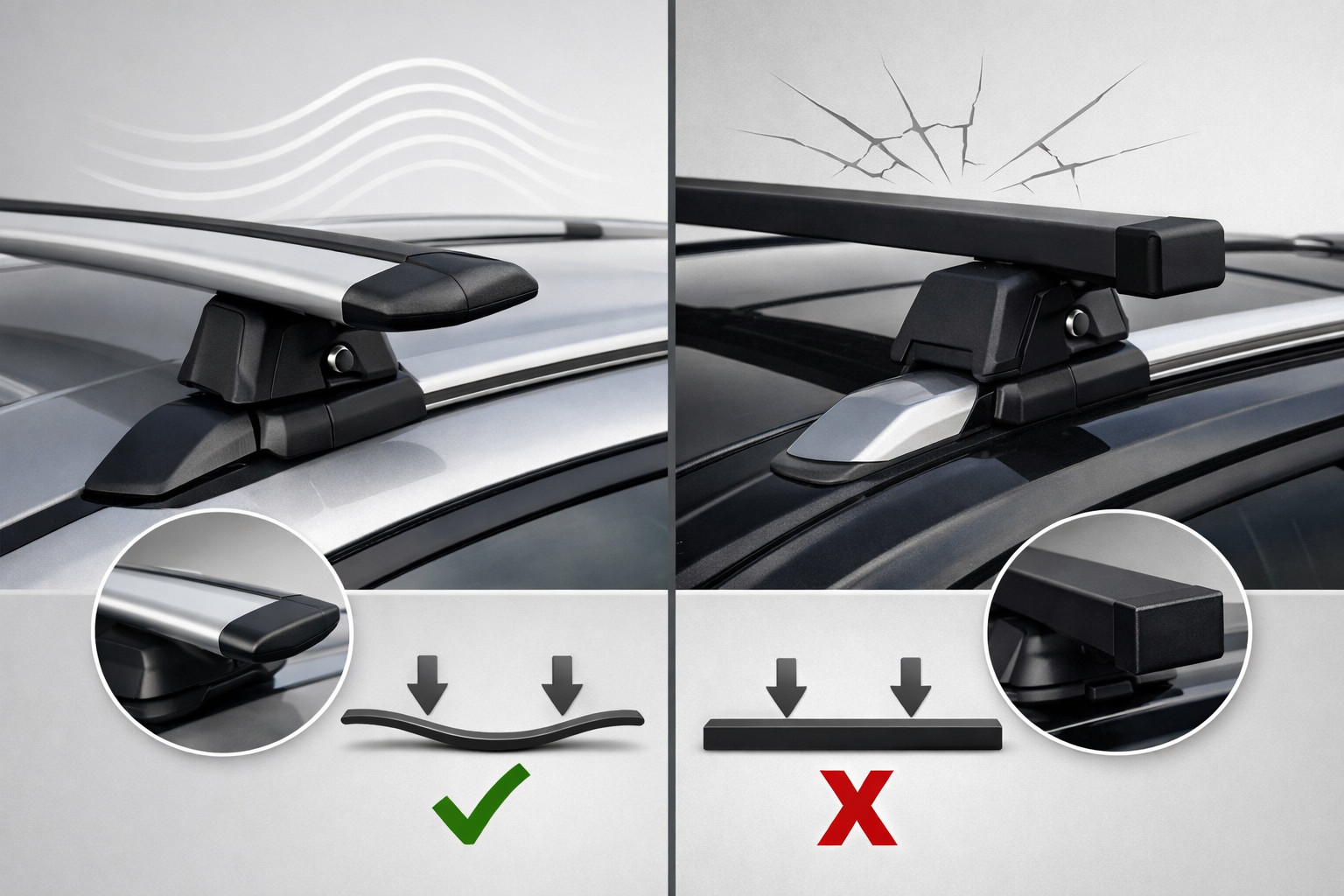
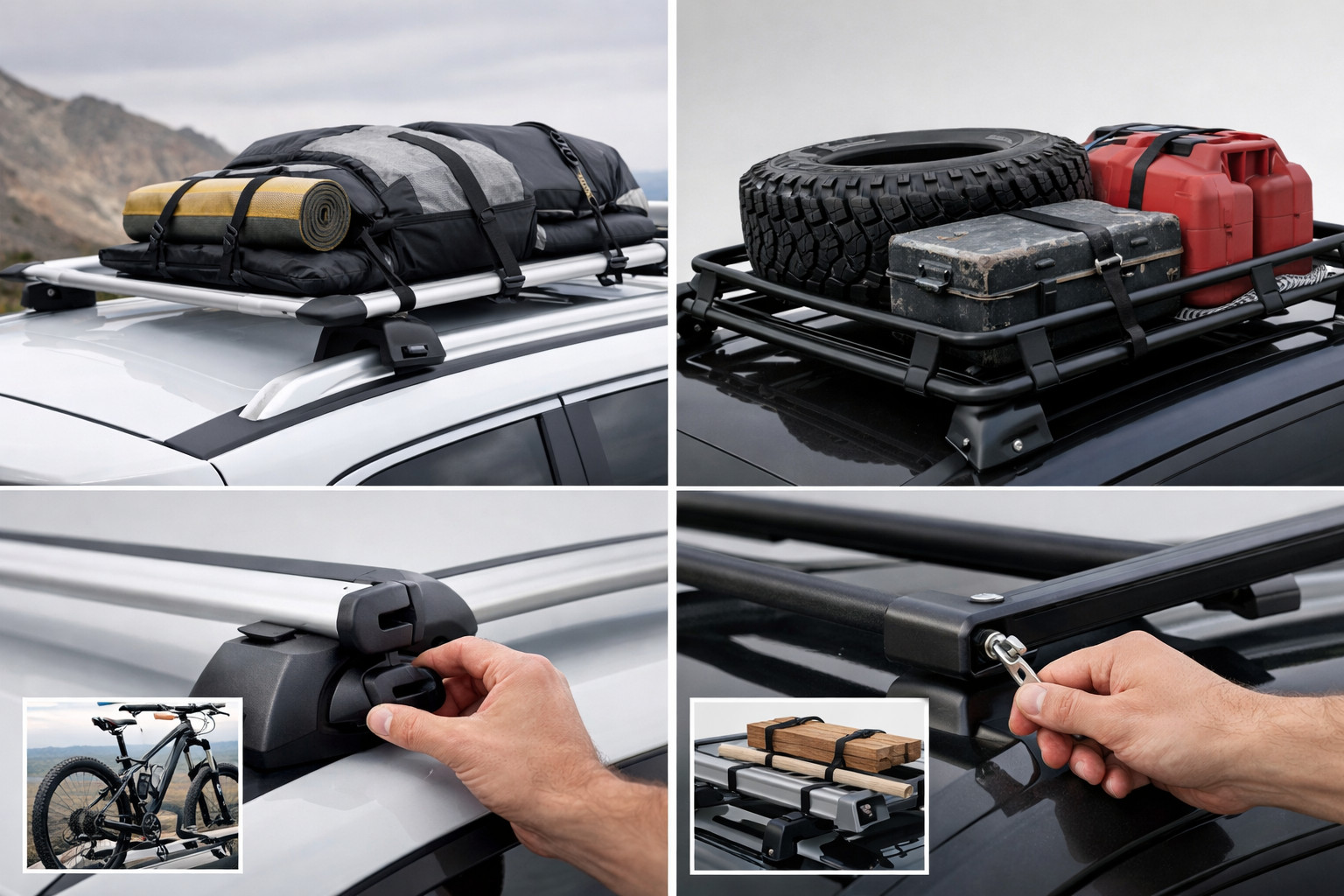
Another typical mistake is installing a roof basket and constantly carrying extra stuff on the roof. The LC200 will handle it, but the center of gravity goes up, noise increases, and in reality such a rack isn’t needed in every scenario. If your gear fits in the cargo area, it’s better to keep the roof as a reserve.
And separately—buying a full set of upgrades “like someone else’s vehicle.” What works on a vehicle built for long автономный travel isn’t necessarily needed by an owner who drives to the water, sometimes tows a boat, and wants normal highway comfort.
| Install first | What can be postponed | What is not mandatory |
|---|---|---|
| All-terrain tires | Suspension | Big lift |
| Compressor, pressure gauge, repair kit | Selective underbody protection | A winch for rare trips |
| Rubber mats and cargo protection | Drawer systems, side organizers | A snorkel if you don’t drive deep water crossings and very dusty routes |
| Proper towing equipment if you tow a boat | Roof rack or basket | Oversized wheels that change the whole vehicle logic |
| Practical side steps if entry/exit is often muddy | Separate fuel tank protection | Decorative chrome and massive exterior add-ons |
More expensive upgrades make sense when the vehicle is used regularly and in tougher conditions than a simple dirt-road trip. If you often drive on rocky roads, catch deep ruts, or face sharp breakovers, you can look toward the underbody protection category. The key here isn’t to take the maximum amount of steel, but to take what реально covers vulnerable spots without extra mass.
If the vehicle is tall for the family, is often used in muddy boots, and entry/exit happens on a slippery shoreline, side steps can be justified. This isn’t about a flashy look—it’s about everyday convenience and less dirt in the cabin.
And if you want to calmly assemble your package without random purchases, the easiest way is to first review all upgrades for the LC200 and only then cut what’s unnecessary for your route. A more expensive solution is justified only where it works every week, not where it rides as dead weight on the vehicle.
From a customer’s experience: an LC200 owner initially planned a lift, a steel front end, and big wheels because he feared slippery access tracks to the water. After discussing the real route, he settled on all-terrain tires, a compressor, cargo protection, and selective underbody protection. As a result, the vehicle stayed quiet on the highway, didn’t gain unnecessary weight, and solved exactly the tasks that made him look for upgrades in the first place.
For the Toyota Land Cruiser 200 in a fishing/dirt-road/bad-road scenario, a light, последовательный package works best: start with tires, pressure control, and protecting the interior from dirt; then add selective protection, side steps, and cargo organization; and suspension—only for real постоянная weight. Anything heavy and expensive only makes sense when the vehicle truly hits the limits of its stock capabilities.
The point is simple: useful is almost always more practical here than impressive. And this conclusion is based not on advertising promises, but on real selection experience, real-world practice, and real LC200 usage scenarios.
| ✔ | All-terrain tires in the standard size or close to it really improve grip on wet ground, gravel, and slippery climbs. For a route of ‘highway + dirt road + lakeshore,’ this gives the biggest effect without making the vehicle more complicated than necessary. |
| ✔ | A compressor, pressure gauge, and repair kit let you adjust tire pressure to the surface right on the spot. This softens the ride on washboard sections and helps you avoid depending on a service stop along the way. |
| ✔ | Rubber floor mats, a trunk liner, and seat covers noticeably simplify cleanup after wet gear, boots, and tackle. For fishing, this is more practical than most exterior upgrades. |
| ✔ | Selective underbody protection makes sense exactly where there are rocks, ruts, or changes in terrain. It covers vulnerable spots without adding unnecessary weight along the entire underside of the vehicle. |
| ✔ | Cargo organization and practical side steps add everyday convenience: things don’t roll around the cabin, and getting in and out with muddy shoes becomes easier. This is especially useful if the vehicle often goes to the water and carries wet or heavy loads. |
| ✘ | A full set of ‘serious’ upgrades such as a big lift, heavy-duty body kit, winch, or oversized wheels is often unnecessary here. They add noise, weight, and compromises on asphalt, but do not solve the route’s main problems. |
| ✘ | Suspension matched to the actual load is recommended only when the load is truly constant. On an empty vehicle, a stiff kit may simply turn out to be an unfortunate ‘just in case’ decision. |
| ✘ | A roof basket or permanent roof cargo raises the center of gravity and adds noise. If the gear fits in the trunk, such an upgrade makes life more complicated rather than helping. |
| ✘ | Full underbody or fuel tank protection without checking the actual routes may be unnecessary and can even take away useful ground clearance. For this scenario, it makes more sense to start with targeted solutions rather than the maximum kit. |
Shipping to EU
Wholesale and retail
Own warehouse
Опис продукту
Подарунки не надаються при оформленні покупки у кредит під 0,01% або при покупці частинами.