09.05.2026
242
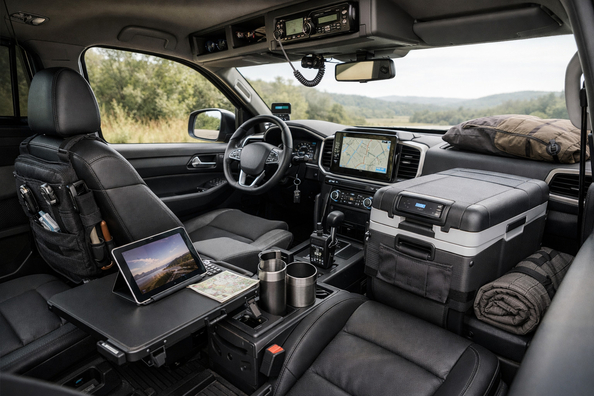
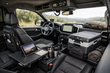
This upgrade plan is for a Volkswagen Amarok owner who drives long distances: highways, intercity business trips, family runs of 400–800 km and more. The key here isn’t to decorate the cabin, but to reduce fatigue from seating position, noise, small everyday clutter, and the constant hassle with belongings and chargers.
On the Amarok, the result depends heavily on the generation. On 2023+ vehicles, a lot of travel-friendly features may already come from the factory, so aftermarket upgrades often come down to practical small things. On the 2011–2022 Amarok, the biggest impact usually comes from seats, cabin quietness, and proper space organization.
For long trips, the Amarok’s interior must solve three things: the driver doesn’t get tired from the seating position, there’s no unnecessary noise or chaos in the cabin, and passengers don’t have to constantly figure out where to put small items or how to charge a device. If that’s missing, even a big screen, good audio, or decorative trim won’t make the vehicle feel comfortable on the highway.
In a new Amarok, part of this may already be covered by the trim level: large screens, climate control, power outlets, rear air vents, heating, and wide seat adjustments. In an older Amarok, the interior is simpler, so the difference between “tolerable” and “comfortable to drive half a day” most often appears after improving the seating position and reducing noise.
| Upgrade | Why it’s needed | Who truly benefits |
|---|---|---|
| Work on seating position or better seats | Reduces back fatigue, provides proper support on the highway | Those who drive long distances regularly; especially Amarok 2011–2022 owners |
| Soundproofing doors, floor, and roof | Reduces tire noise, wind noise, and overall drone, making long drives easier | Older Amaroks, vehicles with noticeable noise after 100 km/h |
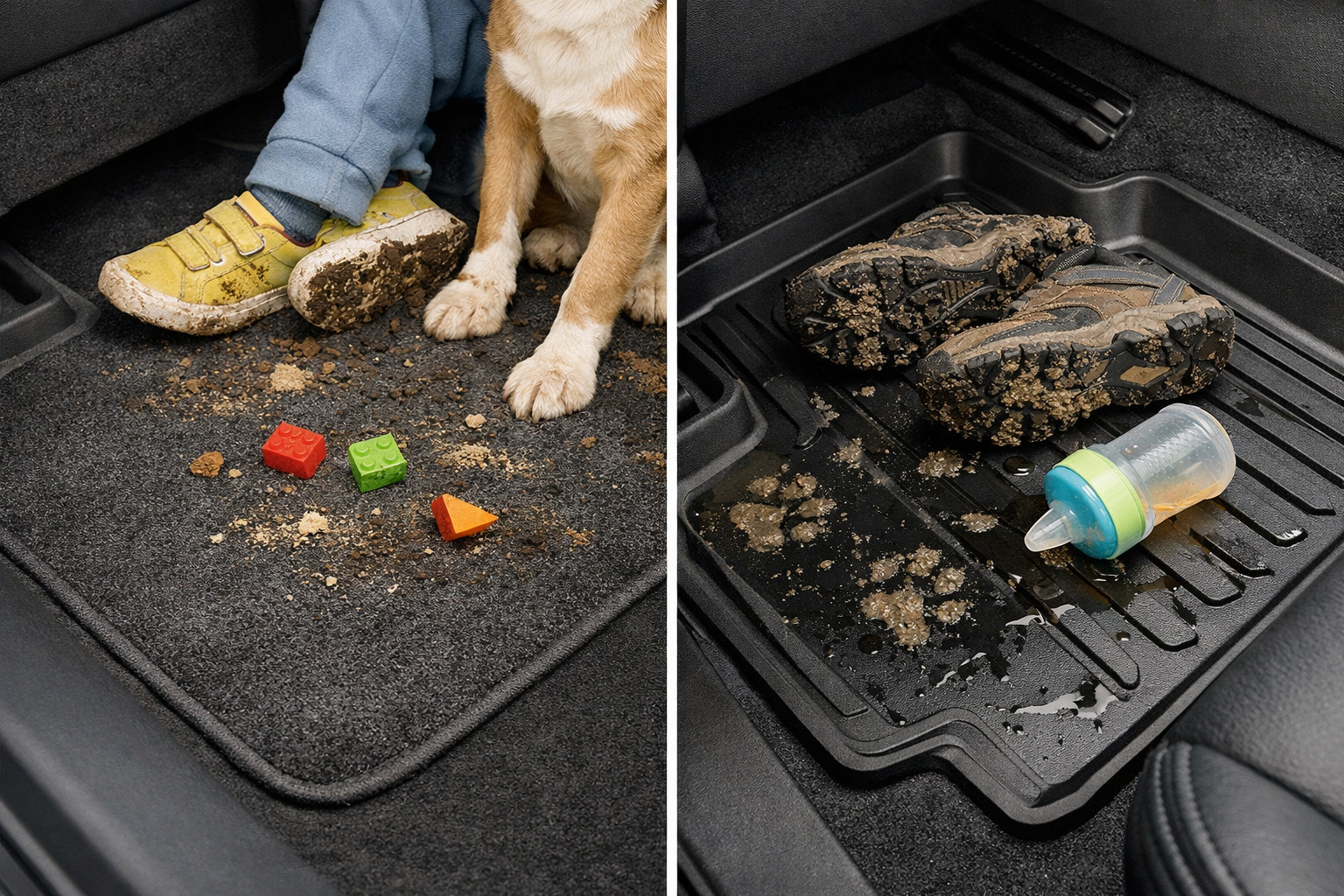
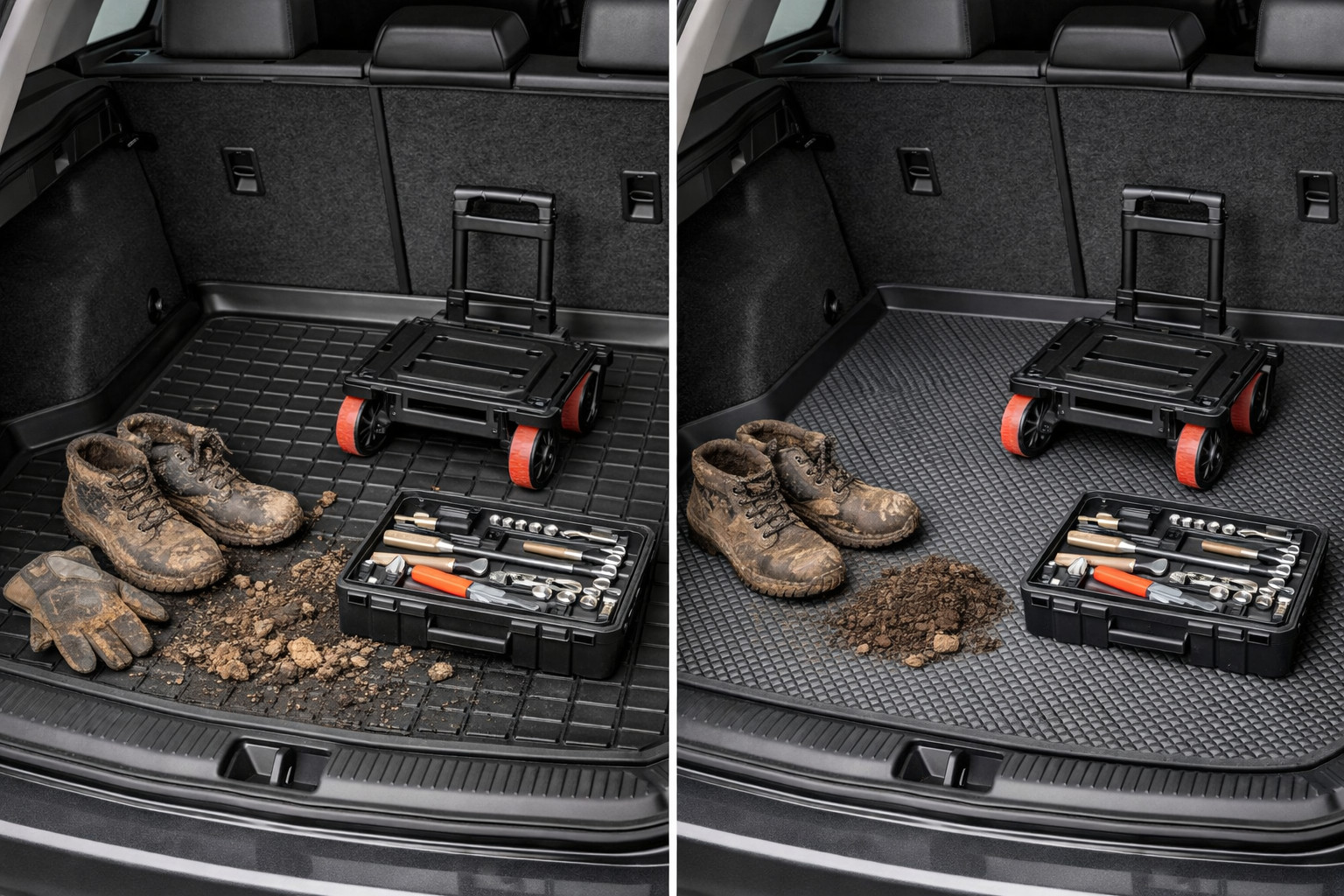
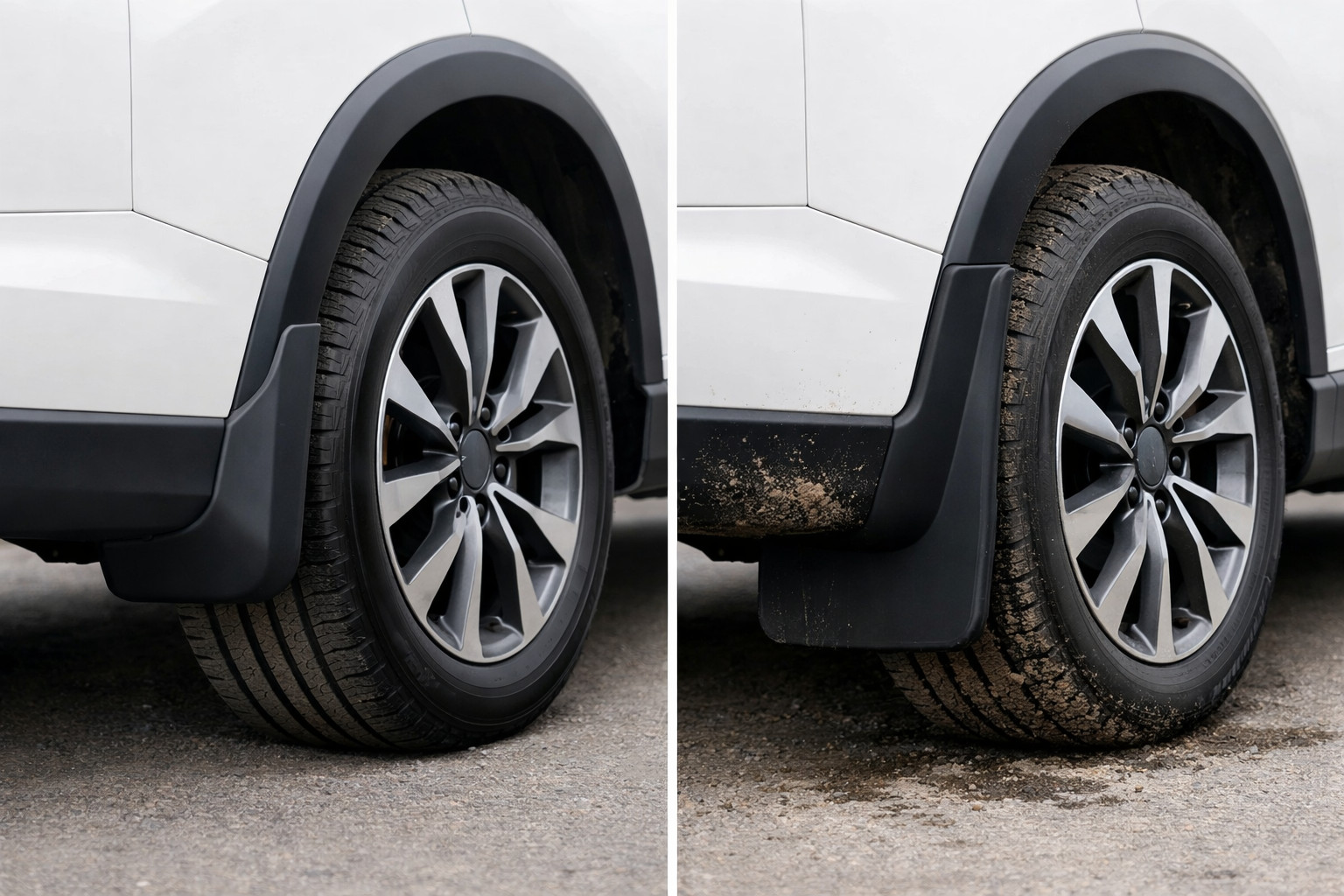
| Rubber or all-weather floor mats | Keeps dirt and moisture under control, makes the interior easier to clean | Everyone who drives daily, especially in fall, winter, and on work routes |
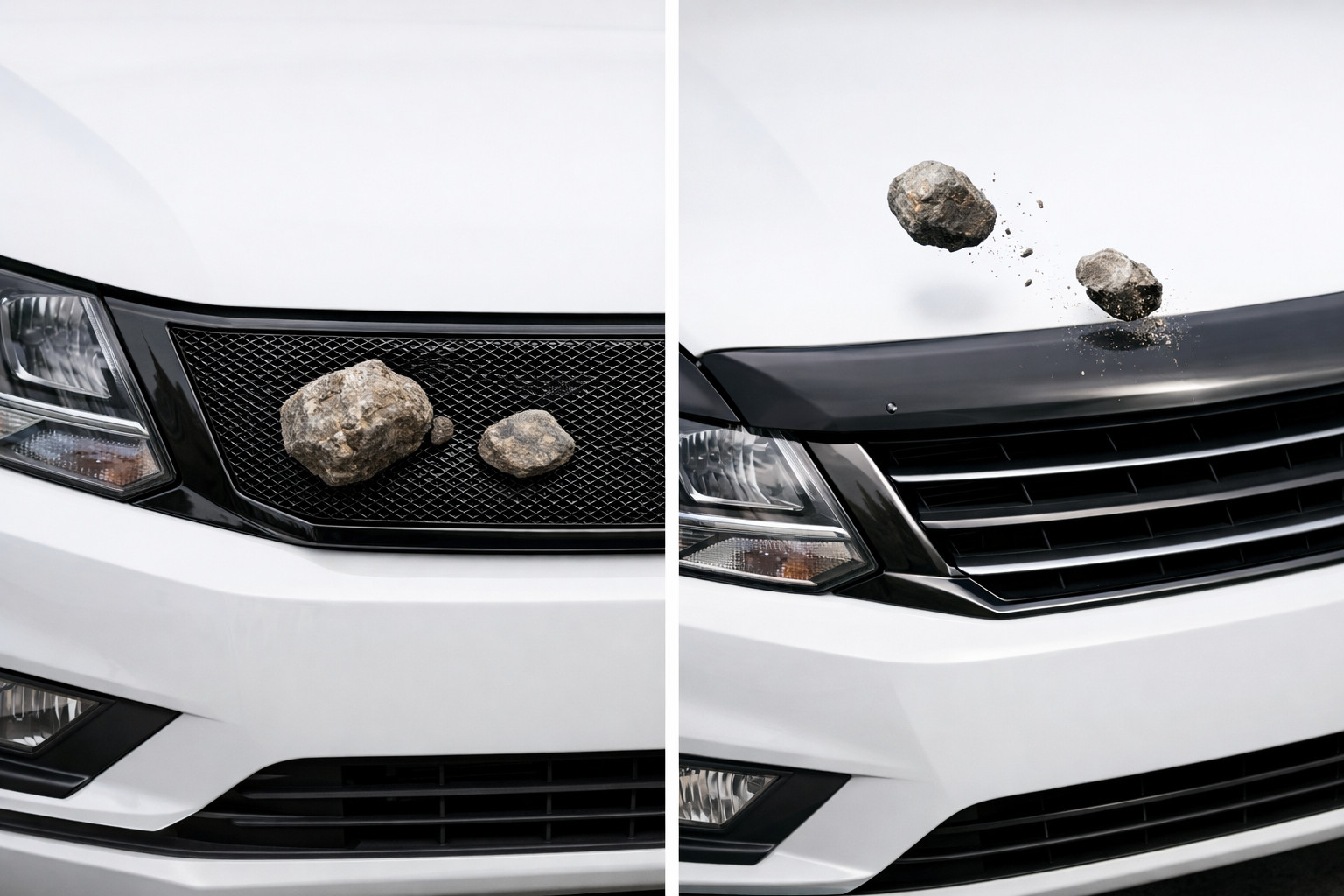
| Side window deflectors | Allows ventilation without strong turbulence and without rain entering the cabin | Those who often drive in heat or like fresh air on the road |
| Tablet/ hook/ small-item organization system | Removes chaos in the rear row, makes family trips easier | Families, crews with rear passengers, long routes with kids |
| Additional power and a charging setup | So you don’t carry extra adapters and don’t fight over a single outlet | Only for those who truly lack factory ports; on Amarok 2023+ it’s not always necessary |
DD Tuning expert comment: the most common Amarok mistake is spending the budget first on decorative trim pieces or expensive audio, and only then realizing that real road fatigue comes from seating position and noise. On 2011–2022 vehicles, it’s worth checking seal condition and the real source of whistling first; on 2023+, look closely at the trim level, because some travel options are already factory-installed. Universal seat covers also often turn out to be a poor solution, especially when there are power adjustments or heating.
Once seating position, quietness, and basic practicality are covered, it makes sense to move on to second-stage items. For family trips, that’s a tablet holder between the headrests, bag hooks, a thought-out place for documents, cables, water, and small snacks. They won’t make the vehicle quieter or softer, but they remove everyday chaos.
With a new Amarok, it’s important not to duplicate what’s already installed. If the vehicle already has decent outlets, multimedia, rear vents, and comfortable seats, the second stage is not another screen and not a pile of accessories, but a few precise upgrades tailored to your route. On an older Amarok, the second stage often comes down to smart cabin organization so you don’t pile everything at your feet or on the seats.
Decorative interior inserts, door-sill plates, shiny elements, and other visual tuning aren’t about long trips. They may look nice, but they don’t change fatigue, quietness, or order in the cabin. If you have one budget, these items almost always lose to seats, soundproofing, and simple everyday upgrades.
More expensive audio also belongs here until the noise source is removed. On a long drive, it’s more important that the drone doesn’t press on you and the wind doesn’t whistle than that the system plays louder. Covers are more about protecting upholstery than improving seating position, so consider them separately—and very carefully—if the seats have complex electronics or heating.
| Situation | What to install first | What can be postponed | What isn’t mandatory |
|---|---|---|---|
| Amarok 2011–2022 for highway use | Seating position, seats, noise check, soundproofing | Rear-row organization, additional charging | Decorative inserts, expensive audio at the start |
| Amarok 2023+ in a good trim level | Check what’s factory-installed, add mats and deflectors | Small organizers, passenger holders | Duplicating multimedia, extra adapters, showy tuning |
| Family trips | Clean floor, order in the cabin, rear passenger comfort | Audio upgrades | Most decorative interior accessories |
| Trips alone or as a pair | Seats, quietness, basic driver ergonomics | Rear-row systems | Anything that doesn’t reduce driving fatigue |
More expensive upgrades are justified when the Amarok truly works as a long-route vehicle, not when it hits the highway once a month. Before committing a big budget, review the basic interior solutions for Amarok: often the combination of rubber floor mats and deflectors eliminates half of daily inconveniences without complex work.
Professional soundproofing makes sense if you really spend a lot of time at speed, drive on more aggressive tires, or an older Amarok drones noticeably. Investing in seats is also worth it when the seating position drains the driver’s energy within the first hours on the road. But expensive electronic or decorative solutions on a new Amarok often turn out to be a weak investment, because the vehicle may already be well equipped from the factory.
From a customer’s experience: for regular 600–700 km trips, an Amarok 2015 owner initially looked toward new audio and decorative interior elements, but started with soundproofing the doors and floor, proper mats, and organizing small items in the cabin. After that, the vehicle became less exhausting on the highway, the interior stopped getting dirty quickly, and the need for expensive cosmetic tuning simply disappeared. On a newer Amarok, it’s a different scenario: often it’s enough not to duplicate factory conveniences, but to pick practical items precisely.
For long trips in a Volkswagen Amarok, the order is simple: seating position first, then quietness, then interior practicality, and only at the end—things for looks or secondary comfort. In short, the useful upgrade here isn’t the one you can see most, but the one after which you calmly step out of the vehicle after a few hundred kilometers. The material is based on real selection experience, hands-on practice, and real use scenarios—not on a list of nice-looking but optional accessories.
| ✔ | First of all, they suggest focusing on the seating position and seat, because they have the biggest impact on fatigue on long trips. For Amarok 2011-2022, this is especially important if the stock seat does not provide proper support on the highway. |
| ✔ | Sound insulation for the doors, floor, and roof directly reduces tire noise, wind noise, and the overall body rumble. This is a practical upgrade for vehicles where, at speeds of 100-130 km/h, the cabin is already tiring because of the sound. |
| ✔ | All-weather or rubber floor mats help keep dirt and moisture under control, so the interior is easier to clean after rain, snow, or work trips. It is a simple solution that delivers an immediate effect. |
| ✔ | Side window deflectors make it possible to ventilate the cabin without strong air turbulence and without rain getting inside. For those who often drive in hot weather or like an open window on the road, this is a convenient little extra. |
| ✔ | Organizers, hooks, tablet holders, and extra storage for small items really reduce chaos in the cabin, especially on family trips. They do not make the car quieter, but they noticeably make life easier for passengers and the driver. |
| ✘ | Some useful solutions may already come factory-fitted on the Amarok 2023+, so there is a risk of simply duplicating the standard options. Because of this, part of the budget may go toward unnecessary accessories or adapters. |
| ✘ | Universal seat covers may fit poorly with electric adjustment, heating, and side support. Because of this, they sometimes create more inconvenience than benefit. |
| ✘ | An expensive audio system does not deliver a noticeable effect if noise sources are not dealt with — tires, wind, or weak seals. In other words, on the highway it may turn out to be a secondary purchase. |
| ✘ | Interior cosmetic tuning does not solve the main problems of long trips: fatigue, noise, and clutter. If you do it first, practical upgrades will still have to be done later. |
Shipping to EU
Wholesale and retail
Own warehouse
Опис продукту
Подарунки не надаються при оформленні покупки у кредит під 0,01% або при покупці частинами.