27.04.2026
517
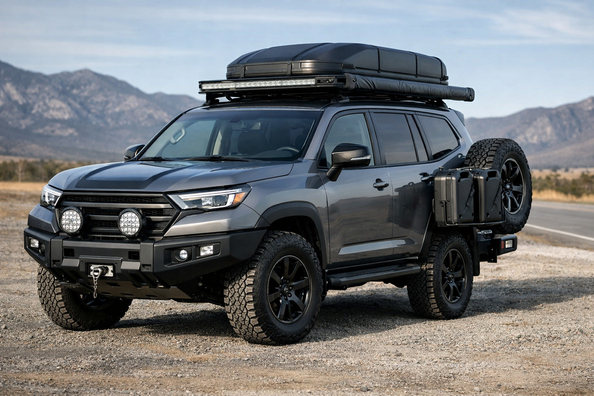
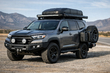
This upgrade plan is for a Toyota Land Cruiser Prado 250 owner who travels far, spends a lot of time on the highway, carries family, gear or a trailer, and occasionally turns off onto dirt roads to reach a campsite, the sea, or the mountains. The task is simple: make the vehicle more comfortable and safer on trips without ruining its strong factory advantages.
The Prado 250 already has a serious foundation: body-on-frame construction, a torquey 2.8-liter diesel, an 8-speed automatic, permanent all-wheel drive, and high payload and towing capacity. That’s why a sensible highway package doesn’t start with heavy wheels, a roof setup, and a steel front end. First come the things that work every day, then solutions for trailer and cargo, and only after that expensive exterior upgrades.
For this scenario, the Prado should stay quiet and predictable at speed, brake properly with luggage, not annoy you with dirt in the cabin, and not turn the cargo area into chaos after the first trip. If there’s a trailer or caravan, add hitch stability, correct wiring, and trailer brake control.
One more thing matters: a highway touring Prado doesn’t have to look like a heavy expedition rig. Most owners will never use the potential of an ultra-heavy roof load, oversized tires, or steel armor, but they will feel the noise, extra mass, and duller highway response every day.
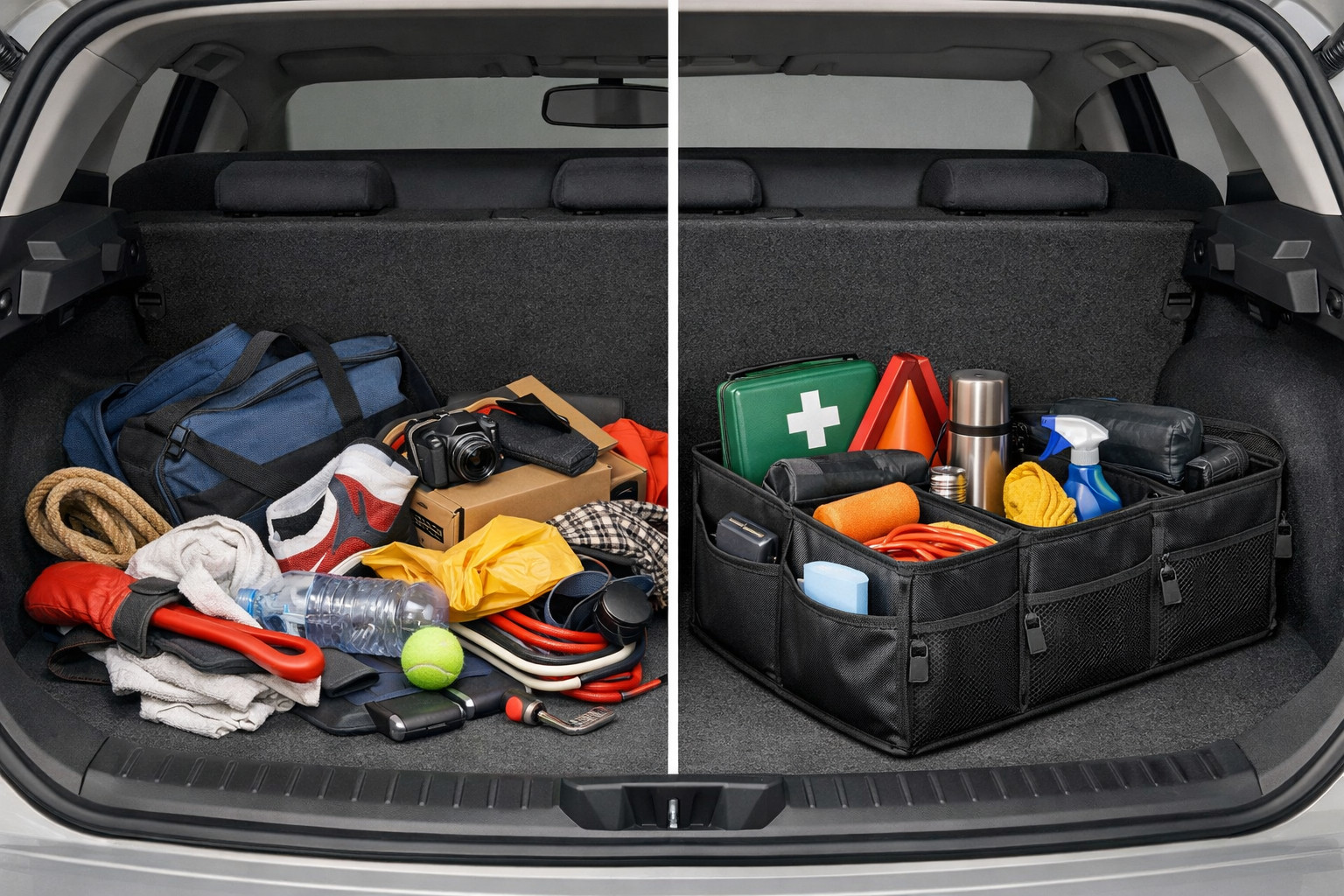
Stage one is cabin protection and proper cargo organization. Rubber floor mats, a cargo liner, an organizer or drawers for small items, and if you stack luggage high—a cargo barrier. These aren’t flashy parts, but they save time and nerves on the road every day.
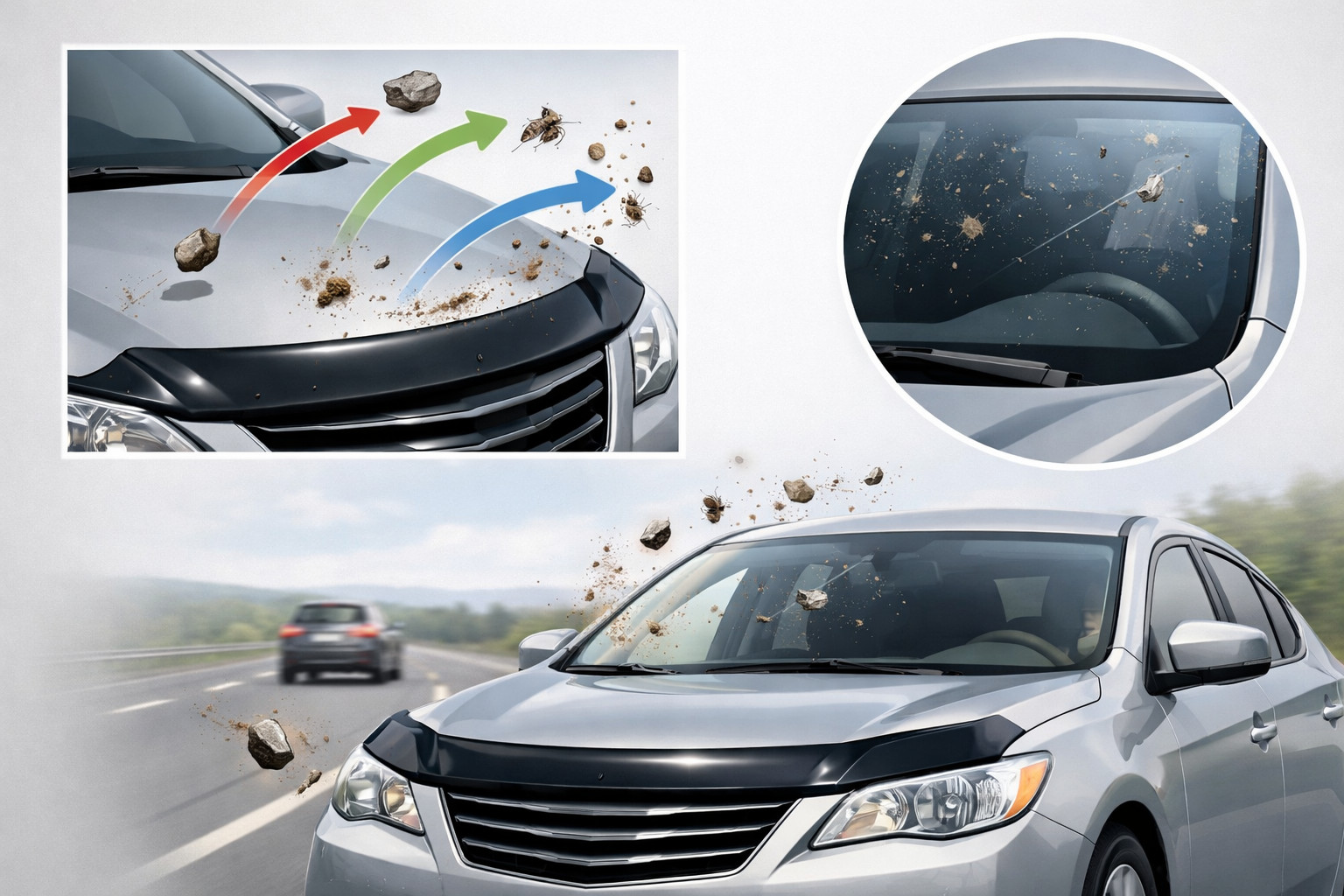
The second first-priority item is small practical protection. For highway trips in rain, snow, and on gravel access roads, mud flaps and basic underbody protection are useful. They deliver more real value than decorative trims that change nothing on your route.
| Upgrade | Why it’s needed | Who really benefits |
|---|---|---|
| Rubber floor mats | Keep dirt, water, and sand under control | Anyone who travels far, especially with kids or in the shoulder seasons |
| Cargo liner | Protects the floor from dirt, wet items, and jerry cans | Those who carry gear, a stroller, bags, tools |
| Organizer or expedition drawer box | Stops small items from flying around the trunk | Those who often take 2–7 day trips |
| Cargo barrier | Reduces load shift under hard braking | Those who load the trunk high or travel with a full crew |
| Towbar, wiring, trailer brake controller | Provides safe, predictable trailer operation | Only those who actually tow a caravan, boat, or trailer |
| Mud flaps and basic underbody protection | Less dirt, stone chips, and minor damage on trips | Those whose routes include gravel, dust, forest access roads |
DD Tuning expert comment: The most common mistake when building a Prado 250 for highway use is buying big wheels, a heavy roof setup, or a steel front end first, and only then thinking about how to carry cargo and how the vehicle behaves on the highway. In the end, you pay more and get less day-to-day benefit. If your use case isn’t dialed in yet, it’s better to start with the cabin, trunk, and towing electrics—not the exterior effect.
Stage two begins once you clearly understand how you travel. If there’s a trailer or caravan, it’s the right time for a towbar, proper wiring, and a trailer brake controller. For the Prado 250, this is a more logical investment than lighting or heavy-duty protection, because it directly affects handling and safety of the combination.
If you regularly drive dusty roads or rocky access tracks, then stage two can include a snorkel and stronger underbody protection. As for a roof solution, add it only when the cabin and trunk are already organized and you truly don’t have enough interior volume. The Prado 250 roof isn’t limitless: overloading up top is quickly felt in both noise and highway manners.
In this group I’d put window deflectors, side steps, some trims, and decorative elements. They can be convenient: deflectors let you ventilate a bit in the rain, steps make entry easier for kids and older passengers. But these items don’t solve the core tasks of long-distance travel.
If the budget is limited, these purchases should come after basic cabin protection, cargo organization, and the towing kit. The Prado 250 already looks convincing, and extra decor doesn’t make it better on a real route.
First—oversized wheels and wide tires just for looks. For a highway scenario they often add more noise, rubbing risk, extra mass, and a harsher ride. Second—a heavy roof rack that sits empty most of the year but constantly affects aerodynamics.
Third—a steel front bumper/guard and auxiliary lights without real need. If you don’t regularly drive at night on remote roads or in high animal-strike risk areas, it’s mostly expensive weight on the nose. Likewise, it’s too early to fit heavy-load suspension if you haven’t figured out how much you actually carry and whether your version and routes really require it.
| Scenario | What to install first | What can be postponed | What isn’t required |
|---|---|---|---|
| Pure highway and family trips | Mats, cargo liner, organizer | Deflectors, side steps | Big wheels, steel front end, auxiliary lights |
| Highway plus trailer or caravan | Towbar, wiring, brake controller, cargo organization | Roof solution for extra load | Suspension lift without постоян load |
| Highway plus gravel and dust | Mud flaps, basic underbody protection, mats | Snorkel, if dusty routes are regular | Heavy roof platform without real need |
| Long trips with a fully loaded trunk | Cargo barrier, drawers, cargo liner | Lightweight roof rack | Wide tires and wheels just for looks |
More expensive solutions are justified when they provide not a picture, but compatibility, less noise, better fitment, and preserved everyday convenience. If you’re choosing a body-specific configuration, start from the Prado 250 page. When interior volume truly isn’t enough, it makes sense to look at model-specific roof racks and crossbars rather than universal options.
If your routes regularly include rocks, ruts, long dirt roads and you really use the capabilities of a body-on-frame SUV, then pricier off-road accessories are justified too. But for pure highway use, they only make sense after you’ve worked out weight, cargo, and your real trip pattern.
From a customer’s experience: a Prado 250 owner built the vehicle for the Kyiv — Carpathians — coast route with family and a gear trailer. At first he wanted big wheels and a roof platform, but after selecting parts he settled on mats, trunk organization, a towbar with wiring, and a cargo barrier. As a result, he got a quiet, comfortable vehicle on the highway—and after a few trips there was no need for a heavy roof setup at all.
For a Toyota Land Cruiser Prado 250 focused on highway travel and trips, the best approach isn’t the loudest but the most logical package: start with cabin and cargo protection, then towing equipment for a trailer, and only then the roof, lighting, and heavy off-road upgrades. This way you preserve the vehicle’s strengths on the highway and don’t overpay for things that don’t work in your scenario.
This material is based on real-world selection experience, hands-on practice, and real use cases. That’s why the priority here isn’t an impressive list of accessories, but what truly makes the Prado 250 better on the road.
| ✔ | Rubber floor mats, a trunk mat, and an organizer really make everyday trips easier: less dirt in the cabin, less clutter in the trunk, and easier cleanup after the road. |
| ✔ | A cargo barrier is useful specifically in a touring setup with a heavy load: it reduces shifting of items under hard braking and makes the car safer for passengers. |
| ✔ | A tow hitch, wiring, and a trailer brake controller provide a tangible practical benefit for those towing a trailer or caravan: the setup becomes more predictable and safer. |
| ✔ | Mud flaps and basic underbody protection help on rainy, gravel, and dusty routes because they reduce dirt, stones, and minor damage. |
| ✔ | A gradual approach to upgrades makes it possible not to overload the Prado 250 with unnecessary items that increase noise, weight, and highway behavior without real benefit. |
| ✘ | Large wheels and wide tires for this kind of use often do more harm than good: they add noise and weight, can rub, and worsen ride comfort. |
| ✘ | A heavy roof rack without a constant need always affects aerodynamics and is felt on the highway, even if it is empty most of the time. |
| ✘ | An off-road front guard and extra lighting make little sense for most highway trips and only add weight up front if there are no regular night drives or risky routes. |
| ✘ | Deflectors, side steps, and some decorative elements can be convenient, but they do not solve the main tasks of a long trip, so it is easy to buy them too early. |
Shipping to EU
Wholesale and retail
Own warehouse
Опис продукту
Подарунки не надаються при оформленні покупки у кредит під 0,01% або при покупці частинами.