18.04.2026
371
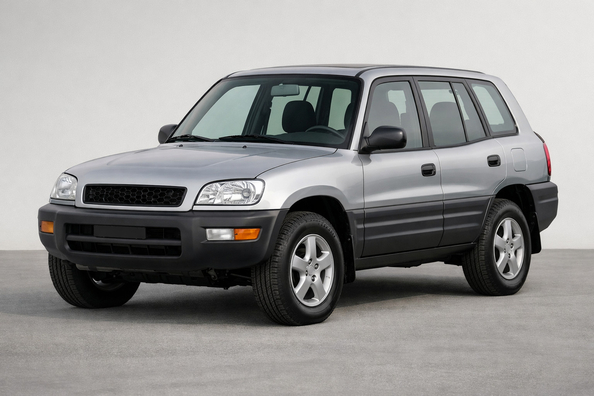
The first-generation Toyota RAV4 is a very early crossover in the modern sense: compact, easy in the city, with a high seating position, a simple gasoline engine, and a reputation for aging better than many of its peers. But no romance: the cabin is noisy, the rear row is tight, highway performance is average, and today the levels of safety and comfort are basic.
An important clarification on model years: the first generation carries the XA10 index. If you see the designation “1996-2001”, check the market and body style: in the US, 2001 is already the second generation. So for selecting parts and accessories and understanding the mechanicals, it’s more accurate to focus specifically on XA10.
The first RAV4 landed in a niche that barely existed back then: not a body-on-frame SUV, but a passenger-car-like vehicle with a unibody structure, independent suspension, and increased ground clearance. That’s why it worked well for people who didn’t need a heavy full-size off-roader, but did want winter confidence, an easy step-in height, and a short body for city driving.
By today’s standards it’s a very small crossover. That’s both a plus and a minus. The plus is agility, visibility, and easy parking. The minus is limited space—especially in the 3-door version—and noticeably more modest long-distance comfort than later generations.
The first-generation RAV4 is the XA10. In some markets the model was sold as both a 3-door and a 5-door. The 5-door became the main version: it’s more practical, has a longer wheelbase, and a trunk that was normal for the class at the time. The short version is appealing for its size and style, but in real life it’s more of a two-person car than a family option.
In 1998 the model was updated: the main technical change was increased output from the 2.0-liter engine. A few smaller equipment improvements were added as well. If you’re looking at one on the used market, it’s worth separating the early 1996-1997 versions from the later 1998-2000 cars right away.
The first RAV4 is fairly simple: there’s essentially one main engine—a gasoline 2.0 L 3S-FE. It’s a 4-cylinder naturally aspirated engine with electronic fuel injection, valued not for character but for longevity and predictability. It’s enough for city driving, but on the highway there isn’t much reserve for quick overtakes—especially with the automatic transmission and all-wheel drive.
Gearboxes are a 5-speed manual or a 4-speed automatic. Drive is front-wheel or full-time all-wheel. The most sensible approach today is not to chase the “better on paper” version, but to buy the best конкретний example: rust-free, with a healthy transmission, and no signs of neglected maintenance.
| Period | Engine | Power | Torque | Gearboxes | Drive |
|---|---|---|---|---|---|
| 1996-1997 | 2,0 л 3S-FE | 120 hp | 169,5 N·m | 5-spd manual / 4-spd automatic | Front-wheel or full-time all-wheel |
| 1998-2000 | 2,0 л 3S-FE | 127 hp | 179,0 N·m | 5-spd manual / 4-spd automatic | Front-wheel or full-time all-wheel |
Typical age-related nuances here are not so much about the design itself as the condition: the tightly packed engine bay makes some jobs harder, some cars develop increased oil consumption, and the automatic should be checked for smooth operation without jerks or delayed shifts.
The RAV4 XA10 is built on a unibody structure, not a frame, so it drives more like a passenger car than older SUVs. The suspension is independent, ground clearance is decent for light off-road use, snow, gravel roads, and curbs—but it’s not a vehicle for serious off-roading. The short wheelbase of the 3-door gives better maneuverability; the longer 5-door provides more stability and everyday usefulness.
| Parameter | 3-door | 5-door |
|---|---|---|
| Wheelbase | 2200 mm | 2410 mm |
| Length | 3705-3740 mm | 4115-4150 mm |
| Width | 1695 mm, up to 1760 mm with wider tires | 1695 mm, up to 1760 mm with wider tires |
| Height | 1635-1660 mm | 1635-1660 mm |
| Ground clearance | 185 mm | 190,5 mm |
| Turning radius | 10,2 m | 11,0 m |
| Trunk behind the second row | 263,3 L | 758,9 L |
| Fuel tank | 57,9 L | 57,9 L |
| Curb weight | within the overall range of 1119,9-1295,0 kg depending on version | within the overall range of 1119,9-1295,0 kg depending on version |
The numbers show the main point: the 5-door version is far more practical. If the car is needed not as a second vehicle in the family but as the only one, the short body almost always loses out because of the trunk and rear row.
The interior is simple and utilitarian. The seating position is high, visibility is good, and the controls are straightforward. But the materials, sound insulation, and ride refinement are at the level of a 1990s compact car, not anything “premium.” On rough asphalt and at highway speeds you can hear the engine, the tires, and wind noise.
Front comfort is perfectly fine, but the second row is a compromise. It’s enough for kids or shorter adults; for taller passengers it’s already cramped. For safety you need to look at the specific trim and model year, but in any case this is a car without modern electronic driver aids. For some 1998-2000 vehicles it’s worth checking the VIN for the driver airbag inflator campaign history.
In the city, the first RAV4 is still pleasant: a short body, high seating position, a small turning radius, and good visibility. On slippery roads and in winter, all-wheel drive brings clear benefits, and the ground clearance is enough for most everyday scenarios. That’s where the model shines best.
As for fuel consumption, a rough guide is: front-wheel-drive versions come in at about 9,8 L in the city and 7,8-8,1 L on the highway; all-wheel-drive versions are around 10,7 L in the city and 8,7 L on the highway. For its time that was very good, and today it looks simply moderate.
The main everyday risk isn’t an “unreliable model,” but age. You need to check for corrosion, the condition of seals, locks, window regulators, suspension, and drivetrain. In good condition it’s a simple, rewarding car. In a tired one it’s an endless list of small issues that are cheap individually, but draining together.
The secret of the first RAV4 is simple: it’s undemanding and honest about what it does well. But it should be bought with a clear head. If you need quietness, a roomy cabin, and confident highway overtakes, this body will quickly show its age.
| Strengths | Weaknesses |
|---|---|
| Reliable 2.0-liter engine and generally durable mechanicals | Noisy cabin and a somewhat rough ride |
| Compact dimensions, city convenience, high seating position | Tight second row, especially for tall passengers |
| All-wheel drive is useful in winter and on light off-road | Average highway performance, with little reserve for spirited driving |
| Low weight and car-like handling habits | Age-related corrosion, finicky locks and windows on some cars |
| The 5-door version is still practical as a compact daily wagon | Servicing some components is inconvenient due to tight packaging |
From an owner’s perspective, the takeaway is this: the 5-door RAV4 XA10 makes sense as a simple city car with extra capability for winter, a cabin, fishing trips, or gravel roads. The 3-door is more of a niche option for those who prioritize compactness and looks over family practicality.
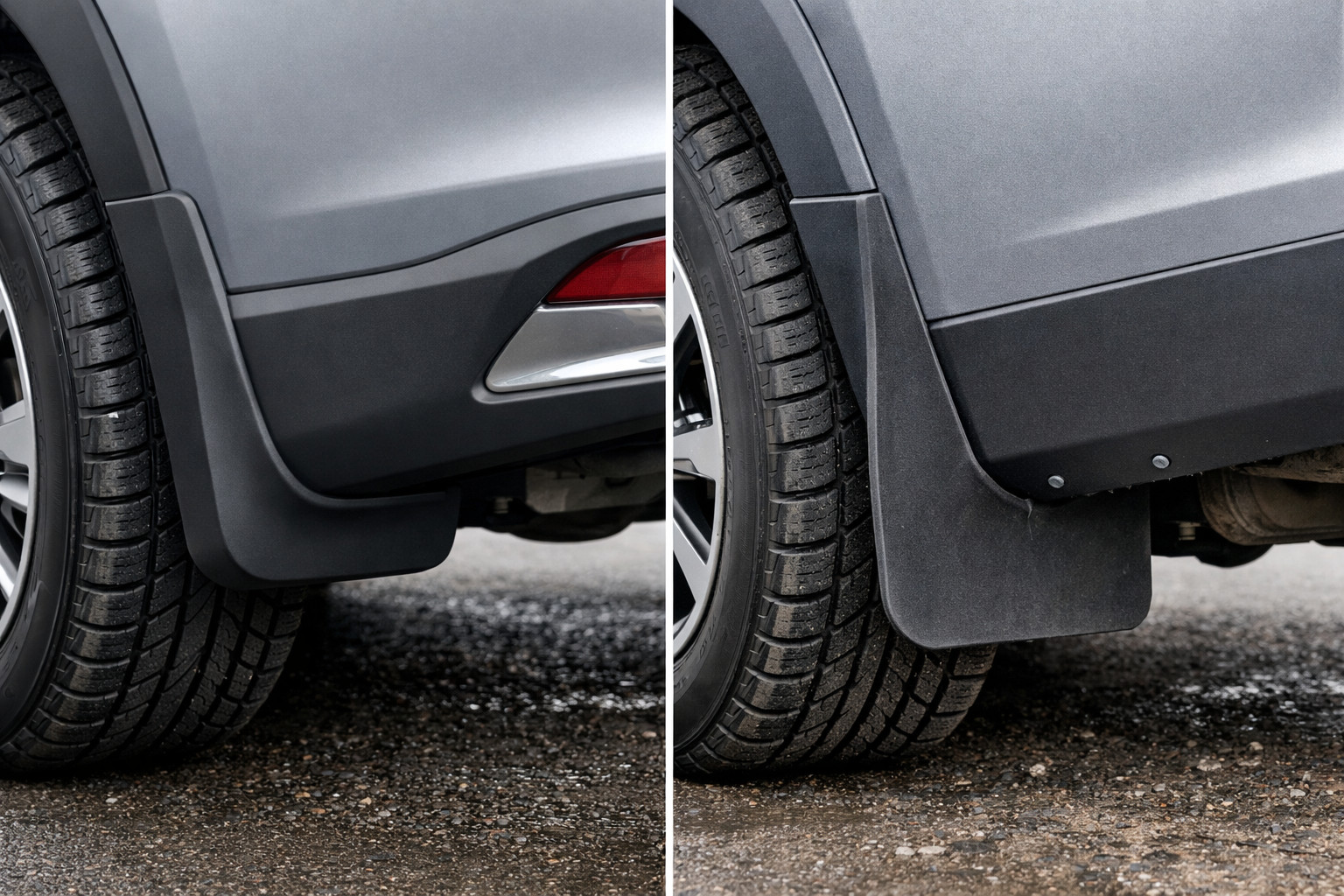
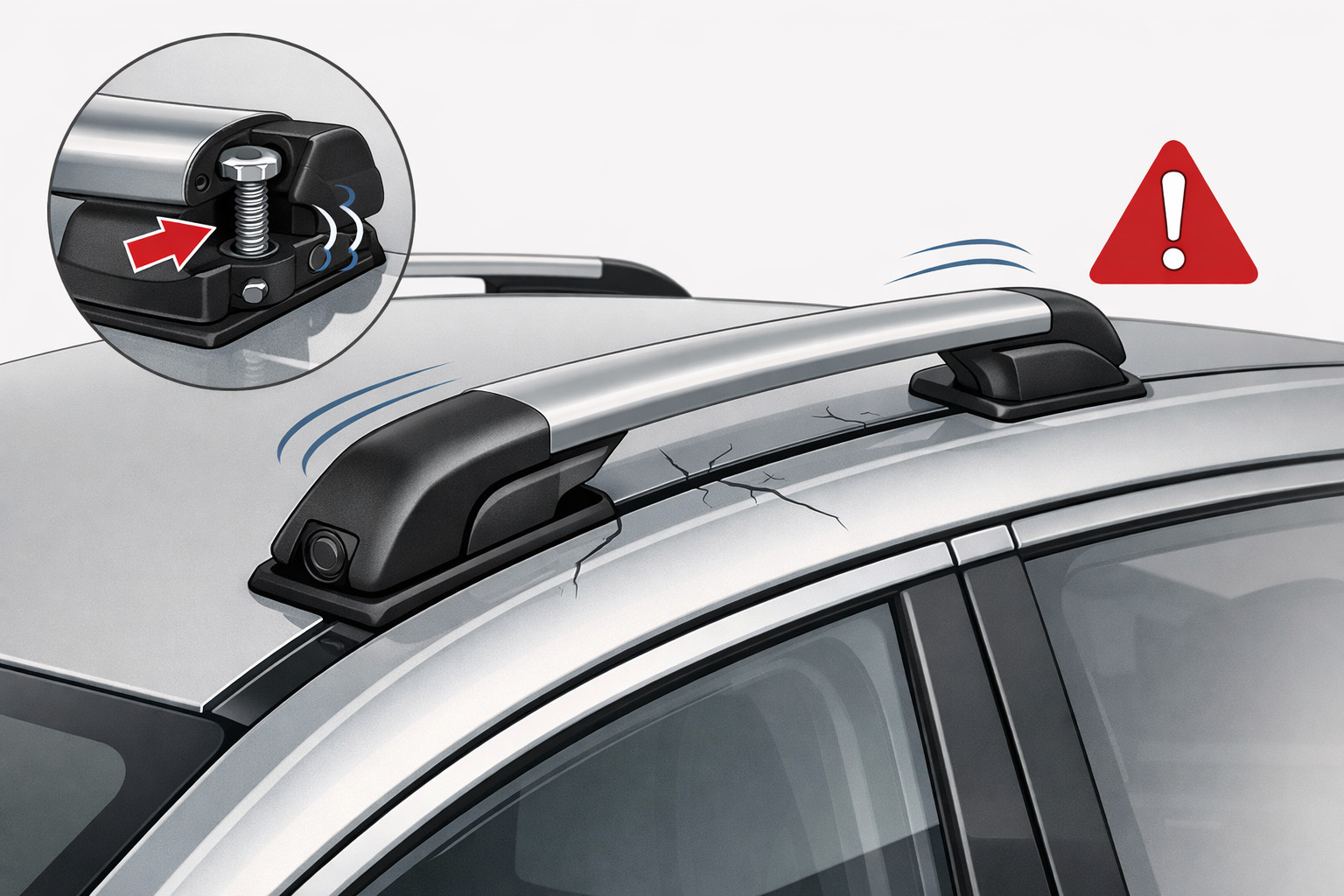
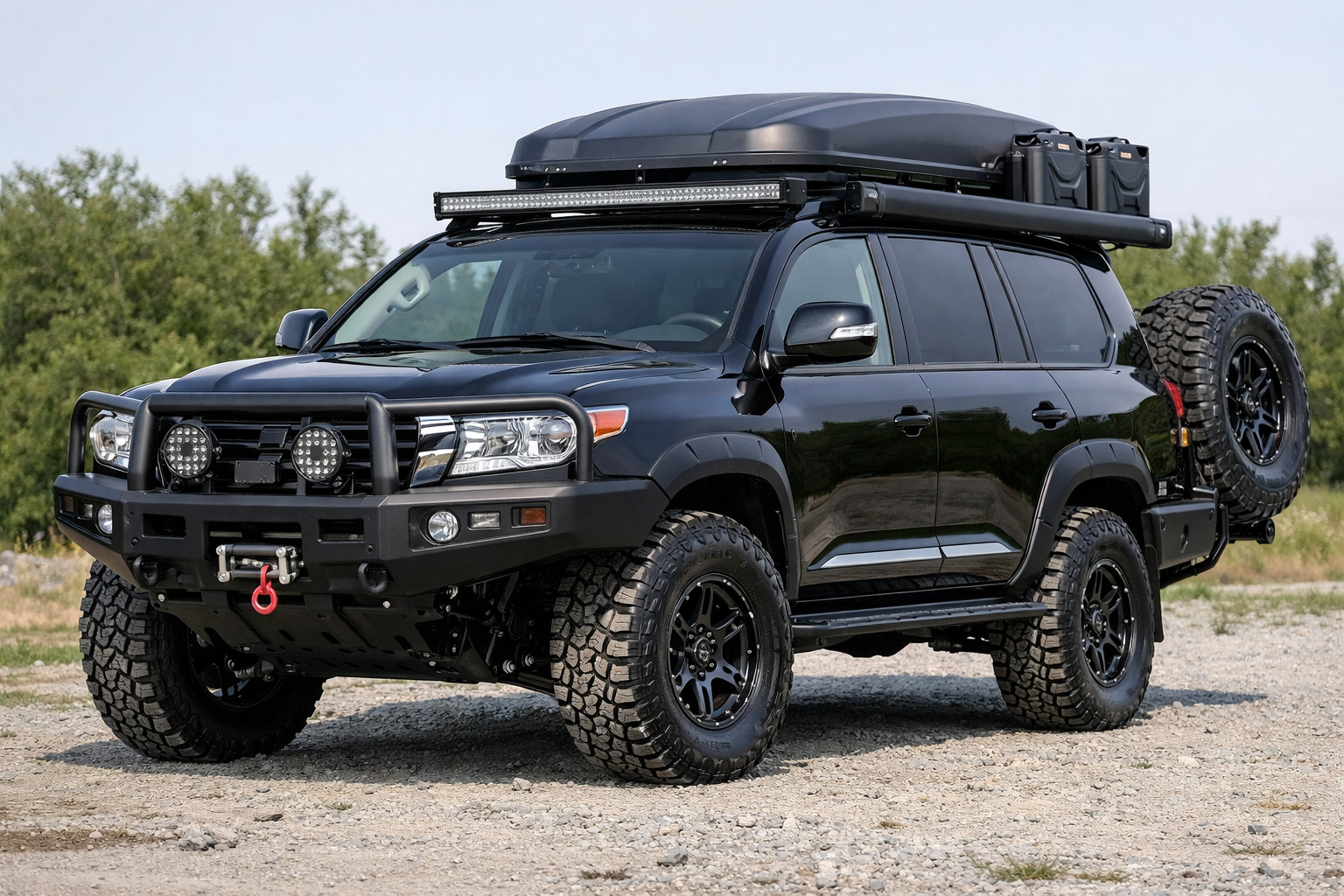
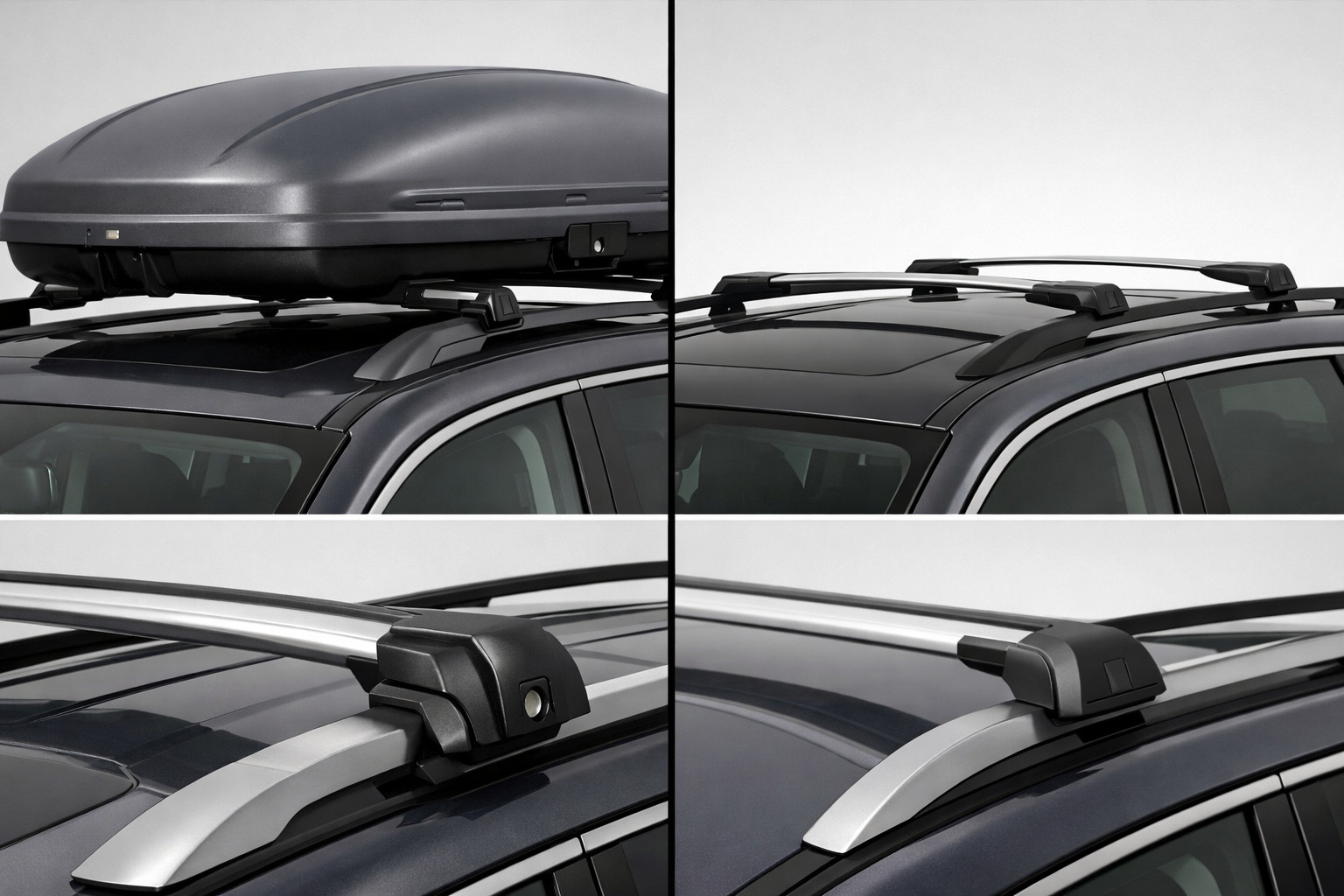
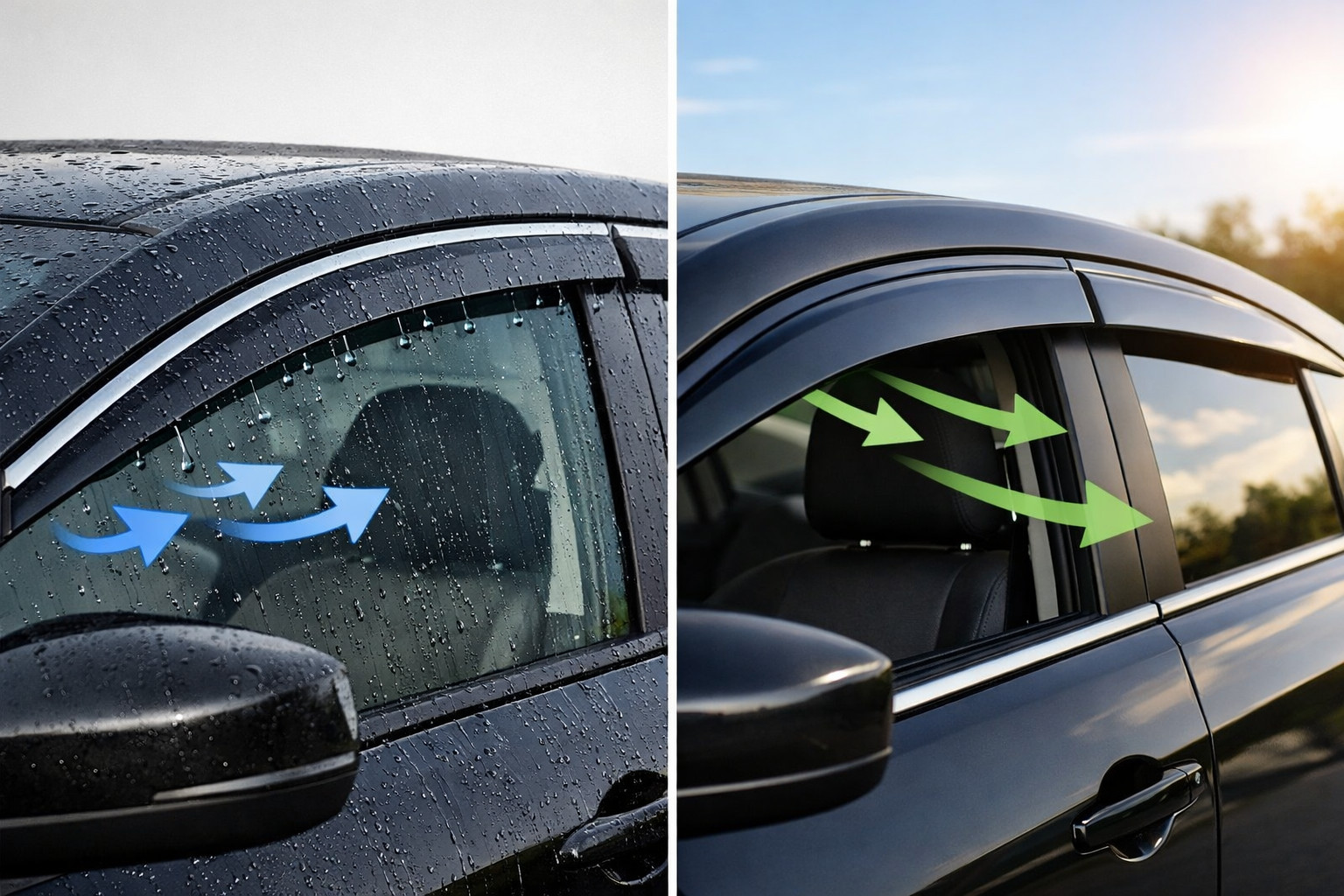
For the first RAV4, the smartest tuning is not decorative, but practical. First, it’s worth getting the body, suspension, seals, and lighting into good shape, and only then thinking about accessories. For daily use, the most sensible items are floor mats, trunk protection, mud flaps, roof cargo solutions, and small interior protection.
If you’re choosing accessories for the RAV4 XA10, start from the body style and usage scenario: the 3-door more often needs city and active-outdoors items, while the 5-door needs trunk and family-oriented solutions. It also makes sense to look at RAV4 1996-2001 tuning separately if you want to put together a set without random purchases.
The first Toyota RAV4 is not a “small SUV for every occasion,” but a compact and very early crossover with a clear set of strengths and weaknesses. It suits those who need a simple, maneuverable, high-riding vehicle for the city, winter, and rough roads. It doesn’t suit those who expect space, quietness, modern safety, and relaxed highway overtaking.
If you can find a well-kept XA10 without serious corrosion, with a healthy transmission and no neglected small issues, it can still be a rational choice today. But you should buy it for condition, not for the image.
| ✔ | Compact dimensions and a small turning radius make the RAV4 XA10 convenient in the city and in parking lots. The high seating position and good visibility add comfort to everyday driving. |
| ✔ | The 2.0-liter petrol 3S-FE is described as a simple and durable engine with predictable behavior. It is capable enough for city driving, and the design overall is considered hardy. |
| ✔ | All-wheel drive is useful in winter and on light off-road surfaces. Ground clearance and the suspension are enough for snow, dirt roads, and curbs. |
| ✔ | The 5-door version is much more practical than the 3-door one. It has a larger trunk, a longer wheelbase, and is better suited as the only car in the family. |
| ✔ | In good condition, the model does not require a complicated approach to ownership. The author clearly notes that the main thing is to find a well-maintained example without corrosion or neglected maintenance. |
| ✘ | The cabin is noisy, and the ride over bumps is rather rough by modern standards. On the highway, the engine, tires, and wind are clearly audible. |
| ✘ | The second row is cramped, especially for tall passengers. In the 3-door version, there is even less space, and it is more suitable for two people. |
| ✘ | Highway performance is mediocre, especially with the automatic and all-wheel drive. There is not much reserve of pulling power for spirited overtaking. |
| ✘ | For some cars, age-related issues become a more serious topic than the design itself. The article mentions corrosion, worn seals, locks, window regulators, and possible nuances with the automatic transmission and increased oil consumption. |
Shipping to EU
Wholesale and retail
Own warehouse
Опис продукту
Подарунки не надаються при оформленні покупки у кредит під 0,01% або при покупці частинами.