21.04.2026
296
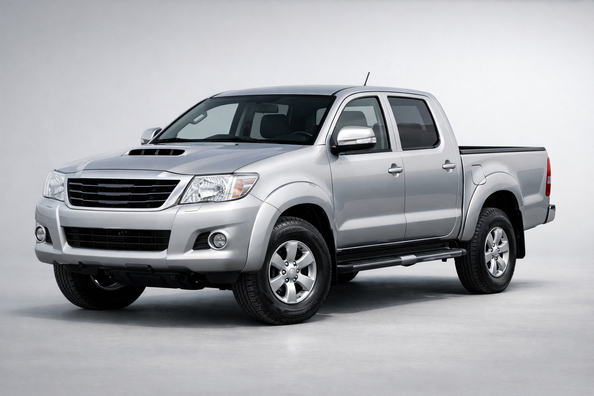
Toyota Hilux in the 2006–2015 format is a body-on-frame work pickup with torquey diesels and a durable design. By the end of this run, the model was already clearly losing to newer competitors in cabin quietness, ride smoothness, and that “passenger-car” feel inside. So the right question is: do you need a true workhorse, or do you want a pickup for everyday driving without fatigue.
Below is a practical review of this Hilux generation: which engines you’ll actually find, which dimensions and off-road parameters matter, and what to check before buying so you don’t end up paying for the “reputation” with repairs. To start browsing all offers for the model, go to the Toyota Hilux 2006 page.
The 2006–2015 Hilux was one of the most widespread “body-on-frame work” pickups in many countries: demand was driven by the mix of diesel pull, a cargo-oriented body format, and straightforward engineering logic. When transitioning to the next generation, Toyota itself effectively acknowledged that the previous format was seen as tough enough for work, but not comfortable and safe enough in everyday terms.
In feel, it’s a pickup bought for tasks: delivery, construction, farming, service use, regular loads. But if you mostly drive “city + weekly trips” without a trailer, then by 2014–2015 it starts to feel dated next to newer pickups in noise levels, small-bump control, and overall comfort.
For most markets, the Hilux in this interval is the model’s “previous format”: sold roughly from 2005/2006 to 2015, after which a new generation arrived that Toyota explicitly positioned as more comfortable and safer. Because of this, used examples may differ both by model year and by trim levels and destination market.
It’s also important that a “facelift” often affects not only styling, but also engine calibrations for emissions standards. For example, in 2012 the diesel lineups were updated (depending on drivetrain and trim), so when comparing a 2009 and a 2013 vehicle, the difference may be not cosmetic but genuinely noticeable in use. The 2011–2012 engine updates can be cross-checked via official information within Toyota’s news cycle.
In this generation, the most common and easiest to find are diesel versions, which define the Hilux character: pull, durability, and readiness to work under load. Petrol versions exist, but they’re usually chosen either for specific scenarios or when the diesel budget/condition doesn’t pass inspection.
Below are reference points for real-world engines and gearboxes often mentioned in documents and reviews. Note: specific combinations (engine/gearbox/drivetrain) depend on country and body style, so before buying always verify the VIN and the trim plate.
| Version (reference) | Displacement | Power / torque | Gearbox and fuel consumption (reference) |
|---|---|---|---|
| 2.5 D-4D (early cycle) | 2 494 cm³ | 120 hp (DIN), 325 N·m | 5-speed manual, combined 7,4–8,3 l/100 km |
| 3.0 D-4D (early cycle) | 2 982 cm³ | 171 hp (DIN), 343 N·m | Manual or 4-speed automatic; combined ~8,3 l/100 km (manual) / 9,4 l/100 km (automatic). In Europe more often for Double Cab 4x4 in higher versions. |
| Updated 2.5 D-4D (2012, 2WD) | — | 144 hp, 343 N·m | 0–100 in 14,1 s; top speed 170 km/h; combined 7,3 l/100 km |
| Updated 3.0 D-4D (2012) | — | 171 hp; 343 N·m (manual) / 360 N·m (automatic) | 0–100 in 12,1 s (manual) or 12,0 s (automatic); combined 7,6 l/100 km (manual) / 8,6 l/100 km (automatic) |
| Petrol (some markets) | 2.7 / 4.0 | 2.7 Dual VVT-i: 118 kW, 241 N·m; 4.0 V6: 175 kW, 376 N·m | Scenario-based: 2.7 is more versatile, V6 is more dynamic, but usually more expensive to run |
As for the hardware, the drivetrain and chassis follow a clear Hilux logic: by default it often came with rear-wheel drive, and for off-road use—part-time 4WD with a low range. Suspension: double wishbones up front, and leaf springs on a solid rear axle. This setup handles loads well, but also explains why it can feel noticeably stiffer when unloaded.
The 2012 diesel updates and emissions-related changes are convenient to verify through Toyota publications: in Toyota’s Hilux news history (list of updates and version ranges).
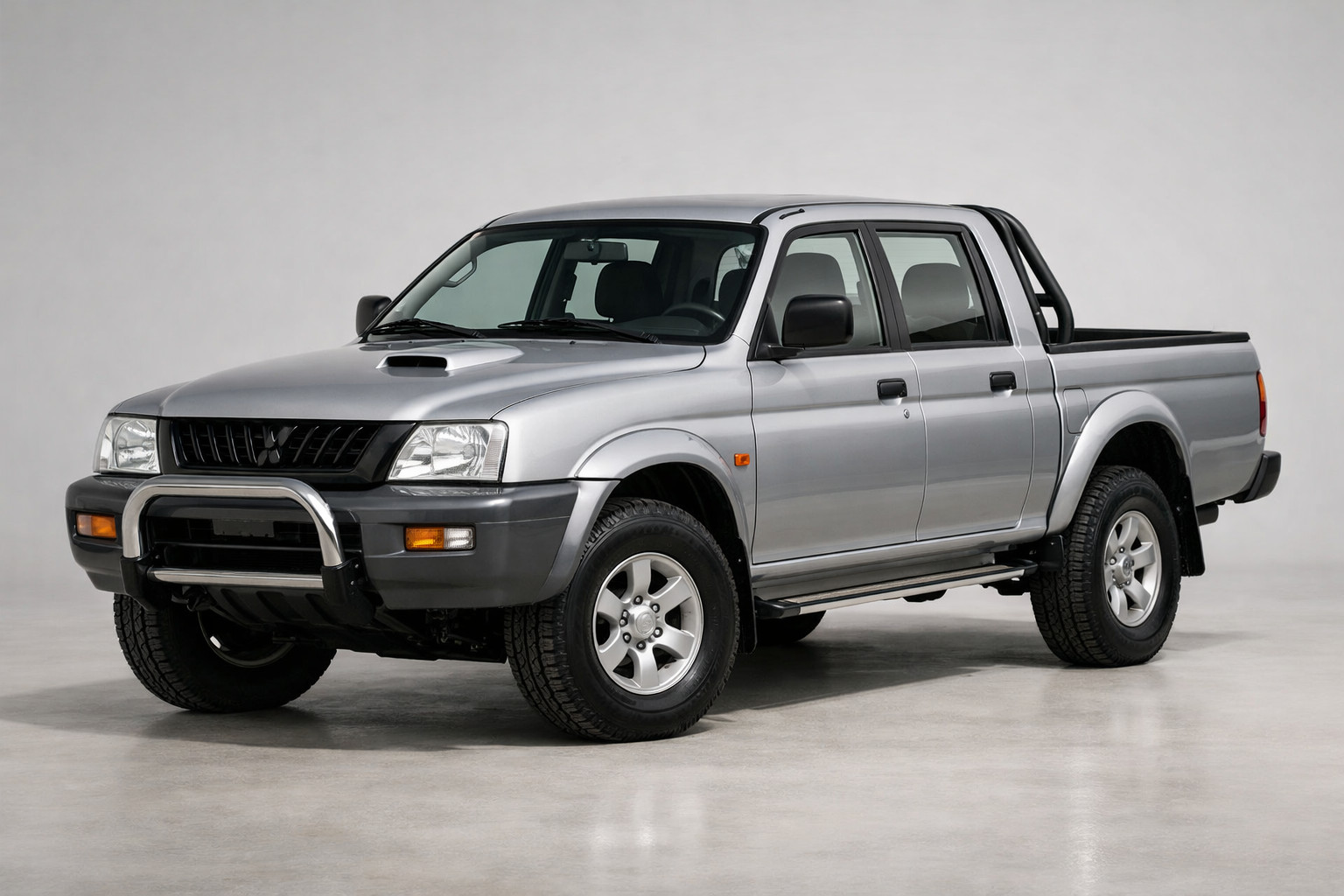
Here, the Hilux is strong. In this generation, what matters is not “numbers on paper,” but mud-ready geometry and the specific size of the cargo bed. The Double Cab (a common format for work and family) has dimensions you really feel when parking and loading.
Most listings feature different cabs (Single Cab, Extra Cab, Double Cab), and cab choice determines bed length and cargo volume. If carrying long items is critical, compare not “Hilux overall,” but the specific cab.
| Parameter | Reference for Double Cab (2006) | What it means in practice |
|---|---|---|
| Length | 5 255 mm | In yards/cities you need more room to maneuver; harder to squeeze in without small steering corrections. |
| Width | 1 835 mm | Tight parking and close calls by curbs—be careful with mirrors and blind spots. |
| Height | 1 810 mm | Under trees/canopies: consider ground clearance and overall roof height. |
| Wheelbase | 3 085 mm | Stability at speed, but less comfort over short bumps—an outcome of the body-on-frame “work” base. |
| Ground clearance | 212 mm | Real usefulness on dirt and rough roads—less worry about the underbody. |
| Angles: approach / departure / ramp | 30° / 26° / 25° | Good margin for climbs/descents when you need geometry and speed control. |
The cargo bed (depending on cab) has very practical dimensions. For 2006, bed length can be 2 315 mm / 1 805 mm / 1 520 mm, and volume—1 530 l / 1 178 l / 983 l (depending on cab). That means a Hilux in this format is not just a “weekend pickup,” but a vehicle often chosen specifically for volume and straightforward access to gear.
Inside, it’s easy to feel the difference between “work-grade toughness” and modern comfort: the seats can be comfortable for long drives, storage is usually plentiful, but cabin quietness and the way small vibrations reach the steering wheel/floor are not like newer pickups. This is the area where, by 2015, the model looked dated.
In terms of safety, early and mid versions often had ABS, traction control, and a limited-slip differential; VSC in some markets was optional. Certain Invincible trims came with 6 airbags, and for 4x4 in some regions there were high ANCAP ratings. But the key practical point is this: in an older vehicle, real safety is defined by body condition, correct operation of the electronics, and the presence/integrity of components—not only “what was on the price list.”
If you buy a Hilux for work, in day-to-day use it usually delivers: the body-on-frame design takes loads, the diesel pulls well at low rpm, and the body and chassis are built for real-world use. But this is exactly where you need to be honest about your scenario: without a load or trailer, the suspension can feel stiff, and on a wavy road it can transmit more noticeable shake.
Another practical detail is durability—often praised in reviews, but dependent on how the vehicle was maintained. In real owner stories, you’ll find long mileages with minimal “major” work, but there are also typical risks for certain diesels, especially if the vehicle worked hard without proper consumables.
To understand whether the 2006–2015 Hilux is “yours,” weigh pros and cons not in generalities, but against your real tasks: how much you drive, whether you haul or not, whether you need 4x4, how often you face mud/dirt. Here’s a practical framework.
| Pros | Cons |
|---|---|
| Body-on-frame durability: a tough structure and a work-focused character. | Comfort when unloaded: noticeable vibration/harshness over uneven surfaces is possible. |
| Torquey diesels with good towing suitability. | Interior and quietness by the end of the cycle felt less modern than competitors. |
| Body options (Single/Extra/Double Cab) let you match the vehicle to the task. | Condition depends on history: repair and maintenance quality strongly affects the final cost. |
| Off-road geometry and a drivetrain layout with low range. | Diesel-version risks (see below)—a thorough pre-purchase check is essential. |
Practical owner-side advantages: if the vehicle lives as a “workhorse,” it typically offers predictable behavior, big hauling headroom, and straightforward serviceability. Many stories praise its longevity and day-to-day practicality.
Practical owner-side downsides: from time to time you have to accept that the Hilux is more “truck than car.” If your route is asphalt with small ripples and minimal load, you’ll more quickly notice shaking, noise, and overall ruggedness.
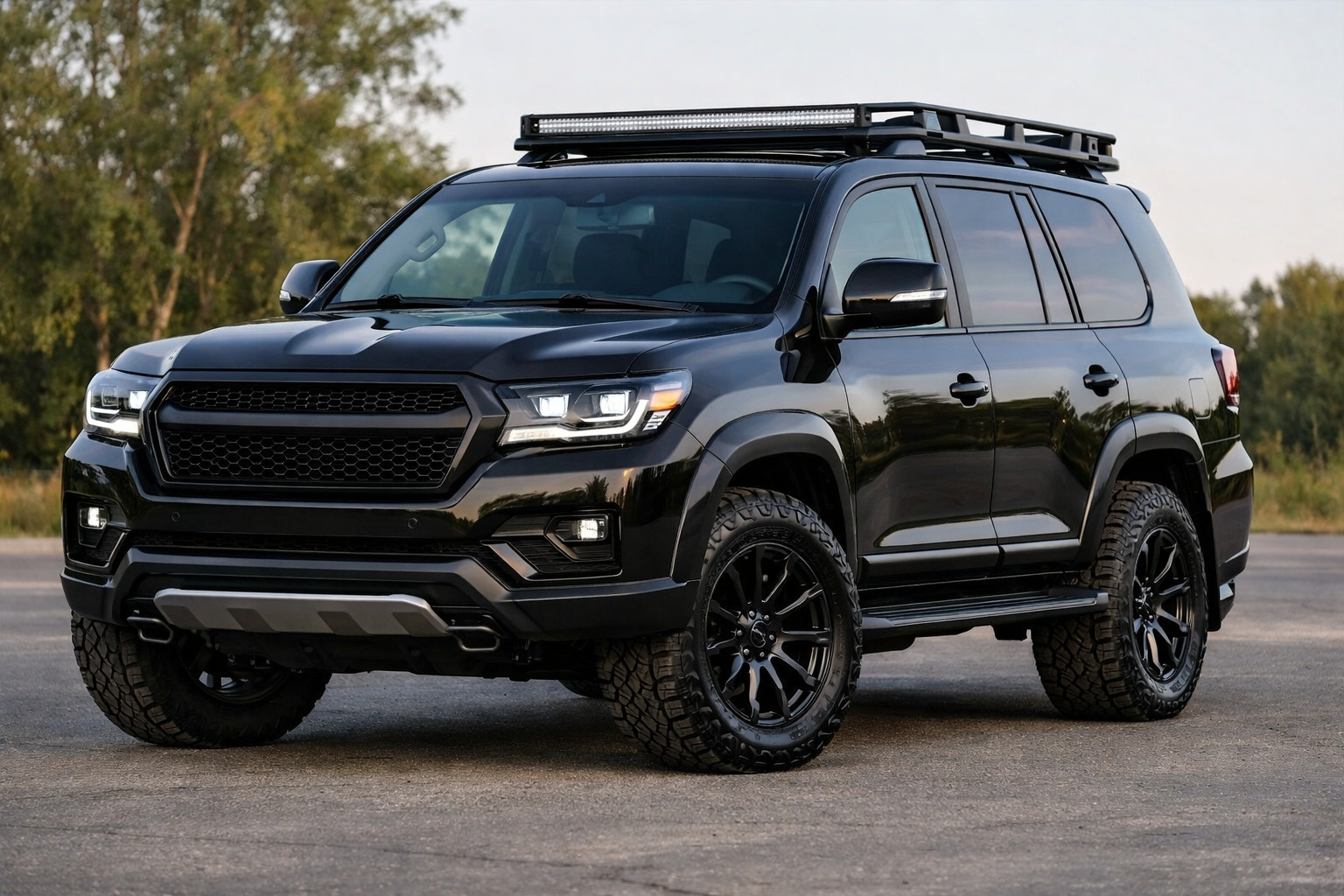
This generation of Hilux is most often tuned not “for looks,” but for tasks: underbody protection, better off-road capability, work convenience, sometimes a more comfortable seating position. With leaf springs and a body-on-frame layout, any suspension changes should be done thoughtfully: the main goal isn’t just to lift the vehicle, but to keep stability and handling while accounting for load.
For electrics/lighting, additional solutions are common, but it’s critical not to overload the wiring and to organize grounding properly. For diesel versions, it’s more logical to start with diagnostics and basic maintenance, and only then think about “pull upgrades.” It makes sense to begin with what relates to the engines themselves and the 2011–2012 updates: Toyota’s diesel lineup update is a useful starting point to understand which configurations you’ll actually find for sale.
Another practical emphasis is protection. For work on dirt and off-road, heavy-duty components, radiator protection, and underbody protection are popular. If you’re planning to install bulky accessories, assess how they affect weight, airflow, and service access. In the end, tuning a 2006–2015 Hilux should either improve work efficiency (protection/capability/convenience) or it will be a noticeable expense with little benefit.
For an overall equipment choice for your task, it’s convenient to start by browsing all Toyota Hilux 2006 offers—then it’s easier to compare which accessories are already installed and what you actually need to buy.
The Toyota Hilux 2006–2015 is a body-on-frame work pickup that makes sense to buy when you need durability, diesel pull, a large cargo format, and off-road geometry. By the end of this period, it already loses to newer pickups in quietness, ride smoothness, and a “modern” feel, so you shouldn’t expect passenger-car comfort.
Practical verdict: if you use a pickup as a work vehicle or regularly haul/drive on difficult roads, this generation of Hilux can be a very rational option. If your main scenario is daily city driving with minimal load, it’s better to look at more modern solutions—or be extremely picky about the specific example’s condition and trim.
| ✔ | The ladder-frame construction and work-oriented character handle regular loads well, making the Hilux a practical choice for construction, farming, and service use. |
| ✔ | Diesel engines with strong low-end torque are well suited for towing and convenient for trailer work or frequent cargo hauling. |
| ✔ | Off-road geometry and drivetrain layout (including part-time 4WD with low range) provide a practical advantage in mud and on loose surfaces. |
| ✔ | A wide range of cab versions (Single/Extra/Double) makes it possible to choose the right bed length and cargo volume for your needs. |
| ✘ | By the end of 2006–2015, the model was noticeably outperformed by newer rivals in cabin quietness, ride comfort, and a more car-like feel inside. |
| ✘ | Without a load or trailer, the suspension can feel stiffer, and on undulating roads it may show more shaking and vibrations. |
| ✘ | The final cost depends heavily on the history of a particular vehicle: the quality of repairs and maintenance can determine whether you will end up paying extra in repairs. |
| ✘ | There are risks specific to diesel versions, so before buying, the engine needs a thorough inspection, not just an assessment based on age. |
Shipping to EU
Wholesale and retail
Own warehouse
Опис продукту
Подарунки не надаються при оформленні покупки у кредит під 0,01% або при покупці частинами.