08.04.2026
387
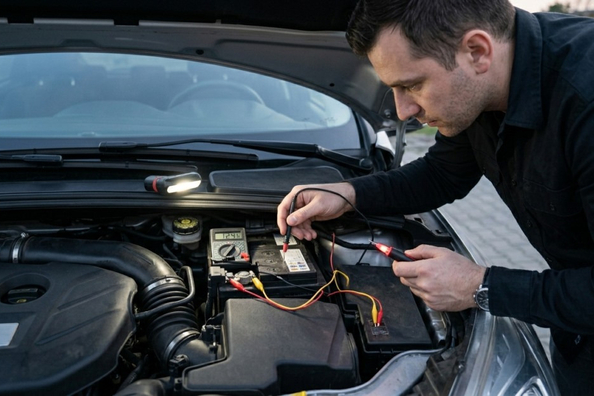

Get in the car in the morning, turn the key — and hear only the starter clicking instead of the familiar rumble of the engine… Sound familiar? A dead battery is one of the most common driver problems, especially in winter. Often, the culprit isn’t the battery itself, but devices and systems that quietly «draw» power from it even with the engine off. And if you want to enhance your car’s interior and boost comfort, you may find tuning accessories useful — a wide selection is available in our online store.
Most often, the cause isn’t a technical failure, but simple inattention or added equipment. Here are the key factors:
To keep your battery «healthy», it’s important to check the voltage regularly with a multimeter: in a good, fully charged battery, the resting voltage after parking is usually about 12.6–12.8 V. Lower values may indicate partial discharge or charging problems.
If you don’t drive often, it’s worth topping it up periodically with an external charger, or at least giving the car enough driving time regularly to restore the charge.
Shipping to EU
Wholesale and retail
Own warehouse
Опис продукту
Подарунки не надаються при оформленні покупки у кредит під 0,01% або при покупці частинами.