
































































 Author: Radomskyi Maksym Vasyliovych
A snorkel isn’t for everyone. If your vehicle lives in the city, on the highway, and only occasionally ventures onto light off-road, the benefit is small—while drilling the bodywork, extra noise, and costs are very real. But if your routes include dust convoys, forest roads, regular water crossings, wet snow, and long trips where you can’t afford mistakes, then a properly installed snorkel becomes not a decoration, but a working tool.
The key is not to confuse the mere fact of having a pipe on the fender with a correctly assembled intake system. A snorkel doesn’t make the car waterproof, doesn’t eliminate the need for a sealed airbox, and doesn’t replace attention to axle and transmission breathers. So the choice is simple: keep the factory intake, fit a cheap compromise, or build a proper vehicle-specific sealed solution right away.
What the choice is really about
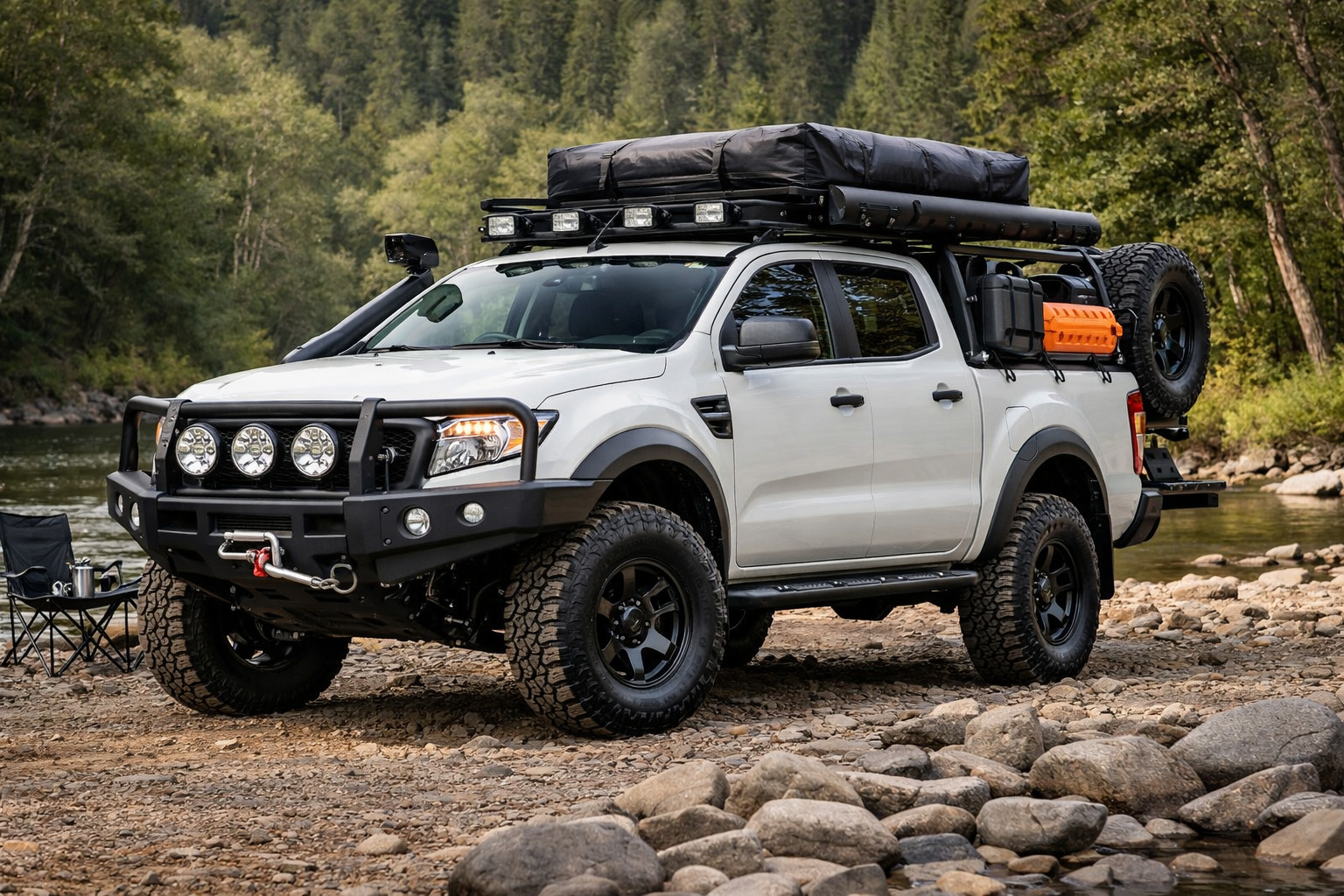
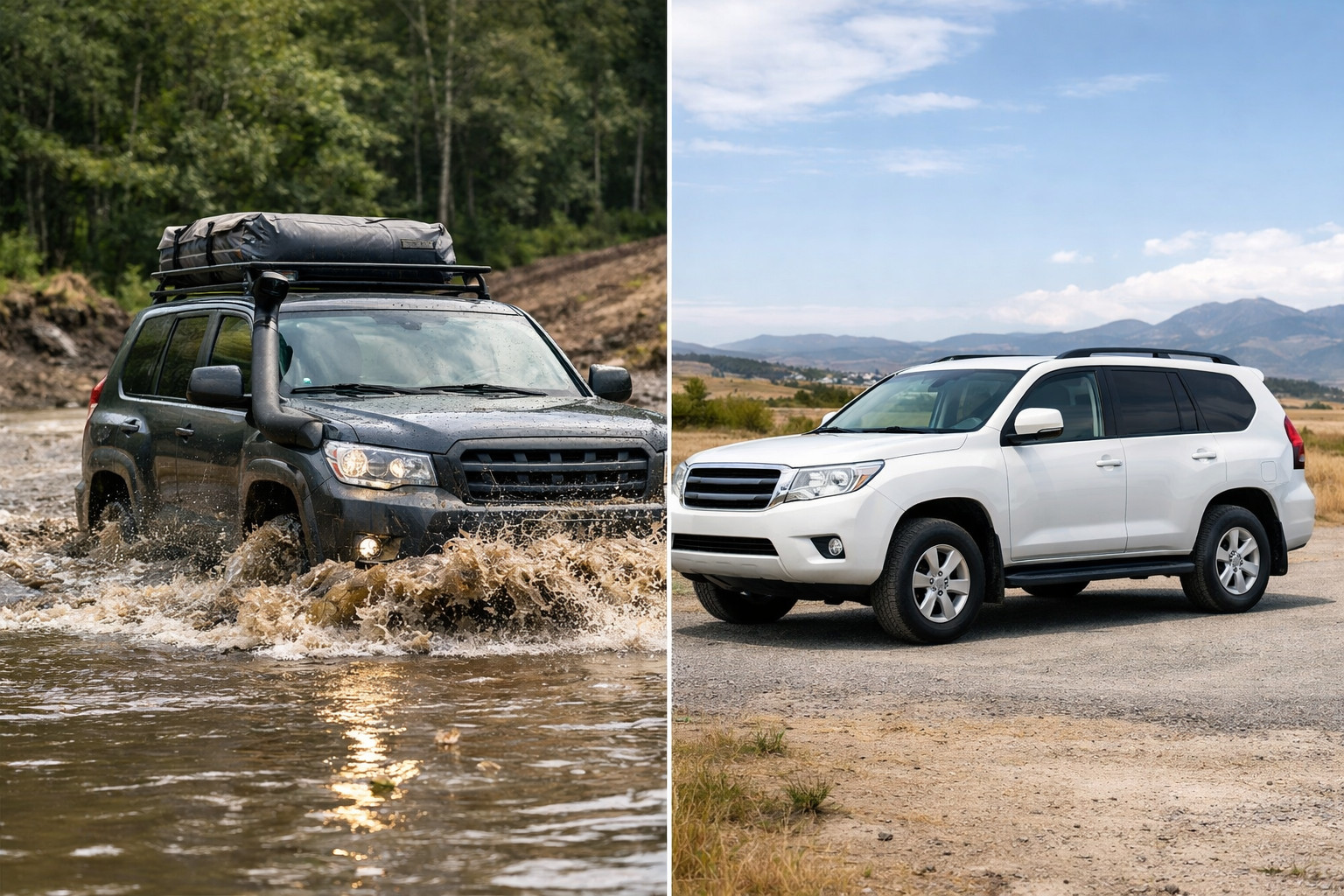
The point of a snorkel is that it raises the air intake point higher, closer to roof level, where the air is usually cleaner than near the wheel arch or in the hot engine bay. In practice, this is especially noticeable in dust when driving in a convoy, and during water obstacles, where it’s important to reduce the risk of water getting into the intake.
But don’t confuse this with preparing the vehicle for “swimming.” Fording depth is still limited not only by the height of the air intake, but also by electrics, seals, breathers, the condition of the airbox, and driver discipline. For many owners, a snorkel is more useful as protection from dust than as a permit to drive into deeper water.
What criteria to compare by
- Installation. A snorkel almost always means drilling the fender and mounting points. In vehicle-specific kits this can be a large hole of about 105 mm and several smaller ones for fastening, so template accuracy, corrosion protection, and sealing are critical.
- Noise. On some vehicles, a hum or whistle appears at certain RPM after installation. This is influenced by the head design, mount rigidity, sealing, and even whether the tube touches the body.
- Durability. The most common materials are UV-resistant polyethylene and stainless steel. The material matters, but so do the quality of joints and brackets, and how the snorkel handles vibrations and branches.
- Practicality. Consider not only water crossings, but also dust, rain, wet snow, washing, filter servicing, and under-hood access. In mild conditions, the benefit quickly shrinks.
- Price. You should factor in not only the kit, but also installation, sealing, inspection of the airbox and breathers, and anti-corrosion protection after drilling.
Quick comparison of options (table)
| Option | Strengths | Weaknesses | Who it suits |
|---|---|---|---|
| No snorkel | Zero bodywork intervention, no risk of system noise, minimal cost | Less protection in dust and during fording, factory air intake sits lower | City, highway, rare trips onto light off-road |
| Cheap or universal snorkel | Lower upfront price, can raise the air intake point | Frequent issues with fitment, sealing, noise, and mounting quality | Only for those who clearly understand the compromises and don’t expect serious water protection |
| High-quality vehicle-specific sealed snorkel | Better fit, clearer installation, higher real-world usefulness in dust and water | Higher price, still requires correct sealing of the entire intake | Expeditions, regular dirt roads, working pickups, frequent off-asphalt driving |
The key difference here isn’t looks—it’s the risk of getting it wrong. A cheap snorkel can bring noise, extra expenses, and a false sense of security, while a quality kit only makes sense when the use case is genuinely demanding.
DD Tuning expert comment: the most common mistake is fitting a snorkel and thinking water prep is done. In practice, problems more often come from the airbox, drains, and breathers than from the pipe itself. The second typical mistake is saving on installation: a badly cut fender or poor sealing wipes out all the benefits even of an expensive kit.
Detailed breakdown of each option
No snorkel
For a daily driver, this is often a normal and sensible option. If you’re not spending hours in a dust convoy, not fording water regularly, and not driving through heavy snow, a clean filter and careful line choice provide almost everything you need without touching the bodywork.
Cheap or universal snorkel
The main risk here isn’t the budget itself—it’s inaccurate fitment. Universal solutions often require trimming and adaptation, add extra joints, and create weak points where water or dust can be sucked in. If you buy such a вариант “for looks,” that’s honest; if you buy it as water-crossing protection, the mistake can be expensive for the engine.
High-quality vehicle-specific sealed snorkel
This is the best option for those who actually use their vehicle off the asphalt. A vehicle-specific kit is easier to install correctly, follows the body lines better, and a proper instruction reduces the risk of mistakes during cutting and assembly. But even then, after installation you need to check the sealing of all connections, the airbox drains, and corrosion protection of the drilled areas.
Which option is best for different scenarios
For city and highway driving, a snorkel usually doesn’t pay off. It doesn’t provide noticeable everyday benefits, but it can add noise and forces you to live with bodywork modification.
For hunting, touring, and work routes, everything depends on frequency. One or two trips per season don’t make a snorkel mandatory, but constant dust, convoys on dirt roads, long trips, and water move it from “option” to “practical insurance.”
A separate scenario is wet snow. Here a snorkel isn’t always an unquestionable plus: the head can ice up or pack with snow, so the head design, drainage, and sensible monitoring of conditions matter more than believing in a universal solution.
Use scenario and what to choose (table)
| Scenario | Best choice | Why |
|---|---|---|
| Daily city and highway | No snorkel | Minimal real benefit, while costs and bodywork intervention remain |
| Trips to the countryside, light mud, no fords | No snorkel or postpone the purchase | The factory intake is usually enough if the filter is serviced on time |
| Regular dirt roads in a convoy, lots of dust | High-quality vehicle-specific snorkel | This is where a raised air intake delivers the clearest practical benefit |
| Frequent fords within the vehicle’s capabilities | High-quality vehicle-specific snorkel plus intake sealing | A single pipe without a sealed airbox and breathers doesn’t solve the task |
| Winter trips in wet snow | Depends on the route; more often either no snorkel, or a quality kit with icing control | The benefit isn’t always there, and the risk of the head clogging must be considered |
| Work pickup or expedition vehicle | High-quality vehicle-specific snorkel | Regular use is more likely to justify spending on the right solution |
Common mistakes when choosing
- Assuming a snorkel automatically makes the vehicle ready for deep water.
- Buying a universal kit because it’s cheaper, without thinking about fitment, joints, and sealing.
- Ignoring related work: breathers, airbox drains, anti-corrosion protection after drilling.
- Expecting a noticeable power gain or fuel savings as the main reason to buy.
- Not accounting for noise and behavior in rain or wet snow on your specific vehicle model.
When a more expensive solution makes sense
A more expensive kit makes sense when the vehicle truly works in dust, on long routes, or regularly sees water. In that case it’s better to sort out right away what a snorkel actually does, separately look at how to choose a snorkel, and focus on vehicle-specific solutions like a ready-made kit for a specific body. The extra cost here isn’t for a “cool look,” but for precise geometry, better sealing, proper instructions, and a lower risk of ruining the fender or ending up with a decorative pipe that provides no benefit.
From a customer’s experience: a pickup owner was looking for a snorkel before the fishing season because the route regularly ran along dusty roads and through a few shallow fords. At first he wanted to save money with a universal option, but ultimately chose a vehicle-specific kit with proper intake sealing. As a result, he didn’t get a “water-going” vehicle—he got calmer operation in dust and fewer doubts at familiar crossings.
Conclusion
A snorkel is truly needed for those who often drive in dust, in convoys, on forest roads, on work routes, or regularly cross fords within the vehicle’s capabilities. For the city, highway, and rare light trips, it’s more often an unnecessary modification than essential equipment.
The smartest approach is simple: if the scenario is light, keep the factory intake; if the scenario is tough, choose a vehicle-specific sealed kit and prepare not only the pipe, but the whole system. This material is based on real selection experience, hands-on practice, and real-world use scenarios, so the main advice is one: buy a snorkel not for the picture, but for the route.
Pros and cons
Raised air intake really helps in dust and in convoys on dirt roads, where the stock intake pulls in dirt faster. For regular off-road trips, it provides more noticeable practical benefit than in the city.
A snorkel reduces the risk of water getting into the intake during shallow crossings. But it works as part of the whole setup, not as a separate “water protection.”
A quality model-specific kit usually fits the body better and is easier to install without modification. This reduces the risk of mistakes when cutting the fender and sealing it.
For work pickups, expedition vehicles, and frequent off-road use, a snorkel justifies the cost better than for an ordinary daily car. In such scenarios, it brings more benefit in real operating conditions.
Installation almost always requires drilling the body, which means working with the metal and adding extra corrosion protection. If done poorly, the benefit of the snorkel is easily nullified.
After installation, some vehicles develop humming or whistling at certain RPMs. This is affected by the shape of the head, the mounting, and the sealing, so a cheap kit can add not only noise but also fitment issues.
A snorkel by itself does not make a vehicle waterproof and does not replace work on breathers, drains, and the airbox. Without that, even an expensive tube does not fully solve the task.
For the city, highways, and rare light outings, its practical benefit is small, while the costs, noise, and complexity remain. In wet snow, it is not always a plus either, because the head can freeze or clog up.