26.05.2026
318
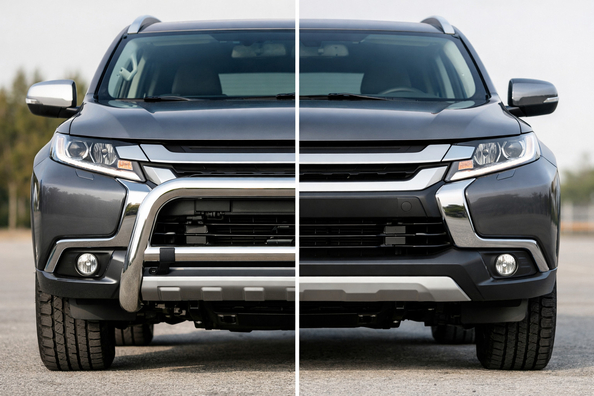
In short, today it’s smarter not to install a tall, rigid “for looks” bull bar, but either a compact front protection designed for a specific model, or nothing at all. A full-on heavy-duty front bar makes sense where the vehicle regularly drives in rural areas, on forest roads, through brush, on highways at night with a risk of animal strikes, or works with a winch.
The confusion comes from the names: on the market, the word “bull bar” can refer to both a light hoop and a heavy-duty steel bar. So you shouldn’t judge by the shape of the tube, but by the weight, mounting points, compatibility with airbags, radars and cameras, city usability, and the real benefit for your exact use case.
The key question is not what looks more impressive in photos, but what exactly you need to protect the front end from. For branches, tall grass, and minor contact, a light low-profile solution is enough. For heavier loads, forest work, or the need to mount a winch, you need a heavy-duty bar with different weight, brackets, and vehicle requirements.
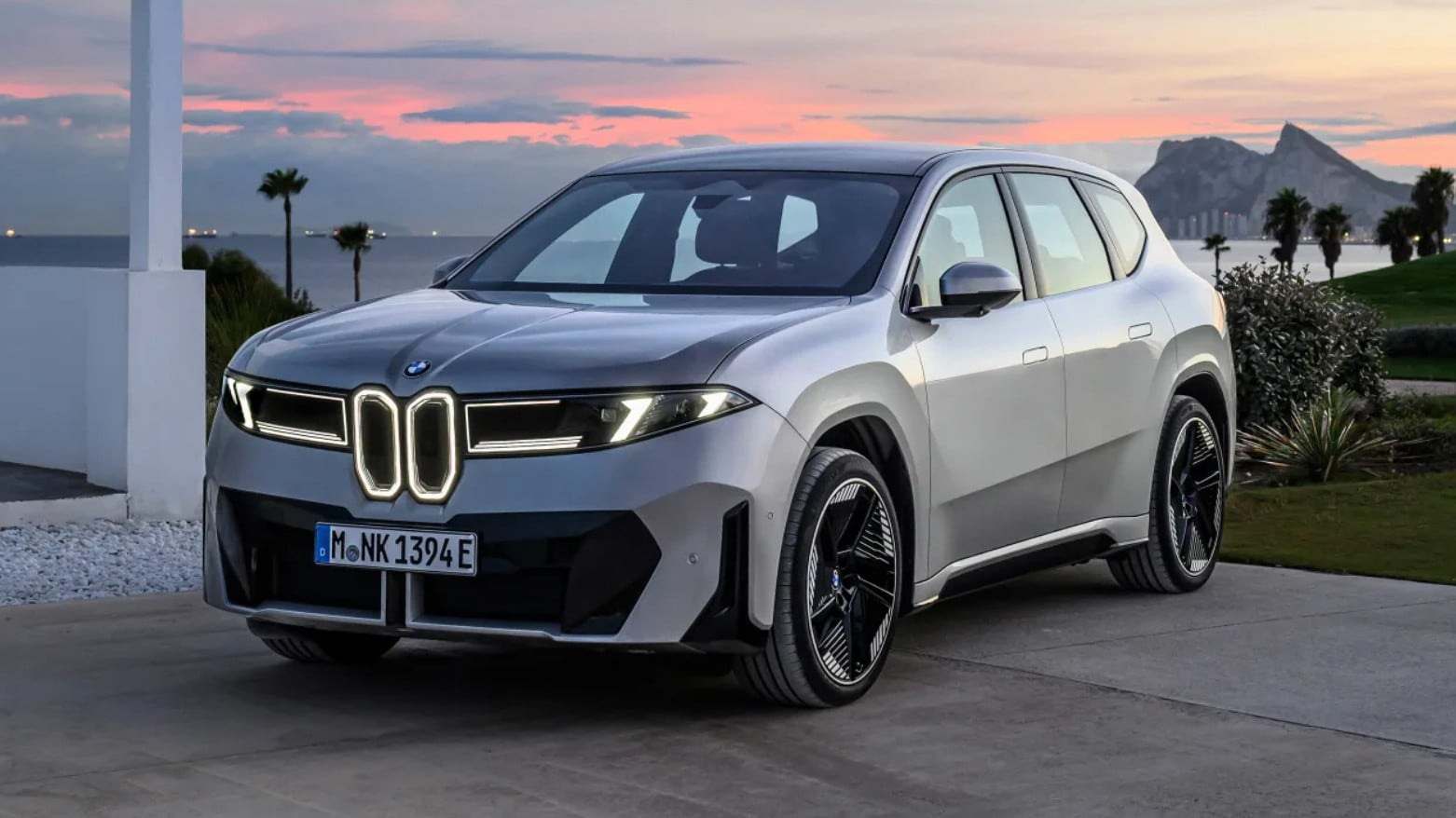
The old scenario of a tall rigid hoop on a city crossover is usually a bad deal today. Such an element often creates issues with visibility, parking, snow, curbs, sensors, and crash behavior, yet it doesn’t deliver the benefits people expect from a true heavy-duty front bar.
Also check obvious red flags: if the bar blocks the plate, lights, or camera; sticks up too high; or worsens the view of the road immediately in front of the vehicle, that’s already a bad sign. Specific rules vary by country, but the logic is the same: a lower profile and better compatibility are always better than a crude “frame” up front. To verify requirements and compatibility, it helps to review official regulations for frontal protection systems and official guidance on bull bars and safety risks.
| Option | Strengths | Weaknesses | Who it’s for |
|---|---|---|---|
| No additional protection | No extra weight, visibility isn’t affected, no issues with sensors or front-end geometry | Zero added protection from brush, minor contact, and stones | City, highway, new crossovers with lots of electronics |
| Tall decorative bull bar | May partially shield the front from branches and brush, gives a bold look | Often heavy and impractical, less compatible with sensors, snow and curbs, and doesn’t provide real heavy-duty functionality | A rare case for simple vehicles without complex electronics, when the owner consciously accepts all compromises |
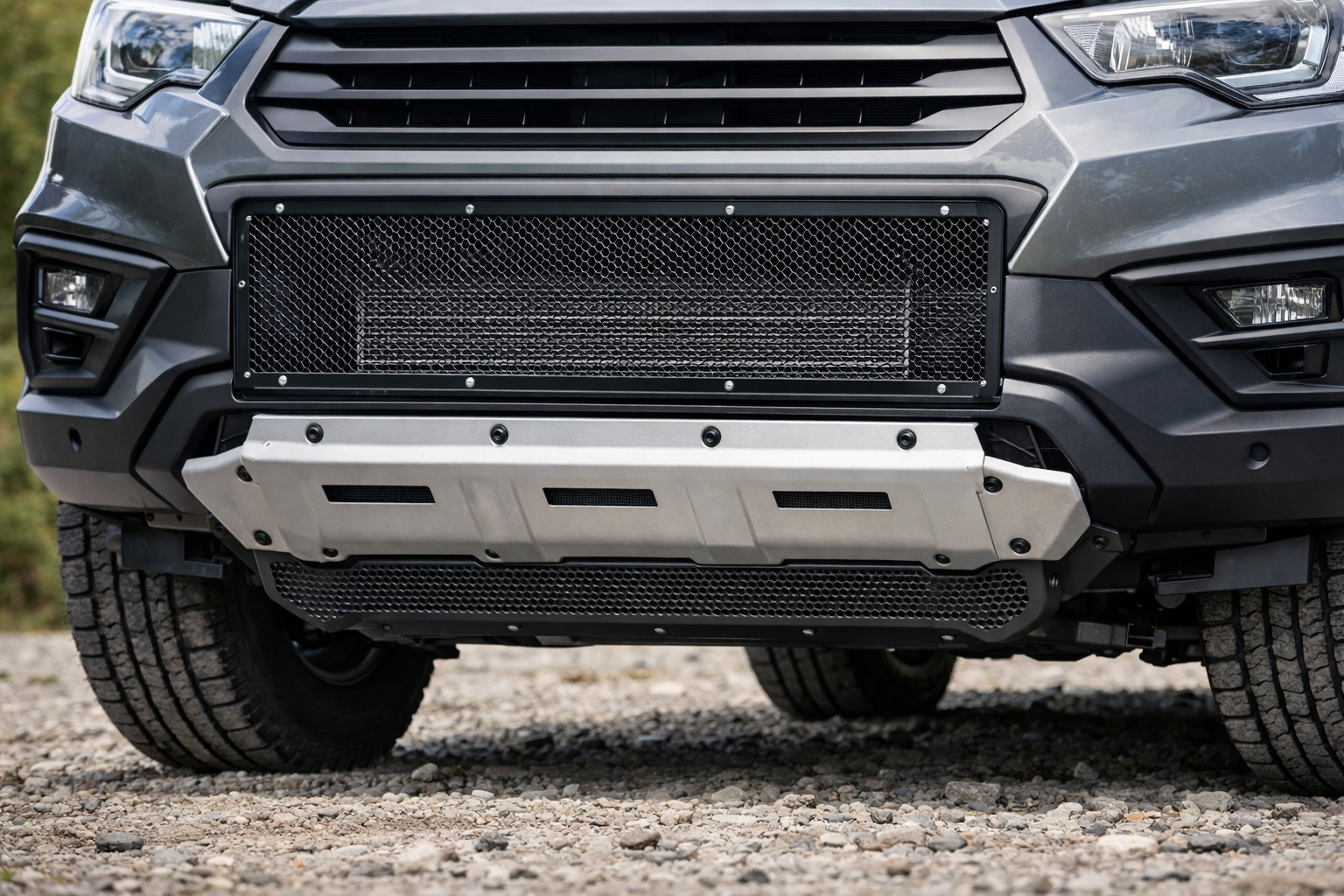
| Light front protection | More compact, lighter, usually better for a daily driver, interferes less with everyday use | Not designed for serious impacts, doesn’t replace a heavy-duty assembly, and isn’t meant for a winch | Mixed use: city, country house, dirt roads, travel |
| Heavy-duty front protection | Handles working loads better, can protect the radiator and headlights, provides a base for a winch and additional equipment | Most expensive, heaviest, requires precise selection, control of front-end load, and compatibility with electronics | Pickups and SUVs that actually drive in forests, fields, and off-road |
DD Tuning expert comment: most often people choose front protection by photos, not by the brackets and the specific vehicle’s electronics package. The second typical mistake is installing a heavy bar on a vehicle that spends 95% of its time in the city. If there’s no real off-roading, no night rural routes, and no need for a winch, extra weight up front rarely pays off.
For most new city crossovers, this isn’t “saving on something important” but a perfectly normal baseline scenario. You keep factory front-end operation, visibility, parking convenience, and you don’t add new risk points. If the car lives on asphalt and you don’t drive through brush or deep snow, this is often enough.
This is the weakest option in terms of purchase logic. It takes up space, can be noisy at speed, often hits curbs and snow first, and the long lever arm loads the brackets more than it seems. For serious work it doesn’t offer enough, and for the city it has too many downsides.
The most sensible compromise for a daily driver if you still want some added front protection. A compact hoop or low-profile assembly interferes less with visibility and parking, is usually quieter, easier to maintain, and fits modern front-end design better. But it’s not built for hard contact, vehicle recovery, or heavy accessory loads.
This is no longer a decorative accessory but part of a working vehicle setup. It’s chosen when you truly need to protect the radiator, lighting, and front end on forest roads, in fields, or during frequent off-road use. Brackets, weight, corrosion protection, electronics compatibility, and understanding that a heavier front end may bring additional costs are critical here.
If the vehicle drives in the city every day, parks in courtyards and parking garages, and you only go out of town occasionally, most often the winner is either no bar at all or a light front protection. It brings fewer compromises in noise, visibility, and everyday convenience.
If the vehicle truly works off asphalt, drives at night on rural roads, through branches, tall grass, or carries a winch, a heavy-duty bar becomes a functional tool. The key word is “regularly.” Don’t punish the car with daily inconveniences for a single trip per season.
| Scenario | Best choice | Why |
|---|---|---|
| City, parking garages, daily short trips | No additional protection | Lower risk for visibility, sensors, curbs, and winter operation |
| City plus country house, dirt roads, weekend highway trips | Light front protection | Provides basic protection without extra weight and doesn’t harm daily usability as much |
| New crossover with cameras and radars | Either nothing, or only model-specific light protection | Compatibility with electronics matters more than an aggressive look |
| Rural areas, farm, frequent trips through brush and grass | Heavy-duty front protection | You need real strength reserve and protection of front working components |
| Regular off-roading, winch, expedition load | Heavy-duty front protection | Only this format justifies the weight, price, and more complex installation |
A pricier option is justified when it addresses a real risk, not just adds a tube up front. If you have a pickup or body-on-frame SUV, frequent trips into the forest, night rural routes, farm work, a winch, or other front-end loads, it’s not worth saving on the design, brackets, and compatibility.
What should be more expensive is not the shine, but the level of engineering: model-specific mounting, well-thought-out geometry, proper durability, and electronics compatibility. If you’re building a setup for real-world use, it’s worth first understanding the types of bull bars, then looking at bull bars and side steps, and for off-road use separately evaluating whether you need an engine skid plate.
From a customer’s experience: a crossover owner was looking for a tall bull bar for trips to a country house and winter courtyards, but after checking camera and parking sensor compatibility and the low clearance at a parking garage entrance, he chose compact front protection. As a result, he got calmer travel on dirt roads and through grass without extra weight up front, and he отказався from the heavy-duty option because he simply didn’t need a winch or forest work.
Today the smart choice is this: for the city and a daily driver, either nothing or light front protection; for rural areas, forest roads, and regular off-roading—a full heavy-duty front bar. A tall “for looks” bull bar loses to both options in most cases, because it takes away practicality faster than it adds real benefit.
This material is based on real selection experience, hands-on practice, and real use cases—from city crossovers to working SUVs. So the main advice is simple: choose not by the name or the tube shape, but by the use case, compatibility, and the real load the vehicle will face.
| ✔ | Light front protection is better suited for a daily driver: it is more compact, interferes less with visibility and parking, and usually does not create as many everyday inconveniences as a tall bull bar. |
| ✔ | For city use, you can do without extra protection altogether, preserving the factory operation of the front end, sensors, and camera without unnecessary weight at the front. |
| ✔ | A heavy-duty front guard is truly useful in more demanding conditions: on forest roads, in fields, during frequent off-road use, and when you need a base for a winch. |
| ✔ | The article gives clear selection criteria: installation in factory mounting points, compatibility with airbags, radar and cameras, as well as attention to ground clearance, noise, and corrosion resistance. |
| ✔ | The scenario table helps quickly match the type of protection to the actual operating mode, rather than choosing based on appearance alone. |
| ✘ | A tall decorative bull bar is often impractical: it can rattle, interfere with sensors, and handles curbs and snow worse. |
| ✘ | Such an option adds weight at the front, but does not provide full-duty protective functionality, making the compromise a poor one for most city cars. |
| ✘ | A heavy-duty front guard is more expensive and heavier, and it also requires precise fitment, proper mounting, and consideration of the load on the front end. |
| ✘ | Even a lightweight front guard is not universal: it is not designed for serious impacts, vehicle recovery, or large accessory loads. |
Shipping to EU
Wholesale and retail
Own warehouse
Опис продукту
Подарунки не надаються при оформленні покупки у кредит під 0,01% або при покупці частинами.