07.06.2026
620
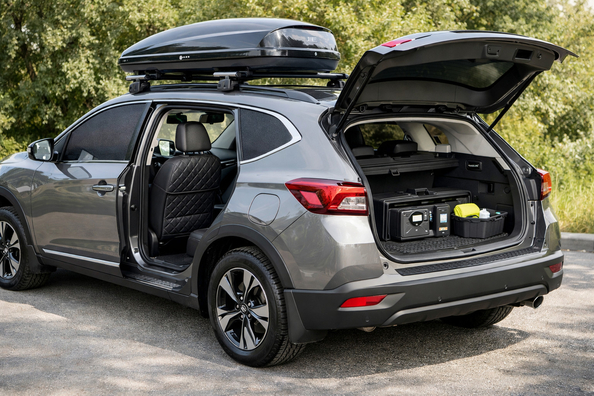

This upgrade plan is for the owner of a city crossover who has just bought the car and wants not just to add something nice, but to actually make daily driving quieter, cleaner, and less tiring. If the car is used mostly in the city, comfort most often comes not from decorative items, but from basic improvements that remove noise, dirt, fogging, and small clutter in the cabin.
The logic is simple: first we cover the essentials, then add what you want, and postpone secondary things—or don’t buy them at all. The outcome will differ from one crossover to another: for one the main issue is tires and pressure, for another it’s weak sound insulation in the wheel arches, for a third it’s heat due to large windows, a panoramic roof, or frequent parking in the sun.
In an urban scenario, comfort isn’t just a softer seat. In reality it’s made up of a few simple things: the car doesn’t drone for no reason, the cabin air is normal, your phone doesn’t fly around the console, dirt doesn’t spread across the floor, and the trunk doesn’t turn into a storage pile of bags and small items.
So a starter upgrade should solve three tasks: reduce noise sources, remove everyday inconveniences, and not compromise safety. If the car is on stiff tires, with incorrect pressure, or with an old cabin filter, no nice accessory will make up for it.
It’s better to start not with shopping, but with a basic check. After purchase, it makes sense to immediately check tire pressure on cold wheels, tread condition, balancing, and alignment—if the car pulls, there’s a hum, or wear is uneven. If the tread is already close to the limit, deal with tires first, not accessories.
The second must-do step is the cabin filter. If you don’t know when it was changed, don’t guess: a clogged filter adds odors, worsens ventilation, and often triggers window fogging. Third: model-specific floor mats with proper retention and, if needed, trunk protection. In the city, this is one of the most noticeable upgrades in terms of cost-to-daily effect.
After that, it makes sense to install a solid phone mount and a convenient charger. This isn’t about making the interior look nicer—it’s about fewer distractions and less chaos in daily driving.
| Upgrade | Why it’s needed | Who it really benefits |
|---|---|---|
| Check pressure, balance, and alignment | Reduces unnecessary noise, steering corrections, harshness, and uneven tire wear | Everyone after purchase, especially if the service history is unknown |
| Replace the cabin filter | Cleaner air, fewer odors, and lower chances of fogging | Those who drive a lot in the city, sit in traffic, or carry kids |
| All-weather mats and trunk liner | Makes cleanup easier after rain, snow, sand, shopping, and kids’ gear | Families, dog owners, anyone who often carries dirty or wet items |
| Phone mount and a convenient charger | Less fuss with the phone, cables, and navigation | Those who use maps, calls, and music on the road every day |
| Quieter tires at the next planned replacement | Noticeably affects noise and ride smoothness without touching the interior | Anyone annoyed by tire roar at city speeds and on highway runs |
| Soundproofing of doors, arches, and trunk | Targets specific noise sources—if done systematically | Those who drive a lot on the highway or have a noticeably noisy body |
| Heat-rejecting window film | Reduces cabin heat buildup under the sun | Those whose car often sits in an open parking lot |
DD Tuning expert comment: Most often, owners try to buy something right away after purchase without understanding what annoys them most about the car. As a result, they go for big wheels, seat covers, or small bits of “sound deadening,” while the real issue is tire pressure, an old filter, or an unfortunate tire choice. The best approach is simple: drive for a week, note the main discomfort, and then select solutions to match it.
Once the basics are done, it makes sense to add upgrades for your specific use case. If the trunk is constantly messy, space organization is genuinely useful. If the main problem is heat, look toward quality heat-rejecting film. If speed-related roar is what bothers you, think either about the next set of quieter tires or proper soundproofing of problem areas—not random scraps of material under the mat.
A separate case is remote start. For a city crossover, it brings a noticeable day-to-day benefit in heat and cold, but only if there is a correct OEM or safely compatible solution for your generation and trim. Retrofitting this feature blindly isn’t worth it.
Model-specific mats, a clean cabin filter, quieter tires, and heat-rejecting film are things you feel every day. Big wheels, on the other hand, often work more for looks: the ride gets harsher, and the risk of wheel damage on potholes increases. For a city crossover that meets curbs, manholes, and broken asphalt, that’s a questionable trade-off.
The story is similar with roof rails and external cargo systems. If you actually use them, no problem. If they’re there for the picture, you can end up with extra wind noise with zero benefit. That’s why a comfort-focused upgrade almost always beats a decorative one when the car lives in daily city mode.
The main mistake here is one: buying for the post-purchase impression instead of for your actual use case. As a result, the budget goes to looks, while everyday comfort stays almost the same.
| What to install first | What you can postpone | What isn’t required |
|---|---|---|
|
|
|
| Delivers a quick, everyday effect without unnecessary costs. | Works well, but depends on season, mileage, body, and trim. | Often creates expenses without a noticeable comfort gain. |
More expensive upgrades are justified only when you’ve already removed the basic causes of discomfort. Full or deep soundproofing makes sense if the car does a lot of highway driving and it’s already clear where the noise comes from: arches, doors, floor, or trunk. On one crossover the doors give more effect; on another, the arches or trunk—especially if the body has roof rails or a panoramic roof.
Quality heat-rejecting film also falls into the “expensive but logical” category if the car regularly sits under the sun. As for tires, the rule is simple: if the current set is still fresh, it doesn’t always make sense to replace it just for a theoretically quieter ride. But if replacement is coming soon anyway, that’s the time to choose a calmer, more comfortable option in the size allowed for the car. Remote start should be considered only where there is a correct retrofit path for your trim.
To avoid inflating the budget without benefit, compare purchases with the selection of useful accessories, separately check what to buy first and review what truly saves time every day.
From a customer’s experience: after buying a city crossover, the owner first wanted big wheels and inexpensive “sound deadening” under the mats because the car seemed loud. After checking pressure, replacing the cabin filter, installing proper mats and a phone mount, daily comfort was already noticeably better—and at the second stage he soundproofed the doors and trunk instead of making decorative purchases. In the end, the biggest difference came not from “nice-looking” things, but from those that removed specific irritants in everyday driving.
A starter upgrade for a city crossover should be built around the problem, not the catalog. First—tires, pressure, balancing, filter, mats, and basic cabin organization; then—solutions for your scenario: heat, noise, cargo, or short daily trips. Big wheels, universal covers, and small pseudo-solutions often eat the budget but don’t add real comfort.
This material is based on real selection experience, hands-on practice, and real usage scenarios: first address the cause of discomfort, then add what you want, and leave secondary things for last—or don’t buy them at all.
| ✔ | The primary upgrades deliver a noticeable everyday effect: checking tire pressure, balancing, replacing the cabin filter, and using properly fitted floor mats really reduce noise, fogging, and dirt in the cabin. |
| ✔ | The upgrade approach is practical: first, the basic issues are addressed, and only then are solutions added for a specific scenario — heat, noise, trunk clutter, or short city trips. |
| ✔ | There is a clear spending priority: there is no need to buy expensive or decorative items right away when comfort depends more on tires, the filter, and cabin organization. |
| ✔ | For city driving, small things like a phone holder and a proper charger are especially useful — they eliminate cable clutter and reduce distractions while driving. |
| ✔ | The material clearly distinguishes what really affects comfort and what is more about appearance, making it easier not to spend money on weak solutions. |
| ✘ | Some solutions only work effectively under certain conditions: quieter tires, heat-rejecting film, or sound insulation do not always make sense and depend on the car’s condition, the season, and the driving scenario. |
| ✘ | Some useful upgrades may require additional costs and time to choose, for example full sound insulation or proper retrofitting of remote start. |
| ✘ | The approach forces you to drive first without buying anything and understand the source of discomfort, so it does not quickly solve everything right after buying the car. |
| ✘ | There is a risk of making the wrong choice if you buy solutions without checking compatibility or the usage scenario — for example, universal covers or exterior elements without a real need. |
Shipping to EU
Wholesale and retail
Own warehouse
Опис продукту
Подарунки не надаються при оформленні покупки у кредит під 0,01% або при покупці частинами.