12.06.2026
179
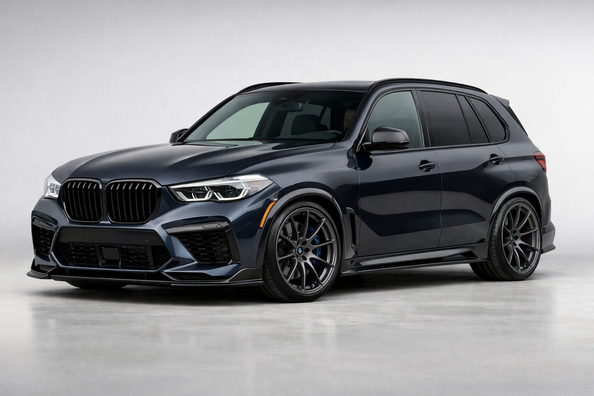

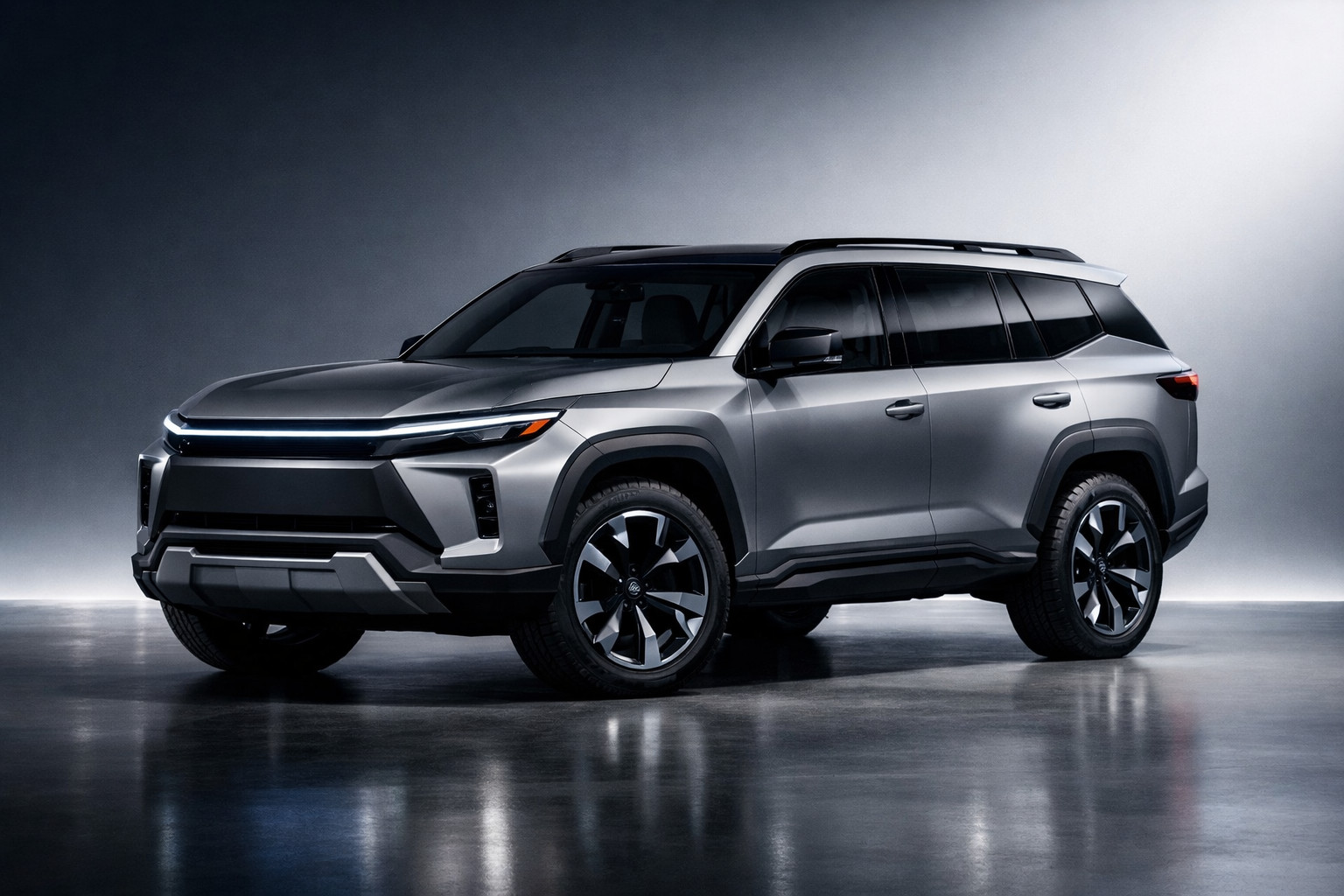
BMW X5 G05 is one of those premium crossovers where tuning makes sense not only for looks. From the very start, the model had a strong technical foundation: an inline 3.0-liter “six” or a 4.4-liter V8 depending on version and market, an 8-speed automatic, all-wheel drive with a rear-biased logic, a large body, and a chassis that takes wheels, aero parts, and practical accessories well.
That’s why the G05 is equally interesting as a daily family vehicle and as a base for upgrades. But it’s not a choice for someone who wants the simplest car possible to maintain: there’s a lot of electronics here, and the cost of a wrong decision—whether choosing an unlucky spec or questionable modifications—is high.
The BMW X5 G05 competes in the upper segment of large premium crossovers, where buyers typically choose between comfort, handling, and brand status. Against its competitors, the model is valued specifically for its driver-focused character: it doesn’t feel too soft or sloppy, yet it also doesn’t force you to accept harshness for the sake of “sport.”
Who the G05 suits: those who want one car for the city, highway, family, trips with luggage, and at the same time don’t mind making it more expressive visually or more precise in its behavior. Who it doesn’t suit as well: those who put low running costs, simple electronics, and indifference to upgrade potential first.
The X5 G05 is the fourth generation of the model after the E53, E70, and F15. It was the G05 that marked a step toward more technology, a roomier cabin, and a wider set of chassis options that directly affect tuning potential: air suspension, larger wheels, rear-axle steering on some versions, and a more complex electronic architecture.
The generation debuted in 2018 as a 2019 model year. For the accessories and tuning market, this matters because the G05 is a separate body with its own mounting points, bumper geometry, sills, grilles, and interior solutions—so F15 parts don’t fit here.
At launch, the lineup differed by market, so when choosing a car or parts, it’s worth checking the exact version. The best-known gasoline launch variants are the xDrive40i with the 3.0-liter inline-six B58 and the xDrive50i with the 4.4-liter V8 N63. Paired with them is the 8-speed Steptronic automatic and xDrive all-wheel drive.
| Version | Engine | Power and torque | Practical takeaway |
|---|---|---|---|
| xDrive40i | 3.0 L, inline 6-cylinder B58 | 340 hp and 450 N·m; in the US at launch 335 hp and 448 N·m | The most balanced option: plenty of pull, more moderate consumption, and an excellent base for upgrades |
| xDrive50i | 4.4 L, V8 N63 | 462 hp and 650 N·m; in the US at launch 456 hp and 650 N·m | Delivers a completely different reserve of torque, but is more expensive to run and more sensitive to service costs |
Why the G05 works well for tuning: the transmission and AWD system handle high torque calmly, and the factory dynamics aren’t “choked.” So even without radical interventions, the model responds well to smart changes in wheels, brakes, exhaust, exterior elements, and mild powertrain tuning.
The G05 is a large crossover with a long wheelbase, wide track, and ground clearance that doesn’t make you fear daily use. This combination of a large body and sensible geometry makes it easy to install side steps, body kits, larger wheels, and protective accessories without the feeling that the car has become purely “show-only.”
| Parameter | Value |
|---|---|
| Dimensions | 4922 × 2004 × 1745 mm |
| Wheelbase | 2975 mm |
| Ground clearance | 214 mm |
| Fording depth | 500 mm at low speed |
| Trunk | 645–1860 L or 650–1870 L depending on version and market |
| Fuel tank | 83 L |
| Wheels | Standard 19", optional 20", 21", and 22" |
| Towing | Up to 2700 kg in European data; on some markets more with the factory tow hitch |
The chassis foundation is strong too: double-wishbone suspension up front, five-link at the rear, and on more expensive trims you can get air suspension, rear-axle steering, and active chassis elements. For the owner, it means one simple thing: the X5 can be made either visually more aggressive or more composed on the road, without breaking the car’s core concept.
The G05 cabin is spacious, with a good amount of room, a large cargo area, and convenient family options such as a split tailgate, four-zone climate control, a panoramic roof, and, depending on configuration, a third row. This is important: the model doesn’t lose practicality even after exterior tuning.
Ride comfort is one reason for the G05’s popularity. The car insulates long trips well, but doesn’t turn into an overly sluggish crossover. On the downside: visibility isn’t ideal due to thick pillars and massive sills, and the overall impression depends heavily on the specific seats, wheels, and suspension. In terms of safety, the model is strong: the set of stability systems and passive protection is solid already in the base ideology of the car.
In daily life, the xDrive40i looks like the most rational version. On the highway, it can be economical for its class, while the V8 logically asks for more fuel. In the city, the difference is felt even more, and along with it the costs for tires, brakes, and maintenance increase.
Practical nuances are also typical of modern premium cars: the electronics and infotainment sometimes cause more trouble than the mechanicals; some cars have issues with the climate system; the heavy body accelerates brake wear. On the other hand, the large trunk, high seating position, strong torque reserve, and towing capability make the G05 a genuinely convenient daily vehicle, not just a good-looking purchase.
| Strengths | Weaknesses |
|---|---|
| Strong base mechanicals and a solid torque reserve right from the factory | Complex electronics that sometimes require extra attention |
| A successful balance of comfort, handling, and space | Expensive to run, especially V8 versions and richly optioned cars |
| Wide choice of wheels, exterior parts, and practical accessories | Faster brake and tire wear due to weight and usage pattern |
| Body and chassis take competent tuning well without losing daily usability | Visibility and some small ergonomics details aren’t to everyone’s taste |
| Large trunk and family functionality | Market-to-market spec differences make choosing the “right” car more difficult |
From an owner’s perspective, the main advantage of the G05 is that it doesn’t force you to choose between a fast, comfortable, and practical vehicle. The main downside is that you pay for this balance not only at purchase, but also in service. If you need a “just drive and forget” car, the X5 isn’t the simplest scenario.
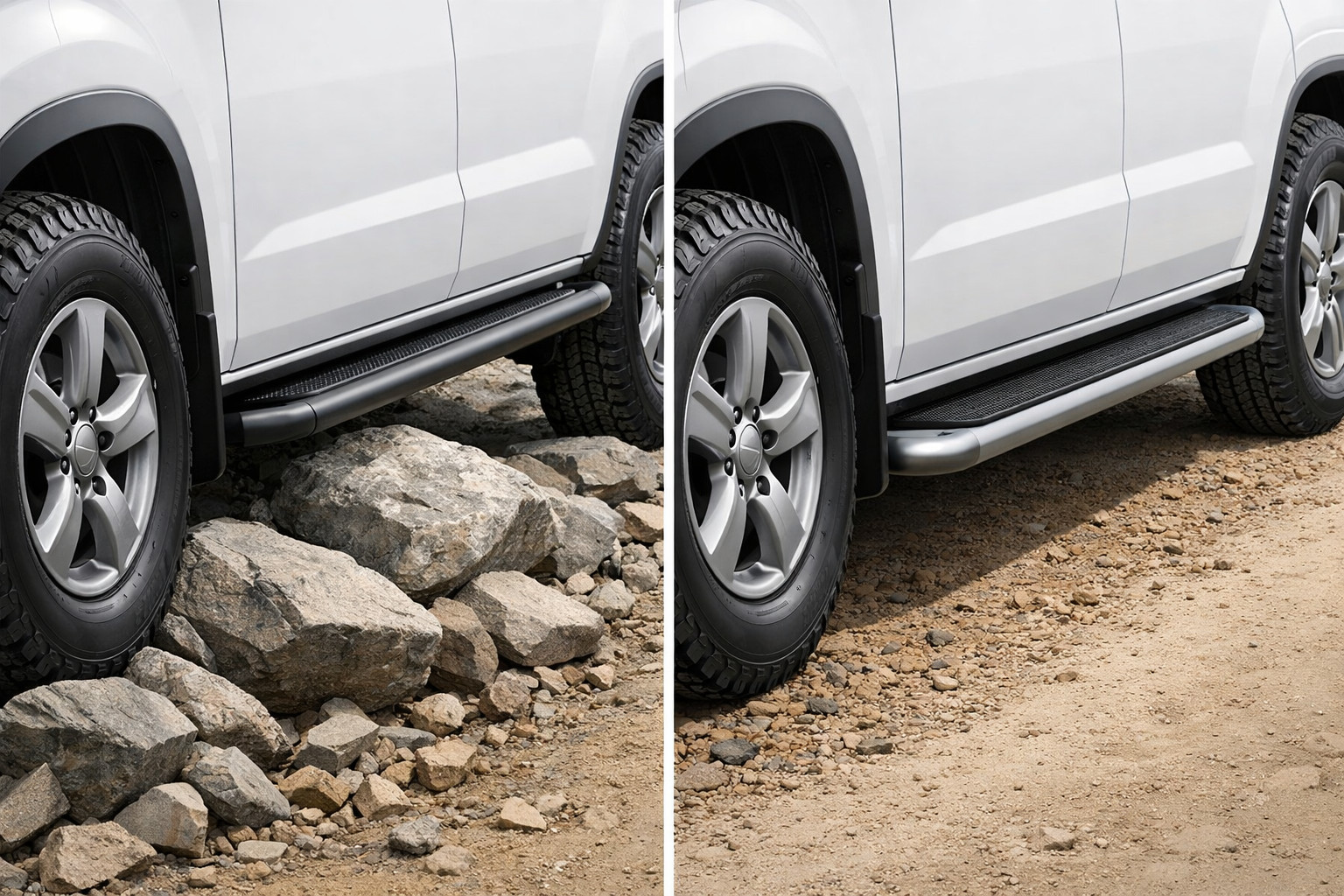
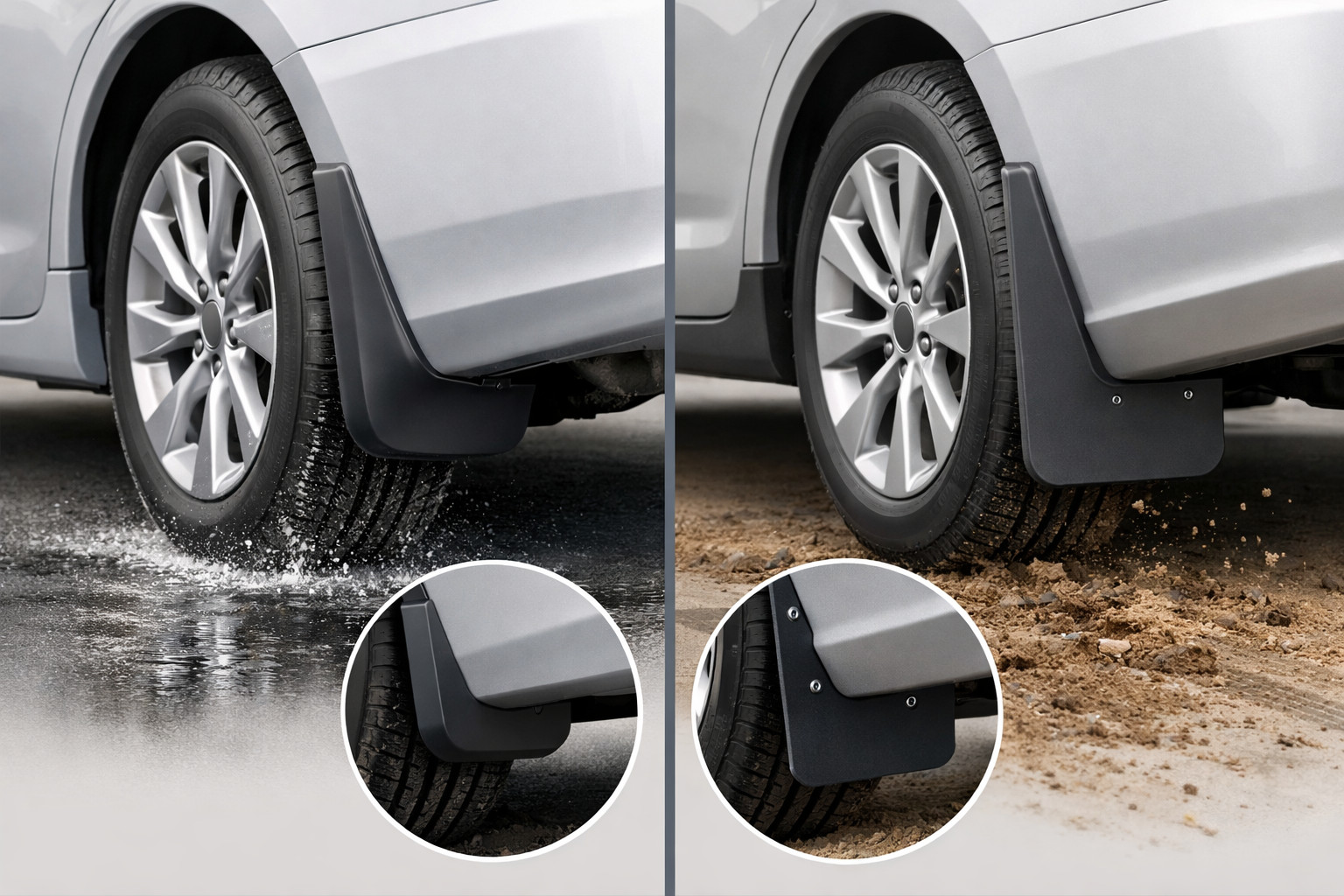
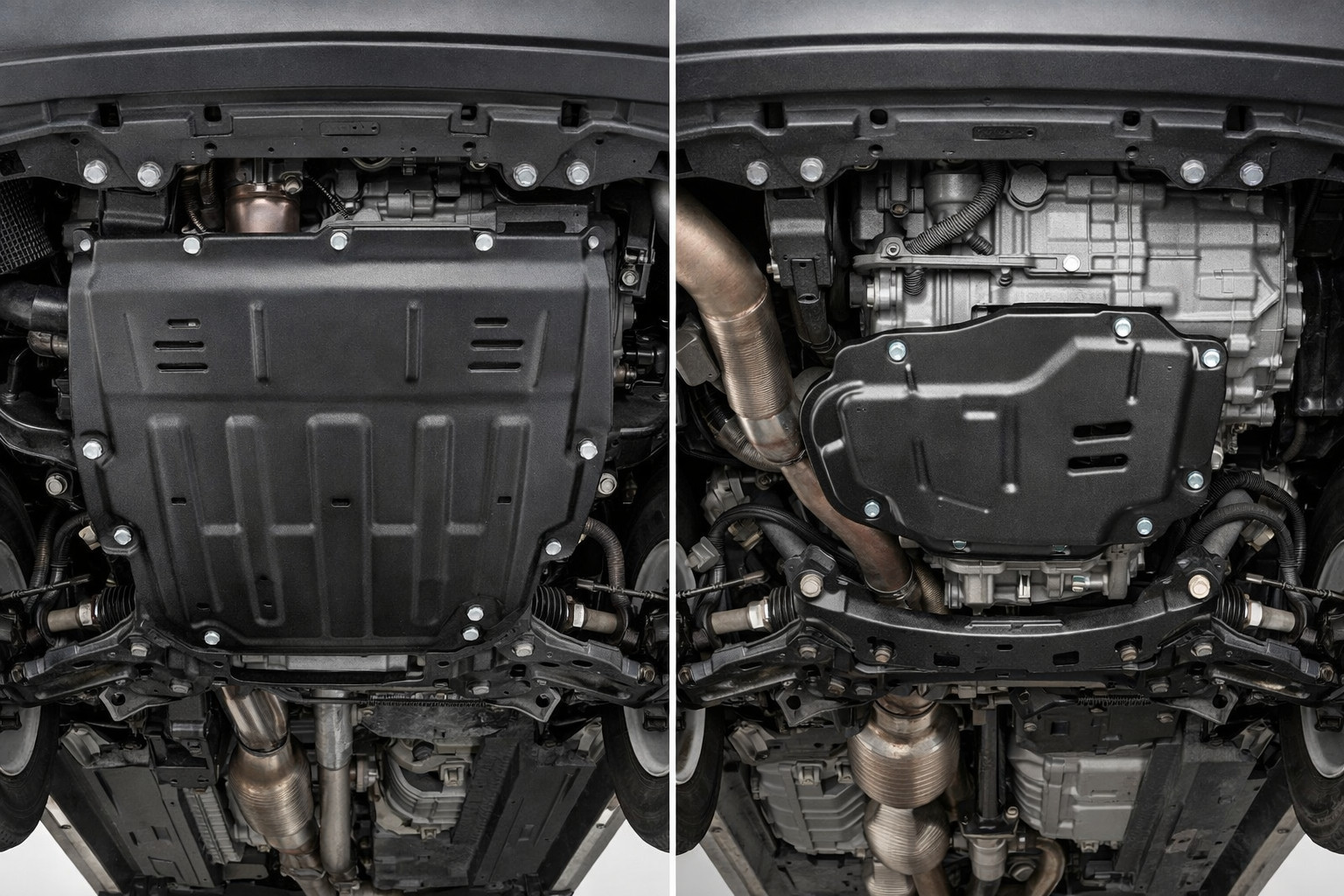
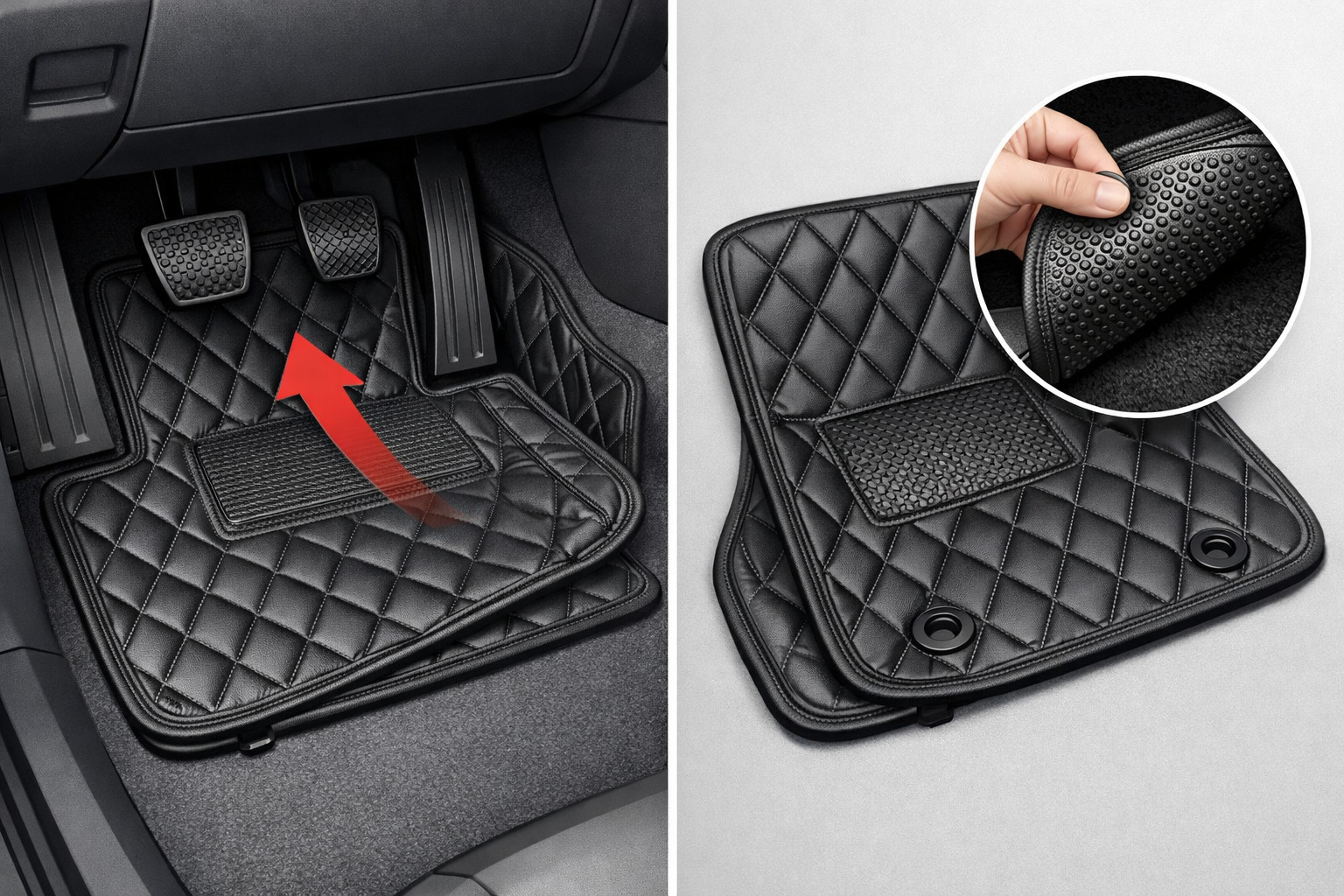
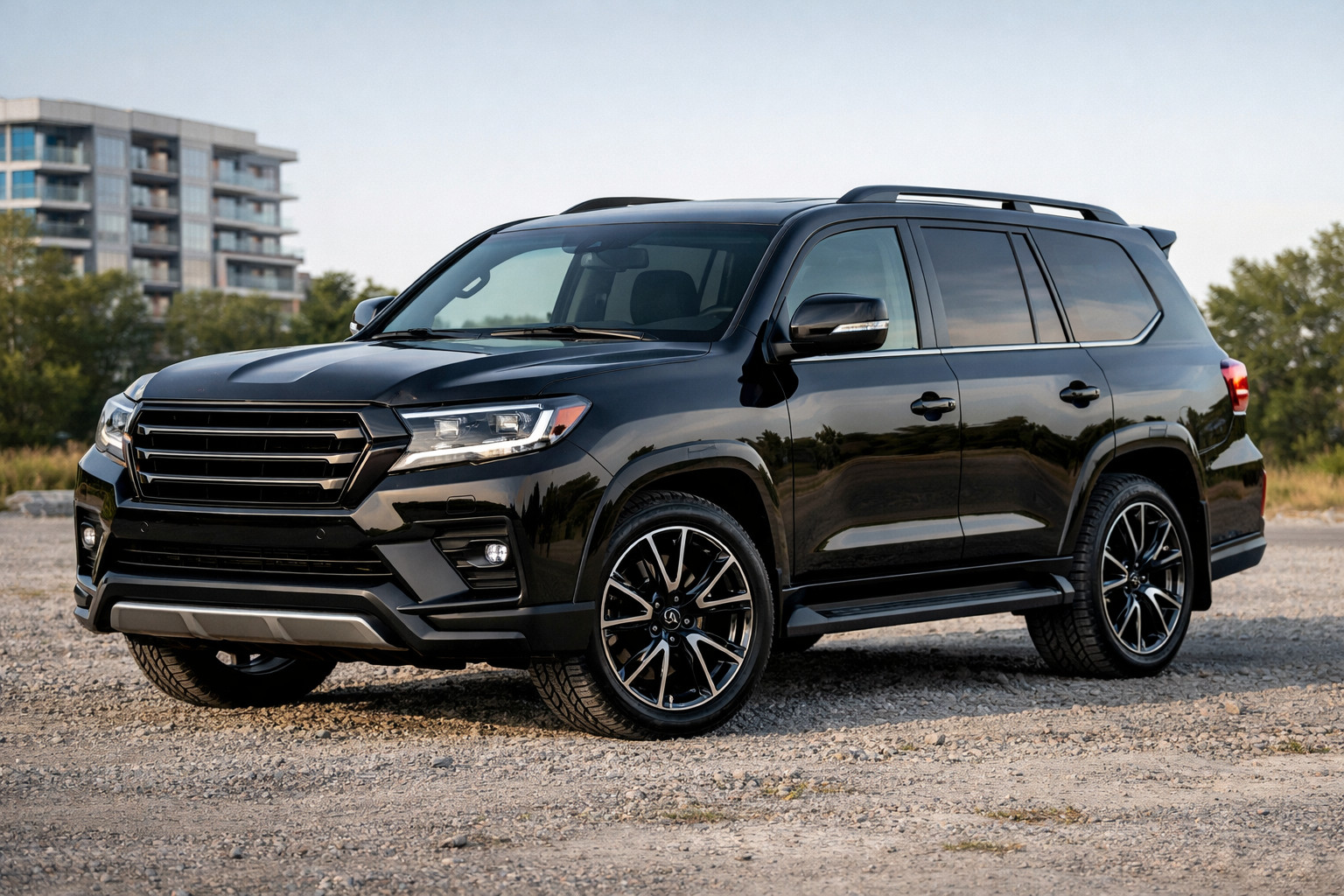
For tuning, the X5 G05 is convenient because it has three key prerequisites at once: a distinctive body, a technical reserve, and real practical benefits from upgrades. On this model, not only the decorative approach works well, but also the functional one: side steps make entry easier, mats and trunk protection preserve the interior, and a body kit or other exterior elements can refresh the look without radical вмешательство in the design.
Another plus is that the car doesn’t look out of place after upgrades. The G05’s factory architecture is already sporty and massive, so well-chosen parts simply emphasize what it already has rather than trying to create a new image from scratch.
The BMW X5 G05 hit a rare balance: it’s a large premium crossover that feels convincing even in stock form, and at the same time has a real reserve for upgrades. Most logically, it fits the role of a versatile vehicle for those who want comfort, dynamics, space, and the ability to tailor the car to themselves without losing practicality.
If, however, you need minimal service costs and максимально simple technology, the G05 is unlikely to be a worry-free purchase. But as a platform for smart tuning—exterior, chassis, or everyday-practical—it’s one of the most successful models in its class. And importantly, this conclusion is based not on advertising theses, but on real-world selection practice, operating experience, and typical usage scenarios of the BMW X5 G05.
| ✔ | Strong base engineering: from the factory it comes with powerful engines, an 8-speed automatic, and all-wheel drive with rear-biased logic, so the car already drives well without modifications. |
| ✔ | The body and chassis are well suited for tuning: large wheels, body kits, side skirts and other exterior elements fit the car properly without the feeling that this would ruin everyday usability. |
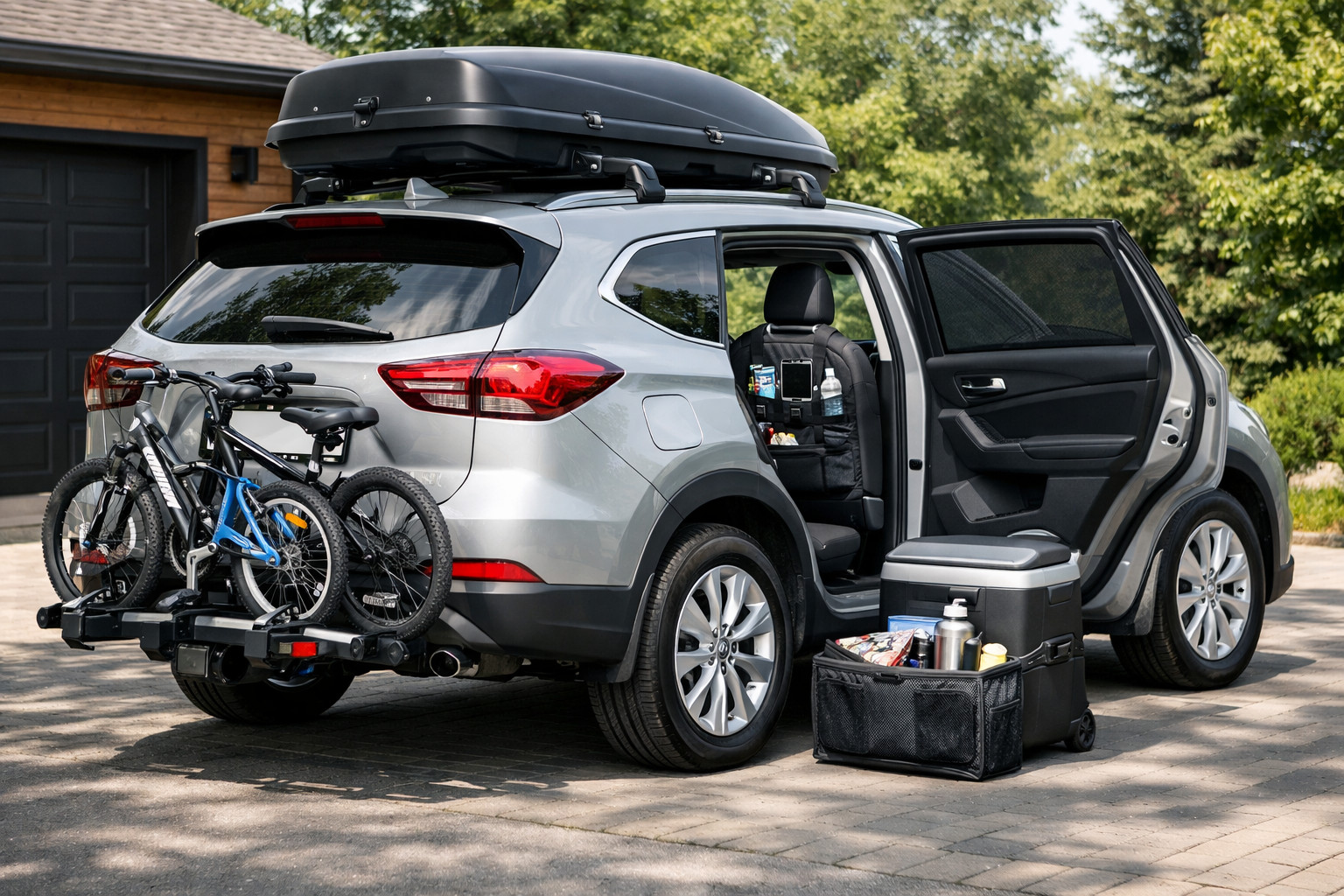
| ✔ | The X5 G05 remains practical in daily use: a large trunk, spacious cabin, high seating position and towing capability make it a convenient family car. |
| ✔ | The more expensive versions have a strong chassis base with air suspension and rear-wheel steering, which allows the car to be adjusted for comfort or a more composed feel. |
| ✔ | The model responds well not only to cosmetic but also to functional tuning: side skirts, floor mats, trunk protection and other accessories really add usefulness. |
| ✘ | There is a lot of electronics here, so the car is not suitable for those who want the simplest possible technology without extra nuances in diagnostics and setup. |
| ✘ | Versions with a V8 and rich equipment are noticeably more expensive to maintain, and in the city the costs of fuel, tires, brakes and service rise even faster. |
| ✘ | Due to the car’s weight, brakes and tires wear out faster, which is especially noticeable during active driving or in tough city conditions. |
| ✘ | Visibility is not ideal because of the wide pillars and massive sills, so in everyday maneuvers the car may be less convenient than you would like. |
Shipping to EU
Wholesale and retail
Own warehouse
Опис продукту
Подарунки не надаються при оформленні покупки у кредит під 0,01% або при покупці частинами.