08.03.2026
254
The choice between integrated and raised roof rails comes down to one thing: do you want maximum everyday practicality or minimum compromises on noise, height, and maintenance. Both solutions give you a base for crossbars, a roof box, bike mounts, or other cargo, but they behave differently in day-to-day use.
If you’re currently googling “which roof rails to choose”, the fear is usually one of these: buying a setup that starts whistling on the highway, requires a complicated crossbar fitment, or creates a risk of leaks after installation. Those fears are valid. What’s worse is this: people massively compare “nice-looking” rails instead of the “right” ones for their roof and use case.
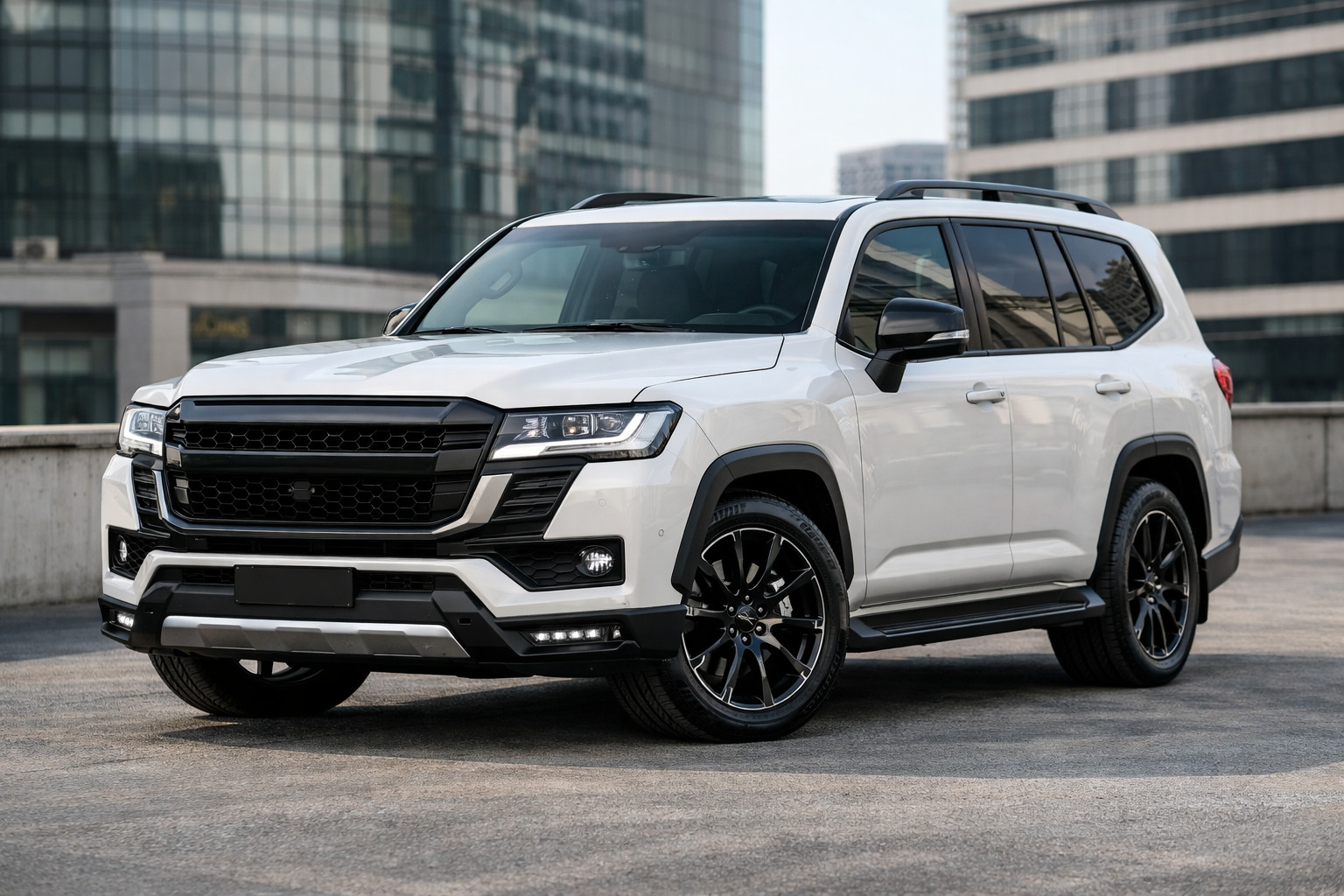
Integrated rails usually sit in factory channels or as close to the roof as possible, look low-profile, and disrupt aerodynamics less. Raised rails are mounted on supports on top of the roof, more often have a bigger gap, and “get along” more easily with universal cargo-mounting solutions.
They get compared because both types look similar from the outside, but differ in three critical things: how they’re installed, how crossbars are selected for them, and how friendly they are for straps and non-standard cargo. The most common mistakes here are dumb and expensive: confusing rails with crossbars, buying decorative “rail-like” trims and then wondering why you can’t mount anything to them, or jumping into a drill-and-install job without understanding how to protect bare metal and seal the mounting points.
| Option | Strengths | Weaknesses | Who it’s for |
|---|---|---|---|
| Integrated rails | Low profile, add less overall height; usually cleaner aerodynamically; convenient if the rails stay on the car permanently | Crossbar selection is often more specific to the exact profile; running straps under the rail is harder or impossible; the contact area may require more careful cleaning/maintenance | For those who want “install and forget”, minimal extra noise and height; for those planning a roof box/accessories via proper crossbars rather than “whatever works” straps |
| Raised rails | More everyday functionality; often easier with straps and non-standard cargo; usually easier to choose crossbar solutions if you need universality | More often add height; potentially more noise/air resistance; if installation isn’t on factory points or is done poorly, the risk of leaks and corrosion increases | For those who actually carry cargo, change use cases often, and use straps; for those who value practicality over a “low profile” look |
How it works. These are rails that integrate into factory roof zones or sit “flush” with minimal gap. When done properly, they rest on manufacturer-provided points or reinforced areas, not “thin sheet metal”.
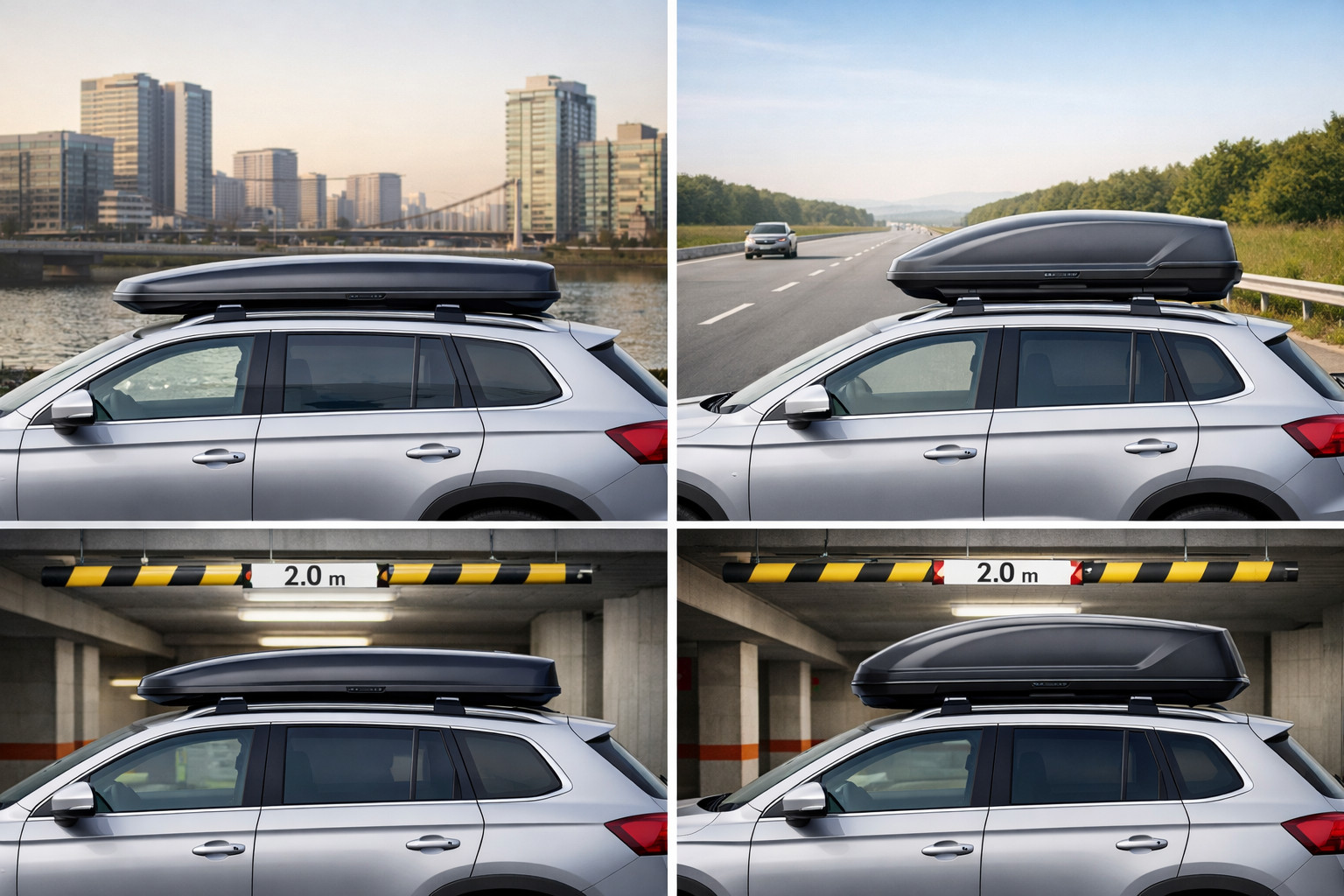
Where they’re convenient. For daily use, their strength is that they’re less noticeable in motion and in parking: less chance of hitting a low entry or height bar, and often less minor aero noise. If your task is to install crossbars and a box once a season, then remove the crossbars and drive more quietly, integrated rails work well as a base.
Where they’re weak. The integrated profile often means that “any crossbars” won’t fit. You’ll need mounts matched to the rail shape, and this is where people buy junk: they pick a universal set that either has play, presses into plastic/paint, or sits crooked. The second downside is straps under the rail: if there’s no gap, you can’t route a strap properly, so integrated rails are less flexible for odd-shaped cargo.
When to choose. If your priority is minimal extra noise and height in everyday driving, and you carry cargo via proper crossbars/accessories. If the car is often in the city, parking garages, and you don’t want to constantly deal with height restrictions.
When not to choose. If you regularly cinch cargo with straps, carry long/weird items, and want maximum freedom to tie down “where it’s convenient”. Or if you’re not ready to deal with precise crossbar fitment for a specific profile.
How it works. These are rails installed on top of the roof on supports. They may use factory mounting points or require additional operations depending on the vehicle and kit. This is where most problems come from: if you force rails to hold where the roof wasn’t designed for load, the outcome is predictable.
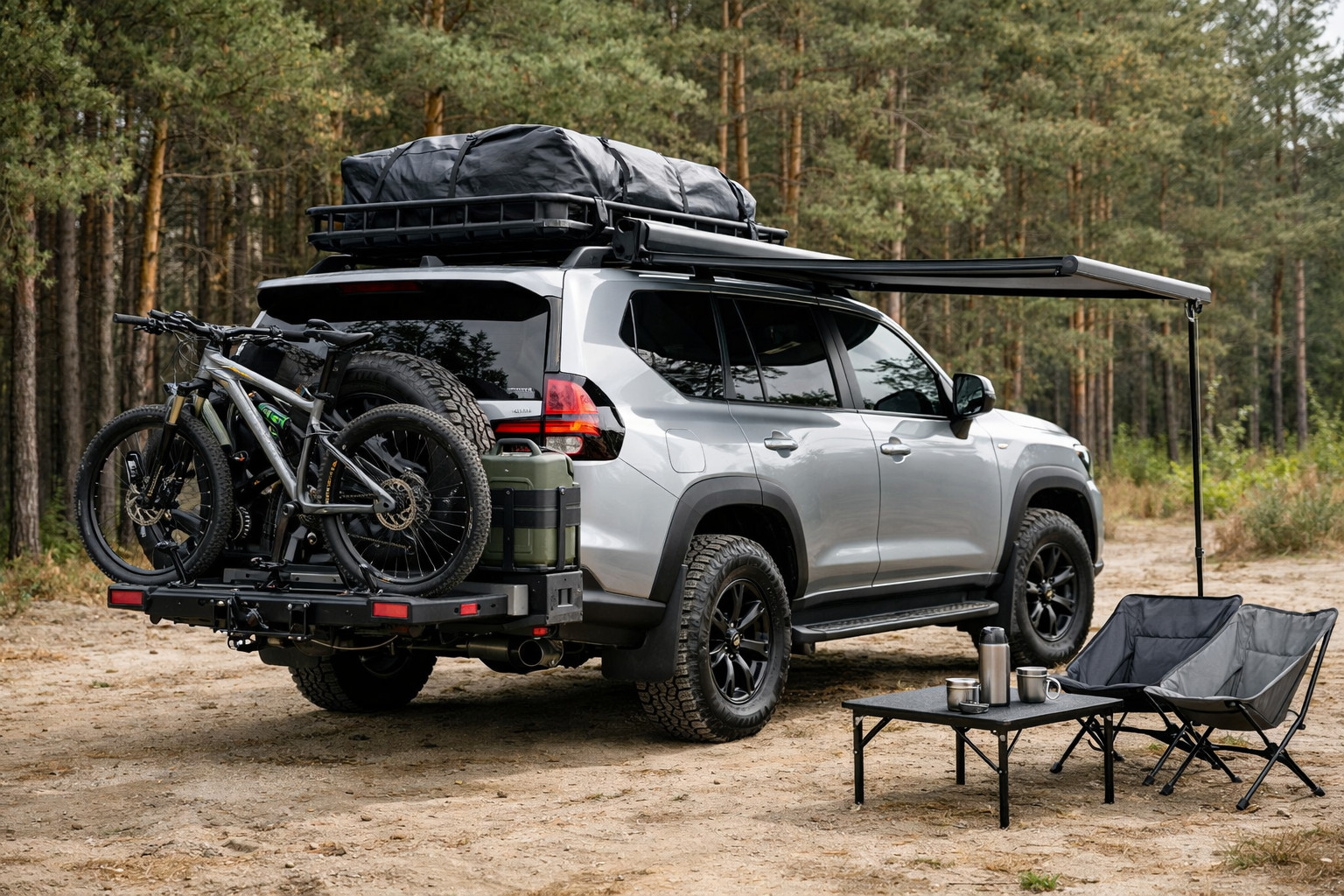
Where they’re convenient. Their plus is practicality. There’s often a gap you can pass a strap through, quickly secure non-standard cargo, or spread tie-down points. For people who actually use the roof, not just “to have it”, raised rails are usually easier to live with.
Where they’re weak. The higher stance often means more air resistance and more chances of noise, especially with crossbars installed. There’s also more “dirt real estate”: dust, moisture, and salt accumulate under the supports. If mounting points aren’t sealed or fasteners are overtightened, water will eventually find its way into the cabin or under the headliner—and then looks won’t matter.
When to choose. If you want versatility, straps, frequent changes of setup, carrying “one thing today, another tomorrow”. If the car often drives on highways with cargo and you want simpler, more reliable mounting for different accessories.
When not to choose. If you’re not ready for potentially more noise and height, and you use the roof once a year. Also, don’t get into raised rails that require drilling if you don’t understand how to properly treat the metal and seal the seating area. This is not a “I’ll touch it up later” situation.
| Scenario | What’s better to choose | Why |
|---|---|---|
| Daily city driving, cargo rarely | Integrated rails | Less reason to tolerate extra height and noise; a base for crossbars when needed |
| Highway with a roof box a few times a year | Integrated rails | Low-profile base, while noise comfort is determined by the right crossbars and box |
| Often carry non-standard cargo with straps | Raised rails | Usually easier with tie-downs and anchor points, more freedom to secure cargo |
| Family trips: roof box, sometimes bikes | Depends on crossbar fitment | If you have a precise match to the profile and work via accessories, integrated is fine; if you need universality and quick configuration changes, raised is more practical |
| Bad roads, regular trips with cargo | Whichever option fits factory points and is installed correctly | Reliability is defined by the roof and mounting, not the type name; on impacts the weak spots show first |
| Commercial use, roof works constantly | Raised rails or a specialized cargo base | You need speed and repeatable mounting; paying more is justified by lifespan and predictability |
Paying more is justified when it removes risks and makes the system predictable: the rails sit in factory locations, the kit has proper seals, the mounting isn’t “universal for everything” but matched to your body, and you understand which crossbars and accessories will actually fit without hacky workarounds.
If you use the roof regularly, don’t play smart with “the cheapest and I’ll screw it on somehow”. Cheap here often ends with leaks, corrosion under the mounts, and rework. In these scenarios it’s logical to look right away at compatible solutions for crossbars and mounts: roof rack for rails and proper installation elements: components for rails.
A simpler option is enough if you need the roof rarely and for light tasks. But even then, don’t save on correct fitment for your roof type, and don’t pretend that “all rails are the same”. No, they’re not.
Need maximum everyday practicality, straps, non-standard cargo, and tie-down freedom—choose raised rails. Want minimal extra height, fewer irritants in daily driving, and a neat base for crossbars and a roof box—choose integrated rails.
Don’t make your life harder with “universal” solutions without understanding how your roof accepts mounting. The most expensive thing here isn’t the rails—it’s a mistake in installation and compatibility. If you need to pick rails for a specific vehicle without dumb compromises, check options in the roof rails category.
Shipping to EU
Wholesale and retail
Own warehouse
Опис продукту
Подарунки не надаються при оформленні покупки у кредит під 0,01% або при покупці частинами.