26.04.2026
1638
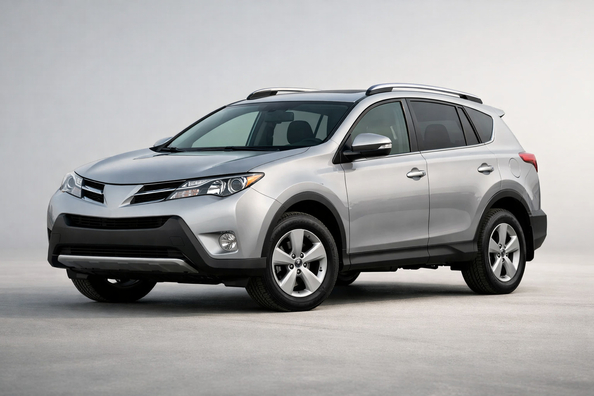
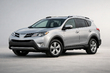
Toyota RAV4 2013–2018 is the model’s fourth generation—chosen not for emotions, but for space, simple mechanics, and predictable day-to-day use. In short, it’s a crossover for those who need a roomy cabin, a decent trunk, and sensible reliability without excessive tech experiments.
This generation offered gasoline versions with a 2.5-liter engine, a hybrid from the 2016 model year, front-wheel drive or all-wheel drive, and a safety suite that noticeably improved closer to 2018. But the RAV4 also has typical weak points: not the liveliest performance, highway noise, and a few concerns with early cars.
The fourth-generation RAV4 filled the compact family crossover class without claiming to be sporty. Its core idea is to carry people, luggage, and kids’ stuff without constant space compromises. Against rivals like the Honda CR-V, it often felt less emotional, but very rational.
It’s a solid choice for the city, suburbs, and regular highway trips. If you want sharp throttle response, a quiet cabin, and car-like handling, the RAV4 may feel too laid-back.
We’re talking about the fourth-generation Toyota RAV4, produced from 2013 to 2018. This period makes up the bulk of the used-car market, so when choosing a pre-owned vehicle it’s important to look not only at the year, but also at the facelift, drivetrain type, and the specific version.
A separate key milestone is the hybrid’s introduction for the 2016 model year. Before that, the lineup was dominated by gasoline versions, and in 2018 the TSS-P active safety suite became standard across all trims.
| Parameter | Data |
|---|---|
| Generation | 4th |
| Production years | 2013–2018 |
| Hybrid | From the 2016 model year |
| Key change | TSS-P became standard in 2018 |
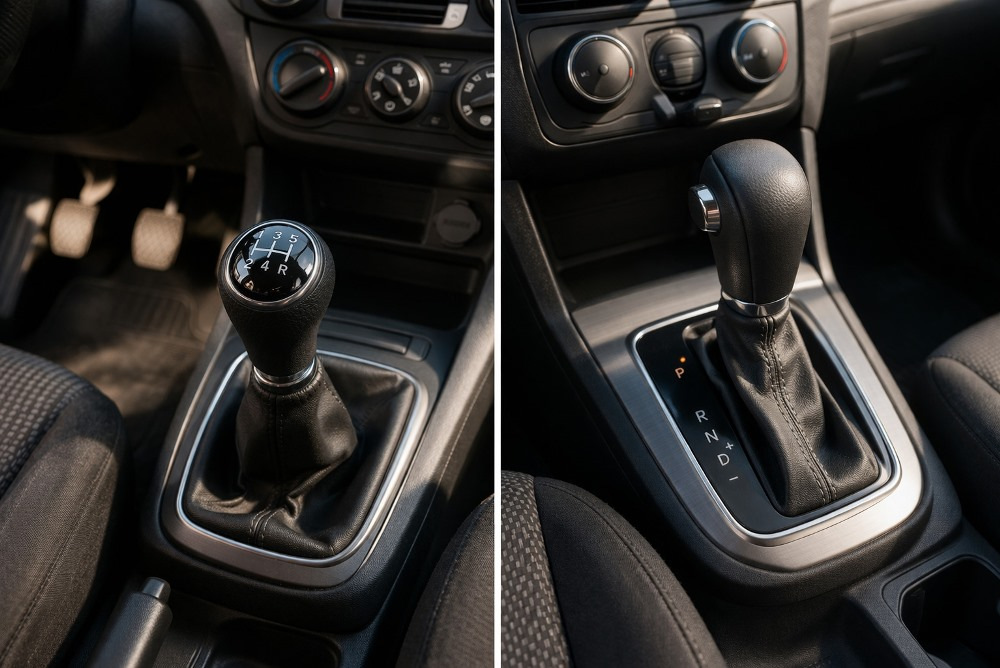
The main gasoline engine is a 2.5-liter 4-cylinder DOHC 16V with Dual VVT-i, rated at 176 hp and 233 N·m of torque. Regular versions used a 6-speed ECT-i automatic. There were also FWD and AWD configurations.
The hybrid version received a 2.5-liter 4-cylinder engine and 194 total system hp, plus an ECVT. For hybrids in 2016, AWD-i was standard. In practice, this means better pull in the city and calmer operation in traffic, but without a driver-focused character.
| Version | Engine | Power | Transmission | Drive |
|---|---|---|---|---|
| Gasoline | 2.5 L, 4-cylinder DOHC 16V, Dual VVT-i | 176 hp | 6-speed ECT-i automatic | FWD or AWD |
| Hybrid | 2.5 L, 4-cylinder | 194 total system hp | ECVT | AWD-i |
From a technical standpoint, the gasoline versions are simpler to understand and service. The hybrid makes sense when most driving is in the city and suburbs, where it can genuinely save fuel.
In size, this-generation RAV4 is already closer to a practical mid-size crossover than to a “compact” in the old sense. Length is 4,660.9 mm, width is 1,844.0 mm without mirrors, height is 1,673.9 mm without roof rails or 1,704.3 mm with rails, and wheelbase is 2,659.4 mm.
Ground clearance depends on the version: 155 mm on base gasoline trims, 165 mm on Adventure, 178 mm on Hybrid LE/XLE, and 188 mm on Hybrid SE. Trunk volume also differs: 1,087 L behind the second row and 2,078 L with the second row folded for gasoline versions, and 1,008 L / 1,999 L for hybrids.
The suspension is tuned for daily comfort rather than excitement. On good roads that’s a plus, but with 18-inch wheels the ride can feel firmer, and at highway speeds you can clearly hear tires and wind.
| Parameter | Gasoline | Hybrid |
|---|---|---|
| Length | 4,660.9 mm | |
| Width | 1,844.0 mm | |
| Height | 1,673.9–1,704.3 mm | |
| Wheelbase | 2,659.4 mm | |
| Ground clearance | 155–165 mm depending on version | 178–188 mm depending on version |
| Trunk | 1,087 / 2,078 L | 1,008 / 1,999 L |
Inside, the RAV4’s strength is first and foremost practicality. There’s a solid amount of passenger space, straightforward ergonomics, and a trunk you actually use—not just praise in a brochure. For a family, that matters more than decorative trim details.
Safety also evolved. In 2018, the TSS-P package became standard, including PCS with pedestrian detection, Lane Departure Alert with Steering Assist, Automatic High Beams, and Dynamic Radar Cruise Control. For the used market, that’s a major plus if you want a basic set of active systems without paying extra.
At the same time, safety ratings depend on the year and the specific lighting configuration. Some 2018 versions scored stronger, while early 2013 models had weaker results in certain crash scenarios.
In daily driving, the RAV4 is convenient because it doesn’t require getting used to it. Seating is high, visibility is decent, the trunk is large, and the 60.2 L fuel tank on gasoline versions provides a reasonable driving range. The hybrid’s tank is smaller—56.0 L—but consumption is lower.
According to official figures, gasoline versions use roughly 9.8–10.7 L/100 km in the city, 7.6–8.4 L/100 km on the highway, and 9.0–9.8 L/100 km combined, depending on drivetrain and trim. The hybrid is officially rated at 6.9–7.8 L/100 km depending on year and cycle. In real life, fuel use heavily depends on tires, climate, and driving style.
Turning radius is 10.6 m on 17-inch wheels and 11.2 m on 18-inch wheels—not class-leading, but sufficient for the city. Towing also varies: from 680 kg on base gasoline versions to 1,315 kg on Adventure AWD; for hybrids, up to 794 kg.
| Pros | Cons |
|---|---|
| Spacious cabin and very practical trunk | Performance without much in reserve; passing takes effort |
| Simple, easy-to-understand hardware | Tire and wind noise on the highway |
| Hybrid is more economical in the city | Early 2013–2014 years had complaints about transmission behavior |
| Strong safety suite in 2018 | Firmer ride on 18-inch wheels |
| Plenty of OEM accessories | There is an important battery recall for some vehicles |
From an owner’s perspective, the RAV4’s main advantage is predictability. The car doesn’t force you to constantly adapt to its character. But if you expect a quiet cabin, excitement, or a very soft suspension, it’s better to look at other models.
It’s also worth remembering early 2013–2014 vehicles: there were complaints about pauses between shifts, torque converter shudder, and gear hunting on inclines. This doesn’t mean every example is problematic, but a pre-purchase diagnosis is mandatory here.
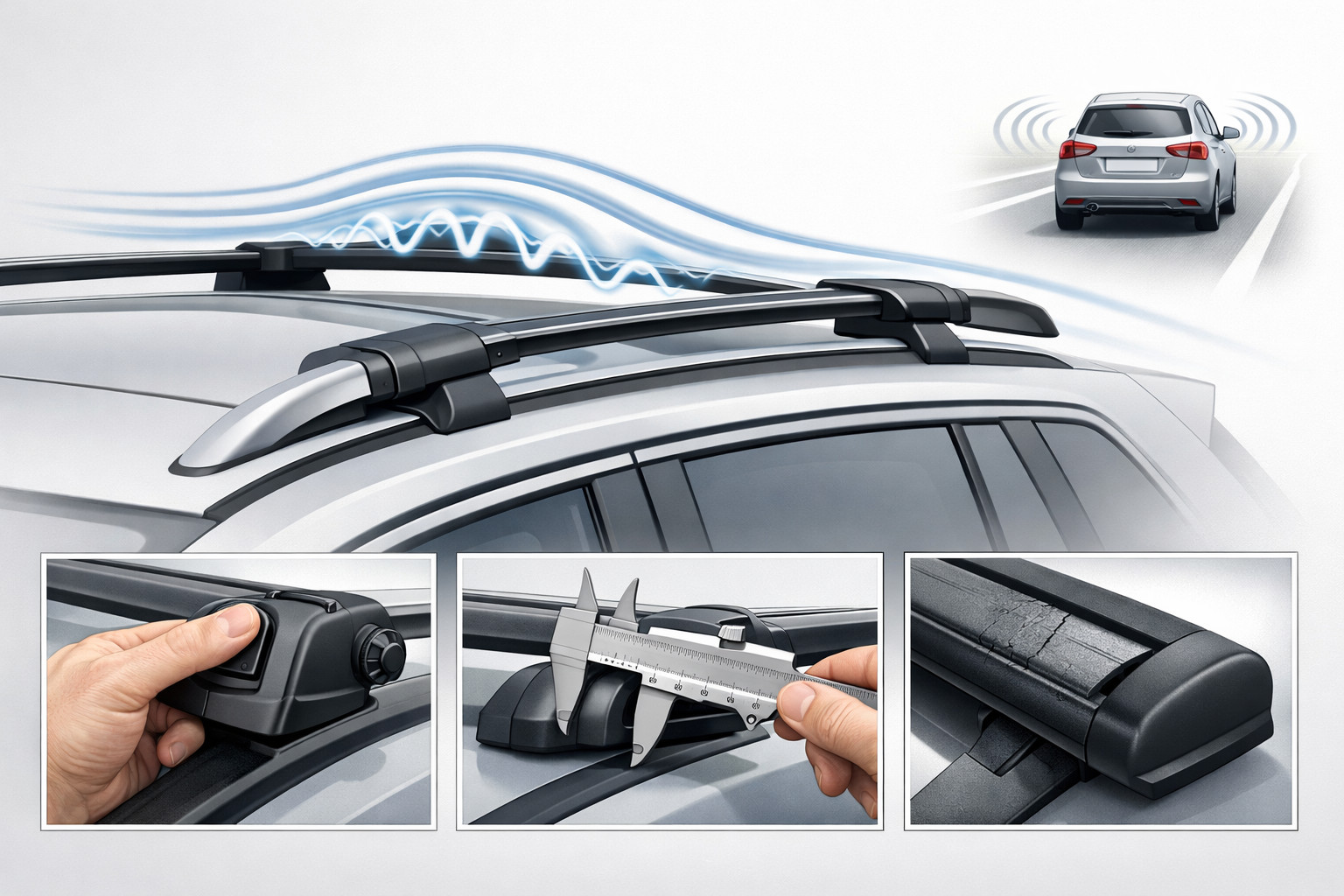
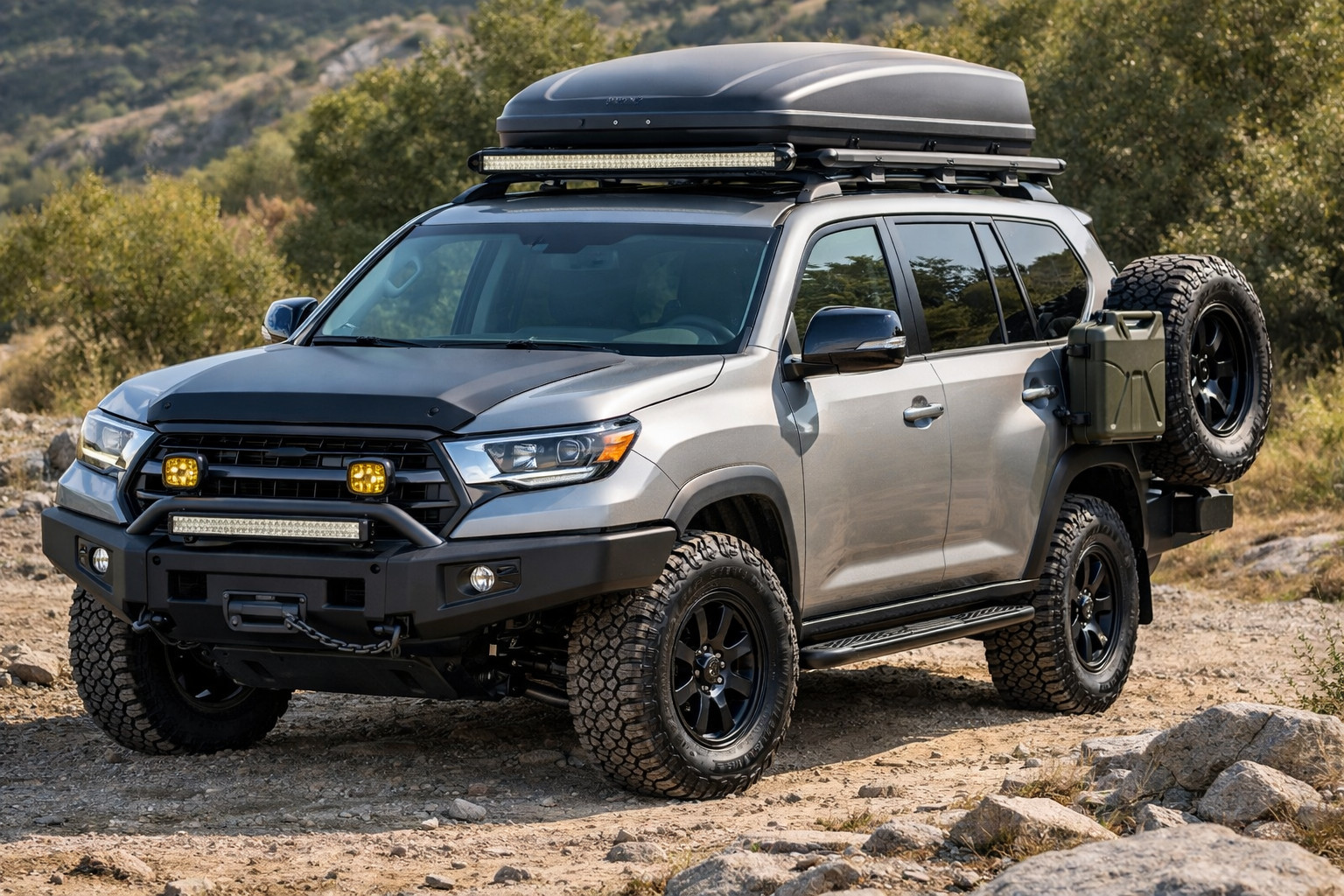
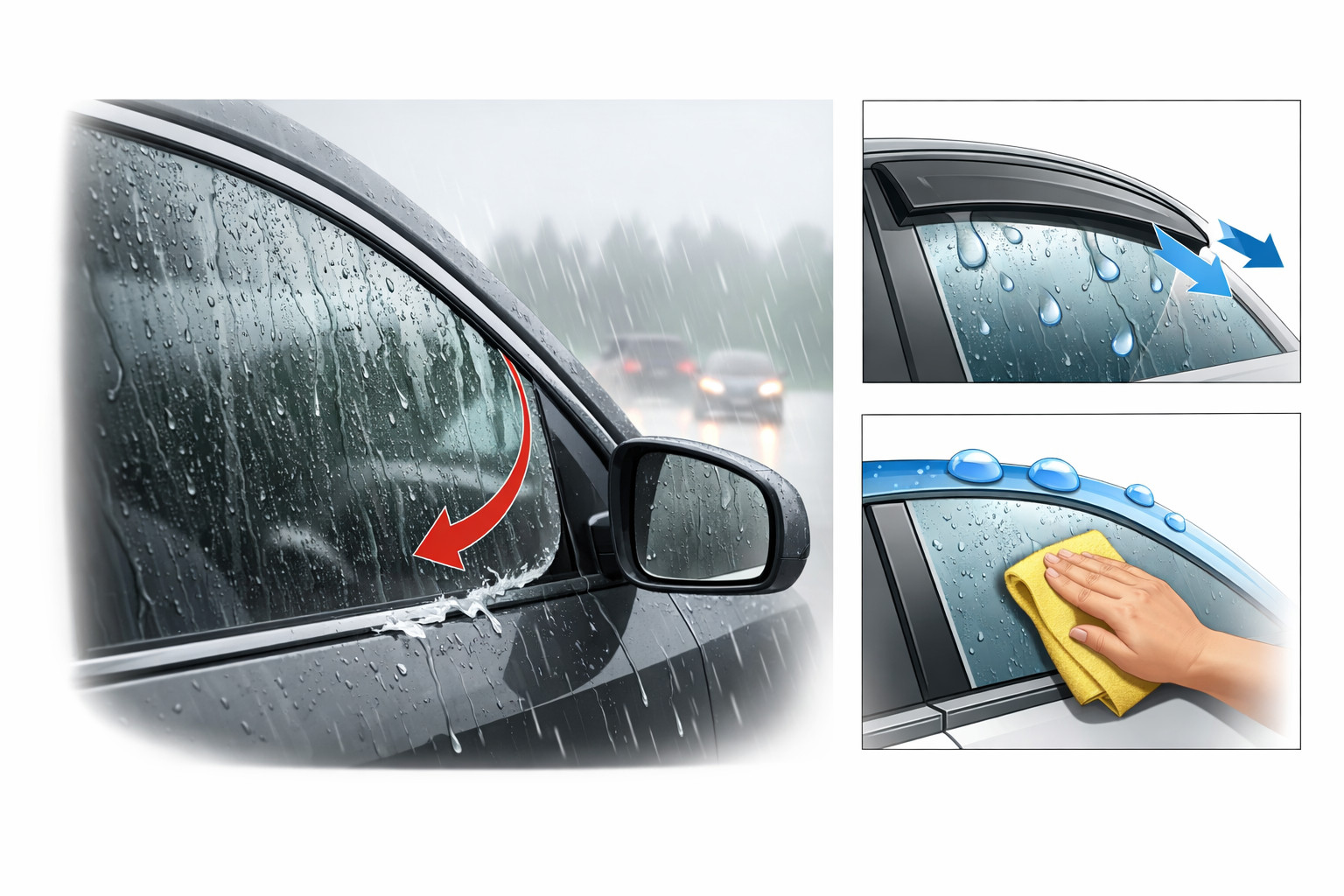
This generation’s strength is less a tuning scene and more an accessory ecosystem. Toyota offered roof-rail crossbars, running boards, mud flaps, cargo mats, cargo tray, cargo net hammock, door-sill and bumper protection, and a remote engine starter. For a practical owner, that’s more valuable than cosmetic modifications.
If you look at changes that truly make sense, it’s not a “body kit” but useful items: cargo organization, paint protection, crossbars for a roof box, and small add-ons. For those planning to use the vehicle as family transport, that approach is the most sensible. Learn more in our RAV4 roundup.
Toyota RAV4 2013–2018 is a practical crossover for those who need space, a roomy trunk, and calm ownership without unnecessary surprises. The gasoline version suits those who want straightforward hardware, while the hybrid is for those who drive a lot in the city and are willing to pay more upfront for lower fuel consumption.
If you want lively performance, quietness at speed, or a soft ride, the RAV4 won’t convince you. But as a family crossover with solid resale, a wide range of versions, and clear ownership logic, it looks very compelling. Before buying, it’s worth checking the history of the specific vehicle, the transmission condition on early gasoline versions, and the presence of recall campaigns.
| ✔ | In this generation of RAV4, the cabin is spacious and the trunk is truly roomy, so it is convenient for family use, trips with children, and carrying cargo. Practicality matters more here than decorative appeal. |
| ✔ | The mechanicals are fairly simple and straightforward: the gasoline versions use a 2.5-liter engine with a 6-speed automatic, without complicated solutions. This makes everyday use and maintenance easier. |
| ✔ | The hybrid version is noticeably more economical in city driving, especially in traffic jams and on short trips. For those who drive mostly in the city, this is a practical advantage. |
| ✔ | In 2018, the TSS-P package became standard, with PCS, lane control, automatic high beams, and adaptive cruise control. On the used market, this is a strong argument in favor of later cars. |
| ✔ | A wide range of original accessories is available for the model, including crossbars, cargo mats, and sill and bumper protection. This helps adapt the car to everyday practical tasks without complicated tuning. |
| ✘ | The RAV4's performance is calm, with no reserve for sharp acceleration, so overtaking comes reluctantly. If you need lively throttle response, this car may disappoint. |
| ✘ | At highway speeds, road and wind noise are clearly audible, so the cabin cannot be called quiet. This is especially noticeable at speed. |
| ✘ | Early 2013–2014 gasoline cars had complaints about pauses between gears, torque converter shudder, and gear hunting on inclines. Before buying, such versions should be checked especially carefully. |
| ✘ | On 18-inch wheels, the suspension becomes firmer, which reduces comfort over rough surfaces. In other words, the chassis setup is not equally comfortable for all versions. |
Shipping to EU
Wholesale and retail
Own warehouse
Опис продукту
Подарунки не надаються при оформленні покупки у кредит під 0,01% або при покупці частинами.