13.04.2026
1304
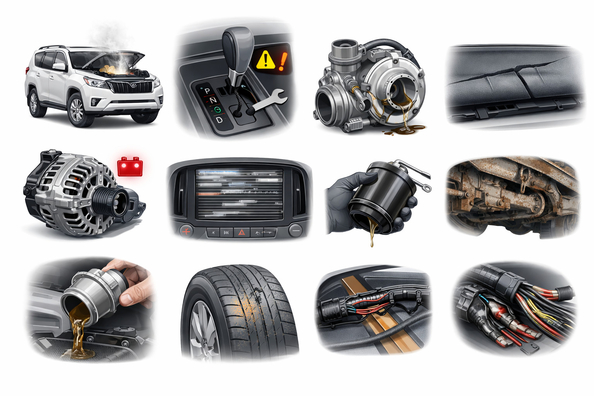

The Prado 250 doesn’t have one single “fatal” weak point, but it does have a set of recurring complaints that owners see again and again: brake squeal when reversing, odd climate control behavior, moisture inside the doors, a weak 12V battery, multimedia glitches, highway noise and vibrations. It’s annoying, but important: not everything here is a serious failure—some issues are tied to calibration, seasonality, or added equipment.
The biggest mistake is treating all symptoms the same way. Some cases already have a clear service fix; others first require pinpointing the source: moisture, voltage, aerodynamics, or a specific component. If you separate these scenarios, you can avoid paying twice.
On the Toyota Prado 250, most complaints don’t point to a single unit—they sit at the intersection of several factors: early part revisions, very dense electronics, hybrid logic, a boxy body, and sensitivity to cold, moisture, and long periods of standing. That’s why one owner only has reverse brake squeal, while another also gets warnings, noise, or a damp smell.
It’s also worth factoring in that some symptoms are amplified not by the vehicle itself, but by operating conditions. A roof rack, roof rails, long accessory-mode use, a car wash, frost, or a hot parking spot can either trigger the issue or make it more noticeable.
DD Tuning expert comment: most often, owners start with expensive solutions—sound deadening, tire replacement, or random electronic diagnostics—before doing basic checks of the 12V system, drains, and add-on equipment. On the Prado 250 that’s a mistake, because the same symptom can have a very down-to-earth cause. First separate seasonal or accessory-related factors, and only then replace parts.
| Symptom | Likely cause | What to do |
|---|---|---|
| Brake squeal in reverse | Front pad setup, shims, and spring | Check whether the vehicle qualifies for an official brake service update |
| Cabin alternates between too hot and too cold | Climate control logic and calibration | Compare modes, rule out a mechanical fault, and request an update if needed |
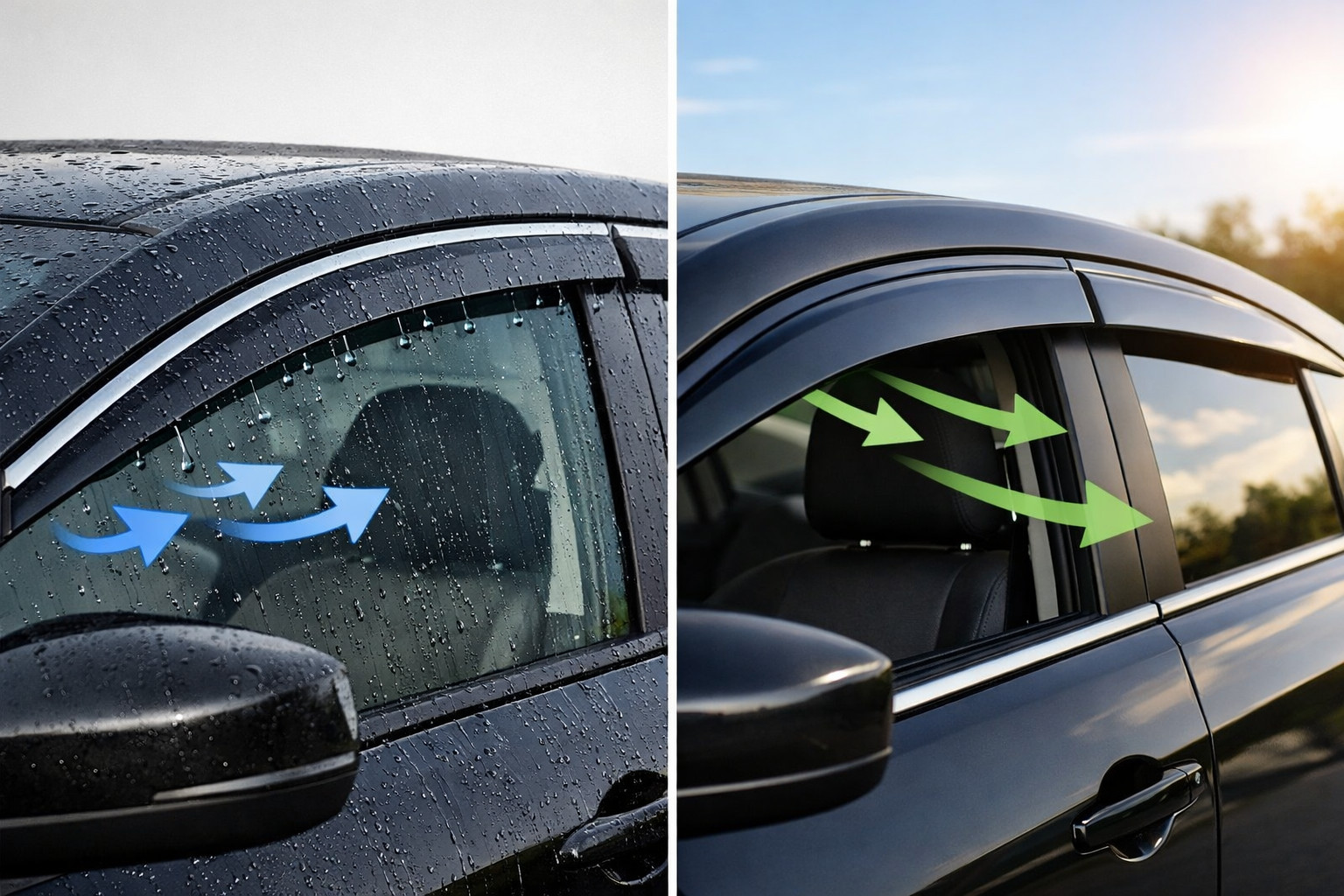
| Damp smell, wet glass after rain | Window moldings, seals, door drains | Inspect water entry points, clean drains, replace the problematic part |
| Black screen, car won’t go into ready mode | 12V battery voltage drop | Measure voltage, recharge or replace the battery |
| Hybrid system or transmission warnings | Low voltage, electronic glitch, selector assembly | Read fault codes, check 12V, and don’t stop at a simple restart |
| Multimedia freezes, CarPlay glitches | Software bug or phone compatibility | Perform a hard reboot, update the system, and test with another phone |
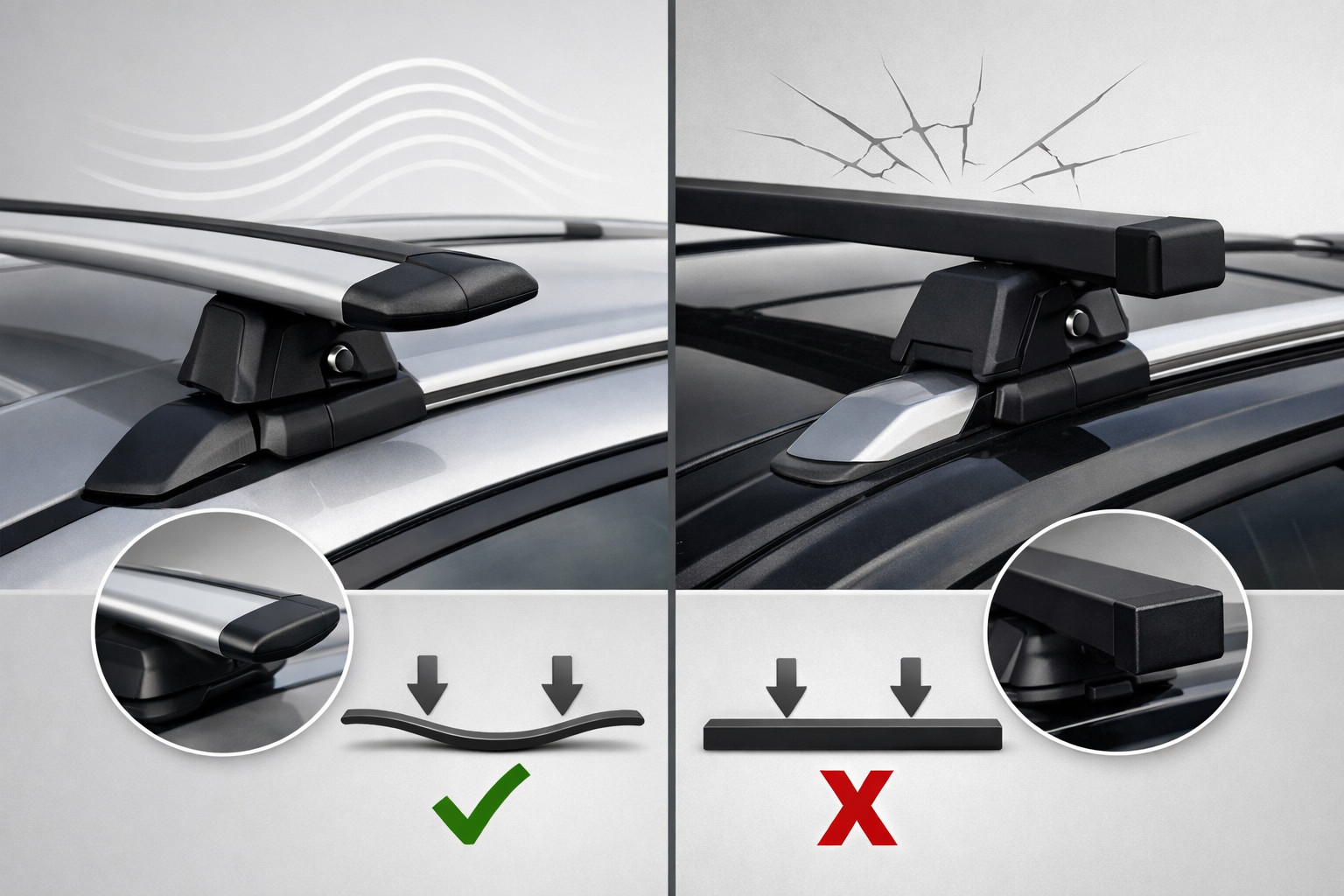
| Whistling and road noise at speed | Roof rails, roof rack, body aerodynamics | Test without add-on equipment, verify crossbar position |
| Steering wheel or seat vibration | Wheel balancing, tires, sometimes amplified by a roof rack | Do a control balance and re-test at the same speeds |
| Disappointment with fuel consumption | Vehicle weight, driving style, short trips | Compare the trip computer to real fill-ups and revisit driving mode |
| Unusual noises when cold | Normal turbo-hybrid or hydraulic operating noises; less often a defect | Compare cold vs warm behavior, record the sound and show it during diagnosis |
What works best is not “blind treatment,” but a short verification routine. For brake squeal—an official update to the front brake set. For random errors and a black screen—start with 12V voltage, not expensive hybrid components. For moisture—find the water path and check drain condition, rather than masking the smell.
For noise and vibrations, the most common results come from driving without roof-mounted accessories, proper wheel balancing, and a repeat test at the same speeds. For multimedia, a hard reboot and updates genuinely help if the glitch is repeatable rather than random.
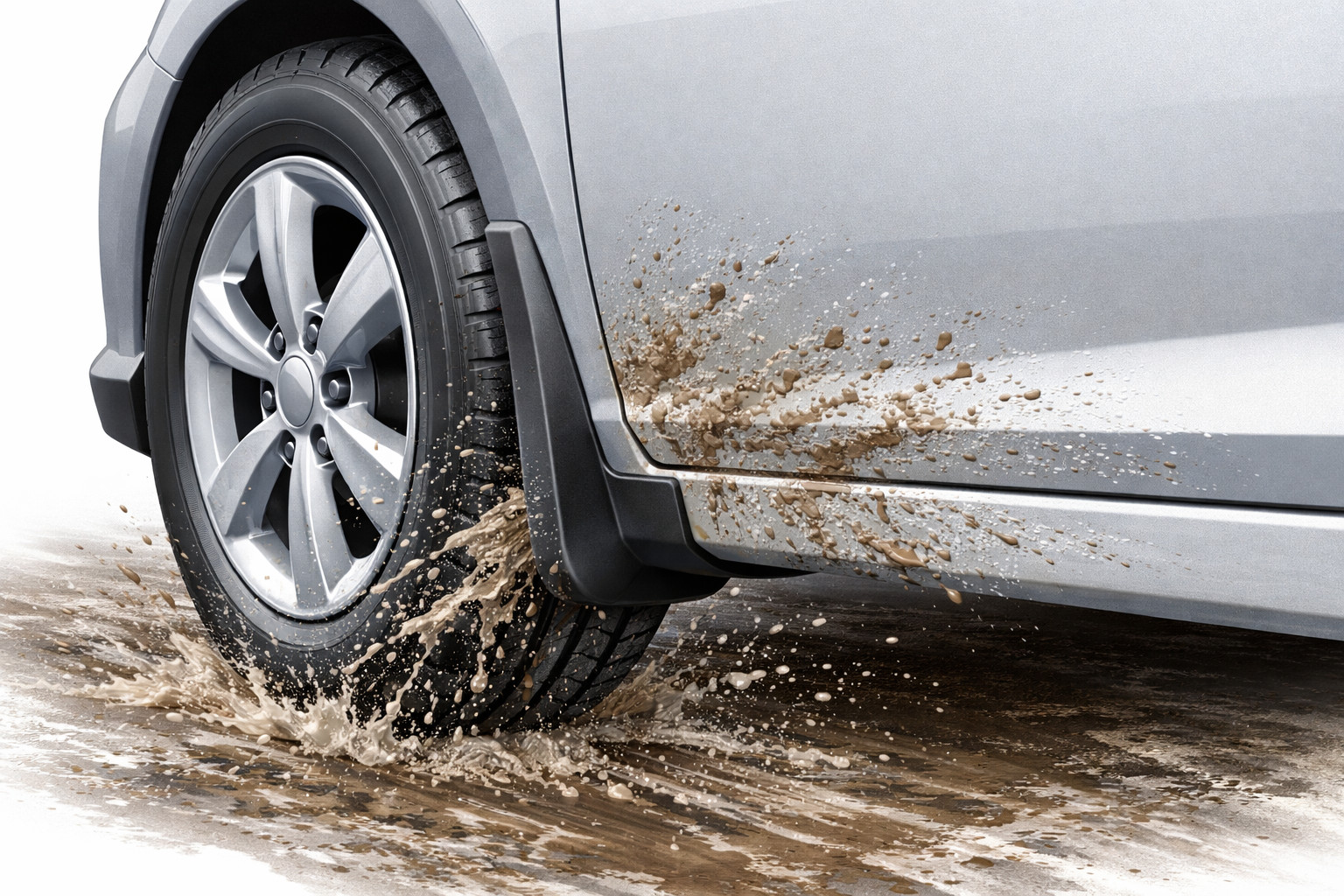
Accessories only make sense after the root cause is localized. If you need a base for model-specific selection, it’s convenient to start from the Prado 250 accessories page. If the issue is in the door area and exterior trims, it’s more logical to look at door moldings rather than sticking on universal solutions. If the vehicle often drives through mud, snow, and water, floor mats are practical: they won’t stop leaks, but they help you quickly control the effects of moisture and keep the interior from getting neglected.
There’s no point buying an accessory “on a whim” when the source of noise, water, or vibration hasn’t been found yet. On the Prado 250 this often ends with the new part only masking the symptom—or adding another one.
| Solution | When it works | When it’s not worth spending money |
|---|---|---|
| Official front brake update | There is typical squeal specifically when reversing | If the noise can’t be reproduced or it’s not coming from the front axle |
| Charge or replace the 12V battery | Warnings and glitches appear after parking or accessory mode | If voltage is stable and the errors have another confirmed cause |
| Clean drains and replace the problematic molding | There is water, wet glass, or a damp smell | If the moisture source hasn’t been found yet |
| Multimedia update and hard reboot | The screen freezes, CarPlay is unstable | If the issue is caused by the phone or cable |
| Remove or reposition the roof rack | Noise appears at a specific speed and changes without add-on equipment | If the whistle doesn’t depend on the roof |
| Wheel balancing | There is steering wheel or seat vibration at a steady speed | If the issue only appears on rough roads or in a corner |
| Sound deadening | The source has already been localized and you want to reduce overall background noise | If the roof rack, wheels, and seals haven’t been checked yet |
| Dealer diagnosis for hybrid warnings | There are recurring errors, limp mode, or loss of power | If you’re only hoping the warning will “go away on its own” |
From a customer’s experience: a Prado 250 owner came in asking for full sound deadening, convinced the issue was a “weak body.” After a proper check, it turned out the main whistle came from the roof rack, and the vibration from basic wheel balancing. In the end, he spent less than planned and avoided unnecessary modifications that wouldn’t have solved the cause.
The Toyota Prado 250 doesn’t look like a vehicle with a widespread critical failure, but it does have a set of typical recurring complaints that shouldn’t be ignored: brakes, climate control, moisture, 12V, multimedia, noise, and vibrations. The best approach is simple: reproduce the symptom, tie it to the conditions under which it appears, and only then decide whether you need a service update, repair, software update, or part replacement.
Most importantly, don’t confuse a design characteristic, a seasonal effect, and a real fault. This material is based on real selection experience, hands-on practice, and real usage scenarios—so the takeaway is clear: in most cases, the Prado 250 is fixed not by expensive myths, but by accurately pinpointing the cause.
| ✔ | Typical issues are described and tied to specific symptoms, so it is easier for the owner to understand exactly what to check: brakes, 12V battery, door drains, infotainment, or accessories. |
| ✔ | For some complaints, practical diagnostic steps are provided that help avoid spending money blindly: voltage check, testing without a roof rack, wheel balancing check. |
| ✔ | There is a clear distinction between a real malfunction and seasonal or condition-related symptoms, which reduces the risk of unnecessary repairs and replacing unneeded parts. |
| ✔ | The article gives specific fixes for the most common cases, such as an official brake update or infotainment update and reset. |
| ✔ | It explains when accessories really make sense and when they only mask the problem, which is useful for planning upgrades without unnecessary costs. |
| ✘ | In the Prado 250, there is no single obvious cause behind all complaints, so finding the source of the problem may take longer than desired. |
| ✘ | Some symptoms depend on operating conditions — cold, moisture, parking, or a roof rack — which can make the problem intermittent and hard to reproduce. |
| ✘ | Some faults look similar to one another, for example electronic glitches may be the result of a 12V voltage drop rather than a separate failure, which makes diagnosis more difficult. |
| ✘ | There are recurring complaints about ride comfort, including noise and vibrations on the highway, so without additional inspection the vehicle may not meet expectations of a quiet SUV. |
Shipping to EU
Wholesale and retail
Own warehouse
Опис продукту
Подарунки не надаються при оформленні покупки у кредит під 0,01% або при покупці частинами.