02.04.2026
338
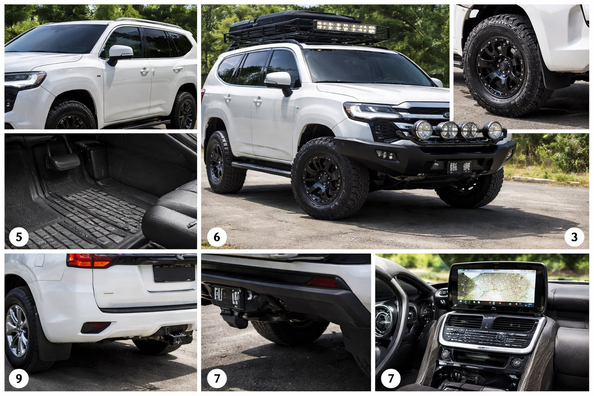
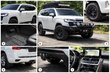
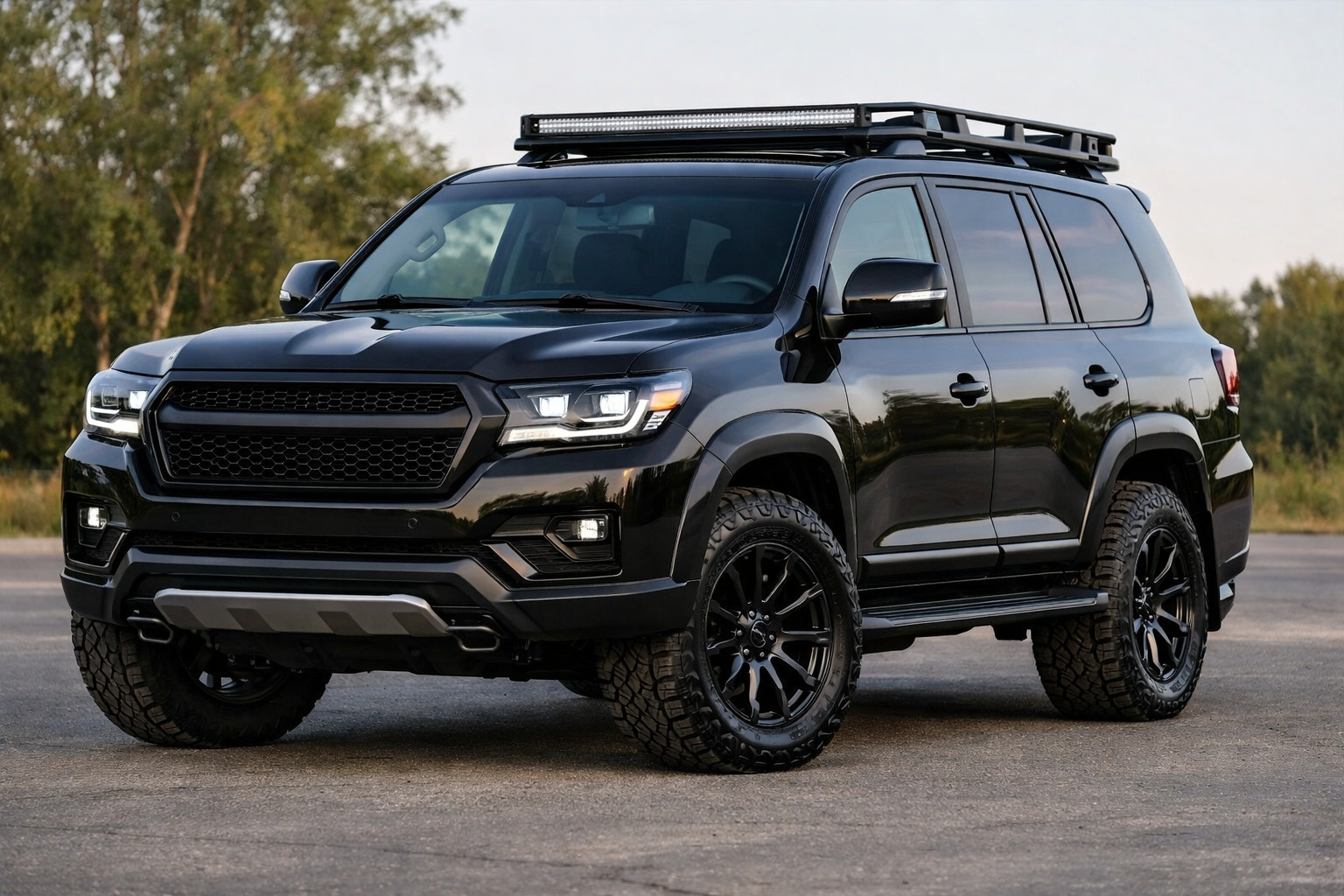
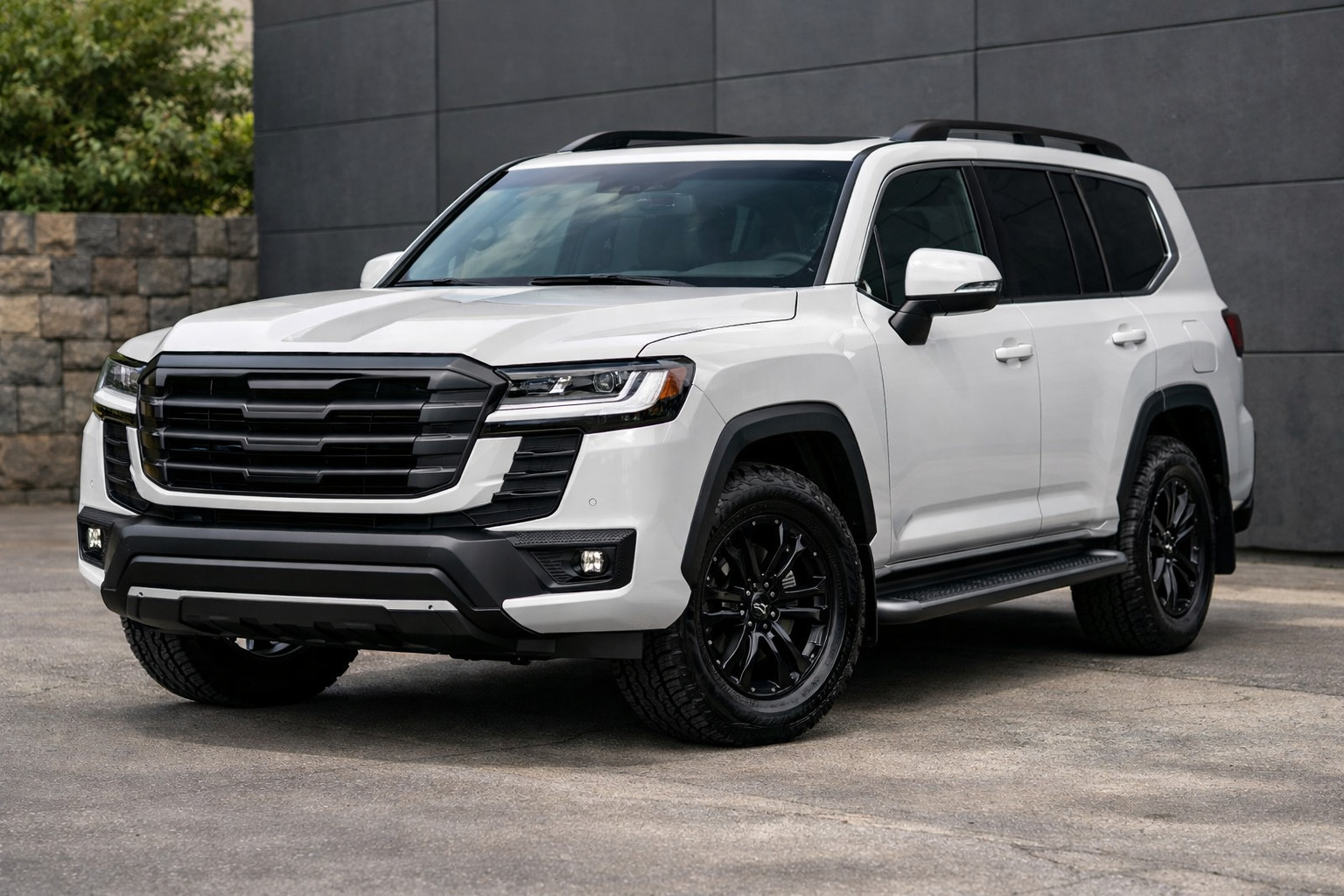
This upgrade plan for a Toyota Land Cruiser 300 right after purchase is for those who actually drive it, not just “make it look pretty”: city + highway + family trips, occasional bad roads, gravel, winter. You don’t need random Land Cruiser 300 tuning — you need an order of operations: what to install first, what second, and what not to touch at all.
The Land Cruiser 300 is expensive not only to buy. Paint, optics, interior, electronics, suspension, and all the “small stuff” that breaks from dumb decisions are expensive too. So upgrades here are not “7 things for looks”, but a minimal set that quickly pays back in convenience and preserving the vehicle.
The logic is simple: first you protect what gets damaged every day (body, interior, sills, underside), then you improve what affects handling and your use case (tires, cargo, electrics), and only after that do you get into “cosmetics”.
This approach differs from “I’ll bolt something onto the car” because you’re not hanging weight and plastic for appearance — you’re solving real pain points: chips on the highway, dirt in the cabin, scratched sills, risks on bad roads, chaos in the trunk. If your scenario is hard off-road or expeditions, priorities shift (underbody protection, tires, a cargo system, and 12V move earlier). If you’re mostly in the city, you don’t need half the “off-road swagger”.
The first thing that ruins the look on highways and gravel roads is small chips and sandblasting on the front. If you want real physical protection, you need paint protection film on the impact zones. “Ceramic as armor against chips” is a fairy tale for people who like paying for legends. Ceramic is about easier washing and hydrophobicity, not a barrier against stones.
It’s basic, but for some reason most people try to save money right here, and then wonder about stains, dirt, and scuffed plastic. For a family, travel, and daily driving, mats plus a trunk liner/tray are baseline practicality, not an “accessory for the checklist”.
The Land Cruiser 300 is tall. Kids, passengers, getting in wearing winter clothing, dirty shoes — the sills take it all. Side steps/sills make sense if you actually use them (getting in/out, access to the roof) or want to protect the sill area from constant kicks and stone strikes. If it’s “just for looks”, that’s a different category — not a first priority.
If your routes include potholes, ruts, rocky driveways, fields, forest roads — underbody protection stops being theoretical. What matters here is not “the heaviest and biggest”, but what matches your reality: what exactly you can hit and how often. For city-only use it can wait, but for Ukraine with regular road surprises — it’s a smart investment.
After buying a vehicle in this class, people are somehow ready to spend a lot on decorative trim, but save on the one thing that actually saves nerves and money. For city and highway driving, a dash cam is the practical minimum. If you often park in tight courtyards or drive highways a lot — consider a rear camera too.
| Upgrade | Why it’s needed | Who really benefits |
|---|---|---|
| Protective film on impact zones (front end, mirrors, possible “high-risk” areas) | Reduces the risk of chips and minor scratches from sand/stone hits in daily driving | Highways, gravel, frequent trips, a new car you want to “look new” longer |
| Cabin mats + trunk protection | Protects surfaces, easier cleaning, less wear and staining | Family, kids, pets, sports/hobbies, travel, daily use |
| Side steps/sills or sill protection | Easier entry/exit, protects the sill area from constant impacts and dirt | Kids, elderly passengers, frequent entry/exit, winter, active use |
| Underbody protection (for key components) and mud flaps as needed | Less chance of damaging the underside on potholes/ruts/rocks, less dirt sprayed along the sides | Bad roads, trips into nature, fishing/hunting, winter slush |
| Dash cam (front/rear to match your parking routine) | Records accidents and road conflicts, fewer “your word vs mine” situations | City, highway, active use, tight parking |
| Tires matched to your scenario (not “as aggressive as possible”, but appropriate) | Handling, braking, noise, fuel consumption — it all depends on tires | Those who actually drive highways/in rain/in winter or go onto dirt |
| Trunk organization (load securing, order, surface protection) | Less chaos, less damage in the trunk, faster packing for trips | Travel, family, active lifestyle, carrying gear |
This is where it becomes “tailored to you”. These upgrades are useful, but not critical in the first days after purchase.
Comfort and appearance are valid reasons for Land Cruiser 300 tuning. The issue isn’t that it’s “bad”, but that people confuse priorities.
This is where the junk starts: purchases not matched to the scenario, but to self-deception.
| Install first | Can wait | Not mandatory |
|---|---|---|
| Protective film on impact zones | Full-body wrap | “Ceramic as protection from chips” |
| Cabin mats and trunk protection | Extra organizers/restraints (if the trunk is empty for now) | Expensive decorative trim “to make it shiny” |
| Side steps/sill protection (if you have a family and frequent entry) | Aesthetic sills “like in a tuning package” | Any “universal” solutions without proper fitment |
| Underbody protection (if you really have bad roads/trips out) | Expanded protection kit “for everything” | The heaviest kits without need |
| Dash cam | Second camera/parking mode (if the car isn’t parked in risky places) | Gadgets “just because” with no real benefit |
| Tires for your scenario (when stock really don’t fit) | “Aggressive” off-road tires if off-road is occasional | Chasing the largest possible size |
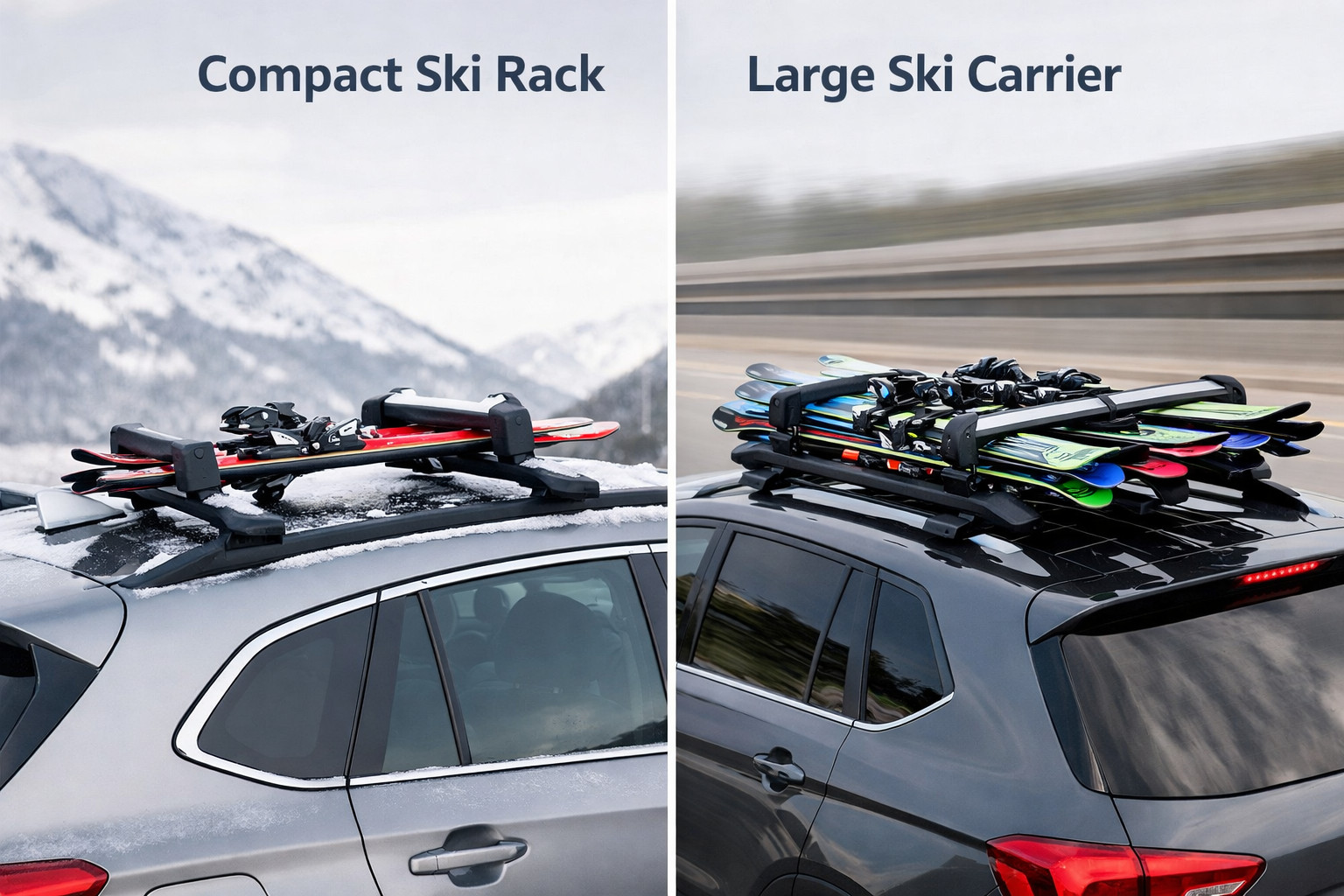
| Basic trunk organization | Roof rack/box (if you don’t travel much) | Complex expedition systems if you’re not an expedition traveler |
More expensive solutions are justified when you either drive a lot, or already know the vehicle will be a “workhorse” for family/travel, not a weekend toy.
The “7 upgrades” package after buying a Land Cruiser 300 is for those who truly use the vehicle: family, highways, trips, winter, and occasional bad roads. If your routine is only city driving and office parking, don’t turn the car into a circus: interior protection, a dash cam, and minimal front-end protection will bring more value than heavy “off-road” posturing.
If you want results without nonsense: protection and practicality first, then tires and cargo, and only after that — body kit and cosmetics. Any “looks-first” tuning ahead of the basics isn’t an upgrade. It’s junk.
Shipping to EU
Wholesale and retail
Own warehouse
Опис продукту
Подарунки не надаються при оформленні покупки у кредит під 0,01% або при покупці частинами.