12.04.2026
319
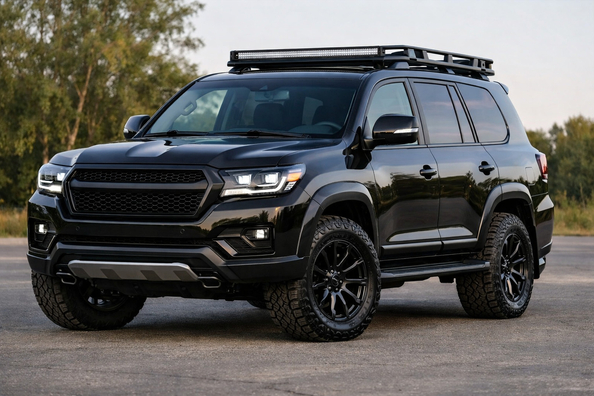

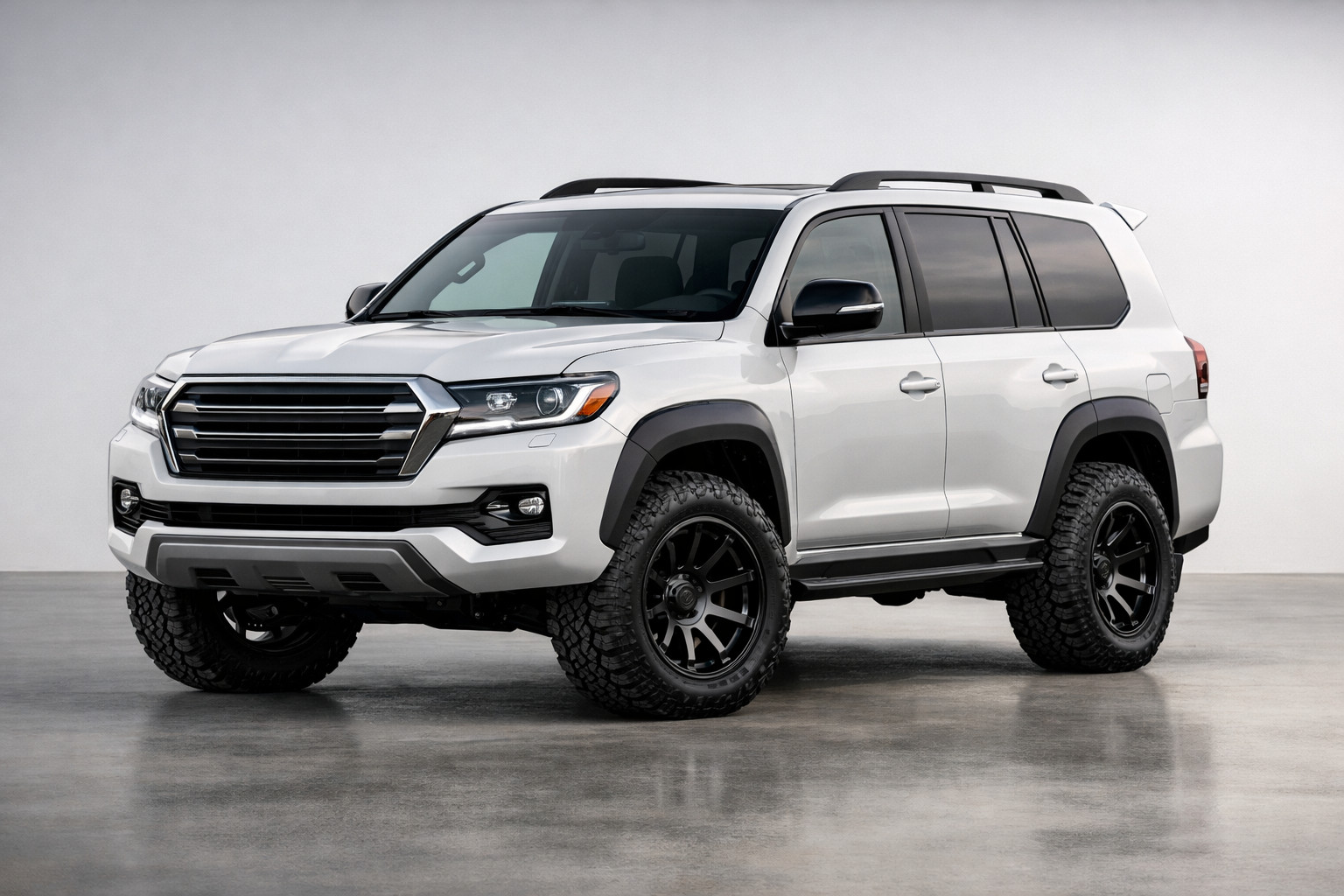
This is a modification plan for a Toyota Land Cruiser 200 owner who wants the vehicle to look more modern without turning it into a heavy expedition build or a failed copy of another model. The scenario is simple: daily driving, highway runs, family trips, occasional travel—while wanting to see a fresher, more put-together look every morning.
The smartest approach here isn’t to immediately buy the most expensive body kit. It’s better to move step by step: first sort out proportions, lighting, and small exterior accents; then add modern usability; and only after that decide whether a deep рестайлінг is really necessary.
On the LC200, the main goal of this kind of upgrade isn’t just to make the car look more aggressive. It needs to look fresher, more premium, and closer to later versions—without losing cohesion. If, after the mods, the vehicle looks like a collection of random parts, the goal hasn’t been achieved.
For 2008–2015 vehicles, the front end ages the car the most: the headlight shape, how the grille reads, the overall lighting signature. For 2016–2021 vehicles, the body already looks more modern, so the work is more often not a radical rebuild but a style clean-up: less unnecessary chrome, neater wheels, refreshed lighting, and a cleaner front end.
Another task of the upgrade is not to ruin daily convenience. If the vehicle carries a family, tows a trailer, or spends a lot of time on the highway, it’s not worth sacrificing seating position, visibility, and comfort just for photos. That’s why big bumpers, a heavy lift, and massive exterior tuning aren’t the starting solution here.
The first step is to define the starting point: model year, market, headlight type, presence of cameras, parking sensors, audio system, and factory features. On the LC200, compatibility depends heavily on the trim, so buying headlights, front-end parts, or multimedia modules without checking by VIN and configuration is a common and costly mistake.
Next—wheels and tires. Even without radical body changes, the right wheel/tire proportion dramatically affects how fresh the LC200 looks from the side. A factory-style setup with 18-inch wheels and a size close to OEM is logical for this scenario: the car doesn’t look overloaded and doesn’t lose its on-road manners. If the goal is a more modern look, overly aggressive off-road tires often make the vehicle look older, not newer.
After that—the front end. On early vehicles, the strongest visual effect comes from updating the lighting and front end in the spirit of later factory versions. On later vehicles, it’s often enough to restore or refresh the optics, tidy up the grille, and remove random decorative add-ons. If you prefer a cleaner style, it’s worth taking a critical look at both excessive chrome and bulky side steps—but removing them only makes sense if you truly don’t need them in daily life.
| Modification | Why it’s needed | Who truly benefits |
|---|---|---|
| Front headlight upgrade | Freshens up the vehicle’s “look” and removes the feel of an outdated front end | First of all, owners of early LC200s and anyone whose lights are already tired |
| Neat grille and front trim | Makes the nose look cohesive without a full replacement of body parts | Those who want a more modern look without deep intervention |
| Wheels and tires in the right proportion | Changes the vehicle’s stance in profile and removes the “heaviness” of the image | Daily driving, highway use, travel, and towing |
| Removing excess chrome or bulky exterior bits | Cleans up the silhouette and brings the look closer to later special editions | Those who want a restrained modern style rather than flashy decor |
| Rear tail light upgrade | Balances the vehicle’s look after updating the front end | Those who’ve already refreshed the front and don’t want visual mismatch |
| Multimedia retrofit while keeping factory functions | Delivers a more modern daily user experience | Those who care not only about the exterior image but also up-to-date features inside |
DD Tuning expert comment: the most common mistake with the LC200 is starting with an expensive body kit while the vehicle still has tired optics, random chrome, and a bad wheel proportion. The result is a big budget, but the car still doesn’t look cohesive. Before ordering lights, a grille, or multimedia, you should always verify the year, trim, cameras, and the type of factory equipment.
The second stage starts when the base is already dialed in: the wheels don’t clash with the body, the front end doesn’t look tired, and the vehicle’s style is defined. Here it’s logical to add what completes the look: rear tail lights, coordinated front-end elements, neat darker trim instead of loud shine.
For an early LC200, this usually means sorting out the rear after updating the front. Otherwise the car looks fresh up front, while the rear still feels like an older version. For a later LC200, the second stage is more often not the body but the interior: if the exterior already looks good, the multimedia and small interior details start to give away the car’s age.
If, in the future, you’re still planning suspension, a roof rack, an auxiliary tank, or heavy-duty elements, they need to be calculated for the final vehicle weight. Otherwise you’ll end up redoing the suspension twice. But for the “more modern look” scenario, this is definitely not the second step and not a mandatory part of the project.
There are modifications that don’t make the LC200 objectively newer on the outside, but greatly improve how it feels day to day. This includes a neat interior refresh, a steering wheel update, floor mats, seat covers, dash trims—small things that remove the feeling of a tired cabin. If the exterior is already put together, these details often deliver the best effect in everyday use.
Second-tier exterior decor includes window deflectors, spoilers, handle covers, mirrors, and similar elements. They can be appropriate if they support the chosen style, but on their own they don’t make an LC200 look newer. If you install them before lighting, wheels, and the front end, you’ll get cosmetics without a foundation.
| What to install first | What can be postponed | What’s optional |
|---|---|---|
| Compatibility check by year, trim, and factory equipment | Interior refresh, if the exterior isn’t put together yet | A full body kit if you only need a light refresh |
| Front optics, grille, and a clean front end | Rear tail lights—after the front has already been updated | Exact LC300 look replication at any cost |
| Wheels and tires in a sensible on-road proportion | Decorative small items like deflectors and covers | Very expensive forged wheels just for the picture |
| Removing excess chrome and random elements | Side steps can stay if you need them for getting in | Heavy-duty bumpers for a vehicle without real off-road use |
| A quality multimedia retrofit if you’re missing modern daily functions | Suspension—until the final load is clear | A lift as a way to simply “freshen the look” |
An expensive restyling makes sense when the body is in good condition, you’re ready for painting and fitment, and the goal is not a minor refresh but a strong visual leap. In that case, you can consider the restyling kit in the Land Cruiser 300 style, but it’s important to realistically treat it as a styling conversion, not a full replication of the new model.
If your main complaint about the vehicle is an outdated-looking front end and a weak sense of freshness at night and during the day, it’s often smarter to invest in LC200 optics. In terms of how the car feels, this is often a stronger step than a big set of plastic parts.
When the front is already sorted but you’re lacking expressiveness in the details, a logical expensive—but not unnecessary—step can be grille solutions for the LC200. The key here is not to mix too many styles on one vehicle and to check compatibility with cameras, sensors, and the specific model year in advance.
From a customer’s experience: an early LC200 owner initially wanted to go straight for a full 300-style kit because the car felt too “old” up front. After discussing the use case, he limited it to fresher optics, a cleaner front end, the right on-road tires, and multimedia with factory-style operation. In the end, the vehicle looked much more modern, and the budget didn’t go into parts that didn’t provide real daily value.
For the Toyota Land Cruiser 200, a staged approach works best: first proportions, lighting, and a clean style; then the rear end and modern daily usability; and only at the end—expensive body solutions. This way you quickly filter out marketing clutter and spend money on what truly changes how the vehicle is perceived.
In short, a more modern LC200 isn’t necessarily a full body kit. Often it’s enough to properly build the front end, not overdo the decor, not install heavy items without a clear use case, and not cut corners where compatibility matters. This material is based on real selection experience, hands-on practice, and real-world usage scenarios—not an abstract list of “most popular” mods.
| ✔ | A phased approach makes it possible to first fix the most noticeable things — the lights, front end, and wheel proportions — and only then decide whether a more expensive restyling is needed. This reduces the risk of spending the budget on a large kit that won’t deliver a cohesive look. |
| ✔ | Updating the front lights and grille really refreshes the LC200, especially on early model years, where the front end gives the car’s age away the most. This step delivers a noticeable visual effect without major body modifications. |
| ✔ | Properly selected wheels and tires make the car look lighter and more composed, while not compromising everyday driving. For a vehicle that is driven in the city, on the highway, and with family, this is a more practical option than rough off-road tires. |
| ✔ | A multimedia retrofit that preserves the factory functions adds modernity to everyday use, not just to the exterior appearance. This is especially relevant for those who drive a lot and use navigation, calls, and the camera. |
| ✔ | The plan separately takes into account compatibility by VIN, model year, trim, and factory equipment, which reduces the risk of wrong purchases. For the LC200, this matters because incompatible headlights, modules, or front ends can be expensive. |
| ✘ | A full restyling in the style of the Land Cruiser 300 does not make the LC200 an exact copy of the new model. Even after an expensive kit, it remains a stylization with compromises in proportions and details. |
| ✘ | Large bumpers, a winch, heavy-duty protection, and a significant lift worsen everyday practicality if the vehicle has no real need for off-road use. In city or highway scenarios, this often just adds weight and costs. |
| ✘ | Too much chrome, massive decorative elements, and random trim pieces can make the LC200 look older rather than more modern. Without a cohesive style, such details only break up the integrity of the design. |
| ✘ | Cheap multimedia solutions can ruin the daily experience due to a weak microphone, call issues, or the loss of factory functions. Saving money at this stage often turns into daily irritation. |
Shipping to EU
Wholesale and retail
Own warehouse
Опис продукту
Подарунки не надаються при оформленні покупки у кредит під 0,01% або при покупці частинами.