01.05.2026
520
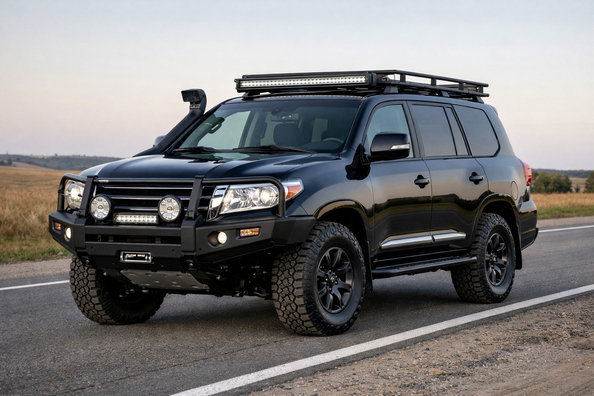
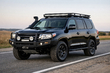
This upgrade plan is for a Toyota Land Cruiser 200 owner who spends most of the time on the highway, values quietness and predictable handling, and doesn’t want to turn the vehicle into heavy off-road décor. The scenario is simple: long trips, family, luggage, sometimes a trailer — but without a lift, massive body kit, or other unnecessary metal.
The LC200 already has a strong factory foundation: body-on-frame chassis, full-time 4WD, KDSS, solid payload and towing capability. So for highway use, the best results come not from flashy mods, but from the right tires, correct cold tire pressure, a healthy OEM suspension, brakes matched to real load — and only then small comfort-focused upgrades.
For a highway-focused LC200, the main goal isn’t to make it look “more serious,” but to have the vehicle hold speed calmly, not annoy with noise, absorb joints properly, and not wear out the driver over 300–700 km per day. Keeping the body close to stock is exactly the right approach for this scenario.
It’s important not to break the factory balance. Wheels, brakes, and equipment can vary by year, market, and trim, so decisions should be tied to your specific vehicle: what tire size is on it now, whether it carries constant load, whether it tows a trailer, and whether you truly need a roof rack.
The first stage for a highway LC200 is almost always the same. Start with tires: for 90–95% asphalt, it makes more sense to stick to a road tire or a mild all-terrain pattern in the stock size, rather than going with harsh off-road rubber. Next, check cold tire pressure for your exact tire, season, and typical load — because even good tires can feel rough if pressure is too high.
After that, it’s worth reviewing the OEM suspension and alignment. If shocks, bushings, and alignment are in good shape, there’s no need to replace the whole suspension “just in case”: on the highway this often doesn’t deliver the effect people expect. Brakes come next only if the vehicle regularly runs with a trailer, full luggage, or mountain routes.
| Upgrade | Why it’s needed | Who really benefits |
|---|---|---|
| Highway tires or milder all-terrain tires in the stock size | Reduce noise, improve ride comfort and on-road behavior | Almost everyone who spends most of the time on the highway |
| Cold tire pressure correction | Affects comfort, wear, braking, and stability more than it seems | Everyone without exception, especially after changing tires or load |
| OEM suspension inspection | Restores factory composure without expensive experiments | Higher-mileage vehicles, uneven tire wear, excess harshness, or rocking |
| Brake upgrade or a higher-quality service kit | Reduces overheating and loss of effectiveness under load | Those who tow, often drive in the mountains, or carry heavy cargo |
| Local sound deadening for doors and rear panels | Makes the cabin quieter at cruising speed | Those who travel long distances and want less cabin fatigue |
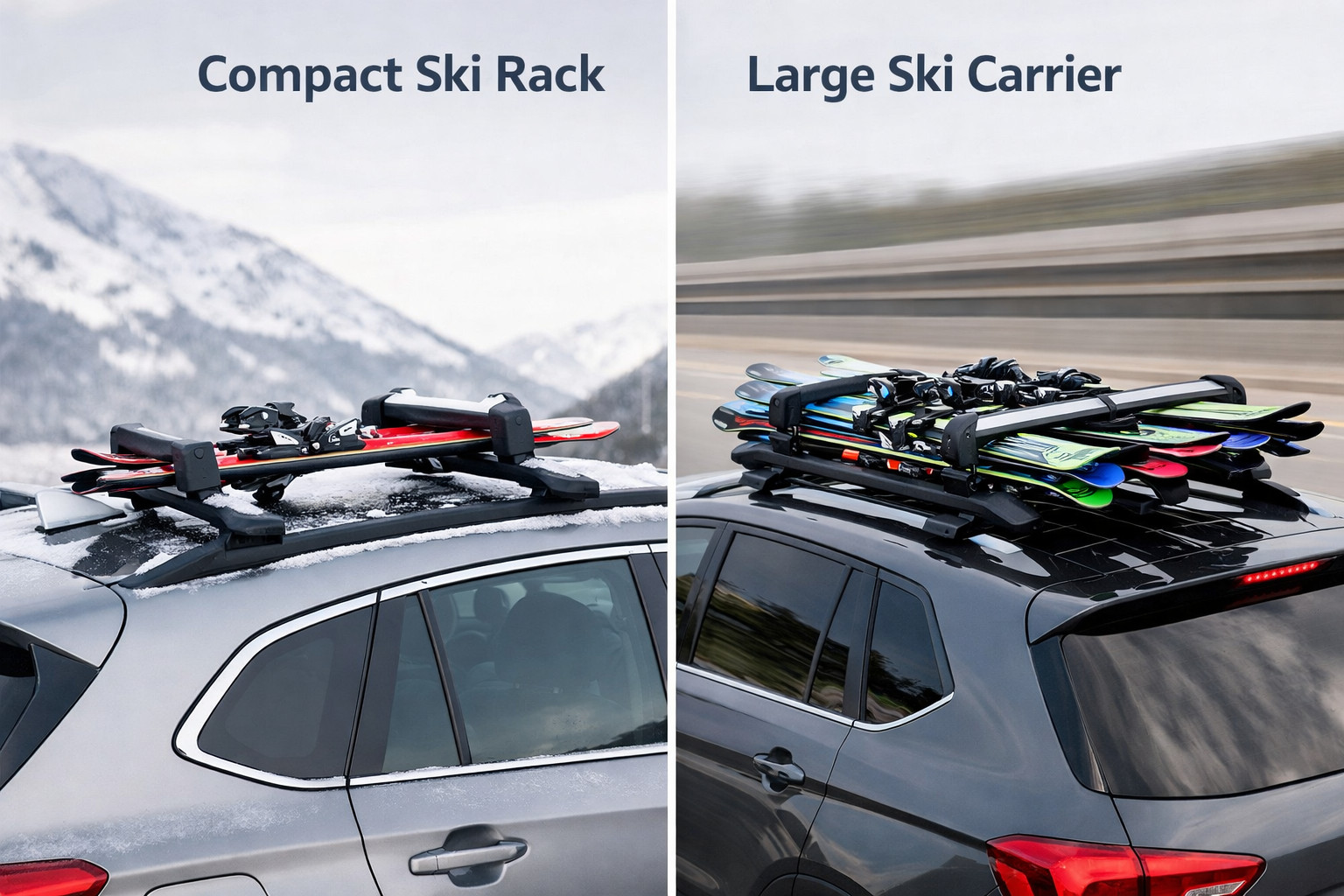
| Crossbars or a roof rack | Add space for cargo or bike mounts | Only those who have a constant need, because noise increases |
In short, the biggest payoff here comes not from “metal,” but from the right contact between the vehicle and the road. That’s why tires and pressure almost always deliver more than showy exterior tuning.
DD Tuning expert comment: a typical mistake for a highway LC200 is buying stiff off-road tires, fitting a roof rack “just in case,” and then trying to find softness and quiet through an expensive suspension. Another common mistake is copying someone else’s pressure numbers without considering your tire and the vehicle’s weight. Start with what actually changes how the vehicle drives — not how it looks in a side profile photo.
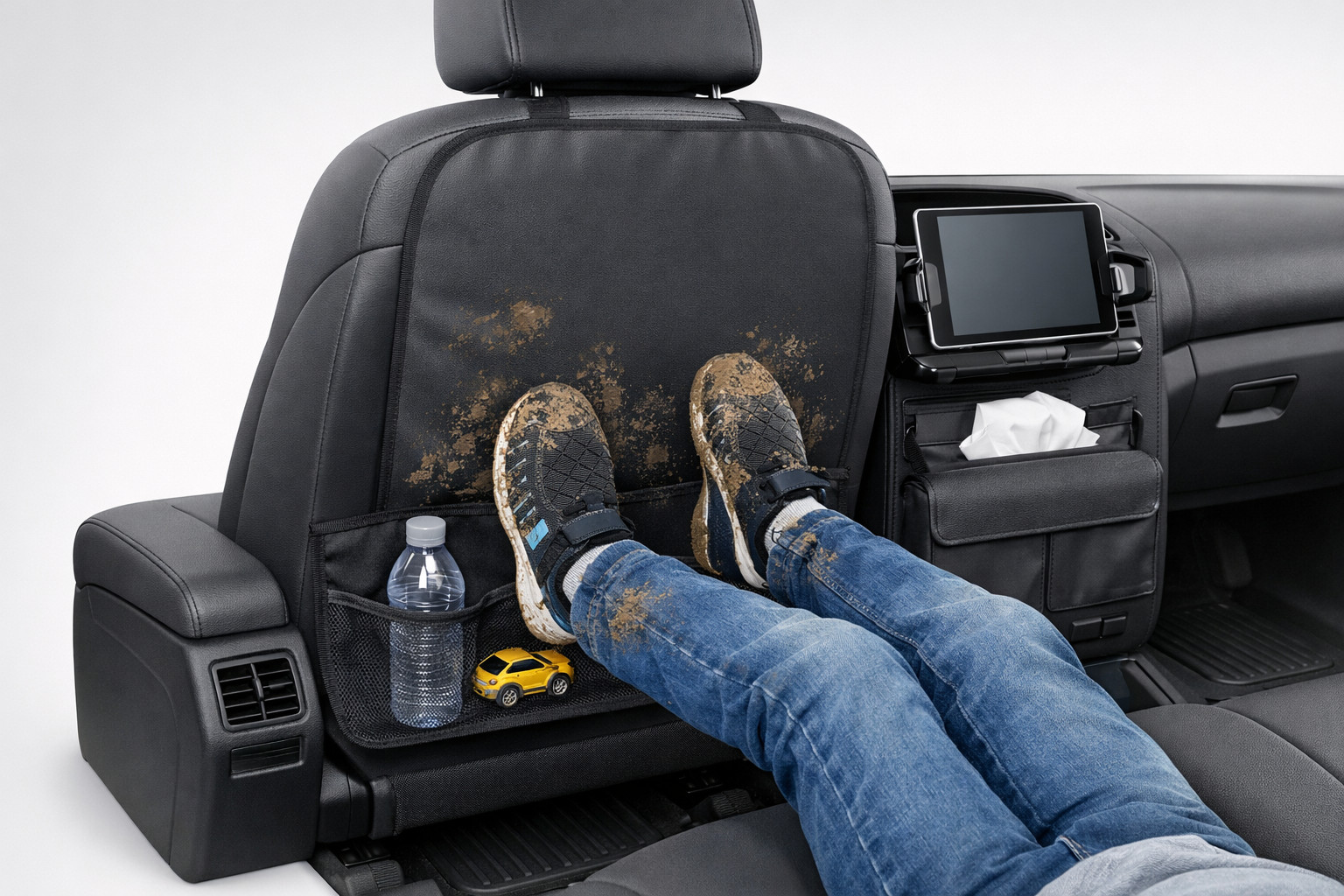
The second stage starts only after the vehicle already drives right. Here, local sound deadening for the doors and the rear of the cabin is a logical step: it won’t fix bad tires, but it nicely refines a well-sorted highway setup. If you often carry kids’ items, tools, or suitcases, practical cabin and cargo-area accessories that eliminate small clutter are also useful.
If you have a seasonal need for extra cargo space, you can consider roof solutions — but only after honestly answering how often you’ll use them. For an occasional trip, a permanent large roof rack is usually a bad deal: more noise, more extra mass, and zero benefit on weekdays.
In this area, it’s simpler: window deflectors, floor mats, a trunk liner, neat side steps, or other restrained accessories can make an LC200 more convenient day to day, but they barely affect how it drives on the highway. It’s worth buying them when there’s a specific need: easier entry, simpler cleaning, more comfortable ventilation in the rain.
This is also where overpaying for looks most often begins. For a “no tacky mods” scenario, a restrained, near-OEM approach works better: fewer shiny add-ons and bulky parts, more items that genuinely make the vehicle easier to use.
Most often, people waste money on an aggressive lift, heavy bumpers, a full roof kit, and rough off-road tires for a vehicle that lives on asphalt. All of that worsens comfort, noise, or running costs — sometimes all at once. For a highway LC200, it’s almost always a step in the wrong direction.
The second typical unnecessary expense is an expensive brake kit without real load. If the vehicle doesn’t tow and isn’t consistently heavy, it’s enough to get the OEM system back in shape first and check the condition of rotors, pads, and fluid. The third mistake is replacing the entire suspension blindly without understanding whether the problem is even there.
| What to install first | What you can postpone | What is not required |
|---|---|---|
|
|
|
More expensive solutions are justified when the LC200 truly works as a long-distance highway workhorse: frequent intercity runs, full cabin, large luggage, towing. In that case, it makes sense to look not at flashy kits, but at things that solve the task for a long time without compromise: quality tires, well-thought-out braking under load, and tidy upgrades for the cabin and cargo.
If you want to put it all together in one place, start with the LC200 catalog, separately assess whether you need roof racks and crossbars, and choose practical interior accessories only for your own trips. If your task doesn’t require a roof setup or complex cargo organization, a pricier kit doesn’t automatically make a highway LC200 better.
From a customer’s experience: an LC200 owner wanted to “refresh” the vehicle for long trips and initially looked toward a lift and more aggressive tires. In the end, he kept the OEM suspension after an inspection, switched to road tires, set proper cold pressure, and as a second stage did local sound deadening in the doors. The biggest difference he felt wasn’t in appearance, but in the fact that the vehicle became quieter, softer over joints, and calmer at speed.
For a Toyota Land Cruiser 200 built for highway use, the best “no tacky mods” upgrade looks very down-to-earth: first tires, pressure, and the condition of the OEM chassis; then brakes for the load; then sound deadening and daily-use accessories. Anything that adds weight, noise, or an aggressive look without a real task is better postponed — or not bought at all.
This material is based on real selection experience, hands-on practice, and real usage scenarios — that’s why the priority here is not the picture, but the upgrades you feel every day behind the wheel.
| ✔ | Start with stock-size tires and the correct cold pressure — this has the biggest impact on noise, ride comfort, and LC200 behavior on the highway. For a 90-95% asphalt setup, this is more practical than fitting aggressive off-road rubber. |
| ✔ | Inspecting the stock suspension and geometry makes it possible to restore factory composure without unnecessary costs for a full replacement of components. If the shocks, bushings, and alignment are in good shape, the car often handles the highway better without radical modifications. |
| ✔ | The brakes are proposed to be upgraded only for real loads — when there is a trailer, heavy cargo, or regular mountain routes. This helps avoid spending money on something that will not provide noticeable benefits in normal intercity driving. |
| ✔ | Local soundproofing of the doors and the rear of the cabin makes sense as a second stage after the car is set up properly. It really reduces fatigue on long trips, but it does not hide mistakes such as poor tires or incorrect pressure. |
| ✔ | A restrained approach without a lift, heavy body kit, or roof decor preserves the factory balance of the LC200. As a result, the car remains quieter, more predictable, and is not burdened with extra mass and noise. |
| ✘ | This approach leaves almost no room for eye-catching exterior changes if the owner wants to make the car stand out noticeably. A lift, bulky body kit, and other heavy tuning are deliberately left out here. |
| ✘ | More expensive solutions like a large brake upgrade or roof systems only make sense for specific tasks. If they are not used regularly, this will be an unnecessary expense and add noise or weight. |
| ✘ | Local soundproofing, cabin accessories, and cargo organization do not solve the basic problems of the chassis. If the tires are not chosen first and the pressure is not set correctly, these upgrades will only have a partial effect. |
| ✘ | Everything needs to be adjusted separately for a specific version of the car, year, load, and even tire type. Because of this, there is no universal recipe, and some work requires careful checking rather than simply copying someone else’s settings. |
Shipping to EU
Wholesale and retail
Own warehouse
Опис продукту
Подарунки не надаються при оформленні покупки у кредит під 0,01% або при покупці частинами.