10.06.2026
195
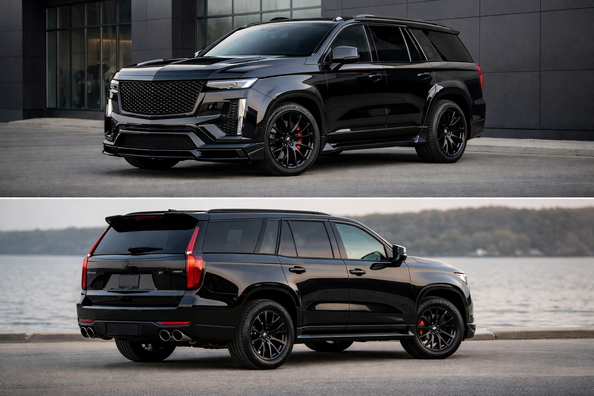
This upgrade plan is for a Cadillac Escalade 2020 or 2021+ owner who’s torn between a full body kit and targeted changes for daily use. If the vehicle drives around town, carries family and luggage, sometimes runs highway miles or tows a trailer, the upgrade logic here is completely different from a purely image-driven project.
Start with the model year: Escalade 2020 is still the previous generation, while 2021+ is a different body. Some expensive kits are advertised for multiple years at once, but fitment, small details, and the final look still require a separate check—especially if you have the extended ESV version.
If the goal is to make a very eye-catching Escalade for image, photo content, or just for yourself, a full body kit makes sense. It dramatically changes the vehicle’s presence, but adds little practical value. This isn’t about convenience—it’s about visual impact and being ready for more expensive repairs to exterior parts.
If, however, your Escalade is a big daily driver, the first priority should be protecting the most heavily used areas: the interior, cargo area, the front end of the body, and the wheel setup. In this scenario it’s more important to preserve the paint, not destroy the trunk with suitcases and strollers, and avoid low elements that will constantly scrape in parking garages.
You also need to factor in the dimensions. Even without a body kit, the Escalade 2021+ is already very large, and the ESV is even longer, so any bulky bumper and arch add-ons should be judged not by photos, but in the context of your parking situation, curbs, and driving routine.
The first stage is simple for most owners: all-weather mats, cargo area protection, paint protection for the front end, and only then exterior accents. The Escalade has a large cabin and a large cargo area, so signs of use build up quickly—especially if the vehicle is actually used, not kept as a second or third car in the family.
The second rational step is to remove excessive shine, if that’s what bothers you. Blacking out certain trim pieces, badges, tasteful tint, and the right wheel look create a strong effect without immediately going into bumpers, hood, and arches. On the Escalade this works especially well, because the body shape is already expressive enough.
A full body kit shouldn’t be your first move until you understand how the vehicle lives day to day. If it regularly goes into underground parking, is driven in winter, or tows a trailer, low and protruding elements can become annoying within a week.
| Upgrade | What it’s for | Who truly benefits |
|---|---|---|
| All-weather mats and cargo area protection | Take the dirt, water, shoe marks, and wear from suitcases and items | Anyone who uses the vehicle daily, carries kids, pets, gear, or travels often |
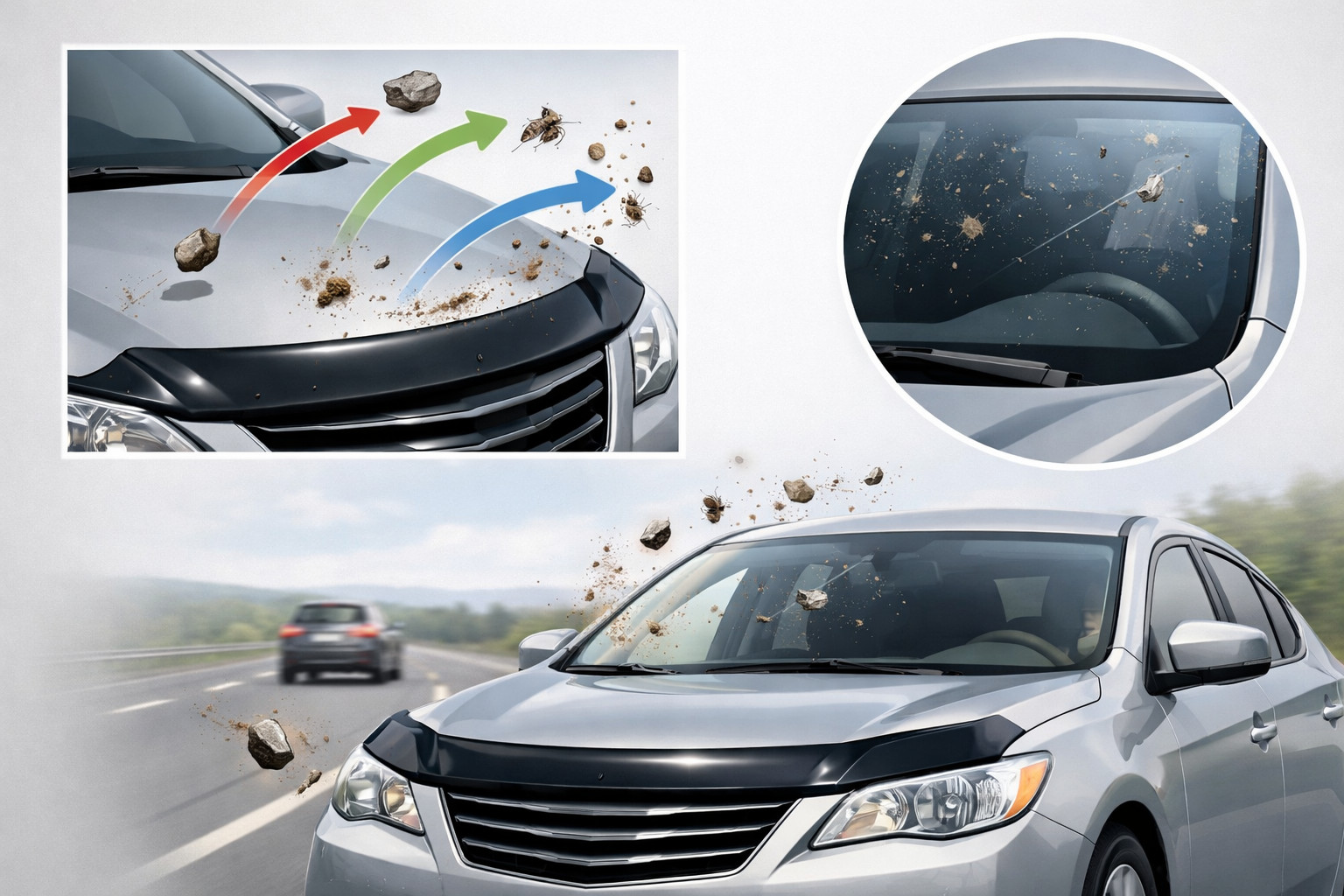
| Paint protection for the front end | Reduces the risk of chips on the hood, bumper, edges, and mirrors | Those who drive a lot on the highway or want to keep a clean body without repainting |
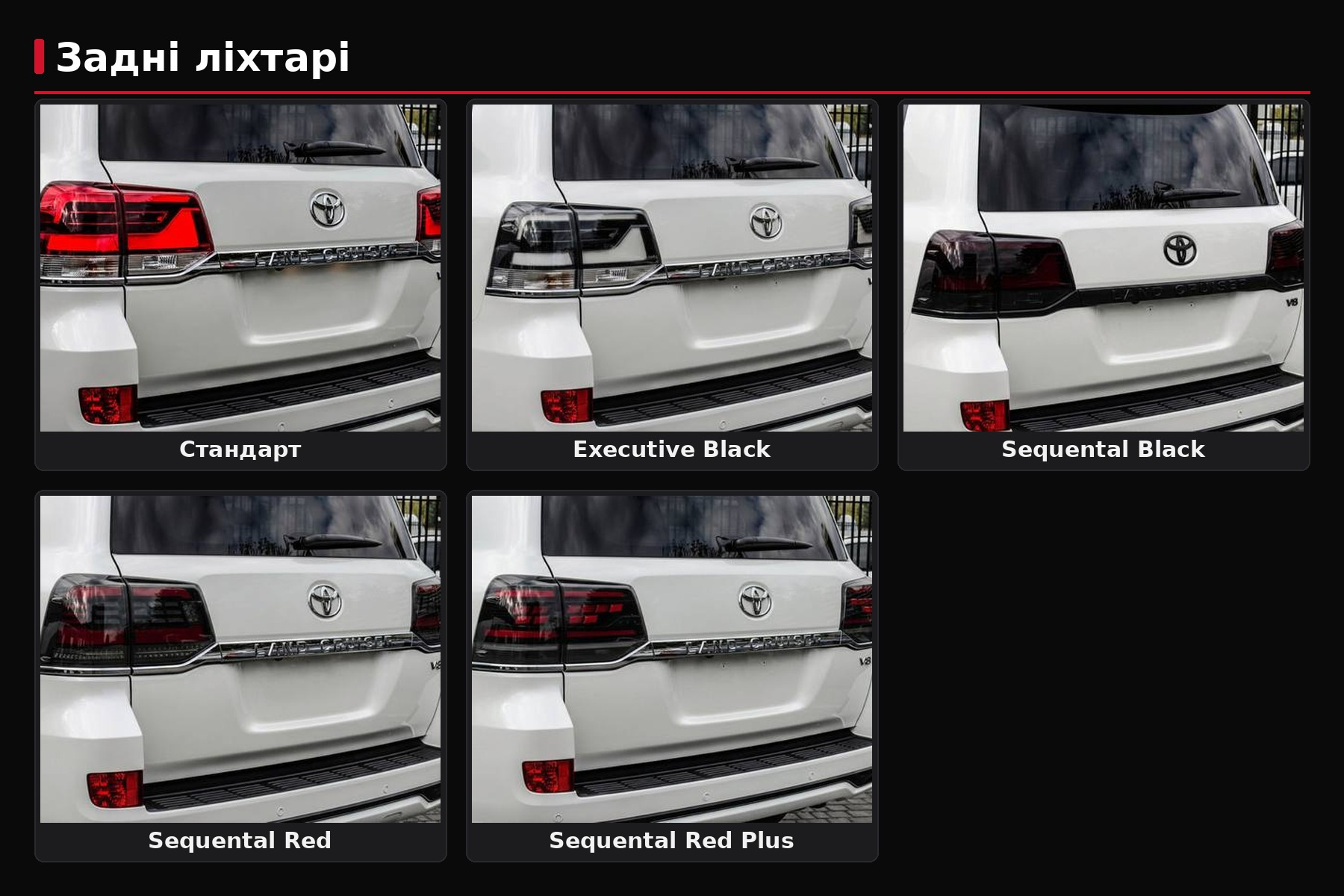
| Tinting and blacking out exterior trim | Refreshes the look without changing the body geometry | Those who don’t like chrome and want a more restrained, more solid look |
| New wheel set | Creates a noticeable change in appearance and can complete the look without a body kit | Those who have already covered the basic protection items and are ready for the full budget for tires, sensors, and installation |
| Full body kit | Radically changes the vehicle’s presence, adds aggressiveness and individuality | Those who are consciously building an image project and don’t expect practical payback |
DD Tuning expert comment: The most common mistake with an Escalade is starting with a big body kit before the owner understands their real use case: city, highway, towing, or family trips. The second typical story is buying expensive wheels and then separately selecting tires, tire-pressure sensors, hardware, and paying for calibration. If the goal is only to get rid of excess chrome and make the look more cohesive, targeted upgrades almost always deliver better value for the budget.
The second stage starts after you’ve already driven with a protected interior and body and understood what you actually lack. If you want a stronger visual accent, then it’s logical to look at wheels or individual exterior elements, but without jumping straight into a full kit.
For long trips and vacations, the second stage often turns out to be not decorative parts, but items that add function: additional cargo solutions, organized gear transport, well-thought-out protection of the loading area. For a large SUV, this is often more useful than another layer of exterior decor.
If your vehicle already has factory dark trim and expressive wheels, then for the second stage it’s better not to go into a body kit, but into small upgrades that don’t complicate daily life. This is especially true for the extended version and vehicles that often park in tight spaces.
Comfort-focused and truly useful upgrades are those that protect the interior, cargo area, and body from daily wear. They don’t shout in photos, but after six months they’re exactly what explains why the vehicle doesn’t look tired. On the Escalade this matters because the vehicle is big, heavy, and often used as a family or long-distance vehicle.
Appearance-focused upgrades include blacking out chrome, badge accents, carbon overlays, a new wheel design, and a full body kit. These aren’t bad things—their benefit is simply different: they change the character of the vehicle, not its everyday convenience. If the budget is one and the tasks are mixed, comfort and protection beat decorative parts.
The main reason for unnecessary spending is simple: people buy for the picture, not for the use case. On the Escalade this is especially noticeable, because the vehicle is already large and high-status, so overpaying for looks often doesn’t deliver a proportional result.
| Scenario | What to install first | What can be postponed | What is not required |
|---|---|---|---|
| Daily city Escalade | Mats, cargo protection, front-end paint protection, tasteful tint | Wheels, small exterior accents | Full body kit |
| Family trips and long routes | Protection for the interior, cargo area, front end of the body, well-thought-out cargo transport | Exterior decor, wheel replacement for the picture | Low aero parts and a bulky body kit |
| Image project | Compatibility check by year, body, and version, basic body protection | Some decorative small items if you’re going straight into a complete look | Utility upgrades if the vehicle doesn’t live a daily routine |
Expensive solutions are justified not when you simply want “something pricier,” but when they solve a specific task. If you’re building a very standout Escalade and you’re ready for the costs of fitting, painting, and more delicate day-to-day use, then you can look at a full body kit. If you need a strong but less radical visual step, it’s more logical to start with forged R22 wheels.
There’s also a third option for an expensive but smart budget: invest not in bumpers, but in function. For family routes, vacations, and carrying gear, it’s often more useful to consider roof cargo systems than to build up exterior decor. In any case, expensive upgrades should be calculated as a complete set of costs, not just the price of the parts themselves.
From a customer’s experience: An Escalade 2021 owner initially planned a full body kit because in photos that option looked the most expressive. After budgeting and realizing the vehicle drives daily in the city and often parks in underground garages, he chose body and cargo-area protection plus targeted blackouts of exterior elements, and postponed the body kit. As a result, he got the desired look without unnecessary risk to the lower sections of the bumpers.
On the Cadillac Escalade 2020+ a full body kit makes sense not as a starting upgrade, but as a deliberate final step for an image project. For a daily vehicle, it’s almost always more beneficial to first take care of protecting the interior, cargo area, and body, and only then decide whether you truly need wheels, dark accents, or a large set of exterior parts.
In short: practical first, then targeted visuals, and only after that—expensive radical items. This material is based on real selection experience, hands-on practice, and real usage scenarios, not on a pretty picture that ignores everyday operation.
| ✔ | A full body kit makes sense if the Escalade is being built as an image-focused project: it sharply changes the look and delivers a noticeable visual effect. For photos, show effect, or personal style, it’s a clear and logical step. |
| ✔ | Targeted upgrades handle everyday tasks better: protection for the cabin, cargo area, and front end really reduces signs of use. For family trips and frequent city driving, this is more practical than a large body kit. |
| ✔ | Careful darkening of trim, emblems, and tinting gives a noticeable change in appearance without affecting the body geometry. This is especially appropriate if you don’t like chrome but don’t want to complicate things with low hanging parts. |
| ✔ | A new wheel set can greatly complete the look without a full body kit, if the basic protection is already done. It allows for a noticeable visual upgrade without moving into radical tuning. |
| ✔ | For long trips and vacations, it’s more useful to add functional items rather than even more trim. Cargo systems and cargo area protection directly help in everyday use of a large SUV. |
| ✘ | A full body kit brings almost no practical benefit if the car is driven around the city every day or parked in underground garages. Low and protruding elements quickly start to get in the way on curbs, in snow, and in tight parking spaces. |
| ✘ | Expensive wheels without a full estimate often lead to extra costs for tires, tire pressure sensors, fasteners, installation, and calibration. In the end, the budget turns out higher than it seems at the start. |
| ✘ | On the Escalade 2020 and 2021+, compatibility must be checked separately by model year, body, and version, especially for ESV. Even expensive kits may require additional fitment checks and small parts. |
| ✘ | Large exterior kits are more expensive not only to buy, but also to repair later and to use more carefully. If the vehicle often tows or drives on bad roads, the risk of quickly damaging the lower part of the body kit becomes real. |
Shipping to EU
Wholesale and retail
Own warehouse
Опис продукту
Подарунки не надаються при оформленні покупки у кредит під 0,01% або при покупці частинами.