25.04.2026
1000
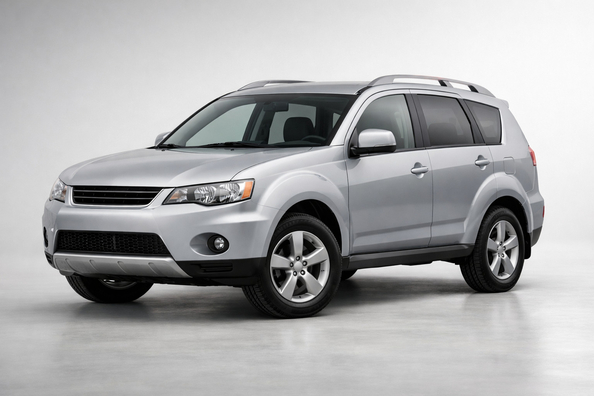
The Mitsubishi Outlander 2006-2012 is worth a look if you need a spacious family crossover with generous ground clearance, a big trunk, and a proper AWD system without pretending to be in a pricier class. Skip it if you’re looking for a quiet cabin, upscale materials, and a sense of refinement: this body is about practicality, not “premium”.
The model’s strengths are straightforward: 5 or 7 seats, 215 mm ground clearance, cargo capacity up to 2056 L, decent safety for its time, and chassis tuning that feels livelier than you’d expect. But on the used market it’s already an aging vehicle, so you should focus not on a nice trim level, but on the condition of the gearbox, suspension, electrics, and the exact specification of the specific car by VIN.
This-generation Outlander sits between purely urban crossovers and heavier family wagons. It’s not as soft and quiet as some rivals, but it offers more practical headroom: higher ground clearance, a roomier trunk, and useful solutions like the split tailgate and an available third row.
The model is best for a family that regularly drives in the city, on highways, to a country house, or on trips and doesn’t want a low passenger car. If the car is mainly for quiet daily city driving and you care most about acoustic comfort and cabin finishing, the Outlander may feel too basic.
When talking about 2006-2012, this refers to the second-generation Outlander, but it’s important to account for market differences: launch years, engines, and transmissions can vary. This body kept the same core idea throughout its run: a practical crossover with 2.4 and 3.0 L gasoline engines, FWD or AWD, and a focus on family use.
Later versions brought more interesting AWD variants, including the GT with S-AWC, and the model earned a strong safety reputation. At the same time, the simple interior and highway noise remained part of this body’s character, so updates didn’t turn it into a more upscale-feeling vehicle.
The base for most markets was the 2.4-liter inline gasoline MIVEC engine. Early versions produced about 158 hp and 220 N·m; later ones—166 hp and 226 N·m. If you want better pull, towing, or simply a more responsive throttle, look at the 3.0-liter V6: depending on year it’s 217 or 227 hp, with later versions offering up to 292 N·m.
Transmission choices vary widely: a 5-speed manual, a 4-speed automatic, a CVT, and a 6-speed automatic with the V6. For a used car, what matters isn’t what gearbox is listed on paper, but how it works in real life: any delays, jerks, humming, overheating, or odd behavior when cold and under load.
| Parameter | Data for the 2006-2012 body |
|---|---|
| Engines | 2.4 L gasoline — about 158-166 hp; 3.0 L V6 — 217-227 hp depending on year and market |
| Transmissions | 5-speed manual, 4-speed automatic, CVT, 6-speed automatic |
| Drivetrain | FWD or AWD; on some later versions — S-AWC |
| Dimensions | Length 4665 mm, width 1800 mm, height 1680 mm, wheelbase 2670 mm |
| Ground clearance | 215 mm |
| Cabin and cargo | 5 or 7 seats; 422 L behind the third row, 1025 L behind the second, up to 2056 L with seats folded |
| Fuel tank | 60 L on AWD versions or 63 L on FWD |
| Towing | About 680 kg for the 2.4 L and up to 1588 kg for the V6 |
By size the Outlander doesn’t feel bulky, but inside it’s sensibly packaged. The 2670 mm wheelbase provides solid space in the second row, and 215 mm of ground clearance lets you worry less about courtyards, snow, or dirt roads. A 10.6 m turning radius is perfectly acceptable for daily use.
The suspension is conventional: MacPherson struts up front, a multi-link setup at the rear. That’s a plus for service and parts availability. A separate practical feature is the split tailgate: the lower section can act like a bench, and with seats folded the cargo area is genuinely large for family needs.
The cabin in this Outlander is functional, not sophisticated. The main complaints from owners and today’s buyers repeat themselves: basic plastics, noticeable highway noise, somewhat firm seats in places, and not the best ergonomics. The third row, if present, should be viewed as a child/occasional solution rather than true seven-seat capacity for adults.
On the plus side, safety is well thought out: front and side airbags, curtain airbags, ABS with electronic brakeforce distribution, stability control, tire-pressure monitoring, and a strong safety structure. In many markets this body posted strong crash-test results. Higher trims may include a rear-view camera, a good audio system, navigation, and other useful options, but they depend on the market and year.
In real life it’s a convenient crossover for a family, weekend trips, and everyday hauling. In typical scenarios fuel consumption usually isn’t outstanding: roughly 10.5 to 12.5 L per 100 km depending on engine, drivetrain, tires, transmission condition, and driving style. That’s why the 2.4 L looks like the most rational choice, while the V6 makes sense for those who truly want extra pulling power or towing ability.
Before buying a used example, it makes sense to separately check transmission operation, any suspension noises, electrics, lights, A/C, and the condition of the AWD system. On older cars these are exactly the areas that most often separate a good Outlander from one that will eat your budget right after purchase.
If you look at the model realistically, its pros and cons are very down-to-earth. It’s not a car that impresses with interior emotion, but it’s a strong option for those who need space, ground clearance, and solid all-around versatility.
| Strengths | Weaknesses |
|---|---|
| Spacious cabin, 5 or 7 seats, large trunk | Third row is tight and mainly for children |
| 215 mm ground clearance and useful AWD versions | Fuel economy is average, not exceptional |
| Lively on-road behavior, especially with the V6 | Highway cabin noise and basic trim materials |
| Strong safety package for its time | On older cars you must carefully check the gearbox, suspension, and electrics |
| Practical solutions like the split tailgate | Many interesting options are available only on higher trims |
For this body, the most sensible choices aren’t decorative items, but what actually extends service life and adds everyday convenience. In the Outlander 2006-2012 catalog it makes sense to look first not at chrome, but at underbody protection, cargo-carrying solutions, and accessories that keep the interior in good condition.
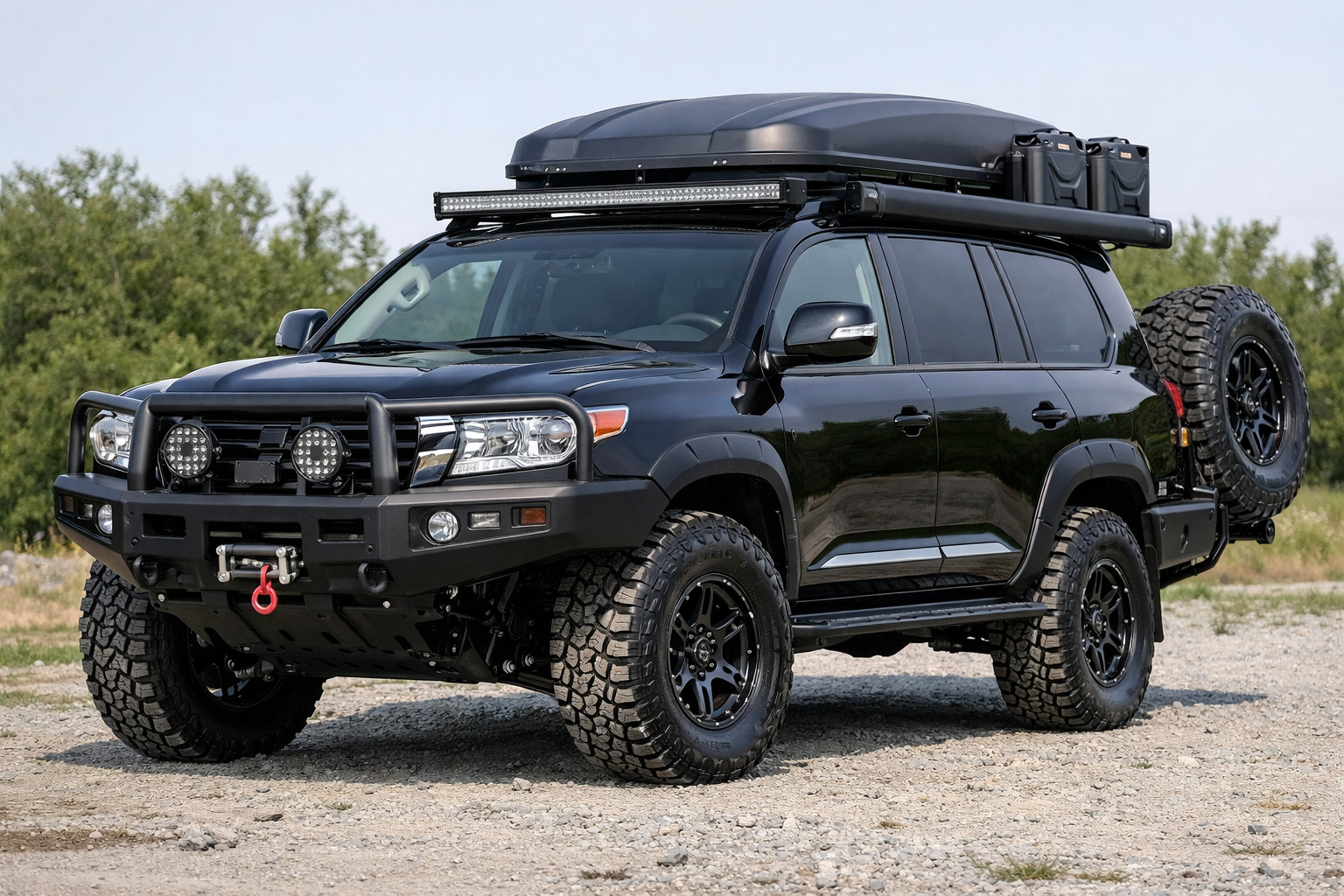
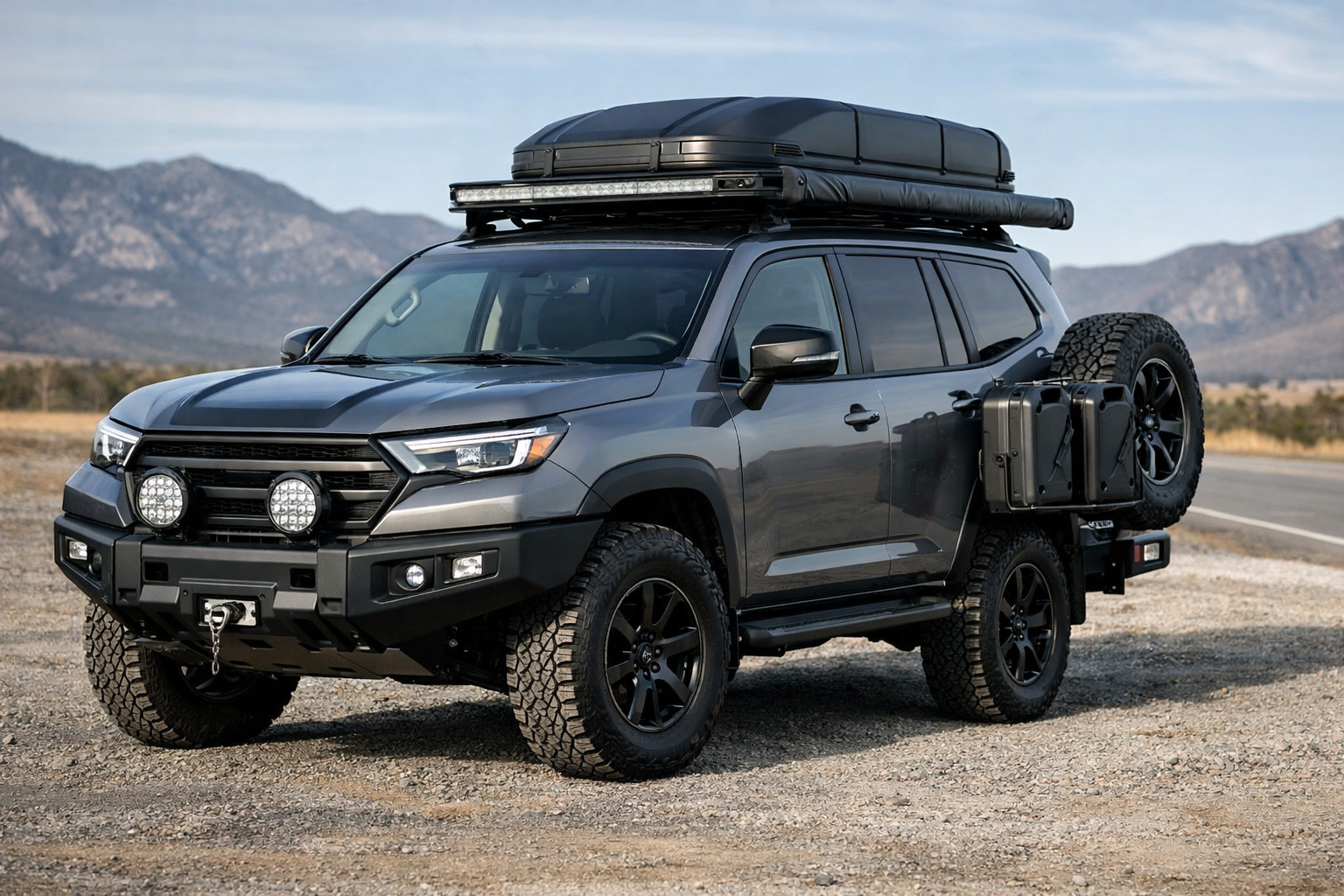
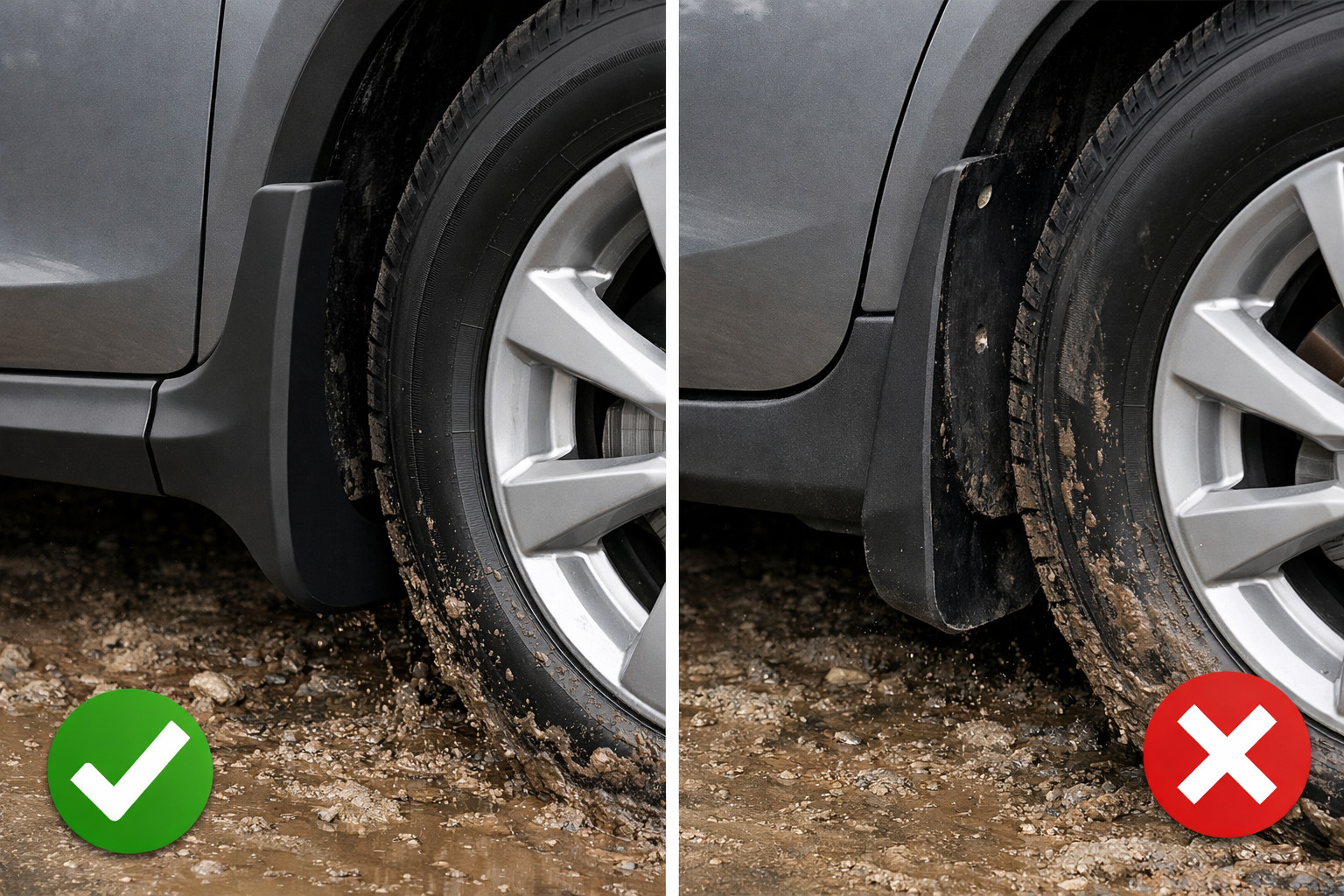
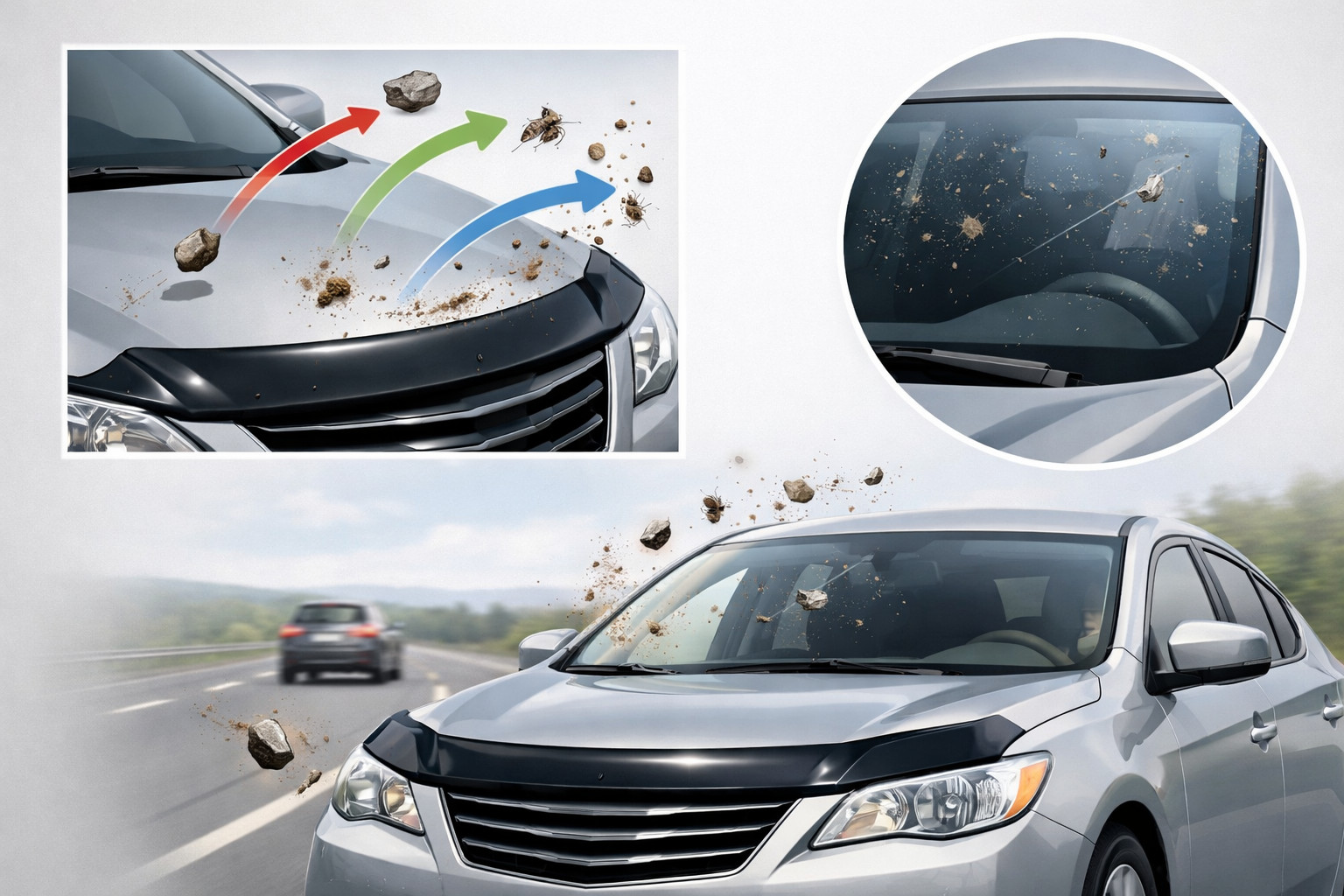
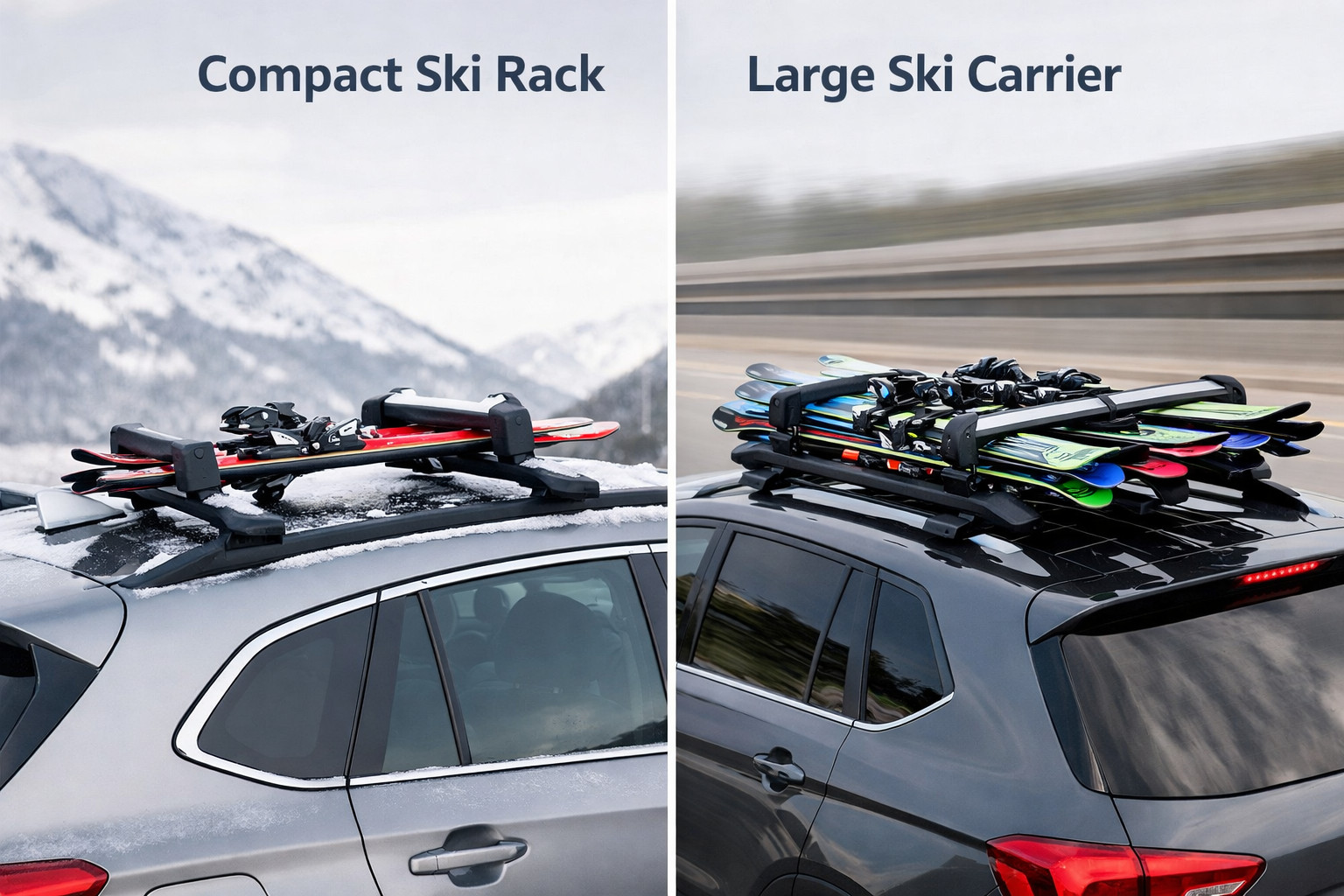
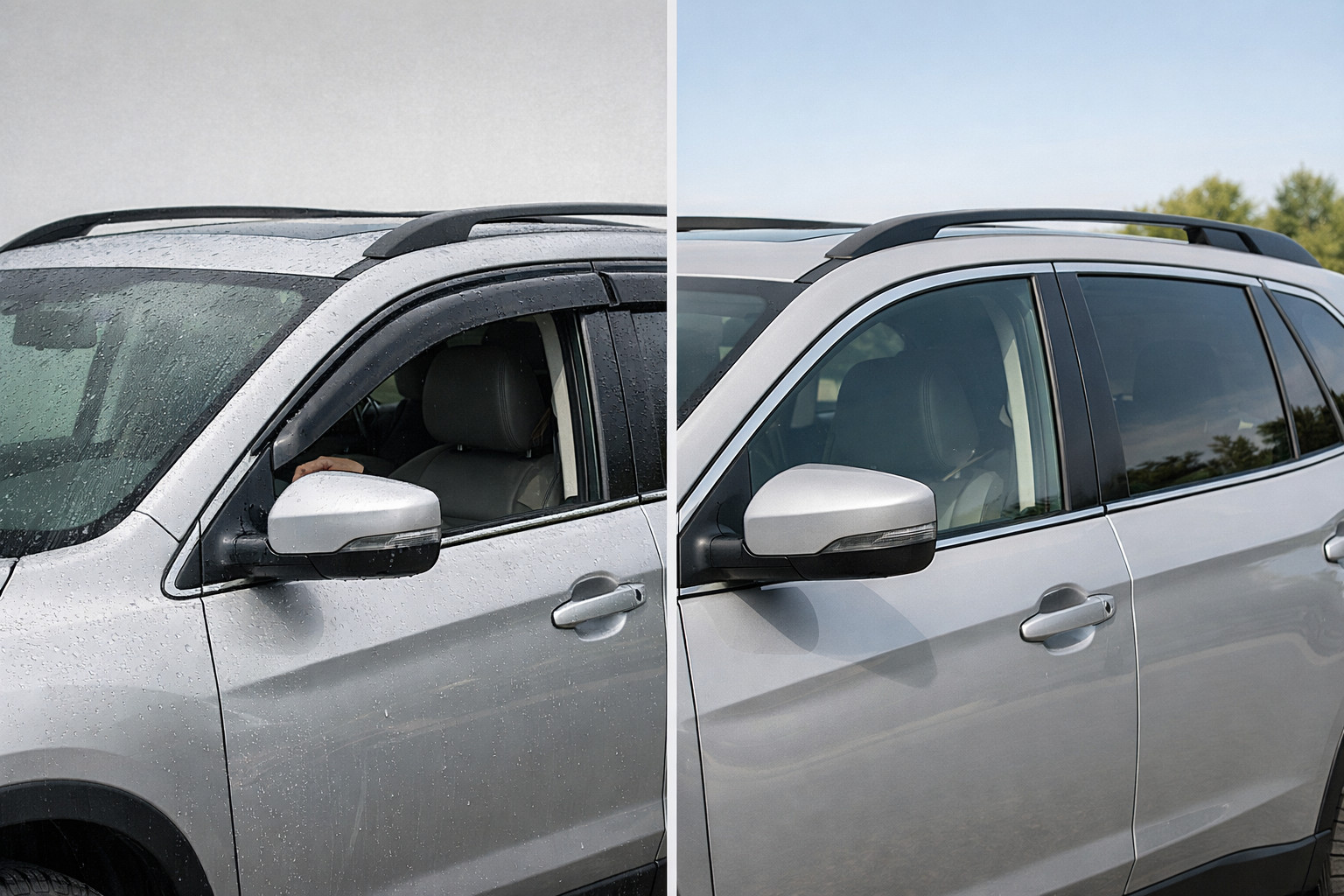
If the car drives on rough roads, the first candidate is engine undertray protection. For family trips and vacations, a useful addition is a roof rack for the rails, because the Outlander format invites you to carry more than fits inside. Everyday essentials like floor mats, wind deflectors, and trunk sill protection also make sense, but it’s best to choose them for your specific use case.
The Mitsubishi Outlander 2006-2012 is best viewed as a practical family crossover with good geometry, a spacious cabin, and solid safety—not as a quiet, upscale-feeling vehicle. The smartest scenario is a healthy 2.4 for daily use, or a V6 for those who genuinely need pulling power and a higher-grade AWD setup. If you verify the condition of the transmission, suspension, and electrics, this body can be a good buy; but if you expect acoustic comfort and a cabin finished a class above, it will disappoint. This material is based on real selection experience, hands-on practice, and real usage scenarios—not a dry list of specifications.
| ✔ | Spacious cabin and trunk: there are 5- or 7-seat versions, and the cargo area volume reaches 2056 L with the seats folded. For family trips and hauling things, it is more practical than many city crossovers. |
| ✔ | A ground clearance of 215 mm helps you drive through courtyards, snow, dirt roads, or high curbs without unnecessary worries. For everyday use, this is a noticeable advantage. |
| ✔ | The suspension is simple in design: MacPherson in front, multi-link at the rear. This makes servicing and finding parts easier compared to more complex setups. |
| ✔ | There is a decent choice of powertrains and transmissions, including a 2.4 L for relaxed driving and a 3.0 V6 for better pulling power and towing. This makes it possible to choose a car for a specific use case. |
| ✔ | In terms of safety, the body looks solid for its time: there are front and side airbags, curtain airbags, ABS, stability control, and a strong safety cell. In many markets, the model showed good crash test results. |
| ✘ | The cabin is simple in terms of materials and not very quiet on the highway. If acoustic comfort and the feel of a “premium” interior matter, this body may not be a good fit. |
| ✘ | The third row of seats is cramped and is more suitable for children or short trips. It does not work as a full seven-seat setup for adults. |
| ✘ | Fuel economy is average rather than outstanding: in real-world use, consumption is usually around 10.5–12.5 L/100 km. This is especially noticeable in all-wheel-drive versions and with the V6. |
| ✘ | On the used market, this is already an older car, so before buying it is necessary to carefully check the transmission, suspension, electrics, and all-wheel drive. The condition of a specific example is more important than the trim level on paper. |
Shipping to EU
Wholesale and retail
Own warehouse
Опис продукту
Подарунки не надаються при оформленні покупки у кредит під 0,01% або при покупці частинами.