12.06.2026
142
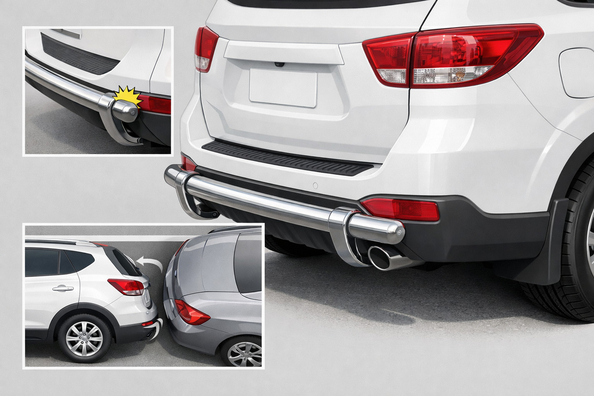
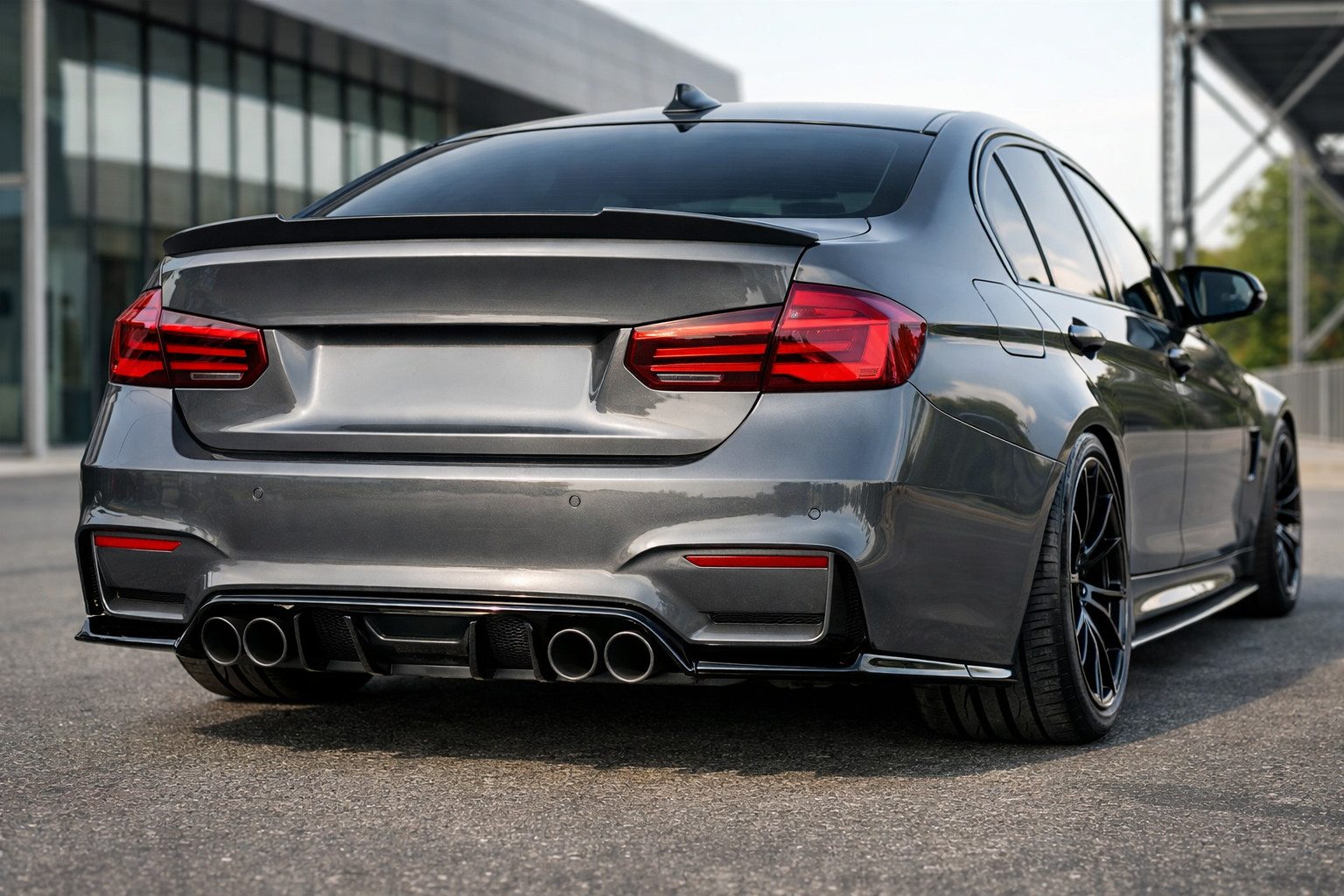
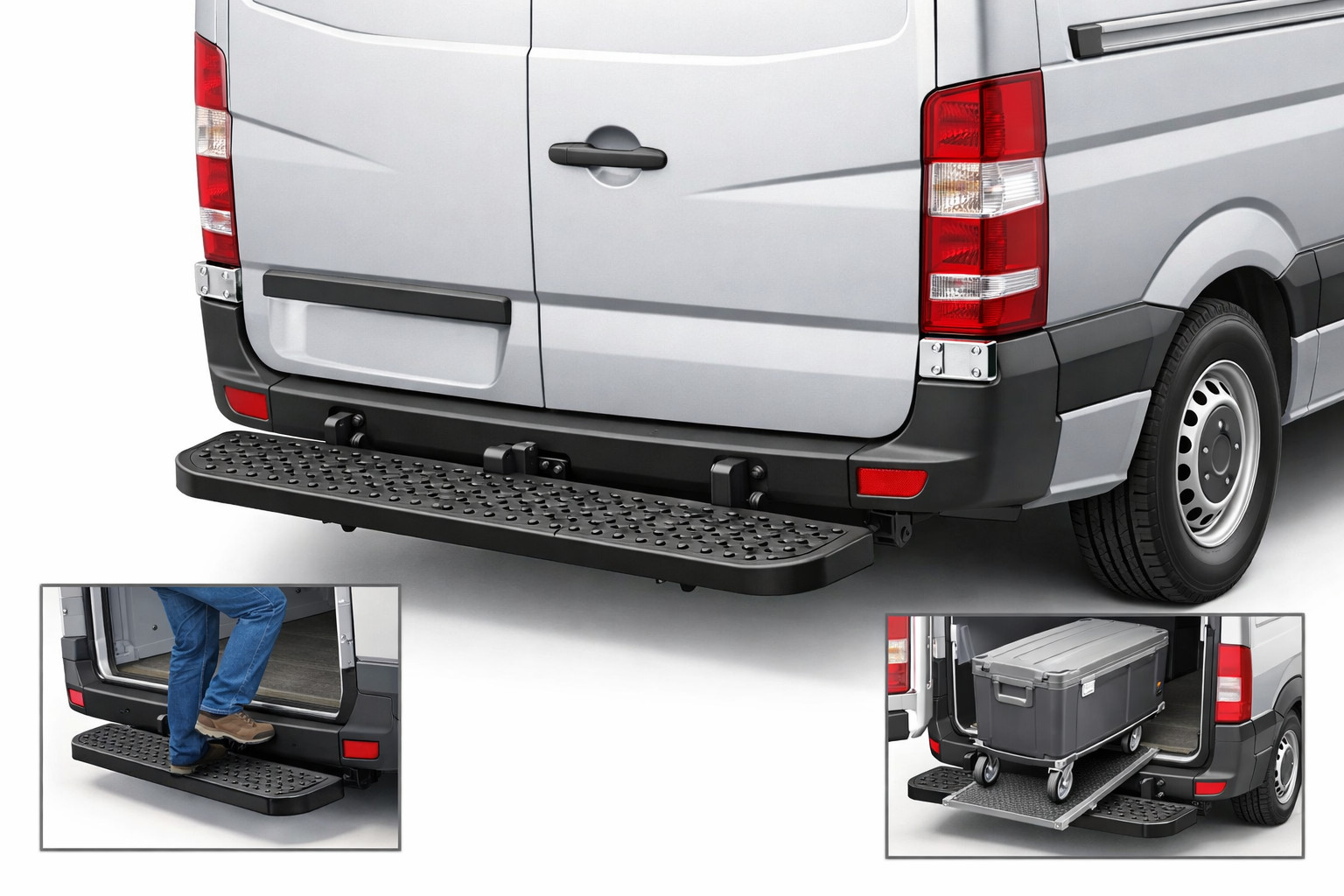
Yes, a rear bar can protect the bumper, but only partly. It really does reduce the risk of scratches, scuffs, and very light parking taps—especially when the contact happens in the exact area it covers. But it is not a substitute for the factory bumper assembly, which absorbs impact energy at low speed.
The problem is that owners often mix up three different tasks: protecting the paint from luggage, protection from minor city contact, and protection from an impact. Each one requires a different solution. A rigid bar is not always helpful, and if it sits in the parking sensor zone, it can also make them work worse.
The rear bumper suffers in two typical scenarios: low-speed parking and everyday trunk loading. In the first case you get scuffs and local taps; in the second—scratches on the upper edge.
The second reason is the limitations of the assistance systems themselves. Parking sensors work only at low speed, and low, thin, or short obstacles under the bumper may not be detected. So even a car with sensors is not protected from contact with a post, curb, or a protrusion that sits below their detection zone.
First, look at the location of the damage. If only the upper edge is affected, the cause is almost always trunk loading, not parking. If the scuffs are in the center or closer to a corner, that’s a typical result of minor contact while parking.
Next, check how the sensors behave on a clean car. Drive very slowly toward a large box or a flat obstacle: the system should warn in advance, and a continuous tone usually appears only at a short distance—around 30 cm. If after installing a bar the sensors beep too early or, наоборот, stay silent until the last moment, the problem may be the accessory.
Separately, assess the type of obstacles you face. If these are curbs, low posts, or metal pipes below the bumper line, a bar won’t solve the main issue, because the contact happens below or to the side of its working zone.
DD Tuning expert comment: The most common mistake is installing a bar without checking whether it enters the parking sensor sector. The second typical story is looking for impact protection where you only need scratch protection. Before buying, it’s worth honestly defining the scenario: trunk loading, city parking, or an already damaged bumper.
| Symptom | Likely cause | What to do |
|---|---|---|
| Scratches only on the upper edge of the bumper | Contact with luggage while loading | Install film or a low-profile edge protector, not a bulky bar |
| Light scuffs in the center of the bumper after parking | Minor city touches at very low speed | Consider soft protection or a correctly selected bar, if it doesn’t interfere with the sensors |
| Parking sensors started triggering falsely after installation | The accessory is in the sensor zone | Check positioning, relocate it, or отказаться from this solution |
| There was contact, but the sensors didn’t warn | Low or thin obstacle in a blind spot, dirt or ice on the sensors | Clean the sensors, don’t rely only on the sound, visually control the lower zone |
| After an impact, the plastic cracked or the bumper shifted | Damage is no longer cosmetic | Inspect the bumper itself and the mounts, not mask the issue with an accessory |
The best results come from choosing the right solution for your specific scenario. For scratches on the upper edge, the most effective options are clear film or a neat protector trim: they cover exactly the area that suffers from luggage. For very light parking contact, soft protection works better than a rigid decorative element.
A rear bar makes sense when you want to reduce the risk of scuffs in a specific bumper area and you know for sure it won’t block the sensors. It can take a localized tap, but it doesn’t replace the factory bumper structure and isn’t designed for a noticeable удар.
Another thing that truly helps is testing the parking sensors in real conditions. Clean sensors, maneuvering speed within the system’s operating range, and the habit of not relying on sound when approaching low obstacles often provide more benefit than any accessory.
What doesn’t work is expecting a metal bar to save you from a strong rear shove. If the impact goes beyond a very light contact, what matters is not the accessory, but the condition of the factory bumper, its energy absorber, and the mounts.
Universal solutions without checking fitment work poorly. They often don’t cover the bumper edges, sit too high or too low, and create a false sense of protection. Likewise, the benefit of stickers and trims on a repainted bumper without proper surface preparation is questionable.
Ignoring the cause also helps only briefly. If you regularly hit low obstacles, the issue is not that the bumper is “weak,” but the maneuver geometry, a blind spot, or sensor behavior.
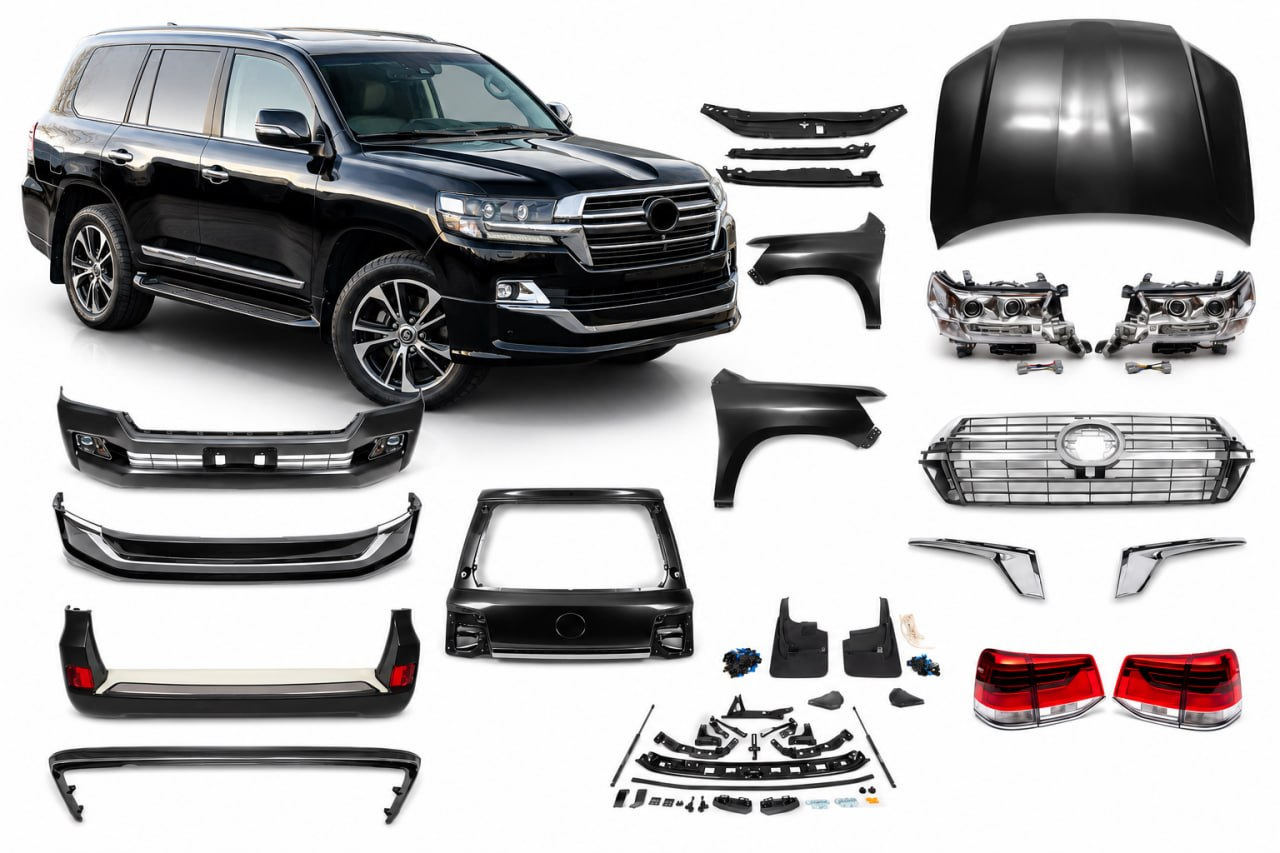
If you need protection from light parking taps in the central zone, it makes sense to look at a rear bar. If your main headache is scratches from suitcases and bags, it’s more logical to look for a solution for the rear bumper. If the plastic has already cracked, the mounts are broken, or the bumper is misaligned, then you don’t need accessories—you need rear bumpers or restoration of the factory components.
The simple rule is: install an accessory when you need to reduce cosmetic wear or minor contact; replace parts when the assembly is already damaged. Hiding a cracked bumper with a bar is money spent without a real result.
| Solution | When it works | When it’s not worth spending money |
|---|---|---|
| Rear bar | Minor contacts in the zone it actually covers, and sensor compatibility is confirmed | If you expect protection from a serious impact or have parking sensor issues |
| Soft bumper protection | City parking with light touches and risk of scuffing | If you need rigidity or the bumper is already deformed |
| Clear film or an edge protector trim | Scratches from luggage, minor marks on the upper section | If the problem is rear impacts, not items contacting the edge |
| Sensor diagnostics and cleaning | False triggers, late warnings, seasonal dirt and icing | If the sensors are fine and the obstacle is simply lower than their detection zone |
| Replacing the bumper or its components | Cracks, misalignment, damaged mounts after an impact | If you only need to protect the paint from everyday use |
From a customer’s experience: a crossover owner was specifically looking for a rear bar after several minor parking contacts. After an inspection, it turned out the main damage wasn’t from impacts, but from loading the trunk, so he chose an edge protector instead of a bulky accessory. As a result, the upper part of the bumper stopped getting scratched, and the parking sensors kept working normally.
A rear bar protects the bumper, but in a narrow scenario: from scuffs, light parking taps, and some minor contact. It does not replace the factory energy-absorbing assembly, does not guarantee protection from a strong shove, and can create issues if installed in the sensor area. That’s why it’s worth spending money only after a simple diagnosis: where exactly the damage appears, what the sensors detect, and what type of contact keeps repeating for you. This material is based on real подбор experience, hands-on practice, and real use cases—not on the myth that one accessory solves every rear bumper problem.
| ✔ | The rear bar can reduce the risk of scratches and scuffs in the area of the bumper it actually covers. This is especially useful during very light parking bumps. |
| ✔ | It can partially absorb a local touch during city parking when the damage is still only cosmetic. In other words, it makes sense for minor contacts, not for serious impacts. |
| ✔ | If the main issue is light contact in the central area of the bumper, the bar can be a practical option provided it is compatible with the parking sensors. The author clearly notes that this solution should be considered only after checking the fit. |
| ✔ | For protecting against everyday cosmetic wear, the accessory can be useful when the usage scenario is clearly understood. It helps exactly where reducing minor contact is needed, not as a full replacement for the bumper. |
| ✘ | The rear bar does not protect against a noticeable удар and does not replace the factory bumper with its energy absorption. If the push is stronger than a very light touch, the accessory no longer solves the problem. |
| ✘ | It can worsen the operation of the parking sensors if it falls within the sensor zone. In that case, false or delayed warnings are possible. |
| ✘ | The bar will not help if the main contacts happen below or to the side of its working area, for example against curbs, low posts, or pipes. So for some typical city obstacles, it is simply ineffective. |
| ✘ | Universal solutions without checking the fit can create a false sense of protection. They often do not cover the needed section of the bumper or sit poorly relative to the sensors. |
Shipping to EU
Wholesale and retail
Own warehouse
Опис продукту
Подарунки не надаються при оформленні покупки у кредит під 0,01% або при покупці частинами.