18.08.2026
171
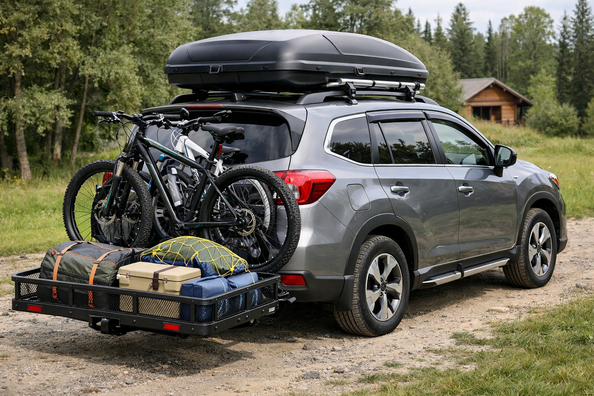
This plan is for those who haul tools, bags, rubber boots, seedlings, kids’ stuff, and seasonal gear to the country house—and a few times a year also head off on vacation with a packed cabin. The smartest approach here doesn’t start with a roof box: first you need to remove dirt and chaos from the cabin and trunk, then add the right way to carry cargo, and only after that think about more expensive extras.
You can’t name an exact kit without the car model, year, and roof type: a bare roof, roof rails, factory mounting points, and the presence of a tow hitch all come with different constraints. But the selection logic is the same: light and bulky items are better moved to the roof, heavy and awkward-to-lift items— to the rear, and wet, dirty, and loose cargo shouldn’t live in the cabin.
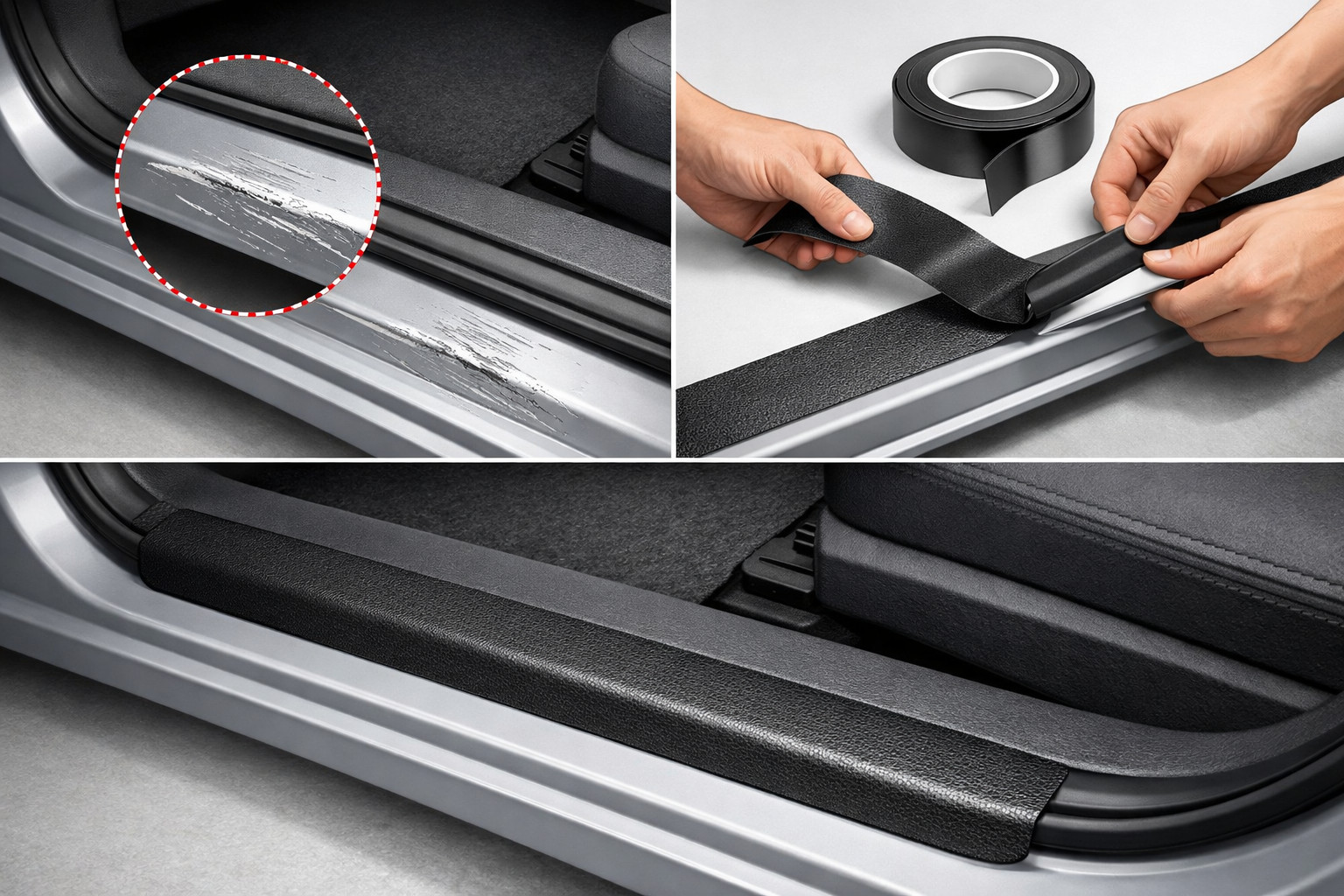
In a country-house and seasonal use case, the upgrade should solve three things: keep the cabin clean, free up space for passengers, and provide a safe way to carry cargo that doesn’t fit inside. If your car regularly carries wet jackets, boots, folding chairs, shovels, or bags of soil, the biggest day-to-day impact comes not from an external carrier, but from proper floor and trunk protection.
Next, the cargo type matters. For light but bulky items like duffel bags, sleeping bags, skis, or winter clothing, a roof box is more convenient. For heavy and oversized items that are inconvenient to lift overhead, a rear hitch platform makes more sense. If the load is tall, non-standard, and not afraid of weather, an open basket may be enough—but that’s a narrower scenario.
Step one is all-weather floor mats and a cargo liner. They address what happens weekly in “country-house mode”: water, sand, salt, clay, grass, wet shoes, and spilled small cargo. It’s not a flashy upgrade, but it delivers the most value on every trip.
The second priority is the foundation for carrying external cargo—but only after validating your scenario. If you often run out of volume, look to the roof and first check the mounting type, roof load limit, and crossbar compatibility. If you regularly haul heavy items, what matters more than a “nice roof box” is having a hitch with proper tongue weight capacity—without questionable adapters.
| Upgrade | Why it’s needed | Who it really benefits |
|---|---|---|
| All-weather floor mats | Keep water, sand, snow, and dirt under your feet—not in the carpet | Those who often drive in dirty shoes, carry kids, pets, or country-house gear |
| Cargo liner | Protects the trunk floor from moisture, soil, stains, and small cargo sliding | Those who carry bags, seedlings, tools, jerry cans, wet items |
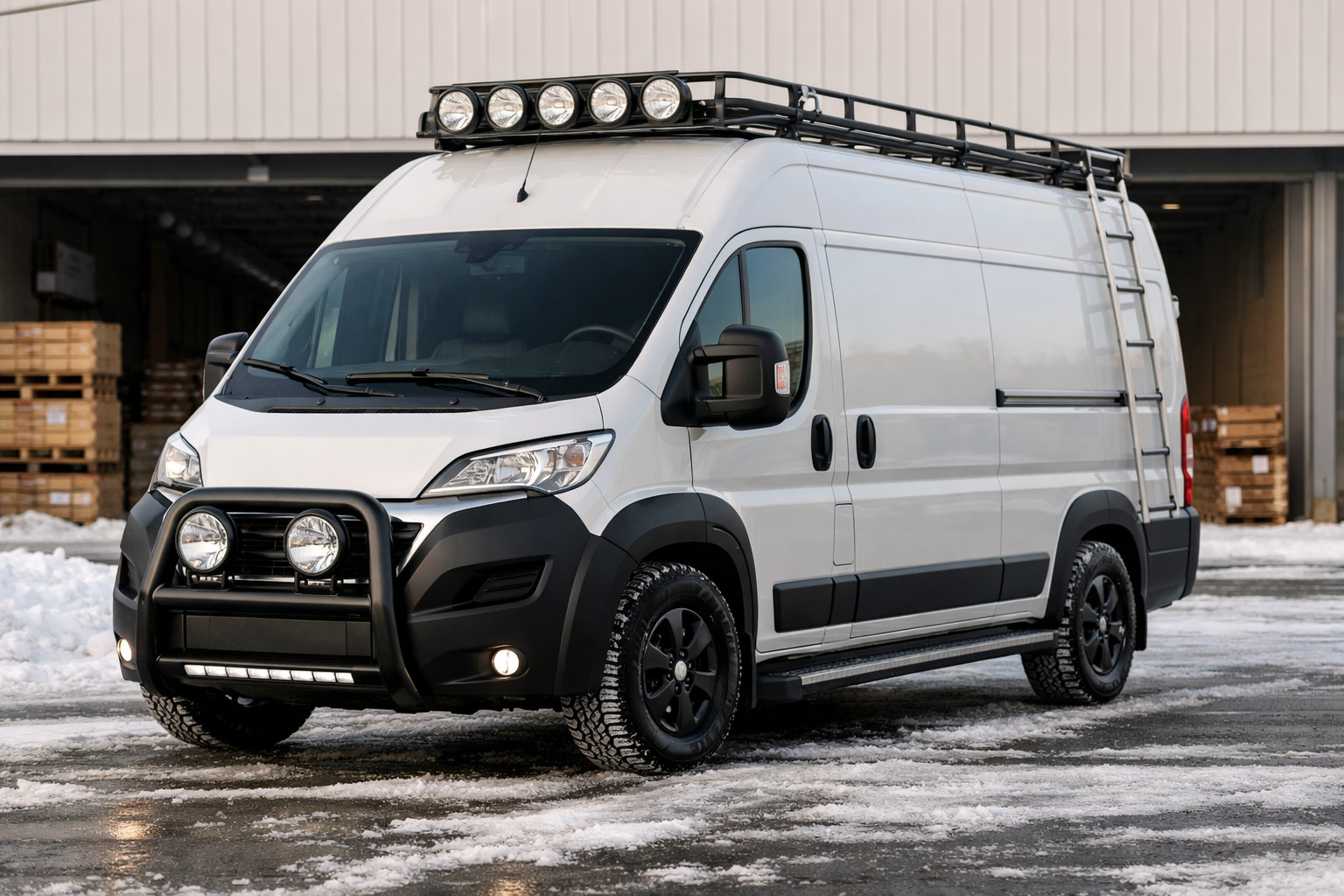
| Crossbars or a basic roof rack | Create a base for a roof box or basket | Those who genuinely lack interior space and are ready to check roof limits |
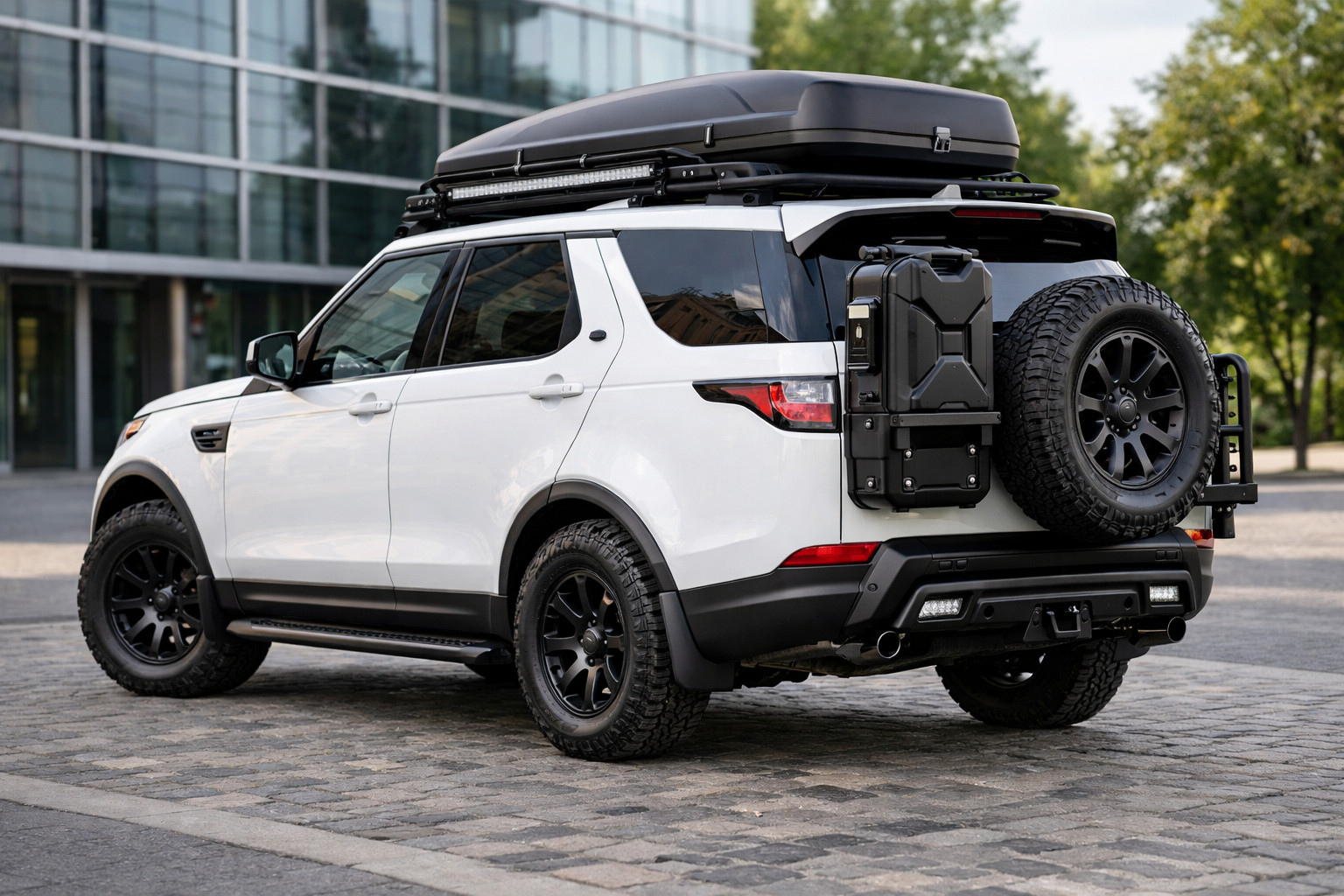
| Roof box | Adds enclosed volume without sacrificing cabin space | Those who carry light but bulky or long cargo |
| Hitch-mounted cargo carrier | Provides lower loading height, easier access, and better practicality for heavy items | Those who have a tow hitch and regularly haul heavy or bulky cargo |
| Open basket | Works for non-standard items that don’t need full protection from precipitation | Those who occasionally carry tall, dirty, or uneven items |
If your trips are infrequent, an external carrier can be postponed longer than it seems. But quality cabin and trunk protection works even when there’s no roof box on the car at all.
DD Tuning expert comment: The most common mistake is buying a big “future-proof” box and then driving every day with extra height, noise, and an almost empty volume. Another typical story is not checking the roof type or hitch tongue weight, and ending up with incompatible mounting or a heavily reduced permissible load. If the cargo is regularly heavy, don’t force the roof to do the job of a rear platform.
After mats and a cargo liner, the second stage is one external carrier for your main scenario. If what you lack is volume, install crossbars and then a roof box. If what you lack is convenience for heavy cargo, look at a hitch platform. Not everyone needs both options at the same time.
It’s important not to rush the numbers here. For a roof box, it’s not just “how much it holds,” but the payload: the car’s roof limit minus the crossbars’ weight minus the box’s own weight. For a tow hitch, the reference is the tongue weight rating of your specific setup. If the body style, generation, or rail type is different, the mounting kit and real limits can change too.
If you often drive on dirt roads or encounter strong crosswinds, it’s better not to push the load rating right to the maximum. For roof systems this is especially important: a formally compatible kit doesn’t mean you should load it to the brim on every trip.
In pricier versions, the point isn’t “status,” but details you feel every day: a more precise mat fit, a stiffer box, dual-side opening, quieter crossbars, faster installation, and less play. If you drive highways weekly or constantly install and remove the system, it’s not cosmetic—it’s real everyday convenience.
Decorative rails, trims, or a very expensive profile purely for looks are neither the first nor the second purchase in this scenario. When a car carries dirt and cargo, it’s better to invest in what actually washes clean, holds weight, and doesn’t annoy you in use.
The point is simple: don’t buy outside your scenario. For bags, tools, and heavy cargo, the problem is usually not roof-box liters, but the loading method. For wet shoes and dirt, the problem isn’t roof rails—it’s that the cabin has no protection.
| Install first | Can be postponed | Not essential | Logic |
|---|---|---|---|
| All-weather floor mats | Premium aero crossbars | Decorative roof rails | Dirt appears immediately, not after buying a roof box |
| Cargo liner | Expensive organizers and roof-box accessories | Maximum volume “just in case” | First protect the trunk and understand what you actually carry |
| Check the roof or tow hitch for your body style | Quieter or nicer-looking system profile | A second external carrier in parallel | Compatibility and limits matter more than looks and redundant duplicates |
| A roof box for light bulky cargo or a platform for heavy cargo | Quick-release solutions | A basket if the items are weather-sensitive | One correctly chosen carrier covers most needs without overpaying |
More expensive solutions make sense when the car truly lives in this scenario, not when it goes out with a roof box twice a year. For light bulky cargo, it’s logical to look at roof boxes; for heavier items and lower loading height—hitch-mounted carriers; if you’re starting with the base for a roof system, first check roof crossbars. Paying more is justified when you get a more precise fit, a stiffer structure, less noise, and easier day-to-day installation.
If trips are infrequent, premium isn’t required. But if you constantly drive highways, often remove the system, carry loads in the wind, or use it year-round, a more expensive kit usually pays off not by the logo, but by real convenience.
From a customer’s experience: the owner of a crossover initially wanted a large roof box because it seemed like it would solve all country-house trips. After reviewing the use case, it turned out that weekly he mostly carried wet shoes, garden tools, and a few bags, while a long family trip happens only a few times a year. As a result, mats and a trunk liner were installed first, and the external carrier was added later for a specific type of cargo—without overpaying for unnecessary volume.
For country-house trips, cargo, and seasonal outings, what works best isn’t a long list of accessories, but the right sequence: first protect the cabin and trunk, then add one carrier for your type of cargo, and only then move to pricier, more comfortable solutions. If the items are light and bulky, the roof often makes more sense; if they’re heavy, dirty, or need frequent access, a rear platform is more practical.
The material is based on real selection experience, practice, and real-world use cases, so usefulness ranks above looks. Before buying, you still need to verify compatibility for your specific body, the roof or hitch limits, and the real height and weight in your everyday route.
| ✔ | It first solves the basic problems of the cottage season: all-weather floor mats and a cargo liner really protect the cabin and trunk from water, sand, clay, and wet items. This is especially useful if you often carry children, equipment, or dirty shoes. |
| ✔ | It lets you choose a carrier based on the type of cargo rather than buying a universal solution at random. Light and bulky items are more convenient to carry in a roof box, while heavy items that are awkward to lift are better on a hitch-mounted platform. |
| ✔ | This approach saves space in the cabin and preserves passenger comfort. This is important for seasonal trips, when people and a lot of belongings are traveling in the car at the same time. |
| ✔ | There is a practical focus on checking body compatibility, roof type, and the hitch’s vertical load. This reduces the risk of buying a mount that won’t fit or will be overloaded. |
| ✔ | The upgrade order is logical: first protection, then one external carrier, and only after that more expensive options. Such a sequence helps avoid overpaying for unnecessary volume or a second cargo box without a real need. |
| ✘ | Without a specific car model and roof type, you cannot immediately name the exact kit, so before buying you will have to check the limits and compatibility separately. For some cars, this can significantly narrow the choice. |
| ✘ | Roof solutions add height, noise, and require load monitoring, especially on the highway or in windy weather. For everyday trips, this may be less convenient than it seems at first. |
| ✘ | A hitch-mounted platform is useful only if the hitch is already there and has sufficient vertical load. If not, you will either have to put this option off or look for more complicated and less successful workarounds. |
| ✘ | An open basket is suitable only for unusual items that are not afraid of the weather, so it is not universal. In rain, dust, or snow, such an option will not properly protect the cargo. |
Shipping to EU
Wholesale and retail
Own warehouse
Опис продукту
Подарунки не надаються при оформленні покупки у кредит під 0,01% або при покупці частинами.