07.09.2026
50
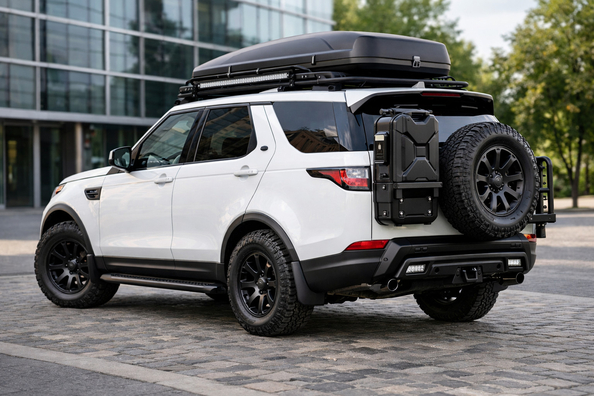
This upgrade plan is for a Land Rover Discovery 5 owner who drives around the city every day, but regularly heads out on trips—out to the country house, into the mountains, or on a family vacation. This isn’t a “show tuning” scenario, but about a cleaner interior, more peace of mind in parking lots and on the highway, sensible cargo carrying, and less everyday small-item chaos.
With a Discovery 5 it’s easy to spend the budget in the wrong place: start with a body kit, side steps, or a roof box, and only then remember floor mats, the trunk, and a camera. The practical order is different: protection and control first, then cargo organization, then solutions for a trailer, bicycles, or extra volume—and decorative items last.
For the “city + travel” scenario, the Discovery 5 needs to cover four tasks: not collect dirt in the cabin, not turn the trunk into a pile of loose items, give the driver extra control in disputable road situations, and keep a cargo reserve for long trips. If it’s a family vehicle, add children’s gear, strollers, sports equipment, and constant trunk loading.
An important point: compatibility of some accessories on the Discovery 5 depends on model year and trim level. This especially applies to the roof, trunk organization, and certain interior solutions, so before buying it’s worth checking not only the model name, but the exact vehicle specification.
This set delivers the most benefit without being tied to trends. It doesn’t require changing how you use the vehicle, doesn’t take up space, doesn’t add extra noise, and doesn’t create new limitations.
| Upgrade | Why it’s needed | Who really benefits |
|---|---|---|
| Rubber floor mats | Collect water, snow, sand, and dirt; make cleaning easier | Anyone who drives daily, parks outdoors, or often gets in wearing wet shoes |
| Trunk mat with raised edges | Protects the trunk from moisture, dirt, and everyday leaks | Families, country-house owners, travelers, pet owners |
| Mud flaps | Reduce abrasive dirt on the body and rocker panels | Those who drive a lot on highways, dirt roads, or in shoulder seasons |
| Dash cam | Provides recordings of driving and parking; reduces risks in disputable situations | Anyone who drives in the city often, parks in courtyards, and goes on long trips |
| Trunk organizer | Separates wet, dirty, and delicate items | Those who постоянно keep bags, tools, children’s items, or shopping in the trunk |
| Tow bar | Needed for a trailer or a bike rack | Those who actually tow a trailer or carry bikes, not just want it “just in case” |
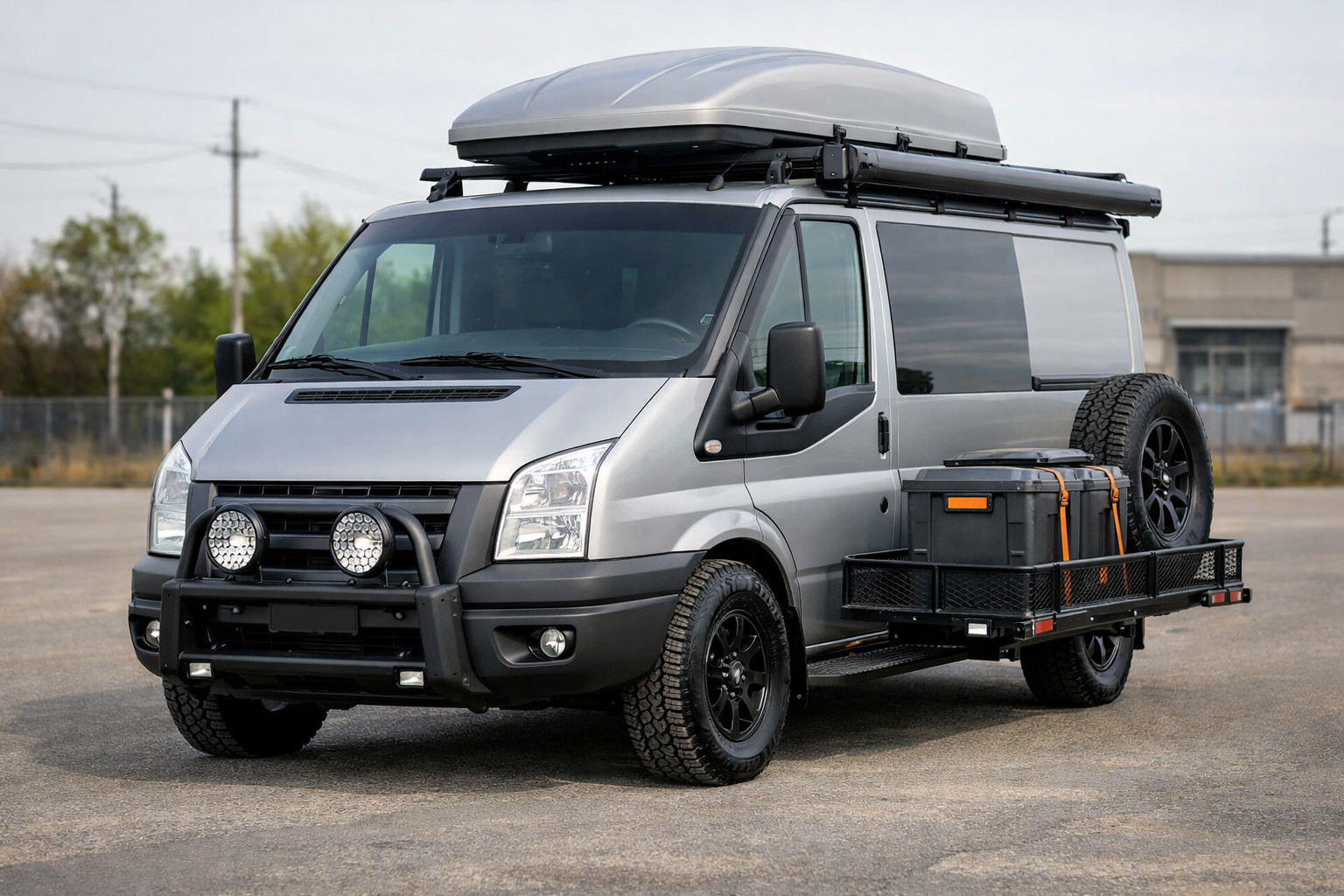
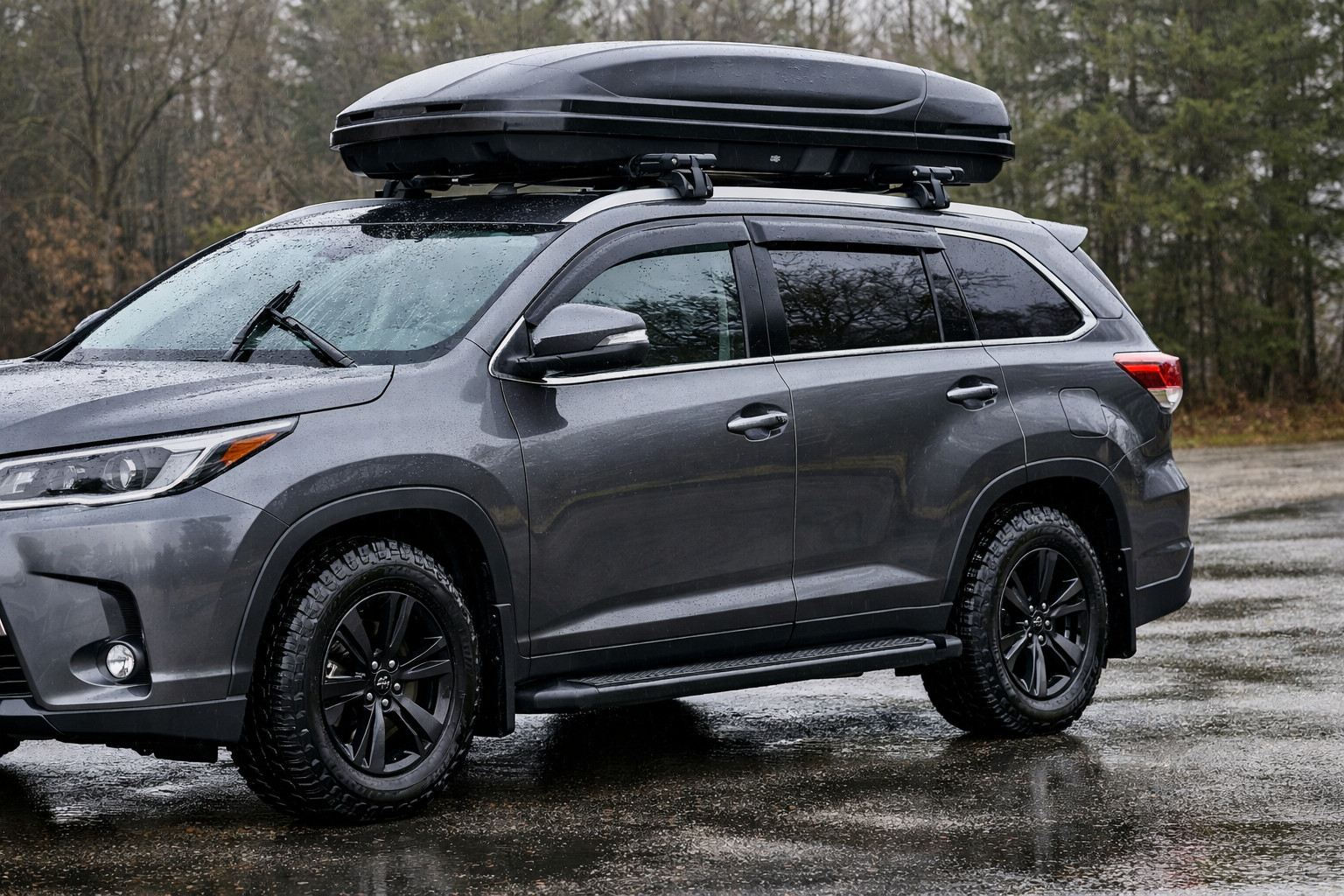
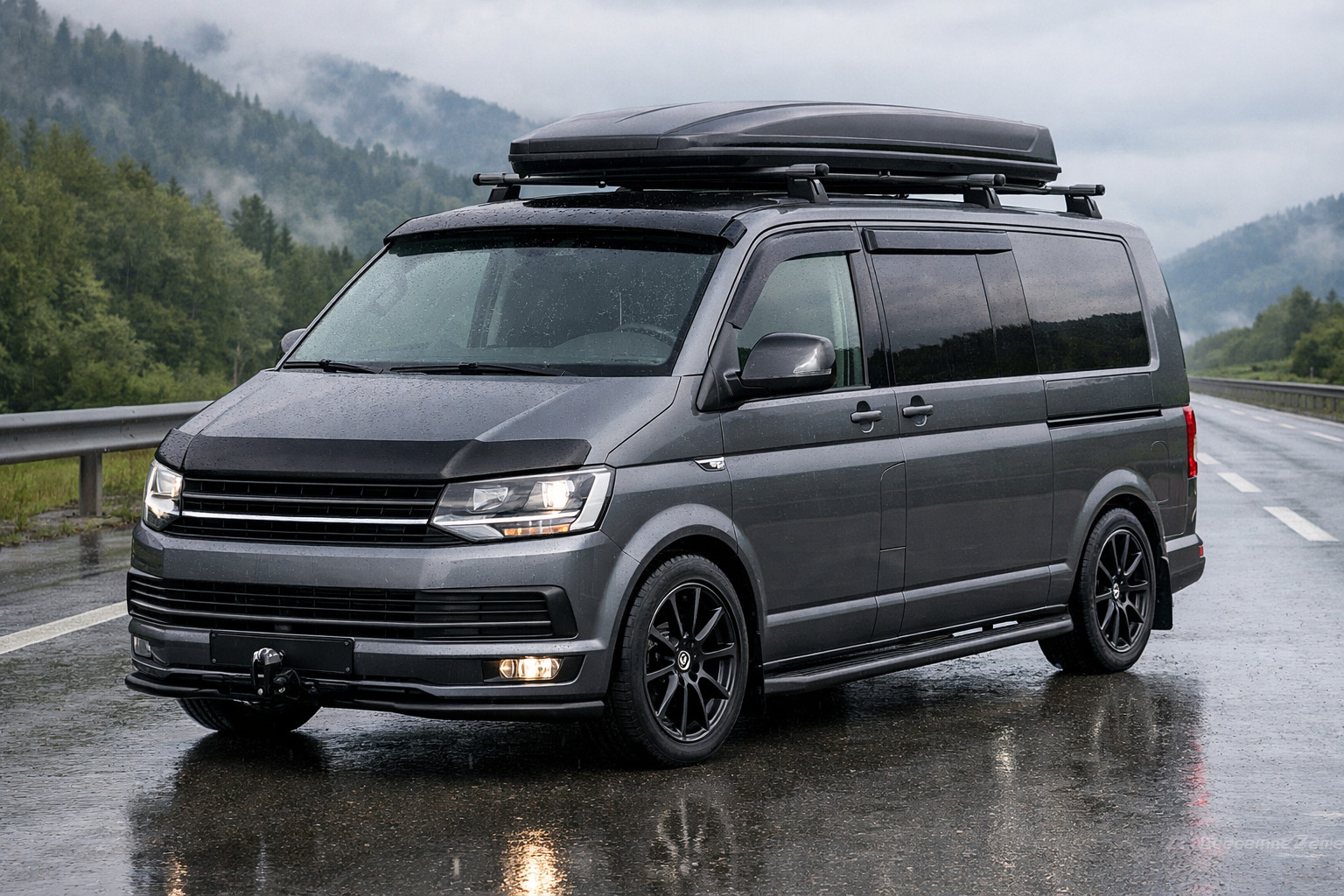
| Roof rails, crossbars, roof box | Add extra volume for long trips | Those who regularly travel with a full cabin and truly can’t fit everything in the factory trunk |
| Side steps | Make entry easier and improve access to the roof | Families with children, older passengers, those who often use the roof |
DD Tuning expert comment: the most common mistake with the Discovery 5 is buying an expensive item not for your real scenario, but for an image in your head. This is especially true for the roof, side steps, and body kits: people install them before they’ve solved cabin dirt, trunk organization, and basic safety. The second typical mistake is not checking compatibility by model year and trim, and then paying extra for mounts, wiring, or modifications.
After basic protection, it’s logical to move on to organization. For the Discovery 5 that means a trunk organizer and seat-back organizers: they don’t change the character of the vehicle, but they remove small clutter that makes trips more tiring than the road itself.
Next—only scenario-based purchases. If you have a trailer or need a bike carrier, then a tow bar makes sense. Don’t look for the cheapest route here: to work properly you need not just the “hardware,” but also wiring, a module, and correct electrical setup. If you’re planning bikes, calculate the weight of the carrier and the bikes themselves right away, not just the platform shape.
Roof solutions are also a second stage, not the first. They’re justified only when the trunk truly isn’t enough. On the Discovery 5 you need to consider whether roof rails are present, the load limits of specific components, the speed limits for a roof setup, and a simple thing: when crossbars aren’t needed, it’s better to remove them rather than drive with them all the time.
In this group I’d include side steps, window deflectors, decorative trims, and most body kits. They aren’t useless by themselves, but their benefit is narrow. Steps are appropriate if children or older passengers get in often, or if you regularly use the roof. But if the main task is city driving and travel without a trailer and without complex cargo, they won’t deliver the effect you get from mats, mud flaps, or a camera.
A body kit is more of an appearance story. For an everyday city-and-road scenario it adds almost nothing in practical terms, but it eats the budget that is usually more needed for protection, cargo, and functional items.
Most often, people waste money on things not backed by real use. First is a roof box “just in case.” If you go on vacation twice a year, it’s cheaper and smarter to first get the trunk under control, and only then decide whether you truly lack volume up top.
Second is a cooler box or bag as the first purchase. It’s a nice add-on, but not a basic need, and expectations for this accessory are often overstated. Third is decorative body kits and chrome before closing out interior protection, body dirt, and video recording. Fourth is a tow bar without a trailer, boat, or bike rack. Fifth is steps purely for looks, if there’s no need for easier entry or roof access.
| Install first | Can be postponed | Not required | Logic |
|---|---|---|---|
| Rubber floor mats | Trunk organizer | Decorative chrome | Dirt and water show up every day, not a few times a season |
| Trunk mat with raised edges | Seat-back organizers | Cooler box | First protect the surfaces, then tidy up the small stuff |
| Mud flaps | Tow bar | Side steps | A tow bar is for a specific task, not as a universal accessory |
| Dash cam | Roof rails, crossbars, roof box | Body kit | Roof and exterior add-ons make sense only after the basic needs are covered |
If the Discovery 5 regularly goes on vacations with a full cabin and the factory trunk truly isn’t enough, then it’s justified to look at roof solutions. But it’s important not to buy a kit blindly: you need to check whether roof rails are present, compatibility by trim level, the weight of each element, and remember the speed limits for driving with a load on the roof.
If the vehicle is a family car, with frequent entry for children, older passengers, or constant roof access, then side steps can be justified. If there are no such tasks, it’s an expensive everyday convenience rather than a priority upgrade.
A body kit makes sense only when the practical package is already covered and the owner consciously wants to change the vehicle’s look. For city driving and travel it doesn’t replace interior protection, cargo organization, or towing/roof solutions.
From a customer’s experience: in a similar scenario, a Discovery 5 owner initially wanted to install a roof setup and steps because the car often went on vacations. After reviewing real usage, it turned out the biggest annoyances were a wet interior, a messy trunk, and lack of recording on daily drives. In the end, he started with mats, a trunk mat, mud flaps, a camera, and trunk organization, and left the roof question for when fully loaded trips became regular.
For a Land Rover Discovery 5 in the “city + travel” scenario, the smartest order is simple: protect the interior and body first, then add control and order in the trunk, then a tow bar or roof only for a real task, and only lastly items for appearance. This approach helps you avoid overpaying for flashy but secondary accessories. The material is based on real selection experience, practical work, and real usage scenarios—not a list of trendy add-ons.
| ✔ | Rubber floor mats and a trunk mat with raised edges really protect the cabin and cargo area from water, dirt, wet bags, and kids’ stuff. This is especially useful for daily city driving and trips to the country or on vacation. |
| ✔ | Mud flaps reduce the amount of sand, water, and small stones on the sides of the body and around the sills. They’re practical for the city, highway driving, and the off-season, when the car gets dirty quickly. |
| ✔ | A dash cam records trips and parking, which reduces risks in disputed situations. It works both in city traffic and on long trips, without any extra hassle in everyday use. |
| ✔ | A trunk organizer helps separate wet, dirty, and delicate items so the trunk doesn’t turn into a chaotic storage space. For family trips, this is more convenient than just having a large empty compartment. |
| ✔ | A tow hitch and roof solutions can be installed for specific tasks — a trailer, bicycles, or a lack of space on a long trip. This approach lets you avoid spending money on things you won’t use every day. |
| ✘ | Roof solutions, side steps, and body kits are easy to buy too early, even though for city use they don’t solve the basic problems of a dirty cabin and clutter in the trunk. As a result, the budget goes to less useful things. |
| ✘ | Careful compatibility checks are needed by model year and trim level, especially for the roof, cargo solutions, and some interior accessories. If this is not done, additional costs may arise for mounts, wiring, or modifications. |
| ✘ | A tow hitch without a real need for a trailer or bike rack gives no practical benefit. The article directly states that this is often bought “just in case,” although there is little use in it. |
| ✘ | Roof accessories require consideration of weight, load limits, and speed restrictions. If crossbars or a cargo box are not needed all the time, they also have to be removed so as not to carry unnecessary load. |
Shipping to EU
Wholesale and retail
Own warehouse
Опис продукту
Подарунки не надаються при оформленні покупки у кредит під 0,01% або при покупці частинами.