09.09.2026
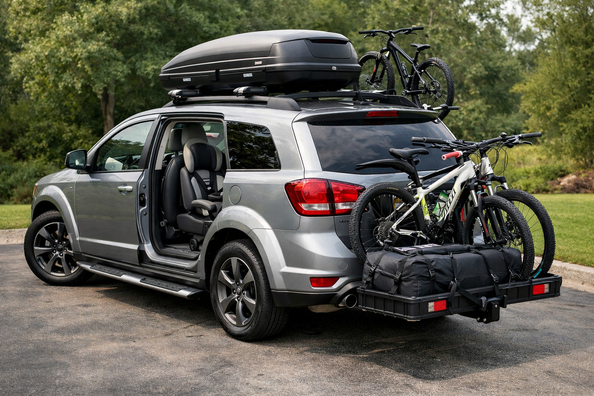
This upgrade plan is for those who bought a Dodge Journey as a daily family car: daycare and school runs, shopping, a stroller, city driving, short highway trips, and occasional weekend getaways. The goal here isn’t to cover the car in accessories right away, but to make it more convenient specifically for everyday life, kids, and constant use.
For the Journey, a simple logic works best: start with the technical baseline and safety, then protect the cabin and trunk, then add family comfort, and only after that move on to pricier items like a roof setup, a tow hitch, or a complex multimedia replacement. This is especially important for early model years, as well as for vehicles where the third row, built-in child booster seats, or certain options need to be verified by trim level.
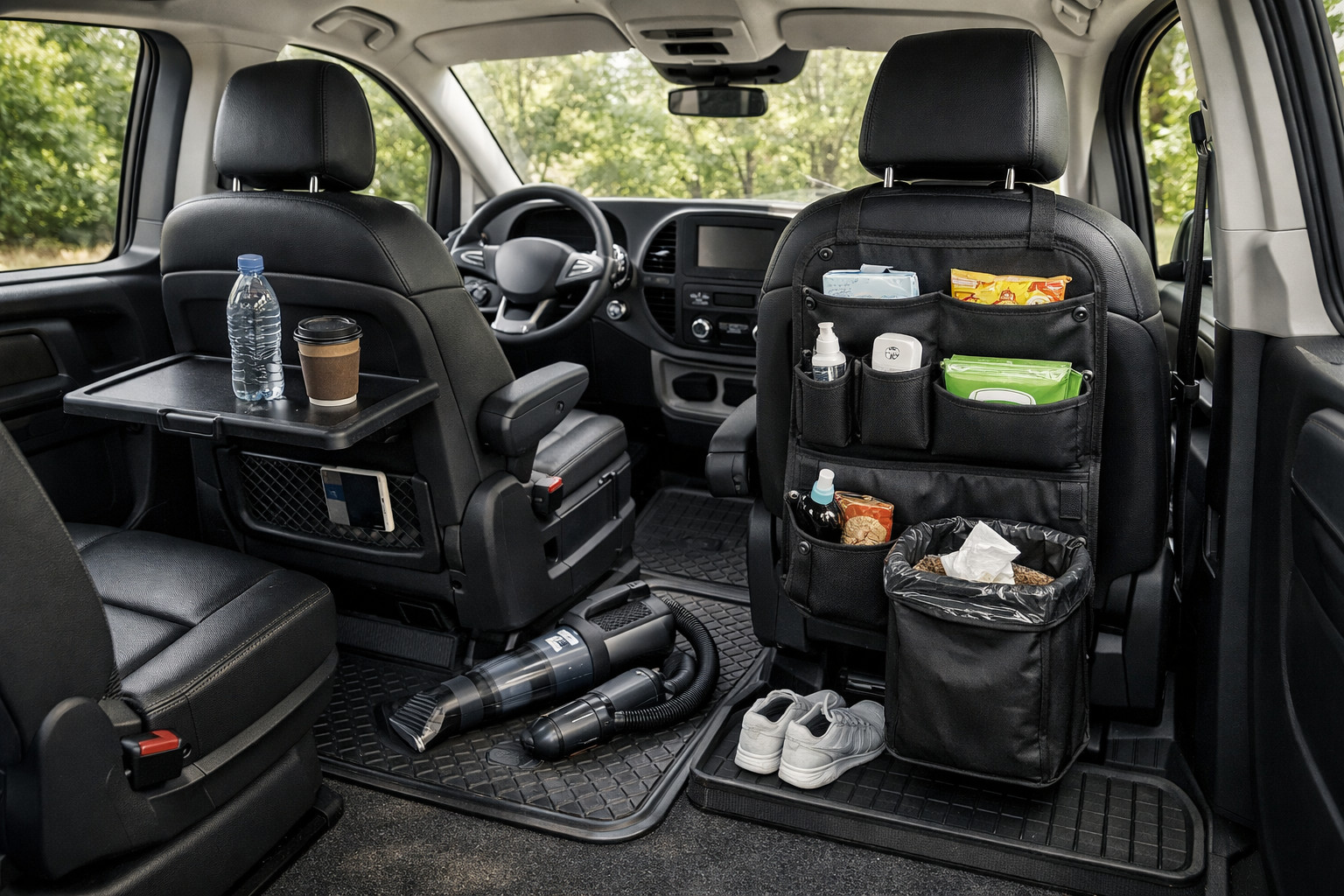
In a family scenario, a Dodge Journey needs to solve three things: keep the interior from turning into a warehouse of dirt, avoid annoying day-to-day hassles, and not create risks for kids and the driver. That’s why a practical upgrade starts not with looks, but with the floor, the trunk, smart organization for small items, and proper visibility in daily driving.
The Journey has a strong foundation for this: foldable seats, storage cubbies, underfloor bins, and decent door pockets. But there are limitations too: if you have a third-row version and actually use it, there isn’t much space left behind it. That’s why for some people the key upgrade is a trunk tray, while others will eventually need a roof system. If you carry kids, it’s also crucial to use the factory child-seat anchor points correctly and not rely on random straps or cargo loops.
The first priority after purchase isn’t accessories—it’s checking the car’s baseline condition. On older Journeys, especially early years, it’s worth starting with the battery, terminals, grounds, starter circuit, brakes, and the wiring in the doors and tailgate. If there’s a weak point there, no amount of tuning will cover it up, and your budget will go in the wrong direction.
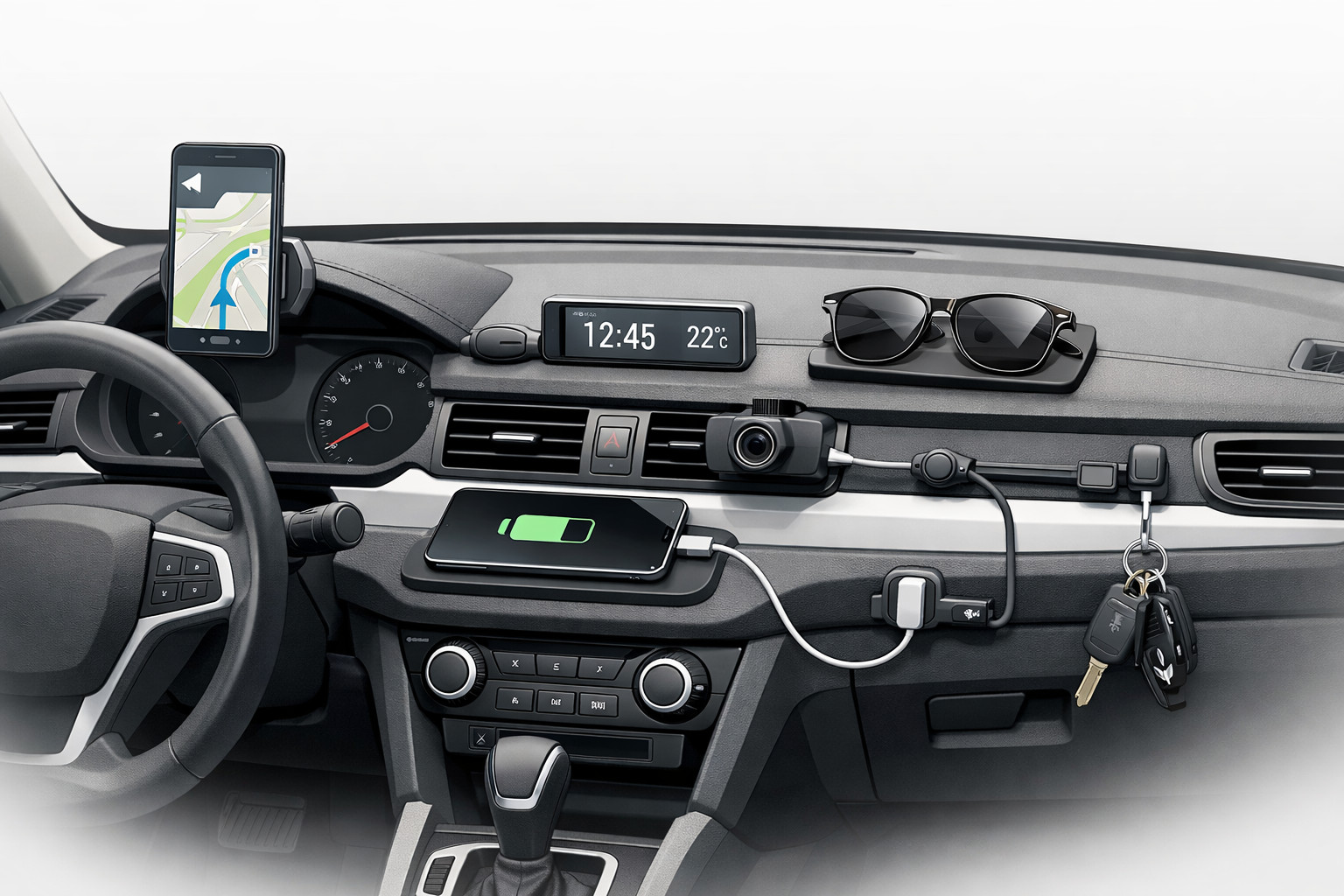
After the technical baseline, the best payback comes from vehicle-specific all-season floor mats, a trunk tray, and mud flaps. For a family, these are items that work every day: kids, wet shoes, crumbs, scooters, bags, a stroller, sand after the playground. Next, a dash cam and a proper phone mount make sense so navigation isn’t living on your lap or in a cupholder.
A separate safety rule matters: don’t put a second mat on top of the driver’s mat and don’t slide anything underneath it. Also avoid seat covers that block side airbag zones or interfere with active head restraints. This is one of those cases where a cheap solution can make the car worse, not more convenient.
| Upgrade | Why it’s needed | Who it truly benefits |
|---|---|---|
| Basic diagnostics and maintenance | Removes the risk that the family car lets you down on daily trips | Everyone without exception, especially owners of early-year vehicles |
| Vehicle-specific all-season floor mats | Keep dirt, water, and snow inside the mat instead of across the whole floor | Families with kids, those who often drive in the city and during shoulder seasons |
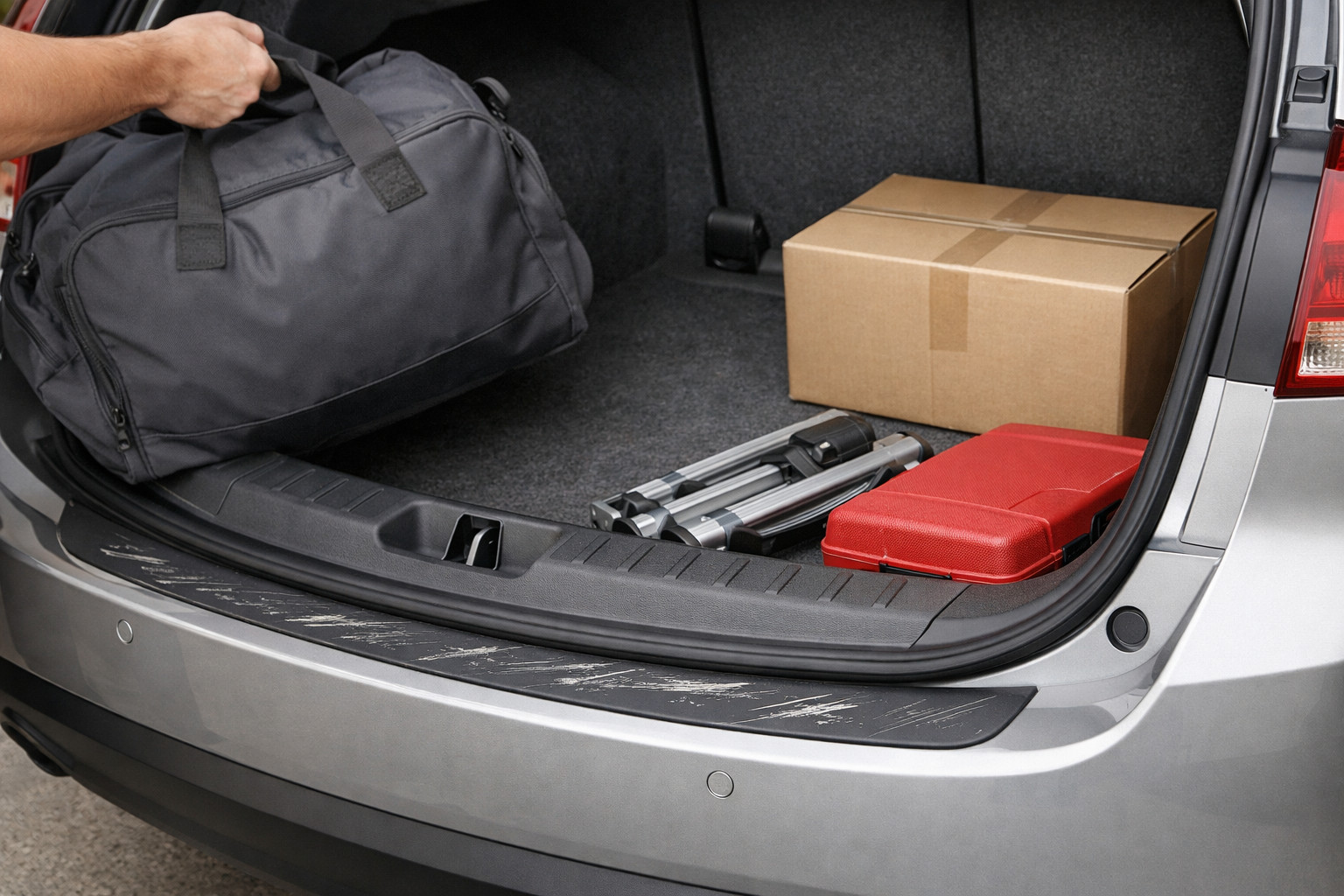
| Trunk tray or trunk mat | Protects the trunk from a stroller, bags, dirty shoes, and liquids | Those who constantly carry groceries, kids’ items, gear |
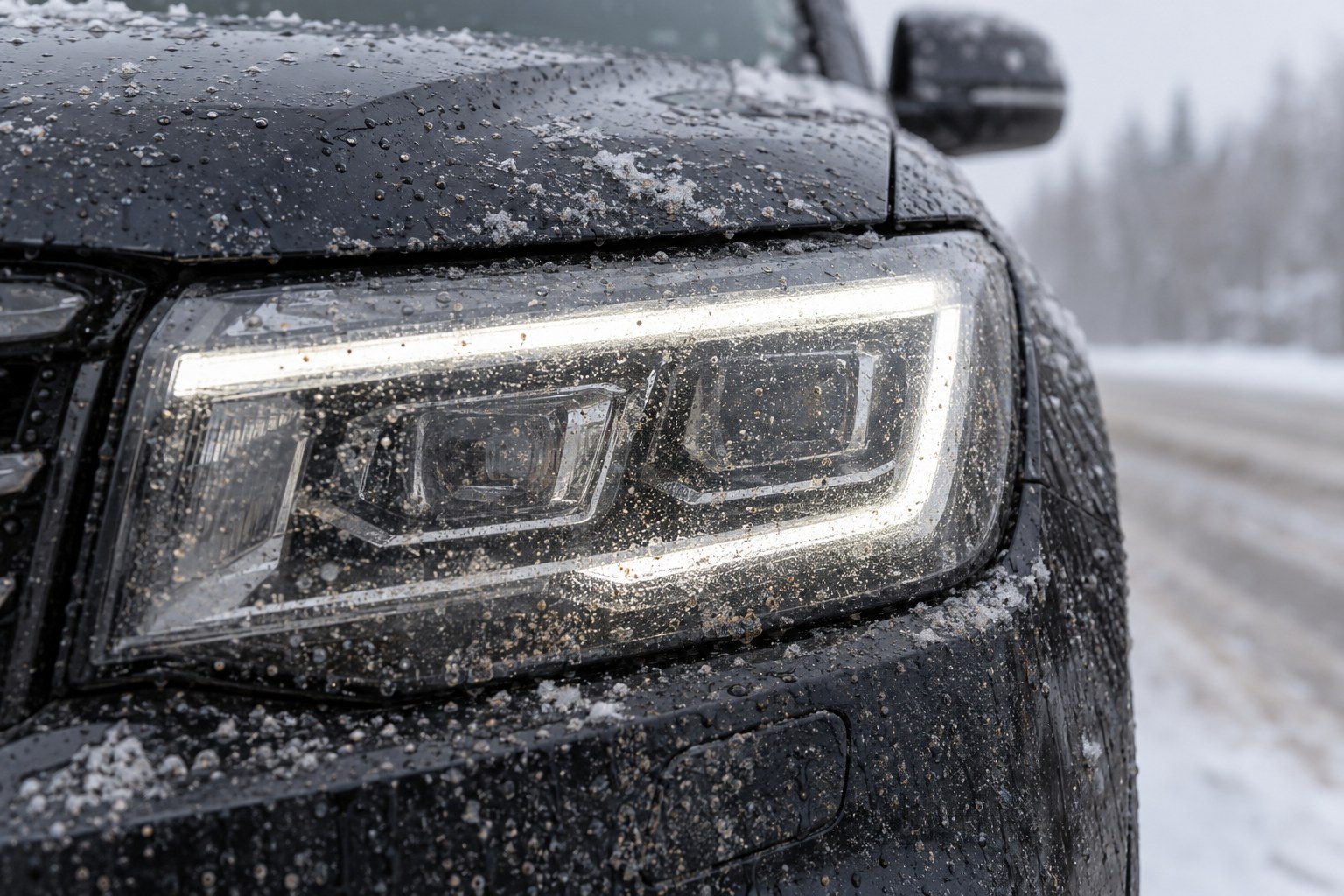
| Mud flaps | Less dirt gets thrown onto the sills and the lower body | Those who drive in rain, snow, on dirt roads, or rough asphalt |
| Dash cam | Provides peace of mind in disputes and in parking lots | Those who drive a lot in the city or leave the car on the street |
| Phone mount | Makes navigation and calls safer and more convenient | Those whose factory multimedia doesn’t cover these tasks |
| Rear half tinting or sun protection | Less heat and sun exposure for the second row | Families with kids, especially in sunny climates |
DD Tuning expert comment: The most common mistake with the Dodge Journey is buying a roof box, seat covers, or a new head unit before you understand how the car actually lives in the family. The second typical story is universal floor mats that slide around and don’t cover the right areas. If it’s an early-year vehicle, look at the technical side first, and only then spend budget on decorative items.
Once the basics are covered, the second stage should focus on what affects convenience rather than the interior’s survival. For a cold region, that’s remote engine start if it isn’t included in your trim. For a sunny climate, it’s quality rear-cabin tint and a proper windshield sunshade.
If you often load a stroller, bags, or suitcases, a rear bumper protector can be useful so you don’t scuff the edge during constant loading. If you have a 7-seat version and the third row is truly used regularly—not once a month but all the time—then a roof system can be considered as a second stage. But only if you understand what you’ll be carrying, because a roof rack by itself doesn’t make a city car more convenient.
Multimedia is also better treated as a second-stage item. If the car already has a large factory screen and it covers the basics, there’s no need to break a working system. But if modern navigation, connectivity, and cameras are genuinely needed, budget not only for the head unit itself, but also for compatible adapters and retention of factory functions.
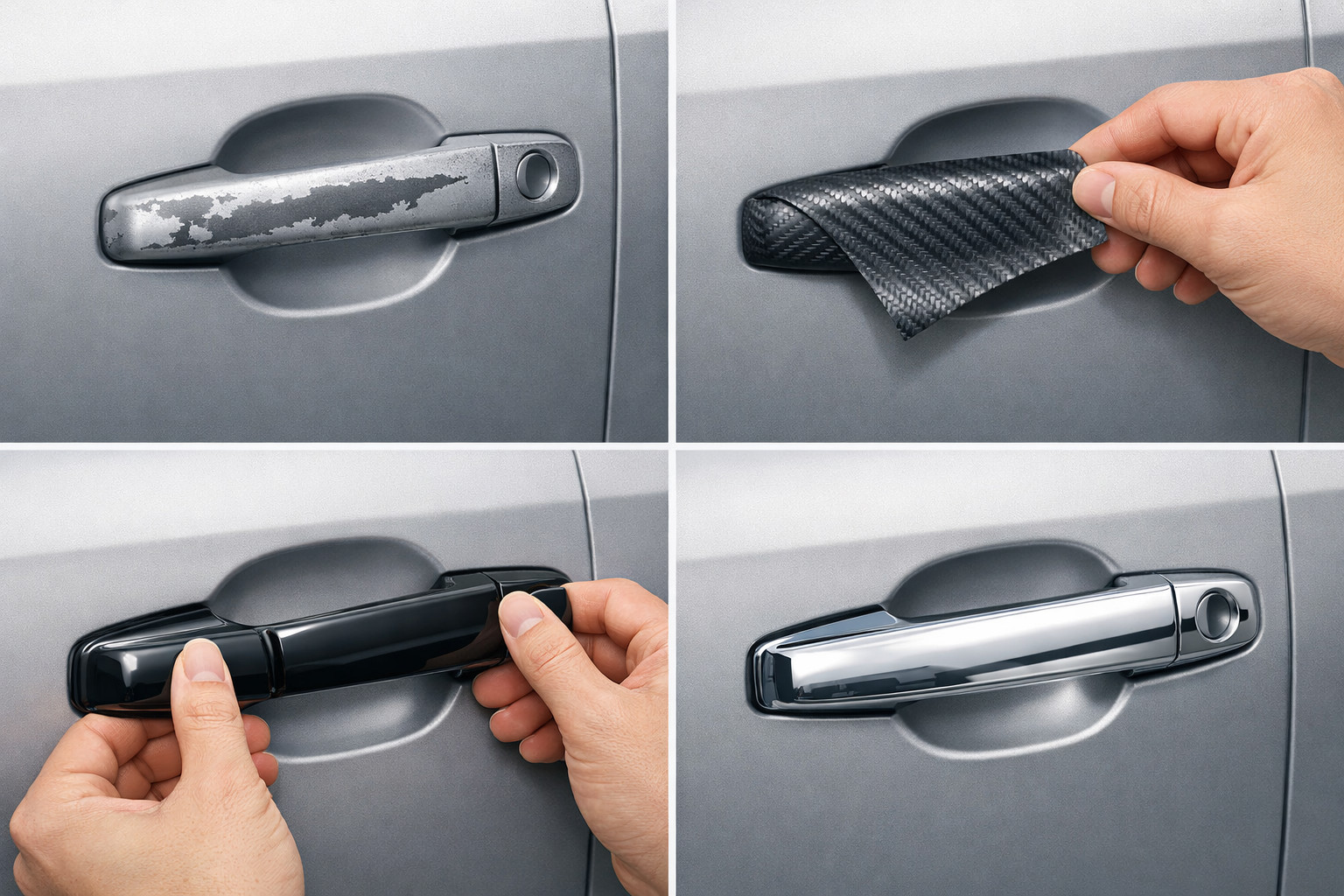
This block includes many things that are nice but not top priority: window deflectors, decorative trim pieces, chrome, door-sill covers, exterior moldings. They don’t solve the main family tasks, so there’s no point installing them before mats, a trunk tray, or a dash cam.
Of the items that can still provide real benefit, I’d highlight only what reduces everyday wear marks: door-sill covers if passengers often rub the entry edge with their shoes, and rear bumper edge protection if the trunk is constantly in use. The rest is a matter of taste. If the budget is limited, this whole block can safely be postponed without losing functionality.
Most often, people waste money on cheap universal floor mats. They fit worse, trap dirt in gaps, and can slide around. For a family Journey, it’s saving in the wrong place, because the floor in this car takes the biggest daily load.
The second typical mistake is seat covers without understanding how they behave around airbags. The third is a complicated head unit swap based on “I’ll install something newer and everything will be fine.” In practice, without proper integration it’s easy to lose part of the controls and end up with an expensive but inconvenient result.
Another pointless purchase is a roof box or basket without regular need. If your third row is mostly folded down and your daily driving is urban, most issues are solved by trunk organization—not a big accessory on the roof. Plus, any roof system adds noise, weight, and can increase fuel consumption.
| Install first | Can be postponed | Not required |
|---|---|---|
| Diagnostics, brakes, battery, wiring check | Remote engine start | Chrome and decorative exterior trim |
| Vehicle-specific cabin floor mats | Tinting if the season isn’t hot | Universal mats on top of factory ones |
| Trunk tray | Rear bumper protector | Seat covers without confirmed seat safety |
| Mud flaps, dash cam, phone mount | Roof system for vacation trips | Roof box for city use without an ongoing need |
| Correct installation of child seats and checking whether built-in booster seats fit your kids by height and weight | Multimedia replacement if the factory unit still suits you | Cheap head unit swap without full integration |
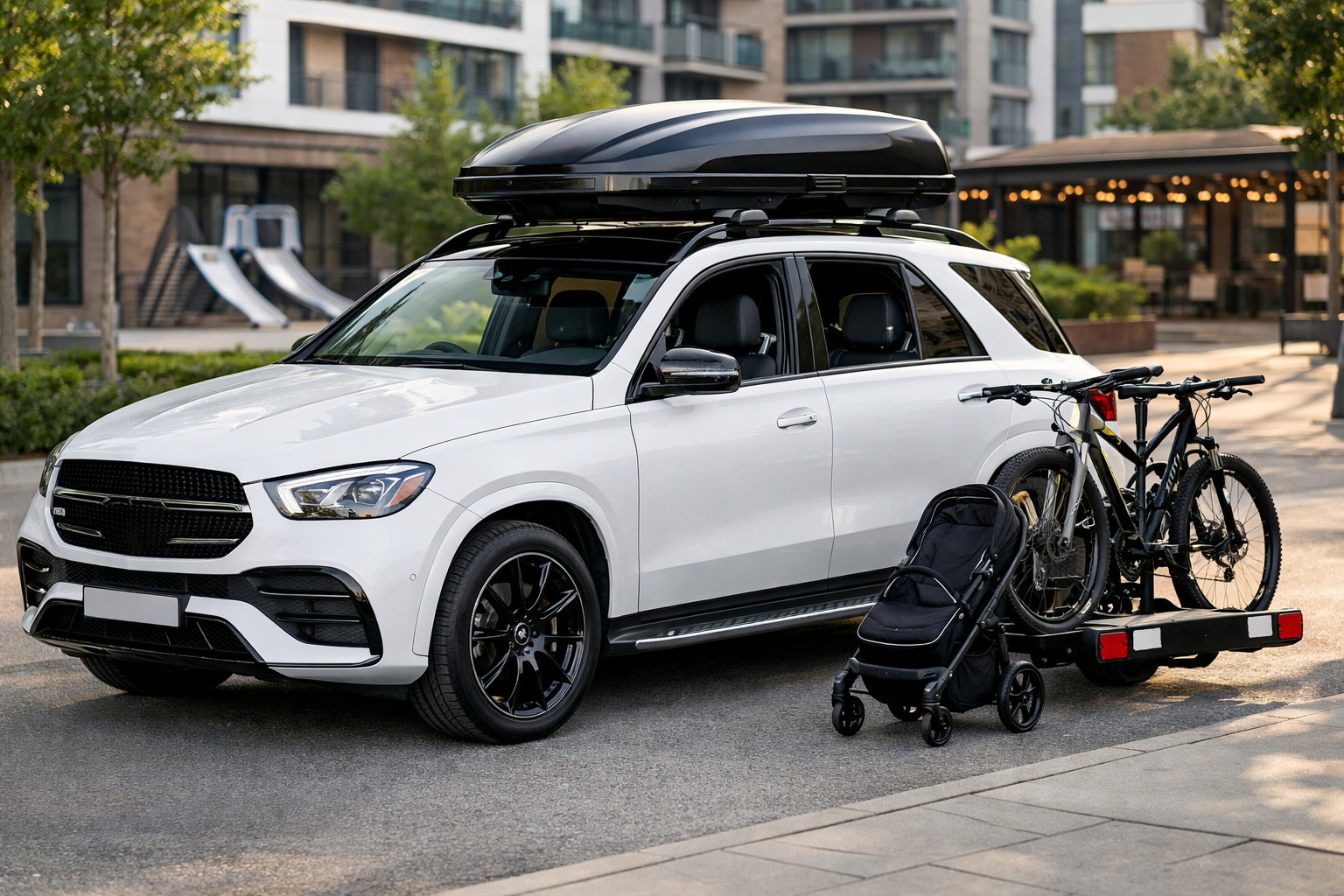
More expensive upgrades make sense not when you want to “improve everything,” but when the basics are already covered and a specific problem remains. If the family regularly rides fully loaded, the third row is often up, and you objectively don’t have enough luggage space, then you can look toward a roof cargo system. But remember the roof load limits and the fact that side rails alone, without crossbars, won’t carry cargo.
A tow hitch makes sense if you truly plan to use a trailer or a platform, not just “for later.” A multimedia replacement is justified only when the factory solution no longer fits your scenario and you’re ready to pay for proper integration. If the choice is between a big purchase and basic interior protection, in a family Journey the basics usually win. As a reference point, it’s convenient to first review solutions for Journey, separately evaluate the roof rack for rails for trips with a full cabin, and not forget the simpler but daily-useful trunk mat.
From a customer’s experience: after buying a 7-seat Journey, the person initially planned to install a roof box right away and replace the multimedia. They started with diagnostics, mats, and a trunk tray, and within a few weeks it became clear that the third row was used only on weekends, so the expensive roof kit could be postponed. The biggest difference in everyday use came from interior protection, a convenient phone mount, and proper trunk organization.
A Dodge Journey becomes noticeably more convenient for a family not because of the number of accessories, but because of the right order of upgrades. First technical condition and safety, then the floor and trunk, then daily comfort, and only after that expensive systems or cosmetics. This approach prevents you from scattering your budget on things that look nice but do little to help in everyday life.
In short, for most owners the smartest start is vehicle-specific mats, trunk protection, mud flaps, a dash cam, and proper cabin ergonomics. Everything else should be selected for your specific scenario, model year, and trim level. This material is based on real selection experience, practical know-how, and real usage scenarios—not on a list of random accessories.
| ✔ | It’s recommended to start with a technical check, so the family car doesn’t risk letting you down on everyday trips. For older Journey models, the battery, terminals, ground, brakes, and the wiring for the doors and trunk are specifically mentioned. |
| ✔ | Model-specific all-weather floor mats, a cargo tray, and mud flaps handle everyday issues well: dirt, water, snow, crumbs, a stroller, and wet shoes. These are the things that really work day to day, not just once a month. |
| ✔ | A dash cam and a proper phone mount improve safety and convenience in the city. Navigation and calls don’t sit on your lap or in the cup holder, and disputed situations on the road are easier to resolve. |
| ✔ | Tinting the rear windows or using sun protection makes practical sense for a family with children, as it reduces overheating and direct sunlight on the second row. In a hot climate, this is more useful than decorative upgrades. |
| ✔ | The article has a clear priority logic: first the basics and cabin protection, then comfort, and only after that more expensive items like a roof, tow hitch, or multimedia replacement. This helps avoid spending the budget on accessories that don’t solve the main family needs. |
| ✘ | In the version with the third row, cargo space may be limited if it’s actually used. Because of this, some owners will have to think about a roof system, but only after assessing the real need. |
| ✘ | Cheap universal mats often fit poorly, collect dirt in the gaps, and can slide around. For the Journey, this is especially a bad compromise, because the floor gets heavy use in family mode. |
| ✘ | Replacing the head unit without proper integration can lead to an expensive but inconvenient result. There is a risk of losing some controls or factory functions, so this shouldn’t be done in a hurry. |
| ✘ | A roof box or basket isn’t a useful solution for city use without a constant need. It adds noise, weight, and can increase fuel consumption, while often not solving the problem of everyday use. |
Shipping to EU
Wholesale and retail
Own warehouse
Опис продукту
Подарунки не надаються при оформленні покупки у кредит під 0,01% або при покупці частинами.