07.09.2026
159
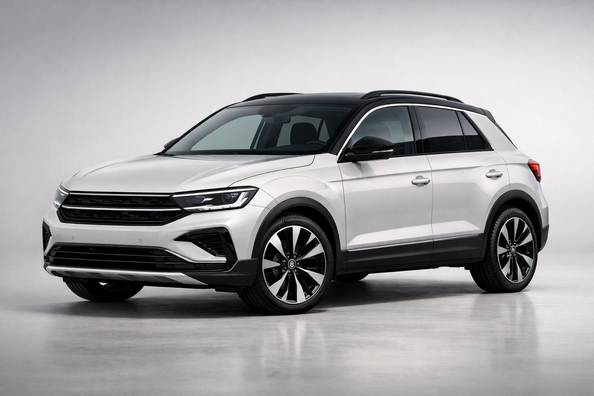
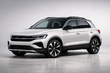
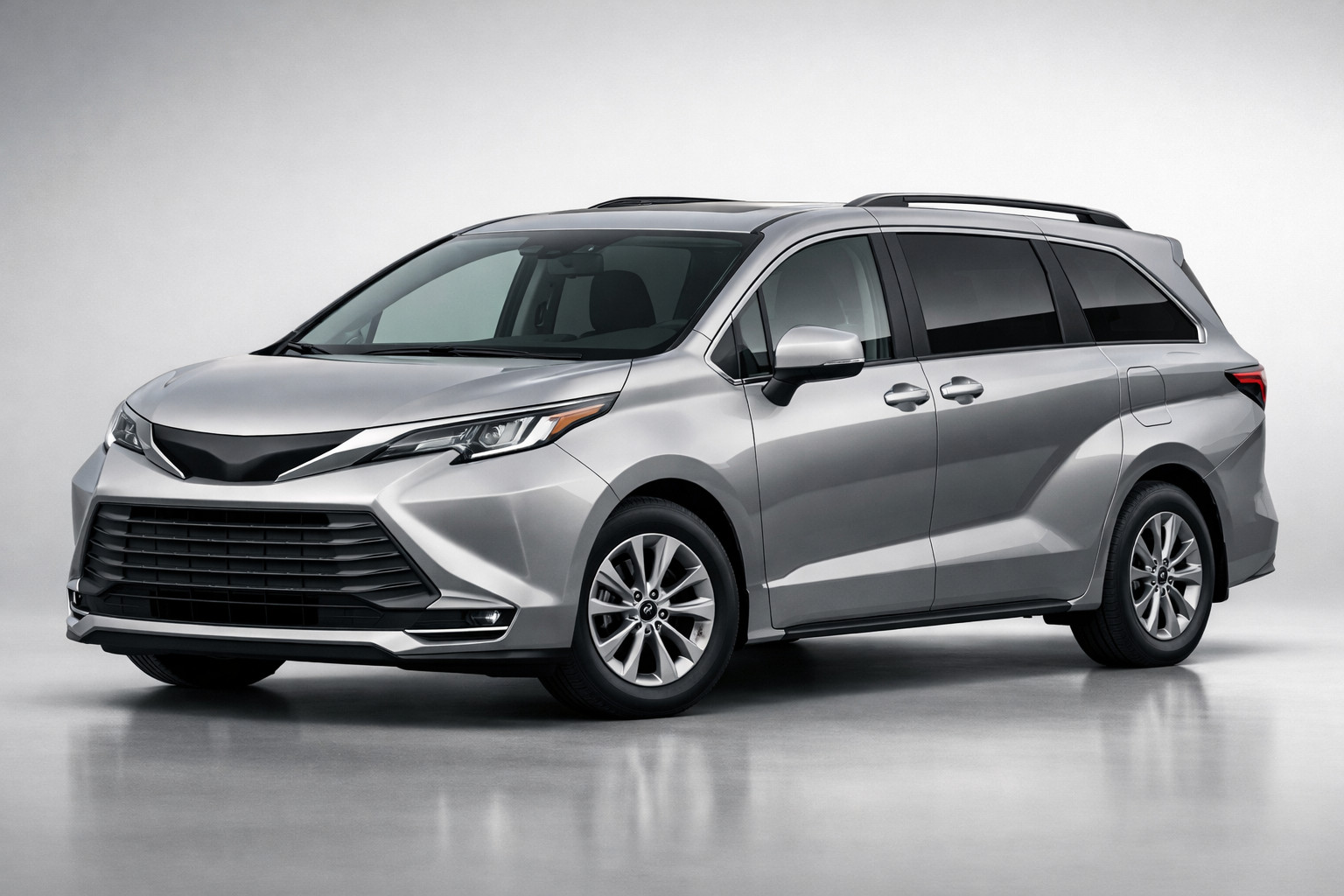
The second-generation Volkswagen T-Roc is no longer just a high-riding urban crossover, but a noticeably more grown-up car: a larger body, a quieter cabin, a better boot, and an all-automatic powertrain lineup. For those who want a versatile family format without moving up to a large SUV, it’s one of the strongest new arrivals in the class.
An important nuance: the model is very fresh, so some versions are only announced for 2026, and equipment differs by market. The official dimensions and engines are already known, but the exact ground clearance hasn’t yet been published in the available factory materials.
The T-Roc competes in the crowded compact crossover segment, where buyers choose not only between size and price, but also the car’s character. Its direct rivals include the Ford Puma, Skoda Kamiq, Seat Arona, Toyota Yaris Cross, Lexus LBX, Audi Q2, and similar models. Volkswagen’s strength here is that the T-Roc aims to be neither the cheapest nor the sportiest, but the most well-balanced for everyday driving.
The model suits those who want a quieter suspension, a comfortable seating position, a proper rear row, and an automatic gearbox without compromises. It makes less sense for those chasing the lowest possible fuel consumption at any cost, the sharpest steering, or a budget entry into the segment.
The first-generation Volkswagen T-Roc was produced from 2017 to 2025, and over that time the model sold more than 2 million units. The second generation was officially unveiled on 27 August 2025, and European sales started immediately after the premiere. This is what people typically mean when they talk about the T-Roc 2026.
The new generation is built on the MQB evo platform. The body was developed in Germany, and production is carried out in Portugal. The trim structure has become simpler: Trend, Life, Style, R-Line, though in some countries there may be additional versions such as Match.
At launch in Europe, the actual series versions are two 1.5-litre petrol mild hybrids eTSI with 116 and 150 hp. Both come with a 7-speed DSG gearbox and front-wheel drive. For 2026, Volkswagen has also announced the 2.0 eTSI 204 hp with 4MOTION all-wheel drive and two full-hybrid 1.5 Hybrid variants with 136 and 170 hp.
| Version | Power | Torque | Drive and gearbox | 0-100 km/h | Consumption |
|---|---|---|---|---|---|
| 1.5 eTSI | 116 hp | 220 N·m | Front, 7-DSG | 10.6 s | 5.5-6.0 l/100 km |
| 1.5 eTSI | 150 hp | 250 N·m | Front, 7-DSG | 8.9 s | 5.5-6.0 l/100 km |
| 2.0 eTSI | 204 hp | 320 N·m | 4MOTION, 7-DSG | 6.9 s | approx. 7.3 l/100 km |
| 1.5 Hybrid | 136 or 170 hp | not published | Front, automatic | not published | not published |
In practice, this means a simple choice. 116 hp is enough for the city and relaxed motorway driving, 150 hp looks like the smartest middle ground, and 204 hp is for those who want extra pulling power, all-wheel drive, and proper towing.
The second T-Roc is larger than its predecessor and feels more mature. The body is longer, aerodynamics are better, and the stated drag coefficient is 0.29. The chassis focus is not on sporty excitement, but on comfort and quietness, which fits the role of an everyday family crossover very well.
| Parameter | Value |
|---|---|
| Length | 4 372-4 373 mm |
| Wheelbase | 2 629 mm |
| Width without mirrors | 1 828 mm |
| Height | 1 573 mm |
| Turning circle | 11.1 m |
| Boot volume | 475 l |
| Ground clearance | not officially published |
| Roof load | 75 kg |
| Braked trailer | 1 300 / 1 500 / 2 000 kg depending on version |
For the owner, what matters most here isn’t the length figure itself, but the fact the car has become more practical. The boot is 812 mm long with the backrests in the normal position and 1 534 mm with the second row folded. The only caveat is that large wheels on higher-spec versions can hurt ride comfort.
Inside, the T-Roc has taken a step toward the brand’s larger models: a digital instrument cluster, a large central screen up to 12.9 inches, an expanded set of driver-assistance systems, and an overall more premium interior feel. At the same time, some controls are tied to touch elements and menus, and that won’t appeal to everyone in real everyday use.
On safety, the package is strong: 9 airbags, 5 stars Euro NCAP, high scores for adults, children, and vulnerable road users. Depending on version and market, available aids include lane keeping, emergency stop assist, exit warning when opening doors, parking assistance, and 360-degree cameras.
In day-to-day driving, the new T-Roc wins not with flashy numbers, but with details that quickly become important: easy entry, good forward visibility, enough rear space, and a genuinely useful boot. For a family or someone who often drives both city and motorway, it’s a strong combination.
A separate plus is towing capability. The 150 hp version can tow up to 1 500 kg with a braked trailer, and the 204 hp version up to 2 000 kg. But there’s also a note of caution: the model is new, so long-term reliability isn’t yet backed by statistics, and early owners already mention typical early minor glitches in electronics, the start-stop system, multimedia, and the 12-volt battery.
| Strengths | Weaknesses |
|---|---|
| More spacious cabin and 475 l boot | Higher price in well-equipped versions |
| Quieter and more comfortable ride than the predecessor | Touch controls aren’t as convenient as physical buttons |
| All versions come with an automatic gearbox | Large wheels can reduce ride comfort |
| Strong safety and assistance package | No plug-in hybrid |
| Good balance of city, motorway, and family format | The model is still building its first statistics on teething issues |
From an owner’s perspective, the main point is this: the T-Roc doesn’t impress with one single standout feature, but it handles everyday tasks very evenly. The weak points are also typical for new Volkswagens: more complex menus, sensitivity to trim level, and possible early minor glitches that are best caught while still under warranty.
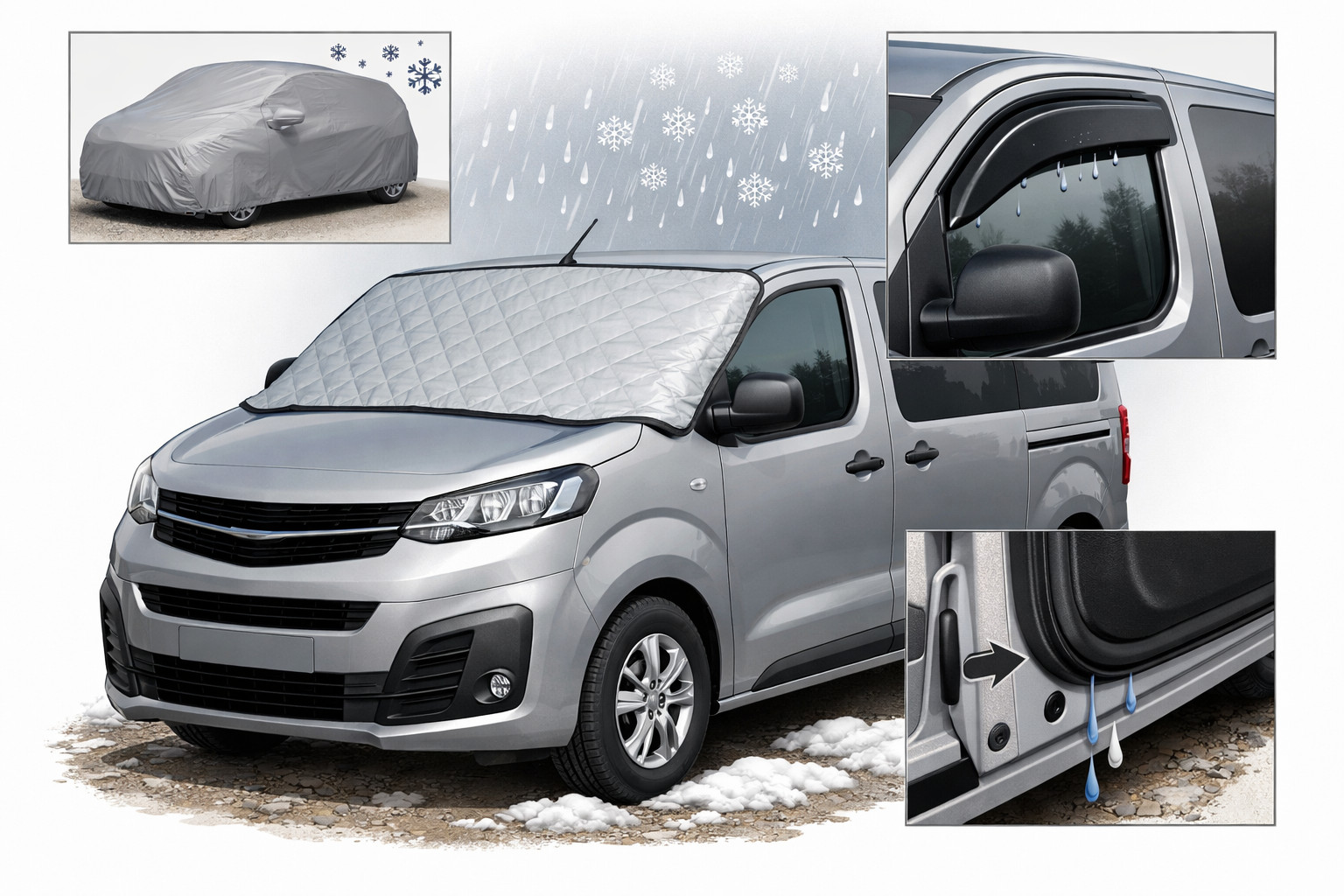
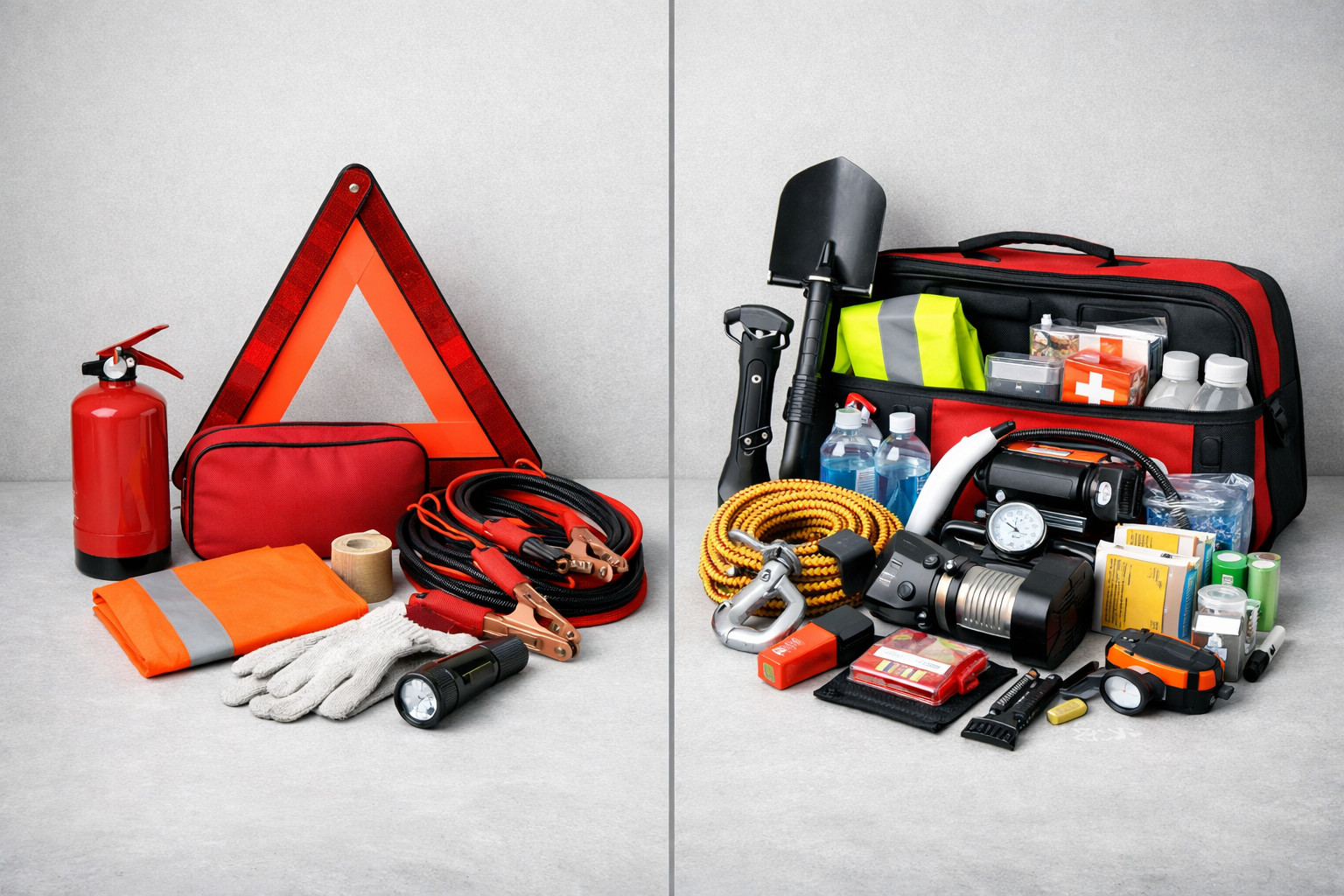
For the second T-Roc, the most sensible focus isn’t power tuning, but protecting the interior and body for everyday use. Because the model is new, the accessory catalogue is still being filled, so the first logical purchases are practical items that immediately reduce wear and make care easier.
If ordering accessories at the start of sales, it’s worth checking the exact fitment to the generation and cabin specification: on new models, even mounting points and floor contours can differ from the predecessor.
The new Volkswagen T-Roc 2026 isn’t a revolution, but a very accurate refinement of the formula: more space, better sound insulation, stronger assistance systems, a proper boot, and a clear lineup of automatic powertrains. Right now, the most rational choice looks like the 1.5 eTSI 150 hp, while those who want the most versatile version should look at the 2.0 eTSI 4MOTION or the upcoming full hybrid.
If you need a compact crossover without unnecessary showiness but with a good everyday reserve of practicality, the T-Roc looks very convincing. This material is based on real-world accessory selection practice, current technical data, and real usage scenarios, so the main takeaway is simple: the model is worth attention, but you should choose it not by the screen or option package, but by the specific engine, wheels, and your own driving routine.
| ✔ | The larger body and 475 l boot make the T-Roc more practical for family use and everyday trips. The cabin also has better rear-seat space, and the boot has a convenient shape for cargo. |
| ✔ | All available versions come with an automatic transmission, so there is no need to look for a manual or put up with compromises in the city. For daily driving, this makes the choice simpler and the model more predictable to use. |
| ✔ | The engine lineup looks well balanced: 116 hp is enough for the city, 150 hp offers the best compromise, and 204 hp adds all-wheel drive and extra pulling power. There are also announced hybrid versions, which expands the choice for different scenarios. |
| ✔ | The suspension and sound insulation are tuned for comfort, so the car should be more pleasant in everyday driving than its predecessor. This matters for those who often drive in the city and on the highway, rather than looking for a sporty character. |
| ✔ | The safety equipment is strong: 9 airbags, 5 Euro NCAP stars, and a set of modern assistants. For a family crossover, this is a practical advantage, not just a formal option. |
| ✘ | Well-equipped versions can get expensive, so the T-Roc does not look like a budget entry into the segment. This is especially noticeable if you choose higher trims with large wheels and extra options. |
| ✘ | Touch control for some functions may be inconvenient in daily use, especially while driving. In this format, physical buttons would be more practical. |
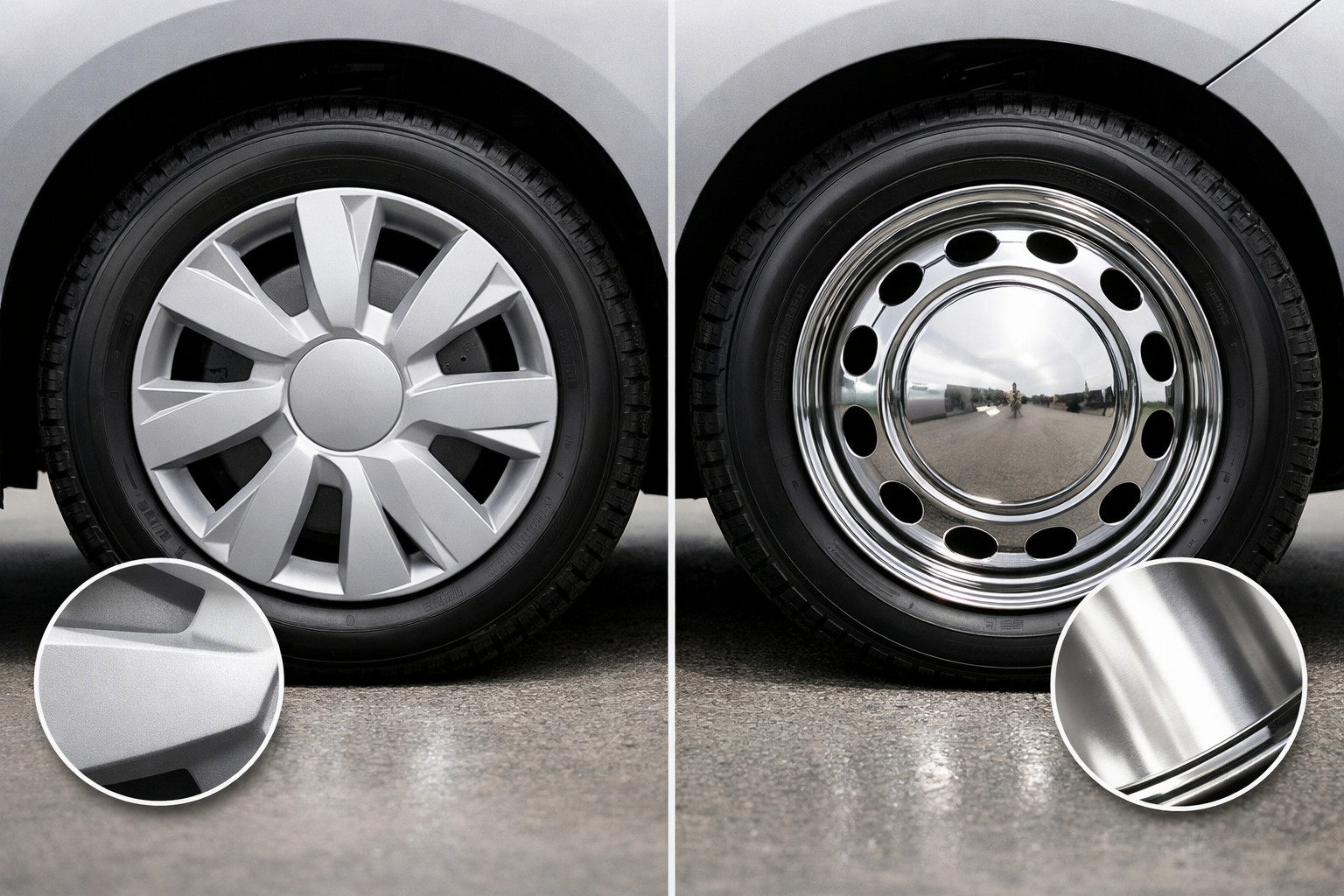
| ✘ | Large wheels in richer versions can worsen ride comfort, even though the model itself is aimed at comfort. In other words, choosing a nicer trim can partly spoil the car’s main advantage. |
| ✘ | The model is very new, so long-term reliability has not yet been confirmed by statistics. The material also mentions early minor glitches with the electronics, start-stop system, multimedia, and 12-volt battery. |
Shipping to EU
Wholesale and retail
Own warehouse
Опис продукту
Подарунки не надаються при оформленні покупки у кредит під 0,01% або при покупці частинами.