11.09.2026
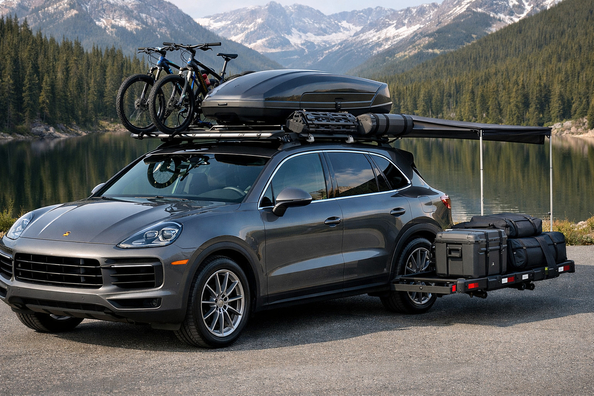
This plan is for a Porsche Cayenne 2018+ owner who wants to travel normally on vacation, to the slopes, with kids’ stuff or sports gear—without turning the cabin into a warehouse. The point here isn’t the look; it’s how to get usable roof volume without extra noise, extra weight, or compatibility mistakes.
For this generation of Cayenne, the smartest setup is usually: roof rails, then a base roof rack, then a closed roof box. It’s better suited for long trips than an open basket. But the order matters: if the car has no factory rails, that changes step one; if it’s an E3 2018–2022, the load guideline is one thing, and for an E3 II from 2023 onward it’s another.
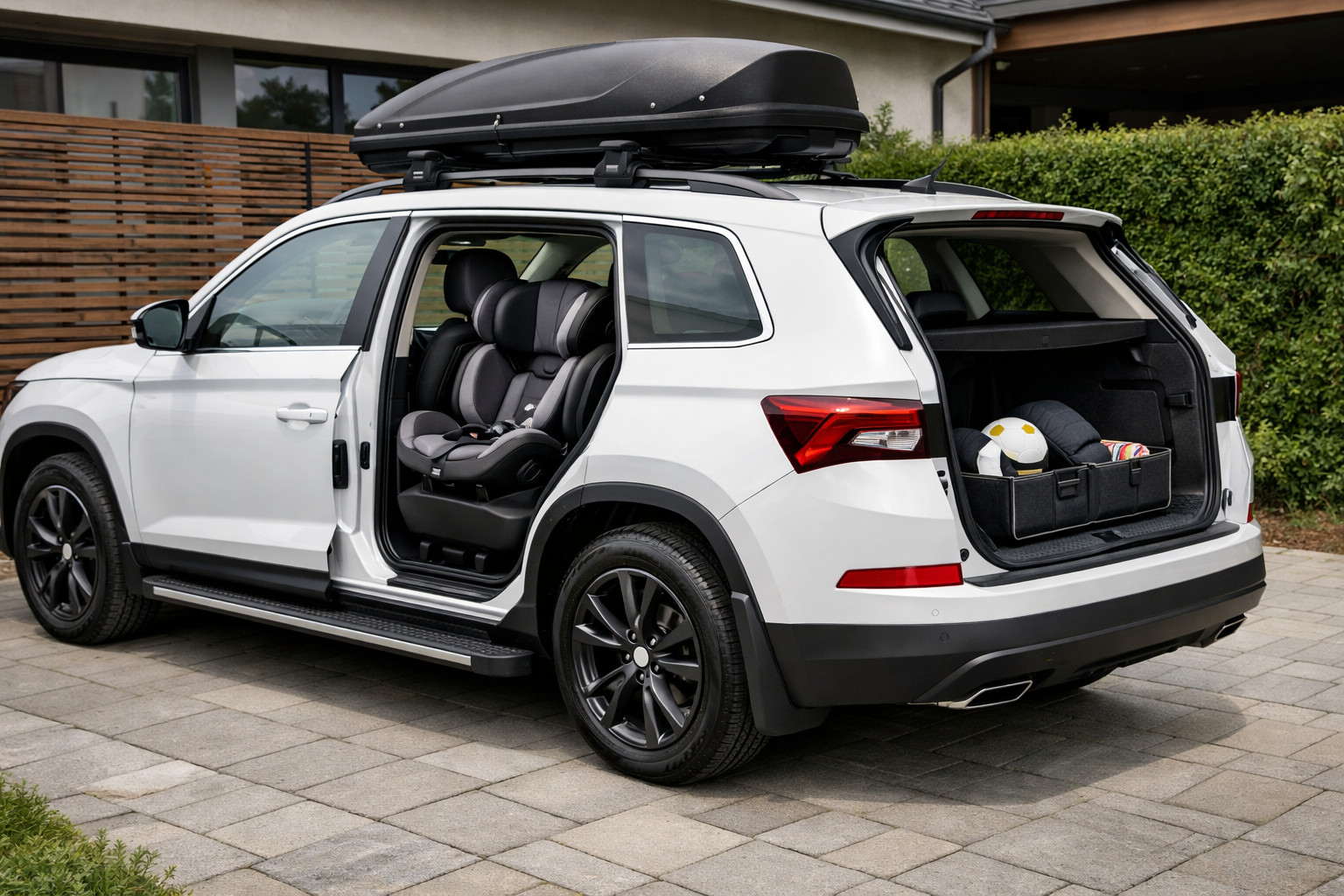
The main goal of this upgrade is to move bulky items out of the cabin and trunk without ruining daily usability. On a Cayenne trip, that’s usually suitcases, a stroller, skis, wet clothes, helmets, and small gear. For this you need a system that isn’t afraid of rain, doesn’t require a complicated install every time, and doesn’t create unnecessary compromises on the highway.
The second goal is not to mix up use cases. If you only carry luggage, the priority is a roof box. If you regularly carry bikes, the roof isn’t always the most convenient place: lifting a bike high, monitoring vehicle height, and living with a loaded roof isn’t for everyone. So the upgrade should be built around what you actually carry—not around how it looks.
First priority—check whether the car has roof rails and which Cayenne you have: E3 2018–2022 or E3 II from 2023 onward. For the OEM-style solution, rails are the foundation; without them, starting with a box or crossbars is simply too early. For the official kit this is critical, because the base roof rack works together with the rails, not instead of them.
Second step—the base roof rack on the rails. This is what opens the option to mount a roof box, a ski carrier, or a single bike rack. For E3 2018–2022 you need to be very careful with the 75 kg limit; for E3 II from 2023 onward—100 kg. When choosing, count not only the cargo, but also the weight of the equipment itself. Also check whether the crossbars interfere with the trunk lid opening fully.
| Upgrade | Why it’s needed | Who really benefits |
|---|---|---|
| Roof rails | Create the foundation for the entire roof system | Owners whose car came from the factory without rails and who plan regular trips |
| Base roof rack | Provides the base for a box, a ski carrier, or a bike rack | Anyone who actually carries something on the roof more than a couple of times a year |
| Closed roof box | Adds dry, protected cargo volume | Families, travelers, skiers—anyone who doesn’t want to pack the cabin full |
| Rear towbar bike rack | Lets you carry heavier bikes without lifting them onto the roof | Those who often travel with 1–2 bikes and have a towbar |
| Roof bike rack | Works for one lighter bike when a box isn’t needed | Those who occasionally take a bike and stay within the weight limits |
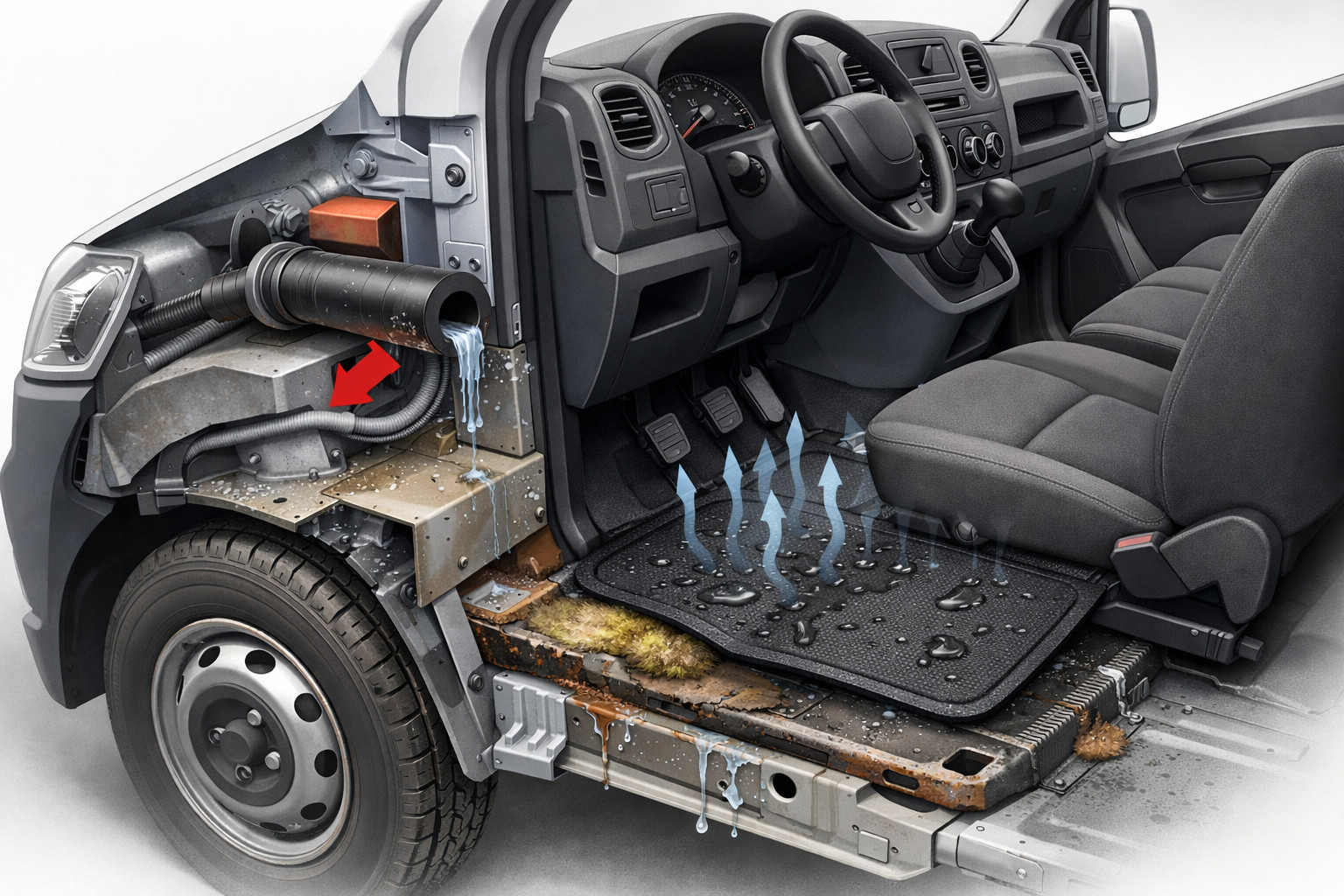
| Trunk protection and floor mats | Protect the trim and threshold and make cleanup easier after trips | Families, dog owners, anyone carrying wet or dirty items |
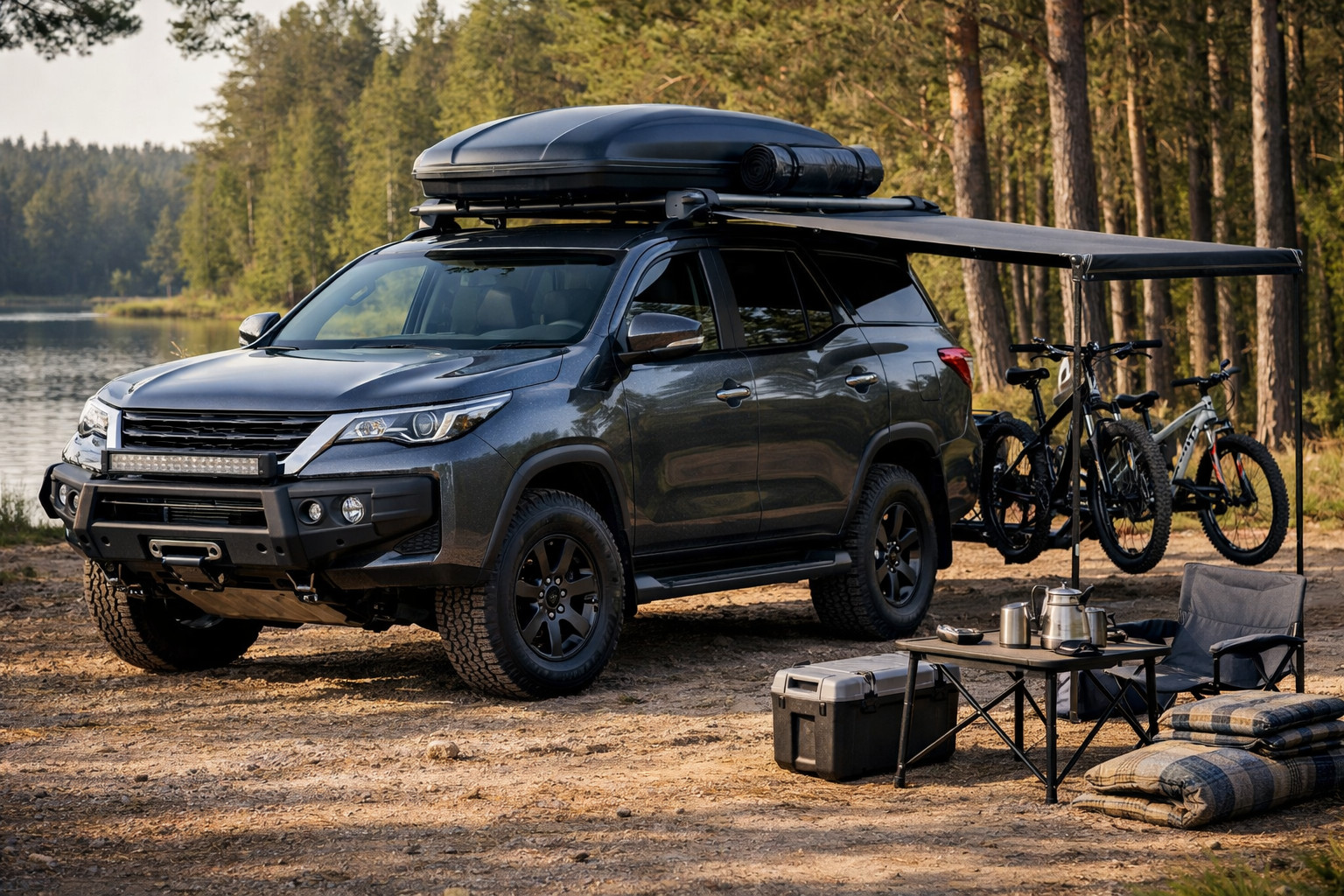
| Rooftop tent | Gives you sleeping space on the car, but drastically narrows the use case | Only for those who camp regularly, not once or twice a season |
DD Tuning expert comment: most often people start not by checking the basics, but by choosing a good-looking box or basket, and then find out the car doesn’t have the required rails or there’s no remaining weight margin. The second common mistake is buying mounts for the look rather than the real load. For Cayenne, the right selection almost always starts with the model year, roof type, and what exactly you plan to carry.
As a second stage, it makes sense to add not another big accessory, but what’s tied to your hobby. For skis, a box or a dedicated ski carrier is enough; for bikes, a rear towbar rack is more practical more often, because it handles heavier bikes and doesn’t force you to lift them onto the roof every time.
This also includes protecting the cabin and trunk. A rubber mat, trunk liner tray, or threshold protector doesn’t increase volume, but it greatly reduces the small problems after a trip: dirt, water, and scratches from suitcases and gear.
Comfort-oriented, rather than mandatory, upgrades include a quieter and better integrated roof box, protection for the trunk opening, well-designed mats, and small in-cabin organization. These don’t solve a lack of space, but they make regular trips less stressful.
More about appearance than usefulness are open baskets, decorative crossbars, black or aluminum finishes chosen for the photo—especially if you’ll rarely use the system. For a Cayenne that spends most of its time in the city, it’s better to remove the box between trips: less noise and less loss in fuel economy or range.
The most common mistake is buying an open basket for normal family luggage. It looks adventurous, but it loses to suitcases, kids’ bags, and soft luggage: there’s no proper weather protection, the aerodynamics are worse, and the noise is higher.
The second typical mistake is a roof bike rack that doesn’t match your bike. If the bike is heavy, electric, or you have two, a rear towbar rack is often more useful. The third is a rooftop tent “just in case”: it weighs a lot, limits speed, and only makes sense when camping is truly regular—not once or twice a season.
| Condition | What to install first | What can be postponed | What isn’t essential |
|---|---|---|---|
| Car without rails | The rails themselves as the base for further installation | The box until compatibility is sorted out | Basket and tent |
| Rails already installed | Base roof rack and load check | Trunk protection, mats, small organization | Decorative roof accessories |
| Long family trips | Closed roof box | Threshold and trunk protection | Roof bike rack if there are no bikes |
| Trips with bikes | Towbar rack or a roof mount matched to the bike’s real weight | Box if the cabin and trunk still have enough space | Tent if you don’t camp regularly |
A more expensive solution is justified when the Cayenne frequently runs on the highway, you’re sensitive to noise, and you don’t want to fight fitment every time. If the car still lacks the foundation, look at roof rails first, and only then choose a base roof rack for integrated rails for the specific vehicle configuration. If you need the quietest, most convenient solution for long routes, it’s logical to look at a closed roof box as well.
The third case where it makes sense not to save money is family trips with dirty or wet gear. Here it’s better to invest not in a flashy accessory, but in things that truly reduce interior wear—for example a rubber trunk mat. If you travel a few times a year, paying extra for the most expensive configuration often doesn’t deliver noticeable benefit.
From a customer’s experience: a Cayenne E3 owner was looking for a solution for long family trips. At first he considered an open basket, but in the end he chose crossbars plus a closed box, and moved the bikes to a rear rack. The cabin freed up, the gear stopped getting wet, and for daily driving the box is simply removed. The biggest satisfaction came not from a showy accessory, but from the car staying convenient both during the trip and after it.
For Porsche Cayenne 2018+ in a roof-and-travel scenario, the order is simple: first the mounting base, then a closed box, then specialized solutions for bikes, skis, or camping, and only then small comfort items. That’s how you get maximum usefulness without overpaying for things that look great but rarely work in real life.
Practically speaking, for most owners what works best isn’t an expedition look, but a neatly assembled system built around your use case and your roof limits. This material is based on real selection experience, hands-on practice, and real use scenarios: first check the rails, year, and load rating, and only then solve volume, gear, and interior protection.
| ✔ | Starting with checking the model year, roof type, and presence of roof rails reduces the risk of buying incompatible equipment. For Cayenne, this is really important, because the load limits and mounting base differ for different generations and configurations. |
| ✔ | A closed roof box is best suited for family trips and for carrying items that need protection from rain, dust, and dirt. It is more practical than an open basket for suitcases, children’s items, and ski gear. |
| ✔ | A basic roof rack on roof rails opens up several scenarios at once: a box, ski holder, or bike mount. This makes the roof system flexible for different trips, not just for one type of cargo. |
| ✔ | For bicycles, in many cases a rear tow hitch rack is more convenient, especially if the bikes are heavy or there are two of them. That way, you do not need to lift them high onto the roof and it is easier not to exceed the weight limit. |
| ✔ | Cargo protection, mats, and sill protection do not add volume, but they noticeably make life easier after trips with wet, dirty, or bulky items. They reduce interior wear and simplify cleaning. |
| ✘ | The official roof setup starts with roof rails, so a car without them requires an additional step even before choosing a rack or box. If this is not taken into account, you can buy equipment that simply will not fit the car. |
| ✘ | Roof load needs to be calculated very carefully, because not only the cargo is counted, but also the weight of the equipment itself. For E3 2018-2022 the limit is lower than for E3 II from 2023, and this may limit the choice of box or mounts. |
| ✘ | An open basket for ordinary family items loses to a box in practicality: it offers weaker weather protection, worse aerodynamics, and more noise. For regular trips, this is not the most convenient solution. |
| ✘ | A roof bike mount is not suitable for everyone, especially if the bike is heavy, electric, or there are several of them. In such cases it is less convenient than a rear tow hitch carrier and requires more effort when loading. |
Shipping to EU
Wholesale and retail
Own warehouse
Опис продукту
Подарунки не надаються при оформленні покупки у кредит під 0,01% або при покупці частинами.