27.08.2026
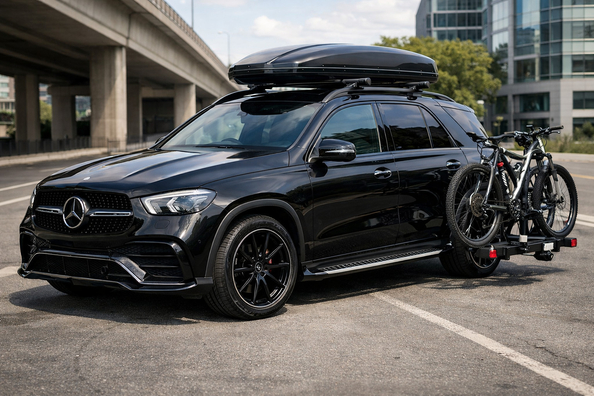
This is a starter upgrade for a Mercedes GLE W167 owner who drives around the city every day, regularly hits the highway, and wants to make the car more convenient in daily life—not just more expensive-looking. The logic is simple: first protect the cabin and the large trunk, avoid ruining ride comfort with the wheels, and only then think about pricey options and décor.
With the W167, a lot depends on the model year, whether it’s the SUV or Coupe body, the presence of roof rails, and the exact trim level. That’s why the best plan doesn’t start with “flashy” items, but with things that actually work in city grime, on parking lots, on family trips, and on long highway runs.
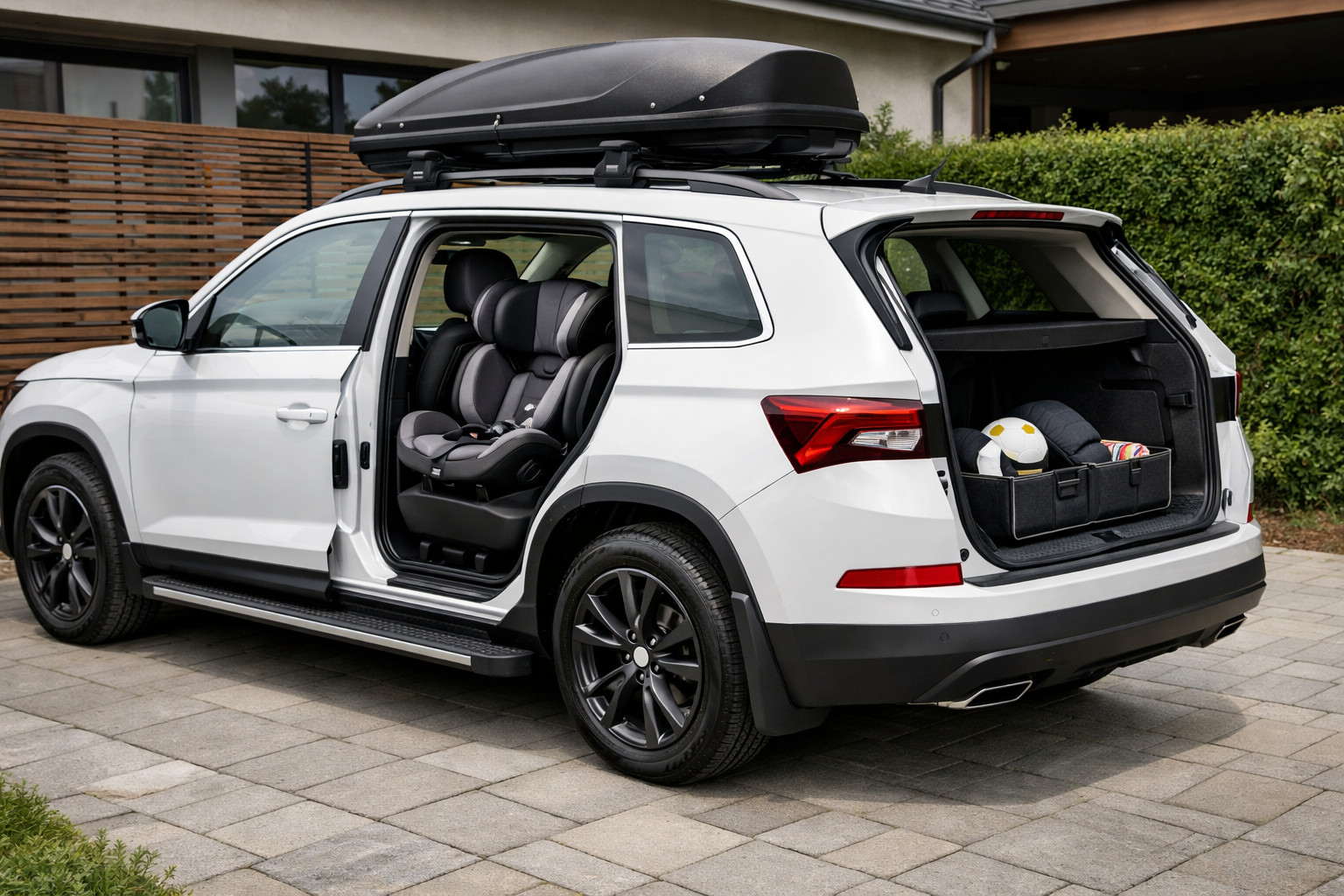
In a “city plus highway” scenario, the GLE W167 has to withstand daily dirt in the cabin, avoid scratches on the trunk lip, not wear you out with a harsh ride, and not create extra tire costs. For a vehicle with up to 2121 L of cargo space, this is especially important: once you start actively hauling suitcases, kids’ stuff, groceries, or sports gear, practical small additions become noticeably more useful than decorative tuning.
If the car often drives with a full cabin, heavy cargo, or a trailer, the priorities shift slightly: cargo systems, a tow hitch, and comfort solutions under load make more sense. But even then, it’s still better to start with basic protection rather than big wheels or side steps.
A separate note on wheels: for a daily-driven GLE 450, the 508 mm setup usually looks like the most sensible compromise. If the car already rides comfortably, don’t make your first “upgrade” a switch to 533 or 559 mm just for looks: it often increases the tire budget and makes the ride harsher.
| Upgrade | Why it’s needed | Who it truly benefits |
|---|---|---|
| Rubber floor mats (cabin) | Protect the floor from water, sand, salt, and everyday dirt | Anyone who drives daily, especially in winter or with kids |
| Trunk mat | Prevents dirt, moisture, and cargo from damaging the trunk lining | Those who often carry groceries, suitcases, a stroller, tools, or pets |
| Trunk sill protector | Reduces the risk of scratches on the edge when loading | Those who use the trunk regularly and don’t want paintwork over small things |
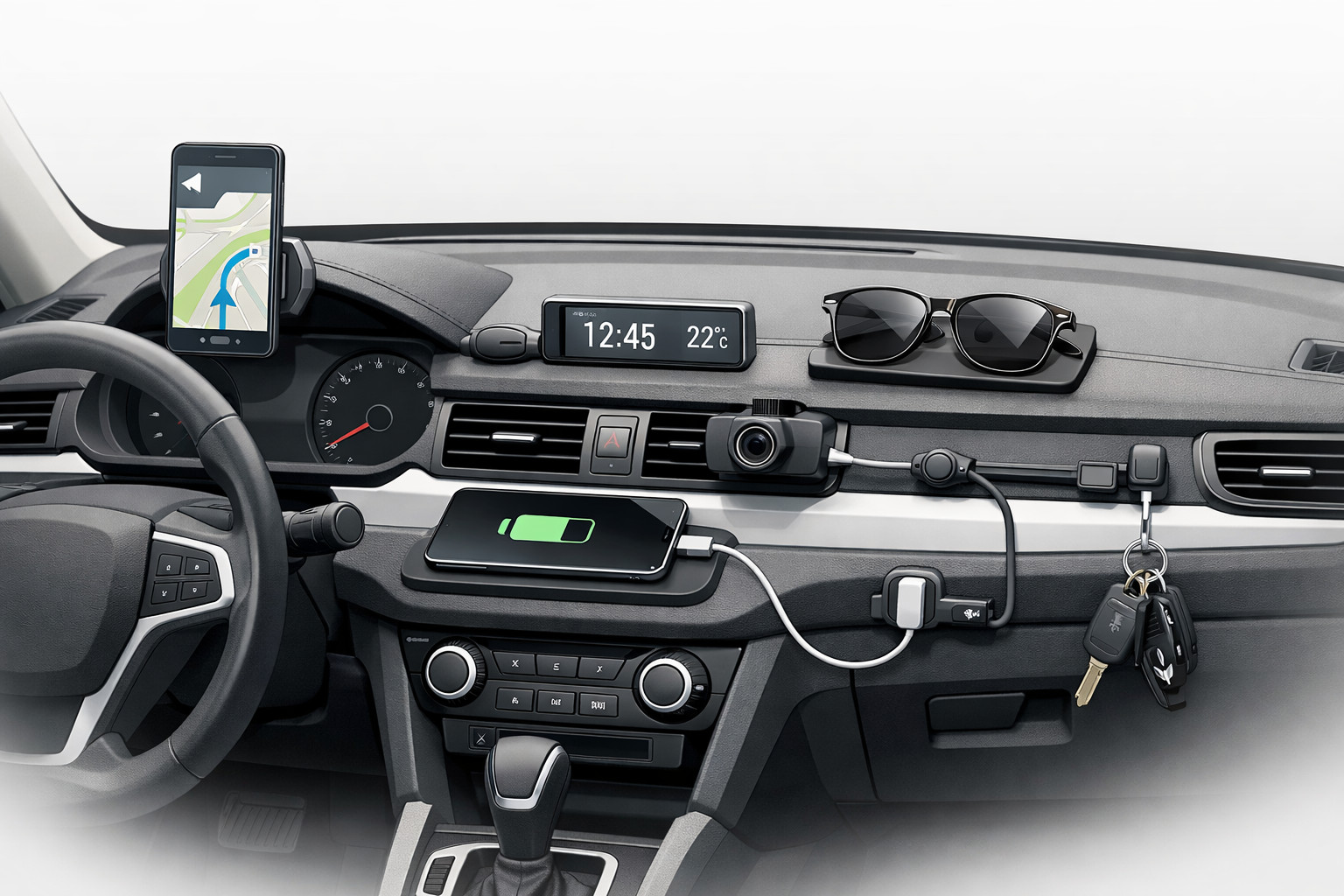
| Dash cam | Provides basic recording of incidents in the city and on the highway | Those who drive a lot, park outdoors, or are often in dense traffic |
| Wheel locks | Reduce the risk of wheel-related issues in parking lots | Those with expensive wheels or who regularly park outdoors |
| A sensible wheel & tire set | Affects comfort more than many “tuning” add-ons | Anyone who values ride smoothness, quietness, and calm highway behavior |
If the budget is limited, the first four items deliver the biggest day-to-day effect. This is one of those cases where small upgrades are genuinely felt every day, not only after a car wash.
DD Tuning expert comment: The most common mistake with the GLE W167 is starting with wheels, side steps, or exterior décor while the basic cabin and trunk needs still aren’t covered. The second mistake is buying accessories without checking the body type, model year, and VIN: on SUV vs Coupe and on cars with different rails or bumpers, the fitment can differ. For city and highway use, we recommend taking care of dirt, cargo, and daily convenience first—then moving on to expensive items.
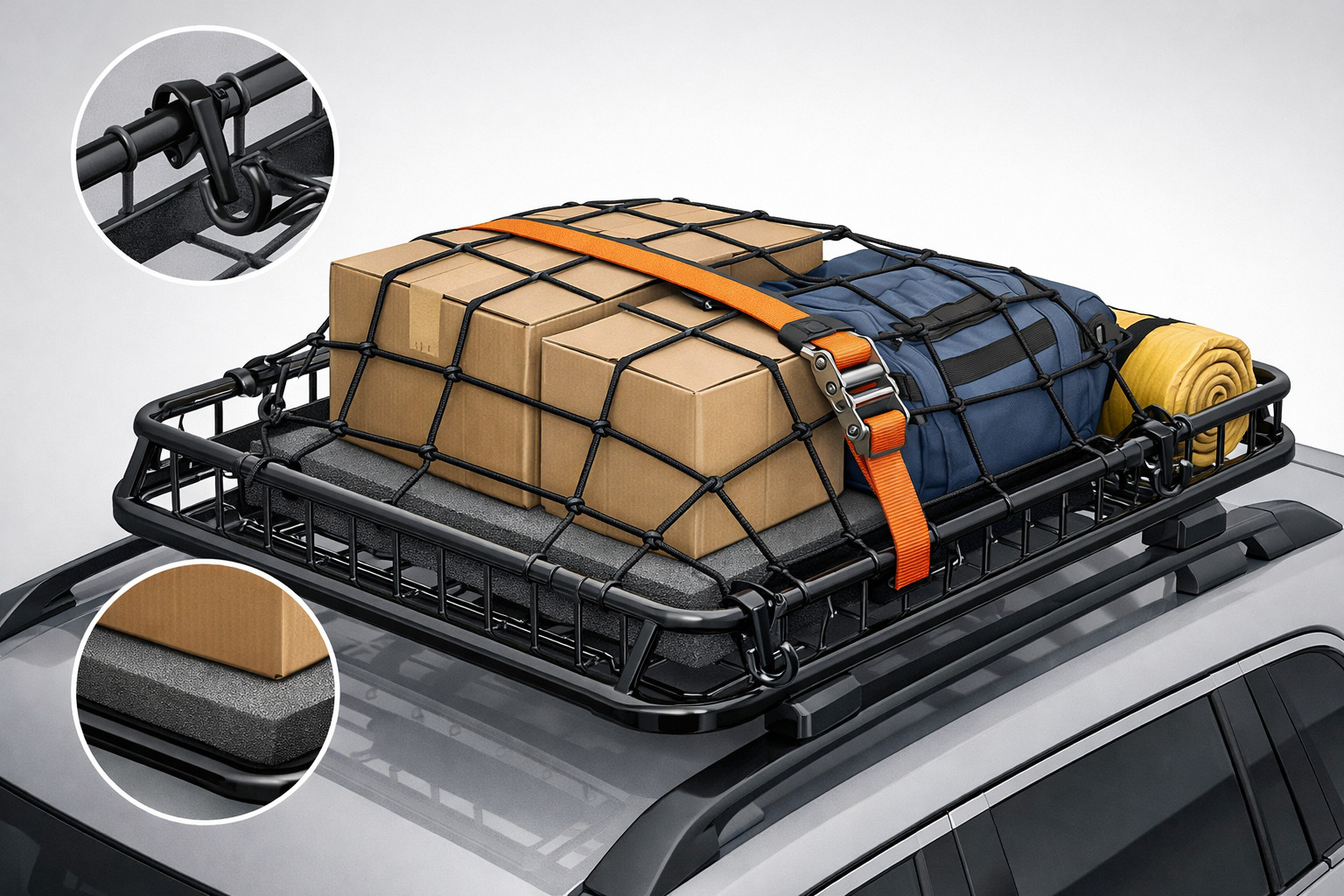
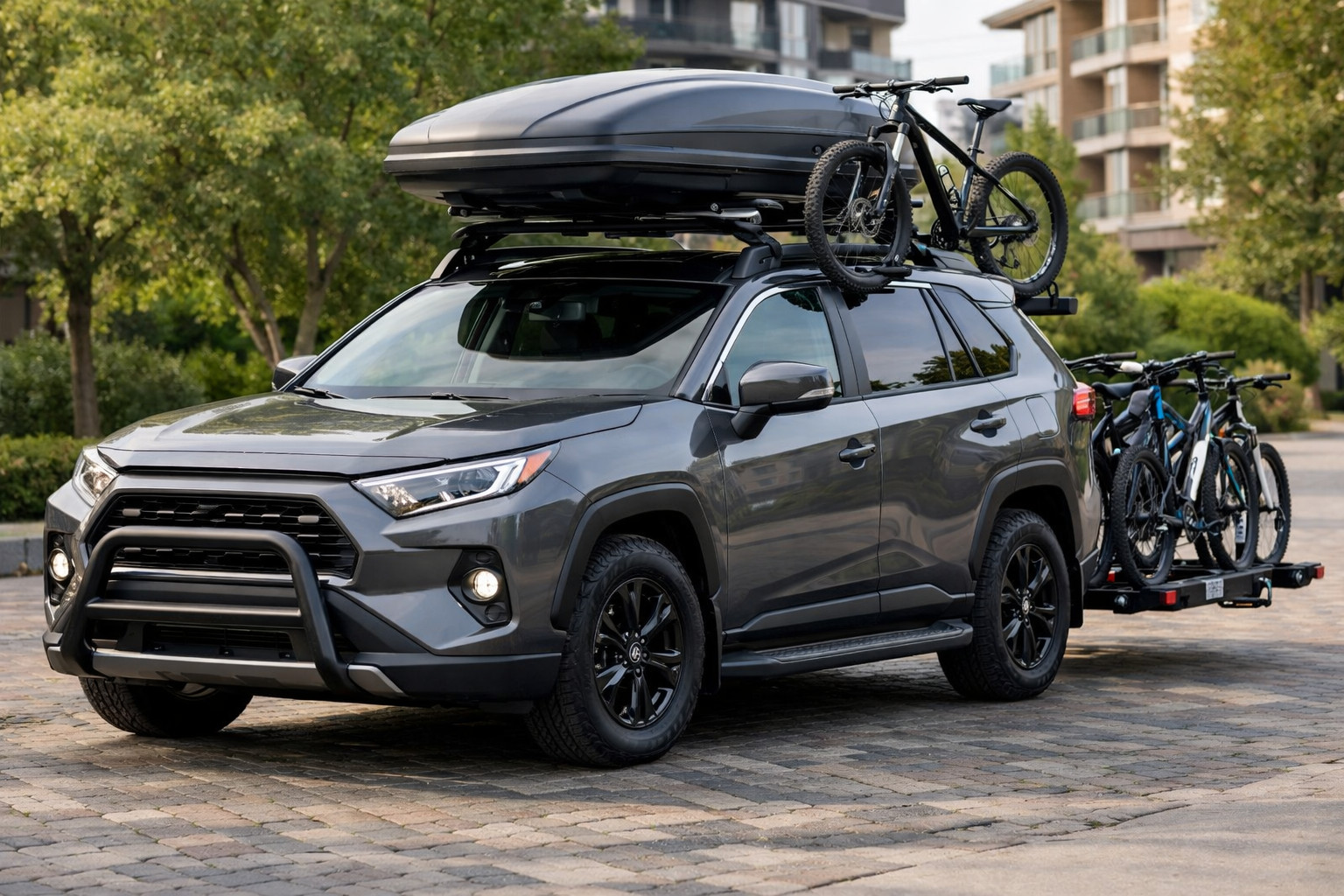
The second stage begins where your basic protection is already covered, but regular additional tasks appear. For the GLE W167, this is usually crossbars for roof rails, roof cargo systems, or a tow hitch—if you actually carry a cargo box, bikes, skis, or a trailer, not just because you “want to have it.”
AIRMATIC also belongs here, but not as the first expense. If the car often drives loaded, on rough roads, or with a trailer, this option makes sense; but if most of the time it’s an empty city car with normal highway trips, the factory suspension with selective damping often already provides a solid compromise without extra complexity.
In a cold region, seasonal comfort options can logically become the second stage as well. They may not stand out in photos, but in daily use they often work better than yet another cosmetic element.
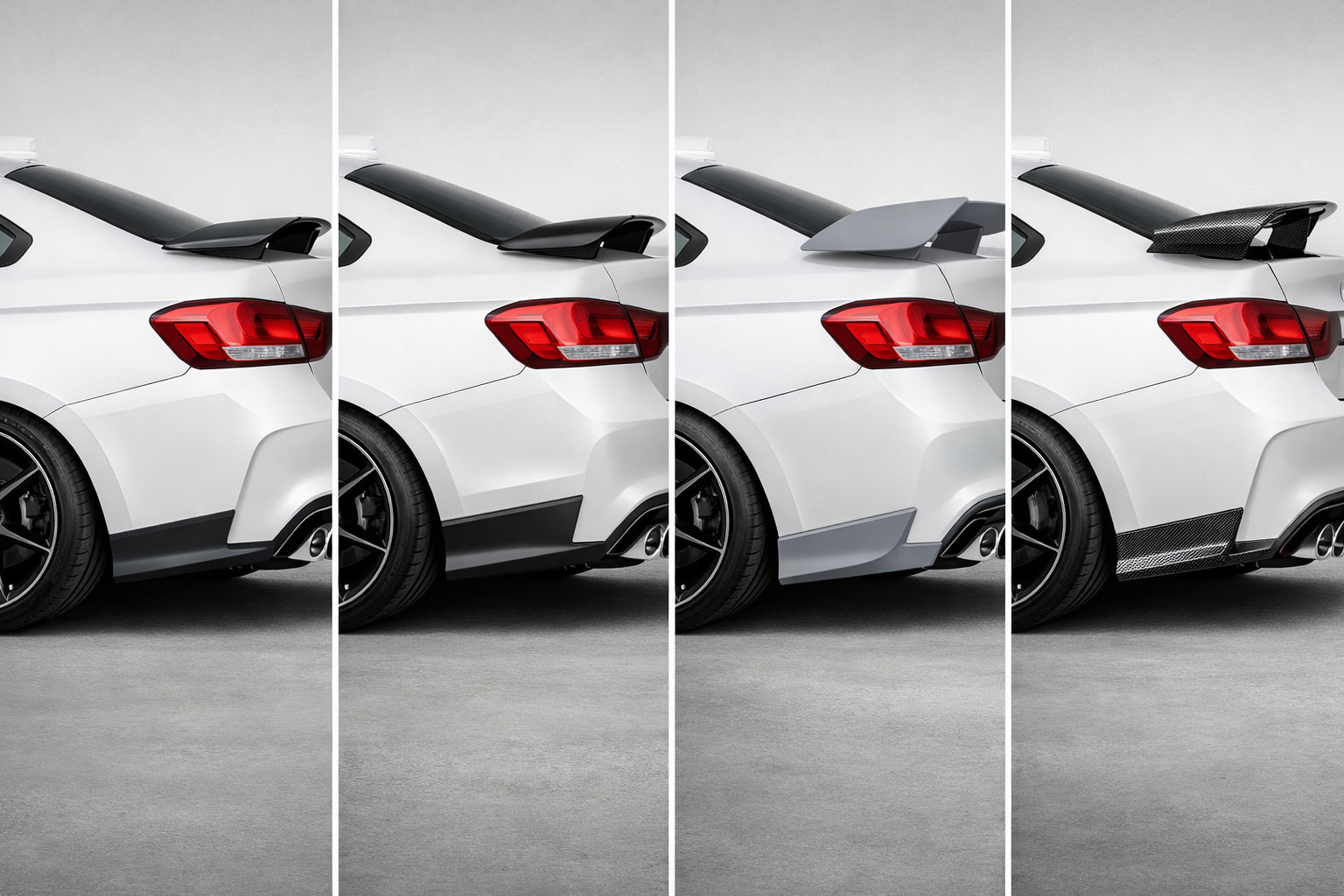
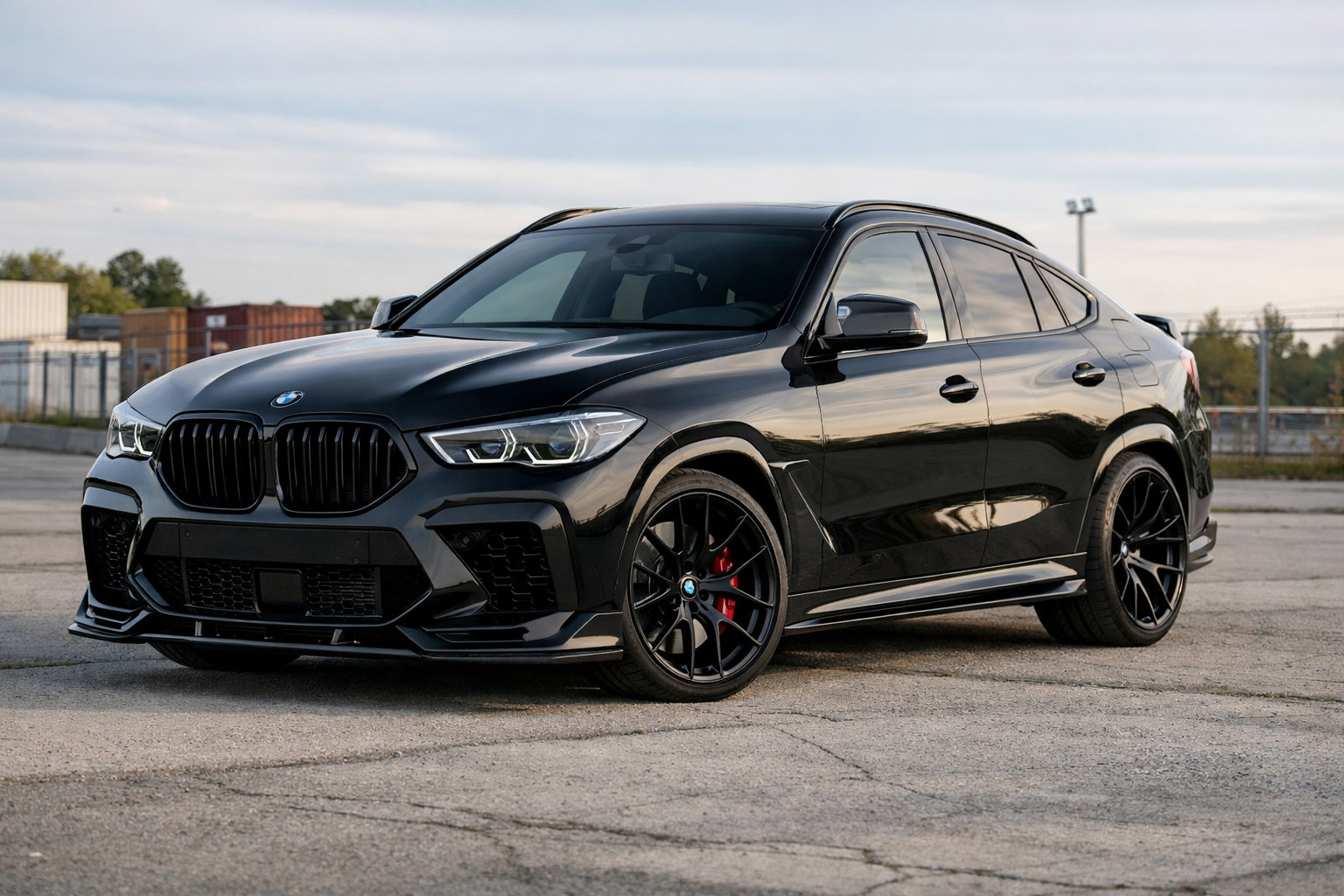
This group includes side steps, decorative trims, an illuminated emblem, spoilers, exterior accents, and other things that don’t solve the basic operational needs. You can install them if the car is already covered on the practical side and you want a specific visual result rather than a function.
The most controversial item here is side steps. For some owners they barely help with entry, can collect dirt, and can even get in the way when getting out; on certain versions, retrofitment is also more complicated than it seems at first—especially if we’re talking about a different body or an unusual trim.
The typical mistake is one: buying for effect, not for your use case. For the GLE W167, that often means overpaying for looks, a harsher ride, and zero benefit in day-to-day city and highway use.
| What to install first | What can be postponed | What is not mandatory |
|---|---|---|
|
|
|
| These are items that deliver daily benefits and don’t upset the car’s balance. | These items are only needed when you have a regular use case for them. | Without them, the GLE doesn’t become less suitable for city and highway driving. |
This order covers the essentials: cleanliness, preserving the cabin, protecting the cargo area, everyday safety, and normal ride smoothness. Everything else is then matched to your specific driving style—not the other way around.
More expensive solutions are justified when they work regularly, not once a season. For the GLE W167, this is usually a roof cargo system, a tow hitch, a separate wheel set, or a car with AIRMATIC—if you often drive with a full cabin, large cargo, long distances, or active recreation.
Before spending that money, it’s worth browsing the catalog for the GLE W167: in practice, a trunk mat and a roof rack often cover more real needs than expensive wheels or exterior cosmetics.
If the budget is one and you have to choose, I’d leave big wheels for the city-and-highway scenario for last. They rarely improve everyday use, but they immediately raise costs and can take away the ride smoothness that people value the GLE for in the first place.
From a customer’s experience: A GLE W167 owner initially looked at 559 mm wheels and side steps, but after a few long trips he realized it was more important not to lose comfort and not to scratch the trunk lip. In the end, he kept the basic comfort wheel setup, installed cabin and trunk mats, a sill protector, and a dash cam, and bought crossbars right before the travel season. That order delivered noticeable daily benefits without unnecessary spending on items just for the look.
For the Mercedes GLE W167 in the city and on the highway, the best starter upgrade almost never begins with expensive décor. The right first steps are to protect the cabin and trunk, avoid hurting the car with an ill-advised move to larger wheels, add basic safety items, and only then move on to more complex or costly solutions.
In short, the order is: must-do upgrades first, then items desirable for your scenario, and only after that secondary or purely visual options. This material is based on real selection experience, practical work, and real-world usage scenarios—not on abstract lists of “what else you can buy.”
| ✔ | Model-specific floor mats and a trunk mat really protect the most vulnerable areas from dirt, moisture, sand, and road salt. For everyday city driving, this makes a noticeable difference from day one. |
| ✔ | Trunk sill protection is especially useful in everyday use, when suitcases, a stroller, bags, or other heavy items are loaded frequently. It reduces the risk of scratches on the edge without expensive paint repair. |
| ✔ | The dash cam and wheel locks add basic peace of mind both in the city and on the highway. These are practical items that make sense for a car that is often parked on the street or driven in heavy traffic. |
| ✔ | Keeping the wheel size at a comfortable level seems like the most sensible compromise for city and highway use. That way, you avoid compromising ride smoothness and increasing tire costs without a real need. |
| ✔ | The upgrade order is built logically: first the interior, trunk, and security, then cargo systems, a tow hitch, or AIRMATIC when there is a specific need. This helps avoid spending money on options that do not work every day. |
| ✘ | Many popular upgrades are pushed to the background here, so the desired visual upgrade has to wait. If you want changes to the exterior, this approach may seem too pragmatic. |
| ✘ | The author explicitly advises against fitting large wheels first, since they often make the ride harsher and the tires more expensive. For those who primarily want a striking look, this means giving up a quick result. |
| ✘ | Side skirts may not be very useful in real-world use: they collect dirt and sometimes make getting out more difficult. In addition, on some versions, retrofitting them is more complicated than it seems. |
| ✘ | AIRMATIC and cargo systems are recommended only when there is a regular need, not just "just in case." That means some expensive options have to be postponed until there is a clear use case. |
Shipping to EU
Wholesale and retail
Own warehouse
Опис продукту
Подарунки не надаються при оформленні покупки у кредит під 0,01% або при покупці частинами.