05.09.2026
196
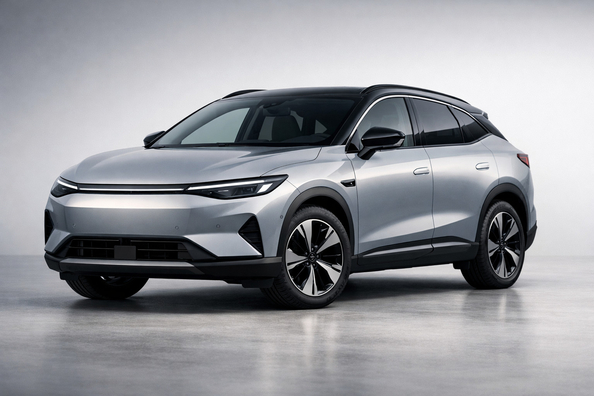
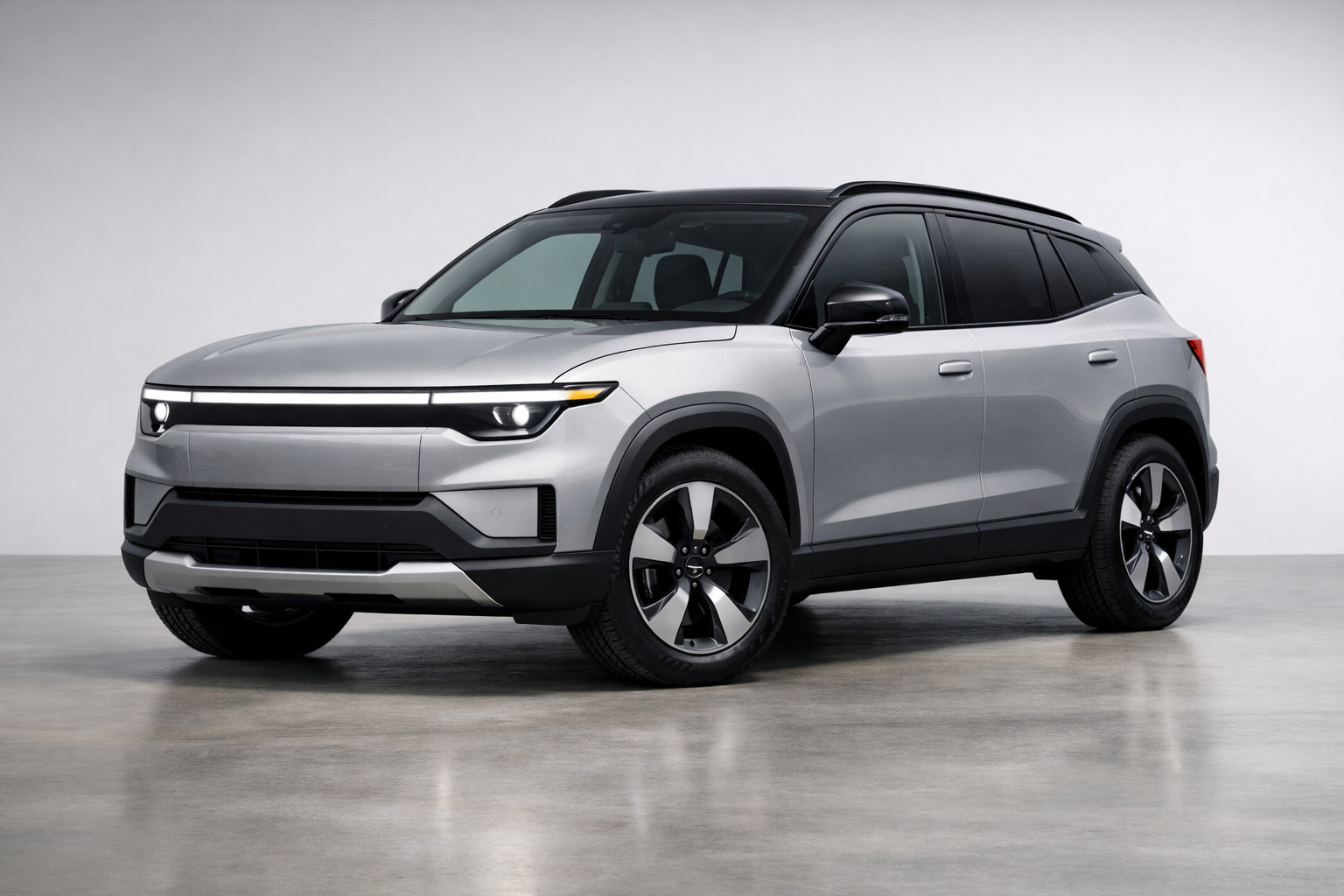
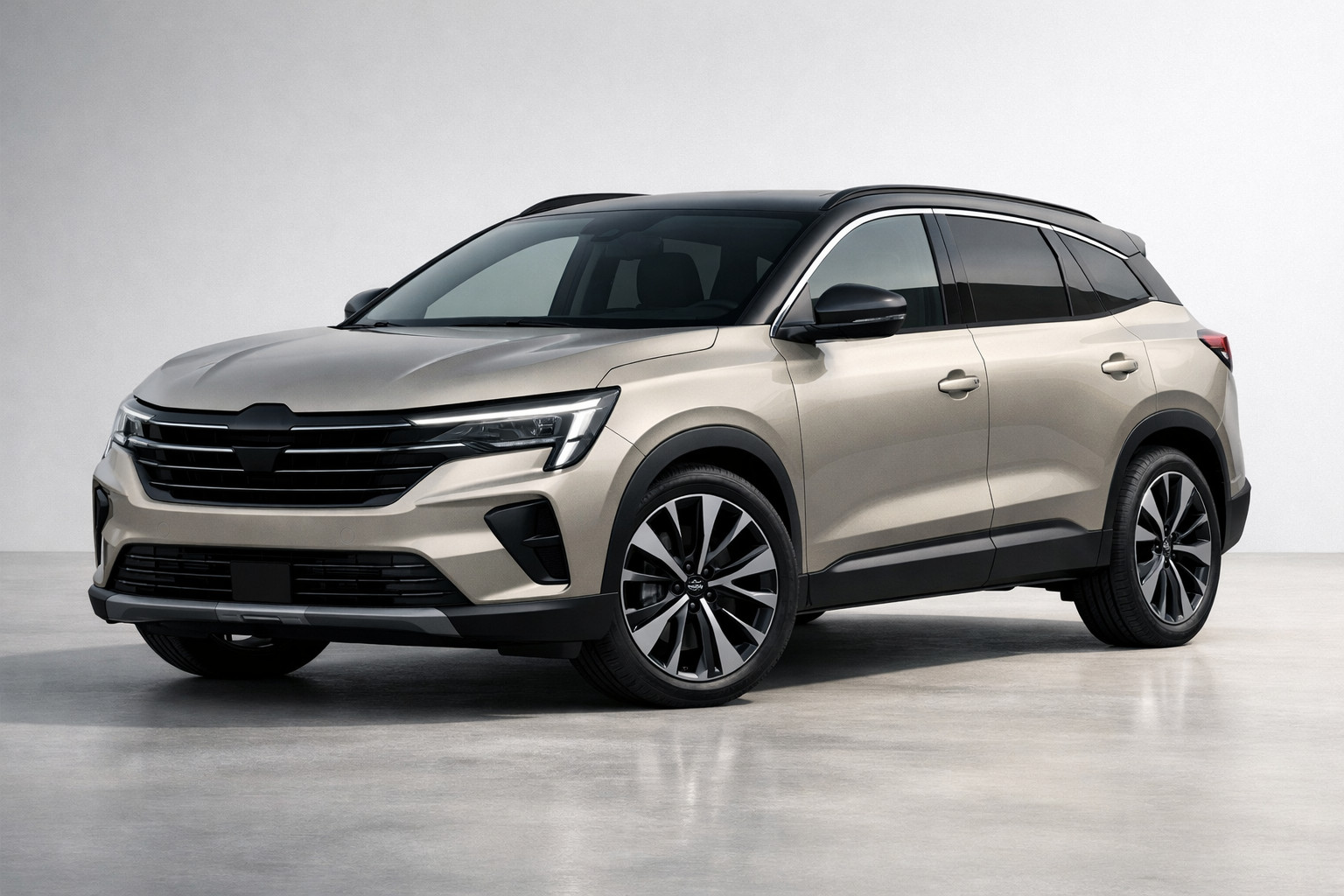
XPENG L03 is a new compact crossover entering Europe in two formats at once: as a fully electric model and as the PowerX range-extender version. The core idea is simple: deliver lots of equipment, fast charging and long range without stepping up into a more expensive class.
An important nuance: the model is only just launching, so the technical picture is already clear, but there is no long-term owner experience yet. Some figures also differ between Europe and China, so you should judge the L03 by the specification for your market.
In Europe, the L03 sits below the XPENG G6 and targets the mass-market electric crossover segment. By its initial positioning, it competes less with premium models and more with popular family EVs, where buyers focus not on status but on the balance of price, charging, range and equipment.
Who it suits: those who drive daily in the city and on highways, want a modern cabin, lots of electronics and don’t want to overpay for a larger body. Who it doesn’t: those looking for a model proven over years, high ground clearance for rough roads, or maximum boot space with no compromises.
At launch, this is the first generation L03. The model was officially unveiled on 16 July 2026, with European deliveries announced from Q4 2026. The “2027” designation is more logically understood as the model year rather than a separate new generation.
In Europe the car is sold as XPENG L03, in China as MONA L03. This matters because batteries, range and, crucially, even boot figures differ. That’s why early reviews from the Chinese market shouldn’t be mechanically applied to the European car.
There’s no conventional multi-speed gearbox here: in all versions, drive is sent to the wheels by an electric drivetrain through a reduction gear. Fully electric variants include rear-wheel-drive versions at 180 kW and an all-wheel-drive version at 285 kW. In the PowerX, the wheels are also driven by an electric motor, while a 1.5 L petrol engine rated at 62 or 63 kW works as a generator to extend range.
| Version | Powertrain | Power and torque | Battery | 0–100 km/h | Range | Charging |
|---|---|---|---|---|---|---|
| Electric standard | Rear-wheel drive | 180 kW, 264 N·m | 58.3 kWh | 7.5 s | 445 km WLTP | DC up to 193 kW, AC 11 kW |
| Electric long range | Rear-wheel drive | 180 kW, 264 N·m | 71.2 kWh | 6.6 s | 520 km WLTP | DC up to 236 kW, AC 11 kW |
| Electric all-wheel drive | All-wheel drive | 285 kW, 431 N·m | 71.2 kWh | 4.5 s | 440 km WLTP | DC up to 236 kW, AC 11 kW |
| PowerX range extender | Electric drive + 1.5 L generator | 180 kW, 264 N·m; generator 62–63 kW | 37.25 kWh + 42 L tank | 6.8 s | 215 km on electric drive, 1,017 km total WLTP | DC up to 123 kW, AC 6.6 kW |
In essence, the choice is this: the standard EV version is for city use and moderate mileage, the long-range is the most sensible for mixed driving, the AWD is for those who care about acceleration, and the PowerX is for people who don’t want to rely solely on charging infrastructure.
By size, the L03 lands in a very practical sweet spot: not small, but not bulky yet. A 2850 mm wheelbase promises decent rear-seat space, and a 10.5 m turning radius should make city driving easier. At the same time, 143 mm ground clearance clearly signals this is an asphalt-focused crossover, not a car for broken driveways and ruts.
| Parameter | Value | Practical takeaway |
|---|---|---|
| Length | 4650 mm | Family-friendly, without the “big boat” feel |
| Width | 1920 mm | Adds cabin space, but requires attention in narrow car parks |
| Height | 1600 mm | Crossover seating position, without excessive bulk |
| Wheelbase | 2850 mm | A strong argument for passenger space |
| Ground clearance | 143 mm | Fine for the city, borderline for poor roads |
| Boot in Europe | 367 L | Not a record, but enough for everyday family use |
| Front trunk | 89 L in the EV version, absent in PowerX | The EV is more practical for cables and small items |
| Towing | up to 1500 kg braked | Useful for a light trailer or small camper |
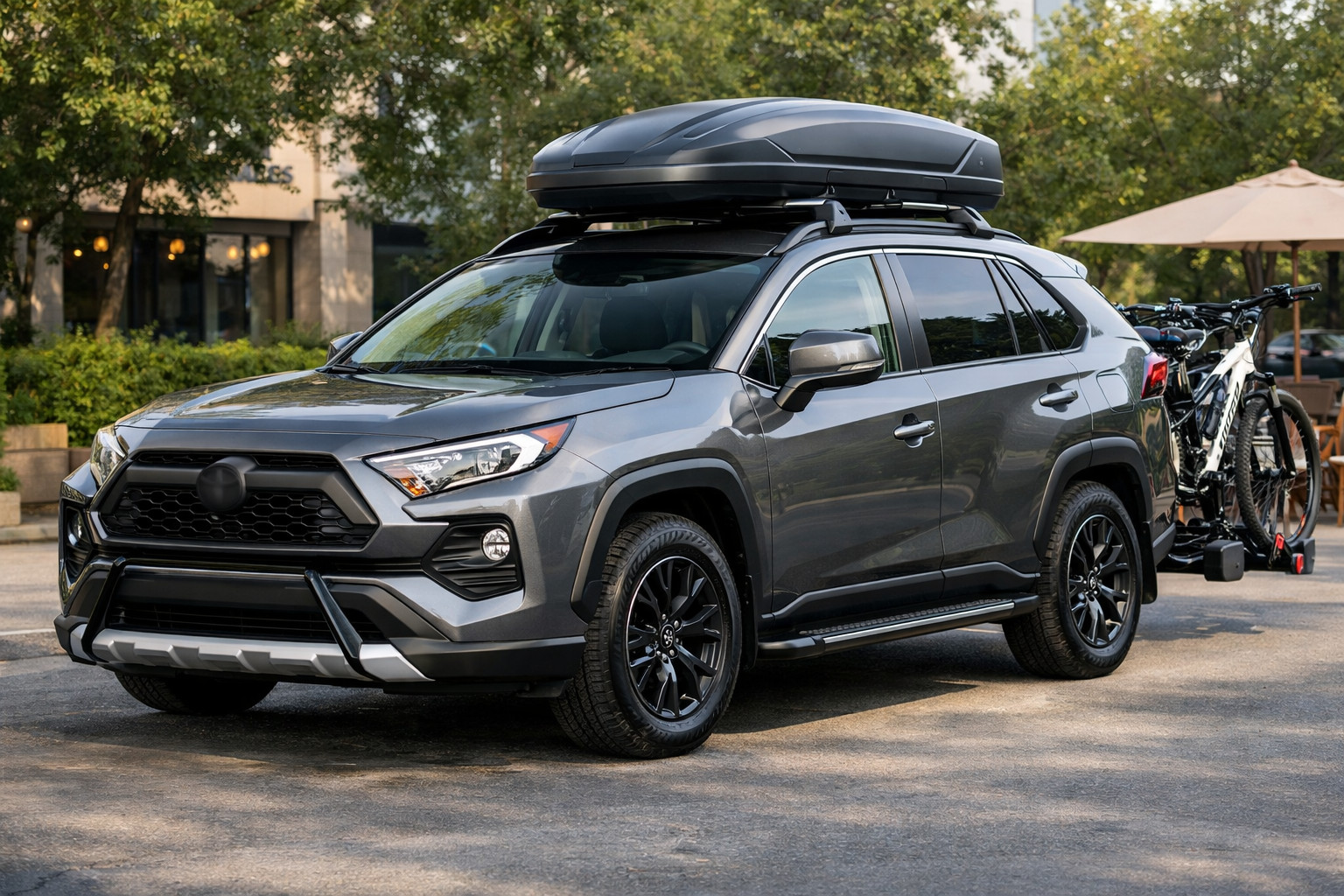
| Roof load | 75 kg | You can fit a roof box or bike rack |
There’s an important market nuance with the boot: China lists larger numbers than Europe. So for a Ukrainian buyer ориентing on European deliveries, it’s more correct to go by the 367 L boot in the electric versions and the absence of a front trunk in the PowerX.
The L03 focuses less on showy luxury and more on feature density. The cabin is said to include a 15.6-inch central screen, an 8.88-inch digital cluster and a large 26.8-inch head-up display. Higher trims add front-seat ventilation and massage, a heat pump, dual-zone climate control and external power output up to 6 kW.
Safety equipment is serious too: 7 airbags, 7 cameras, 12 ultrasonic sensors and very powerful computing hardware in higher versions. In practice, that means a strong set of driver-assistance systems, but also that the model is best for those comfortable with lots of controls via the screen and software environment.
In daily life, the long-range electric version looks the most interesting: 520 km WLTP, 11 kW AC charging and DC fast charging up to 236 kW provide a solid balance of city driving and trips. The standard battery suits those who regularly charge at home or at work. PowerX is more of an anti-crisis solution for people who want to drive electric but don’t want to stress about routes, winter, queues or weak infrastructure.
There are everyday limitations too. Ground clearance is a bit low for curbs and rough courtyards, rear visibility due to the body shape may not be the best, and the REEV version loses to pure EVs in charging speed. If you need 800-volt architecture, long-proven reliability or a very large boot, the L03 doesn’t fully cover those needs.
| Strengths | What it gives the owner | Weaknesses | What it means in practice |
|---|---|---|---|
| Strong price-to-equipment ratio | Fewer compromises even in the base spec | No long-term statistics yet | Early-buyer risks are higher |
| Fast charging for its class | Less time spent on highway stops | Not an 800-volt record-setter | Some rivals charge even faster |
| PowerX reduces range anxiety | Easier to live without perfect infrastructure | PowerX has no front trunk and slower AC/DC | Less practicality and slower charging |
| Well-equipped cabin and strong electronics | Comfortable in the city and on trips | Rearward visibility may be average | You’ll need to rely on cameras and sensors |
| Decent towing and roof load | Not just a city car | 143 mm ground clearance | Bad roads and high curbs aren’t its element |
From an owner’s perspective, the L03 is strong where people count time, kilometres and charging convenience every day. The weak points are also clear: a new model, not off-road ground clearance, and a reputation that hasn’t yet been fully proven over high mileage.
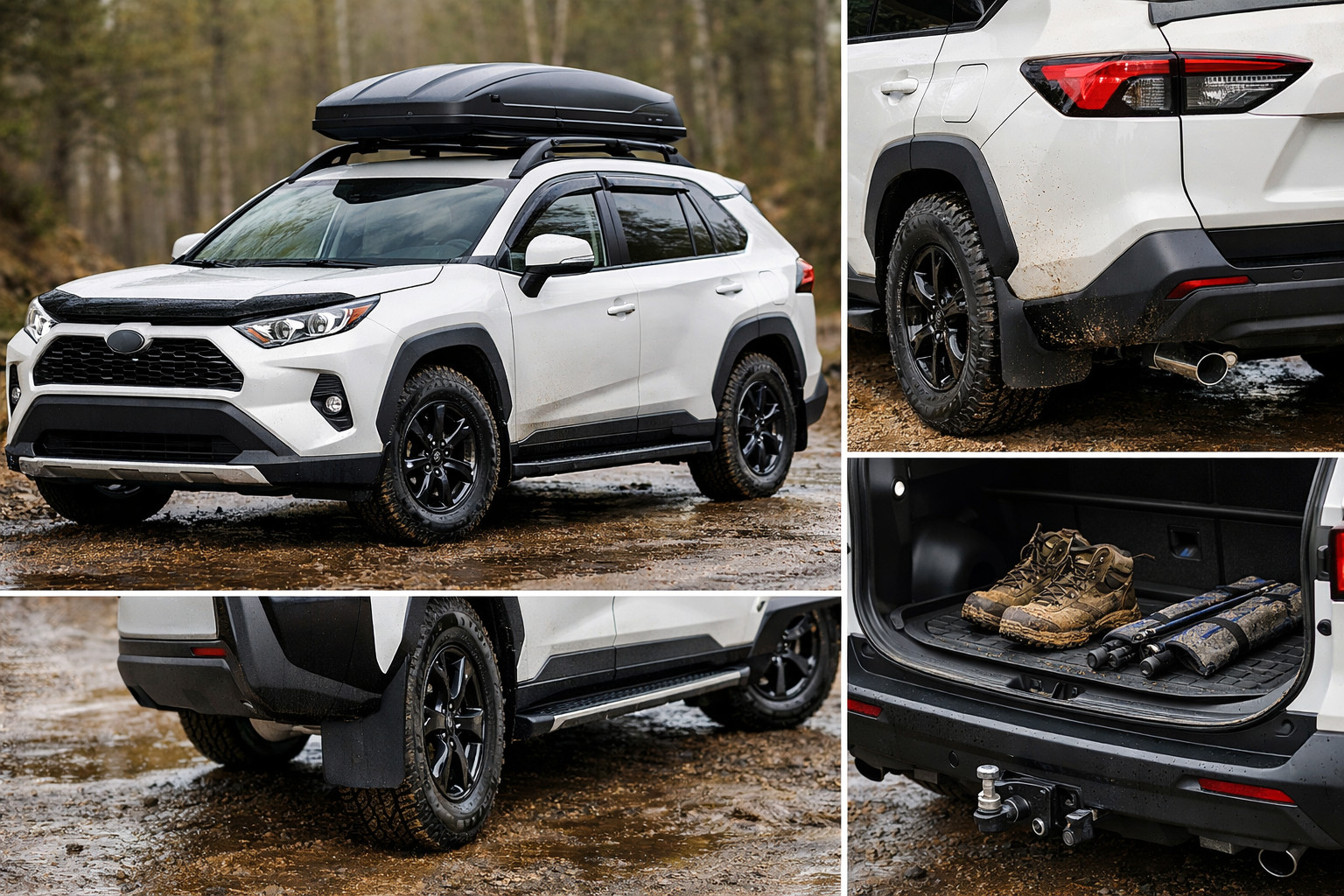
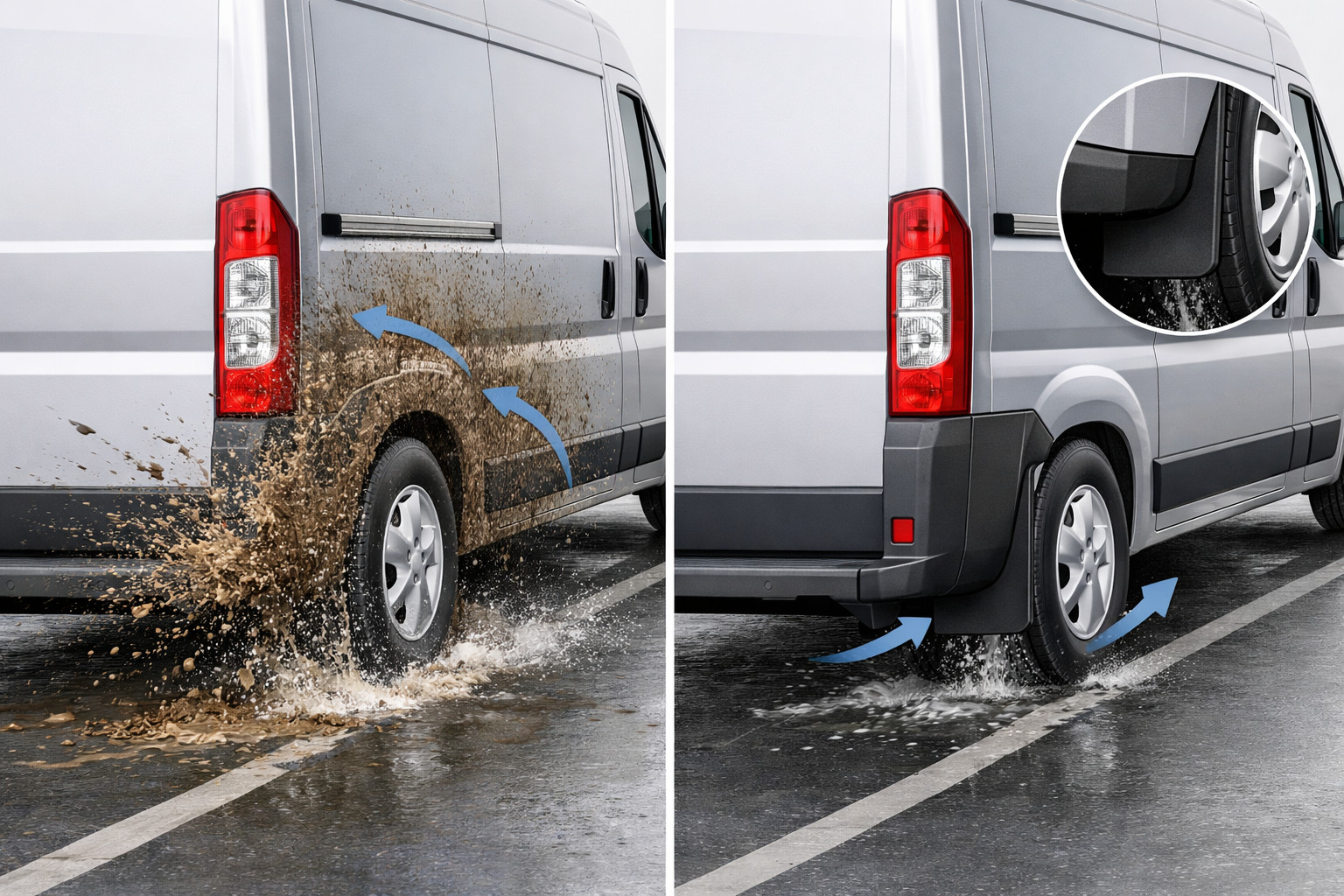
For the L03, tuning makes sense primarily as practical upgrades, not a decorative story. Low ground clearance, a family-oriented body format, prepared mounting points for a roof rack and towing capability suggest the priorities: mats, boot-area protection, roof solutions, cable organisation and managing load on the road.
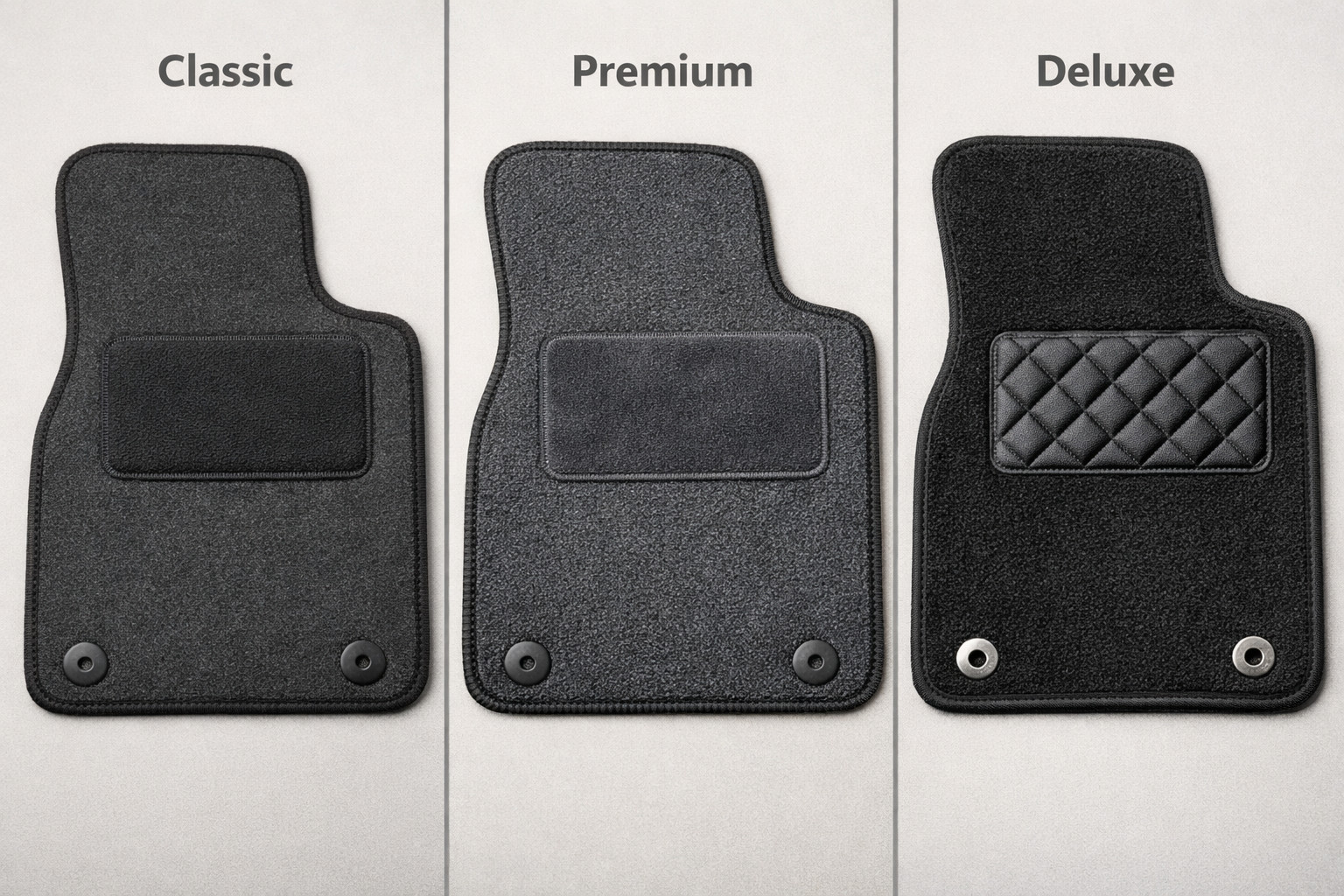
Since the model is just entering the market and a dedicated L03 page may appear later, it makes sense to follow the brand catalogue and the already populated related XPENG sections. To start, it’s worth checking accessories for XPENG, interior floor mats and roof racks and cross bars — these are the most practical items for everyday use, especially if the car will go on long trips or carry family luggage.
As for practical items, I wouldn’t rush only into aggressive exterior modifications. For a new model, it’s better to wait for a stable assortment tailored to the European specification, and start with what truly affects day-to-day life: cabin cleanliness, boot protection, carrying items and cables.
The XPENG L03 looks like a strong option for those who want a modern electric crossover without moving up into a more expensive segment, and the PowerX is particularly interesting for those not yet ready to depend entirely on charging infrastructure. But it’s still a new model with little real-world history, so it’s worth buying with a cool head: clearly understanding your routes, parking conditions, boot needs and attitude toward electronics.
| ✔ | There is a choice between a fully electric version and the PowerX with an extended-range generator, so you can pick the car for different use cases. PowerX is especially useful where charging infrastructure is still weak or trips often go beyond the city. |
| ✔ | The electric versions are claimed to support fast DC charging of up to 193–236 kW, and the long-range version also offers 520 km WLTP. This makes the L03 convenient for mixed trips and means less downtime at charging stops. |
| ✔ | The dimensions look practical for a family crossover: a 2850 mm wheelbase should provide good space in the second row, while the 4650 mm length does not make the car too bulky in the city. |
| ✔ | The cabin is well equipped: a large central screen, digital cluster, head-up display, and in higher trims also ventilated and massaging seats, dual-zone climate control, and a heat pump. |
| ✔ | There are useful everyday features: towing capacity of up to 1500 kg, roof load of 75 kg, and a 89 l front trunk in the electric version. For daily use, this adds practicality without moving into a larger class. |
| ✘ | The model is new, and there is still no long-term reliability and running-cost statistics. For a buyer, this means more risk than with competitors that have been proven over the years. |
| ✘ | Ground clearance of 143 mm limits comfort on bad roads, high curbs, and broken courtyards. It is more of an asphalt crossover than a versatile car for difficult surfaces. |
| ✘ | The trunk in Europe is only 367 l, and the PowerX also lacks a front trunk. For family trips with a lot of luggage, this may not be enough. |
| ✘ | Charging in the PowerX is slower than in pure electric versions, because AC here is up to 6.6 kW, and DC is up to 123 kW. So as a backup option it is convenient, but not the fastest for everyday use. |
Shipping to EU
Wholesale and retail
Own warehouse
Опис продукту
Подарунки не надаються при оформленні покупки у кредит під 0,01% або при покупці частинами.