18.07.2026
337
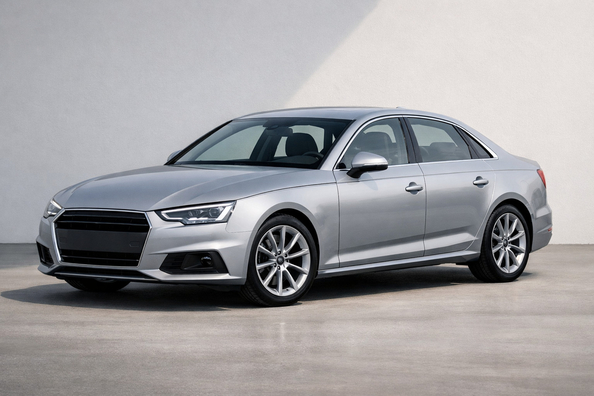
Audi A4 B9 is a sedan for those who want a composed, quiet, and straightforward daily car—not a showy status symbol. It combines highway stability, sensible practicality, and an engine lineup without any outright bad extremes, as long as you choose the version that fits your needs.
The A4 B9 suits drivers who spend a lot of time in the city and on intercity routes, value sound insulation and tidy ergonomics, and don’t want a harsh, sporty character. It’s not the best choice for broken roads, high curbs, or anyone looking for the most alive steering feel like in the BMW 3 Series.
The A4 B9 sits right in the middle of the German executive sedan class: its direct rivals are the BMW 3 Series and Mercedes C-Class. But its character is different. If BMW is more about excitement, and Mercedes often bets on cabin wow-factor, Audi in this generation wins with restraint, ride quality, and very mature highway behavior.
That’s why the model is often chosen as an all-rounder: for commuting, trips, family needs, and even a calm corporate fleet. The sedan has a 460-liter trunk, a five-seat cabin, and enough comfort in reserve to keep you from getting tired on long routes.
The B9 generation launched in 2015, and in 2019 the model received a major update often referred to as B9.5. Production of this generation ran until 2024. For buyers, this matters because pre-facelift and facelift cars differ noticeably in the front end, lighting, infotainment, and partly in equipment logic.
After the update, the A4 got a more modern look and a 10.1-inch MMI touchscreen. Some engines after the facelift moved to a 12-volt mild-hybrid system, which added smoothness in daily driving and helped fuel consumption a bit.
The engine range in the A4 B9 varied by market and year, so it’s better to look not at the version name but at the exact displacement, power output, and drivetrain. The most typical sedan options were 2.0-liter gasoline and diesel variants. Most versions used a 7-speed S tronic dual-clutch gearbox, while quattro all-wheel drive was reserved for more powerful gasoline models and some diesel trims.
| Version | Engine | Power and torque | Drivetrain and gearbox |
|---|---|---|---|
| 35 TFSI | 1 984 cm³ gasoline | 150 hp, 270 N·m | front-wheel drive, 7-speed S tronic |
| 40 TFSI | 1 984 cm³ gasoline | 190 hp, 320 N·m | front-wheel drive, 7-speed S tronic |
| 45 TFSI quattro | 1 984 cm³ gasoline | 245 hp, 370 N·m | quattro ultra all-wheel drive, 7-speed S tronic |
| 35 TDI | 1 968 cm³ diesel | 163 hp, 380 N·m | front-wheel drive, 7-speed S tronic |
| 40 TDI quattro | 1 968 cm³ diesel | 190 hp, 400 N·m | quattro all-wheel drive, 7-speed S tronic |
If you want the most rational everyday option, the 35 TDI and 40 TDI look very convincing. If you prefer quieter city operation and a better response without diesel-specific traits, the 40 TFSI is one of the best compromises. The 45 TFSI quattro is more for those who value strong pull and power reserves, but costs and upkeep are higher.
The A4 B9 sedan is 4 762 mm long, 1 847 mm wide without mirrors, 1 431 mm tall, and has a 2 820 mm wheelbase. It’s a size where the car already feels grown-up on the highway, yet still doesn’t annoy in the city. The official turning diameter is 11.6 m, so maneuverability for this class is perfectly normal.
Chassis-wise, the A4 B9 is strong precisely because of its balance. It uses a five-link suspension front and rear, an electromechanical steering rack, and the overall feel is composed without unnecessary harshness. An important nuance: in available official data for the standard sedan, ground clearance isn’t listed separately, so for bad roads it’s better not to rely on assumptions and to check the car in reality.
| Parameter | Value |
|---|---|
| Production period | 2015–2024, update in 2019 |
| Length | 4 762 mm |
| Width without mirrors | 1 847 mm |
| Height | 1 431 mm |
| Wheelbase | 2 820 mm |
| Trunk | 460 l |
| Turning radius | 11.6 m |
| Suspension | five-link front and rear |
| Roof load | up to 90 kg |
| Towing with brakes | about 1 700–1 900 kg depending on version |
| Ground clearance | not specified in open official data for the standard sedan |
The A4 B9 interior doesn’t try to impress with decoration, but it ages well. The seating position is comfortable, visibility is fine, and materials in well-specced trims feel premium without loud design decisions. After the facelift the infotainment became more modern, but not everyone liked moving some functions into a touchscreen format.
For comfort, the model’s strong points are sound insulation and calmness at speed. Safety is solid in base form too: active hood, eight airbags, pre-sense braking systems, driver attention monitoring, stability control. In higher trims or option packages you can get adaptive cruise control, lane keeping assist, blind-spot monitoring, 360-degree cameras, and automated parking.
In the city, the A4 B9 is convenient because it doesn’t feel big from the driver’s seat, and on the highway it gets even better: it holds speed quietly, stays composed during lane changes, and doesn’t require constant steering corrections. The 460 l trunk is enough for suitcases, kids’ items, and weekly shopping, though the sedan shape is still less versatile than the Avant.
In terms of running costs, everything depends on the engine, drivetrain, and wheels. Diesel versions usually look the most economical in real life, while the gasoline 40 TFSI is the most balanced for quietness and dynamics. On the used market, it’s worth carefully checking that the S tronic shifts without jerks, the condition of the coolant pump, the electrics, the infotainment, and possible oil consumption on some 2.0 TFSI.
With the A4 B9, owners usually don’t get strong emotions either way—and that’s the point. It’s a car that does its job well every day, but it requires careful selection of trim and condition.
| Pros | Cons |
|---|---|
| A very successful balance of comfort, quietness, and high-speed stability | Not as engaging to drive as some competitors |
| Strong 2.0-liter diesels and good gasoline versions for daily driving | Some desired options are available only in packages or expensive trims |
| Practical 460 l trunk and good suitability for family needs | The sedan doesn’t like bad roads and tall obstacles |
| A high-quality interior that doesn’t look tired too quickly | Weak points on used cars: infotainment, electrics, water pump, sometimes S tronic |
| Practical upgrades and accessories make sense | After unsuccessful “styling,” it’s easy to lose the model’s main advantage—restraint |
In short, the A4 B9 fits those who want a mature, quiet sedan for everyday use. If you need emotions, lots of ground clearance, or maximum service simplicity, this model may miss the mark.
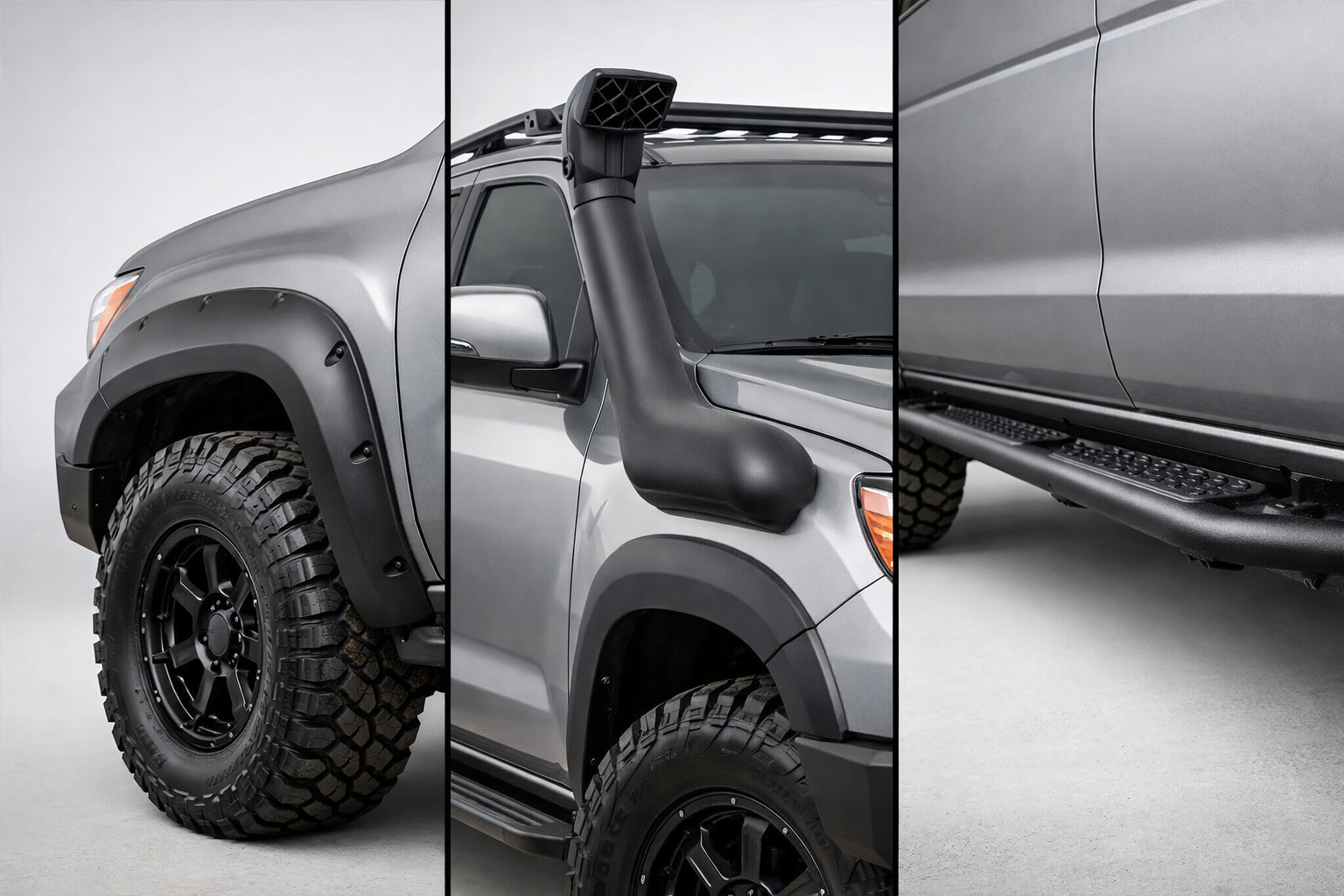
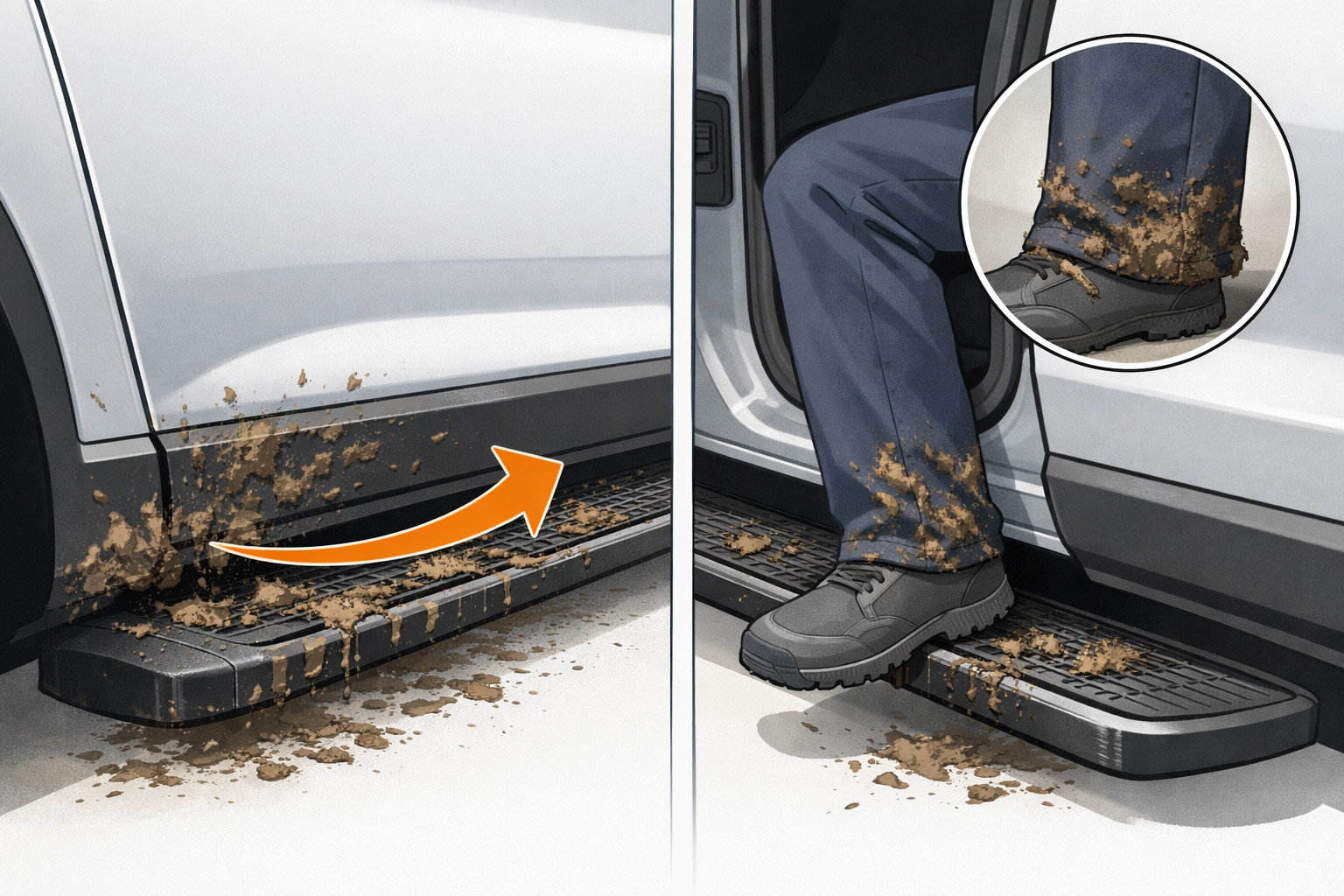
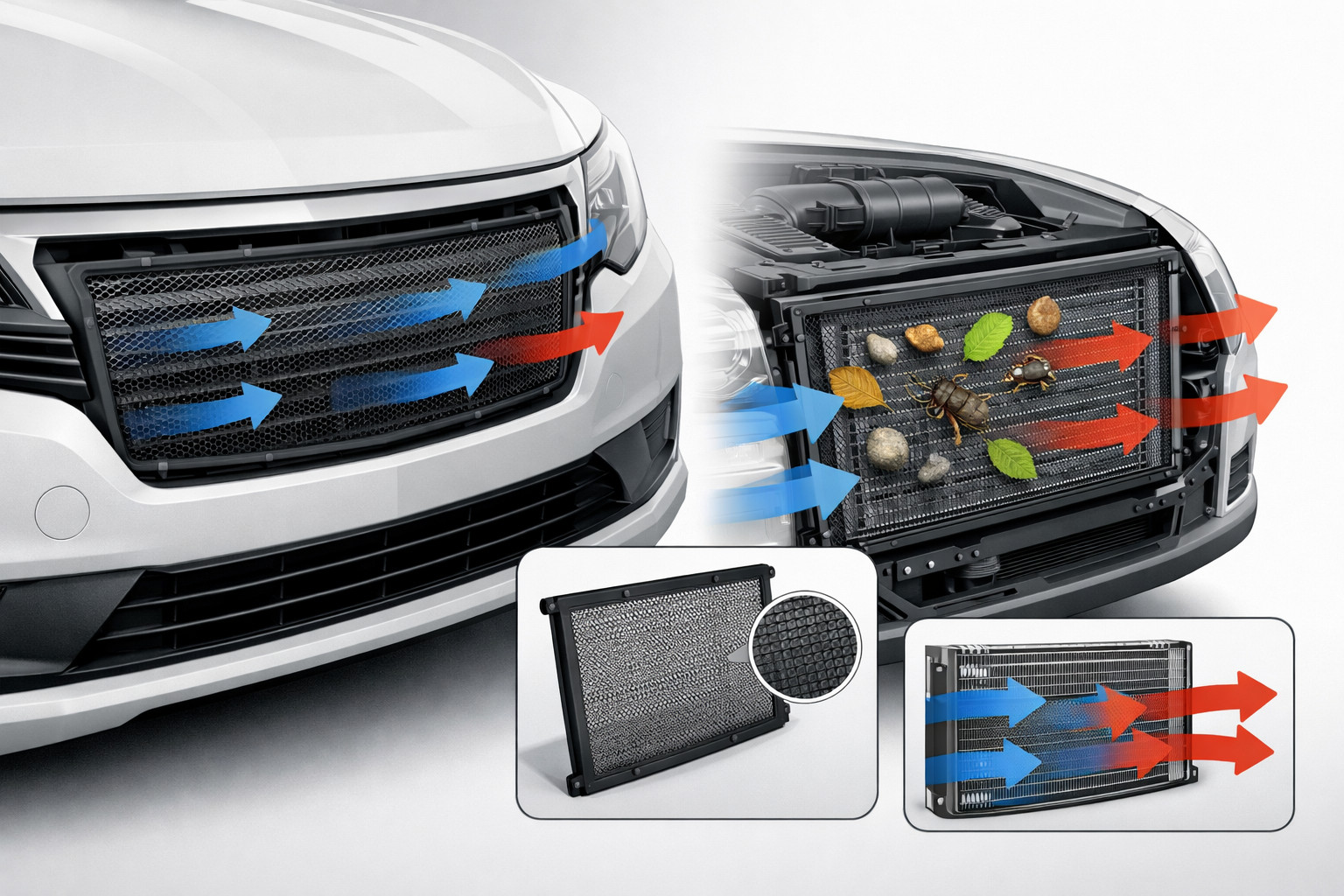
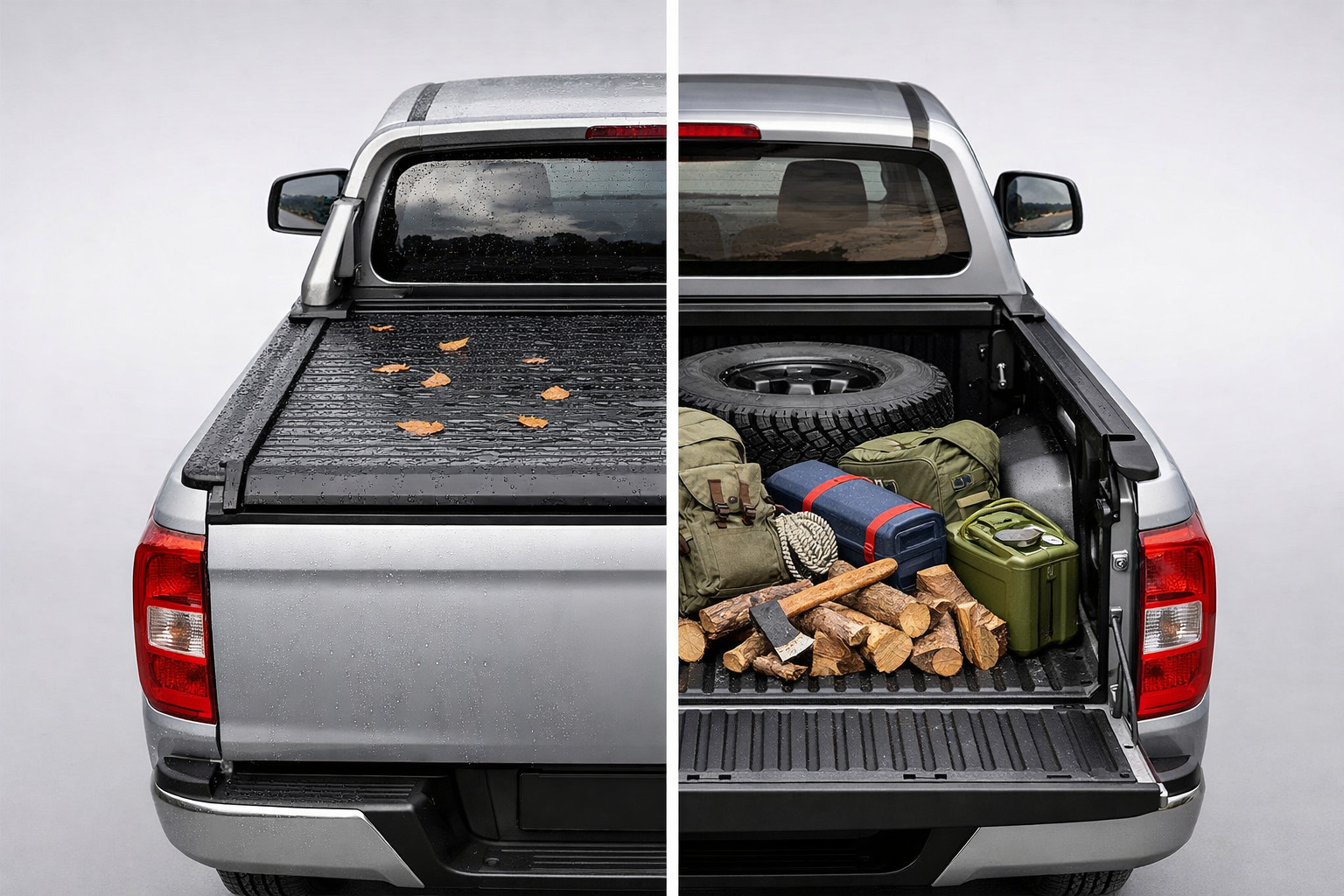
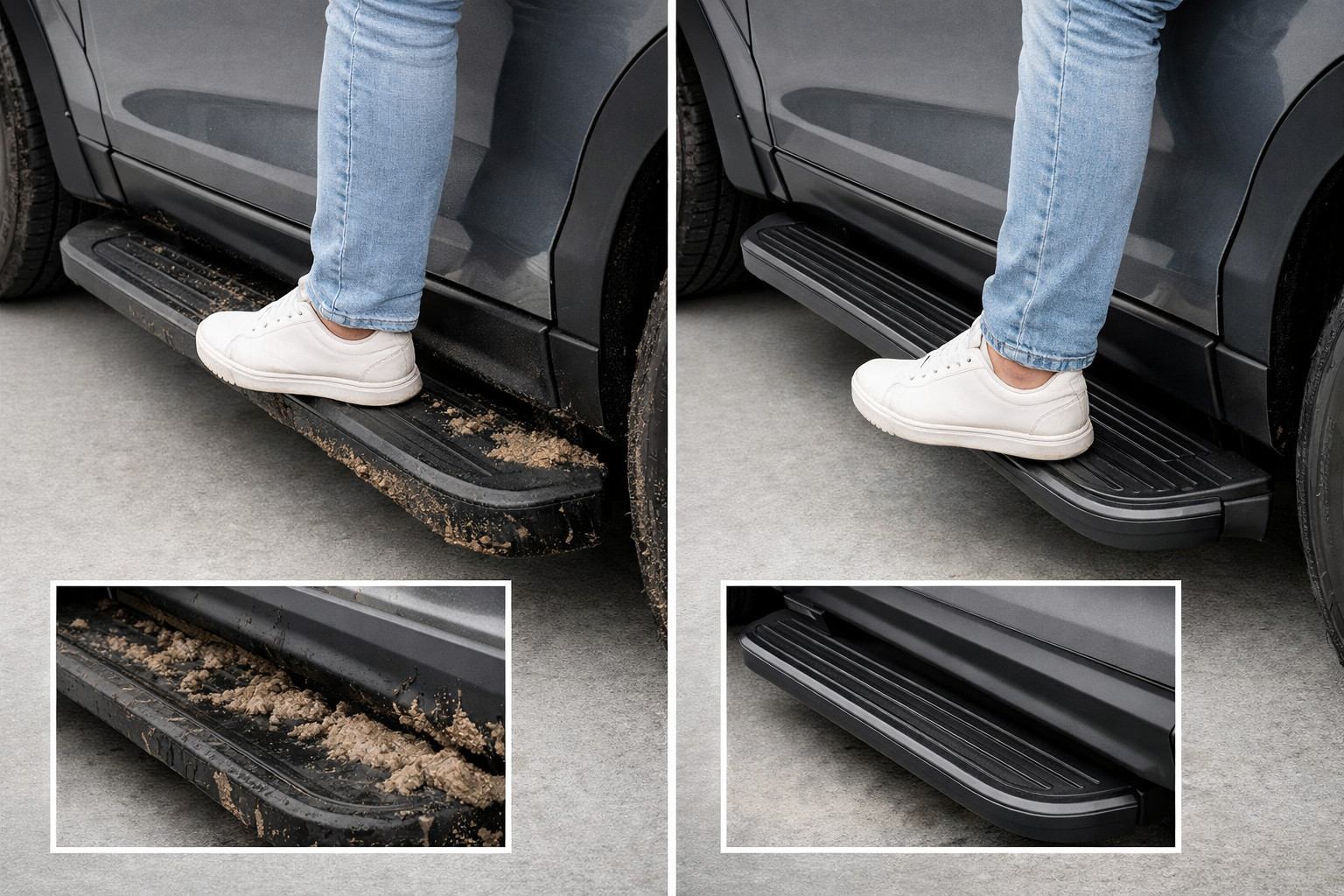
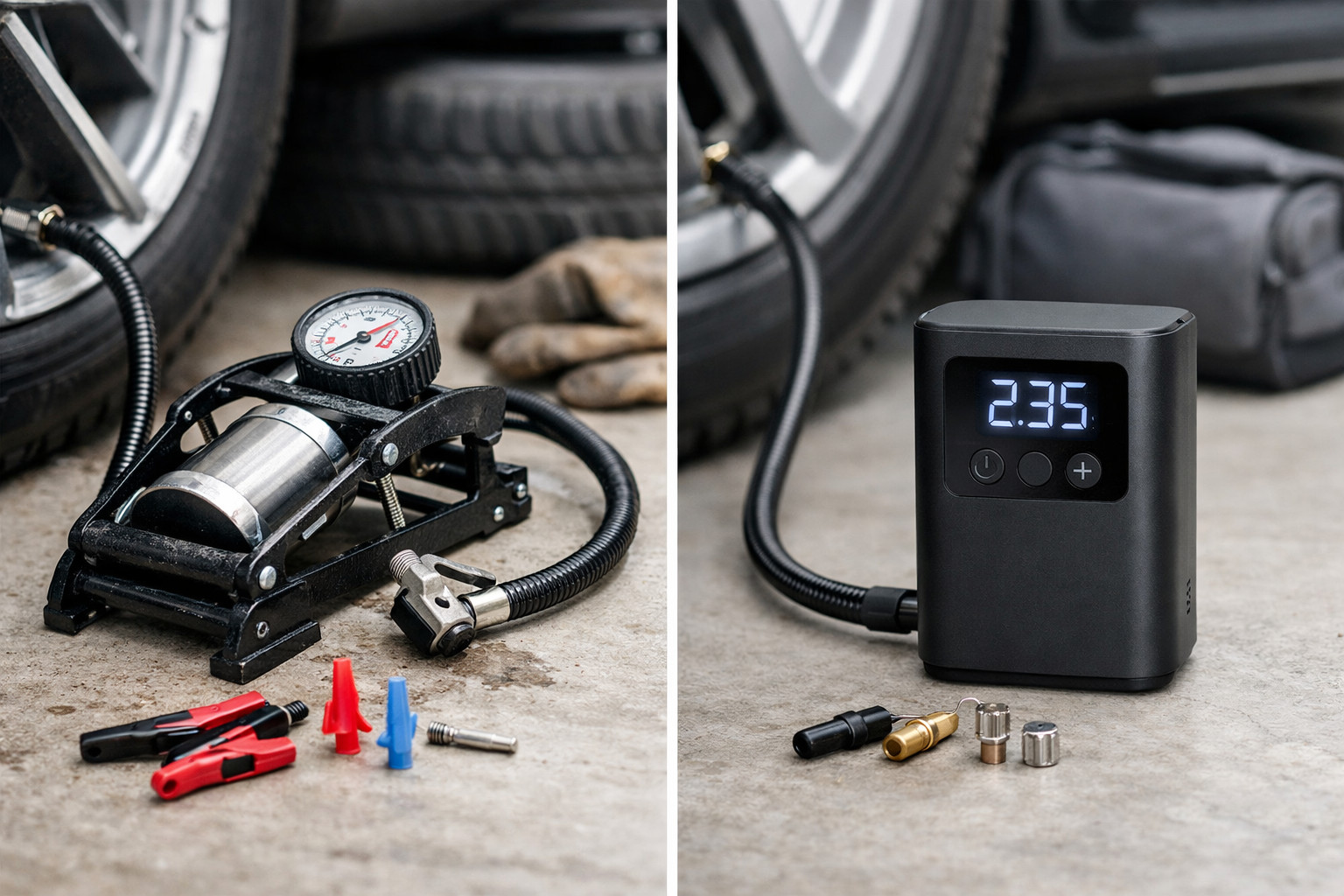
For the A4 B9, the smartest tuning is practical rather than showy. This car responds well to neat, thoughtful upgrades: protecting areas that quickly get dirty or scuffed, small items for the trunk, cabin, and body. An aggressive body kit or overly large wheels don’t always add value: the car loses comfort and can look cheaper than the factory style.
If you’re choosing parts for daily use, it makes sense to start with the basics and only then think about exterior decor or aerodynamic elements.
Audi A4 B9 is a very strong option for anyone who needs a restrained executive sedan without extra pomp, with good sound insulation, sensible practicality, and a wide choice of engines. It shines best as a daily car for city and highway use, not as a sporty toy or a car for bad roads.
With the right version choice, the A4 B9 delivers exactly what it’s valued for: calmness, precision, and the feel of a solidly built car. This material is based on real selection experience, hands-on practice, and real-world usage scenarios, so the main conclusion is simple: in its format, it’s one of the most well-balanced models—as long as you don’t chase extra flash and you pick the configuration that fits you.
| ✔ | It combines comfort, quietness, and directional stability well, making it suitable for daily driving and long highway trips. At speed, the car behaves calmly and does not require constant steering corrections. |
| ✔ | The range of 2.0-liter diesel and petrol versions looks like a good fit for different use cases. In particular, the author describes the 35 TDI, 40 TDI, and 40 TFSI as the most sensible options. |
| ✔ | A practical 460 l trunk and a five-seat cabin make the model convenient for family tasks, trips, and weekly shopping. In this sedan format, it is still not too bulky for the city. |
| ✔ | The cabin feels high-quality and does not look tired too quickly. After the facelift, the multimedia system became more modern, and the well-chosen trim preserves the feel of a grown-up car. |
| ✔ | The basic safety equipment is already quite rich: it includes an active hood, eight airbags, preventive braking, driver attention monitoring, and stability control. Higher trims offer useful options such as adaptive cruise control and surround-view cameras. |
| ✘ | The car does not offer the same excitement behind the wheel as some rivals and is not meant for those looking for sharp steering or sporty sensations. Its character is rather calm and composed. |
| ✘ | The sedan is poorly suited to broken roads, high curbs, and large bumps. The article explicitly notes that for bad roads it is better not to rely on assumptions about ground clearance. |
| ✘ | Some of the needed options are available only in packages or higher trims. As a result, it is easy to end up with a car missing important features. |
| ✘ | Used cars have typical weak points: the multimedia system, electrics, the cooling pump, and on certain 2.0 TFSI versions, oil consumption. It is also recommended to carefully check that the S tronic operates smoothly without jerks. |
Shipping to EU
Wholesale and retail
Own warehouse
Опис продукту
Подарунки не надаються при оформленні покупки у кредит під 0,01% або при покупці частинами.