27.06.2026
409
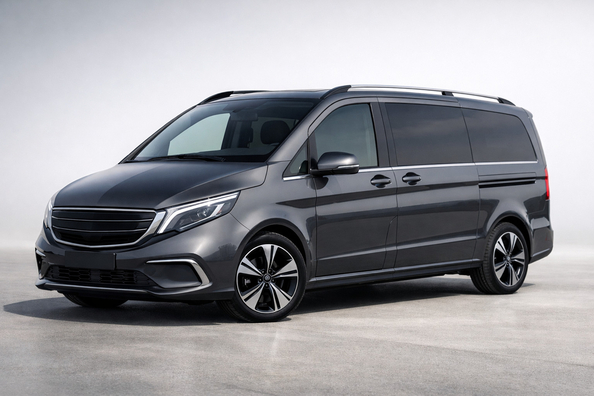
Mercedes-Benz EQV 300 is a large electric minivan based on the V-Class/Vito for those who want quietness, a premium cabin, and 6–8 seats without switching to a crossover or a purely commercial-style van. Essentially, it’s a business shuttle and a family people carrier in one body: spacious, heavy, not cheap, but very comfortable for calm day-to-day use.
The key thing to understand right away: the EQV 300 works very well for transfers, hotel service, a large family, and regular routes with access to charging. If you need frequent long motorway runs at high speed or maximum efficiency for minimal money, it’s not the strongest option.
The EQV sits at the top end of the electric minivan segment. It’s more expensive than most electric models based on commercial-van platforms and typically competes not on price, but on cabin quality, finish level, ride smoothness, and brand status. In practice, it’s a rival to the Volkswagen ID. Buzz with a different philosophy: less about a flashy dedicated EV platform, more about space, seating versatility, and the format of a classic large minivan.
For businesses, the EQV is appealing because it delivers quiet travel, proper seating comfort, and a solid look without diesel noise. For families, it’s appealing because there’s genuinely a lot of room, and interior layouts depend on market and version: 6, 7, and up to 8 seats are available.
The EQV doesn’t have a long standalone lineage with multiple generations like passenger cars. It’s the electric version of the modern W447 family, related to the V-Class and Vito. The production EQV entered the market in 2020, and the model then evolved within the same architecture, including updated versions after the facelift. The key takeaway for buyers is simple: this is not a clean-sheet EV platform, but an adaptation of a proven minivan to electric drive.
The EQV is built in Spain, at the Vitoria plant, alongside other models from this line. That’s why in terms of body feel, seating position, and ergonomics, it’s closer to an expensive passenger van than to a futuristic next-generation EV.
For the EQV 300, the main simplification is that there’s no choice between multiple petrol or diesel engines. Displacement as a parameter doesn’t apply because the model is electric. The main powertrain is a single electric motor rated at 150 kW, or 204 hp, with front-wheel drive and 366 N·m of torque. In character it’s calm, with smooth acceleration and no sporty ambitions: 0–100 km/h takes about 12.1–12.2 s, and top speed is limited to 140 km/h.
| Parameter | Value |
|---|---|
| Powertrain | Electric motor, displacement not applicable, 150 kW (204 hp) |
| Torque | 366 N·m |
| Drive | Front |
| Battery | 93.3 kWh usable capacity; early materials mention 90 kWh usable and 100 kWh installed |
| WLTP range | 361–374 km depending on body length and market |
| WLTP consumption | About 26.4–29.4 kWh/100 km depending on version |
| 0–100 km/h | 12.1–12.2 s |
| Top speed | 140 km/h |
| Charging | AC up to 11 kW, DC up to 110 kW; 10–80% on a fast charger in about 40–45 min |
| Seats | From 6 to 8 depending on market and layout |
| Weight | Curb around 2750 kg, gross 3500 kg |
In daily use, it’s not just power figures that matter, but the charging logic. The EQV supports several driving modes and multiple recuperation levels, so it can be set up conveniently for the city. But keep in mind: on the motorway, in the cold, and with a full cabin, range drops noticeably.
The EQV is available in at least two body lengths, L2 and L3. Official data for one version lists 5140 mm length, 1928 mm width without mirrors, 1901 mm height, and a 3200 mm wheelbase. Turning circle is 12.9 m, so it’s still a large vehicle in tight courtyards, although visibility and seating position partly offset the size.
You need to be careful with the boot: the numbers depend heavily on the seating layout. Different sources cite 610–5010 L, as well as 1030 L or 4630 L for other configurations. So capacity really is huge, but you should assess a specific vehicle based on your own use case: six individual seats, seven seats, or a maximum-passenger layout will give different results. There’s no officially confirmed ground clearance in the reviewed materials; catalogues sometimes show around 154 mm, so for bad roads it’s best to verify this separately.
Chassis tuning in the EQV is aimed at comfort, not excitement. Due to the high weight and tall body, there’s body roll in corners, and at speed you may notice aerodynamic noise. But on calm urban and suburban routes, this format works exactly as expected: steady, smooth, and unhurried.
The EQV’s strong suit is the cabin. There’s lots of space, a high seating position, easy access to the second and third rows, and the feel of an expensive passenger minivan rather than a utilitarian van. Depending on trim, you can get a very rich set of features: MBUX infotainment, power doors, ambient lighting, heating, seat ventilation, and individual second-row seats.
For a family, this means less fatigue on long trips; for business, it means a better passenger experience. In terms of safety, the EQV largely mirrors the V-Class, but the set of driver aids depends on year, market, and trim. So with used examples, you should specifically check for the systems you want rather than relying only on the model name.
In the city, the EQV makes sense: quiet, smooth, not jerky in traffic, and well suited to short and medium routes with overnight charging. For real-world range, it’s better to think in scenarios rather than brochure numbers. In a calm mixed cycle you can expect a respectable result for a vehicle of this size, but on the motorway, in winter, or with a full load, real range often drops closer to 250–320 km, sometimes even lower.
In terms of maintenance, the electric version is usually simpler than the diesel one, but on the used market it’s important to check charging history, high-voltage system condition, and common small issues like door sensors or the rear-view camera. If your route is predictable and charging infrastructure is decent, the EQV doesn’t create extra stress. If your schedule is chaotic and you spend all day on the motorway, there will be more compromises.
The EQV 300 has a very clear profile. It doesn’t try to be the best all-round EV, but it covers specific tasks very well.
| Plus | Minus | What it means in practice |
|---|---|---|
| Very spacious cabin and flexible seating | Large body in the city | Great for a shuttle and a big family, but parking is harder than in a crossover |
| Quiet and comfortable electric drive | Moderate performance and body roll | Pleasant for relaxed driving, but doesn’t feel light or sporty |
| Premium interior and strong equipment level | High price | Best for those willing to pay for comfort and format rather than pure value |
| Sensible charging logic for regular routes | Range depends heavily on speed, weather, and load | In the city and on short intercity trips it’s fine; for long routes you need planning |
| Less routine service than a diesel van | Used cars may raise questions about charging and electronics | Before buying, you need proper diagnostics, not just a body check |
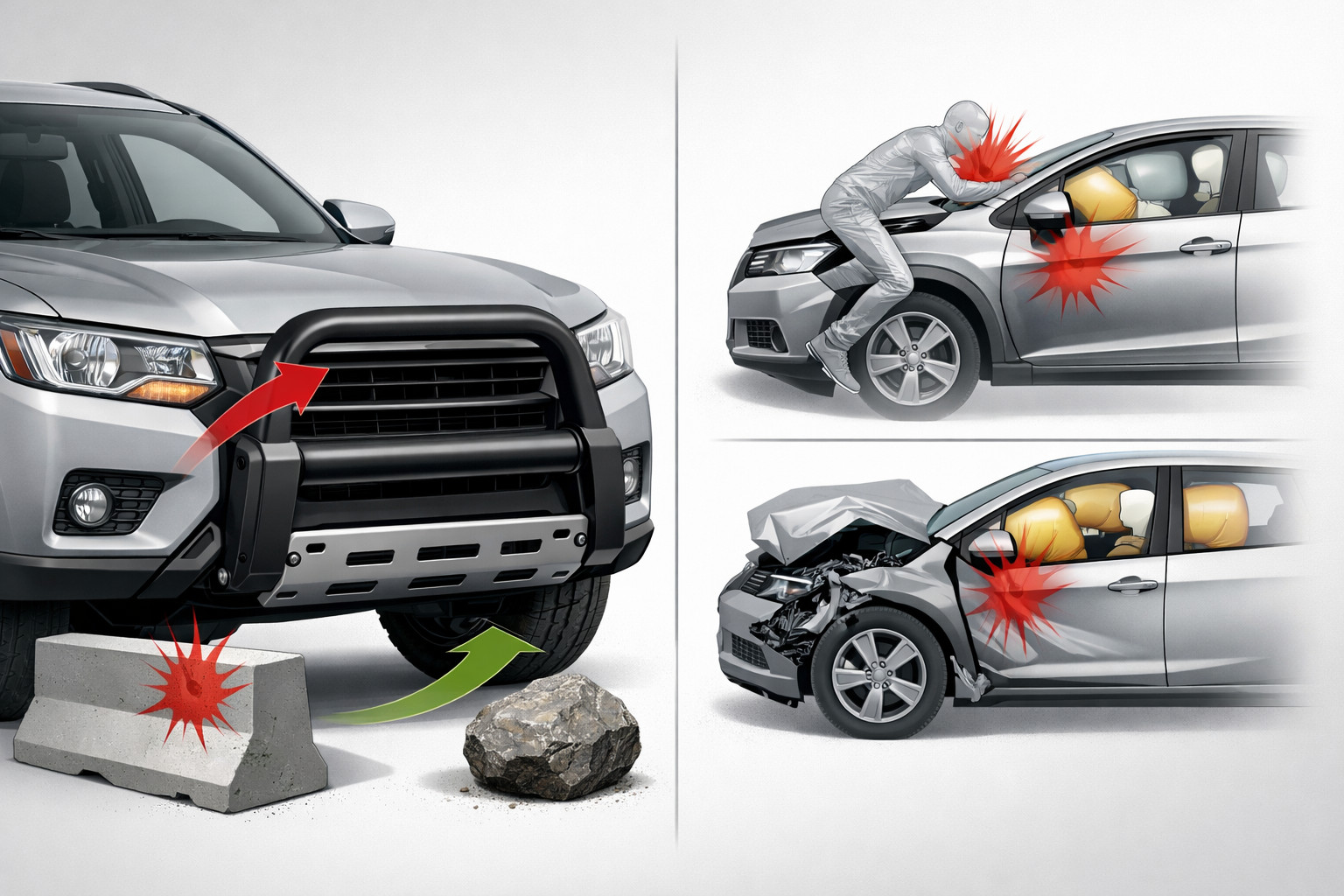
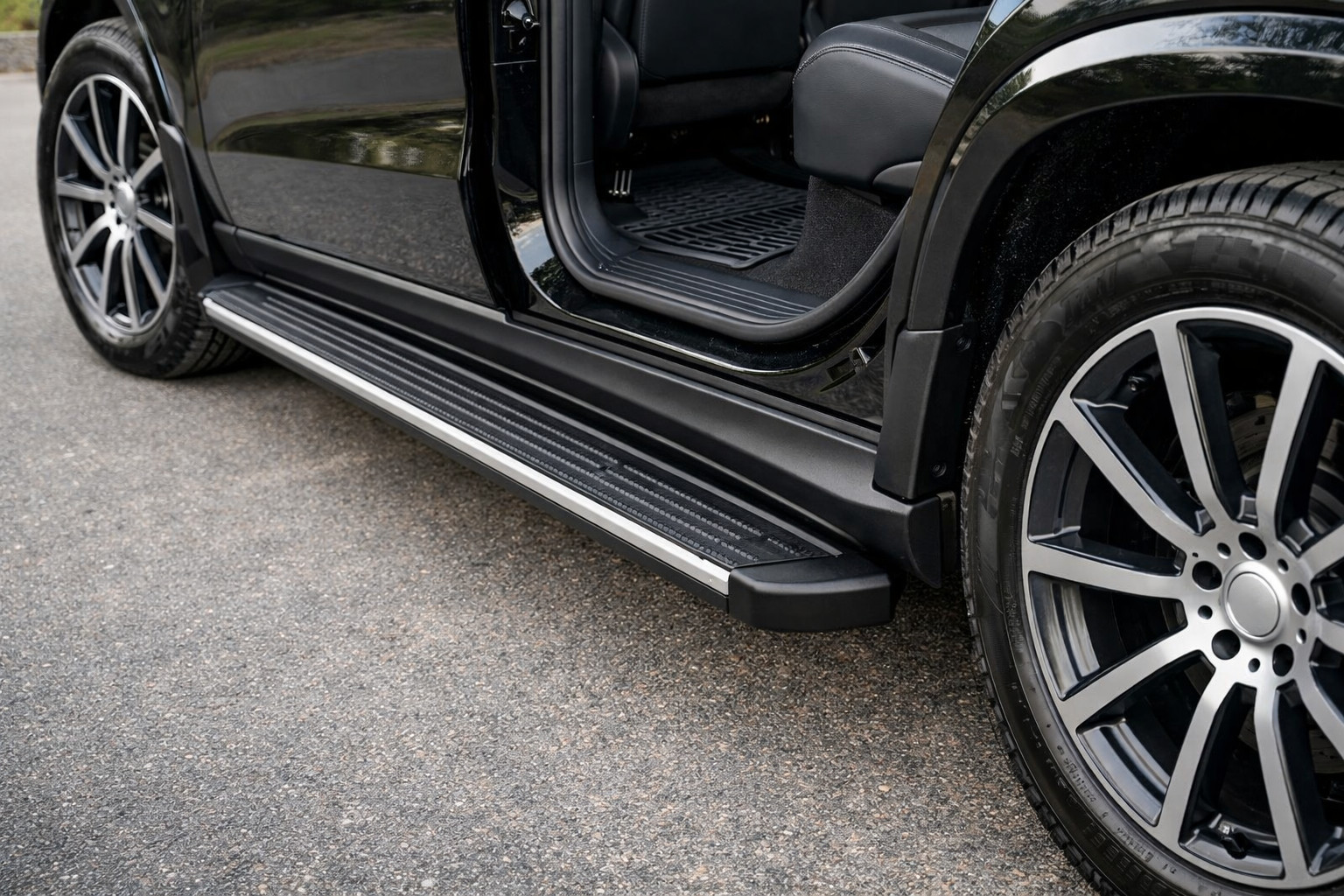
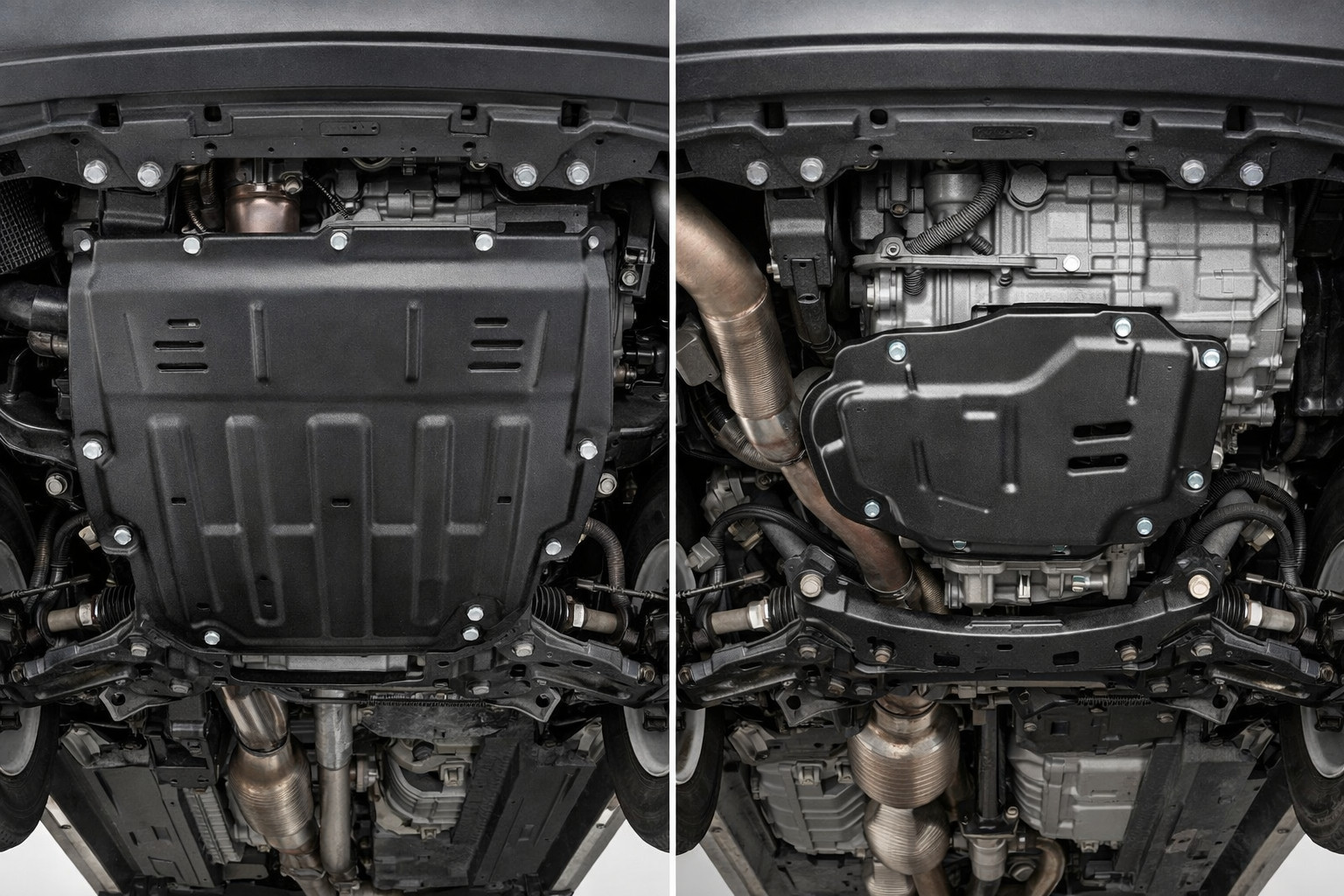
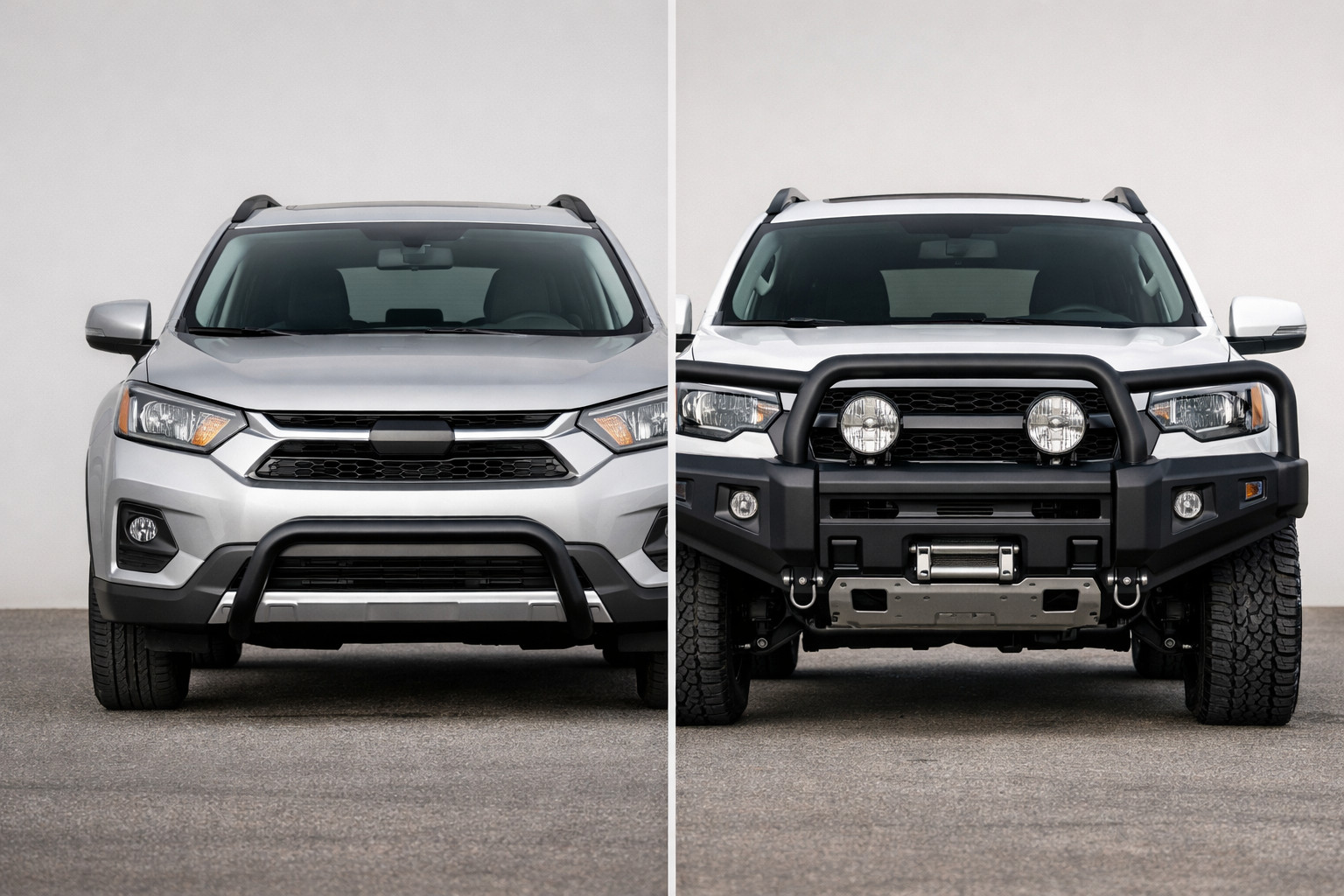
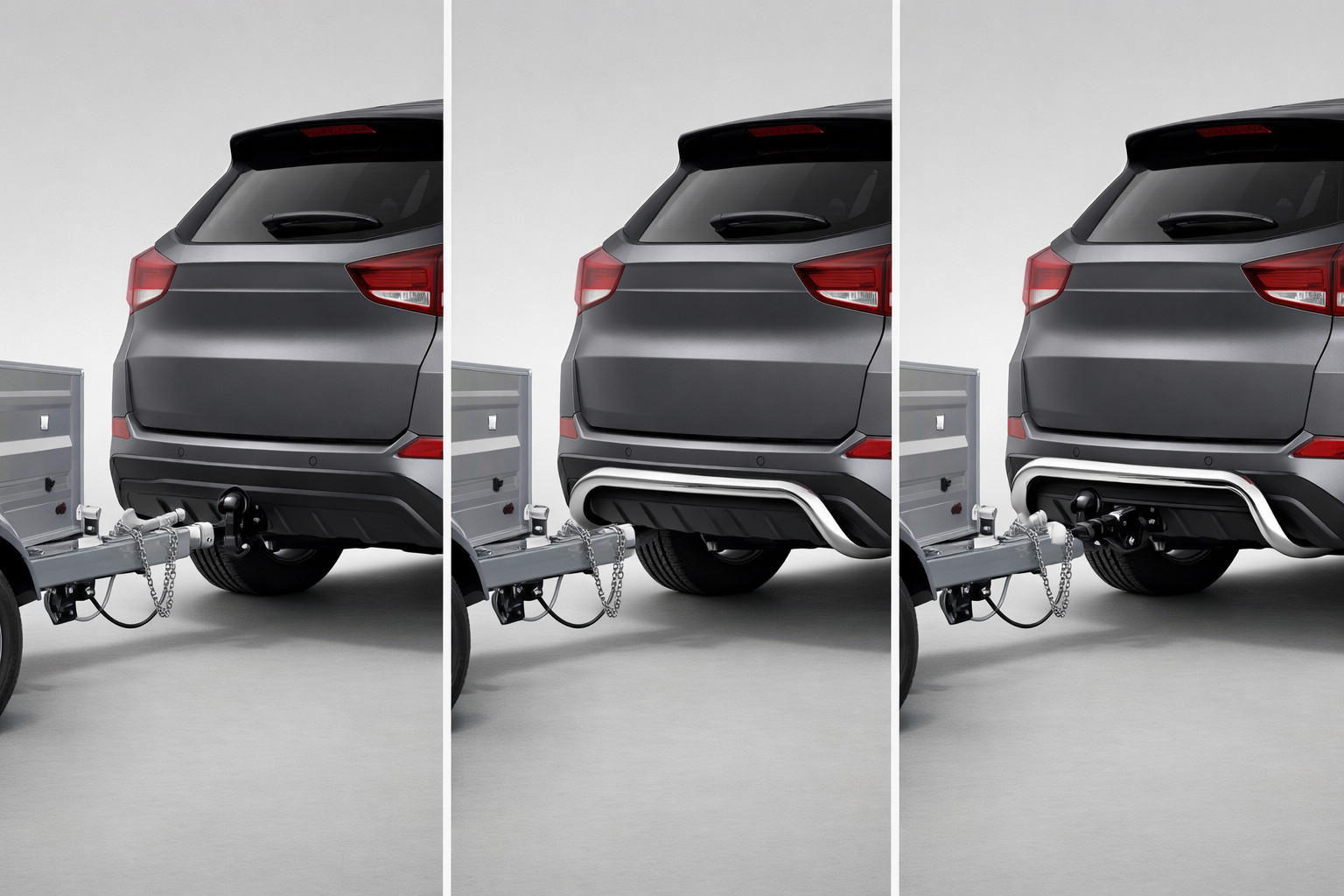
With the EQV, tuning almost always makes practical sense rather than sporty sense. Since the model is built on the W447 base, the most relevant accessories are those matched to the Mercedes Vito/V-Class of this generation, but before ordering you should verify body length, facelift status, and interior configuration.
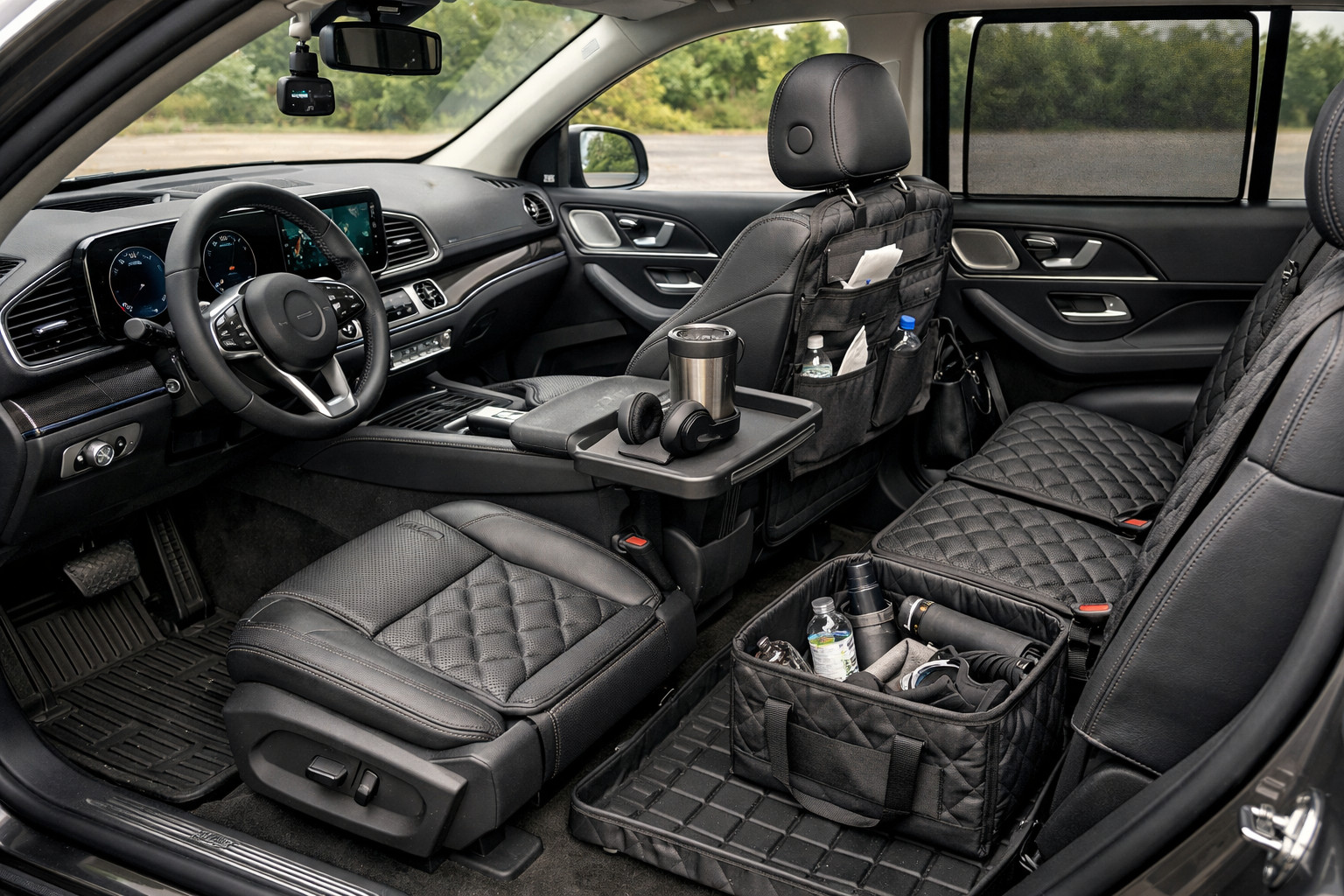
In short, for the EQV the best upgrades aren’t aggressive body kits but protective and everyday items: interior protection, cargo organization, roof solutions, and small elements that make daily use easier.
Mercedes-Benz EQV 300 isn’t a one-size-fits-all EV, but a large, comfortable minivan for clear use cases. It’s genuinely strong where you need quietness, space, premium presentation, and regular routes with charging access. If your priority is long motorway travel, minimum consumption, or the lowest entry price, it’s worth looking more broadly. This material is based on real selection experience, hands-on practice, and real-world usage scenarios for vehicles like these, not just catalogue figures.
| ✔ | The quiet electric drivetrain and smooth ride make the EQV convenient for city routes, transfers, and relaxed trips without diesel noise. In everyday traffic, the car behaves steadily and doesn’t jerk. |
| ✔ | The cabin is very spacious and can have 6, 7, or 8 seats, so the EQV suits both a large family and business transport. Access to the second and third rows is described as convenient. |
| ✔ | The model offers a premium level of comfort and equipment: the material mentions MBUX, power-operated doors, ambient lighting, seat heating, seat ventilation, and separate seats for the second row. |
| ✔ | For regular routes, charging is organized without difficulty: there is AC up to 11 kW and DC up to 110 kW, and charging from 10-80% takes about 40-45 min. This makes the vehicle suitable for a predictable schedule. |
| ✔ | Compared with a diesel minivan, the electric version usually requires less routine maintenance. This can be a practical advantage for business or a family with constant use. |
| ✘ | The EQV is large and heavy, so it is not easy to maneuver and park in the city. A turning circle of 12.9 m and a length of over 5.1 m make it noticeably less convenient than a crossover. |
| ✘ | The dynamics are calm rather than lively: acceleration to 100 km/h takes about 12.1-12.2 s, and the top speed is limited to 140 km/h. On a highway, this feels like a compromise. |
| ✘ | Range depends heavily on conditions, and in real life it drops noticeably on the highway, in winter, or with a full load. In such scenarios, the range often decreases to 250-320 km or less. |
| ✘ | The model is not cheap, and its value is not in a “minimum entry price,” but in comfort and format. Therefore, it is not the best fit for those looking for a максимально practical electric van for little money. |
| ✘ | On the used market, you need to carefully check charging, the high-voltage system, and the door and camera electronics. The usage history here is no less important than the condition of the body. |
Shipping to EU
Wholesale and retail
Own warehouse
Опис продукту
Подарунки не надаються при оформленні покупки у кредит під 0,01% або при покупці частинами.