13.05.2026
1008
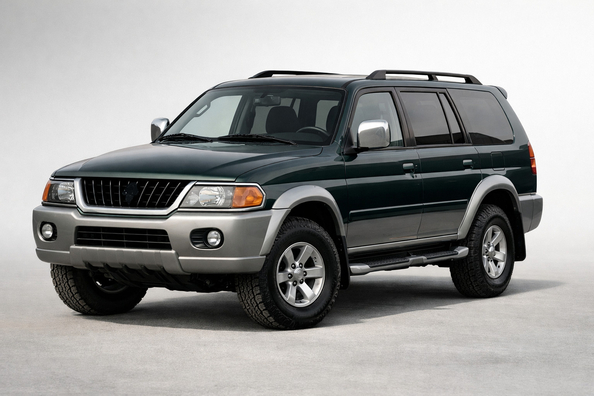
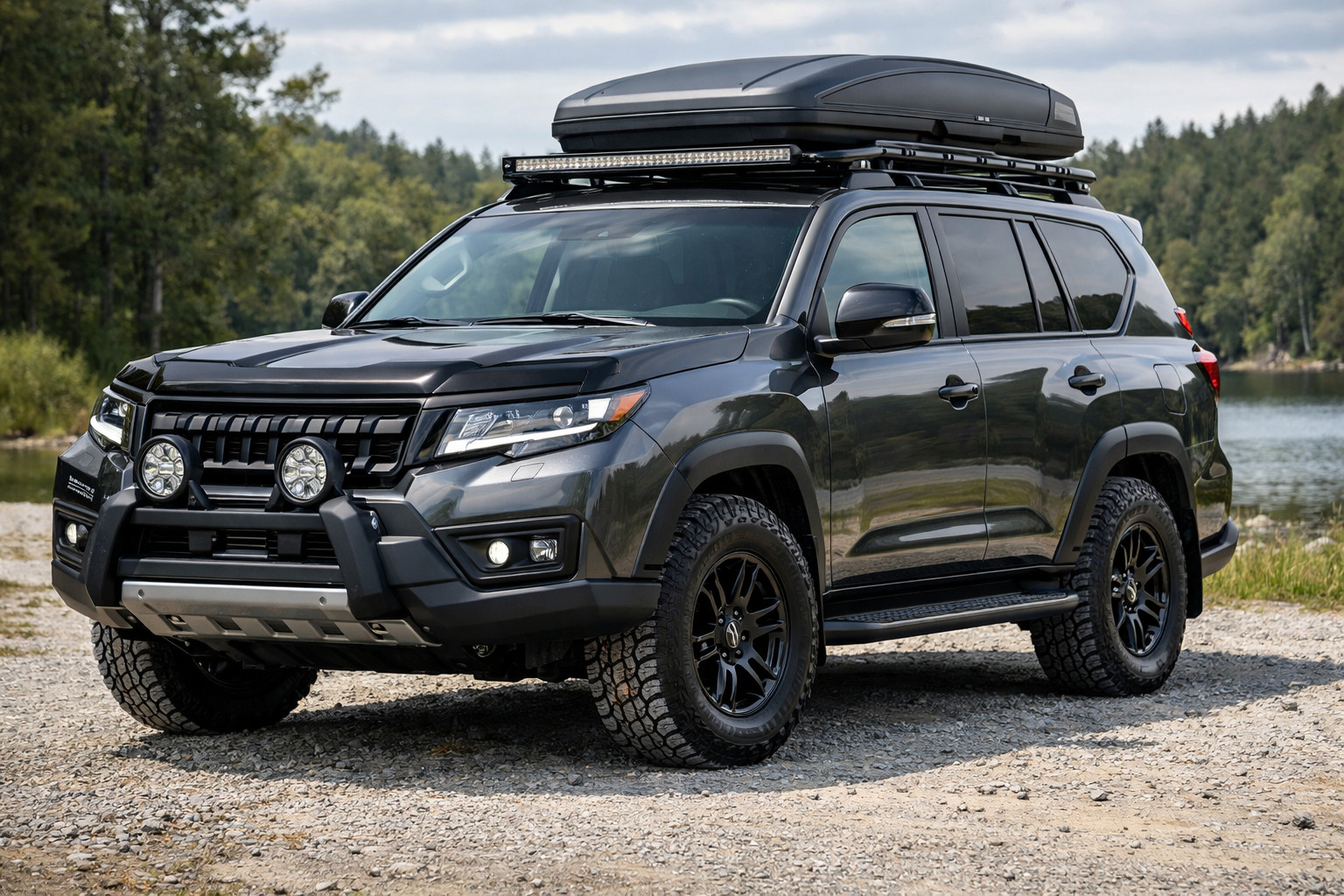
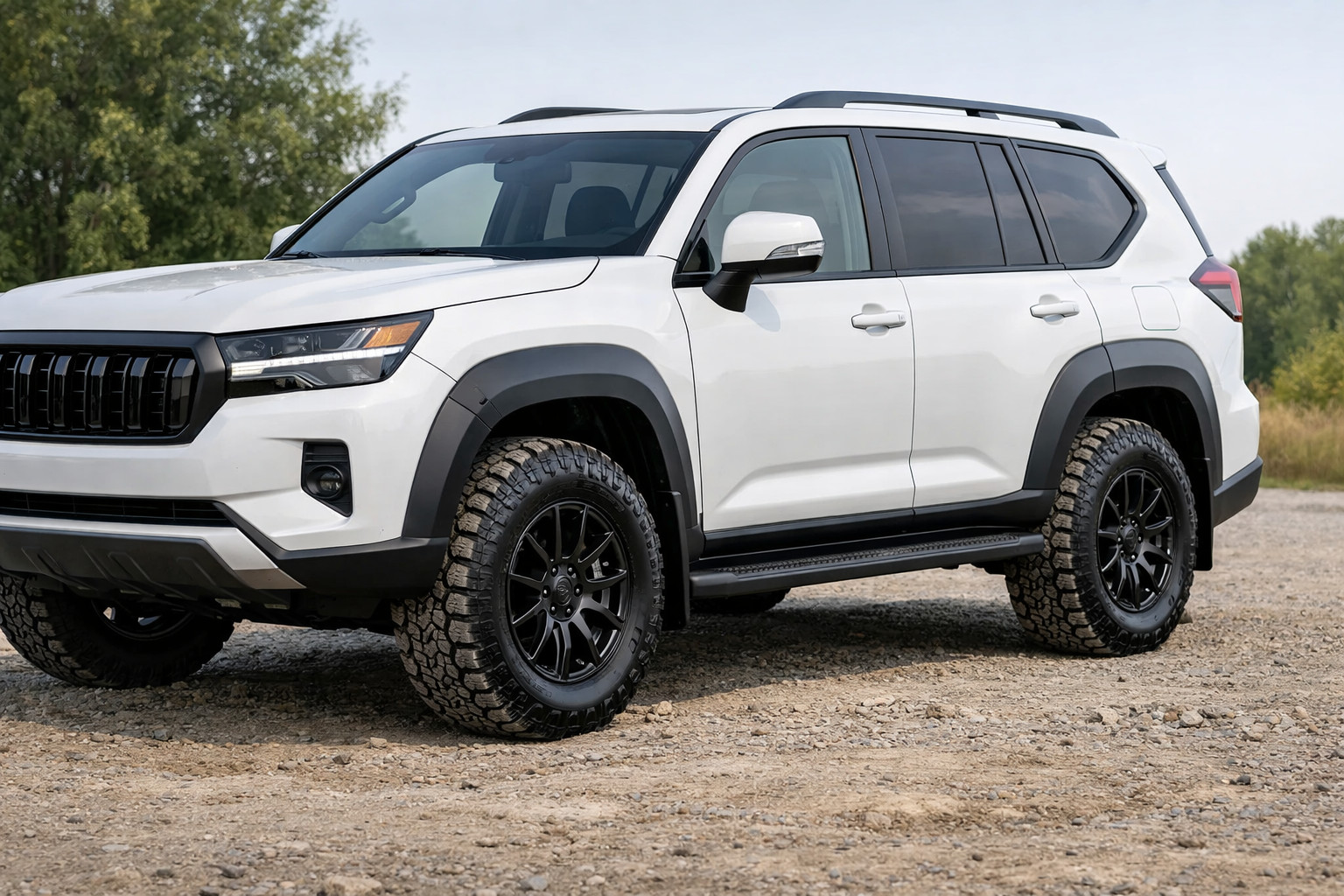
Mitsubishi Pajero Sport 1996-2007 — a body-on-frame mid-size SUV of the old school, without pretending to be a passenger car. It wins you over not with sophistication, but with a tough construction, four-wheel drive with a low-range transfer case, good space, and a willingness to go where crossovers already start protecting their suspension.
This model is worth considering for anyone who needs a workhorse for bad roads, towing a trailer, the cottage, hunting, or long trips with cargo. Not the best choice for those who expect a quiet cabin, sharp steering, modern ergonomics, and easy city manners.
The first-generation Pajero Sport was sold under different names: Challenger, Montero Sport, and Pajero Sport. In essence, it competed with the Toyota 4Runner, Nissan Xterra, and other body-on-frame vehicles of the late 1990s and early 2000s, but with a more straightforward character. Its strength is not on-road finesse, but durability, low-end pull, and the ability to work in harsh conditions.
On the used market, this model is interesting because it offers a true body-on-frame architecture for reasonable money. But people don’t buy it for performance: even in the stronger versions it isn’t a fast vehicle, but a calm tow rig and gear hauler.
For the 1996-2007 topic, we’re talking specifically about the first generation. The model launched in 1996, and the end of production depends on the market: in most catalogs, the first generation ends in 2006, but in some markets sales continued longer. That’s why the upper limit of 2007 in the title is correct as a market reference, but not as a single global date for all countries.
From the start, the platform was body-on-frame with a solid rear axle. This immediately defined the car’s character: less refinement on asphalt, but better resistance to load, towing, and constant driving on broken roads.
The engine lineup varied by market, but the basic picture is: a 2.5 L diesel in several output levels, a 3.0 L gasoline V6, and a later or market-specific 3.5 L V6. In some early markets, a 2.8-liter turbodiesel also appeared, but exact specifications should be verified for the specific country of sale and the VIN.
| Engine | Power | Gearboxes | What matters |
|---|---|---|---|
| 2.5 turbodiesel | 99, 115 or 133 hp | 5-speed manual, 4-speed automatic | Torquey but slow; best for relaxed driving and off-road |
| 3.0 V6 | 170 hp | 5-speed manual, 4-speed automatic | The most straightforward gasoline option without sporty ambitions |
| 3.5 V6 | 197-203 hp | mostly 4-speed automatic | The most powerful in the family, but still doesn’t turn it into a fast car |
With transmissions, it’s simple: either a 5-speed manual or a 4-speed automatic. Four-wheel drive wasn’t on every vehicle: in the USA, rear-wheel-drive versions also existed, while 4WD versions had a low-range transfer case. In some markets, the A4WD system was used; for a used-car buyer, what matters is less its name and more a properly working shifting mode, no leaks, and no noises from the transfer case.
First-generation Pajero Sport is a five-door, five-seat body-on-frame SUV. Up front it has a double-wishbone suspension; in the rear, a solid axle with a three-link layout and coil springs. That’s good news for strength and working under load, but not for on-road smoothness.
| Parameter | Value |
|---|---|
| Years of production | 1996-2006, in some markets up to 2007 |
| Body | 5 doors, 5 seats |
| Length | about 4600-4725 mm depending on market |
| Width | 1775 mm |
| Height | 1735-1900 mm depending on version |
| Wheelbase | 2725 mm |
| Ground clearance | 206-221 mm depending on drivetrain |
| Curb weight | about 1753-1955 kg |
| Trunk | in various measurements from 500 L; for some versions 1228 L and up to 2245 L with the row folded |
| Fuel tank | 74 L |
| Towing | up to 2268 kg |
In practice, that means this: the vehicle is tall, not too narrow, with good geometry and sufficient ground clearance for ruts, dirt roads, and snow. But in the city it feels heavier and rougher than a modern crossover, and a turning radius of around 11.8 m makes tight courtyards not the most pleasant environment.
The interior of the first Pajero Sport is roomy by class standards, especially when it comes to the high seating position, headroom, and a large usable cargo area. The front seats are often praised for decent support on long trips, but the overall cabin architecture is clearly aged: the seating is high, visibility is good, yet the ergonomics, plastics, and sound insulation show their age without trying to hide it.
Safety also depends on the market and model year. Some later versions had ABS, electronic brakeforce distribution, seatbelt pretensioners, and child-seat anchors. At the same time, this isn’t the kind of vehicle people buy for a high-tech driver-assist suite: it’s more important to check the actual condition of the brakes, steering, and body.
In daily driving, the Pajero Sport is convenient when you don’t expect passenger-car behavior from it. It hauls gear well, tows a trailer нормально, gives a high seating position, and calmly swallows a bad road. For a family or an active hobby, it’s a genuinely useful format: there’s enough space inside, the rear row folds practically, and a full-size spare and the frame-based chassis add a sense of reserve strength.
The compromises are obvious too. Gasoline versions aren’t economical, diesels aren’t quick, and real-world consumption depends heavily on the condition of the specific vehicle. With older examples, before buying it’s worth paying special attention to frame and body corrosion, the condition of the automatic transmission, 4WD operation, oil leaks, power steering pump noise, and the service history of the brake system.
| Strengths | Weaknesses |
|---|---|
| Body-on-frame construction and real off-road durability | Stiffer, rougher behavior on asphalt |
| Four-wheel drive with low range on the right versions | Modest performance even with the 3.5 V6 |
| Spacious cabin and a large practical trunk | Outdated ergonomics and a noisier cabin |
| Well suited for a trailer, gear, the cottage, and bad roads | Noticeable fuel consumption, especially on gasoline versions |
| Overall strong reliability reputation among owners | Typical risks on older cars: corrosion, leaks, wear of the automatic transmission and 4x4 components |
From an owner’s perspective, the main plus is that this vehicle honestly delivers on its format. It doesn’t ask you to baby it on dirt roads and doesn’t panic under load. The main minus is that over the years and miles, any savings at purchase can easily disappear if you buy a tired example with a problematic frame or drivetrain.
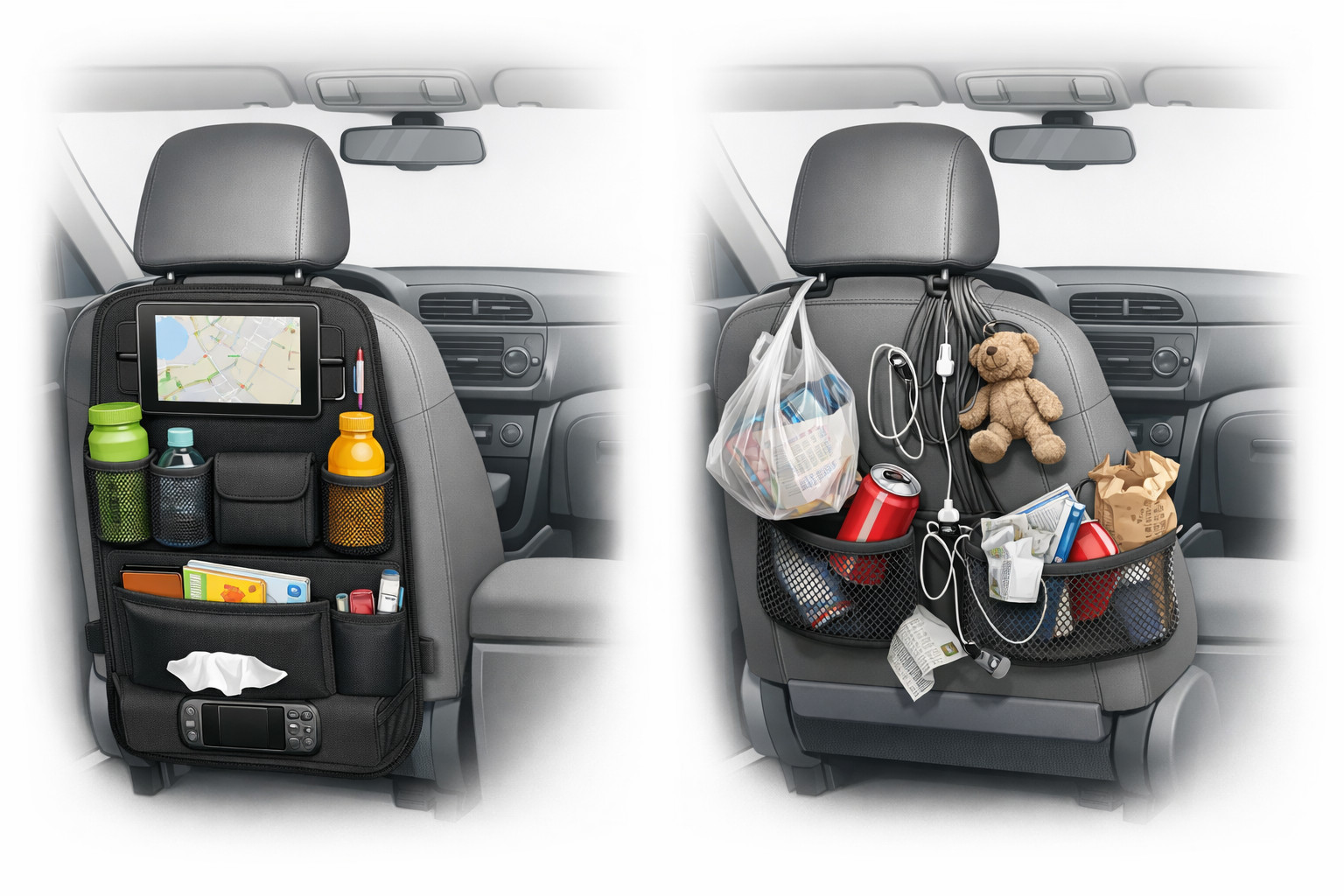
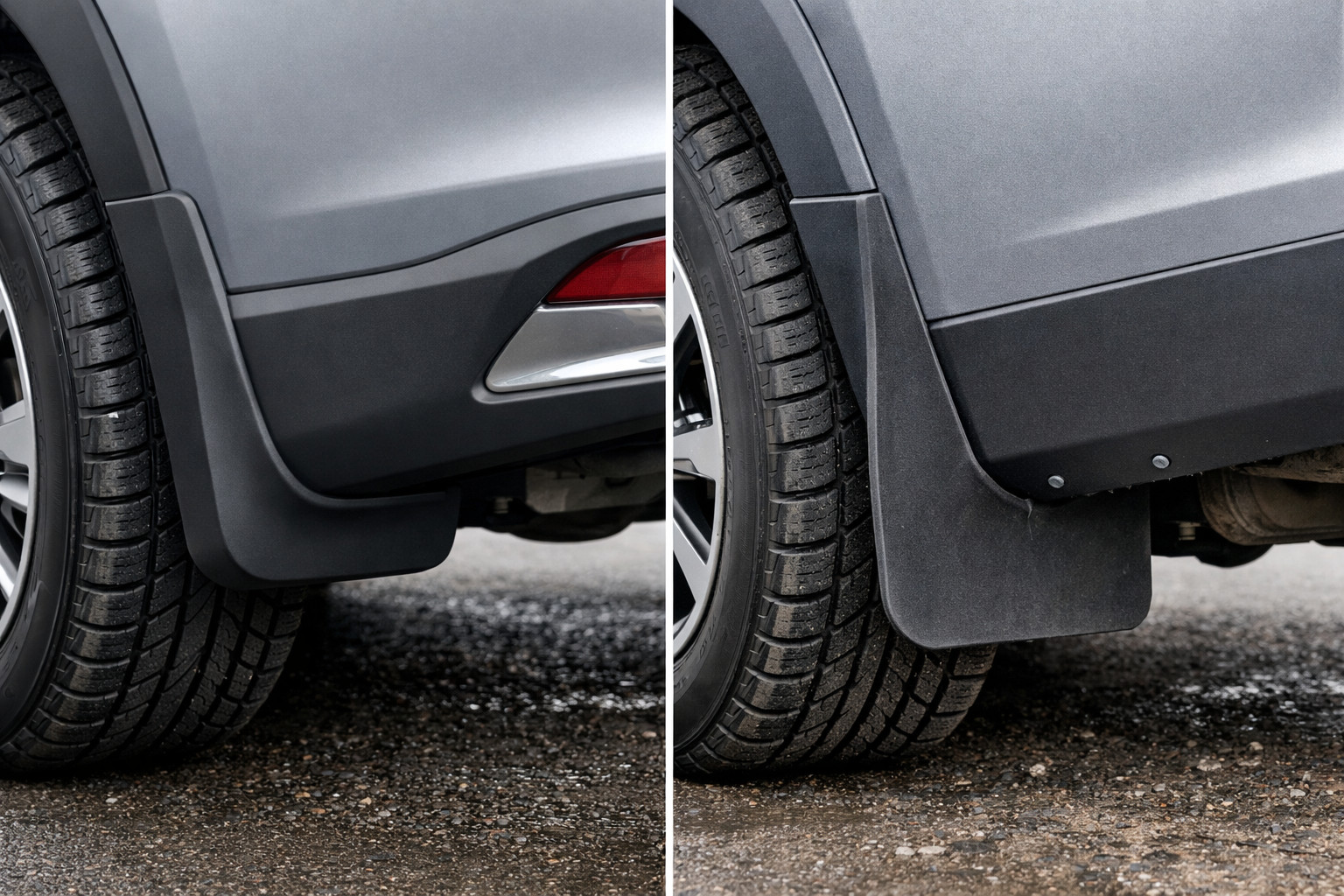
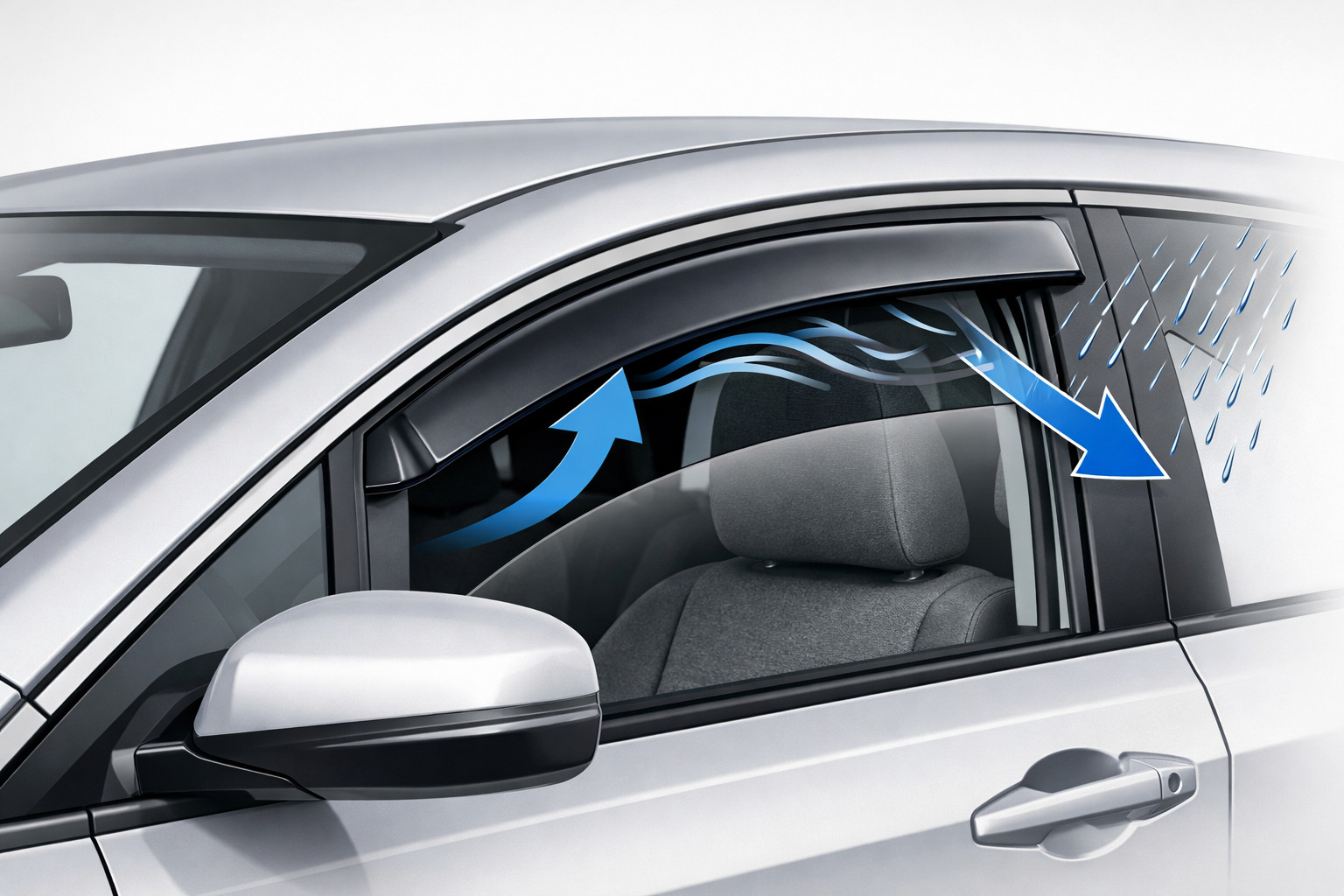
For the first Pajero Sport, tuning makes sense when it solves a practical task. This model is better suited to protective and everyday items: floor mats, chip protection, neat trunk protection, interior covers. Decorative elements bring less value than preparing the body and cabin for real day-to-day use.
If the vehicle is driven in mixed city-highway-mud use, the smartest move is to start with what actually reduces wear and dirt in the cabin. For a body-on-frame SUV with an aging body, this is noticeably more important than attempts to make it look “newer” on the outside.
Mitsubishi Pajero Sport 1996-2007 isn’t a universal answer to every task, but a very specific tool. It suits those who need a frame, low range, torque, space, and tolerance for bad roads. It doesn’t suit those who want modern handling, quietness, ease in the city, and minimal age-related compromises.
If you find a good example and realistically understand its format, the first Pajero Sport still makes sense. This conclusion is based not on pretty promises, but on real selection experience, practice, and real-world usage scenarios for these vehicles in everyday operation.
| ✔ | The body-on-frame construction and four-wheel drive with low range make the Pajero Sport suitable for off-road use, dirt roads, and tough operating conditions. The vehicle handles loads better than crossovers and is not afraid of regular use on poor roads. |
| ✔ | The model has strong practical potential: a spacious cabin, a high driving position, and a large trunk. This is convenient for trips with luggage, to the countryside, with a trailer, or for an active hobby. |
| ✔ | The model pulls a trailer well and is generally designed for work rather than showy dynamics. For those who need a calm tow vehicle, this is a more practical trait than speed. |
| ✔ | The suspension and solid rear axle give a sense of strength and load reserve. For an older body-on-frame SUV, this matters if the vehicle often carries passengers, gear, or drives on rough roads. |
| ✔ | On the used market, this model usually costs moderately when compared with its actual set of capabilities. For relatively little money, the buyer gets a true body-on-frame SUV, not a styled crossover. |
| ✘ | On asphalt, the Pajero Sport feels rough and less comfortable than modern passenger cars or crossovers. This is especially noticeable in city conditions, where the heavy character and large turning radius make maneuvering inconvenient. |
| ✘ | Its dynamics are modest even in the more powerful versions. Gasoline engines do not turn the vehicle into a fast one, and diesels, as described, are better suited for calm driving. |
| ✘ | Fuel consumption can be noticeable, especially on gasoline versions. For daily use, this is an important drawback if an economical car is needed. |
| ✘ | Older examples have typical age-related risks: frame and body corrosion, leaks, wear of the automatic transmission and four-wheel-drive components. A careful inspection is needed before purchase, otherwise the benefit of a cheap buy quickly disappears. |
| ✘ | The interior and ergonomics are already outdated, and the sound insulation does not meet modern expectations. If quietness, convenient controls, and the feel of a new car are important, this model will disappoint. |
Shipping to EU
Wholesale and retail
Own warehouse
Опис продукту
Подарунки не надаються при оформленні покупки у кредит під 0,01% або при покупці частинами.