21.04.2026
553
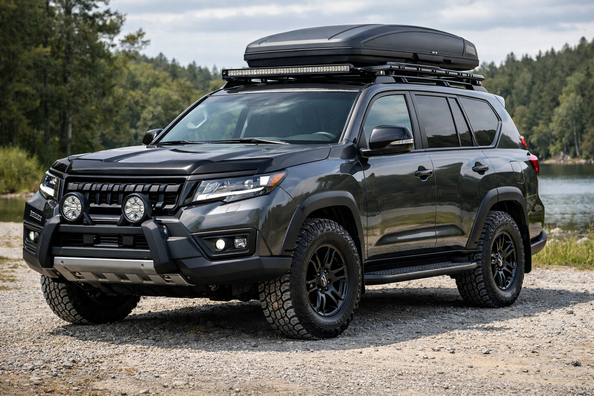
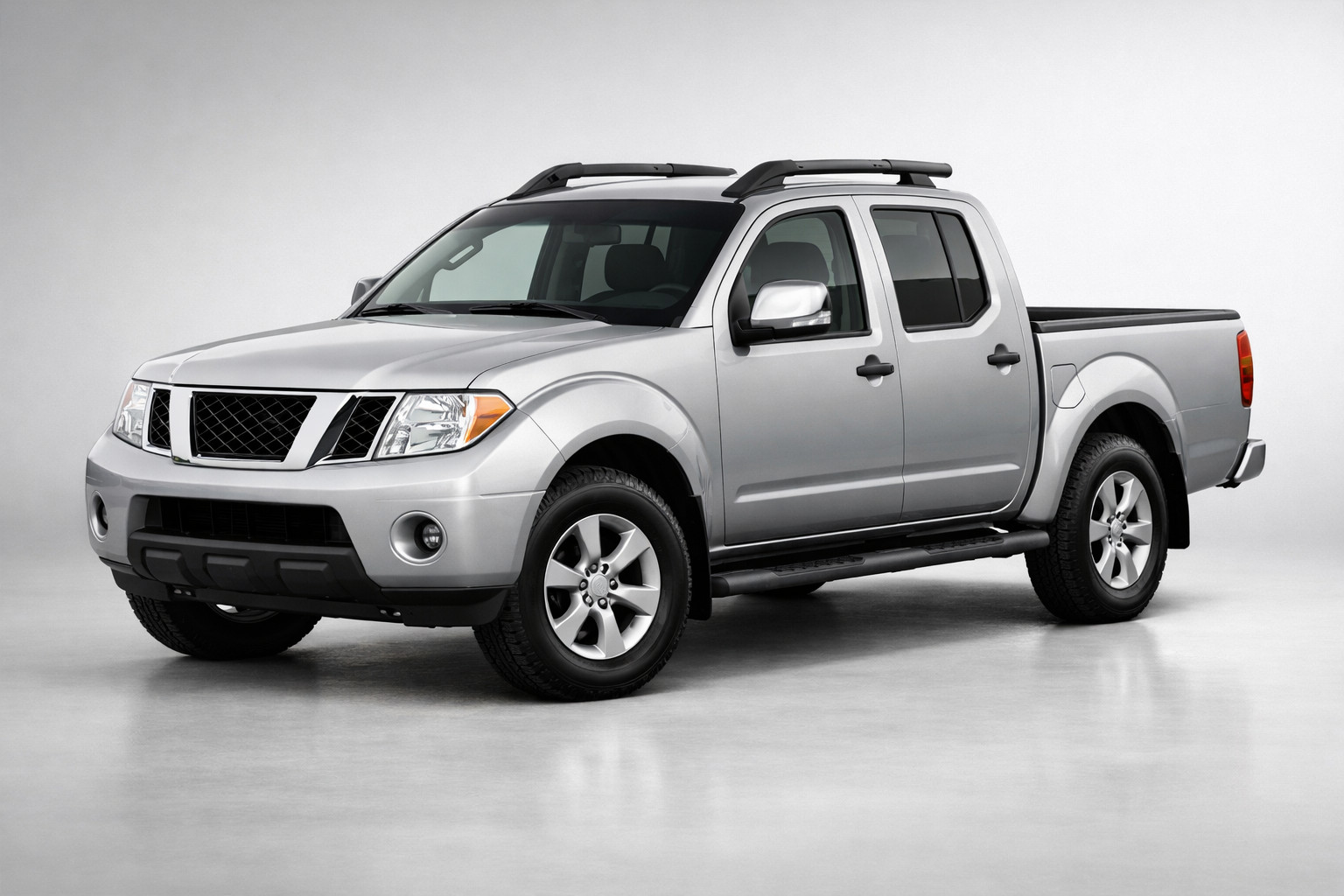
This upgrade plan is for a Toyota Land Cruiser Prado 250 owner who drives in the city and on the highway, takes the family on vacation, occasionally turns onto gravel, but doesn’t want to turn the car into a heavy expedition build. The logic is simple: don’t “build an off-roader just in case,” but address what actually affects daily convenience, cleanliness, cargo, noise, and towing.
The Prado 250 already has a strong foundation: a body-on-frame chassis, full-time 4WD, low range, and a solid factory capability margin. That’s why a practical upgrade starts not with a lift or steel armor, but with protecting the interior and body, choosing tires for your routes, and smart cargo organization. If you have the 7-seat version, cargo solutions must be chosen even more carefully; if your trim has adaptive suspension, rushing to modify it makes even less sense.
In this scenario, the Prado 250 should stay comfortable every day: without extra noise, without losing normal highway handling, and without pointless weight gain. Its job is to carry people and gear, sometimes a trailer, confidently handle broken pavement, wet dirt roads, or snow—without constant compromises in the city.
That’s why the main goal isn’t to “look the part,” but to remove everyday weak points. On a heavy body-on-frame vehicle weighing around 2.5 t, extra kilos on the roof, oversized tires, or a random lift quickly show up in fuel consumption, acceleration, noise, and suspension response. For most owners, the useful upgrades here are mud control, proper tires, easy loading, and smart trip/towing prep—not a showy off-road package.
The first stage is what works every day. I’d start with rubber floor mats for the cabin and a cargo liner: the Prado is often used as a family and travel vehicle, and dirt, sand, wet shoes, and gear show up constantly. Next—mud flaps and protection for the loading area, because the tall body and large cargo opening quickly collect wear marks.
The second priority is tires for your real route. If the vehicle lives mostly on asphalt but regularly goes onto dirt roads, a moderate all-terrain/on-road tire is more useful than the most aggressive tread. If you’re looking at larger sizes like 265/70R18 or 275/70R18, decide only after checking clearances, wheel offset, load rating, and how the car drives in your exact setup.
The third step is order in the trunk. In the Prado 250 there’s no point immediately filling the compartment with heavy permanent drawers: they eat usable space and add weight. It’s much smarter to start with simple organizers, securing small cargo, and a “what actually rides with you every week” inventory.
| Upgrade | Why it’s needed | Who it really benefits |
|---|---|---|
| Rubber floor mats for cabin and cargo area | Protect the interior from water, dirt, sand, gear, and kids’ items | Almost everyone who drives daily, carries family, pets, or travel gear |
| Mud flaps | Less sand and dirt on the sides of the body, easier use in slush | Those who often drive on the highway, in wet conditions, or on dirt roads |
| Tires for the real use case | Affect grip, noise, comfort, and behavior on asphalt and dirt more than most cosmetic upgrades | Anyone unhappy with the factory compromise or who often changes road surface |
| Dash cam | Adds peace of mind in daily use and on long trips | Those who drive a lot in the city or on the highway, or leave the car in parking lots |
| Cargo organizer | Gets small cargo, tools, first-aid kit, compressor, and everyday items off the cargo floor | Families, travelers, anyone who doesn’t want heavy permanent systems |
| Towing kit | Enables proper towing without DIY electrical or mounting solutions | Only those who actually tow a trailer, boat, or camper |
DD Tuning expert comment: The most common mistake on the Prado 250 is buying suspension parts, spacers, and heavy wheels before the first serious trip. The result is a harsher ride, more noise, and extra weight—while the issue is often solved by correct tire pressure, proper mats, cargo organization, and a competent towing setup. If the version has adaptive suspension, вмешиваться in it without calculating the load is especially undesirable.
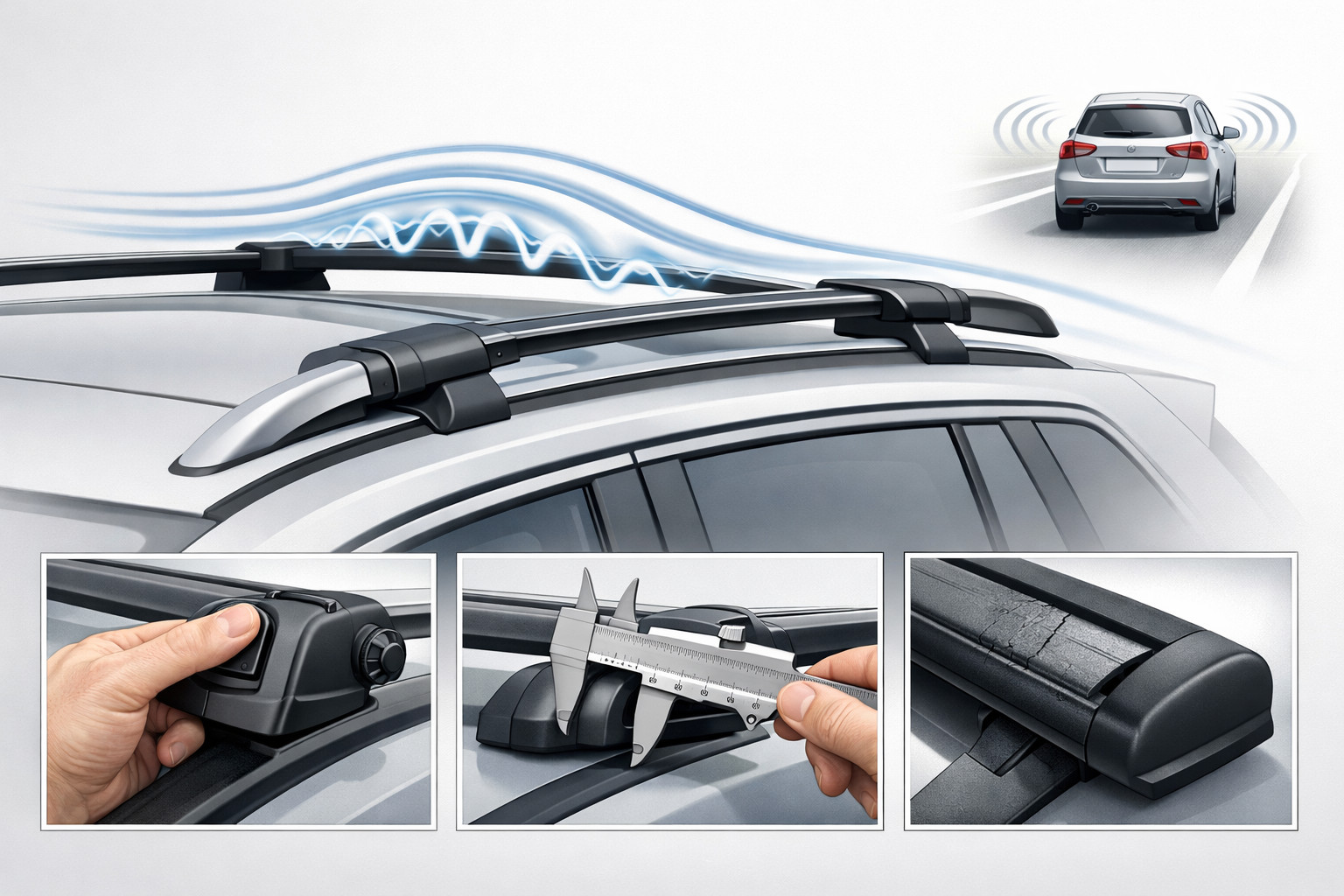
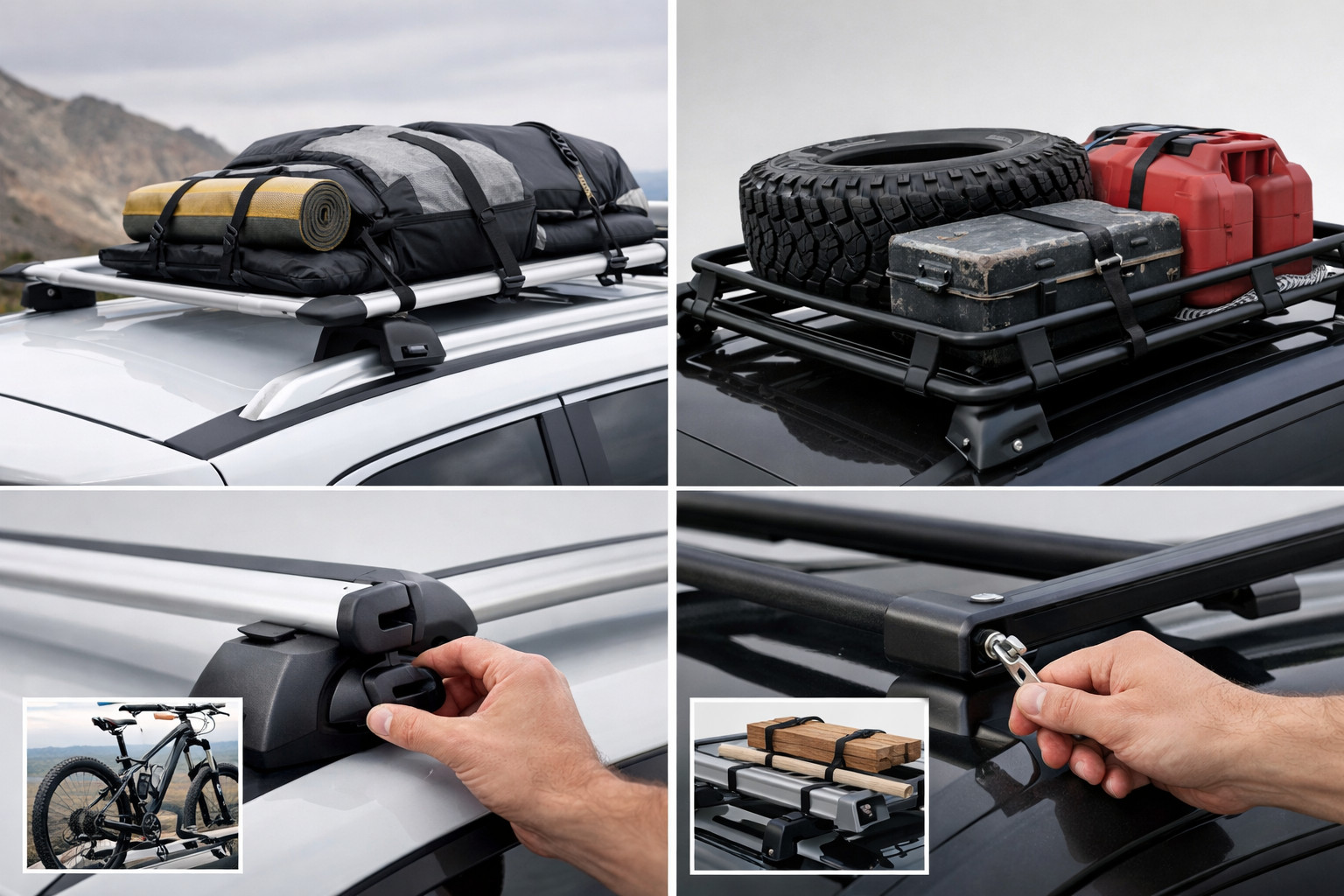
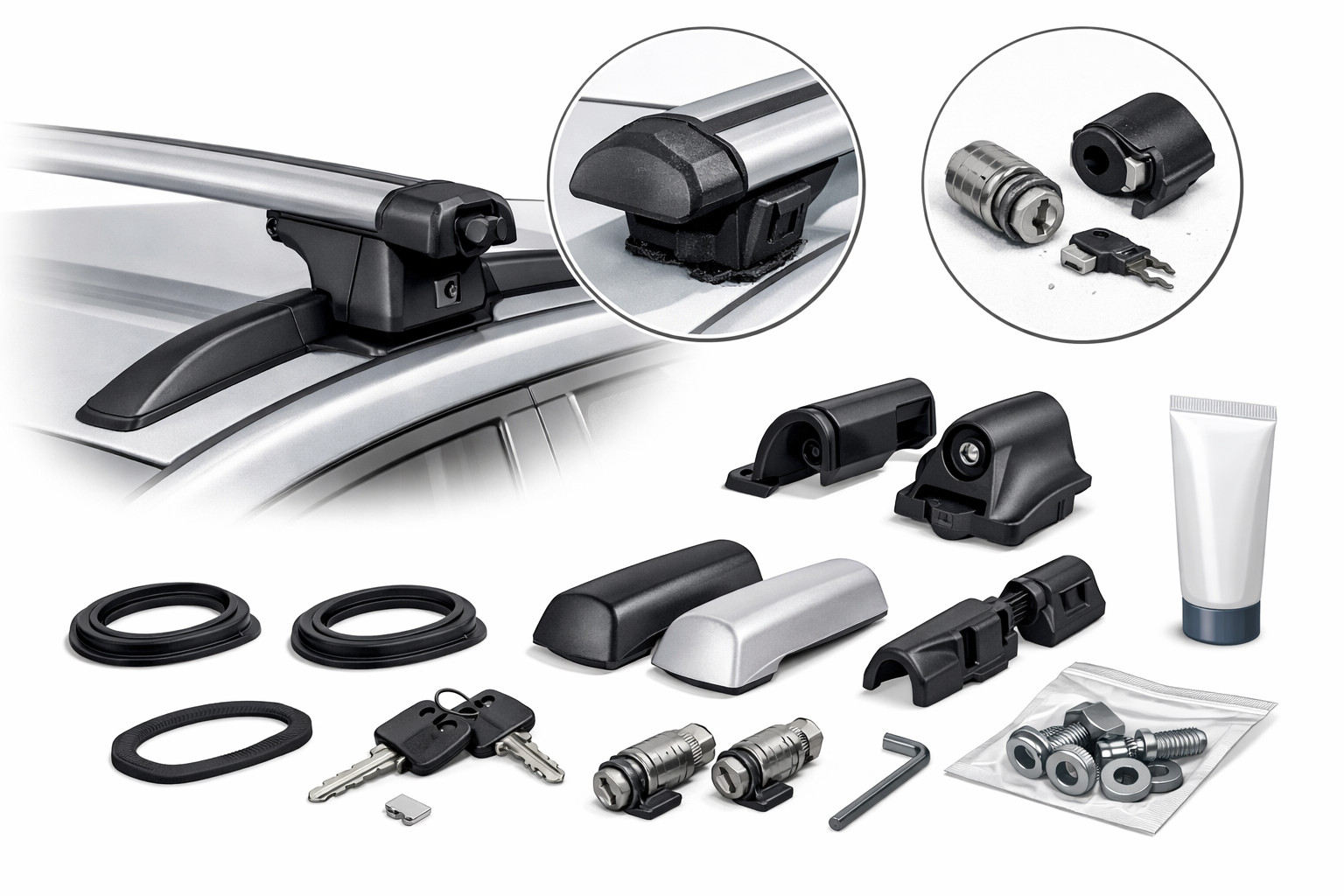
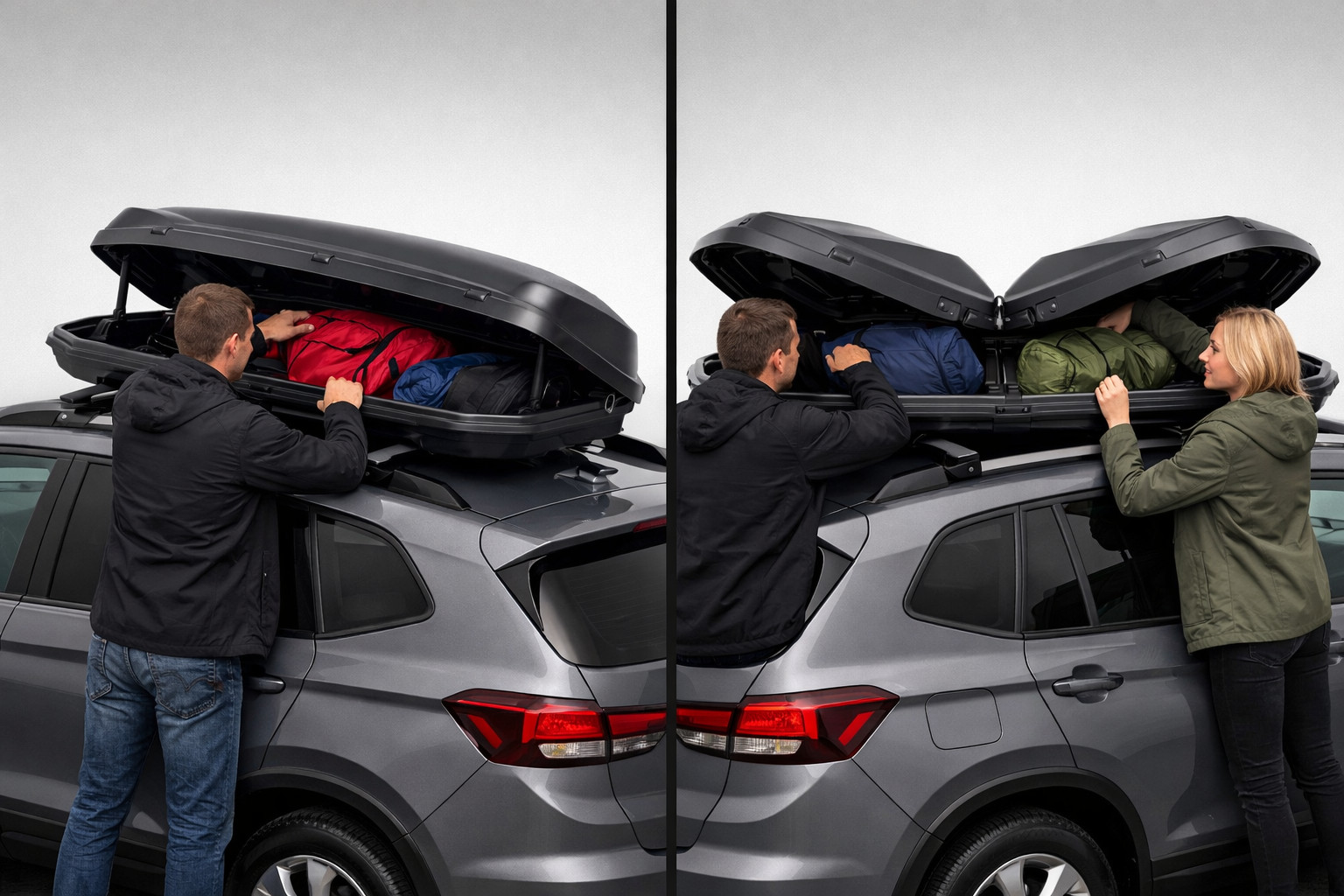
The second stage starts when you’ve actually learned your trips in practice. If you regularly carry long items, gear, or go on vacation with a full cabin, then roof rails, crossbars, or a light roof rack start to make sense. But keeping them on all the time for one trip per season is a questionable idea: the noise and extra aerodynamic drag remain every day.
If the vehicle tows a trailer, the second stage should be a proper towing setup with wiring—not cosmetic tuning. For the Prado 250 this is practical because the vehicle can genuinely tow heavy loads, but it’s important to remember gross weight: accessories, passengers, luggage, and tongue weight quickly eat up your margin. For a 7-seat vehicle this is especially relevant when the cabin is full.
Suspension is also only a second-stage move—and only after you can answer what exactly you don’t like. If what’s lacking isn’t “the look” but stability under load or behavior with a trailer, then you can spec springs and dampers for a specific weight. If there’s no such problem, it’s better not to touch the stock setup.
In this group I’d include window visors, side steps, rear bumper protectors, some decorative elements, and most chrome parts. There is benefit here, but it’s situational. For example, side steps can be convenient for kids, elderly passengers, or if you often climb onto the roof. If entry height isn’t an issue, they’re often more about the vehicle’s image than real function.
Window visors make sense if you often drive in the rain or like light ventilation without a strong airflow into the cabin. A rear bumper protector is practical for those who often load strollers, boxes, bags, or tools. But most trim pieces, spoilers, and decorative inserts should be viewed honestly: it’s not about the use case—it’s about taste.
The most typical misstep is a spacer lift “just in case.” On paper the vehicle gets taller, but in real life you often get more harshness, worse suspension geometry, and odd expectations from bigger tires. If you’re not driving over rocks and ruts and you’re not running constant extra load, this upgrade is more marketing than benefit.
The second common mistake is overpaying for big or heavy wheels just for the look. For a heavy Prado this often means more noise, worse response to small bumps, and noticeably higher fuel consumption. The third is a full-size roof basket or heavy rack that carries nothing but air for most of the year.
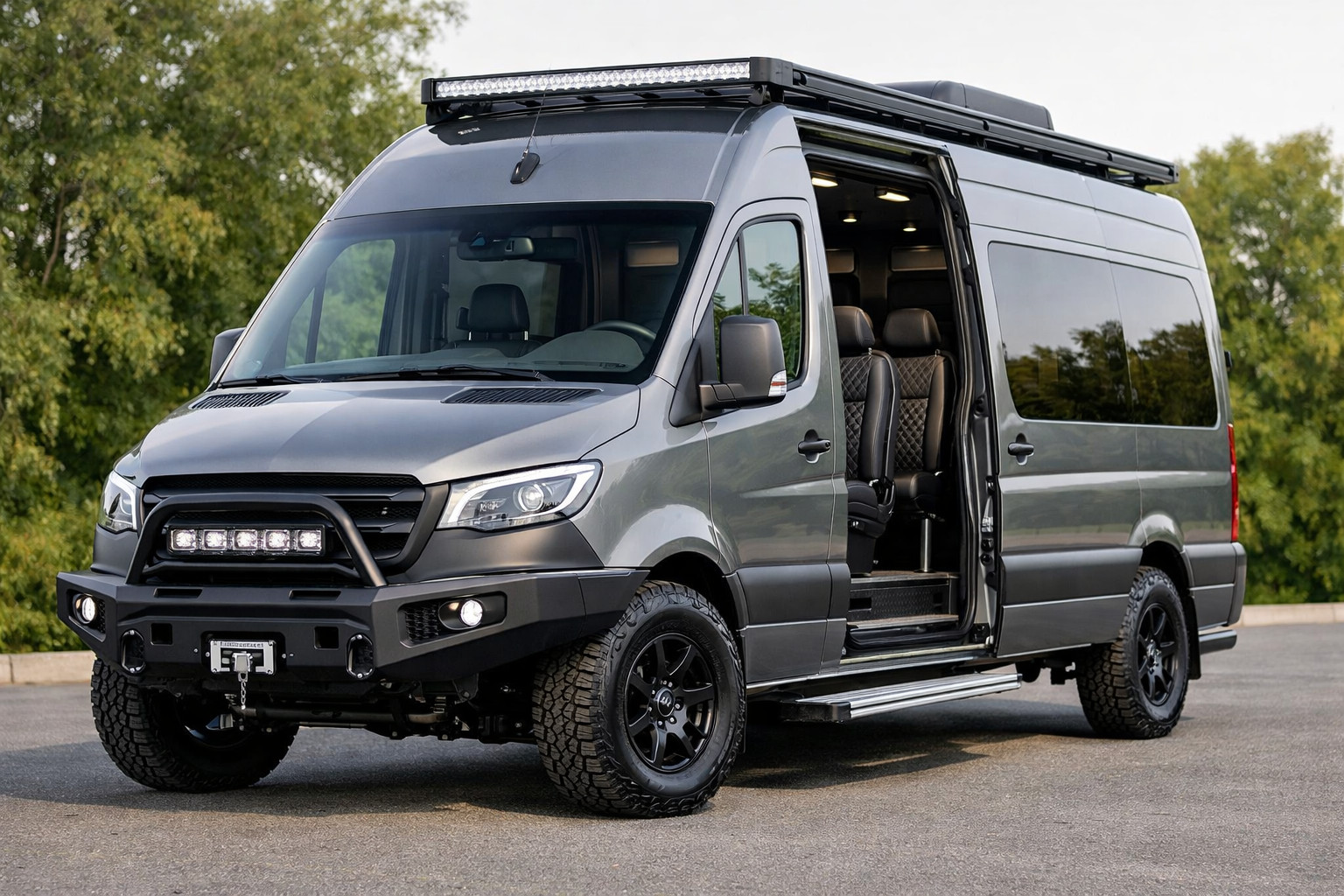
Another unnecessary spending direction is massive permanent drawers in the trunk, steel armor, and off-road accessories without real off-road use. If your route is highway, countryside house, a mountain base, camping, and a few dirt sections, these things steal space, add weight, and burn money. It’s exactly the case of buying for the picture, not the scenario.
| Scenario | What to install first | What can be postponed | What is not required |
|---|---|---|---|
| City and family | Mats, cargo liner, dash cam, mud flaps | Window visors, side steps, bumper protector | Lift, oversized wheels, steel armor |
| Highway and travel | Tires for your route, cargo organizer, loading-area protection | Roof rails and crossbars after a few fully loaded trips | Heavy roof basket, expedition drawers without constant need |
| Trailer or camper | Towing kit, wiring, gross weight control, tires for the load | Suspension tuned to the specific load after real-world use | Cosmetic tuning instead of technically necessary items |
| Light dirt-road trips | Sensible tires, mud flaps, order in the trunk | Roof system or extra lighting if you often drive at night or with lots of gear | Snorkel, heavy front protection, radical suspension mods |
More expensive items make sense not when you want to “install something serious,” but when the cheap option genuinely gets in the way. For example, if you regularly carry long items or travel fully loaded, it’s better to properly choose roof racks and crossbars once than to constantly live with noise, play, and awkward mounting.
The same applies to side steps. If kids or elderly passengers ride often, or you constantly use the roof, quality side steps can be justified. If they’re just a styling element, you can easily postpone them without losing functionality.
Before buying expensive items, it’s worth reviewing the full set of solutions for the model on the Prado 250 tuning page and filtering out what doesn’t work in your use case. For this scenario, an expensive upgrade is good only when it solves a repeating task—rather than adding weight, noise, and costs.
From a customer’s experience: a Prado 250 owner initially planned a lift and bigger wheels, but after a few family trips realized what really annoyed them was dirt in the cabin, clutter in the trunk, and the lack of proper gear prep. In the end they installed mats, mud flaps, cargo organization, and later a roof system for vacations—and skipped the suspension. The result was quieter, cheaper, and more practical than the original idea.
For a Toyota Land Cruiser Prado 250 without off-road excess, the right order of upgrades is: first protect the interior and body, then choose tires for your roads, then address cargo—and only after that consider solutions for towing, the roof, or suspension. This way you don’t undermine the strong factory base and you don’t turn a daily driver into a compromise project.
The worst thing you can do is buy accessories that don’t match your scenario and overpay for appearance. The best is to rely on real trips, loads, and everyday tasks. That’s exactly the logic this material is built on: real selection experience, practice, and real use cases—not the urge to install everything at once.
| ✔ | First on the list are the things you can actually see every day: rubber floor mats, a trunk mat, mud flaps, and a cargo sill protector. They directly reduce dirt, water, and signs of wear in the cabin and on the body. |
| ✔ | The tires are suggested to be chosen for the actual route, rather than fitting aggressive tread “just in case.” That is practical, because tires have the biggest impact on noise, comfort, grip, and how the vehicle behaves on asphalt and dirt roads. |
| ✔ | A trunk organizer helps keep small cargo, a first-aid kit, a compressor, and other items off the trunk floor. For family trips and travel, it makes the cabin and trunk noticeably more organized without heavy fixed systems. |
| ✔ | For those who really tow a trailer, a separate towing kit with wiring is highlighted. That is better than improvised solutions, because the setup is immediately tied to proper towing and load control. |
| ✔ | The plan is built step by step: first everyday use and protection, then tires, then cargo, and only after that suspension or roof solutions. This approach reduces the risk of extra weight, noise, and pointless spending. |
| ✘ | A lift with spacer blocks “for reserve” is directly called a typical mistake. In this scenario, it can make the vehicle stiffer, worsen suspension geometry, and bring questionable benefits without a real need. |
| ✘ | Large or heavy wheels for the sake of appearance can result in more noise, worse response to small bumps, and higher fuel consumption. For a heavy Prado, this is especially noticeable in daily driving. |
| ✘ | A full-size roof basket or heavy roof rack is seen as unjustified if needed only from time to time. They constantly add noise and air resistance, even when almost empty. |
| ✘ | Bulky fixed boxes, a силовий обвіс, and off-road accessories without real off-road use steal space, add weight, and cost money. For the city, highway, and family trips, they make the vehicle more complicated rather than more useful. |
Shipping to EU
Wholesale and retail
Own warehouse
Опис продукту
Подарунки не надаються при оформленні покупки у кредит під 0,01% або при покупці частинами.