15.09.2026
53
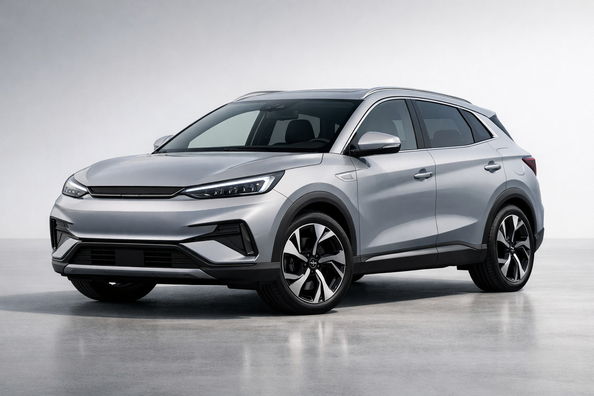

BYD Atto 3 EVO 2026 is not a cosmetic refresh, but a deeply reworked electric crossover. The model keeps the compact family SUV format, but gets a new powertrain: a larger 74.8 kWh battery, fast DC charging up to 220 kW, rear-wheel drive or all-wheel drive, and noticeably better everyday practicality in the details.
The main change here isn’t just in the spec-sheet numbers. EVO has become more mature in terms of functionality, but it hasn’t turned into a benchmark for handling or sound insulation. So it’s best viewed as a very well-equipped electric car for family use, rather than a one-size-fits-all answer to every demand in the class.
Atto 3 EVO plays in the compact electric crossover segment, where buyers typically compare not only range, but also charging speed, cabin space, trunk capacity, and the level of standard equipment. In size and concept it sits alongside family electric SUVs, but it wins not with premiumness, but with a dense set of tech for its footprint.
This model suits those who want one car for the city, trips out of town, and regular highway routes with fast charging stops. It makes less sense for those who put absolute motorway quiet, the sharpest steering, or the most upscale interior finish first.
The Atto 3 lineup is also known as Yuan Plus. The base model launched in China in 2021, and spread actively to other markets from 2022. It’s the car that made BYD a noticeable player in the mainstream EV segment.
The EVO version arrived as a major update for the 2025 year and, in 2026 model-year specs, already feels almost like a separate car in terms of hardware. Formally it’s an evolution of the first generation, but the changes touched the architecture, battery, power units, charging speed, suspension, and cabin ergonomics.
Atto 3 EVO has no gasoline or diesel versions, so the engine displacement item doesn’t apply here. The lineup includes only electric powertrains with a single-speed reduction gear: the rear-wheel-drive Design and the all-wheel-drive Excellence.
The rear-wheel-drive version has a single electric motor and looks like the most rational choice for most scenarios. The all-wheel-drive one gets two motors, noticeably quicker acceleration and more pull, but pays for it with higher consumption and a lower rated range.
| Parameter | Design | Excellence |
|---|---|---|
| Drive | Rear | All-wheel |
| Powertrain | 1 rear electric motor | Front asynchronous + rear synchronous electric motor |
| ICE displacement | Not applicable | Not applicable |
| Power | 230 kW, 313 hp | 330 kW, 449 hp |
| Torque | 380 N·m | 560 N·m |
| 0–100 km/h | 5.5 s | 3.9 s |
| Top speed | 180 km/h | 200 km/h |
| Battery | 74.8 kWh | 74.8 kWh |
| WLTP range | 510 km | 470 km |
| Charging | AC 11 kW, DC up to 220 kW | AC 11 kW, DC up to 220 kW |
Dimensionally it’s a very convenient city and family format: 4455 mm long, 1875 mm wide, 1615 mm tall, with a 2720 mm wheelbase. A 5.4 m turning radius is fine for dense urban areas, and the 2060 mm width with mirrors folded suggests there isn’t much spare room in narrow parking garages.
Ground clearance depends on the version: 175 mm on Design and 170 mm on Excellence unloaded; when fully loaded — 150 mm. That’s enough for curbs, yard access, and winter ruts, but it’s not a car for regular trips onto rough dirt roads. The trunk holds 490 L, with the second row folded — 1360 L, plus there’s a 95 L front trunk. For a family electric crossover, that’s a genuinely useful set.
Chassis-wise the layout is serious: MacPherson struts up front, a multi-link rear suspension, and ventilated disc brakes all around. On paper it looks strong, but in reality the suspension is tuned more for calm daily driving than for tight body control in fast corners.
After the update, the interior has become more logical to use. The 15.6-inch central screen no longer feels like a design gimmick for effect, the 8.8-inch instrument panel is easier to read, and the column-mounted gear selector frees up space on the center console. Higher trims include a head-up display, a 50 W wireless charger with cooling, a heat pump, an NFC key, and a power supply function for external devices.
Safety equipment is extensive: 7 airbags, a 360-degree camera, adaptive cruise control, automatic emergency braking, lane keeping, blind-spot monitoring, and rear cross-traffic alert. But it’s important to understand the nuance: there isn’t much long-term data specifically for EVO yet, and driver-assistance systems in earlier versions weren’t the best calibrated. So the equipment list is strong, but it’s worth judging it by more than just the feature checklist.
In day-to-day life, EVO’s main trump card is the combination of a large battery and fast charging. On 11 kW AC, a full cycle takes about 8 hours, and on a fast charger you can add 10–80% in roughly 25 minutes. For someone who really drives between cities, that matters more than a flashy 0–100 km/h time.
Real-world consumption depends heavily on the scenario. In the city or a calm mixed cycle, the model can be efficient, but on the highway aerodynamic and road noise — along with higher consumption — become noticeable. That’s why the rated 510 km in the rear-wheel-drive version should be treated as a guideline, not a guaranteed outcome in any weather and at any speed.
Practically speaking, Atto 3 EVO is convenient: a flat rear floor, good space, a useful frunk, the ability to tow up to 1500 kg with brakes, and roof load up to 75 kg. The weaker points for an owner are less-than-ideal motorway quiet, a soft chassis response over undulations, and the fact that the perceived cabin quality doesn’t everywhere match the strong technical numbers.
This model has a very clear profile: it wins where you need technology, space, and fast recharging, but it doesn’t deliver the best driving feel in every area.
| Pros | Cons |
|---|---|
| Fast DC charging up to 220 kW | Wind and road noise at speed is higher than you’d want |
| Large 74.8 kWh battery | Handling and body control aren’t class benchmarks |
| 490 L trunk + 95 L up front | Real-world range depends heavily on highway driving and weather |
| Strong standard equipment | Some interior materials feel simple to the touch |
| Very quick AWD version | Assistant calibration is worth checking yourself |
From an ownership perspective, it comes down to something simple: if your priorities are charging speed, a spacious cabin, and modern functionality, EVO looks convincing. If you primarily need a car for long highway trips in full quiet with a more tied-down chassis, it’s worth comparing competitors very carefully before buying.
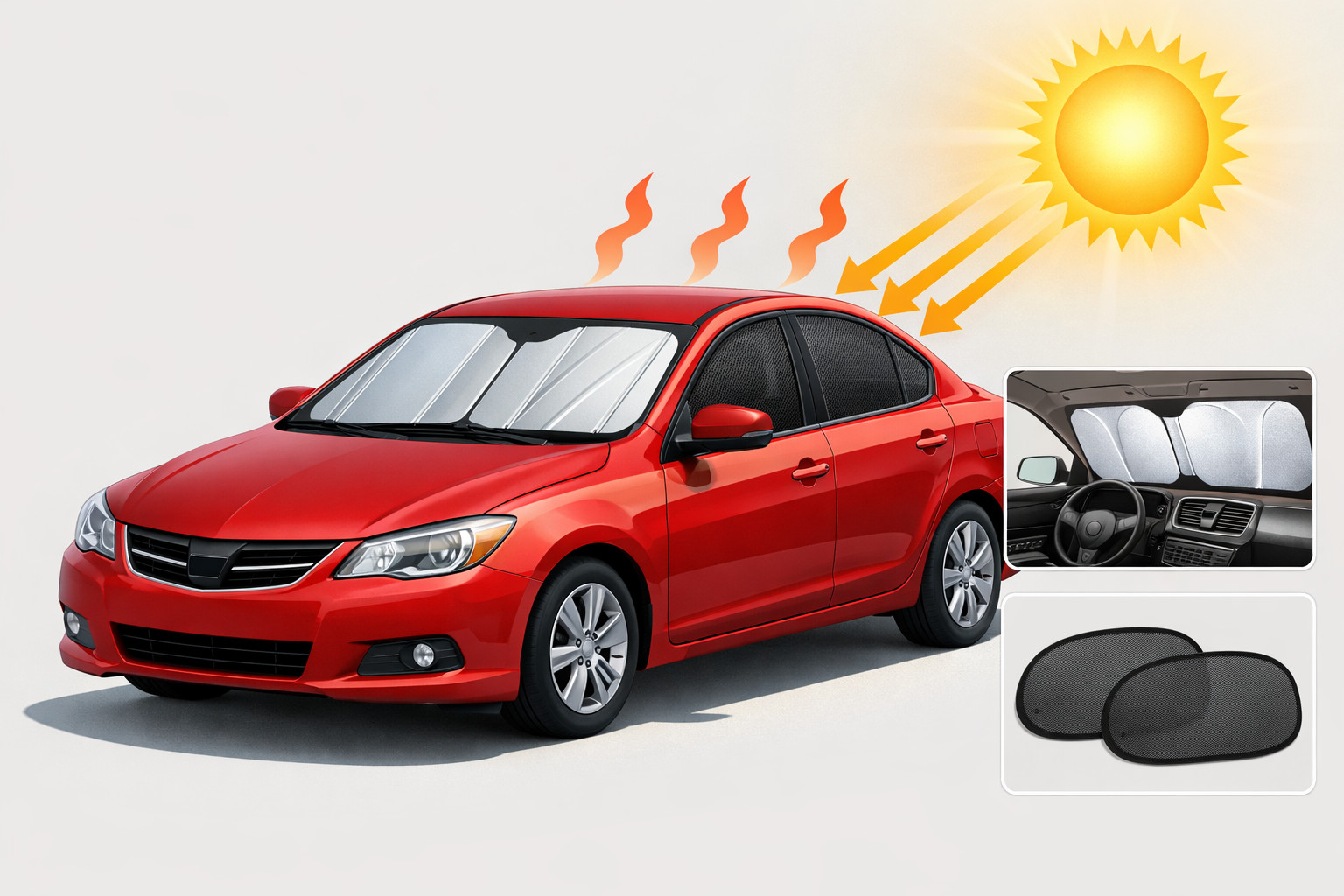
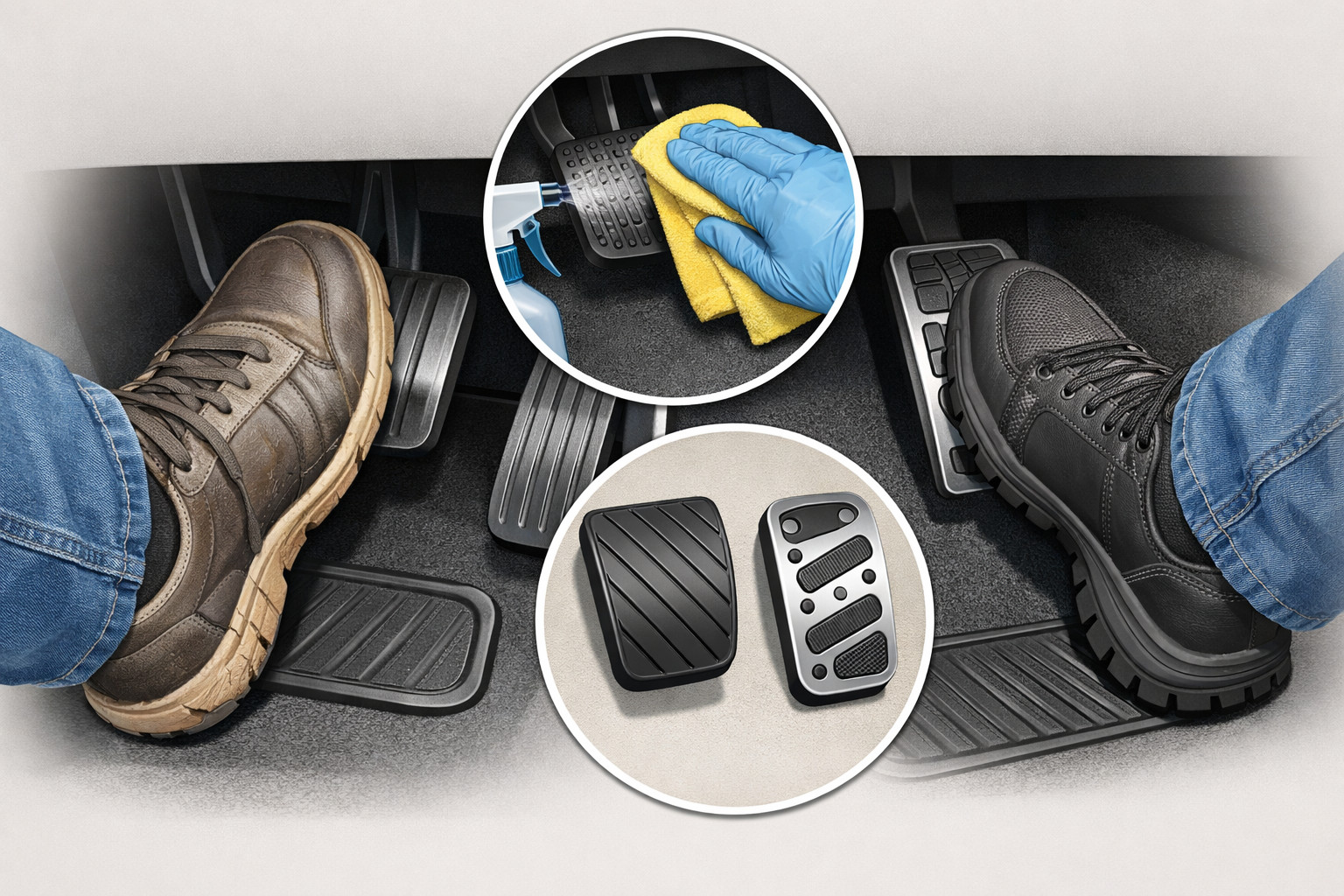
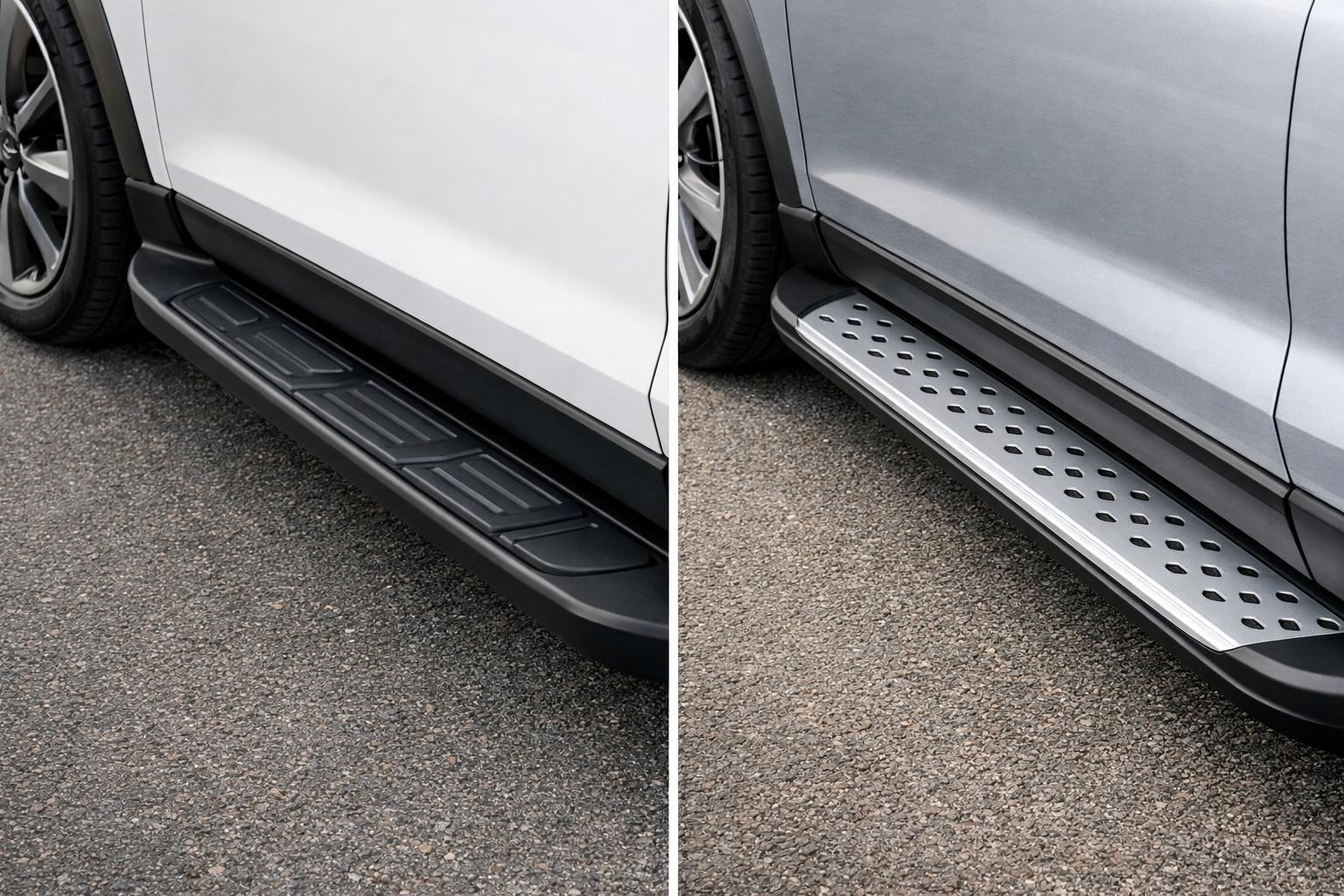
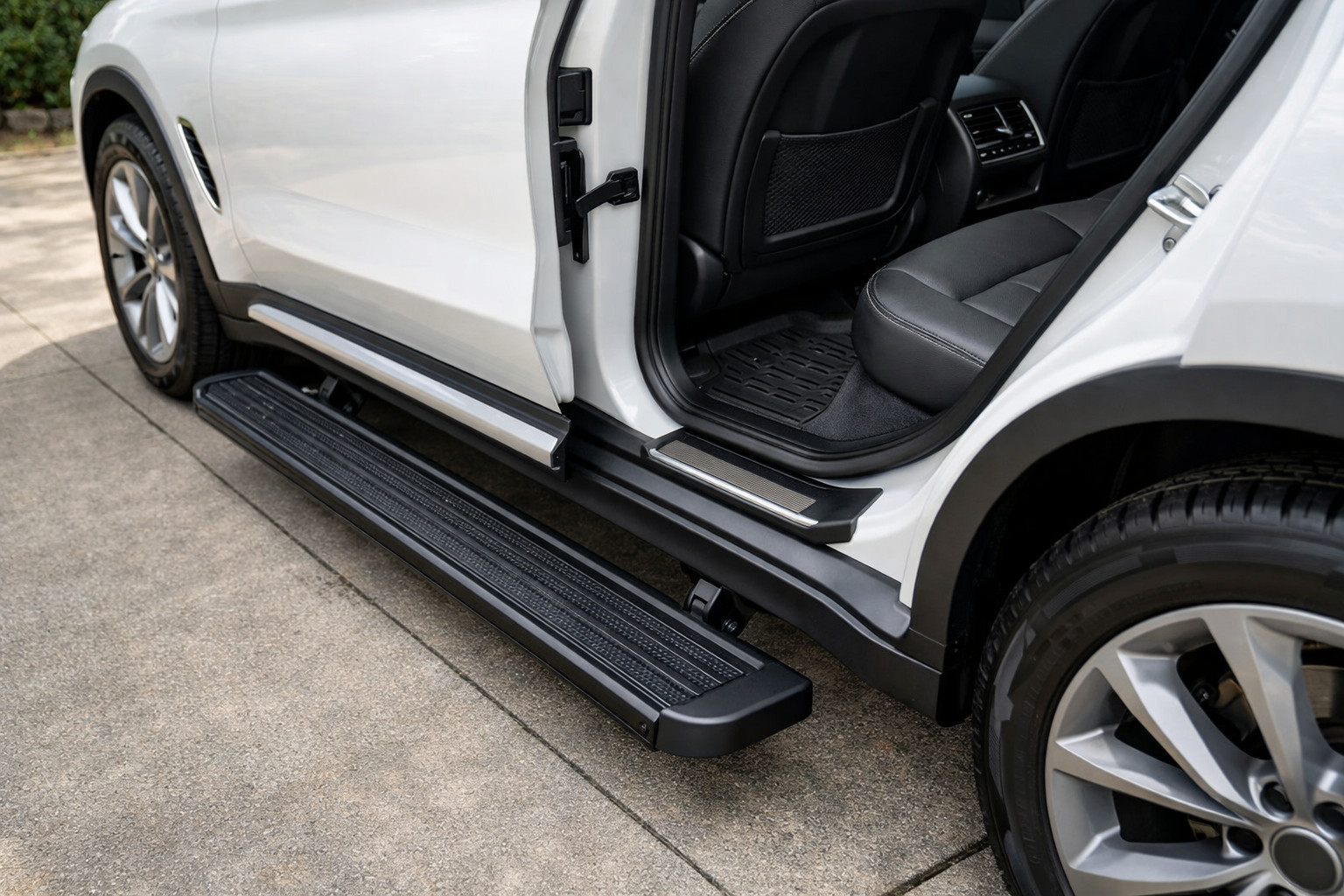
For Atto 3 EVO, what makes sense is less about decorative mods and more about things that protect the interior and make everyday use easier. Since this is a new model, the most practical accessories are the ones that work from day one: floor protection, easier cleaning after winter, dirt, and trips with kids.
For this model, accessories make sense precisely as an extension of its practical character. It’s not a case where something urgently needs reworking, but items that protect the interior really help keep the car looking tidy in the first years of use.
BYD Atto 3 EVO 2026 has become significantly stronger than the previous Atto 3: a larger battery, faster charging, better cabin functionality, two drivetrain options, and solid everyday practicality. For a family, or for a daily route that combines city and highway, it’s now a mature and genuinely serious electric crossover.
But the update didn’t remove every compromise: sound insulation, chassis feel, and overall assistant refinement still require a clear-eyed assessment before purchase. That’s why the takeaway is simple: the model is worth considering if you need a tech-forward, spacious EV, and this material is based on real selection experience, practice, and real use cases — not just the pretty numbers from the specification sheet.
| ✔ | Fast DC charging up to 220 kW is noticeably more convenient for daily and long-distance trips: 10–80% can be added in about 25 minutes. |
| ✔ | The 74.8 kWh battery provides a solid driving range, and the rear-wheel-drive version is rated at up to 510 km WLTP, so the car is well suited to serve as a versatile family EV. |
| ✔ | A 490 l trunk, plus 95 l up front and a flat floor in the rear make the model practical for family use, children, and trips with luggage. |
| ✔ | The cabin is now more intuitive to use: a large 15.6-inch screen, a better instrument panel, and a column-mounted selector free up space in the center console. |
| ✔ | Good safety and comfort equipment already comes in the base or higher trims: 7 airbags, surround view, adaptive cruise control, AEB, an NFC key, and 50 W wireless charging. |
| ✘ | At high speeds, wind noise and road noise are noticeable, so the model is not ideal for quiet highway trips. |
| ✘ | Handling and body control do not seem benchmark-level: the suspension is tuned more for calm everyday driving than for composed driving. |
| ✘ | The official driving range should not be taken as guaranteed, as in real life it depends heavily on route, speed, and weather. |
| ✘ | Some interior materials are described as simple to the touch, so the sense of quality does not everywhere match the specifications. |
| ✘ | Driver assistance systems should be checked in person: in previous versions their calibration was not the best, and there is still little long-term data on EVO. |
Shipping to EU
Wholesale and retail
Own warehouse
Опис продукту
Подарунки не надаються при оформленні покупки у кредит під 0,01% або при покупці частинами.