06.07.2026
657
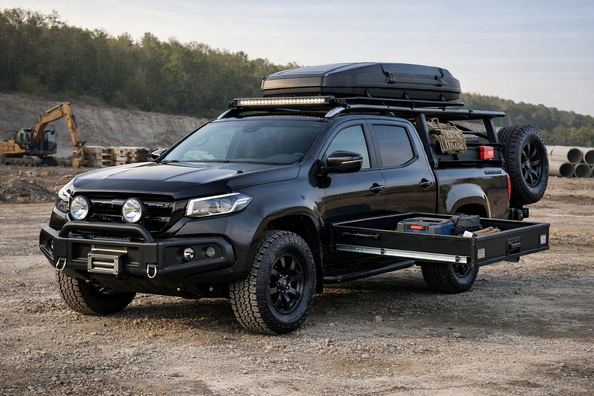
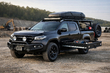
This plan is for a Mercedes-Benz X-Class owner who uses the pickup both for work and for everyday driving: hauling tools, groceries, small cargo, but doesn’t want to turn the vehicle into a harsh off-road project. What matters here aren’t flashy mods, but things that protect the body, keep the bed organized, and don’t ruin behavior on asphalt.
The X-Class already has a solid base for this scenario: a ladder frame, rear coil-spring suspension, decent ground clearance, and respectable payload. But the body length, open bed, and city use quickly reveal the priorities: protection, organization, and moderate tires first—everything else after.
The starting upgrade should cover three practical tasks: keep the cabin and body from getting beaten up by work-day small stuff, transport cargo properly in any weather, and keep the vehicle suitable for daily city and highway driving. For the X-Class this is especially relevant, because the bed is large and useful, but it isn’t a sealed trunk by itself.
The second point is not to spoil what the model already does well from the factory. If the vehicle spends 80% of its time on asphalt, a stiff suspension, oversized wheels, and unnecessary metal add-ons will take away comfort and performance faster than they add benefit. And if the vehicle also works with a load or a trailer, remember that any accessories also eat into the usable payload.
The first package is simple: cabin floor mats, bed protection, anti-corrosion treatment, and basic cargo organization. This is the case where inexpensive items actually save money: dirt doesn’t spread through the cabin, metal and plastic don’t get scratched by tools, and the body doesn’t start rusting where the problem could have been prevented from the start.
Next comes a tonneau cover or a canopy (hardtop), but only if you regularly carry items that need protection from rain, dust, and prying eyes. Here’s an important nuance: for the X-Class you shouldn’t expect the bed to be perfectly dry without additional sealing. It’s a useful solution, but you need to install it understanding that watertightness depends on the specific configuration and installation.
With wheels and suspension, rushing is harmful. For work and daily driving, it’s better to stick to a moderate tire size and normal road manners rather than chase a big A/T set. A towbar isn’t an automatic purchase either: if there’s no trailer or you use it once a year, it’s not the first step.
| Modification | Why it’s needed | Who really benefits |
|---|---|---|
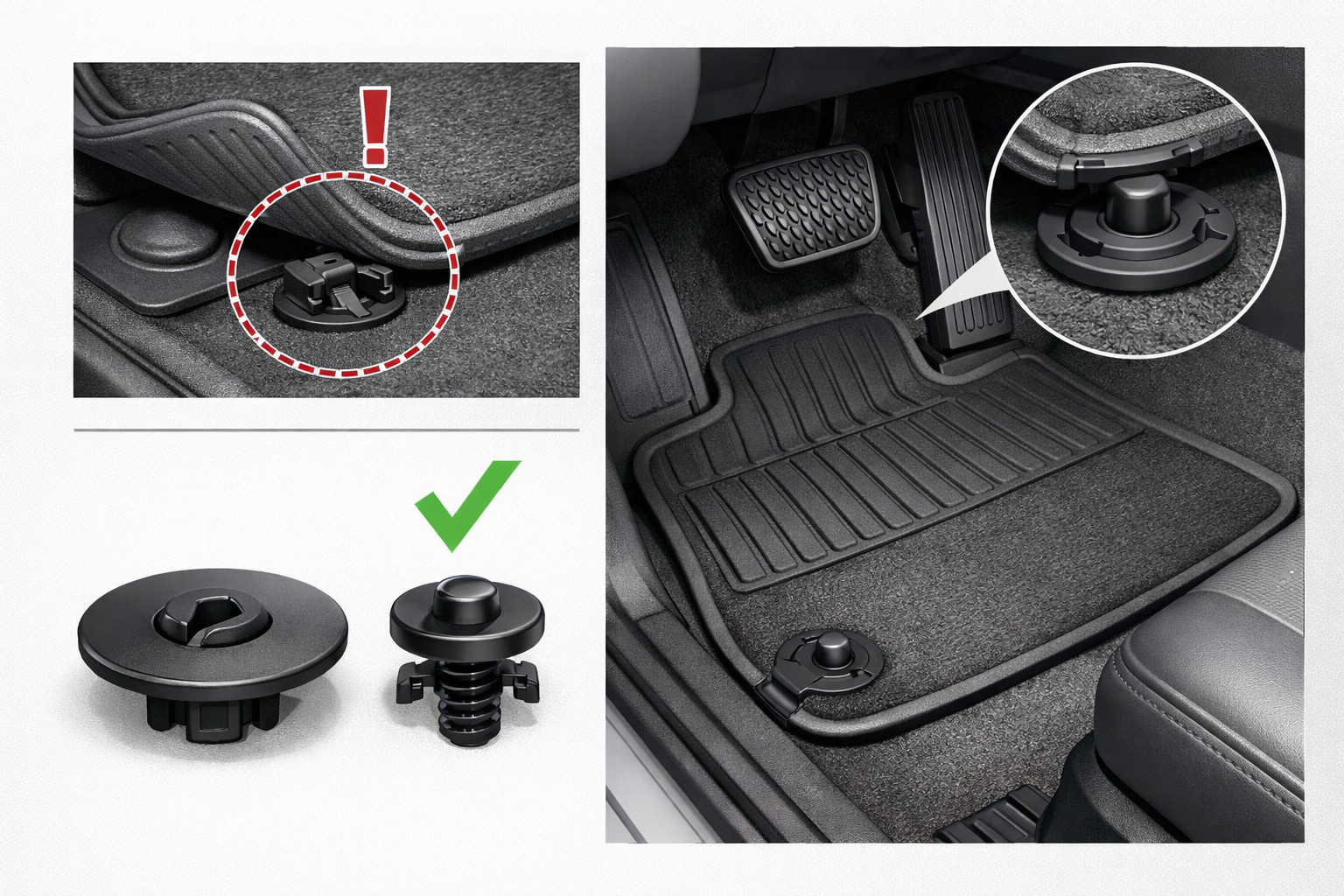
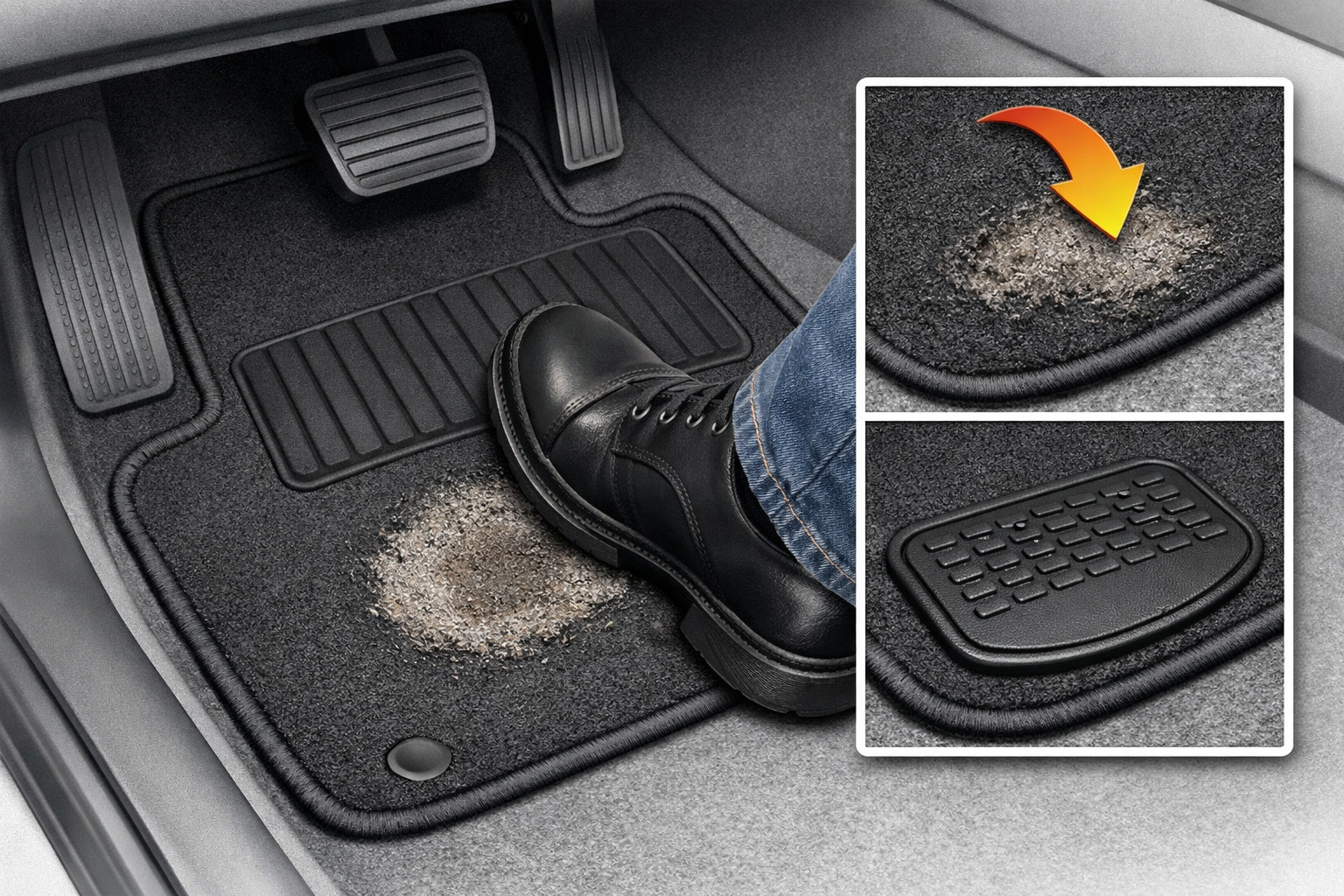
| Cabin floor mats | Contain dirt, water, construction dust | Anyone who gets into the vehicle daily in work boots or often drives outside the city |
| Bed protection or bed liner | Takes the scratches from boxes, tools, bags | Everyone who actually uses the bed, not those who keep it empty |
| Tonneau cover or canopy (hardtop) | Hides and partially protects cargo from precipitation and dust | Those who carry tools, goods, gear, or shopping every day |
| Anti-corrosion treatment | Preserves the underbody, cavities, and fasteners in salty and wet conditions | Vehicles driven in winter, on wet roads, or working year-round |
| Moderate tires without a radical size increase | Keep comfort and handling and don’t require extra modifications | Those whose driving is mostly asphalt, city, and highway |
| Towbar | Allows you to pull a trailer or platform | Only those who actually tow, not those installing it “just in case” |
DD Tuning expert comment: The most common mistake with the X-Class is buying big wheels, bars, and decorative side steps first, and only then figuring out how to protect the bed and where to put wet tools. The second typical story is installing a canopy without checking compatibility by model year and trim, then fighting gaps and leaks. If the vehicle lives on asphalt most of the time, there’s no need to force it into a narrow off-road scenario.
Once basic protection is done, the second stage is worth focusing on organization. For a working X-Class this can be dividers, boxes, and cargo tie-down systems so tools don’t fly around the bed. These are what make the bed convenient in daily use, not just “equipped.”
If the vehicle spends a lot of time maneuvering in the city, at warehouses, or in courtyards, a camera, parking sensors, or other parking aids make sense. For a pickup over five meters long, this is often more useful than any exterior tuning. A towbar can also belong here—but only when it’s already clear that a trailer is a regular part of your scenario, not an occasional one.
Wind deflectors, trim pieces, bars, some side steps, decorative body elements, and most chrome parts are no longer a first priority. They can be appropriate if you know exactly why you need them—for example, side steps genuinely help you get into the vehicle or reach cargo in the bed. But if there’s no benefit, it’s just extra weight, more dirt on the sides, and unnecessary expense.
Comfort-oriented upgrades can also include seat covers or small interior accessories if the vehicle is often used in dirty workwear. That’s more sensible than starting with exterior shine when the cabin and body still aren’t protected from everyday wear.
Most often, people waste money on things that don’t match their real driving mode:
The typical mistake here is the same: buying for the picture, not for the scenario. As a result, the vehicle drives worse, fuel consumption and noise go up, and the main tasks—dry tools, a clean cabin, and a protected body—remain unsolved.
| What to install first | What you can postpone | What isn’t required |
|---|---|---|
| Cabin floor mats and bed protection | Side steps, if you’re comfortable without them | A bull bar for city use |
| Anti-corrosion treatment | Tonneau cover or canopy, if the cargo isn’t affected by weather | Stiff Heavy Duty suspension without constant load |
| Good tires when replacing the stock ones | Towbar until you actually have a trailer | Oversized wheels just for looks |
| Cargo tie-down and organization system | Roof rack for rare tasks | Decorative arches, bars, and trims without function |
More expensive upgrades for the X-Class are justified when they remove daily hassle, not just make the pickup look “more serious.” If you’re still aligning with the model’s baseline characteristics, it’s useful to first review the X-Class overview and then build your selection from there.
Most often, among the pricey options, canopies and tonneau covers pay off if the vehicle carries tools, boxes, equipment, or any cargo every day that you don’t want to leave open. It truly changes the pickup’s practicality, but compatibility should be checked by model year, version, and ideally by VIN.
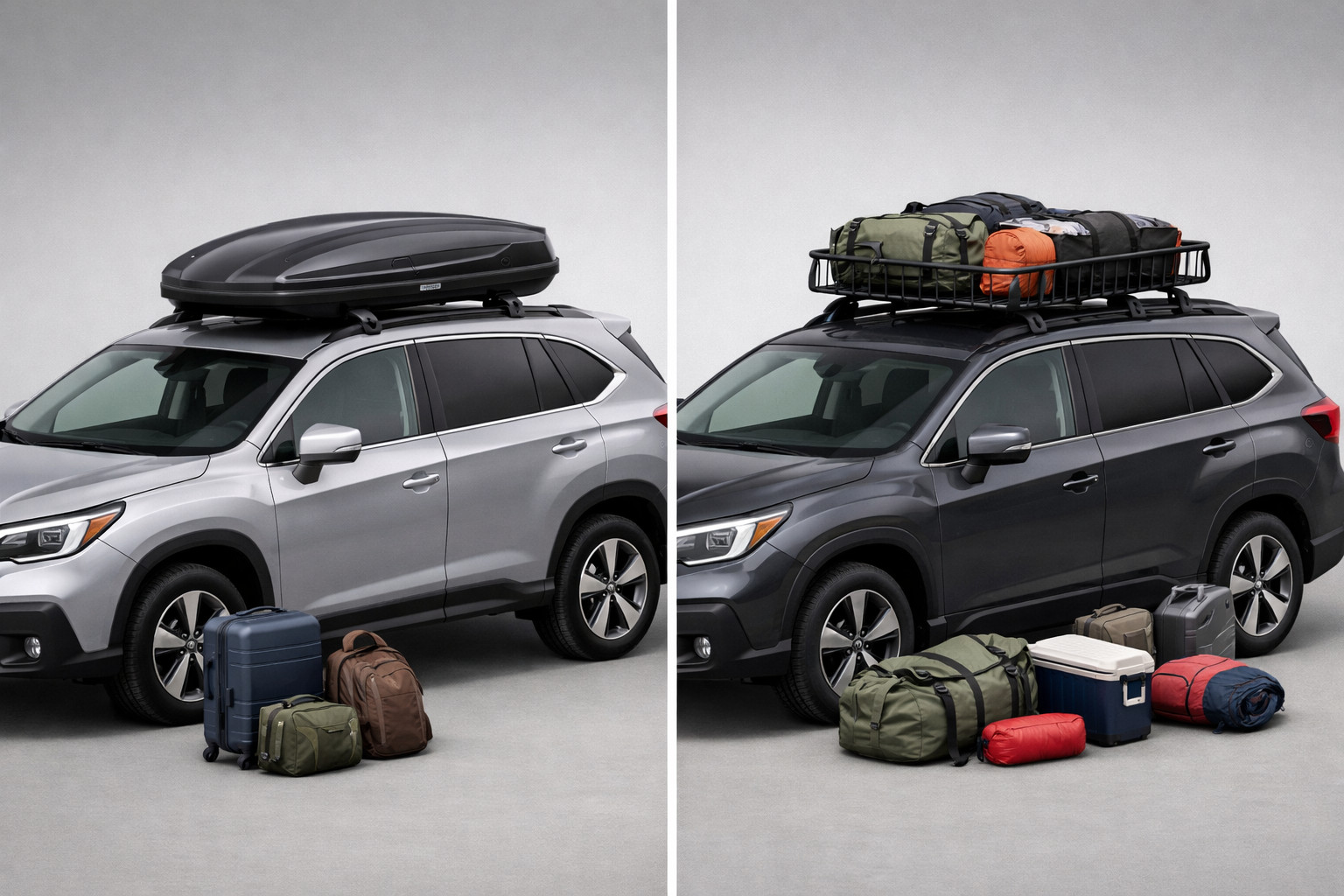
The second expensive—but sometimes justified—direction is roof racks and roof bars. They make sense if you regularly have long cargo, ladders, or work gear that you shouldn’t throw into the bed. If that task isn’t weekly, that money is better kept for tires, anti-corrosion, and proper cargo organization.
From a customer’s experience: an X-Class owner initially planned large A/T tires and heavy-duty steps because the vehicle often drove to job sites. After reviewing the scenario, he kept the stock geometry, did anti-corrosion treatment, installed bed protection, a tonneau cover, and cargo securing. As a result, the pickup didn’t get harsher for daily use, and work items stopped getting wet and sliding around the bed.
For a starter upgrade of a Mercedes-Benz X-Class for work and everyday driving, the logic is simple: protect the cabin and bed first, then anti-corrosion and cargo organization, then a cover or canopy based on real need, and tires, a towbar, and expensive accessories only for a specific scenario. This sequence delivers benefits without sacrificing daily comfort.
The worst thing you can do with such a pickup is start with aggressive tuning and overpay for looks. This material is based on real selection experience, practice, and real usage scenarios, so the focus here isn’t on the picture—it’s on modifications that truly work every day.
| ✔ | The first upgrades solve real everyday problems: floor mats, bed protection, and anti-corrosion treatment immediately reduce dirt in the cabin, scratches, and the risk of corrosion. It’s practical for a vehicle that works every day and carries tools or small cargo. |
| ✔ | A tonneau cover or canopy provides noticeable benefits if cargo needs protection from rain, dust, and prying eyes. For regular hauling, it adds convenience without turning the pickup into a hardcore off-road setup. |
| ✔ | Moderate tires and avoiding a radical wheel upsizing help preserve comfort, handling, and proper behavior on asphalt. This matters when the vehicle spends most of its time in the city and on the highway. |
| ✔ | A cargo securing system, dividers, and boxes make the bed truly functional rather than just large. Tools and small items do not fly around the bed, which is convenient for everyday use. |
| ✔ | The upgrade plan is built step by step: first protection and basic organization, and expensive solutions only for a specific task. This approach helps avoid spending money on things that do not bring value in your particular scenario. |
| ✘ | A canopy or bed cover does not guarantee dryness without additional sealing and proper installation. The material explicitly states that tightness depends on the specific configuration and installation. |
| ✘ | A tow hitch makes no sense as a universal purchase: if a trailer is not used regularly, it is an unnecessary expense. In that scenario, it does not solve the pickup’s everyday tasks. |
| ✘ | Large A/T or M/T tires, a stiff Heavy Duty suspension, and massive decorative elements can worsen comfort, noise, and fuel consumption. For city and highway use, this is more of a drawback than a benefit. |
| ✘ | Some exterior add-ons, such as bars, fender flares, or roof racks, add weight and dirt but do not improve working functionality. If there is no clear purpose, they are just extra expenses. |
Shipping to EU
Wholesale and retail
Own warehouse
Опис продукту
Подарунки не надаються при оформленні покупки у кредит під 0,01% або при покупці частинами.