21.06.2026
310
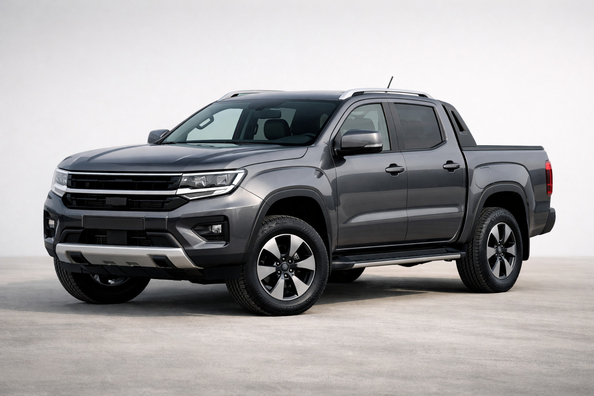
Volkswagen Amarok II is a pickup for those who genuinely need a frame, a bed and pulling power, but without the feel of a rough work truck on the highway. In its second generation it’s technically very close to the Ford Ranger, yet it has its own design, a more restrained interior, and overall feels more premium in day-to-day driving.
Its logic is simple: work during the day, highway in the evening, trailer on the weekend. But if the vehicle will live almost exclusively in the city with no load and no towing, the Amarok often turns out to be too big and too expensive a solution.
Amarok II sits at the top end of the pickup segment: it’s not as utilitarian as some rivals and focuses not only on payload, but also on acoustic comfort, equipment and highway manners. That’s why it’s often viewed as a business work vehicle that doesn’t annoy you on long trips.
This model fits best for those who combine several use cases: trailer, tools, long-distance trips, driving on broken roads. It makes the least sense for anyone who simply needs a big family vehicle without any real use of the bed.
The first generation Amarok launched in 2010 and stayed on the market for more than ten years. The second generation was introduced in 2022, with sales in various markets as a 2023 or 2024 model. The current Amarok is produced as a double-cab pickup, and its technical base was developed in partnership with Ford, so many components and powertrains are shared with the Ranger.
The lineup depends on the market, and that’s important to verify before buying. For Amarok II, a 2.0-liter diesel with 170 hp and 405 N·m was announced, a 2.0-liter diesel with two turbochargers with 210 hp and 500 N·m, a 3.0-liter V6 TDI with 250 hp and 600 N·m (in some markets the same V6 is listed as 240 hp). There’s also a 2.3-liter gasoline engine with 302 hp and 452 N·m.
The base diesel is usually paired with a 6-speed automatic, while more powerful versions get a 10-speed. The four-wheel-drive layout also varies: depending on the market there’s a part-time system or a system with selectable modes.
| Engine | Power | Transmission |
|---|---|---|
| 2.0 diesel | 170 hp, 405 N·m | 6-speed automatic |
| 2.0 diesel with two turbos | 210 hp, 500 N·m | 10-speed automatic |
| 3.0 V6 TDI | 250 hp, 600 N·m; in some markets 240 hp | 10-speed automatic |
| 2.3 gasoline | 302 hp, 452 N·m | 10-speed automatic |
Amarok II has a body-on-frame design, a 3270 mm wheelbase and an overall length of 5350–5390 mm depending on version. Width is 1910–1917 mm, height 1871–1886 mm, ground clearance 217 mm. Off-road geometry is strong for the class: approach angle 30°, departure angle 23–26°, breakover angle 21°, wading depth 800 mm. There’s no classic trunk volume in liters here: the reference point is the cargo bed measuring 1624 x 1584 mm, 1227 mm between the wheel arches. Payload depending on market is 904–1101 kg, braked towing up to 3500 kg.
| Parameter | Value |
|---|---|
| Generation | II, since 2022 |
| Body | double-cab body-on-frame pickup |
| Dimensions | 5350–5390 x 1910–1917 x 1871–1886 mm |
| Wheelbase | 3270 mm |
| Ground clearance | 217 mm |
| Wading depth | 800 mm |
| Cargo bed | 1624 x 1584 mm, 1227 mm between the arches |
| Payload | 904–1101 kg |
| Towing | up to 3500 kg |
| Fuel tank | 80 L |
One of the main reasons to look specifically at the Amarok is the interior. In higher trims you get a 12.3-inch digital instrument cluster, a 12-inch central screen, dual-zone climate control, heated seats, wireless charging and a Harman Kardon audio system. Safety is also taken seriously: automatic braking, lane keeping, traffic sign recognition, a rear-view camera or 360° view, blind-spot monitoring. At the same time, some owners complain about overly intrusive electronic warnings.
In day-to-day driving the Amarok is nicer than most pickups: quieter on the highway, more settled at speed, easier to get in and out of. But it can’t escape class physics: an empty bed can make the ride harsher over small bumps, and the large dimensions quickly make themselves known in parking lots. Real-world fuel consumption in a fast mixed cycle usually sits around 10–11 L/100 km, and the diesel versions don’t like short, cold city trips because of the particulate filter.
| Scenario | Pros | Cons |
|---|---|---|
| Highway | Quieter and more stable than many pickups | Dimensions and aerodynamics are still noticeable |
| Work | Up to 3500 kg towing and nearly a ton of payload | More expensive than some simpler rivals |
| City | High seating position and good visibility | Turning circle and length get tiring quickly |
| Daily ownership | Strong interior and equipment | The new generation doesn’t yet have a large reliability mileage record |
From an owner’s point of view, the main advantage of Amarok II is that it doesn’t force you to put up with a pickup just for the sake of the bed. The main downside is that you pay for this comfort and versatility both upfront and in ongoing running costs.
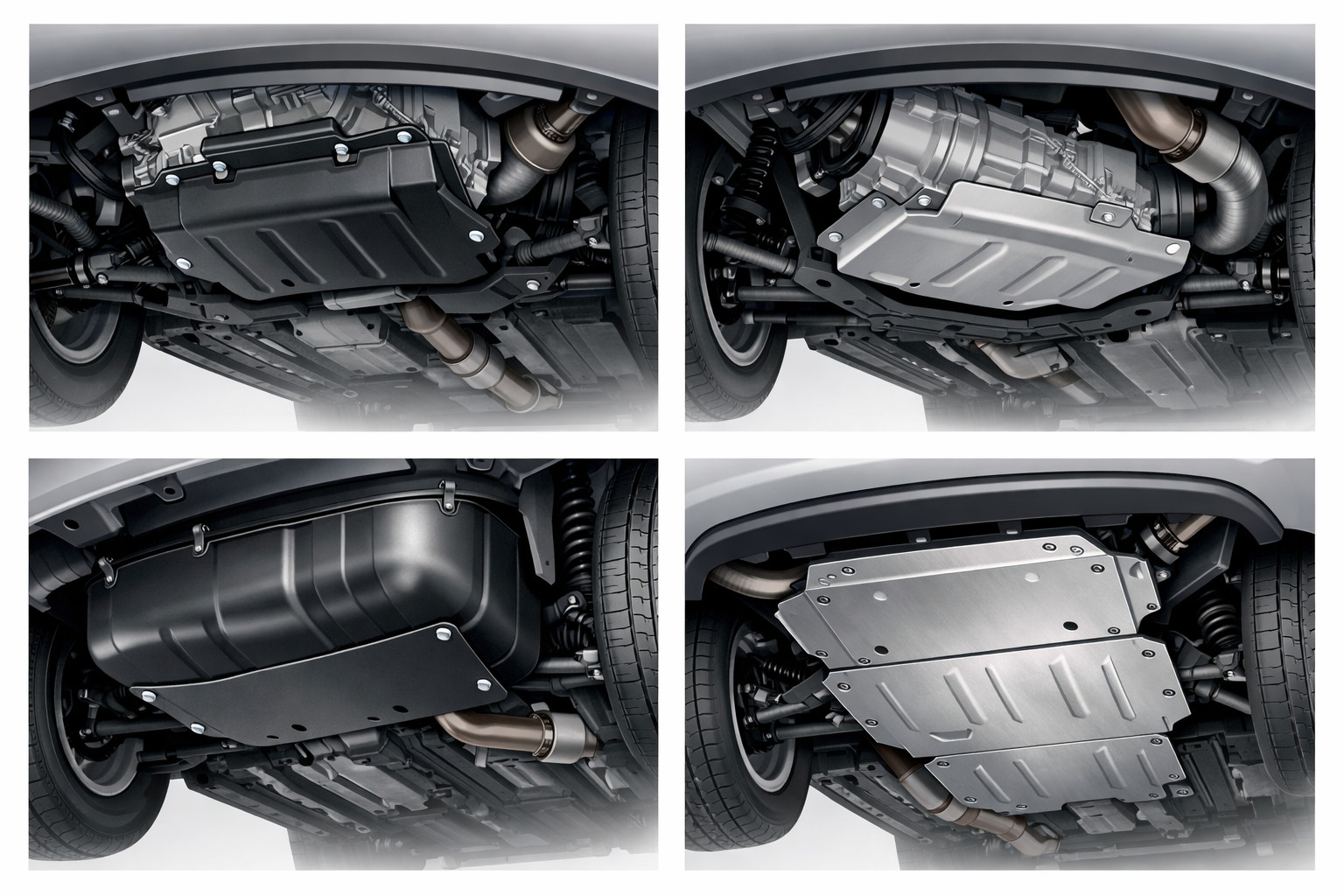
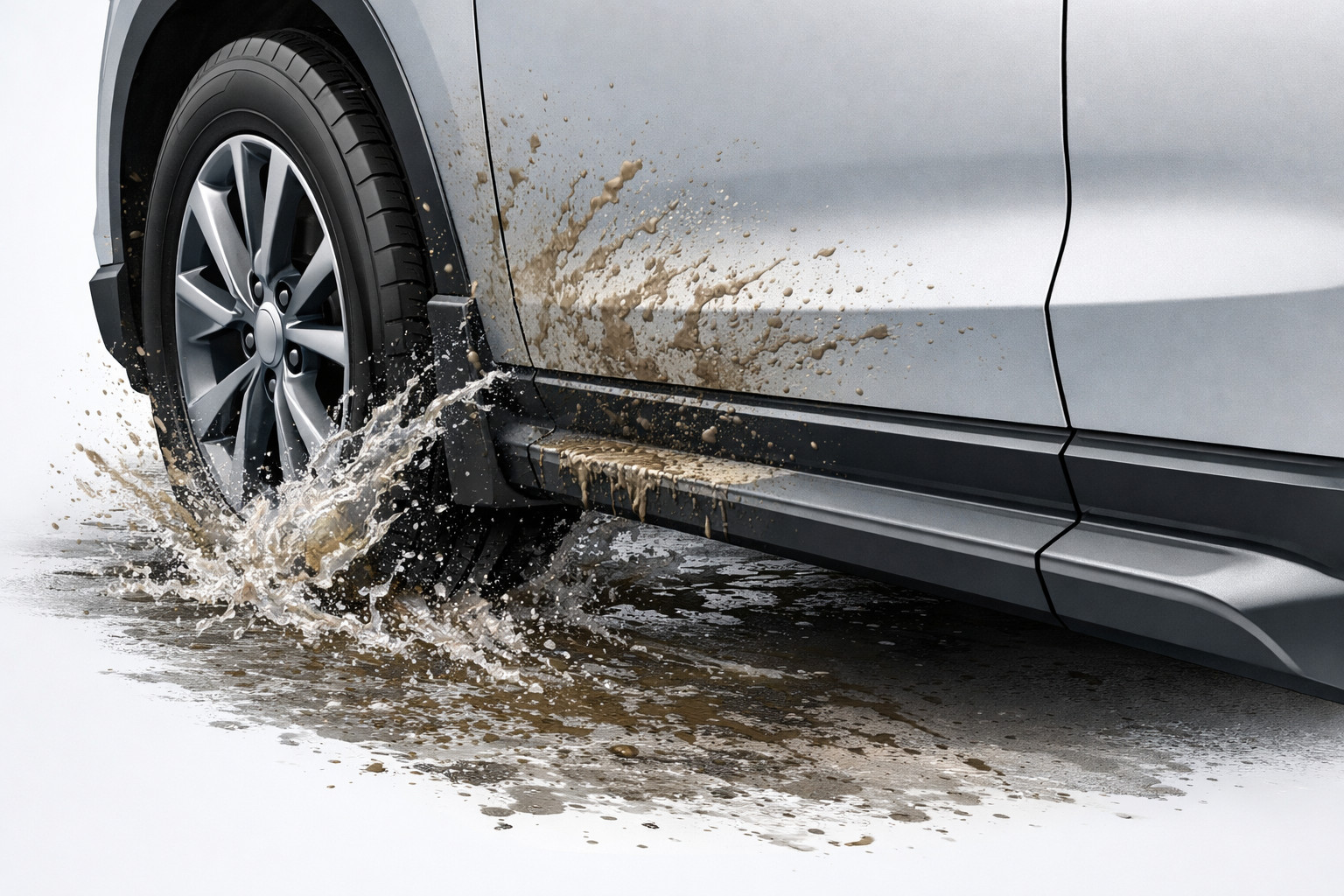
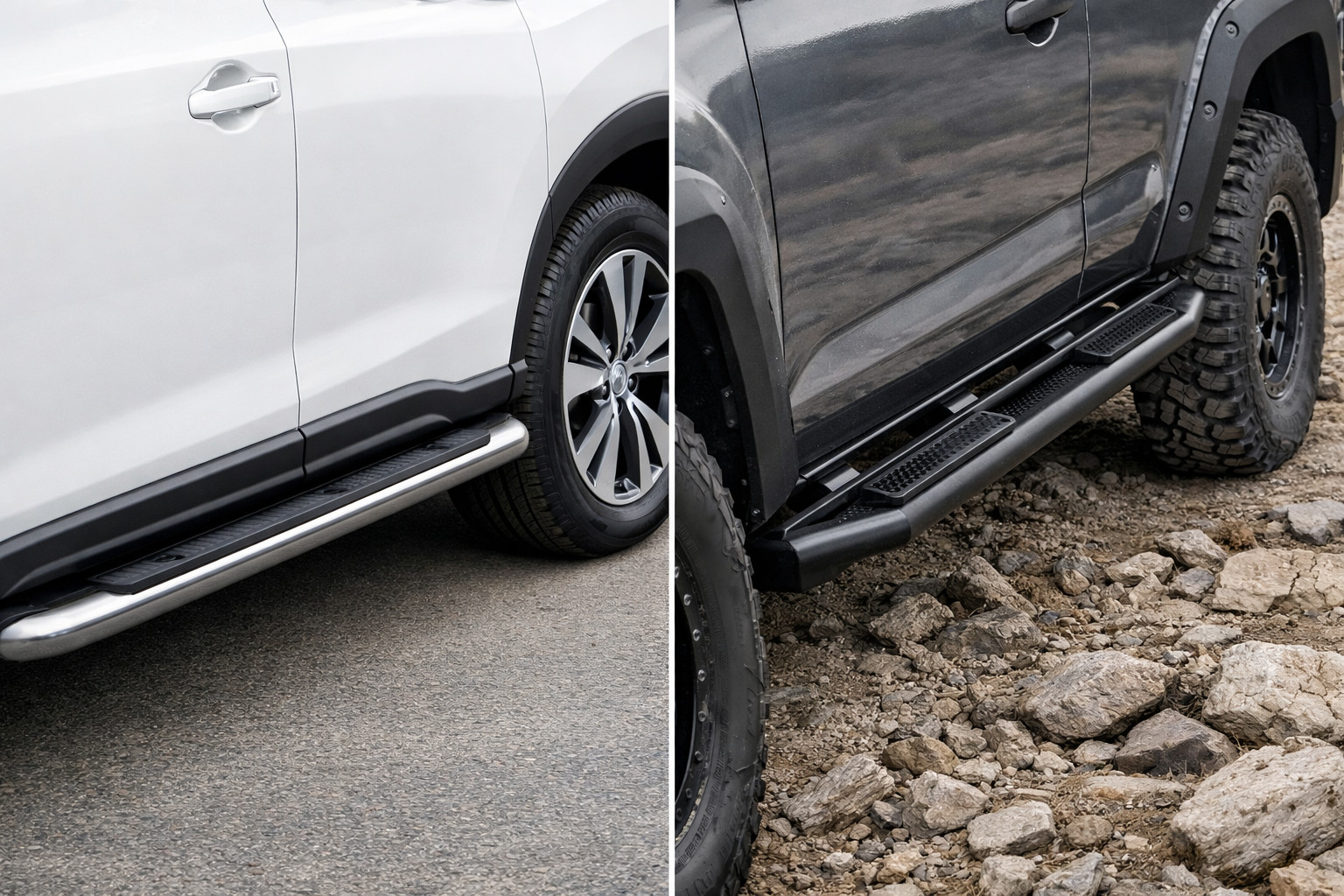
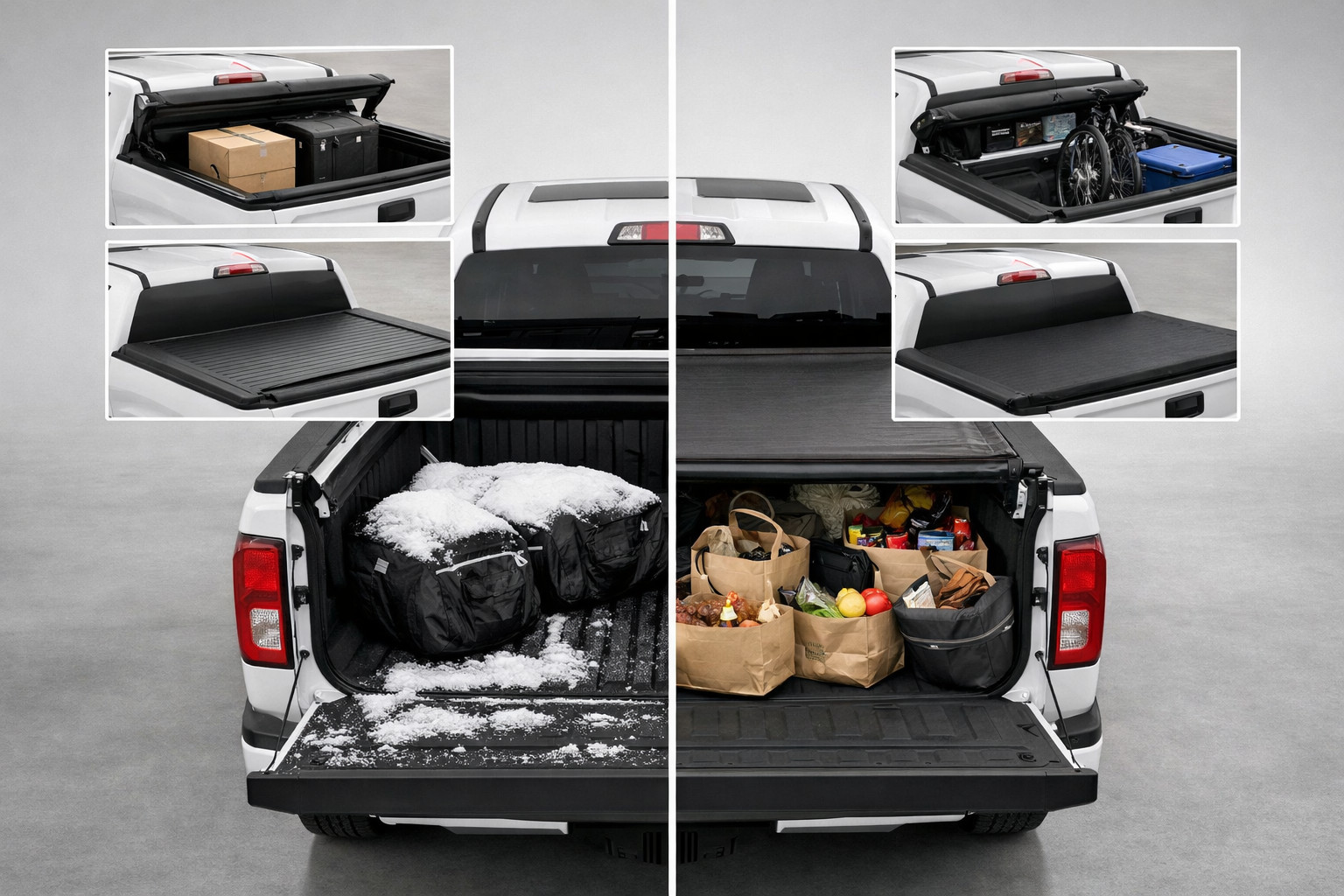
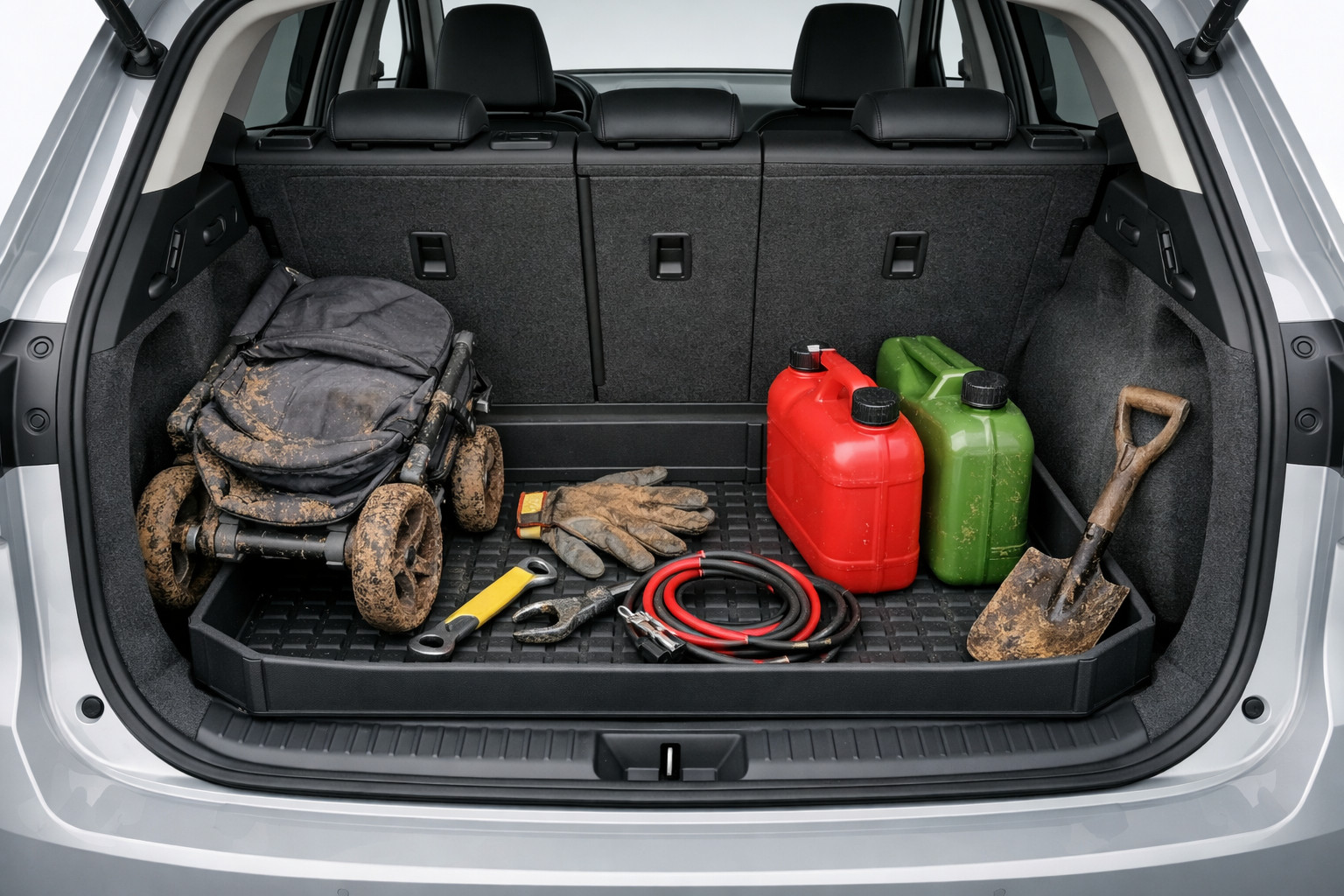
For the Amarok, tuning makes sense when it solves a task rather than just adding shine. The most logical upgrades for this model are protection and bed organization, towing equipment and small items for everyday dirty use.
If you want to take a separate look at the model itself, there’s an article about the updated Amarok. For practical items on a pickup like this, the most common choices are tonneau covers to protect cargo and tow hitches if the vehicle actually works with a trailer.
Volkswagen Amarok II is a strong fit for those who need one vehicle for work, highway driving, a trailer and occasional trips off asphalt. It’s not the simplest or the cheapest pickup, but it’s one of the most comfortable in everyday life. This material is based on real selection experience, hands-on practice and real use cases, not marketing promises.
| ✔ | The ladder-frame construction, 217 mm ground clearance, and up to 800 mm wading depth make the Amarok II suitable not only for asphalt, but also for tougher roads and off-road trips. |
| ✔ | For tasks with a trailer and cargo, the model looks very practical: payload reaches 904-1101 kg, and braked towing capacity is up to 3500 kg. |
| ✔ | On the highway, the Amarok II behaves more calmly than many pickups: the article separately notes the quiet cabin and stability at high speed. |
| ✔ | The cabin and equipment look stronger than the segment average for a pickup: there is a digital instrument cluster, a large center screen, dual-zone climate control, heated seats, and modern safety systems. |
| ✔ | The model is convenient as a versatile work vehicle: its layout is well suited to combining work, long trips, a trailer, and occasional drives on bad roads. |
| ✘ | In urban conditions, the Amarok II can be inconvenient: its large dimensions make parking more difficult, and its length and turning radius quickly start to annoy. |
| ✘ | When empty, the bed makes the ride stiffer over small bumps, so without a load the comfort does not always meet expectations from a more expensive pickup. |
| ✘ | Diesel versions do not like short cold city trips because of the diesel particulate filter, so the model is less suitable for this type of use. |
| ✘ | The new Amarok costs more than some simpler competitors, so as a purely urban or family car without using the bed, it does not look the most rational. |
Shipping to EU
Wholesale and retail
Own warehouse
Опис продукту
Подарунки не надаються при оформленні покупки у кредит під 0,01% або при покупці частинами.