20.06.2026
1320
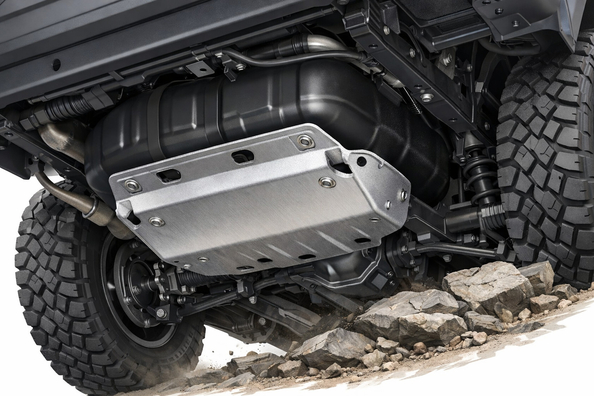
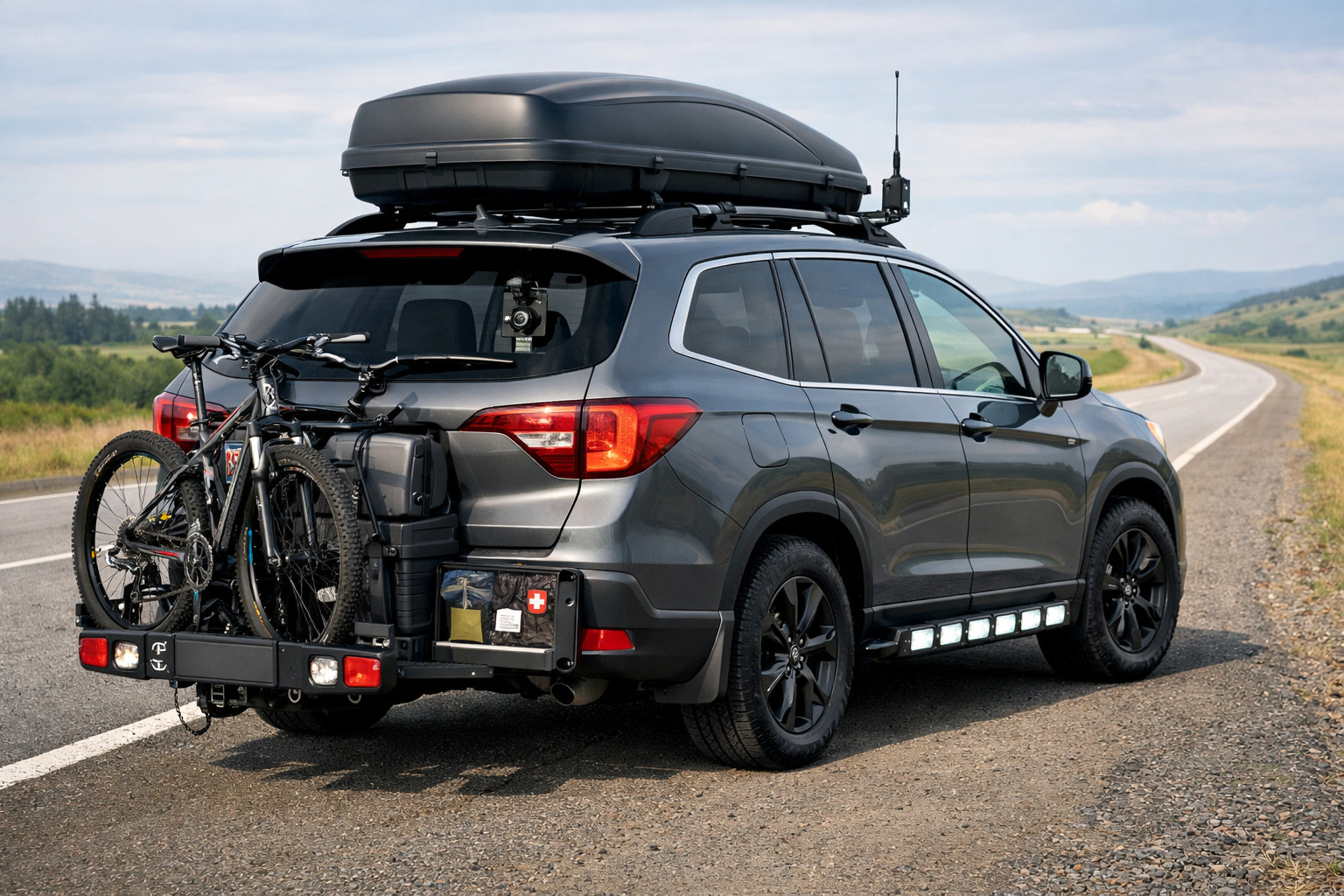
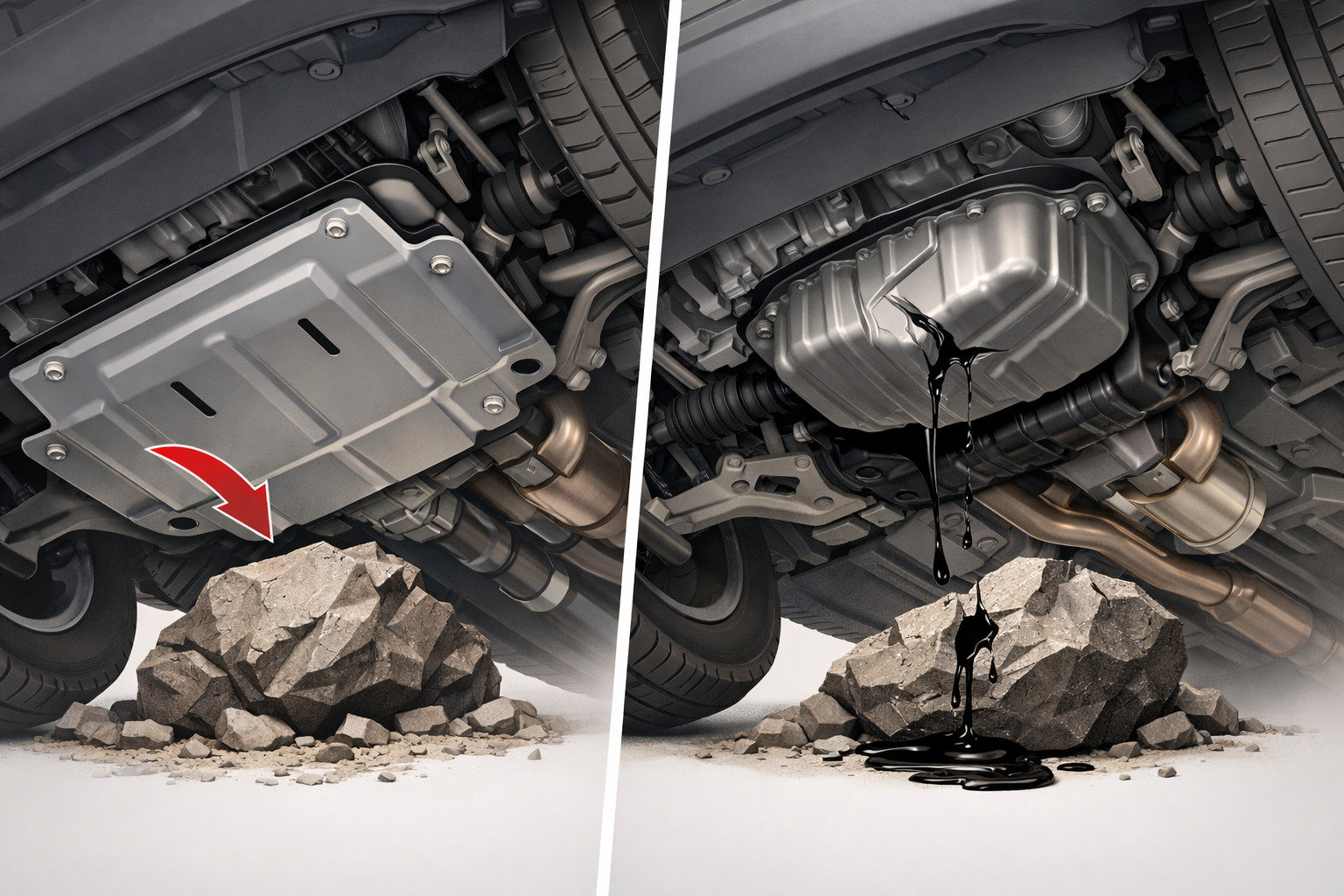
Fuel tank protection isn’t for everyone. If a car is driven in the city and on highways, and the fuel tank doesn’t take hits from below, a separate skid plate often only adds weight. But for gravel roads, ruts, rocks, snow banks, construction sites, and vehicles with a low-mounted tank, it’s not overkill anymore—it’s a way to avoid seepage, deformed mounts, or a puncture.
The main mistake is buying this kind of protection just because “everyone installs it.” First, you need to understand where the car is driven, whether there is a factory metal shield, whether it’s plastic or too weak, and whether the tank itself, filler neck, or lines already have damage.
The problem isn’t the mere presence of a tank, but the combination of route and vehicle design. On many SUVs, pickups, and some crossovers, the tank is located at the rear of the underbody and can end up in the impact zone when the vehicle drops into ruts, crosses a rocky section, or catches a chunk of ice.
The second reason is misjudging the factory protection. On some vehicles the OEM shield is truly metal and sufficient for moderate use; on others it’s a thin cover or plastic that keeps mud off but won’t withstand contact with an obstacle. So there’s no universal answer of “everyone needs it.”
Start not with the catalog, but with an inspection on a pit or lift. Check for fresh scratches on the tank or factory shield, bent straps, and whether seams, lines, filler neck, and mounts are dry. If the tank already shows contact marks, protection is a real consideration. If everything is dry and clean and your route is only asphalt, the benefit is much smaller.
Important point: protection is installed on a healthy assembly. If there’s a leak, broken mounts, or a rotted filler neck, repair first—then the shield.
DD Tuning expert comment: Most often, owners make the mistake of looking only at the material and not at the shield’s shape and mounting points. If the protection is short, has no drainage, or is chosen for the wrong modification, it collects dirt, complicates service, and doesn’t cover the real impact zone. Before buying, you need to verify not only the model, but the exact vehicle version and tank configuration.
| Symptom | Likely cause | What to do |
|---|---|---|
| Fresh scratches, dents, or paint stripped on the lower part of the tank or factory shield | Regular contact with rocks, ruts, ice, or debris | Check tank mounts, assess damage depth, and install a vehicle-specific shield using factory mounting points |
| Fuel smell without a large puddle | Tank micro-crack, damaged line, clamp, or filler neck | Don’t delay a leak-tightness diagnosis; after repair, decide on protection |
| Damp spot or puddle under the rear of the vehicle | Actual leak from the tank or fuel line | Urgent repair; a shield by itself won’t eliminate the problem |
| Rattle or knocking from underneath after an impact | Bent mounting, deformed shield, or loosened tank straps | Inspect the assembly, tighten or replace fasteners, check tank positioning |
| Incorrect fuel level readings without smell or stains | Fuel level sensor, float, or wiring | Look for an electrical fault instead of buying protection as a “repair” |
Protection works when it’s made for a specific vehicle modification and installed into factory structural mounting points. A good skid plate covers not only the center of the tank, but also the edge that takes the first hit when dropping off a ledge, in ruts, or when reversing. Useful features include proper shaping, drainage holes, serviceability without extra rework, and minimal loss of ground clearance.
Material choice is straightforward. Steel makes sense where frequent hard hits against rocks or a rigid ridge are possible. Aluminum is appropriate when lower weight and better resistance to moisture and salt matter. In practice, that’s usually steel plates around 2–4 mm or aluminum around 5–6 mm, but what matters isn’t thickness alone—it’s also shape, stiffening ribs, and mounting quality.
Another thing that really works is periodic inspection after the season or a series of trips. Even a good shield isn’t an absolute guarantee, and packed dirt between the tank and the protection can accelerate corrosion and complicate service.
The “the more massive, the better” approach also doesn’t work well. If a shield is heavy but poorly shaped, it can reduce ground clearance, collect dirt, and create a new contact point with obstacles.
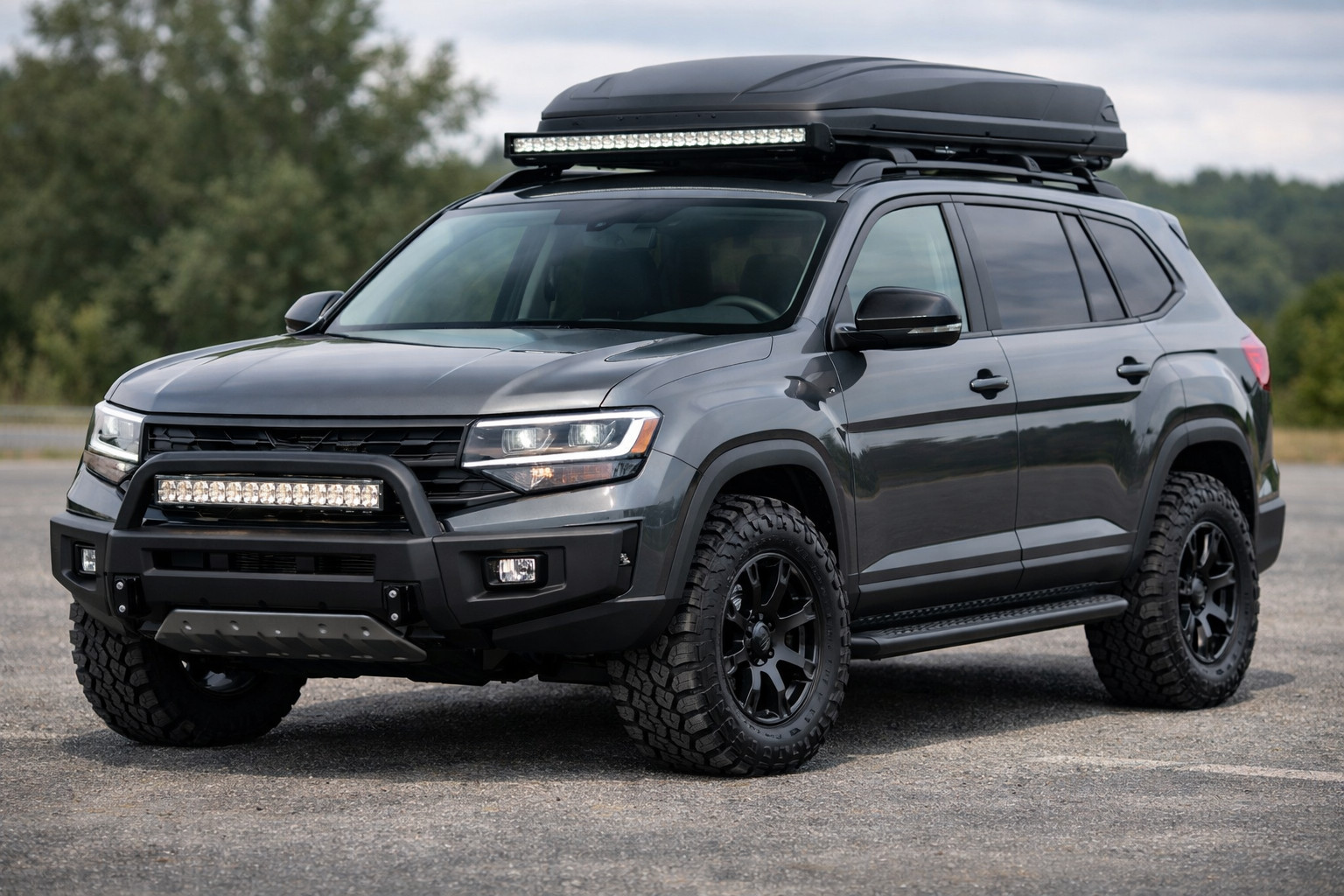
If the vehicle regularly hits the underbody on ruts or rocks, it makes sense to look at protecting components as a set: fuel tank protection takes the impact at the rear, engine skid plate covers the front lower area, and gearbox protection is relevant where the vehicle high-centers on a ridge.
Replacing individual parts is needed when, after an impact or due to corrosion, the tank straps, brackets, clamps, filler neck hoses, or shield mounts are affected. If the factory protection also supports the tank, the job is more complex: sometimes the assembly has to be supported or removed together with the shield, so choosing “by eye” is risky here.
Buying makes sense when there are already contact marks or the route repeats weekly. If the vehicle never leaves asphalt, the tank is dry, not scratched, and is properly covered from the factory, this often isn’t the first expense to make.
| Solution | When it works | When it’s not worth spending money |
|---|---|---|
| Steel fuel tank protection | Frequent hard contacts with rocks, ruts, stumps, ice; heavy off-road use | City driving without impacts, when extra weight isn’t justified |
| Aluminum fuel tank protection | Moderate off-road use, wet or salty climate, need to reduce mass | Regular severe impacts where maximum impact strength is the priority |
| Replacing tank straps, brackets, and mounts | There is play, rattling, deformation, or corrosion after impacts | When the assembly is sound and the issue is only false fuel level readings |
| Repairing the filler neck, lines, clamps | There is fuel smell, a damp spot, or a confirmed seep | When there is no leak and it’s only about preventing impacts |
| Comprehensive underbody protection | Not only the tank gets hit, but also the front underbody or the gearbox | The vehicle is used only in the city and on highways without real underbody contact |
From a customer’s experience: A pickup owner looked for fuel tank protection after two hard contacts in winter ruts, where the rear regularly sat down on an icy ridge. After inspection, it turned out the tank was mounted low and the factory shield already had noticeable dents, so it made sense to install a separate heavy-duty shield specifically for this component. After the season, the shield had scratches, but the tank, lines, and mounts remained intact—a clear case where the expense paid off.
Fuel tank protection truly isn’t needed by everyone—only by those who regularly hit the rear underbody: off-road use, gravel roads, rocks, ruts, snow, construction access roads, a low-mounted tank, or a weak factory shield. For city driving without contact with obstacles, the benefit is often smaller than the added weight and cost.
The right order is simple: inspection, ruling out leaks and sensor issues, assessing your routes, and only then choosing material and design. This piece is based on real selection experience, hands-on practice, and real usage scenarios, so the main advice is: install protection where there’s a real risk of impact, not where it’s just a fashionable form of overcaution.
| ✔ | Needed for vehicles that regularly drive on ruts, gravel, graded roads, construction sites, or winter ridges, where the tank can realistically take an удар from below. |
| ✔ | Helps prevent tank puncture, leakage, and deformation of the mounts if the fuel tank sits low or extends below other underbody components. |
| ✔ | Can be useful when the factory protection is weak — thin metal, plastic, or a cover that only blocks dirt but cannot withstand contact with an obstacle. |
| ✔ | Works as part of a comprehensive underbody protection setup on vehicles that are hit not only at the tank, but also by other underside components. |
| ✔ | With the right shape and installation in the factory mounting points, the shield covers not only the center of the tank, but also the edge that often takes the first impact. |
| ✘ | For city and highway driving without contact with obstacles, a separate shield often adds only extra weight and cost without any noticeable benefit. |
| ✘ | Universal or “almost fitting” protections can collect dirt, make servicing more difficult, and fail to cover the exact area that takes the impact. |
| ✘ | The protection does not fix an existing leak, a damaged filler neck, pipes, or loosened mounts — repair is needed first. |
| ✘ | An overly heavy or poorly matched shield can reduce ground clearance and itself become a new point of contact with an obstacle. |
Shipping to EU
Wholesale and retail
Own warehouse
Опис продукту
Подарунки не надаються при оформленні покупки у кредит під 0,01% або при покупці частинами.