16.06.2026
411
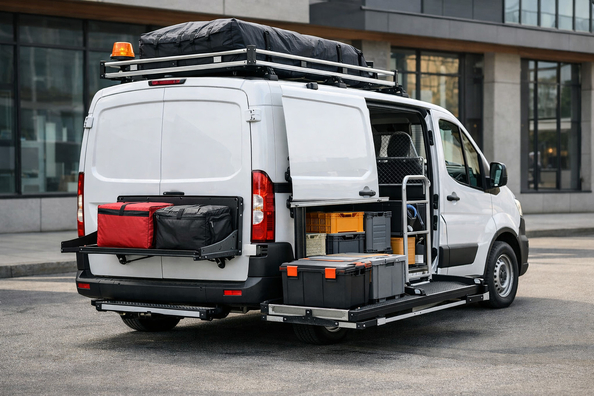
This upgrade plan is for people who actually work with their car in delivery: food, small parcels, frequent short trips, dozens of stops per shift. The main goal here isn’t to make the car “prettier”, but to eliminate unnecessary movements, avoid wasting time searching for items, and keep orders from getting damaged on the way.
For this scenario, simple upgrades work best: the phone is always in your line of sight and charging, orders are placed by zones, the interior is easy to clean, and disputed situations can be documented. If you drive a sedan, it’s especially important not to clog the trunk with big boxes; if it’s a hatchback or wagon, clear zoning of the cargo area brings more benefit.
In delivery, the car has to solve five practical tasks: safe navigation without holding the phone, stable smartphone power, keeping the order at the right temperature, quick access to the right bag or package, and a normal-looking interior at the end of the shift.
Another task people often think about too late is recording what happens around the car. If the car is often left unattended near apartment entrances, restaurants, or shops, a dash cam with parking mode is more useful than yet another decorative interior accessory.
The storage setup also depends on the body style. In a sedan, compact bags and a 2–3 zone split work better, because a large rigid organizer quickly eats up all the space. In a hatchback or wagon, you can make separate sections for food, small parcels, and a seasonal kit.
Start with what affects every trip. First: a phone holder on the dashboard, not somewhere it blocks your view. Second: a proper charger or a permanent cable, so navigation, calls, and the app don’t drain the battery mid-shift.
Third: an insulated bag in the right format. For some services, it’s not just about having a bag, but its size and condition. If you deliver food, look for decent thermal insulation, a clean condition, and a size that matches your typical orders: standard, pizza, large bags—these are different tasks.
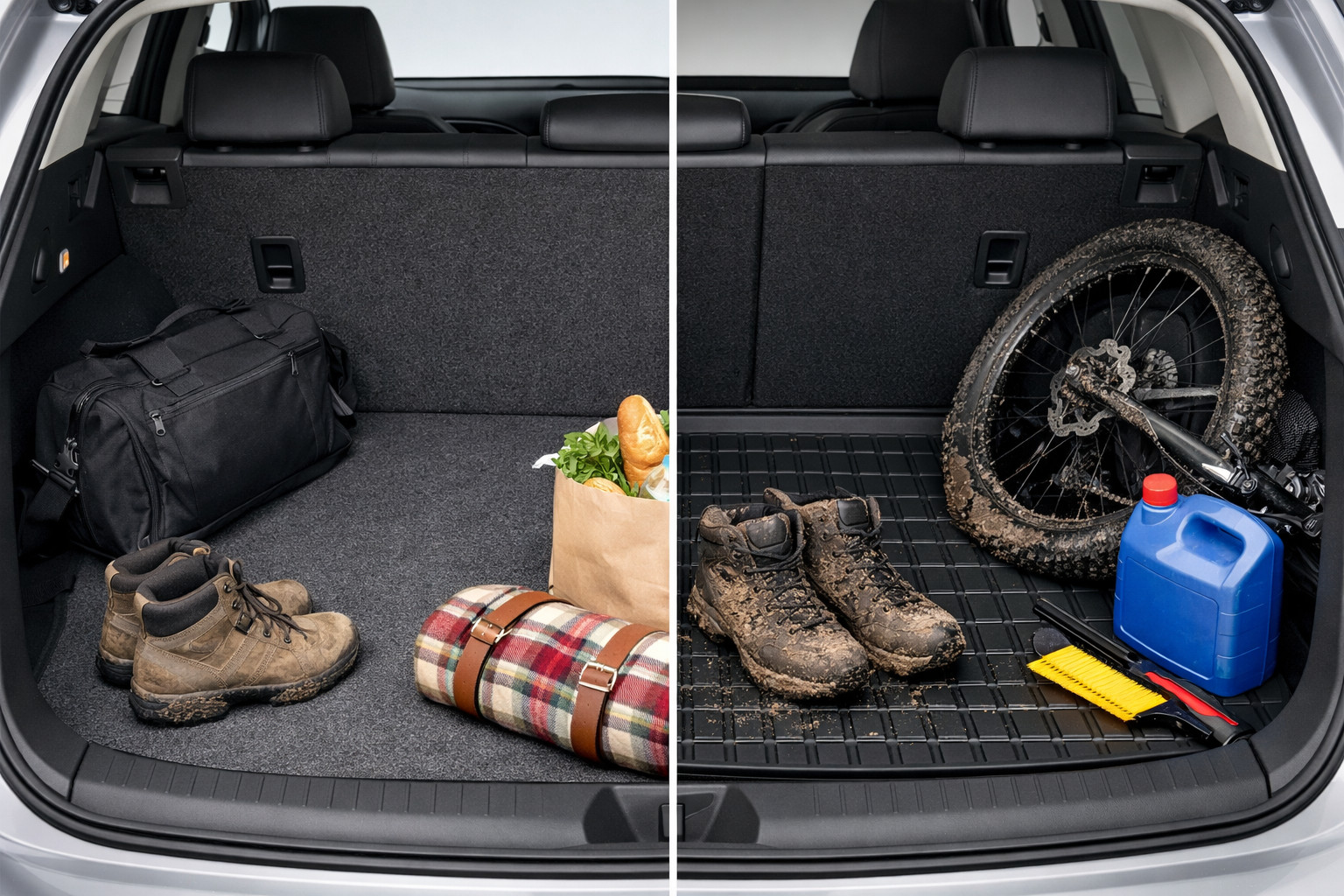
Next is simple zoning of the cabin or trunk. There’s no need to build a warehouse system with a dozen compartments: it’s enough to separate current orders, spare items, and a seasonal kit. Add basic interior protection from dirt too, because daily delivery quickly turns the floor and trunk into consumables.
| Upgrade | Why it’s needed | Who it really benefits |
|---|---|---|
| Phone holder | Keeps the screen at eye level, reduces unnecessary movements and distractions | Anyone who works with navigation and order apps |
| Charger or permanent cable | Prevents the phone from dying under navigation, calls, and mobile data | Anyone who spends more than a few hours per shift in the car |
| Right-size insulated bag | Maintains temperature and lets you take the appropriate types of orders | Those who deliver food, pizza, or large orders |
| Simple trunk or cabin zoning | Reduces the time spent searching for a package at every stop | Couriers with many stops, owners of sedans and compact cars |
| Dash cam | Records accidents, conflicts, events near the car, and disputed situations | Those who work evening shifts, park on the street, or drive a lot in the city |
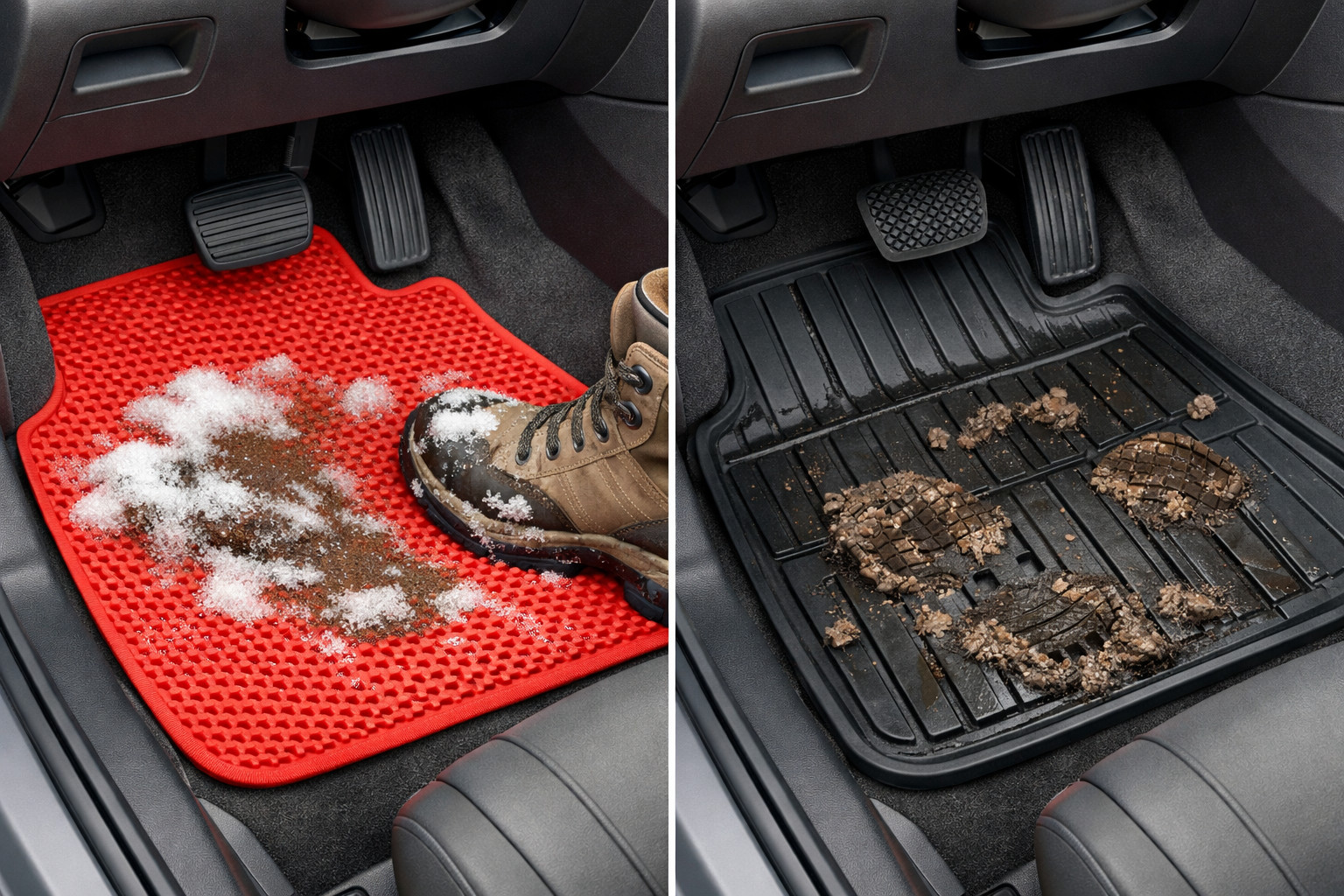
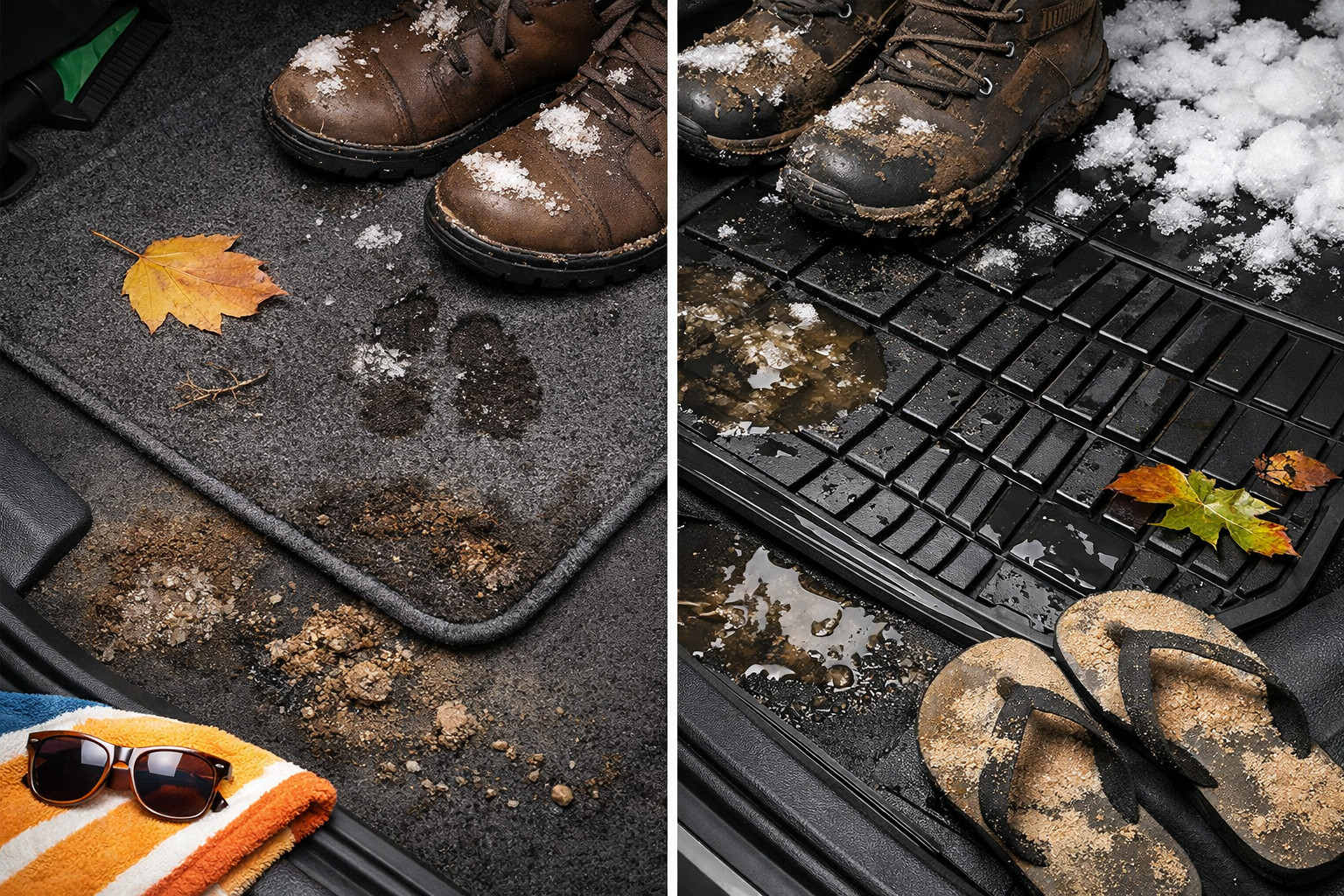
| Floor mats and floor protection | Makes cleanup easier after rain, snow, dirt, and constant in-and-out | Those who work daily and don’t want to constantly clean the interior by hand |
DD Tuning expert comment: the most common mistake is buying a large organizer or an expensive camera before the basics—phone, charging, and the bag—are sorted out. Another typical story is getting an insulated bag “just to have one”, then realizing it’s small, inconvenient, or doesn’t fit your order scenario. In compact cars, no more than three storage zones works best; otherwise, organization starts taking time.
Once the basics are working, the second stage is what reduces risks and expands your options. First of all, that’s a dash cam—and for some drivers, parking mode. But it’s important to understand one simple thing: parking mode often requires hardwiring, and incorrect installation or constant power can drain the battery.
For food delivery, it’s logical to add a second bag in a different format at the second stage. One standard bag doesn’t cover everything: pizza, large orders, and regular bags have different volumes. If the platform allows it, several different bags provide more flexibility, but there’s no point buying three at once until you understand your real order flow.
Another strong second stage is a seasonal kit. In summer: water, tire checks, cabin cooling, and a working A/C; in winter: gloves, a shovel, an ice scraper, a flashlight, jumper cables, a first-aid kit, and reflective items. It doesn’t look impressive, but it saves a shift when nice-looking accessories don’t help at all.
In this category I’d put things that don’t directly speed up delivery, but make daily use less dirty and less stressful. These include decent mats, neat small-item organizers, a tidy-looking trunk, less dust, and fewer wet marks in the cabin.
The benefit of such upgrades is higher for those who work every day, drive in any weather, or also use the car for family needs. So it’s not the first purchase, but it’s not nonsense either: if the car is constantly working, cleanliness and order directly affect how much time you spend cleaning up after a shift.
Most often, people waste money on large rigid organizers “for the entire trunk”. In photos they look convincing, but in reality they get in the way of loading bulky items, steal volume, and don’t add speed. For delivery, simple zones are far more practical than a complex modular system.
The second mistake is overpaying for looks. A very expensive holder, extra decorative elements, boxes with countless sections, or an overly “advanced” camera without a real need won’t pay back. If you don’t leave the car outside for long periods, parking mode can be a nice bonus rather than a must-have feature.
The third common mistake is buying upgrades that don’t match your scenario. For food you need a bag with proper volume and insulation, for parcels you need quick access and zoning, for dense city driving you need a convenient phone setup and power. When these tasks get mixed into one pile, money gets spent and daily work doesn’t get easier.
| What to install first | What you can postpone | What isn’t mandatory |
|---|---|---|
| Phone holder, charger, one proper insulated bag | A second or third bag for specific types of orders | Decorative accessories, expensive mounts with no real difference in convenience |
| Simple cabin or trunk zoning | Separate small-item organizers for each zone | A large box for the entire trunk if the car is compact |
| Basic interior protection from dirt and moisture | Premium solutions for a tidier look | Anything “for the picture” that doesn’t make cleaning easier |
| Dash cam if you do a lot of city driving, evenings, or street parking | Hardwiring and parking mode if the car is rarely left unattended | Maximum camera package with all modules if you don’t use those features |
| Seasonal kit for summer or winter | An expanded set of spare small items | Duplicating all gear twice in both the cabin and the trunk |
More expensive items are justified when the car works as a daily tool, not just occasionally. If you constantly carry small parcels or related items, it makes sense to switch to proper organizer bags, because they hold their shape better and don’t spill contents around the trunk.
When the cabin and floor are constantly dirty, with wet shoes and frequent in-and-out, a pricier floor solution pays off faster—here it makes sense to look at EVA mats, which are easier to shake out and quicker to tidy up between shifts.
If you have many small items around the front and rear seats, not only in the trunk, a seat back organizer is more useful than another box. And an expensive camera with parking mode only makes sense when the car is often left unattended or you need to record events around the car, not just the road.
From a customer’s experience: a typical working scenario was simple—a sedan, evening food delivery, constant mess in the trunk, and a phone that died by the end of the shift. After switching to a proper holder, stable charging, one large insulated bag, and splitting the trunk into several zones, the person dropped the idea of buying a big rigid box. Next, they added mats and a camera selectively, because those addressed dirt and safety—rather than just adding accessories.
For a delivery car, the best upgrade looks very down-to-earth: first a holder, charging, the right bag, and clear zoning; then a camera, a seasonal kit, and interior protection; everything else only if it truly reduces fatigue or speeds up the work. The worst approach is buying pretty or “advanced” items before the basic tasks of a daily shift are covered.
This material is based on real selection experience, practice, and real usage scenarios: what people install first, what truly makes a shift easier, and which purchases most often turn out to be unnecessary.
| ✔ | A phone holder within your line of sight and constant charging really reduce distractions and keep your smartphone from dying in the middle of a shift. This is especially useful when navigation, calls, and the order app are running without interruption. |
| ✔ | One thermal bag in the right size, in good condition and with proper insulation, helps keep food from spoiling on the way. The author directly advises choosing it for your type of orders rather than buying a “universal” one. |
| ✔ | Simple zoning of the cabin or trunk reduces the time spent searching for a bag at every stop. For delivery, this is more practical than a complex system with many compartments. |
| ✔ | Basic cabin protection and floor mats make cleaning up after mud, rain, or snow much easier. This saves time at the end of a shift when the car is used every day. |
| ✔ | A dash cam is useful not for looks, but for recording accidents, conflicts, and incidents near the car. This is especially relevant for those who often park on the street or work evening shifts. |
| ✘ | A large rigid organizer that takes up the entire trunk in a compact car quickly eats up space and makes it hard to load bulky items. In delivery work, this can hurt speed instead of helping it. |
| ✘ | Expensive decorative accessories, complex mounts, and “advanced” cameras without a real need do not provide noticeable practical benefits. The author points out that this is often just paying extra for appearance. |
| ✘ | Parking mode in a dash cam is not always convenient to install, as it may require hardwiring. If done incorrectly, there is a risk of draining the battery. |
| ✘ | Buying a bag or organizer without considering your own workflow often does not solve the task. For example, one thermal bag does not cover all types of delivery, and extra zones only make it harder to use. |
Shipping to EU
Wholesale and retail
Own warehouse
Опис продукту
Подарунки не надаються при оформленні покупки у кредит під 0,01% або при покупці частинами.