04.05.2026
344
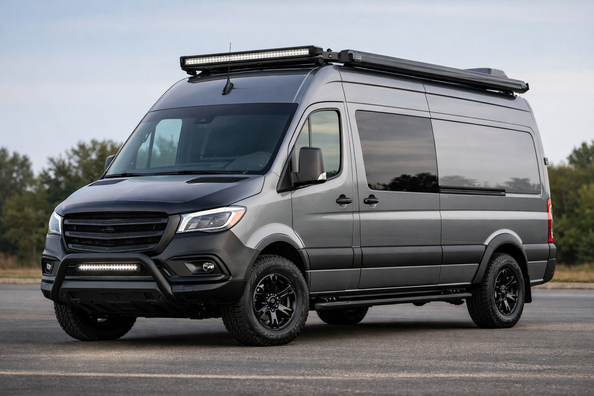
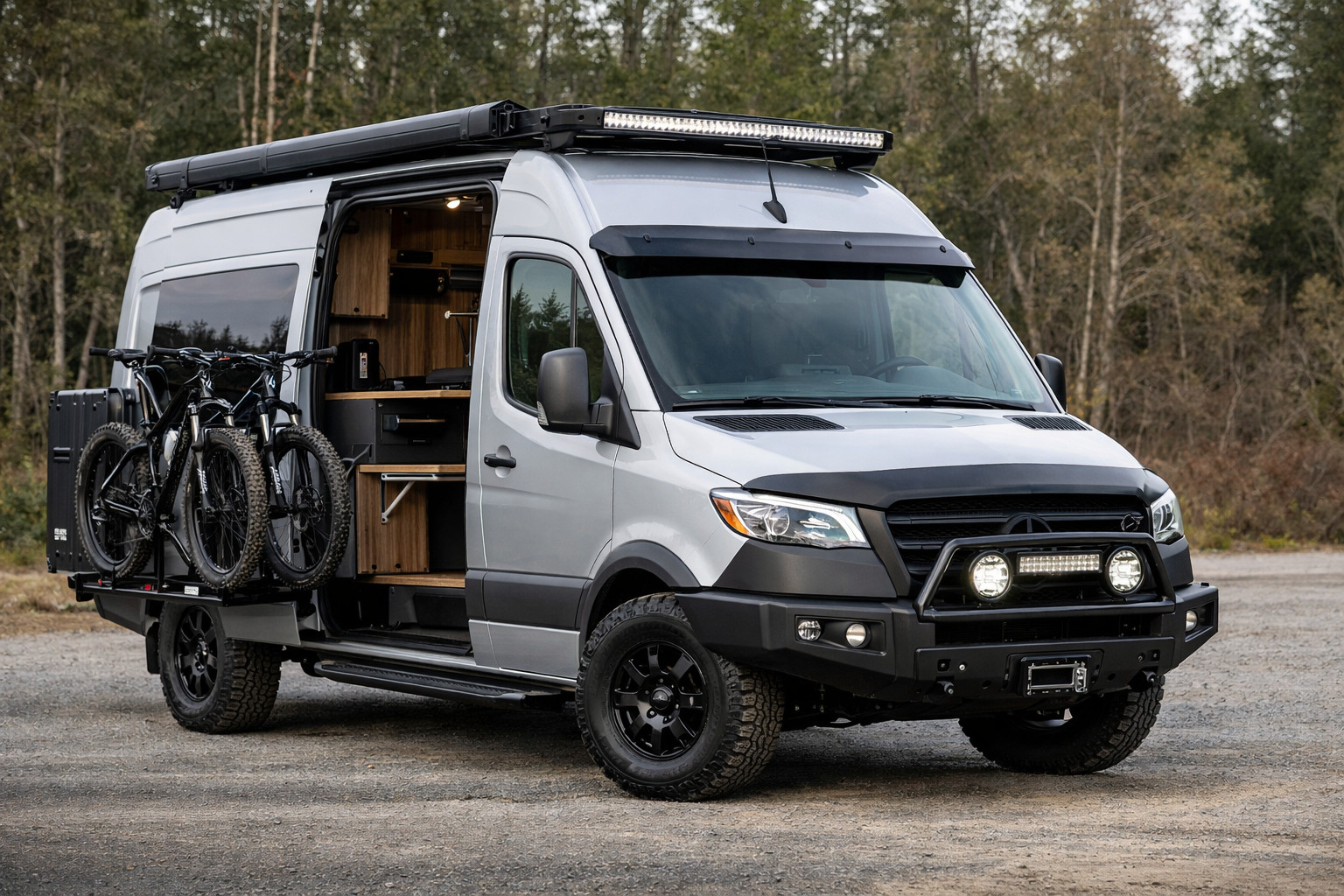
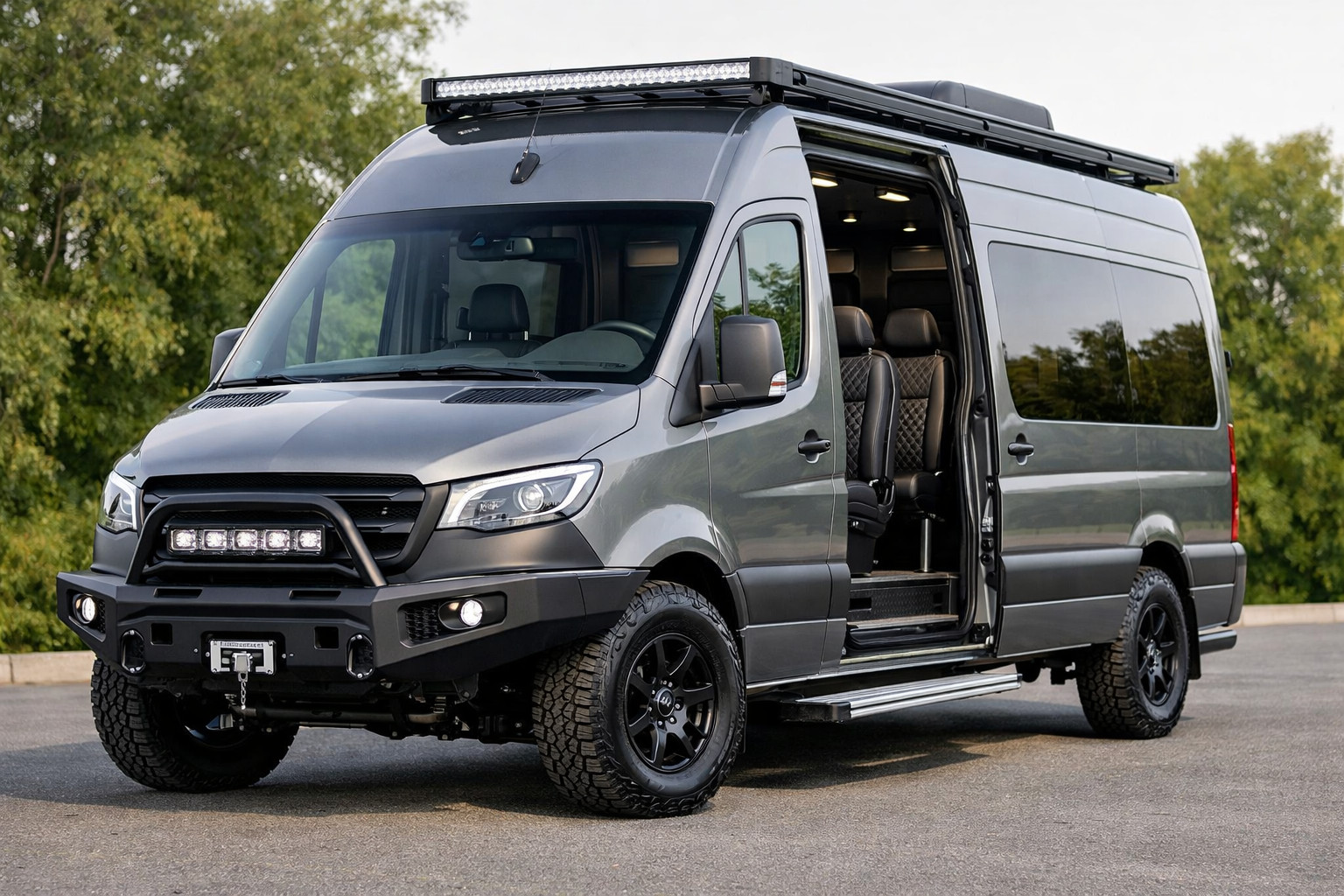
This upgrade plan is for a Mercedes Sprinter W907/W910 owner who wants a more expensive-looking vehicle without chaotic tuning, excessive shine, or random accessories. In this scenario, it’s not the number of parts that matters, but a cohesive look: a clean front end, the right wheels, a neat side profile, and minimal small decor.
For the Sprinter, it’s crucial to look at the exact body version, year, drivetrain type, and current trim. The same wheels, lighting, or exterior parts may match stylistically but not fit by specs, so the logic is: first do what truly changes how the vehicle is perceived, and only then add what simply provides an accent.
The main goal is to make the Sprinter look closer to a higher trim level—not to turn it into an accessory showcase. On the W907/W910, what looks “cheap” isn’t the base parts themselves, but a scattered approach: a darkened badge on its own, random add-on trims on their own, oversized wheels on their own—without a single idea tying it together.
If the goal is a more expensive look, you need to remove the key markers of a “work van”: bare steel wheels, a busy front end, random chrome, and decorative bits that don’t connect into one theme. For this model, either a restrained factory look or a cohesive dark package on the front and sides works best.
First priority is the front end. It sets the perceived class of the Sprinter, so a one-piece dark grille or a neatly modified OEM grille delivers more impact than most small trims combined. An important point: partially removing chrome strips usually looks unfinished, because grooves remain and it gives a DIY impression.
Second step is wheels. If the budget allows, alloy wheels with the correct offset and load rating dramatically change the vehicle’s silhouette. If the van runs on 16-inch steel wheels and a full replacement isn’t in the plan yet, a full wheel cover looks far more put-together than exposed steel.
Third step is lighting—but only if it’s a correct factory solution for your trim. Factory LED headlights truly modernize the front end, but this is no longer a quick budget effect—it’s an expensive stage that depends on equipment level. A dark center badge only makes sense when it supports an already cohesive front end, not when it exists separately from everything else.
| Upgrade | Why it’s needed | Who truly benefits |
|---|---|---|
| One-piece dark grille | Unifies the front into one look and removes chrome clutter | Almost all versions, especially passenger vans, campers, and well-kept work vans |
| Dark center badge | Finishes the front end if the grille is already done in a dark theme | Those building a specifically dark front end; on its own the effect is weak |
| Alloy wheels with correct specs | Have the strongest effect on the side view and remove the “base trim” feel | Passenger, intercity, and camper builds where both looks and correct specs matter |
| Full wheel covers for steel wheels | Budget way to hide the “work” look of steel wheels | Cargo vehicles where steel wheels remain for practical reasons |
| Factory LED headlights | Modernize the front end and genuinely improve night driving | Those who drive a lot on highways and are ready for complex trim-dependent selection |
| Black side steps or running boards | Complete the side line and make entry easier | High-roof bodies, passenger and family versions where people get in often |
DD Tuning expert comment: most owners start with side steps, trims, or small decor, even though the Sprinter is perceived primarily by its front end and wheels. The second common mistake is removing chrome in pieces or choosing a larger wheel diameter without checking offset and load rating. If the budget is limited, one cohesive front end and proper wheels will do more than a set of random accessories.
Once the front end and wheels no longer look base, you can move on to the side profile. The smartest second stage here is black side steps or running boards—especially for a passenger Sprinter, a high roof, or a vehicle for family use or transfers. They add practicality and visually “lower” the body.
Next you can look at lower exterior elements: a neat body kit, bumper add-ons, individual lower plastic parts. But it only makes sense when the body is straight, the paint is in good condition, and the vehicle is generally well cared for. On a work van with daily wear, a big exterior package often looks more expensive in the estimate than in real-life perception.
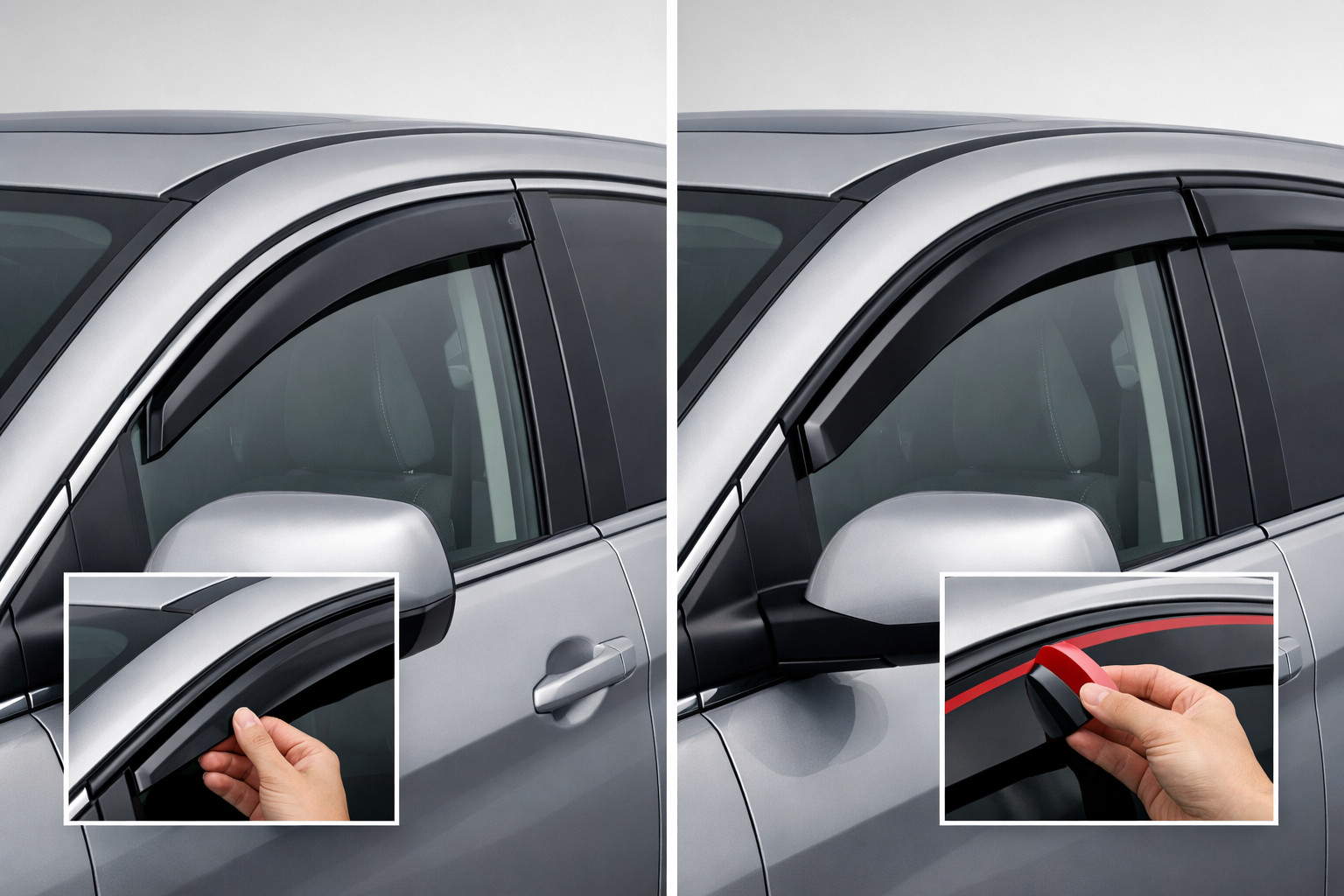
Window deflectors, a windshield visor, a rear-view camera, or a roof rack are things worth buying not for an imaginary premium effect, but for your use case. Deflectors add everyday convenience in the rain and a light touch to the profile, but on their own they don’t raise the vehicle’s class.
A visor and roof crossbars significantly change the silhouette, but that’s already a stylistically narrow story. For a route vehicle, a camper, or an expedition build they fit; on a city passenger vehicle without real need they can even make the look simpler. A rear-view camera is generally more about daily convenience than exterior status.
The most typical mistake is buying to match a picture of someone else’s vehicle rather than your scenario. For the W907/W910, people often waste money on partially removing chrome from the grille, on removable rubberized coating instead of proper paint or film, and on separate chrome trims for handles, hood, and mirrors—when the goal is the opposite: to make the vehicle more cohesive and more expensive-looking.
In short, marketing junk is anything that doesn’t solve the look as a whole. First you need to sort the strong, large surfaces: front end, wheels, side profile. Only after that do small accents have a chance to look appropriate.
| What to install first | What can be postponed | What isn’t required |
|---|---|---|
| One-piece dark grille or a well-done modified OEM grille | Dark center badge | Separate chrome trims for handles and hood |
| Alloy wheels with correct specs or full wheel covers for steel | Black side steps or running boards | Larger wheel diameter purely for effect |
| Correct lighting, if a factory solution exists for your trim | Neat lower body kit | An empty roof rack and decorative bars |
| One consistent styling across the whole vehicle: dark theme or restrained factory shine | Deflectors and visor | Removable rubberized coating, stickers, and small decor |
More expensive exterior upgrades make sense when the base is already put together: proper wheels, a tidy body, one consistent front-end theme. Most often this is justified for passenger versions, transfer vehicles, a well-kept camper, or a vehicle being prepared for sale in a higher segment.
When you need a full front-end replacement or you want not just to darken it but truly to build a cohesive look, it’s worth looking at the grille as the core styling element. If the body is already tidy and you’re planning a more massive but neat look, a body kit will be appropriate, and for a high-roof vehicle with frequent passenger entry it makes sense to consider side steps.
You shouldn’t go for expensive solutions if the vehicle still runs on random wheels, the front end remains visually busy, and the body shows signs of hard work. In that case, an expensive package doesn’t raise the class—it only highlights that money was spent in the wrong order.
From a customer’s experience: the owner of a passenger W907 initially wanted to start with a large body kit, black trims everywhere, and larger-diameter wheels. During selection we settled on a different sequence: a cohesive dark front end, alloy wheels with correct specs, and black side steps. After that the vehicle already looked more expensive without being overloaded, and he simply declined some of the decorative purchases.
For the Mercedes Sprinter W907/W910, the “more expensive car” effect comes not from the number of parts, but from the right sequence: front end first, then wheels, then the side profile, and only after that expensive accents. The best results come from a cohesive grille, an appropriate dark badge, proper wheels (or at least neatly finished steel wheels), while steps and a body kit make sense as a second stage.
If you don’t want to waste your budget on decor, avoid partial chrome removal, random oversized wheels, and accessories without real function. This material is based on real selection experience, practice, and real usage scenarios, so the conclusion is simple: useful tuning for this scenario is what brings the vehicle’s look together as a whole—not what merely adds one more part.
| ✔ | A solid dark grille changes the front-end impression well and removes the patchiness of chrome. For Sprinter, this is one of the most noticeable ways to make the vehicle look more cohesive without random add-ons. |
| ✔ | Alloy wheels with the correct offset and load rating greatly improve the side view. They work better on passenger, long-distance, and camper versions than simply increasing wheel diameter for the sake of effect. |
| ✔ | Full hubcaps on steel wheels are a practical budget option if replacing the wheels is not planned yet. They cover the “workhorse” look of the wheel much neater than exposed steel. |
| ✔ | Factory LED headlights add a modern touch to the front end and genuinely improve night driving. This is an upgrade that has not only a visual but also a practical effect. |
| ✔ | Black side sills or running boards complete the side line and at the same time make getting in easier. For tall bodies, passenger, and family versions, this looks appropriate and functional. |
| ✘ | Partially removing chrome from the grille often looks unfinished. Because of the gaps and unrefined look, the front end may even look cheaper at first glance. |
| ✘ | Random large wheels without checking the specs create a risk of problems with offset, mounting, centering, and load rating. Such a purchase can not only spoil the look but also be technically unsuccessful. |
| ✘ | An empty roof rack or decorative bars add noise to the silhouette, but not class. On a city passenger vehicle without a need for them, they can even make the look simpler. |
| ✘ | Small decorative bits on everything create the effect of an accessory shop, not a higher trim level. For Sprinter, this is especially noticeable when there is no cohesive front end and proper wheels. |
Shipping to EU
Wholesale and retail
Own warehouse
Опис продукту
Подарунки не надаються при оформленні покупки у кредит під 0,01% або при покупці частинами.