13.06.2026
174
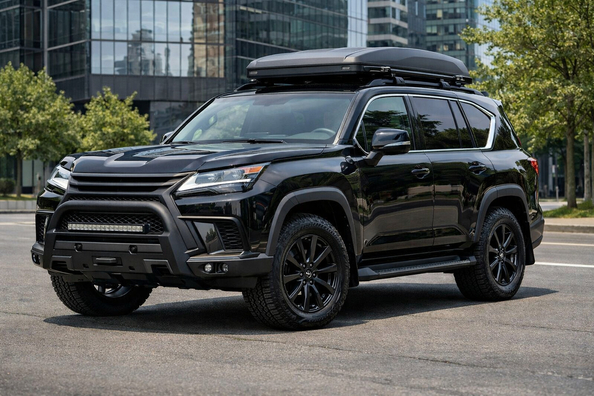
This plan is for a Lexus LX 500d/600 owner who drives in the city, parks in tight courtyards and underground garages, and wants to keep the car’s premium look without flashy tuning. In this scenario, the best results come not from eye-catching parts, but from discreet exterior and interior protection that saves you stress and money every day.
The LX is already well equipped for city use: it’s a large SUV about 5.1 m long and 1.99 m wide, but with a factory set of cameras, a 360-degree view, blind-spot monitoring, Rear Cross Traffic Alert, and parking assist. So the main rule is simple: don’t duplicate the factory systems—protect the areas that actually suffer in the city: paintwork, doors, interior, cargo area, and wheels.
For a city-driven LX, the right upgrade should solve three tasks. First, protect the body from chips, scuffs, and door dings in parking lots. Second, make the interior and cargo area practical in rain, snow, and everyday use. Third, avoid ruining the car’s image with cheap decorative solutions that are instantly noticeable on this kind of body.
Because of the LX’s size and weight, it feels bigger in the city than it looks in photos. That’s why a useful upgrade here isn’t about aggression—it’s about controlling everyday risks: door edges, the front end, touch points, dirt from shoes, items in the trunk, and contentious situations in parking lots.
Top priority is localized paint protection. For the LX, that means film on the hood, front fenders, mirrors, door handle cups, and door edges. These areas get damaged the fastest in the city, and a well-done install barely changes the vehicle’s appearance.
Second step—side door moldings, if the vehicle often lives in tight courtyards, near malls, or business centers. On a large body, they provide more practical value than most cosmetic packages, because they take the hit from minor door-to-door контакts.
Third step—all-weather floor mats and a trunk liner. It’s mundane, but a very smart investment: the cabin stays clean longer, and the trunk isn’t afraid of dirty bags, kids’ items, tools, or groceries.
Fourth step—an integrated dash cam. In the city it’s more useful than most visual modifications, because it covers accidents, parking-lot bumps, and disputed maneuvers. Fifth—wheel lock nuts, especially if the car is often left outdoors.
| Upgrade | Why it’s needed | Who truly benefits |
|---|---|---|
| PPF on the front end, mirrors, handle cups, and door edges | Protects the paint from chips, scratches, and signs of daily contact | Almost all owners of a new or recent LX, especially with active city driving |
| Side door moldings | Take minor door impacts in tight parking spaces | Those who regularly park in courtyards, malls, underground garages |
| All-weather mats and trunk protection | Make cleaning easier, contain water, snow, sand, and dirt | Family cars, daily use, trips in any weather |
| Integrated dash cam | Records driving and parking events, settles disputes | Those who drive a lot in the city and leave the car in public parking areas |
| Wheel lock nuts | Provides basic protection against quick wheel removal | Cars with expensive wheels, overnight outdoor parking, or frequent trips to major cities |
DD Tuning expert comment: The most common LX mistake is starting with an exterior package and only then thinking about paint protection. On a big body, cheap installation of film, moldings, or any add-ons is visible almost immediately, so installation quality matters more than the number of accessories. If the use case is truly urban, moldings, edge protection, and proper mats deliver more benefit than yet another decorative element.
Once the basic protection is done, the second stage should add what improves convenience without changing the car’s character. That’s door edge protection if the rear row is used often, wheel lock nuts if the car is left in open lots, and a dash cam if you didn’t install it right away.
Another smart second-stage move is to take a sober approach to wheels. If you’re considering a second set or replacing tires and wheels, for city use a 20-inch setup usually offers a better balance of comfort and durability than 22-inch. For the LX this matters more than chasing the tightest possible “filled” look in the wheel arch.
Everything related to big wheels, body kits, side steps, or roof accessories should be treated as a second or third layer of modifications. It doesn’t make the LX fundamentally more convenient in the city if the basics aren’t covered yet. This especially applies to 22-inch wheels: they look more premium, but in everyday city driving they usually offer less forgiveness over potholes and joints.
It’s also worth understanding the difference between versions. If quietness and a softer subjective feel are critical for you, the LX 600 makes more sense in an urban scenario. If low-end pull and efficiency matter more, the LX 500d is a sensible choice—but no decorative upgrade will make the diesel quieter than the gasoline version, so don’t confuse aesthetics with the character of the powertrain.
Most often, people waste money on duplicating factory parking systems: additional cameras, parking sensors, questionable displays, and other aftermarket solutions, even though the LX already has a strong city electronics package. It’s unnecessary cost, risk of poor installation, and often worse integration than factory equipment.
The second common mistake is overpaying for looks instead of benefit. A big body kit, massive side steps, roof crossbars without real need, 22-inch wheels just for the picture—all of this increases the budget but doesn’t solve a single daily problem. If the car spends 90% of its time in the city, these purchases are easy to postpone or skip entirely.
The third mistake is saving on installation. For the LX, the “no tacky aftermarket” effect depends not on the accessory list, but on workmanship. Poorly installed film, crooked add-ons, or cheap glossy decor makes the car look less premium, not more.
| Install first | Can be postponed | Not required |
|---|---|---|
|
|
|
|
|
|
This order works better than random purchases because it first addresses the most expensive consequences of urban use, and only then leaves room for personal taste. If the budget is limited, the first three steps will deliver the biggest effect.
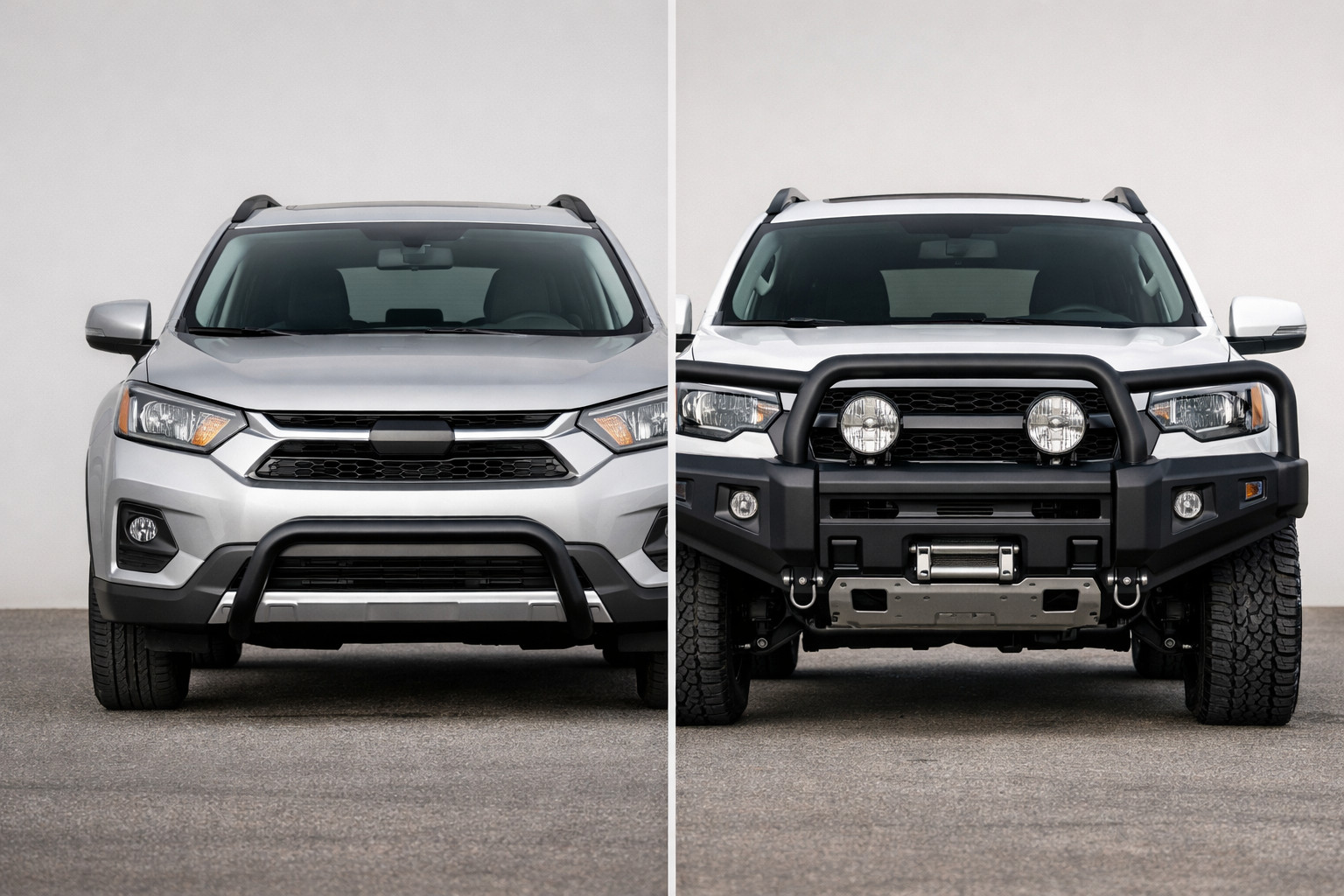
More expensive solutions make sense only when the basic protection is already done and you clearly understand the task. If you want discreet functional protection for doors in tight garages, look at door moldings. If you need a neatly assembled exterior package without extra visual noise, you can consider body kits—but only after PPF and the interior are covered.
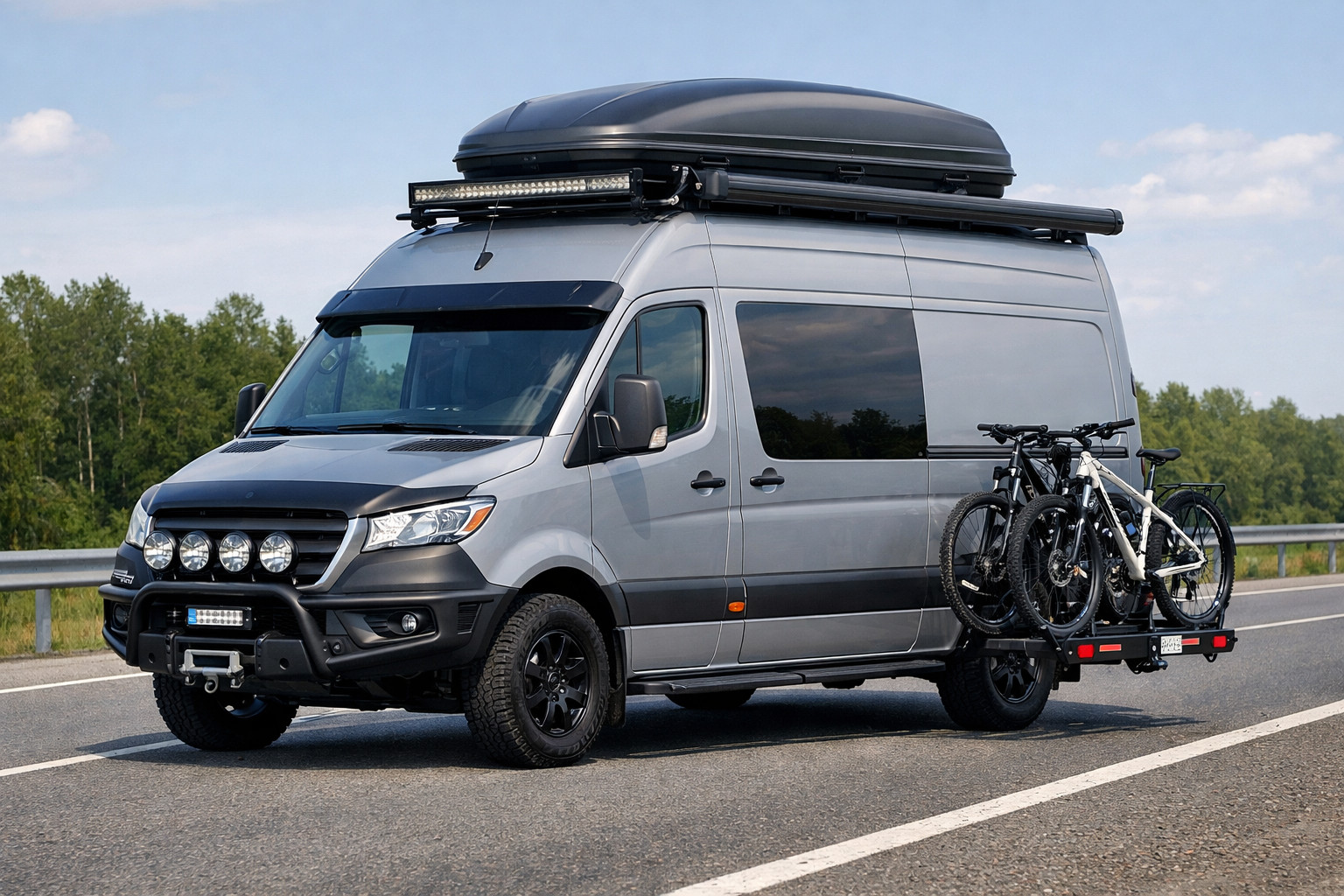
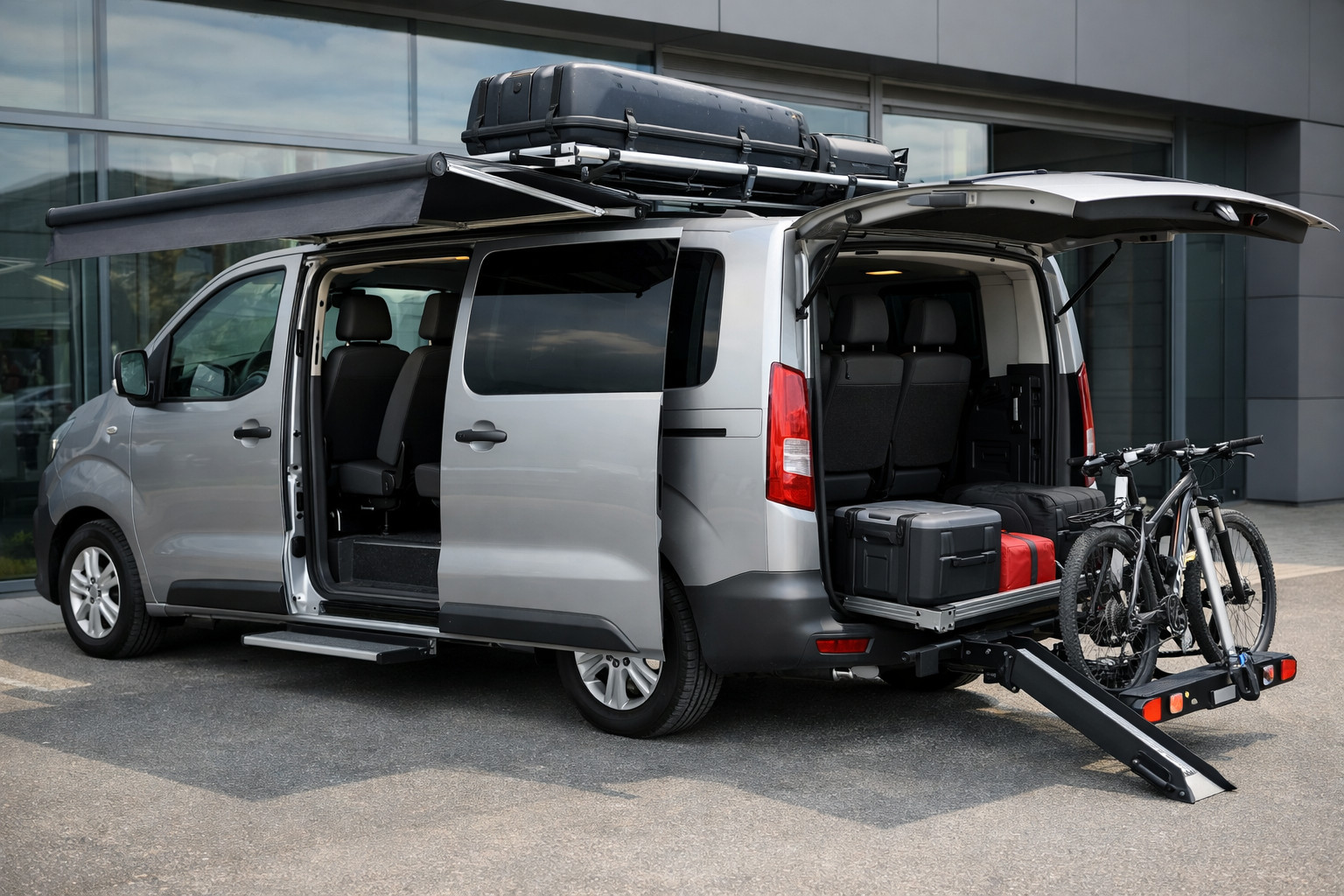
Another pricey but justified option is roof racks and roof bars, if you actually carry a box, bicycles, or camping gear. For a purely urban LX this isn’t a priority; for family trips or hobbies it becomes a logical investment. The main rule is simple: expensive accessories must solve a specific task, not just make the car look more expensive.
From a customer’s experience: an LX 600 owner initially wanted a big exterior package because he worried the stock car looked too restrained. In the end, he started with front-end protection, moldings, mats, and a dash cam—and never even got to cosmetics after a few months. The biggest difference wasn’t the look, but the fact that daily parking stopped leaving new marks on the doors and front end.
For a city Lexus LX 500d/600 without tacky add-ons, the smartest approach is simple: protect the body and interior first, then add a few discreet practical accessories, and only then think about an exterior package. In short, the first line is PPF, mats, trunk protection, moldings; the second is a dash cam and wheel lock nuts; the third is everything that’s more about taste than daily benefit.
This approach helps you avoid overpaying for looks and avoids duplicating what already works well from the factory on the LX. The material is based on real selection experience, practical work, and real usage scenarios, so the logic is one: useful first, desired second, and decorative—only if you truly need it.
| ✔ | Local PPF on the hood, mirrors, door cups, and door edges really covers the most vulnerable areas in city use. It hardly changes the car’s appearance, but it reduces the risk of chips and scratches. |
| ✔ | Side moldings are useful specifically for tight yards and parking lots near shopping malls or business centers. They take the impact from minor door dings, which happen often on the large LX body. |
| ✔ | All-season floor mats and a cargo liner make daily care easier. The cabin and trunk stay clean longer after rain, snow, dirty shoes, or grocery bags. |
| ✔ | An integrated dash cam is more useful in a city scenario than decorative upgrades. It helps in case of accidents, parking lot hits, and disputed maneuvers. |
| ✔ | Wheel locks provide basic protection if the car is often parked outside or in public parking lots. It’s a practical solution for cars with expensive rims. |
| ✘ | Duplicating the factory cameras, parking sensors, and other systems on the LX usually makes no sense. It’s extra expense and the risk of getting worse integration because of sloppy installation. |
| ✘ | Large body kits, massive side skirts, roof crossbars without real need, and 22-inch wheels add to the budget, but do not solve everyday city problems. In daily city use, these things are often more about looks than utility. |
| ✘ | On a large body, cheap installation of film, trims, or moldings is almost immediately noticeable. If the work is done carelessly, the car will look cheaper, not more premium. |
| ✘ | 22-inch wheels look more striking, but in the city they usually handle potholes and joints worse. For everyday use, this is a less practical option than a more modest size. |
Shipping to EU
Wholesale and retail
Own warehouse
Опис продукту
Подарунки не надаються при оформленні покупки у кредит під 0,01% або при покупці частинами.