12.06.2026
204
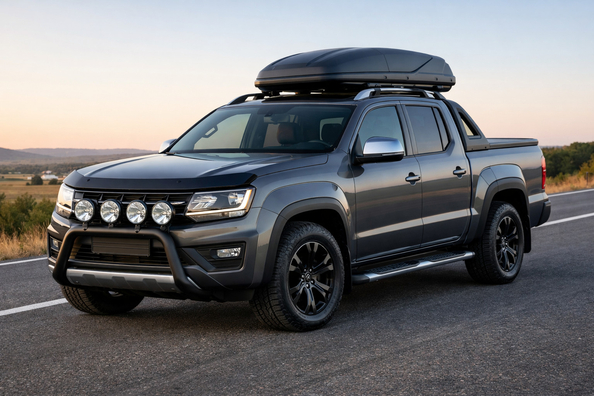
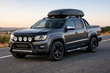
This upgrade plan is for a Volkswagen Amarok owner who spends most of the time on the highway, wants a calmer day-to-day drive and a more put-together look, but doesn’t want to turn the pickup into a stiff show project. In this scenario, what matters most isn’t the number of accessories but the order: first what genuinely affects the ride and everyday use, then what sharpens the silhouette, and only at the end the expensive options for specific tasks.
In short, the logic is: start with tires, pressure, balancing, and ditching unnecessarily large wheels; then cover the bed; then small things for daily comfort; and after that, elements that give the Amarok a cleaner profile. If you have a different generation or a non-standard trim, the principle stays the same, but compatibility of bed covers, bars, and deflectors must be checked separately.
For highway use, an Amarok doesn’t need to be “saved” with major rebuilds: on its own it’s already fairly well suited to long trips. The goal of this upgrade is different: remove excess harshness over secondary bumps, make the bed more practical for travel, and add a more cohesive exterior without an off-road bias.
So the right scenario looks like this: the truck doesn’t annoy you at speed, items in the bed are covered, the cabin is easier to keep clean, and from the outside the Amarok looks more expensive—not because of giant wheels, but thanks to neat, appropriate upgrades.
Step one is the wheels and everything connected to them. If comfort is the priority, don’t chase a larger rim diameter just for the look. For highway driving, better results come from a road-focused tire set, correct pressure, precise balancing, and a suspension check—especially if you already have vibrations at speed.
Step two is to cover the bed. A roller shutter, soft cover, or hard lid is useful not only for appearance: it makes the vehicle more convenient on trips when the bed carries suitcases, tools, or gear. For the Amarok, this is one of the few upgrades that works for both practicality and looks at the same time.
| Upgrade | Why you need it | Who it really benefits |
|---|---|---|
| Road tires without unnecessary upsizing | Improve ride smoothness, reduce impacts from small imperfections | Those who drive a lot on the highway and don’t want to sacrifice comfort for looks |
| Balancing, alignment, checking components when vibrations occur | Eliminates or pinpoints the cause of shaking at speed | Amarok owners who get discomfort after 90 km/h |
| Roller shutter or bed cover | Covers the cargo, makes the bed neater and more practical on the road | Those who carry items, luggage, gear, or simply don’t want an open bed |
| Wind deflectors | Add everyday comfort in rain and during light ventilation | Those who drive daily, not only on weekends |
| Rubber floor mats | Easier to clean, hold dirt and moisture better | Anyone using the Amarok as both a work truck and a road vehicle |
| Hood deflector | Helps protect the front edge of the hood from small road debris | Those who often drive between cities |
| Rear sports bar or fender/arch trims | Finish the silhouette and add visual mass without touching the suspension | Those who care about looks, but without radical changes to driving |
| Sliding bed tray or drawers | Organize cargo and simplify access to items in the bed | Those who regularly carry tools, cases, camping/touring gear |
| Suspension lift | Adds clearance headroom and is useful in mixed use | Only for those who actually leave the pavement or often drive under load |
DD Tuning expert comment: The most common mistake when setting up an Amarok for highway use is starting with a lift, big wheels, and decorative body kits, and only then thinking about tires and vibrations. The result is a truck that looks heavier, but doesn’t become more comfortable. If you’re unsure, first get the wheel setup right, and only then spend money on expensive body parts.
After the basics, it’s logical to move on to small upgrades that don’t change the vehicle’s character but noticeably improve daily use. That includes wind deflectors, rubber floor mats, a hood deflector, as well as bed protection and organization if you often throw bags or tools in there.
The second stage is good because there’s little risk of ruining how the truck behaves. You’re not changing suspension geometry or weighing the Amarok down with unnecessary parts, but you get a cleaner cabin, easier bed use, and fewer small irritations on the road.
If we split it honestly, comfort includes tires, vibration diagnostics, a roller shutter or bed cover, wind deflectors, and floor mats. They either genuinely improve the ride or make everyday life easier. These are worthwhile expenses.
Leaning more toward appearance are rear sports bars, arch trims, some body moldings, and certain side steps. They can be appropriate if you want a more premium silhouette, but don’t expect a comfort gain from them. If the budget is limited, these items always come after tires and covering the bed.
The most typical mistake is overpaying for big wheels. In photos, the Amarok may look more striking, but on real highways—especially over patches and joints—comfort gets worse. If the truck drives far and often, you feel it every day.
The second unnecessary expense is cargo systems without a real need. A sliding tray and drawers are great when the bed is constantly working. If it’s mostly empty, you’re simply adding weight, complexity, and cost. The third mistake is a lift kit “just in case”: for a highway-only scenario, it’s the last item, not the first.
| What to install first | What you can postpone | What isn’t mandatory |
|---|---|---|
|
|
|
More expensive items for the Amarok are worth buying when you’ve already covered the basic needs and you know you’ll use them weekly. You can start with the Amarok catalog, and then focus not on the accessory name but on your scenario: do you simply want to neatly close the bed, or do you need quick access to it every day?
If the priority is a clean, premium look for the bed, it makes sense to look at roller shutters for the bed. If you want to tighten up the side profile without вмешательство in the ride, it’s logical to consider rear sports bars. But compatibility is especially important here: some solutions depend on the generation, trim level, and the specific bed configuration.
From a customer’s experience: an Amarok owner was looking for “a calmer highway ride and a truck that doesn’t look bare.” In the end, he отказался from larger rims, kept a road setup, installed a bed cover, mats, and wind deflectors, and added a bar as a second stage. The most noticeable effect came not from expensive styling, but from the right first step with the wheels and a practical bed cover.
For a highway-focused Volkswagen Amarok, a simple order works best: first wheels and diagnostics, then covering the bed, then small things for daily comfort, and only after that body decor and expensive cargo solutions. This way you get not a set of random purchases, but a cohesive truck for real-world use.
In short, useful matters more than loud: tires, a roller shutter, wind deflectors, mats, a hood deflector. And a lift, big rims, drawers, and some decorative elements make sense only in specific scenarios. This material is based on real selection experience, practical work, and real use cases—not on a list of accessories for the sake of a list.
| ✔ | Road tires with proper pressure and balancing really improve ride smoothness on the highway and reduce discomfort from small bumps. This gives a noticeable effect without altering the vehicle's design. |
| ✔ | A roller shutter or bed cover both secures the cargo and makes the Amarok look neater from the outside. For trips with luggage, this is one of the most practical upgrades. |
| ✔ | Wind deflectors, rubber floor mats, and a hood deflector add everyday comfort without the risk of hurting the car's handling. They are especially useful for daily use and intercity trips. |
| ✔ | Rear bars or wheel arch trims can tighten up the silhouette and give the vehicle a more finished look. At the same time, they do not require any suspension changes. |
| ✔ | The right upgrade order helps avoid spending money on unnecessary things: wheels and body first, then cosmetics. This helps achieve a more convenient and appropriate result for highway use. |
| ✘ | Large wheels chosen for appearance make the Amarok harsher on the road, especially over patched sections and joints. In everyday driving, this is felt more strongly than the improvement in looks. |
| ✘ | For a purely road-going vehicle, the lift kit is explicitly named by the author as the last, not the first, item. Without a real need, it does not provide the desired comfort gain and only makes the upgrade more complicated. |
| ✘ | A sliding platform and drawers only make sense when the bed is regularly used for cargo. If it is mostly empty, that is extra weight, complexity, and cost. |
| ✘ | Decorative trim with no practical role improves neither comfort nor the vehicle's behavior. It is appropriate only as a styling element once the essentials are already done. |
Shipping to EU
Wholesale and retail
Own warehouse
Опис продукту
Подарунки не надаються при оформленні покупки у кредит під 0,01% або при покупці частинами.