13.05.2026
451
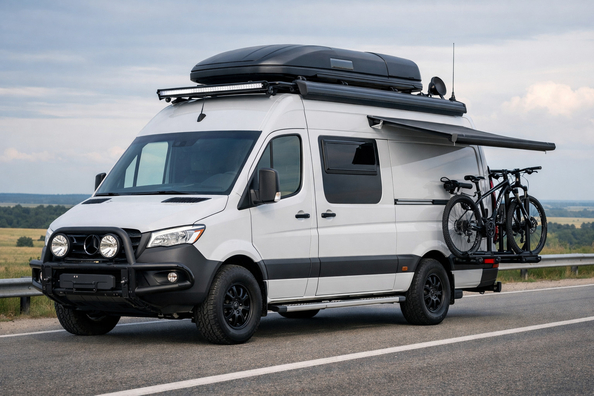
This upgrade plan is for those who regularly drive a Mercedes Sprinter W907/W910 between cities: carrying people, tools, parcels, or simply racking up long weekly mileage. In this scenario, the most valuable things aren’t decorative accessories, but upgrades that reduce driver fatigue, add predictability on the highway, and don’t create new issues with electrics or handling.
On a Sprinter, a lot depends on the body type, wheelbase length, roof height, drivetrain, and the actual payload. An empty van, a passenger version, and an already converted heavy vehicle need different sets of upgrades, so what follows isn’t a list of “everything useful,” but a practical order: what to install first, what makes sense later, and what is better not to buy for intercity driving at all.
For intercity driving, an upgrade should cover four tasks: stability at speed, lower fatigue behind the wheel, less noise in the cabin, and better everyday usability in cold, rain, and darkness. If after 300–500 km the driver steps out feeling worn out, it’s more often about tires, tire pressure, seating position, and noise—not a lack of chrome or an aggressive body kit.
On the W907/W910, the suspension shouldn’t be treated as an automatic weak point. If the vehicle isn’t overloaded and hasn’t sagged after a conversion, it’s more logical to start with wheels, tire pressure, and the driver’s workspace. It makes sense to move on to shock absorbers or air assist only after weighing the vehicle and understanding the real task.
| Upgrade | Why it’s needed | Who actually benefits |
|---|---|---|
| Tires of the correct class and load index | Improve braking, stability, and reactions on the highway | Everyone who drives between cities, especially with an empty or partially loaded van |
| Adjusting pressure to actual weight | Reduces sway, noise, and uneven wear | Everyone without exception; this is the first step before any suspension spending |
| Lumbar support and seat adjustment | Reduces back and shoulder fatigue on long distances | Drivers who spend several hours at a time behind the wheel |
| Targeted cab soundproofing | Removes drone from arches, floor, and thin panels | Vans and passenger versions that frequently run the highway |
| Auxiliary heater or improved climate control | Ensures a proper start in the cold and comfort during stops | Those who drive in winter, leave early, or carry passengers |
| Air assist or shock absorbers after weighing | Compensate for sagging and instability of a heavy body | Only converted or truly loaded vehicles, not every Sprinter |
DD Tuning expert comment: the most common mistake with a Sprinter for intercity driving is starting with the suspension or exterior parts without checking pressure, tires, and the vehicle’s actual weight. The second typical story is random electrical add-ons spliced into the factory wiring, after which small but draining glitches appear. If the vehicle works every day, get the basics right first, and only then buy accessories.
Once wheels, tire pressure, seating position, and noise are in order, you can move on to second-stage items. For winter intercity driving, that’s an auxiliary heater: it’s useful not “once a season,” but almost every day on cold early departures. If it’s a passenger Sprinter, it’s also worth thinking about rear climate control, because crew or passenger comfort on long routes quickly becomes an operational factor.
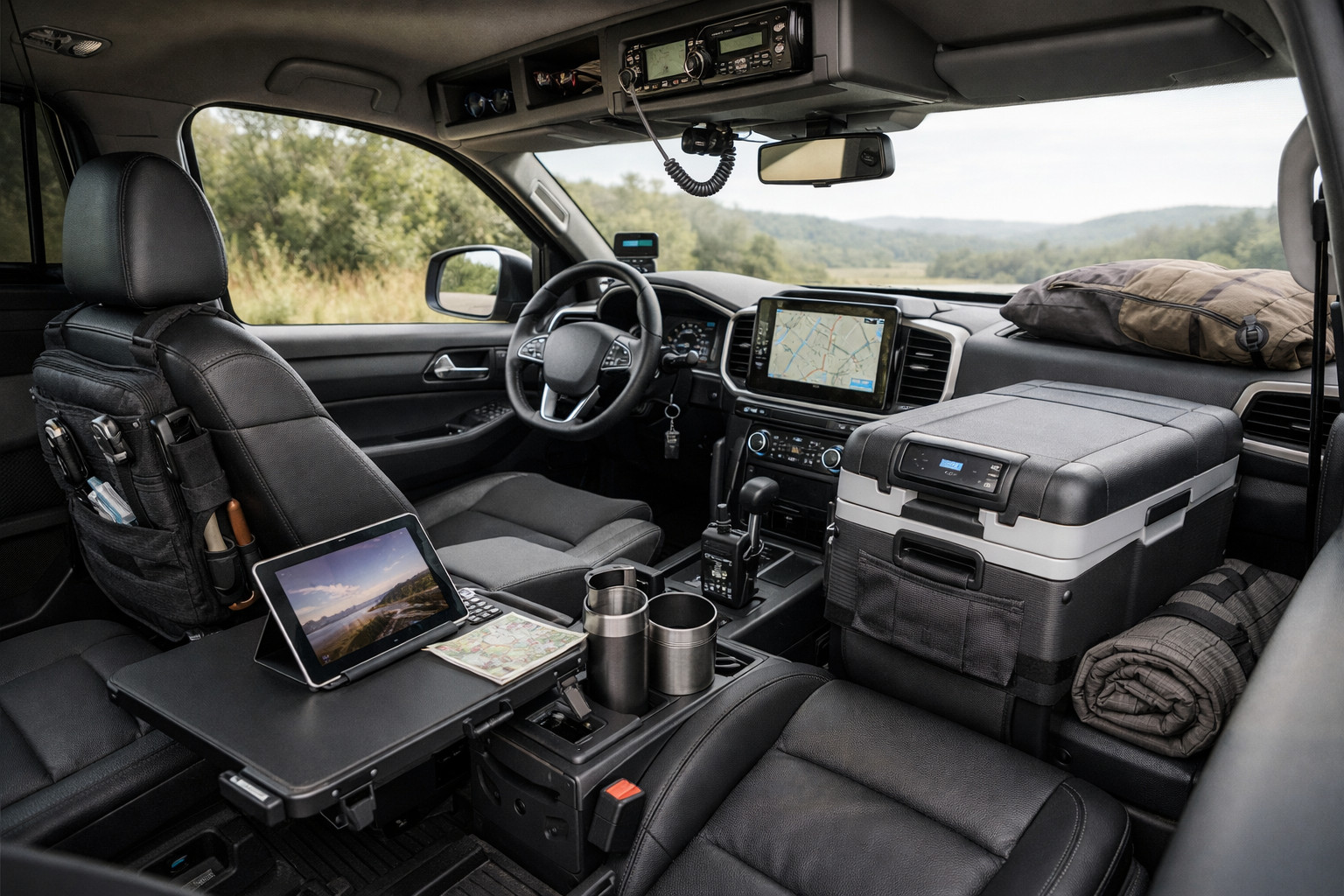
Also worthwhile in the second stage are factory or properly integrated driver-assistance systems: camera, blind-spot monitoring, convenient multimedia with navigation, adaptive cruise. They don’t replace the right tires, but they round out the vehicle’s overall usability. With a long body or high roof, this is especially noticeable in the city before heading onto the highway and during maneuvers at fuel stations or parking lots.
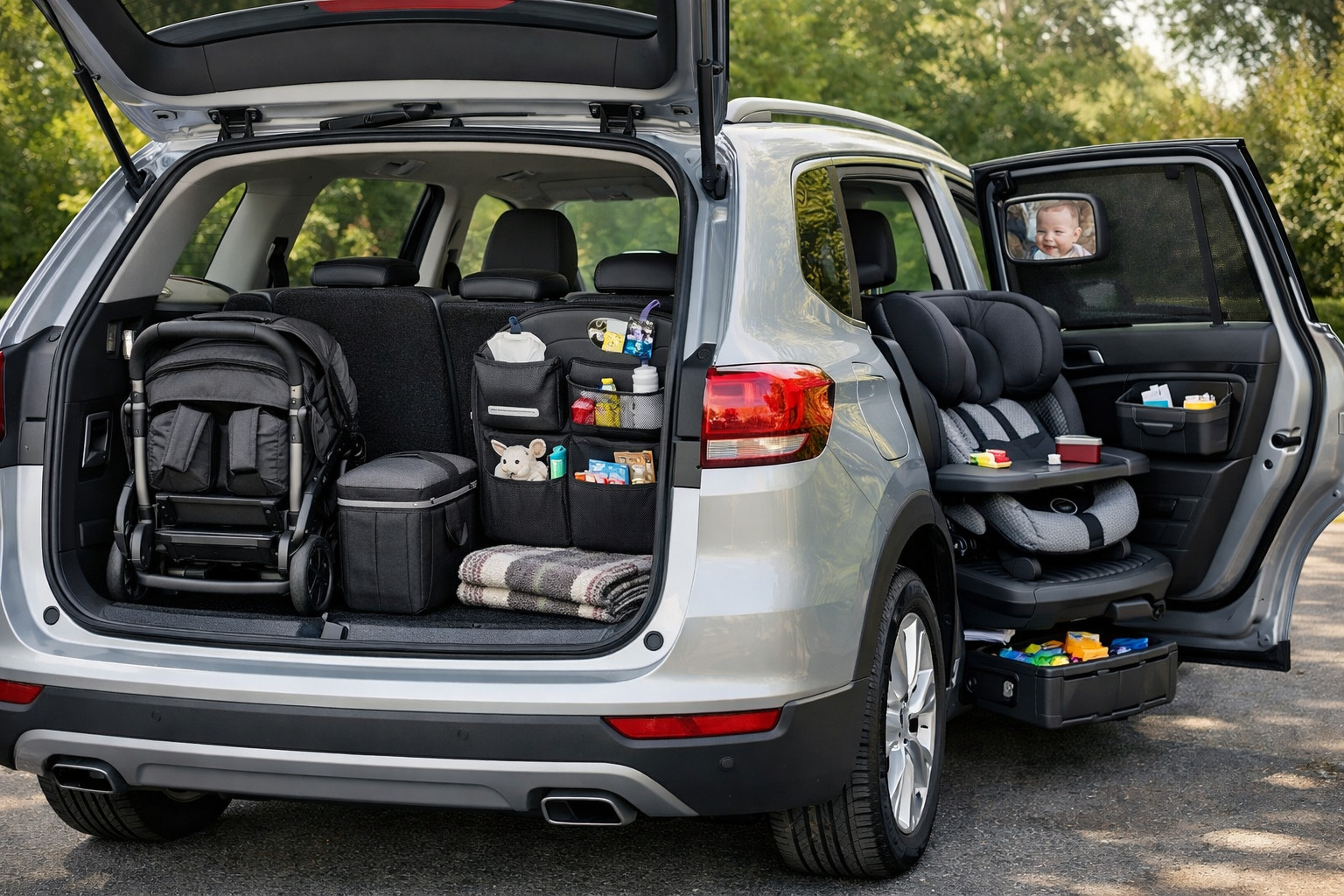
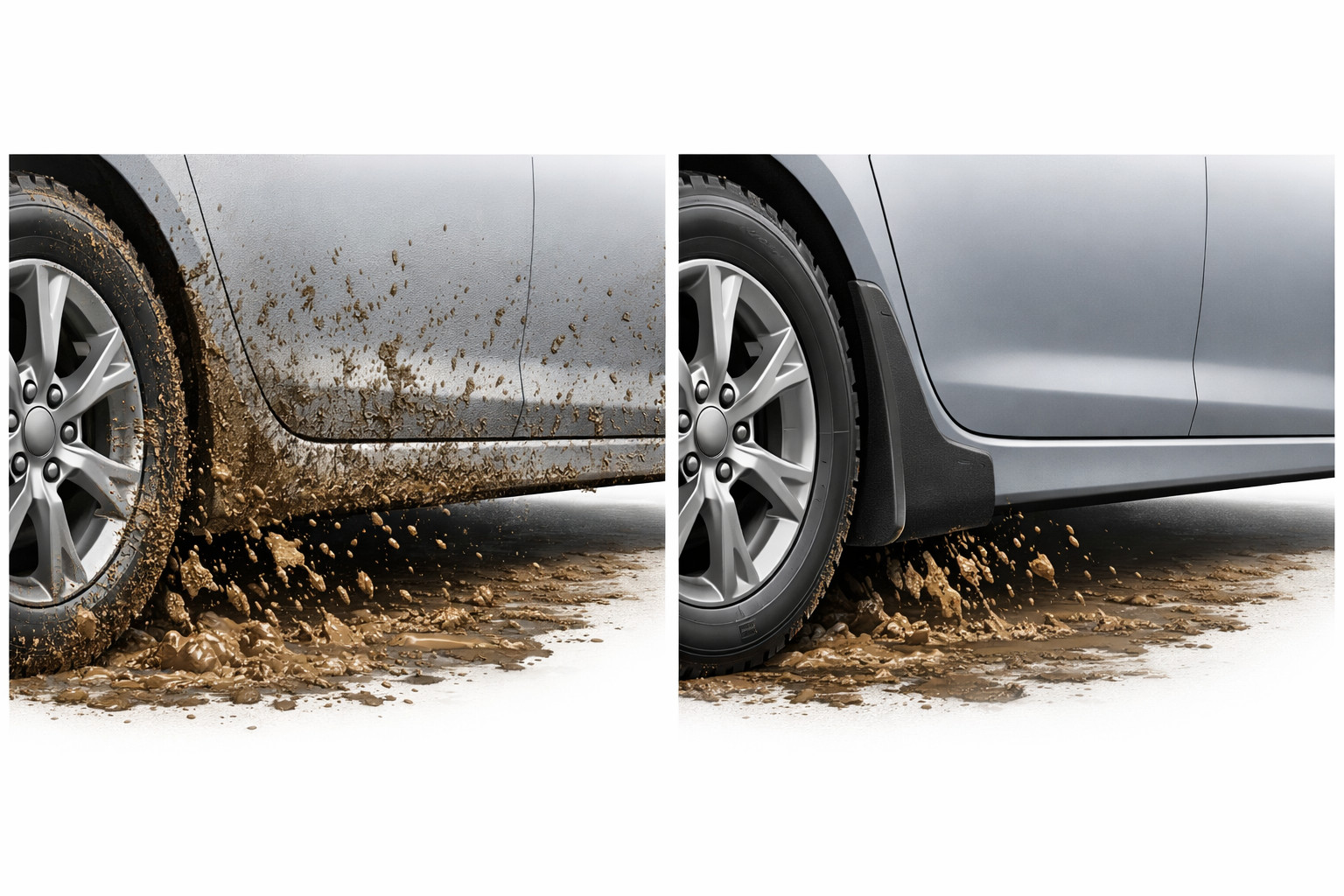
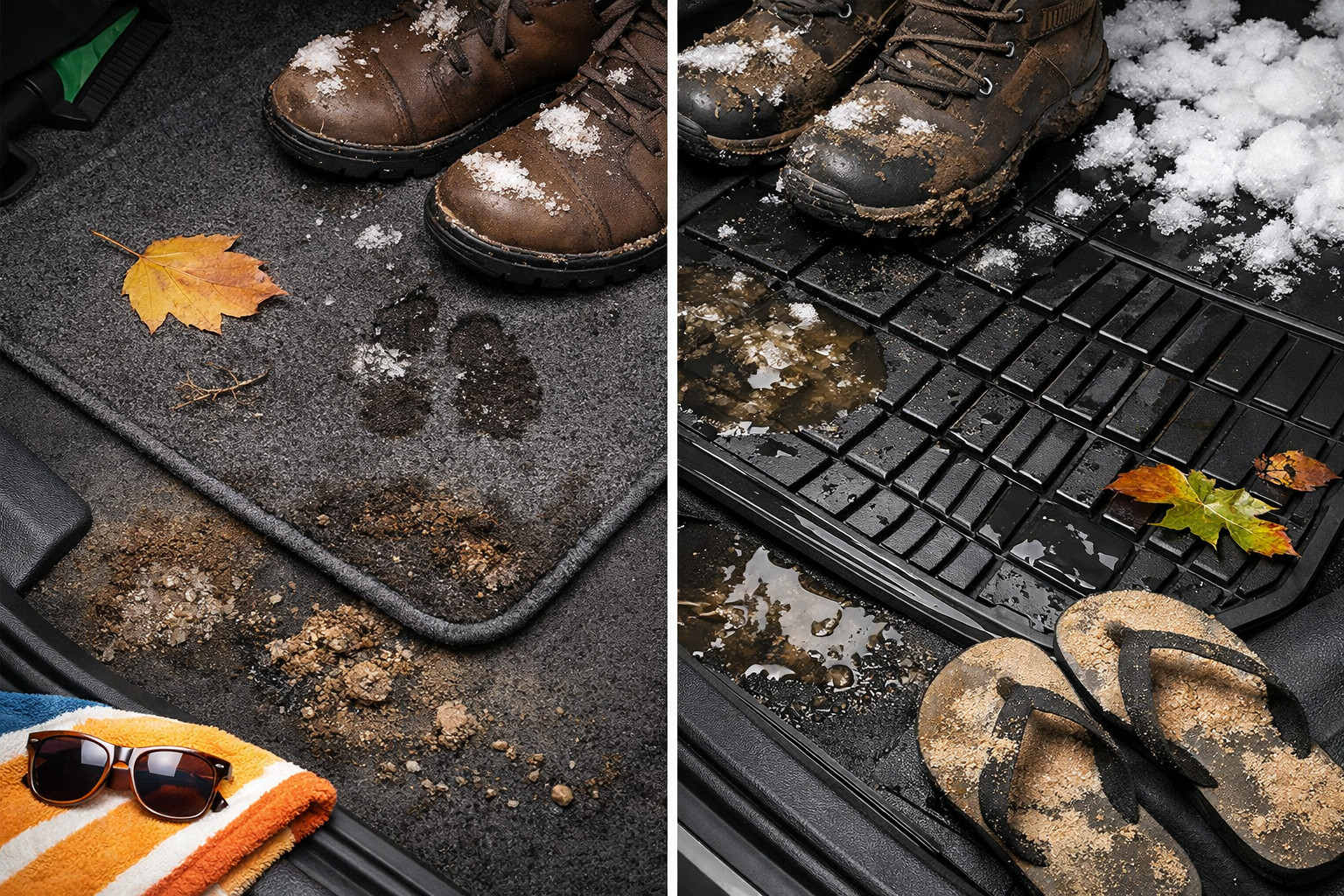
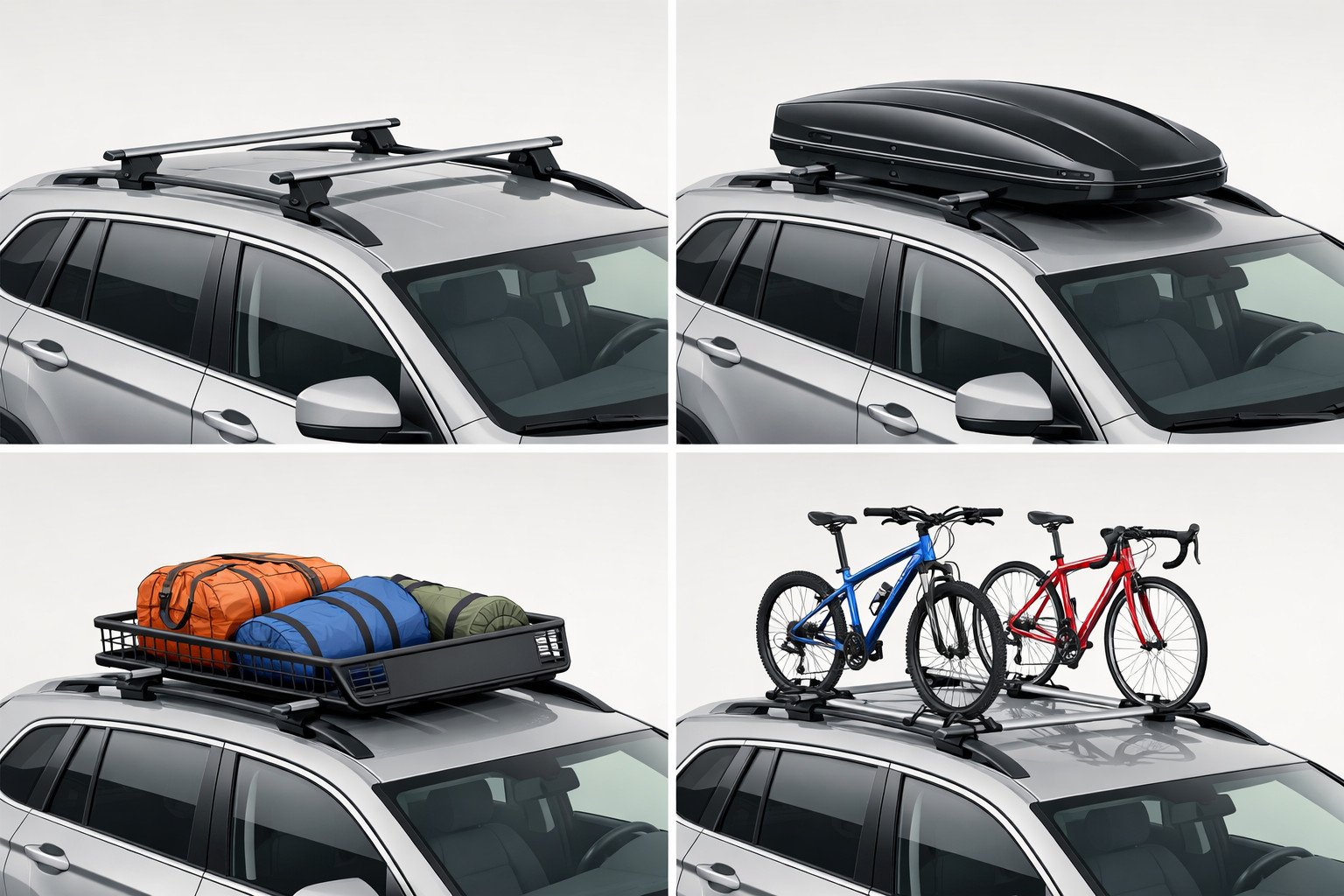
Seat covers, mats, deflectors, side steps, visors, and other accessories aren’t a useless category, but it’s important to be honest about their role. They don’t fix handling and don’t make the vehicle safer on their own. Their value is in protecting the interior, making entry easier, simplifying cleaning, and adding small day-to-day comfort.
For intercity driving, the most reasonable items from this group are those that don’t add extra weight and genuinely help in daily use: good seat covers for intensive operation, mats for quick cleanup, window deflectors for ventilation in the rain. But heavy decorative elements, random dashboard trims, or mounts in airbag zones are better avoided.
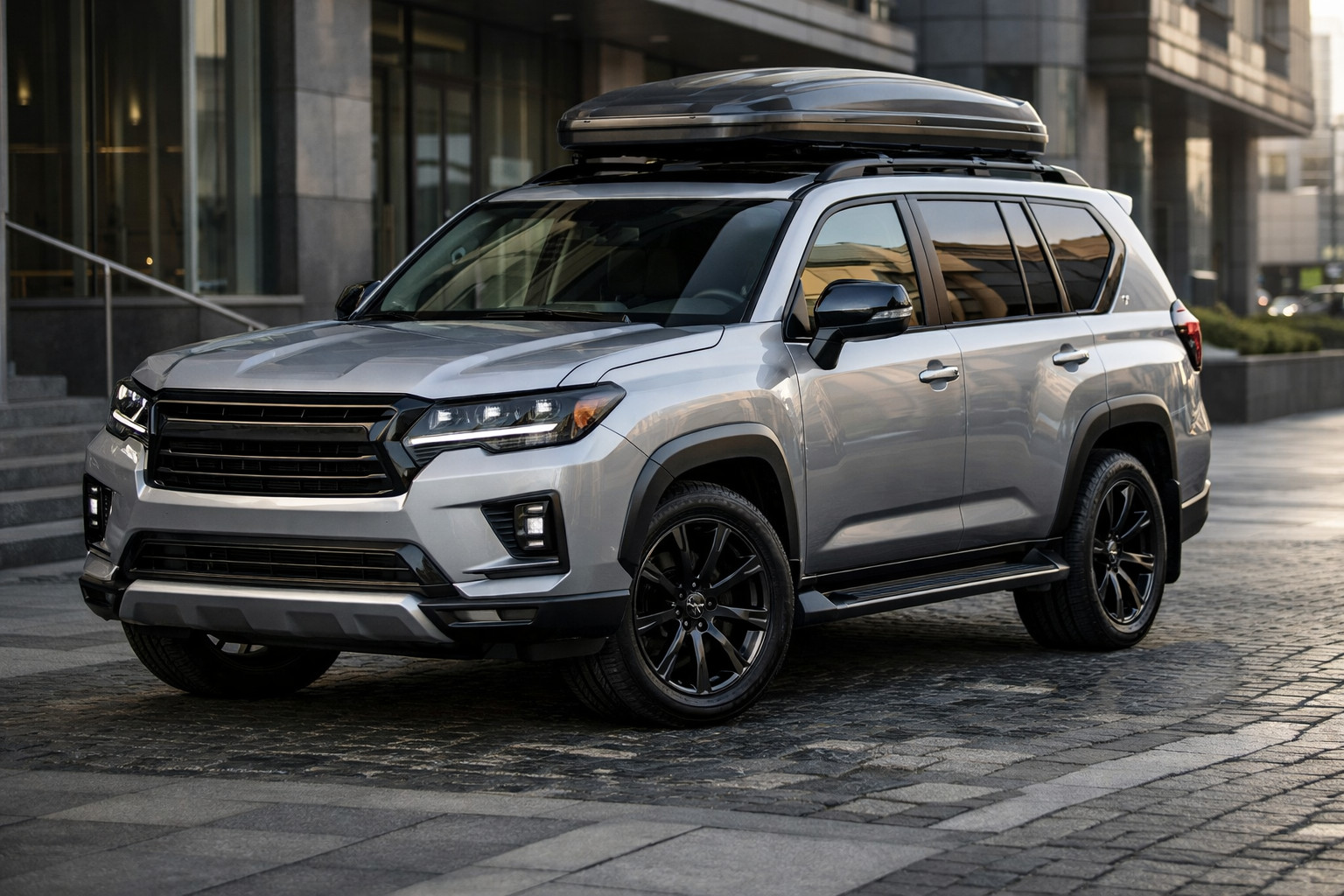
For pure intercity use, people often waste money on lift kits, aggressive off-road tires, massive exterior plastics, and “heavy-duty” parts that suit an expedition build more than a working Sprinter on the highway. Such items often add noise, weight, fuel consumption, and worsen the vehicle’s behavior where it should be calm and predictable.
Another common overpayment is full soundproofing of the entire body without discrimination. In a Sprinter, targeted work on the noisy areas gives a better result. People also frequently misjudge the suspension: they install more expensive solutions “just in case,” even though the problem was tire pressure, rear-axle overload, or tired tires. This is where many buy for the image, not for the scenario.
| Scenario | What to install first | What can be postponed | What is not required |
|---|---|---|---|
| Any intercity Sprinter | Tires, pressure, driver seating position, check lights and cameras | Targeted soundproofing, seat covers, mats | Chrome, body kits, decorative trims |
| Winter operation | Winter tires, correct pressure, functioning heating | Auxiliary heater if the factory heat is still sufficient | Off-road decor and heavy accessories |
| Passenger version | Cabin climate control, entry/exit comfort, clear rear visibility | Deflectors, additional interior protection | Lift and rough off-road tires |
| Heavy converted vehicle | Weighing, alignment/geometry check, tires, sag assessment | Air assist or shock absorbers after diagnostics | Any “blind” tuning without understanding axle weights |
More expensive upgrades make sense when the Sprinter is already sorted in the basics and covers long distances every week. If the driver works in the vehicle постоянно, there’s real benefit in a better seat, properly integrated heating, cameras, multimedia, and electrics without вмешательства in the factory harness. If the vehicle is overloaded or sags, then suspension spending can be justified—but only after proper diagnostics, not “for prevention.”
When it comes to choosing practical accessories, it’s logical to look at what supports daily use: seat covers for intensive work, window deflectors for ventilation in the rain, and the overall catalog for Sprinter W907/W910 if you’re putting together a set for your body type and operating mode.
From a customer’s experience: the owner of a long van for intercity deliveries initially wanted to install a more expensive suspension because the vehicle felt harsh and noisy. After checking tire pressure for the real load, switching to the right tires, and doing targeted treatment of the floor and arches, the need for suspension work disappeared. In the end, the money went not into a “pretty upgrade,” but into things that genuinely reduced fatigue on daily runs.
For a Mercedes Sprinter W907/W910 in intercity use, a simple order works best: tires and pressure first, then the driver’s seating position, then targeted noise reduction, and only after that more complex and expensive solutions. Suspension mods, off-road decor, and heavy exterior parts are best excluded if the vehicle has no real need for such changes.
In short, a useful intercity upgrade isn’t about the maximum number of parts—it’s about the right sequence. This material is based on real selection experience, hands-on practice, and real usage scenarios, where the winner isn’t the loudest tuning, but the upgrades that make the road easier every day.
| ✔ | Tires of the right class and pressure matched to the actual load deliver the most noticeable effect on the highway: better stability, braking, and less sway. This is the basic thing to do before spending any money on the suspension. |
| ✔ | Adjusting the driver's seating position, especially lumbar support and seat angle, really reduces fatigue on long trips. For intercity driving, this is often more useful than an expensive suspension for no clear reason. |
| ✔ | Local sound insulation of the floor, wheel arches, doors, and the area above the cab removes exactly the hum that is most tiring at speed. There is no need to strip the whole body to get a noticeable result. |
| ✔ | Factory assistants such as a camera, blind spot monitoring, lane keeping, or adaptive cruise control provide daily benefits on intercity routes. This is especially noticeable on a long body or high roof during maneuvers and highway merges. |
| ✔ | An auxiliary heater or a properly tuned climate control system is useful for winter trips and passenger versions. They improve cold starts and comfort during stops, not just in isolated situations. |
| ✘ | Lift kits, aggressive off-road tires, and bulky exterior plastic for pure highway driving often only add noise, weight, and fuel consumption. They suit an expedition project more than a working Sprinter on the highway. |
| ✘ | Full soundproofing of the entire body without disassembly is described as not the best solution. In this vehicle, a better effect comes from targeted work on noisy areas rather than total covering of everything. |
| ✘ | More expensive suspension solutions make no sense if the vehicle is not overloaded and has not sagged. Often the problem is tire pressure, axle load, or worn-out tires, not the chassis itself. |
| ✘ | Any electrical modification involving splicing into the factory wiring can create minor but exhausting malfunctions. For Sprinter, the emphasis is on integration through PSM or a specialized upfitter, not interference with the harness. |
Shipping to EU
Wholesale and retail
Own warehouse
Опис продукту
Подарунки не надаються при оформленні покупки у кредит під 0,01% або при покупці частинами.