07.04.2026
249
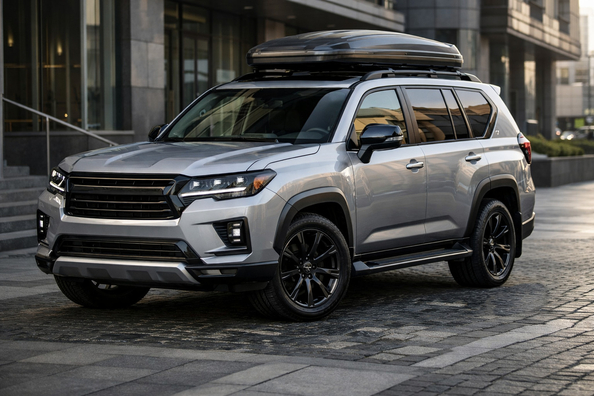

This upgrade plan is for a Toyota Land Cruiser Prado 250 owner who drives mostly in the city, often parks in tight spaces, and wants a put-together, expensive-looking vehicle without random add-ons or a showy off-road image. The scenario is simple: preserve the bodywork, don’t ruin daily comfort, and only then add an exterior accent.
The Prado 250 is big by itself: almost five meters long, a wide side profile, and a tall body. In the city, that means not so much a need for heavy-duty modifications as the risk of chips on the front end, door dings in parking lots, dirt in the cabin, and the temptation to spend the budget on things that look good only in photos.
For a city Prado 250, the right upgrade should solve three tasks: protect the areas that suffer every day, make the car easier to use, and not break the factory integrity of the exterior. If after the modifications the vehicle became louder, less convenient in daily use, or visually overloaded, then the scenario was chosen incorrectly.
This is not about expedition prep. In the city, the Prado 250 works better as a neatly assembled large SUV: clean lines, a protected front end, covered doors, a practical interior, and restrained exterior decor. It’s also worth remembering that the set of accessories and installation kits depends on the trim level and market, so compatibility should always be checked for the specific vehicle.
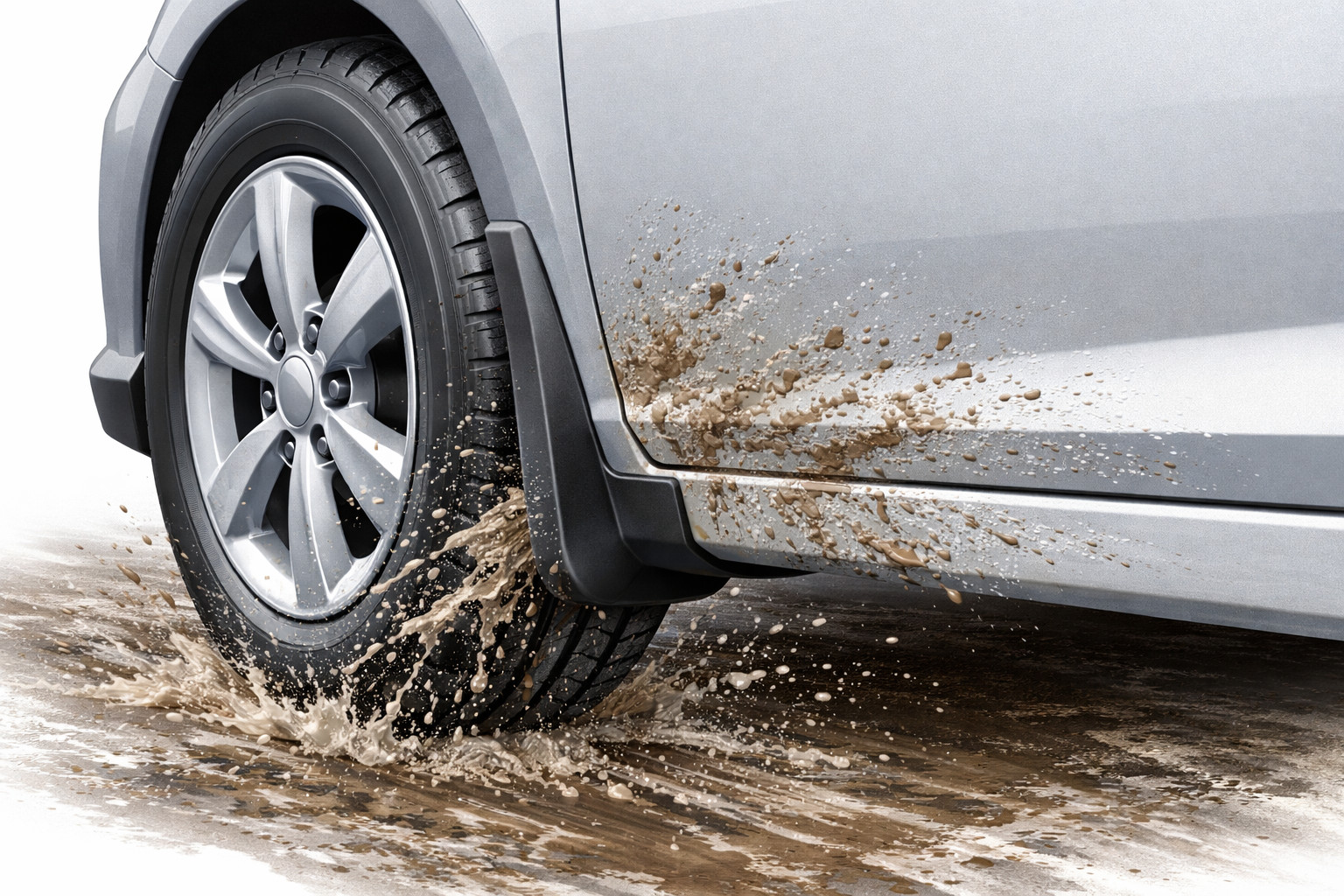
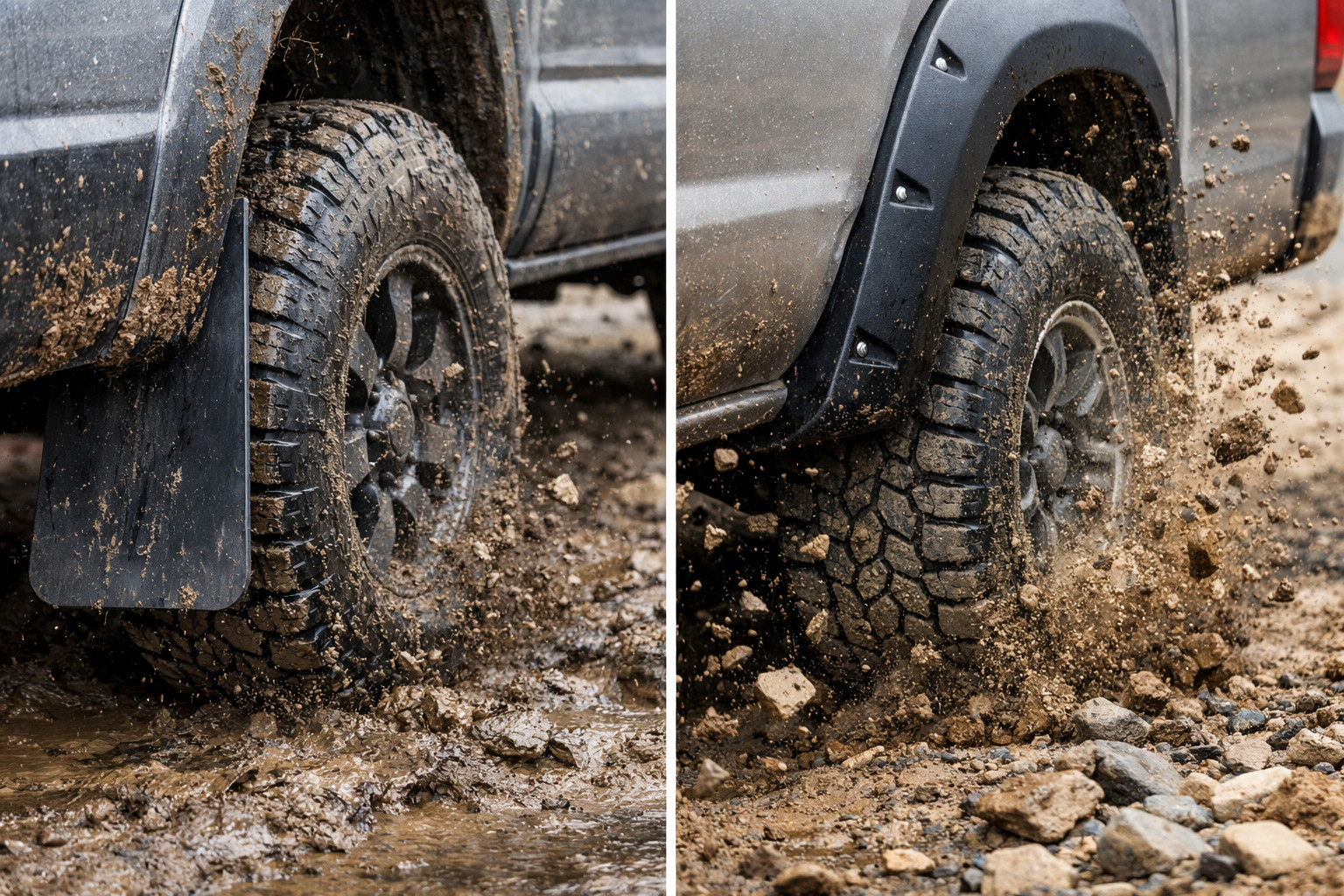
First priority is anti-chip protection for the front areas, door edges, and places that regularly contact sand, small stones, and neighboring doors. For the Prado 250, this brings more real-world value than any decorative package, because in the city the nose and sides get damaged the fastest.
Second priority is the things that simplify daily life: floor mats for the cabin and trunk, plus a dash cam with parking mode. This doesn’t change the car’s silhouette, but it saves time on cleaning every day and adds peace of mind when parked. If the budget is limited, this block is worth covering before body kits, spoilers, or roof solutions.
| Modification | Why it’s needed | Who it really benefits |
|---|---|---|
| Paint protection film on front areas | Takes the small chips on the bumper, hood leading edge, mirrors, and high-impact body zones | Those who drive in the city every day and occasionally use bypass routes and fast roads |
| Door edge protection and side moldings | Reduces the risk of chips and dents from neighboring doors in parking lots | Owners who regularly park near offices, shopping centers, and residential courtyards |
| Cabin and trunk mats | Keep dirt, water, and sand where it’s easy to remove | Family drivers and anyone whose car hauls groceries, kids’ items, or sports gear every day |
| Dash cam | Records events while driving and while parked | Those who leave the Prado 250 in open parking lots or often sit in dense city traffic |
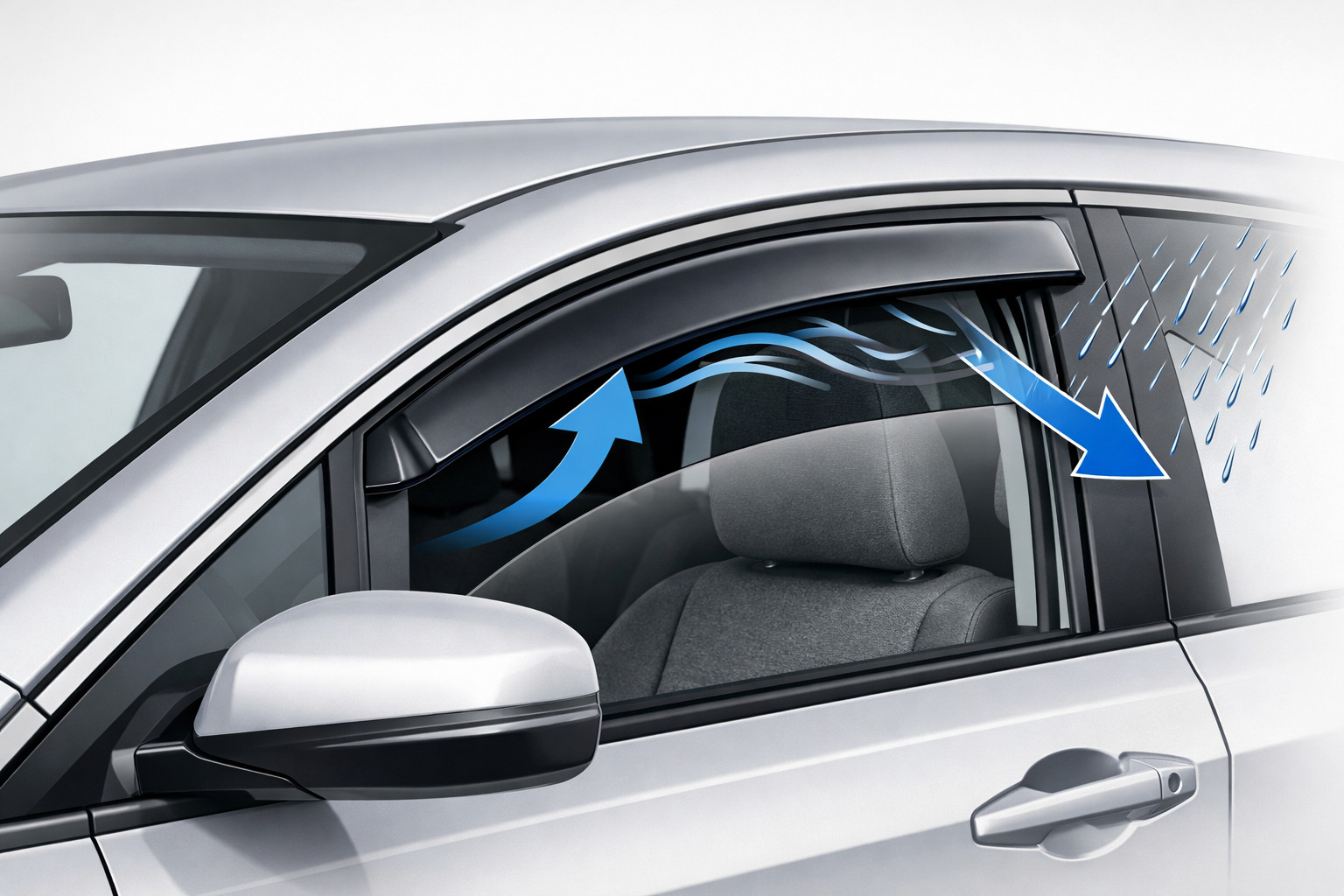
| Window deflectors | Let you ventilate the cabin in the rain and catch less water on the side windows | Those who drive a lot every day and often crack the windows open |
| Hood protection | Reduces minor sandblasting on the front edge | Those whose routes include a lot of highway or suburban trips |
| OEM body kit | Pulls the exterior into a single style if installed after the basic protection | Those who want a finished look without random decorative elements |
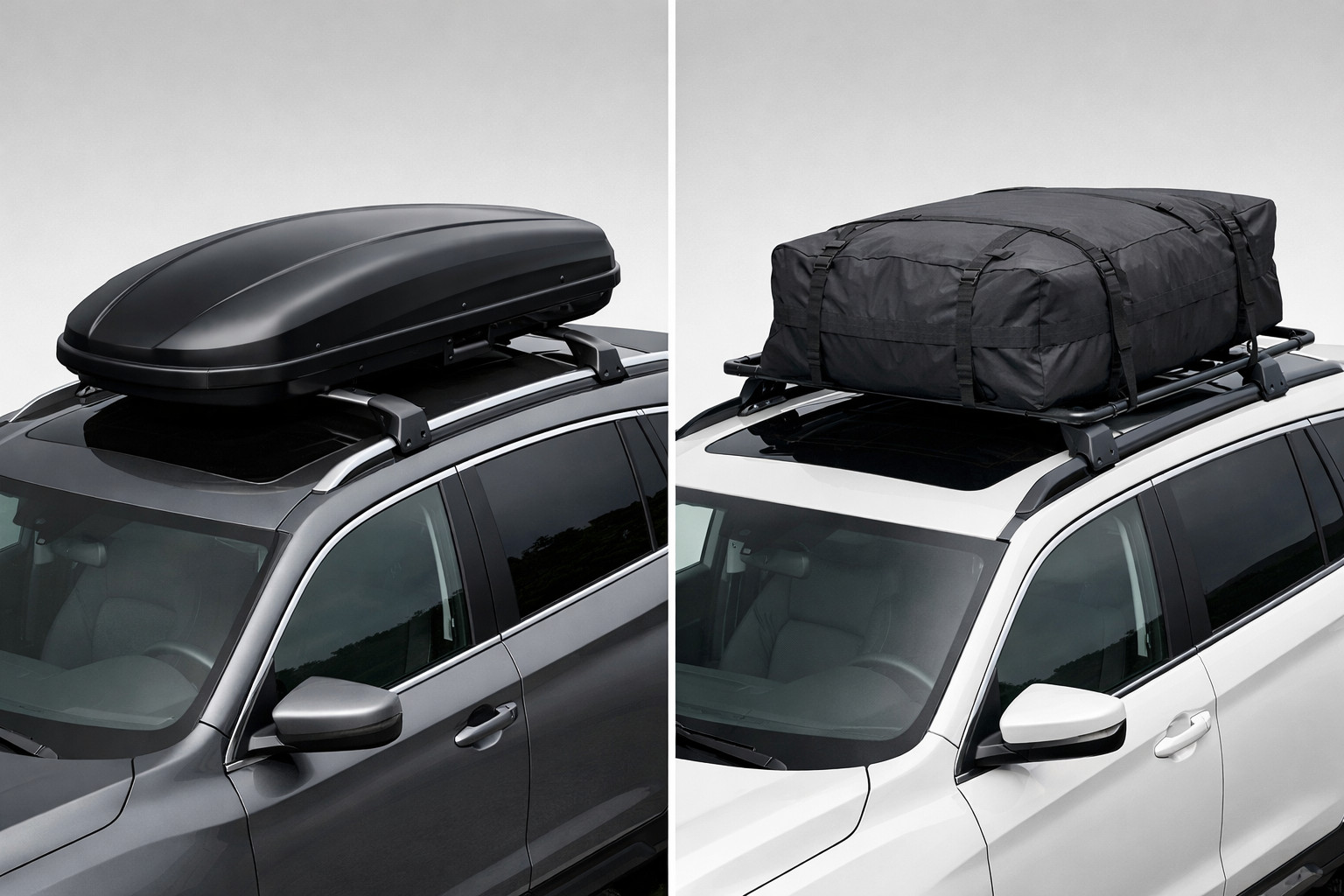
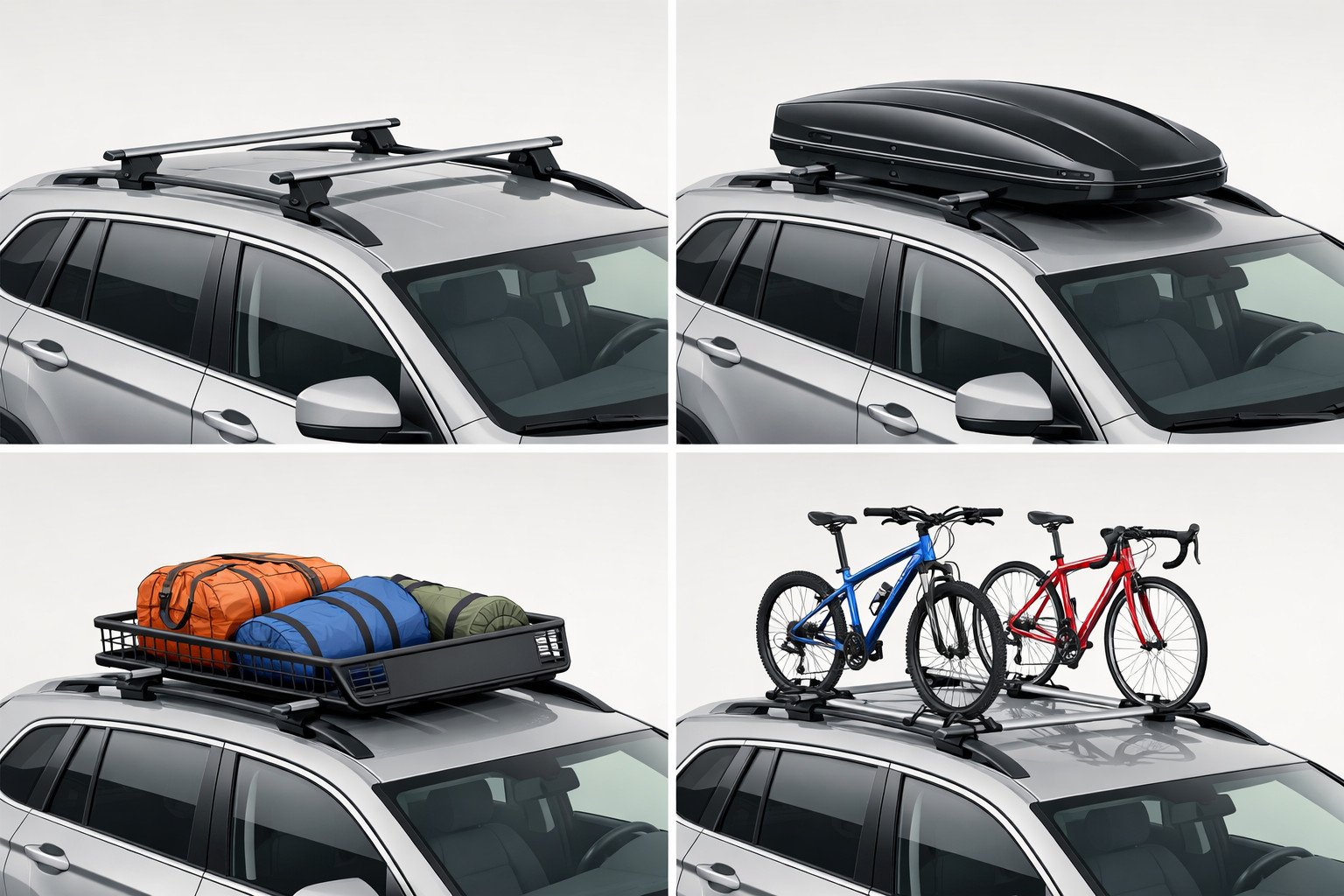
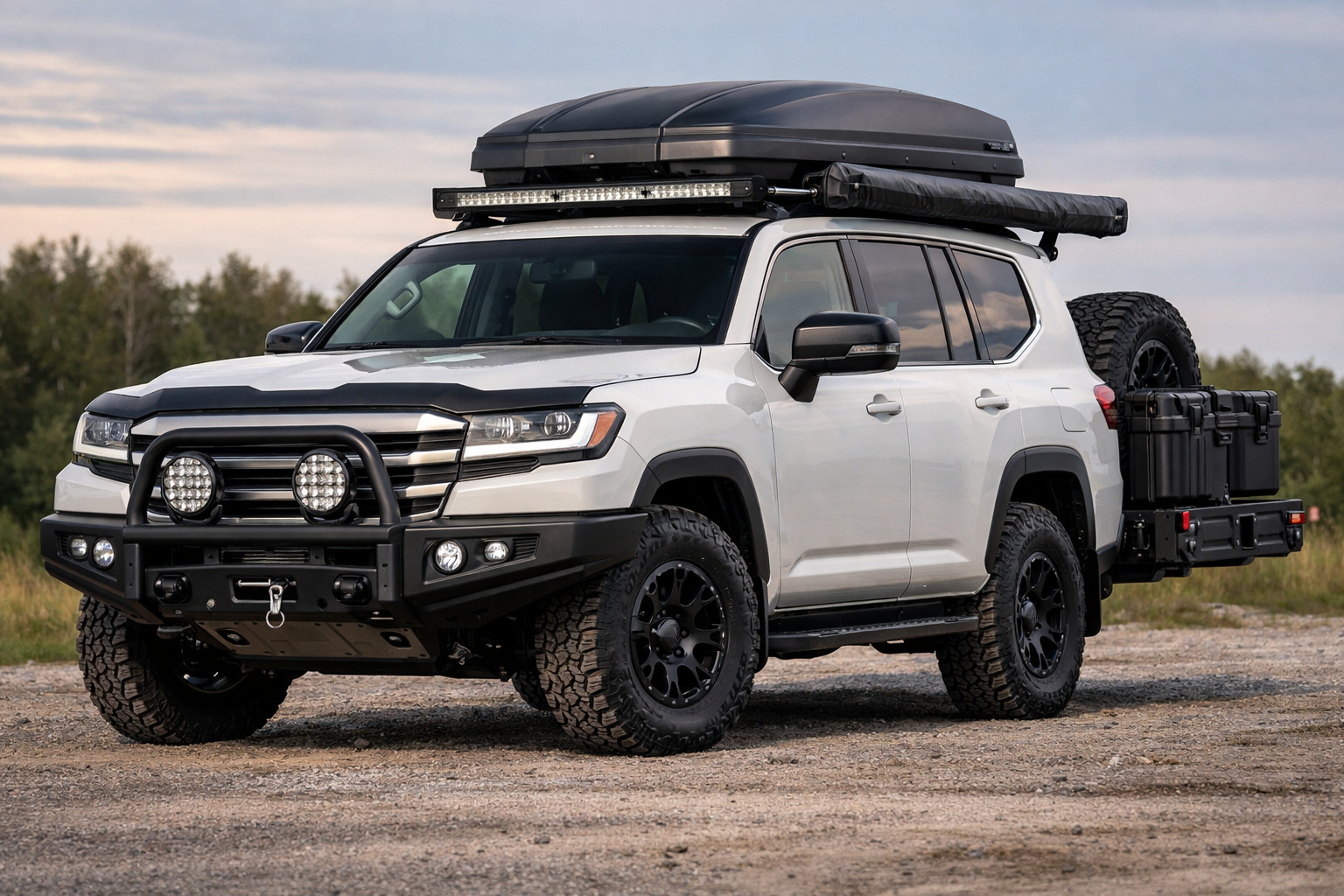
| Crossbars or a roof rack | Add space for gear, but can increase noise and add extra height | Only those who actually carry a roof box, bikes, or long items |
DD Tuning expert comment: The most common mistake with the Prado 250 is starting with a body kit and only then thinking about protecting the front end and doors. In the city, a large body collects chips and parking hits faster than it needs heavy-duty or roof upgrades. Before ordering, be sure to verify the trim level: some solutions differ by market and may require separate installation kits.
In the second stage, it’s worth choosing what increases convenience or tightens up the look, but isn’t critical from day one. This includes window deflectors, hood protection for those who often drive on fast roads, and restrained dark accents instead of flashy overlays.
If you want a more expressive look, it’s better to choose one direction: either a neat OEM body kit, or local upgrades along the lower body and sides. Mixing different styles isn’t worth it: the Prado 250 looks best when the elements support the body geometry rather than argue with each other.
Comfort includes floor mats, a trunk mat, a dash cam, window deflectors, and partly hood protection for those who drive fast sections. These are things you feel every day and that hardly need any explanation after purchase.
Appearance includes a body kit, spoiler, dark decorative accents, other overlays, and large wheel setups. It’s easy to overpay here for a photo effect. If a modification doesn’t add protection, quietness, convenience, or doesn’t pull the look into a single line, it’s better to postpone it. This is especially true for large decorative wheels: they can make the ride harsher, and in the city the benefit doesn’t always match the cost.
| What to install first | What can be postponed | What is not required |
|---|---|---|
| Paint protection film on front areas | Window deflectors | Lift kit |
| Door edge protection or moldings | Hood protection | Heavy-duty front part for the city |
| Cabin and trunk mats | Exterior body kit | Expedition roof setup without cargo |
| Dash cam | Dark decorative accents | Large decorative wheels without understanding how daily ride quality will change |
The logic is simple: first, everything that takes the hit or works every day; then the things that add convenience; and only after that—styling. This order keeps the budget under control and doesn’t force you to redo parts you’ve already installed.
More expensive upgrades are justified when the vehicle is new, you plan to keep it for a long time, and you want a neat, cohesive result without fitment compromises. In that case, it’s better not to scatter your budget across small random elements, but to choose a few strong items that truly shape the look and don’t interfere with daily operation.
If you need a finished city look, it makes sense to look at body kits for Prado 250. If you want to combine utility and clean exterior lines, a more practical start is door moldings. And roof racks are worth buying only when you clearly understand that you’ll regularly carry roof cargo.
From a customer’s experience: a Prado 250 owner initially wanted to install a large exterior package and crossbars right away, but after selecting parts, he kept front-end protection, door moldings, mats, and a dash cam as the first priority. A few months later, these items turned out to be the most useful: the body handled parking lots more calmly, and the cabin didn’t require constant cleaning. He returned to the body kit later, already with a clear understanding of the look he wanted.
For city styling of the Toyota Land Cruiser Prado 250 without cheap solutions, it’s not the longest list of accessories that works—it’s the right sequence: first body and door protection, then interior practicality, then targeted comfort, and only after that exterior decor. That’s how a large SUV looks appropriate, doesn’t get noisy from unnecessary equipment, and doesn’t turn into a set of random parts.
In short, what’s useful for this scenario is paint protection, moldings, mats, a dash cam, and a restrained body kit as the finishing touch. What often turns out to be unnecessary is a roof setup without a need, a lift for the city, and heavy front solutions purely for image. This material is based on real selection experience, installation practice, and real-world Prado 250 city-use scenarios.
| ✔ | Anti-gravel protection for the front areas and doors really covers the most vulnerable city spots: chips on the front end, door dings in parking lots, and minor damage from nearby cars. It is more practical than decorative upgrades because it works every day. |
| ✔ | Floor mats in the cabin and trunk help keep dirt, water, and sand where they are easy to clean up. For daily trips, shopping, and family use, this noticeably simplifies car care. |
| ✔ | A dash cam with parking mode adds peace of mind in open parking areas and in heavy traffic. It does not change the car’s appearance, but it provides useful recording of events in the city. |
| ✔ | Door moldings and edge protection reduce the risk of chips and dents from neighboring doors in tight spaces. This is especially relevant for parking lots near offices, shopping centers, and residential yards. |
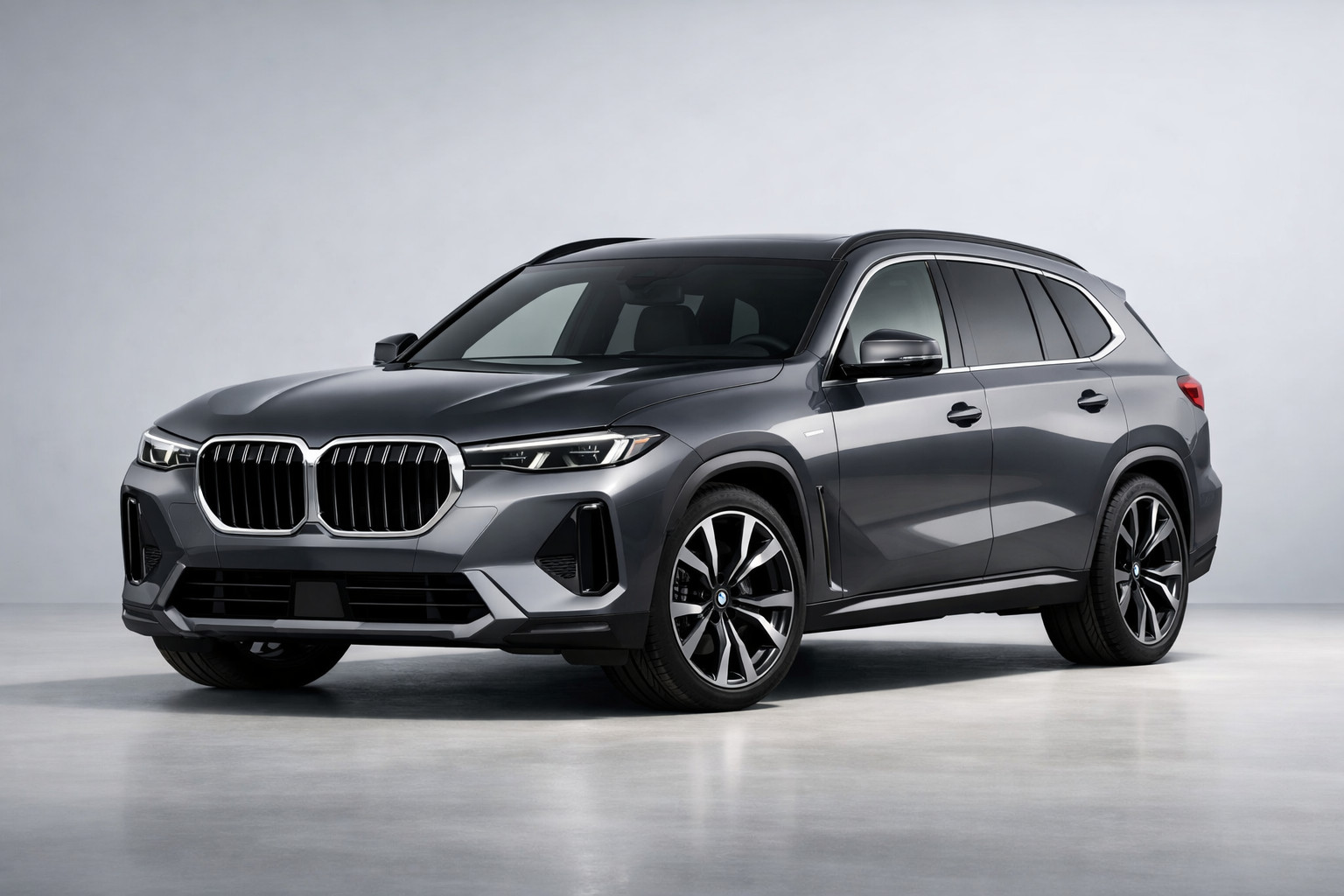
| ✔ | A restrained factory body kit or subtle dark accents make it possible to create a cohesive look without overloading the body. The article explicitly emphasizes that the Prado 250 looks better when the elements support the body geometry. |
| ✘ | Roof bars and roof systems without a real need add noise, height, and an extra detail on the roof that is not used most of the time. For a city car, this is often more of a nuisance than a benefit. |
| ✘ | A lift kit for everyday city driving can change the seating position, handling, and comfort not in the owner’s favor. If the car does not live on bad roads or off-road, the point of such a modification is questionable. |
| ✘ | Power front elements only for appearance are heavier, more expensive to install, and may require relocating cameras and additional wiring. For a city scenario, this looks excessive. |
| ✘ | Random chrome or gloss trim pieces easily create a cheap visual effect, which the Prado 250 owner is precisely trying to avoid. They add neither protection nor practicality. |
Shipping to EU
Wholesale and retail
Own warehouse
Опис продукту
Подарунки не надаються при оформленні покупки у кредит під 0,01% або при покупці частинами.