29.08.2026
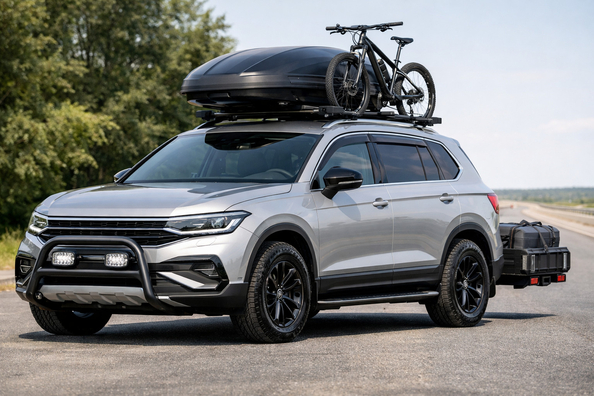
This upgrade plan is for a Volkswagen Tiguan third-generation owner who drives daily around the city, regularly hits the highway, and doesn’t want to waste money on things that look nice but barely change everyday life. The main goal here isn’t to “tune” the crossover, but to make it more convenient in rain, mud, shopping runs, family outings, and long trips.
The new Tiguan already has a strong factory baseline: many versions come with a camera, parking sensors, adaptive cruise control, lane keeping, automatic braking, a digital cluster, and solid smartphone integration. So the right upgrade scenario here is simple: protection and tidiness first, then cargo solutions, and wheels, decorative trims, and other expensive wants last.
For city driving, the Tiguan III should stay cleaner inside, not annoy you with small mess in the trunk, and not require extra daily effort. For highway use, other things matter: keeping small cargo under control, convenient packing, good visibility, and avoiding pointless mods that add noise, harshness, or costs.
It’s also worth looking closely at the market and your trim level. Some versions already cover electronic needs from the factory, and accessories for the 2018-2023 Tiguan don’t always fit the third generation in the cabin, on the roof, or in small mounting points. So the basic rule is one: install only what solves a specific task for your exact use case.
The first set for this scenario is all-weather floor mats and trunk protection. It’s the simplest upgrade that truly works every day: wet shoes, snow, sand, a stroller, bags, fuel cans, or kids’ items won’t turn the cabin and trunk into a constant problem.
The second logical step is a dash cam with neat hidden wiring. In the city it’s insurance at intersections and during parking; on the highway it helps in disputed situations. Third comes a trunk net or cargo retainers: you feel the benefit immediately if you often carry bags, backpacks, tools, or kids’ items in the trunk.
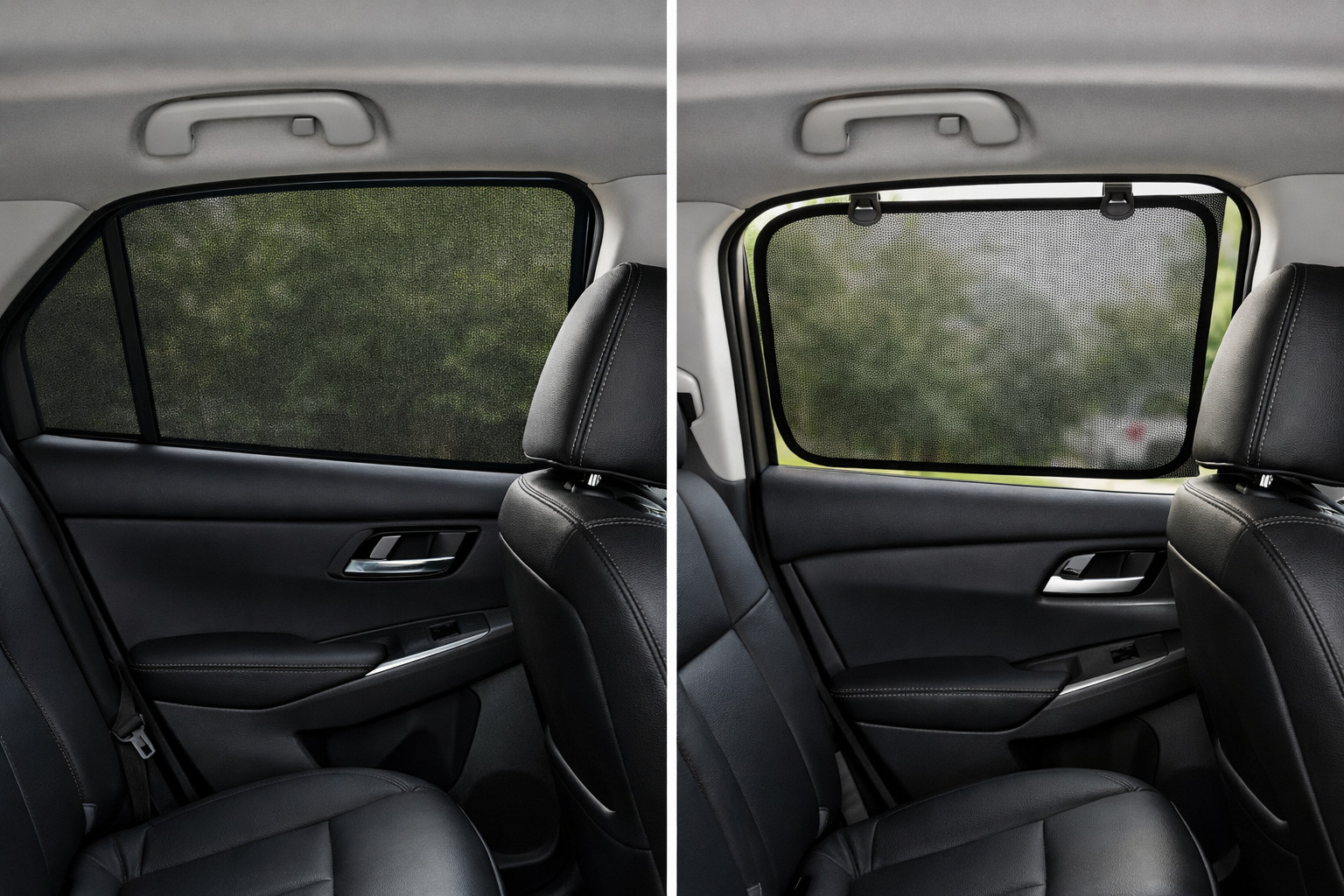
If the car often sits in the sun or you drive with kids, you can also add rear sunshades at this first stage. But don’t rush into larger-diameter wheels, decorative trims, or duplicate electronics: they deliver less benefit than they seem at the start.
| Upgrade | Why it’s needed | Who truly benefits |
|---|---|---|
| All-weather cabin floor mats | Protect the floor from water, dirt, salt, and sand | Pretty much anyone who drives daily in the city in any weather |
| Trunk mat or liner | Prevents dirt, liquids, and abrasion from damaging the trunk | Those who carry groceries, a stroller, sports gear, tools, or vacation luggage |
| Dash cam | Records disputed situations in traffic and in parking lots | Those who often drive in dense city traffic and regularly take the highway |
| Trunk net or cargo retainers | Keep bags and small cargo from tipping over | Those whose trunk is used daily, not only on vacation |
| Sunshades | Reduce overheating and discomfort for rear passengers | Families with kids and those who often park in direct sun |
| Mud flaps | Less dirt on the sides and lower body panels | Those who drive on wet roads, dirt roads, or through winter slush |
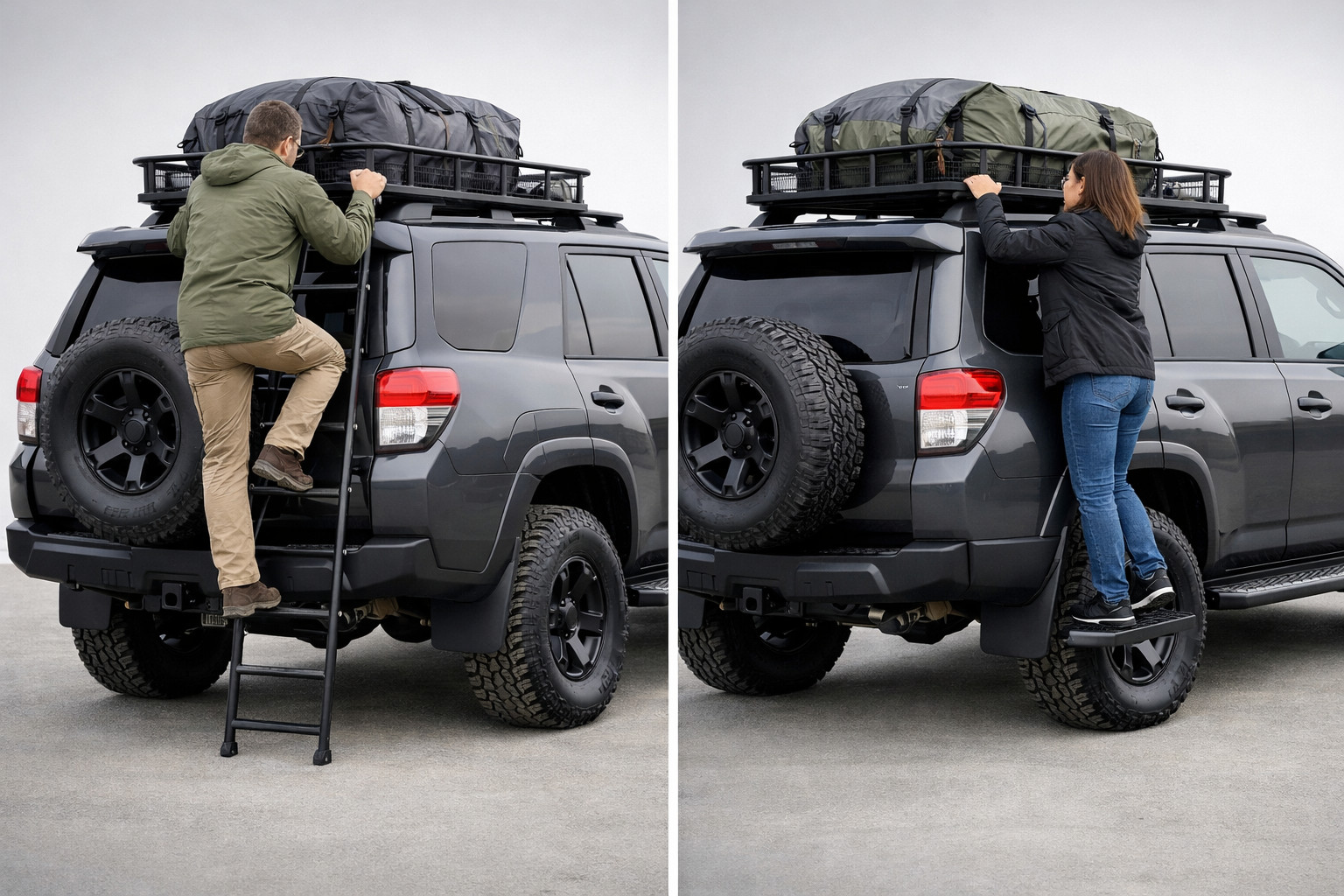
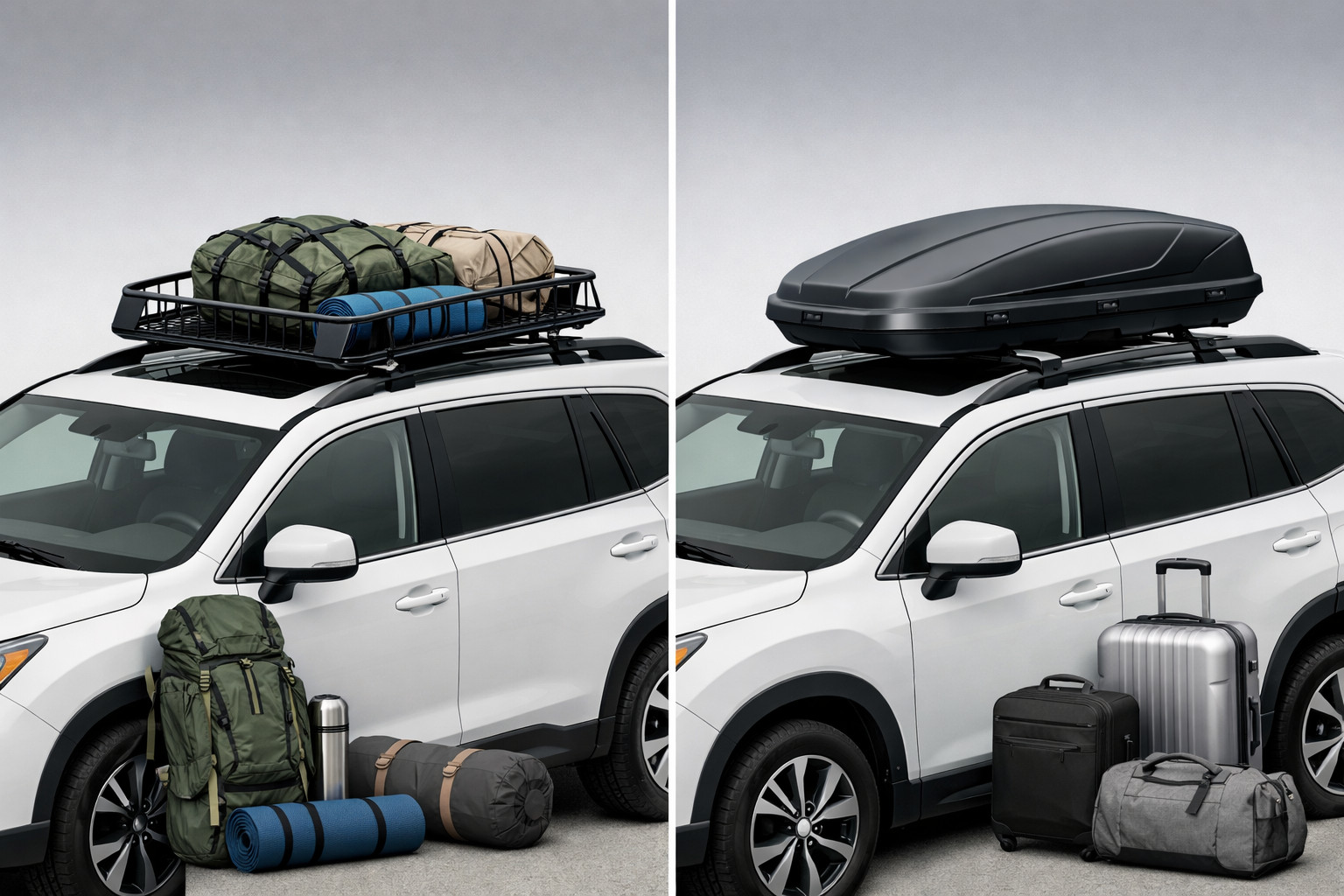
| Roof rack or roof basket | Add extra capacity for long trips | Only those who truly carry bulky luggage, bikes, or seasonal gear on top |
In short, the best return comes from things that work every day and don’t depend on trends. On the Tiguan III that’s, first of all, protecting the cabin and trunk—not decorative tuning.
DD Tuning expert comment: The most common mistake with the new Tiguan is starting with big wheels, chrome, or little electronic add-ons, even though the factory equipment already covers most of these tasks. It’s smarter to protect the cabin and trunk first, then organize your cargo, and only after that think about expensive items for vacations. And always check the model year: accessories for the previous Tiguan don’t always fit the third generation without nuances.
The second stage starts once the basic day-to-day needs are covered. This includes mud flaps, trunk edge protection, additional organizers tailored to the specific cabin, and roof solutions for vacations. These aren’t first-necessity items, but they make sense once you clearly understand your usage pattern.
For those who often drive on the highway with a full trunk, well-thought-out cargo upgrades are what help—not “sporty” changes. If you only occasionally leave the city, it’s better to postpone a roof rack until you truly need it. Carrying an external system all the time without a need means extra cost, noise, and not always better aerodynamics.
A separate note on wheels: if your priority is comfort over city potholes and on long trips, it’s more logical to stick with a moderate wheel size rather than chase the biggest option. In this scenario, larger rims more often add harshness and higher tire costs than real benefit.
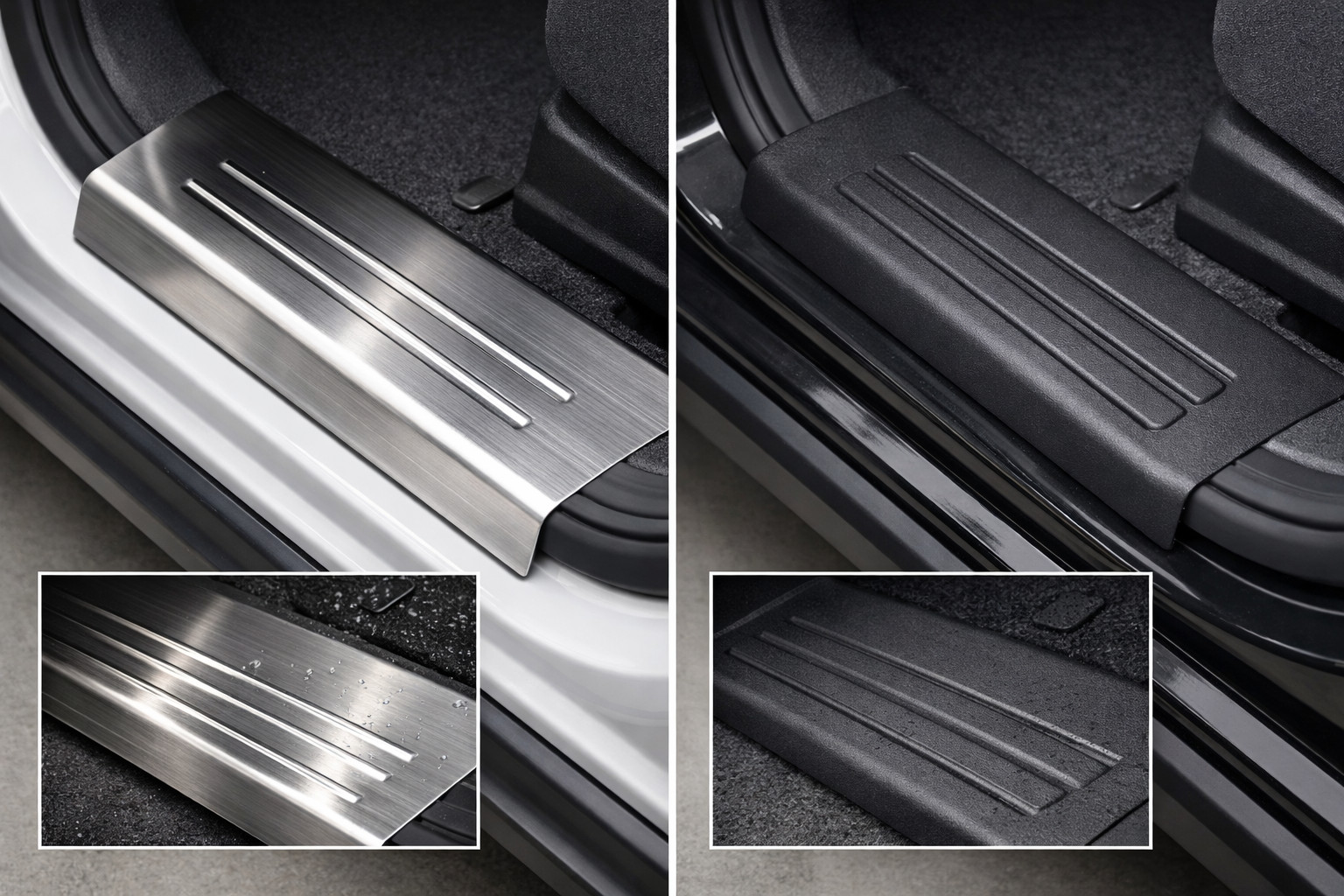
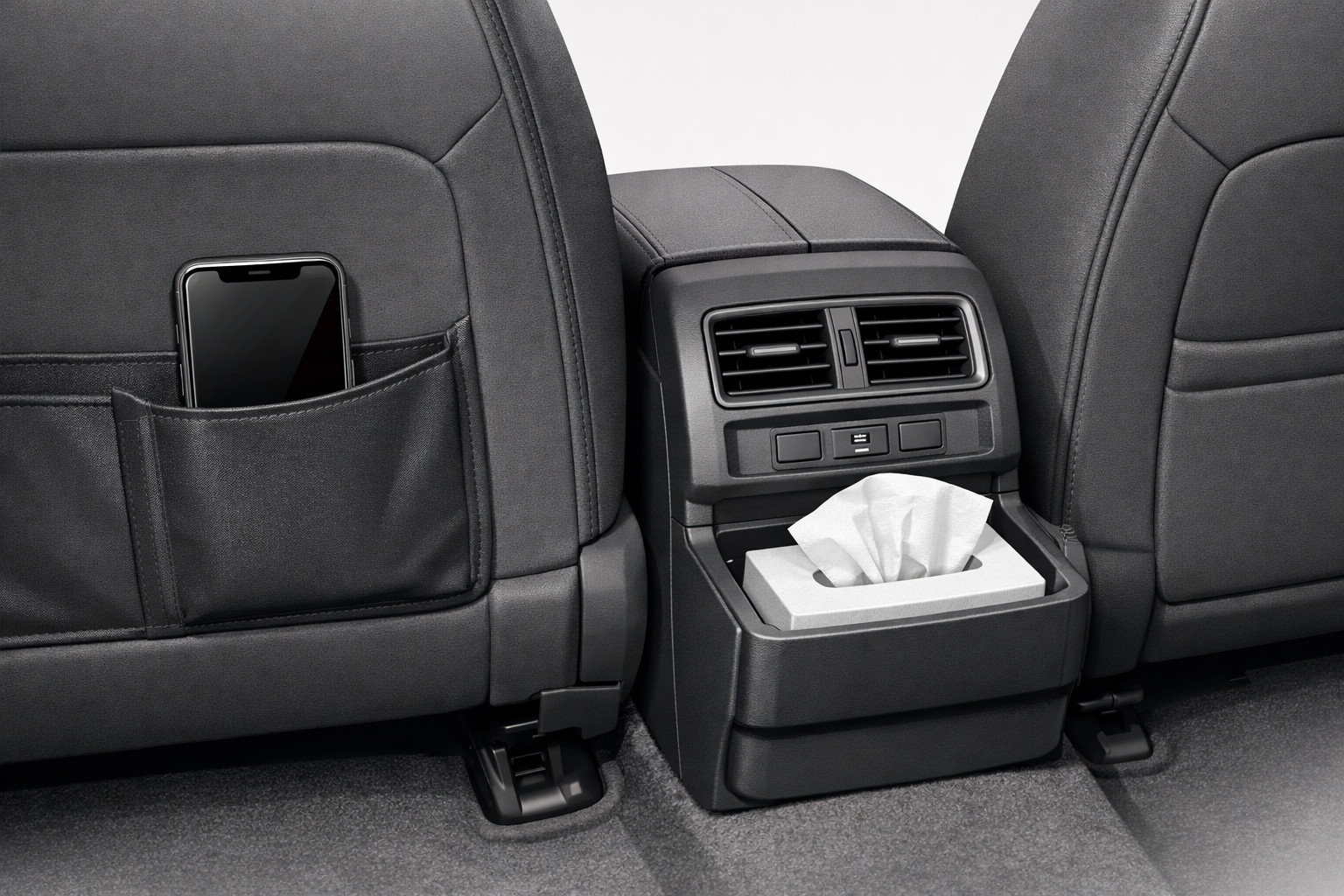
Comfort-oriented upgrades include sunshades, neat trunk edge protection, and certain interior small items—if they definitely match your production year. They don’t change the car radically, but they make life easier in heat, when loading items, and in daily use.
Exterior items that you can buy purely based on personal taste include decorative trims, some chrome packages, and increasing wheel diameter just for the look. These aren’t forbidden purchases—it’s just that for the “city plus highway” scenario, they rank lower in priority than protection, trunk organization, and practical everyday convenience.
Most often, people waste money on things that duplicate factory equipment. If your version already has a camera, parking sensors, wireless smartphone integration, adaptive cruise, and basic driver assists, separate external screens, cheap add-on cameras, or questionable electronic modules offer little value for the money.
The second typical mistake is overpaying for appearance. Big wheels, decorative trims, and pseudo-sport upgrades look impressive in photos, but in the city and on the highway they often improve nothing—and sometimes even ruin comfort. The third mistake is buying universal organizers and inserts without checking fitment: on the new generation they often sit crooked or interfere with use of the factory storage compartments.
| Install first | Can be postponed | Not required |
|---|---|---|
| All-weather cabin floor mats | Mud flaps | 20-inch wheels just for looks |
| Trunk protection | Sunshades if there’s no постоян heat or kids | Extra cameras, parking sensors, and other electronics on top of the factory system |
| Dash cam with hidden wiring | Trunk net if small items rarely ride in the trunk | Decorative chrome and trims without a practical purpose |
| Cargo securing for daily trunk use | Roof rack or basket until the travel season | Performance upgrades for a calm family use case |
This logic works well specifically for city and highway: first, items with a daily effect; then seasonal or occasional ones; and only at the very end everything that’s more about looks than usefulness.
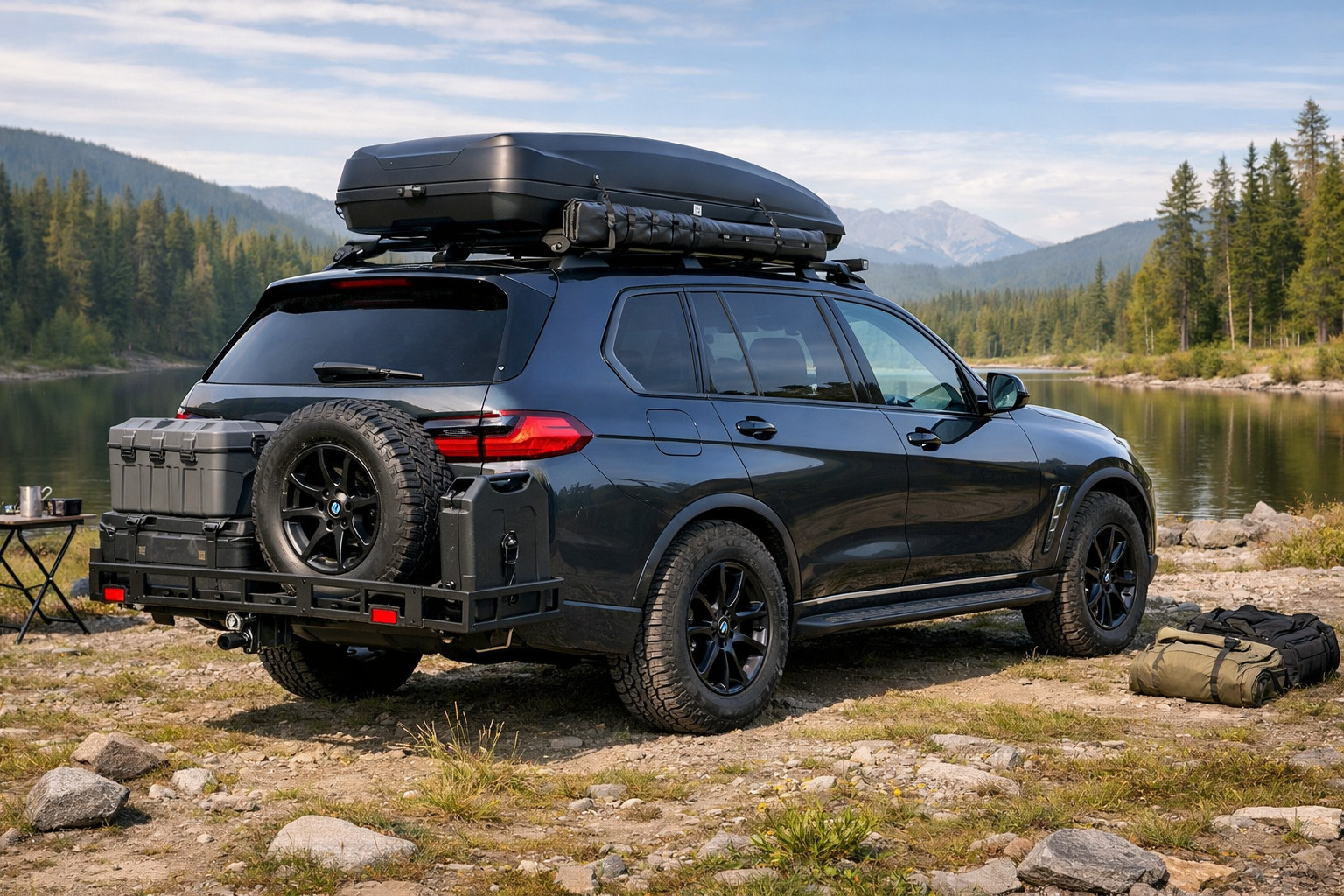
More expensive upgrades make sense not when you want to “freshen up” a new car, but when the basic capacity or functionality really isn’t enough. If you’re still aligning your expectations with the car itself, it helps to first review the Tiguan III review. If the family often travels far, carries bicycles, or seasonal luggage, then you can look at roof racks or roof baskets. But for the third generation, fitment checks are mandatory: on the site, treat these categories as guidance on solution types, not as an automatic match by generation.
In other words, expensive items are worth buying only for a frequent, repeatable scenario. If a seaside trip or transporting a bike happens once or twice a year, it’s cheaper and smarter to postpone the purchase until the need becomes regular.
From a customer’s experience: a Tiguan owner for daily city driving and two to three highway runs per month initially looked at big rims and decorative trims. In the end, they chose mats, trunk protection, a dash cam, and cargo securing, and postponed the roof system until the vacation season. The biggest effect came not from exterior changes, but from a cleaner cabin, a calmer trunk, and fewer small hassles every day.
For the Volkswagen Tiguan third generation in a “city and highway” scenario, the smartest upgrade looks like this: first protect the cabin and trunk, then add a dash cam and small-cargo control, then move on to seasonal or more expensive solutions for specific trips. Everything that duplicates strong factory equipment or is bought purely for looks can be confidently pushed down the list.
This order delivers maximum benefit without unnecessary spending and doesn’t spoil the character of the car itself. The material is based on real selection experience, practical know-how, and real usage scenarios, so the main advice here is simple: install not what looks loud in the catalog, but what works on your daily route.
| ✔ | All-weather floor mats and a trunk liner really reduce the daily dirt from wet shoes, snow, sand, and shopping bags. For city use, this is one of the most noticeable upgrades, because the cabin and trunk stay tidy longer. |
| ✔ | A dash cam with hardwiring is useful both in heavy city traffic and on the highway. It provides footage in case of disputes at intersections, in parking lots, or during long trips. |
| ✔ | A cargo net or load anchors help when bags, backpacks, or children’s items are often carried in the trunk. They clear up the small clutter and keep items from tipping over while driving. |
| ✔ | Sunshades make practical sense for families with children and for cars that often sit in direct sunlight. They reduce heat buildup and make the rear row more comfortable in hot weather. |
| ✔ | Mud flaps are useful if there are wet roads, dirt roads, or winter slush. They reduce the amount of dirt on the sides and lower part of the body. |
| ✘ | Large wheels, especially 20-inch ones, in this scenario more often add stiffness and tire costs than real benefits. For city potholes and long trips, this is not the best priority. |
| ✘ | Decorative trim, chrome, and pseudo-sporty upgrades mostly work for appearance, not everyday convenience. In the city and on the highway, they do not solve the practical tasks that are the reason to choose an upgrade in the first place. |
| ✘ | Duplicate electronics on top of the factory equipment are often unnecessary if the car already has a camera, sensors, adaptive cruise control, and basic assistants. Such purchases deliver little value for their money. |
| ✘ | A roof box or basket only makes sense when you really do regularly carry large luggage or gear on top. If the need is rare, it means extra expense, noise, and not ideal aerodynamics. |
Shipping to EU
Wholesale and retail
Own warehouse
Опис продукту
Подарунки не надаються при оформленні покупки у кредит під 0,01% або при покупці частинами.