26.08.2026
157
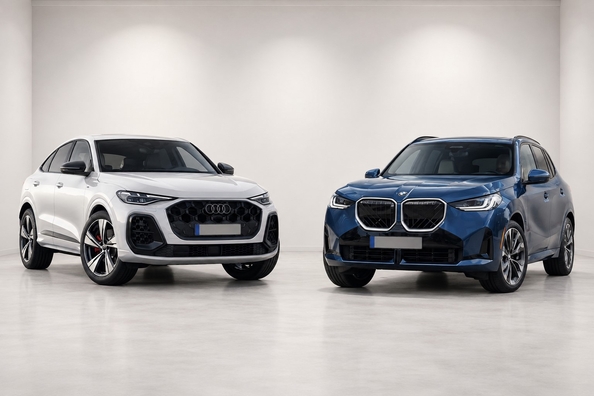

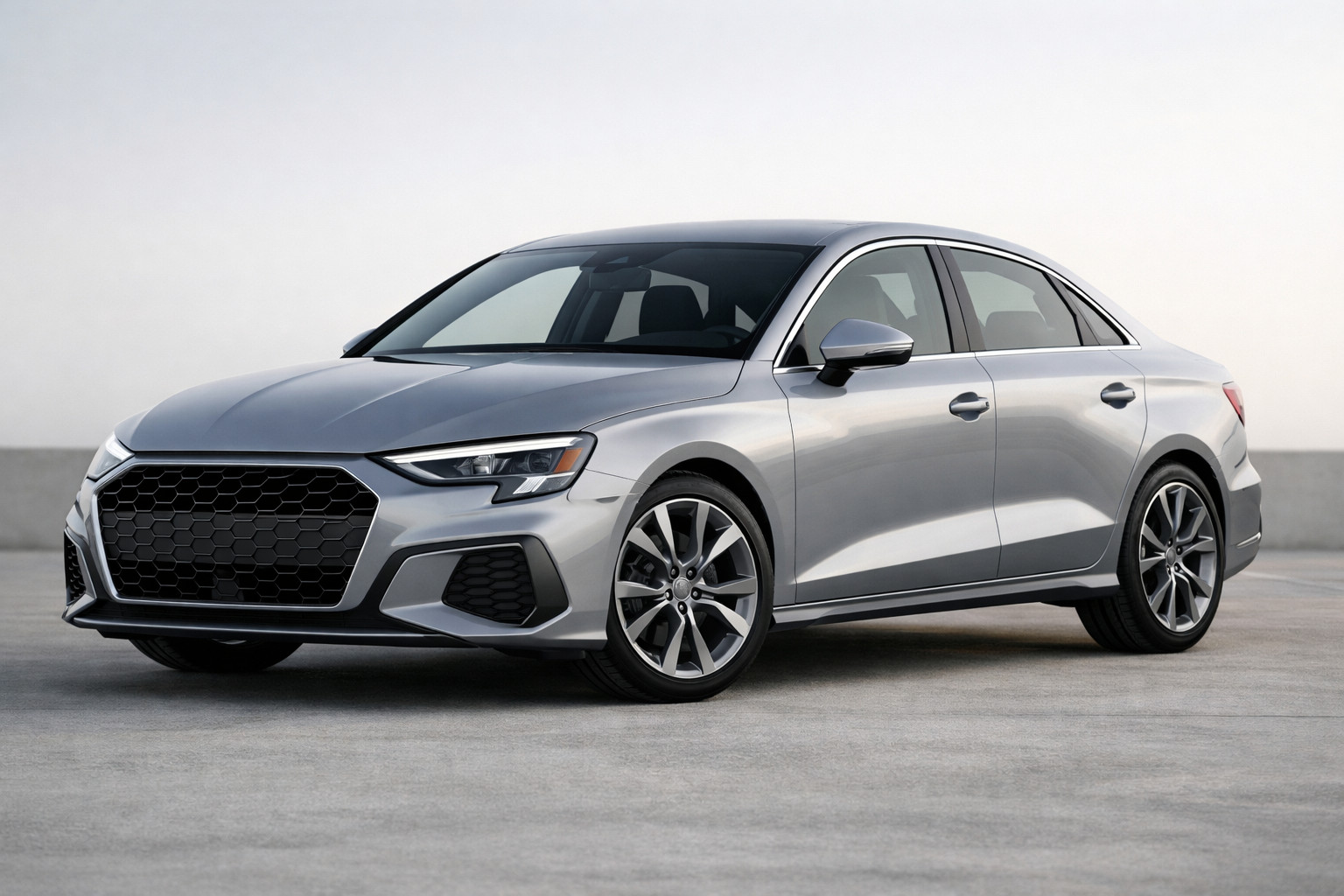
If you need one premium crossover for every task, the base BMW X3 30 xDrive looks more rational: it’s cheaper to get into, noticeably more fuel-efficient and more practical in terms of cargo space, and it drives with more composure. The Audi Q5 2026 is stronger where quietness, a softer suspension, second-row comfort, and towing matter more.
On paper, the difference is small: both are AWD, five-seat, quick, and safe. But in real life, the choice isn’t decided by tenths of a second in acceleration—it’s road noise, fuel consumption, usable space, the option list, long-term durability prospects of a new model, and even how easy it is to add the accessories or extra equipment you need later.
The BMW X3 2026 fits the “one car for everything” scenario better. It has a lower starting price, a combined consumption of about 8.1 L/100 km versus 9.8 L/100 km for the Q5, and it’s simply more useful for those who regularly haul suitcases, kids’ items, sports gear, or just don’t want to worry whether the trunk will be enough for a trip.
The Audi Q5 2026 is for those who value calm behind the wheel more than excitement. It’s slightly quicker on the spec sheet, isolates the cabin from noise better, rides softer over bumps, is more comfortable for rear passengers, and has a higher towing limit. In other words, the X3 is about versatility and a driver-focused character, while the Q5 is about comfort and maturity in everyday driving.
| Option | Strengths | Weaknesses | Who it fits |
|---|---|---|---|
| BMW X3 30 xDrive | Lower starting price, better efficiency, larger cargo potential, more engaging handling | Harsher over bumps, can be noisier, final price rises with packages | Those who want one versatile crossover for daily use, travel, and an active lifestyle |
| Audi Q5 2026 | Quieter cabin, softer ride, more comfortable second row, higher towing limit | Higher fuel consumption, less driver excitement, touch controls aren’t for everyone | Those who put comfort, highway calm, and passenger convenience above a driver-focused character |
The base X3 30 xDrive delivers 255 hp, 400 N·m, an 8-speed transmission, and 0–100 km/h in 6.0 s. That’s not dramatically slower than the Q5, but the difference in fuel consumption is felt every day—especially if the car does a lot of city driving or frequently runs on the highway. Add to that a slightly longer body, a longer wheelbase, and a stronger practical advantage in cargo space.
The main plus of the X3 is the feeling of tightness and control. It responds more eagerly to steering, feels less heavy, and suits a driver who doesn’t just want to sit high up but wants real connection with the car. If you often drive alone or with one passenger, this difference is more noticeable than dry power figures.
The weak points are also clear. The ride is firmer, the sound insulation isn’t as convincing, and some desirable equipment quickly inflates the budget. It’s too early to draw far-reaching conclusions about durability: the model is fresh, so for long-term ownership, a sensibly spec’d configuration looks safer than a fully loaded one.
The Q5 has 268 hp, the same 400 N·m, and a slightly better official sprint—5.8 s to 100 km/h. But its main advantage isn’t those 0.2 seconds. It’s quieter, absorbs bumps more smoothly, is less tiring on rough asphalt, and overall delivers a more relaxed way of moving.
For a family, second-row passengers, or trips with clients, the Q5 looks convincing. It has a more comfortable rear part of the cabin, a more solid sense of calm on the highway, and higher towing potential—up to 1996 kg versus 1815 kg for the X3. If a trailer, watercraft, or work cart isn’t a one-off, that’s no small detail.
The compromises are obvious too: fuel consumption is higher, the X3 is more practical in maximum cargo capacity, and lots of touch controls aren’t to everyone’s taste. As with BMW, the long-term durability question is still open, so when buying it’s important to look at the specific equipment, not assume the new model has already been fully “proven” by the market.
As the only car in the family, the BMW X3 is the more logical pick. It’s cheaper to buy, more fuel-efficient in everyday driving, and gives more freedom for luggage. If the car needs to handle city driving, highway runs, vacations, and daily tasks equally well, the X3 is easier to justify financially.
For everyday comfort, the Audi Q5 looks stronger. If you often carry rear passengers, dislike extra firmness, and want a quieter, calmer car, it feels more grown-up in what you experience every day—not just once on a test drive.
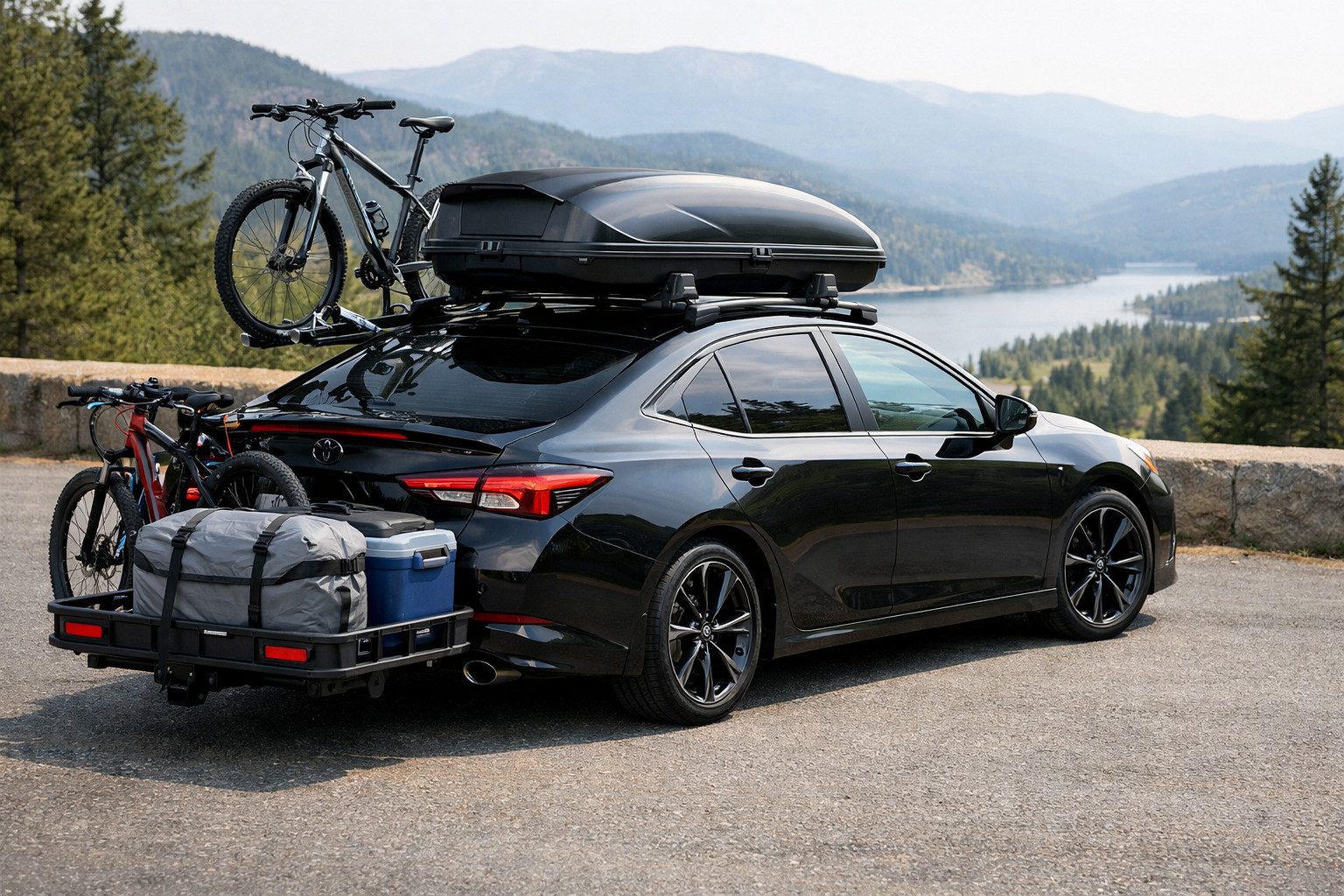
For winter and bad roads, both options are fine, so it’s better to look not at the emblem but at tires, trim level, and suspension. For installing additional equipment, there’s no automatic leader either: if you’re planning a tow hitch, roof box, or protective accessories, check compatibility for the specific body and electronics package.
| Scenario | Best choice | Why |
|---|---|---|
| One car for everything | BMW X3 30 xDrive | Cheaper to get into, more efficient, and more practical for daily use |
| Family trips with rear passengers | Audi Q5 2026 | Quieter, softer, and more comfortable for the second row |
| Daily city and highway driving for the driver | BMW X3 30 xDrive | Better handling feel and lower fuel costs |
| Rough roads and a calm pace | Audi Q5 2026 | Better isolates the cabin from small impacts and noise |
| Regular towing | Audi Q5 2026 | Higher allowable towing limit |
| Trips with lots of stuff | BMW X3 30 xDrive | Better answers the cargo question and overall utility |
Paying extra for a BMW X3 M50 xDrive or Audi SQ5 makes sense not when you simply want the “top” version, but when you truly use the car’s higher level. It’s not just better equipment—there’s noticeably different performance, a different chassis pace, and a different reserve of pull. If that will be a daily part of your route and driving style, the pricier version is justified. If not, the base X3 30 xDrive and Q5 look smarter.
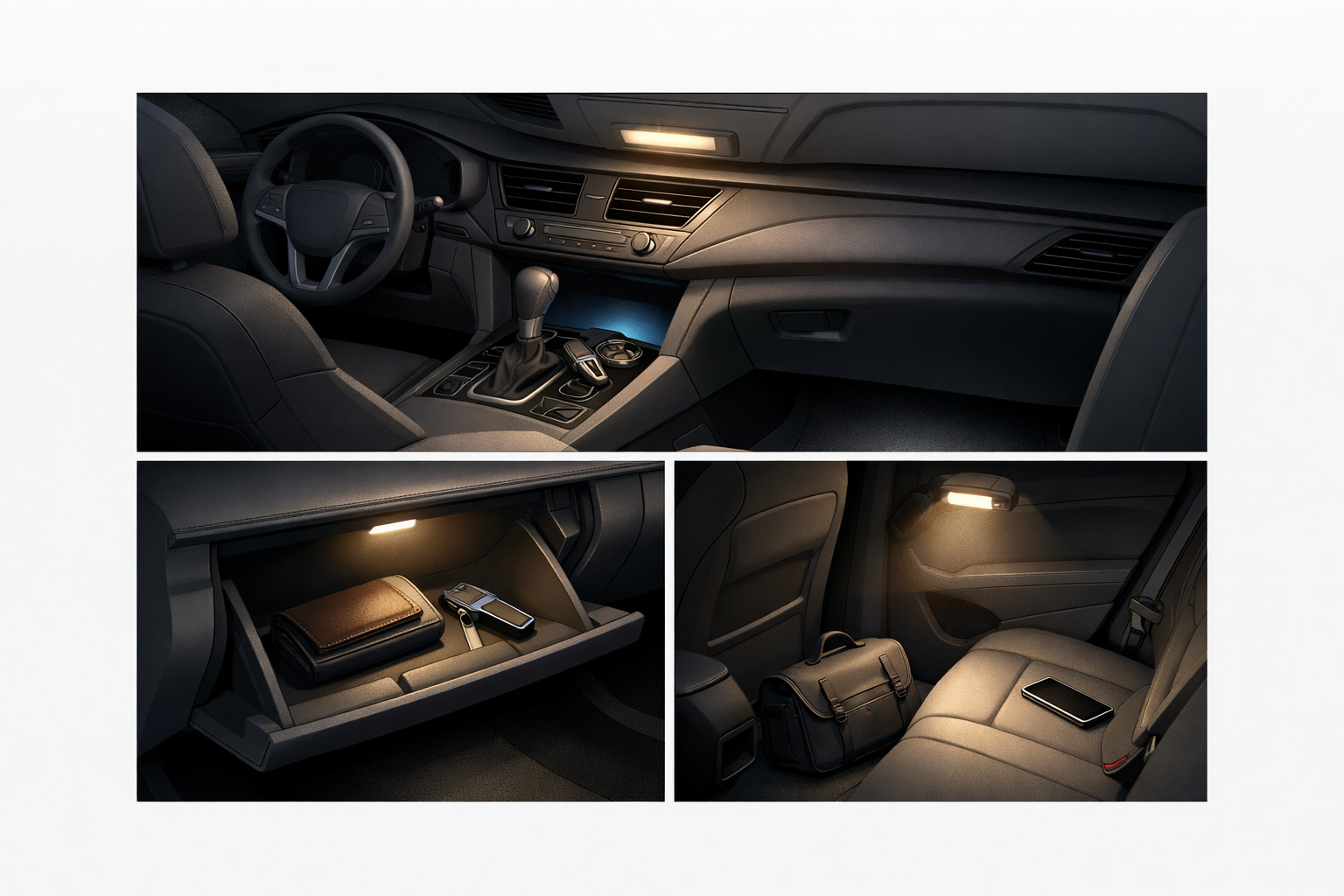
There’s another scenario too: don’t jump straight into the expensive version, but build the base car to suit you. For many, that’s more practical: the right wheels, cargo solutions, cabin protection, a tow hitch, or targeted exterior pieces change day-to-day life more than excess power. Before such an upcharge, it’s worth looking at what’s already available for BMW X3 G45 and Audi Q5 2024-: sometimes that’s exactly what lets you achieve the result you want without moving up to a more expensive class of trim.
If you need the most versatile choice, the BMW X3 30 xDrive looks stronger: it’s more efficient, cheaper to buy, more practical, and more interesting for the driver. If the priorities are quietness, softness, second-row comfort, and towing, then the Audi Q5 2026 is the more logical option. The key takeaway: in this pair, it’s not spec-sheet power that decides, but your daily use case and the specific configuration.
| ✔ | BMW X3 30 xDrive is cheaper upfront and noticeably more economical in daily driving: average fuel consumption is around 8.1 l/100 km versus 9.8 l/100 km in the Q5. This makes it the more logical choice for city driving, highway use, and frequent trips. |
| ✔ | The X3 is more practical in terms of trunk space and overall versatility. It is better suited for suitcases, children’s items, sports gear, and situations where the car has to cover all everyday tasks. |
| ✔ | The BMW feels more composed and more engaging to drive. It responds to steering more eagerly and gives you a better connection with the car, which matters for a driver who enjoys a more active driving style. |
| ✔ | The Audi Q5 2026 is quieter and handles bumps more softly. As a result, it is less tiring on rough pavement and more comfortable for passengers, especially in the second row. |
| ✔ | The Q5 has a higher towing limit — up to 1996 kg versus 1815 kg in the X3. This is a noticeable advantage if you need a trailer or other towing regularly, not just occasionally. |
| ✘ | The BMW X3 has a firmer ride, and its sound insulation is not as convincing as in the Q5. On sharp bumps and in noisy city traffic, this is noticeable every day. |
| ✘ | The Audi Q5 has higher fuel consumption than the X3. For those who drive a lot, this means less favorable daily running costs. |
| ✘ | In the X3, the final price can quickly rise because of packages and options. In other words, a lower starting price does not always mean a cheaper car in the required trim. |
| ✘ | The Q5 offers less driving excitement, and the touch controls may not suit everyone. If you value a more mechanical and intuitive feel in the cabin, this can be annoying. |
Shipping to EU
Wholesale and retail
Own warehouse
Опис продукту
Подарунки не надаються при оформленні покупки у кредит під 0,01% або при покупці частинами.