03.05.2026
363
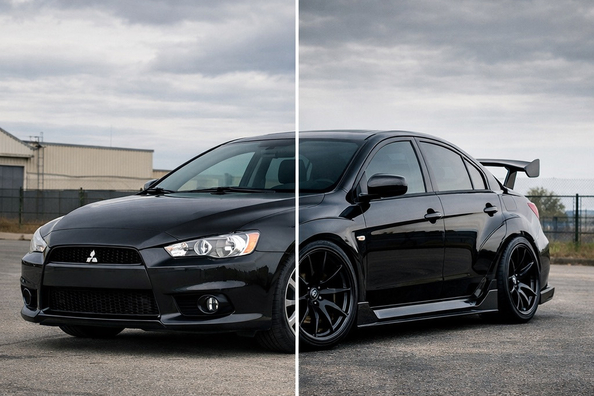
What is car tuning? It’s any deliberate modification of a mass-produced car for a specific purpose: a different look, better handling, more pull, higher comfort, or practicality. In other words, car tuning isn’t only a spoiler, a loud exhaust, and big wheels. It’s the full range of changes—from the interior and lighting to the suspension, brakes, and electronics.
The confusion starts when accessories, styling, technical upgrades, and conversions get lumped together. As a result, a driver often doesn’t understand whether tuning is worth it, where simple personalization ends, and where compatibility, safety, and legality issues begin. It’s better to sort this out before buying, not after the first mistake.
Without the textbook fluff, car tuning is changing the factory configuration to fit your real-world usage. A factory car is always a compromise: the manufacturer balances price, emissions, comfort, durability, mass taste, and market requirements. Tuning is needed when your driving scenario doesn’t match that average compromise.
What’s the difference between tuning, repairs, and accessories? Repairs return the car to stock condition. An accessory adds convenience, protection, or a visual accent. Tuning changes the car’s behavior, appearance, or the way it feels to use. The lines sometimes overlap, but the logic is different: new OEM shock absorbers are service, while a sport suspension is already tuning.
What’s the difference between tuning and a conversion? Tuning is a broad everyday term for modifications. A conversion is a legal category when changes affect the vehicle’s design or registration data. Interior trim pieces and an engine swap are not the same level of вмешательство. If modifications change the number of seats, body design, engine, the vehicle’s intended use, or other registered parameters, they must be оформлено as required by the applicable rules.
The main types of car tuning are conveniently divided into exterior, interior, mechanical, and software. In real life they often overlap, but each has a different goal.
| Type | What is changed | Why it’s done | Where problems start |
|---|---|---|---|
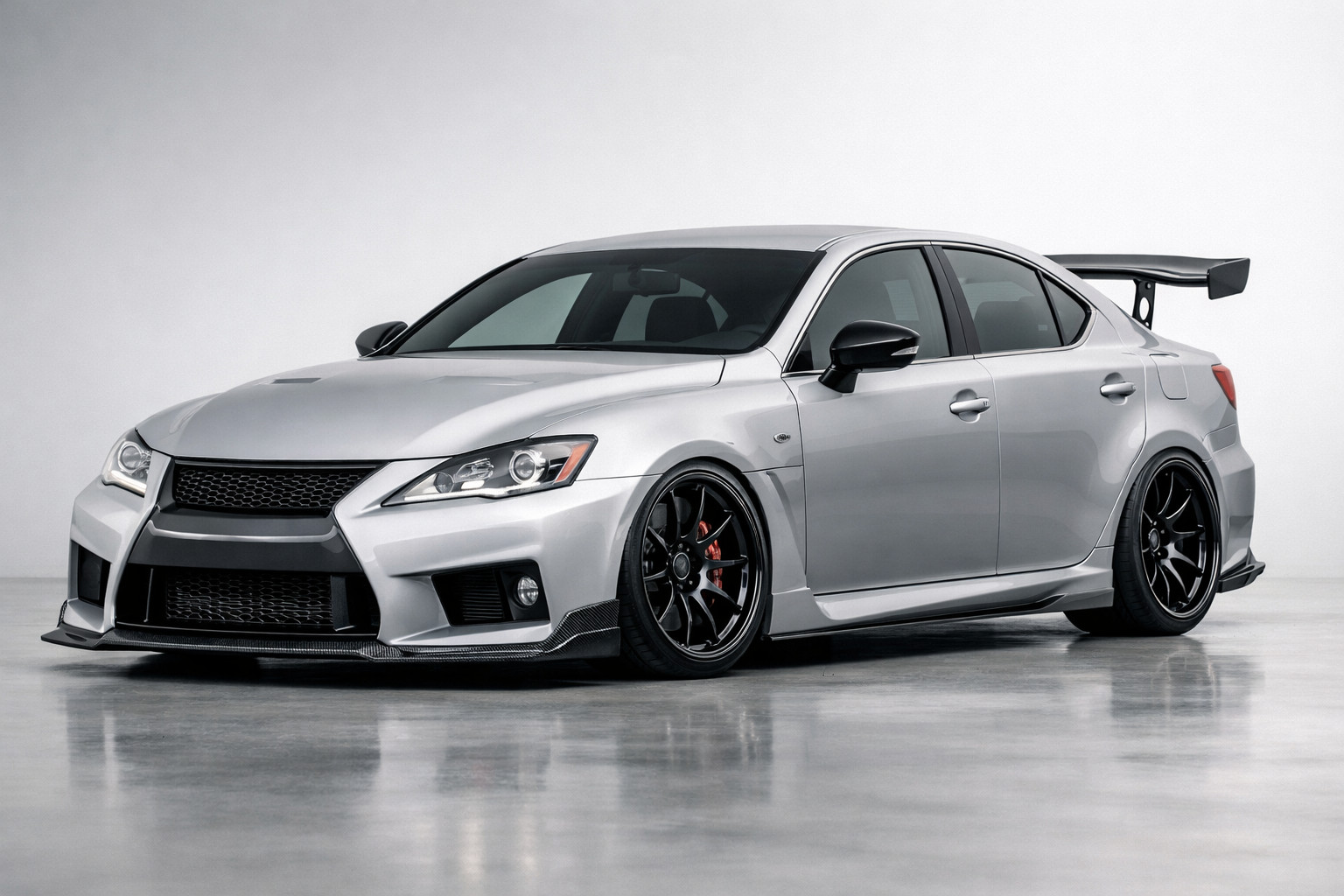
| Exterior | Body kits, grilles, spoilers, trim pieces, wheels, lighting | A different style, sometimes better light, minor functionality, or aerodynamic correction | Poor part fitment, questionable lighting equipment, going overboard with styling |
| Interior | Seats, steering wheel, sound deadening, multimedia, trim, ambient lighting | Comfort, ergonomics, cabin personalization | Interference with electronics, extra weight, conflict with safety systems |
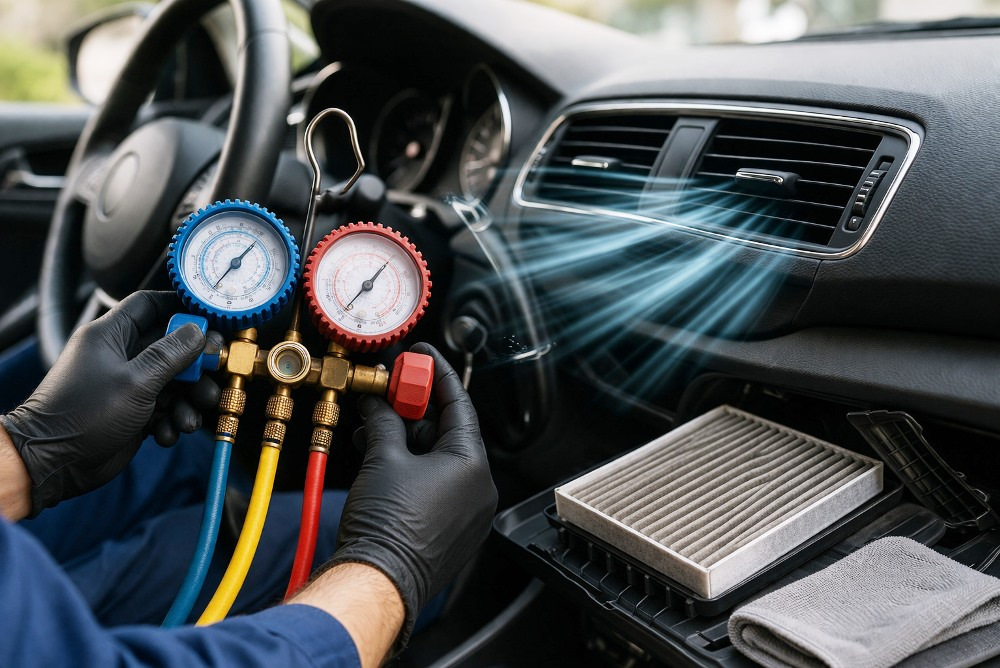
| Mechanical | Suspension, brakes, tires, exhaust, cooling, sometimes transmission | Better handling, stability, braking, sound, performance under load | Loss of comfort, faster wear, imbalance between systems |
| Software | Engine control unit and powertrain calibration | Better throttle response, a different torque curve, sometimes more power and torque | Overly aggressive tuning, overheating, errors, warranty and compliance issues |
What’s the difference between styling and mechanical tuning? Styling changes how the car looks. Mechanical tuning changes how it drives, brakes, turns, and handles loads. That’s a fundamental difference. A nice body kit may do nothing for the car’s behavior, while good tires and brakes can transform it without any wow-effect in the parking lot.
The most popular direction right now is software tuning, or chip tuning. Its essence is changing engine control parameters without mechanical disassembly: fuel injection, boost pressure, ignition timing, and other settings are adjusted. This can improve throttle response, increase pull, and in some scenarios change fuel consumption. But if the transmission, cooling, tires, and brakes aren’t ready, a reflash alone doesn’t make the build well thought-out.
Another frequent request is a sport or adjustable suspension. It really can improve cornering stability and make the car’s reactions more precise. The problem is that along with this you reduce ground clearance, comfort reserve, and the car’s tolerance to potholes, curbs, and bad asphalt. For the track or fast highways it can make sense. For a daily route on broken roads—far from always.
Brake upgrades and tires are often underestimated. That’s a mistake. Quality rotors, pads, the right tire compound, correct sizing, and proper alignment give the driver more control than most decorative mods. Meanwhile, big wheels “for looks” often bring harshness, more expensive tires, and worse comfort, without providing proportional benefits.
Is it worth tuning a car? Yes, but only when it’s clear what exactly you don’t like about the stock vehicle. Proper tuning starts with a goal, not a catalog. If there’s no goal, you’re not tuning the car—you’re just spending money on a set of random parts.
What does this mean for a driver in practice? Proper tuning doesn’t necessarily make the car faster. It can make it quieter, more comfortable, more stable, better suited for carrying loads, long-distance trips, or simply nicer to live with every day. And that’s no less valuable than a power increase.
| Pros | Cons |
|---|---|
| You can adapt the car to your route, driving style, and loads | Money can easily go into mods that bring no everyday benefit |
| The right tires, brakes, lighting, and suspension genuinely improve control | Wrong part selection ruins the factory balance of comfort, reliability, and longevity |
| The interior and exterior can be refreshed without buying another car | Radical changes can complicate servicing, warranty issues, and resale |
| Model-specific accessories add practicality, protection, and convenience | Some technical modifications move into the realm of approvals, compliance assessment, and re-registration |
The main advantage of tuning is that it lets you make the car “yours,” not tailored to the average buyer. The main downside is that any intervention breaks the factory compromise. And if you don’t understand which compromise you’re breaking, the consequences can cost more than the parts themselves.
Yes—and this is exactly where most owners get the most benefit without radical вмешательство. Not everyone needs a turbo, a sport exhaust, or a stiff suspension. Often the smarter choice is model-specific accessories that improve everyday use: protect the interior, make carrying things easier, add a neat exterior accent, or improve ergonomics.
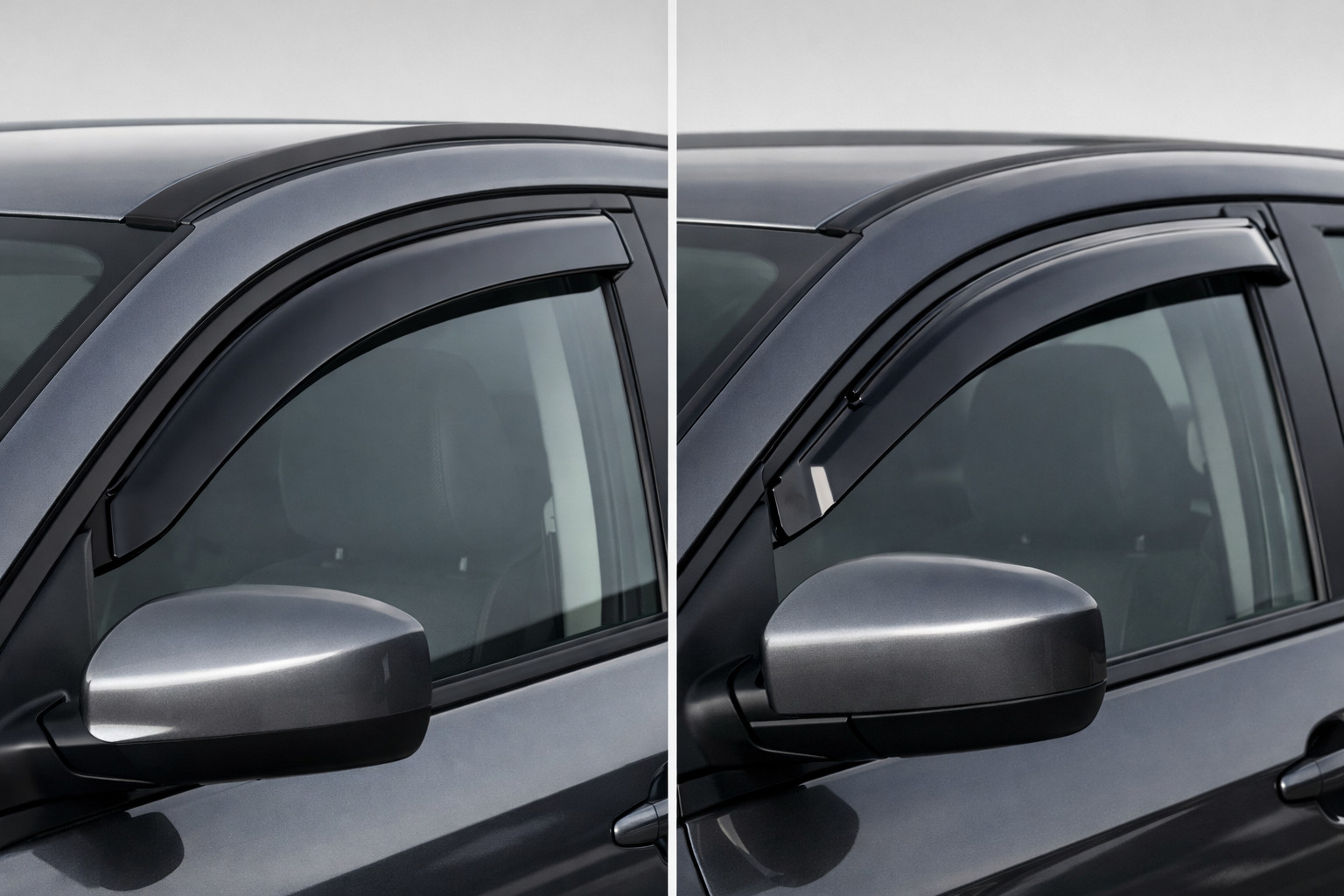
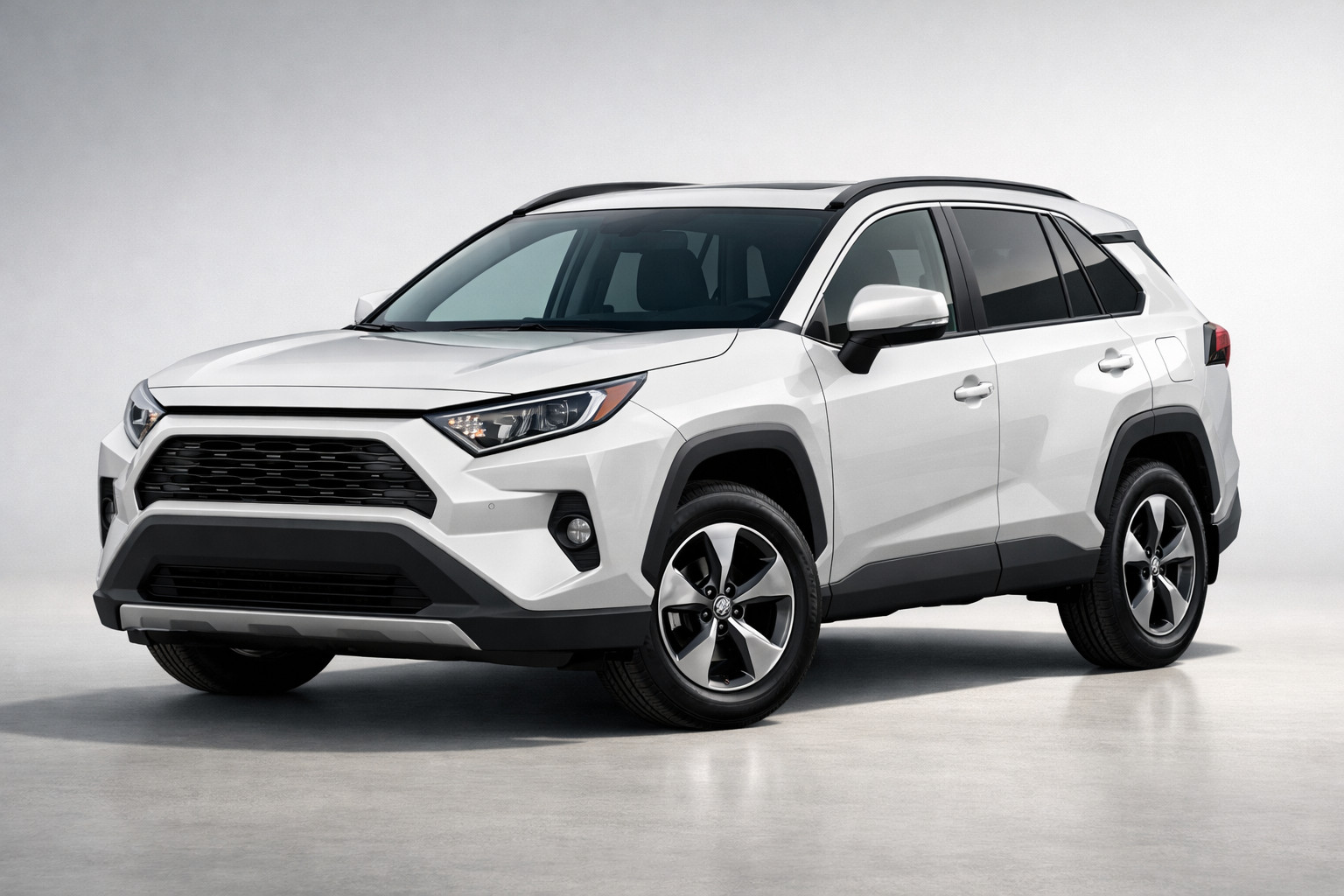
If you need a baseline to choose solutions for a specific make and model, it makes sense to start with the car tuning catalog. For exterior styling, when you want to change the look without chaotic experiments, it’s worth checking out body kits for cars. If your goal is comfort, a neat interior refresh, and small ergonomic improvements, then more practical than loud projects are often interior accessories.
What truly makes sense? Whatever solves your task. For some, it’s brakes and tires. For others—sound deadening, floor mats, an armrest, or a cargo system. What is just decoration? Any part bought only because it “looks sporty.” What shouldn’t you buy without a goal? A giant spoiler for a daily driver, random LED bulbs, an overly stiff suspension for bad roads, wheels chosen only by a picture, and cheap universal décor that fits crooked.
Car tuning is not a set of trendy parts, but adapting a mass-produced car to a specific purpose. If you understand what you want to improve—looks, comfort, handling, pull, or practicality—tuning makes sense. If there’s no goal, it’s just extra costs, risks, and a poorly assembled parts bin. The tuning that works isn’t the one that looks the loudest, but the one that makes the car better for your exact driving routine.
Shipping to EU
Wholesale and retail
Own warehouse
Опис продукту
Подарунки не надаються при оформленні покупки у кредит під 0,01% або при покупці частинами.