12.06.2026
586
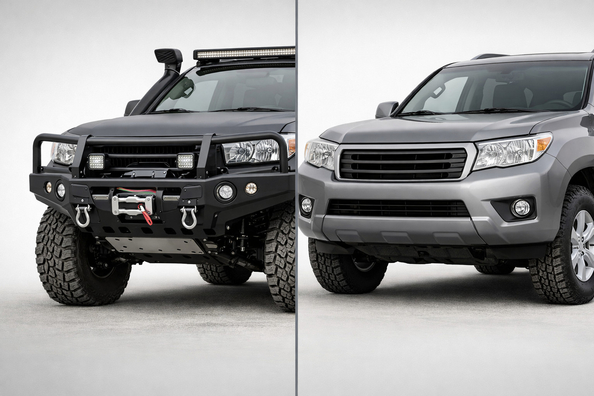
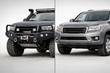
The point of a swap comes not when you simply want something “stronger,” but when the front end is genuinely working under load: off-road use, a winch, forest trails, construction sites, frequent drives on roads with animals. For daily city driving and highways, the stock bumper is almost always the more logical choice: it’s lighter, quieter, and better integrated with crumple zones, sensors, and cameras.
The difference between these options isn’t just metal versus plastic. It’s the weight on the front axle, installation complexity, suspension behavior, potential noise, the total budget, and whether the swap brings real benefits for your specific scenario.
The key question here isn’t “what’s stronger,” but “what does the vehicle actually need to withstand.” A stock bumper is designed for everyday use, minor low-speed urban contacts, and proper operation of the factory safety systems. A heavy-duty bumper is needed when the vehicle regularly hits branches and rocks, drives ruts, works with a winch, or operates where the risk of animal strikes is truly high.
That’s why for a crossover that spends 95% of its time on asphalt, the swap often brings more downsides than benefits. But for a pickup or SUV used in harsh conditions, a heavy-duty bumper can be not decoration, but a working component.
Separately, check compatibility with airbags, sensors, and local requirements for protrusions, height, and forward visibility. The fact that a bumper is metal doesn’t automatically mean it will work correctly on a specific vehicle.
| Option | Strengths | Weaknesses | Who it’s for |
|---|---|---|---|
| Stock bumper | Lower weight, correct operation of factory systems, easier installation, and a lower overall budget | Handles harsh contact with branches, rocks, and obstacles worse; doesn’t provide a base for a winch | City, highway, family car, crossovers without regular off-road use |
| Heavy-duty bumper | Better front-end protection in harsh conditions, ability to mount a winch, tow/recovery points, auxiliary lighting | Higher weight, more complex installation, risk of sensor issues, possible front-end sag and noise | SUVs, pickups, commercial vehicles, expedition builds, and vehicles that regularly work off asphalt |
DD Tuning expert comment: The most common mistake is looking only at metal thickness and not checking compatibility with sensors, the camera, and the radar. The second typical story is buying a heavy bumper “with margin,” then adding a winch and ending up with front-end sag. If the car is a daily driver, it’s important—before purchase—to understand how the sensors will be relocated and whether the suspension can handle the extra mass.
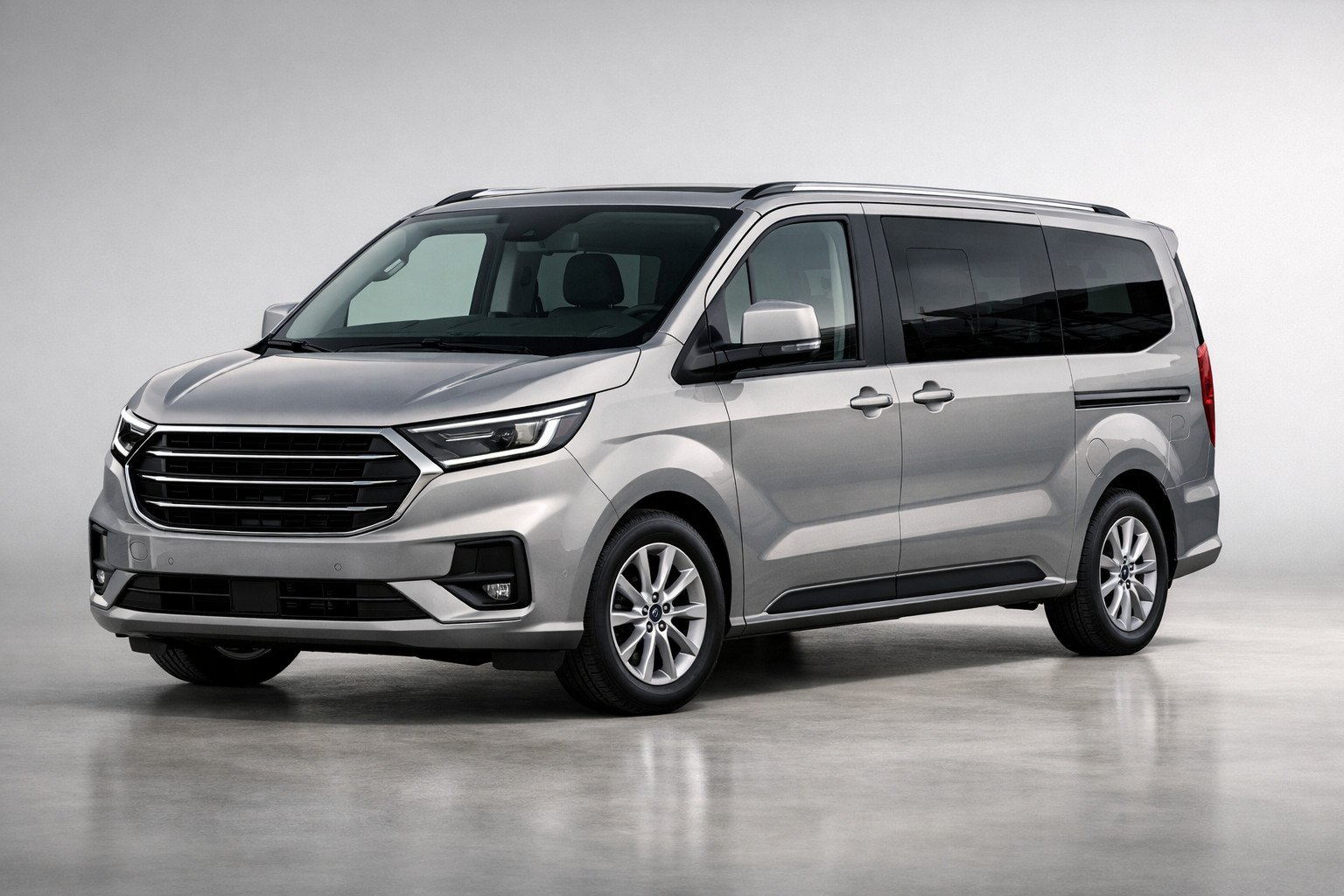
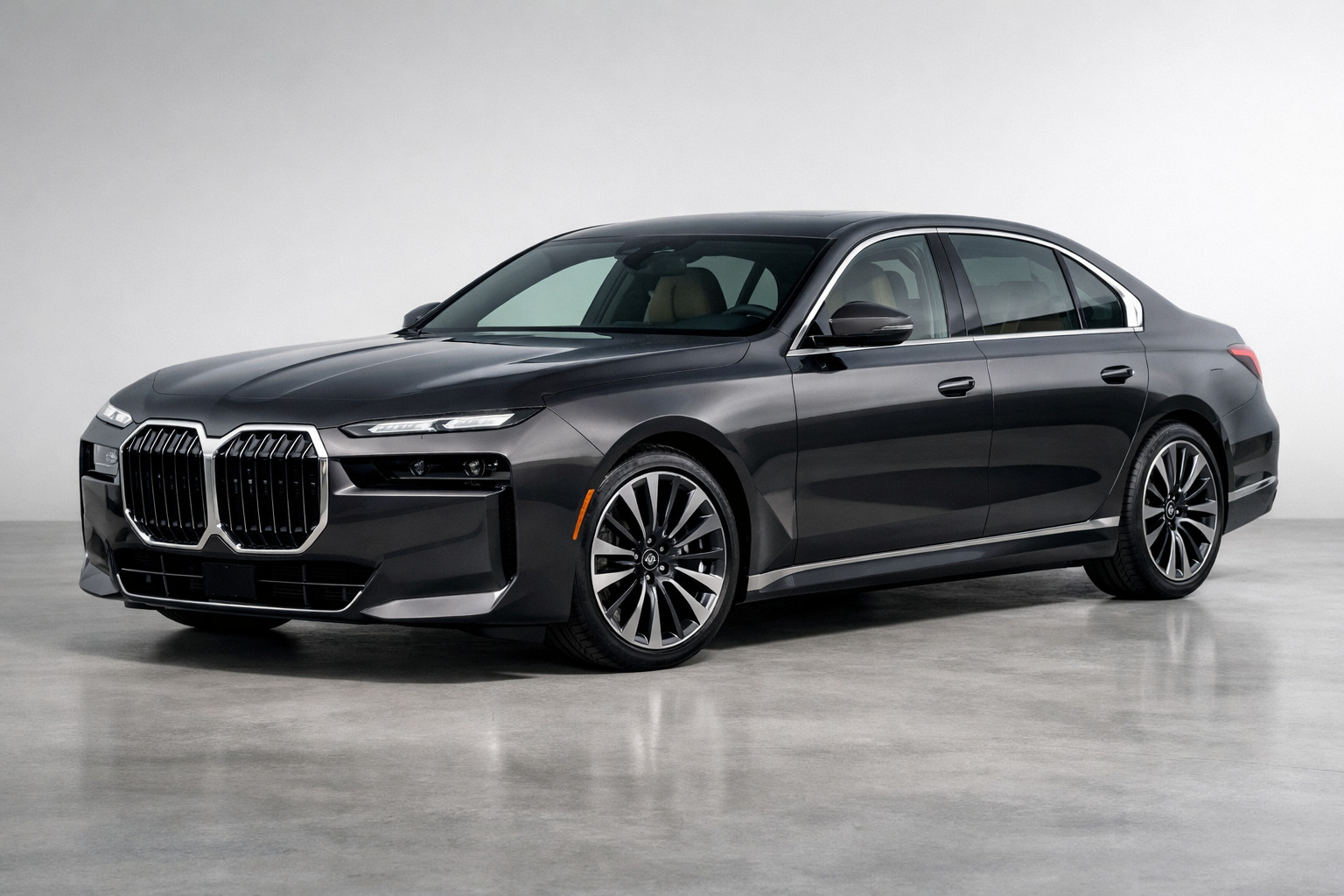
Its strength isn’t that it’s “weaker,” but that it’s part of the factory design. It’s lighter, better integrated into energy-absorbing zones, and typically doesn’t create issues for parking sensors, cameras, and driver-assistance systems. For minor low-speed urban bumps and daily driving, it’s the least conflict-prone option.
The downsides are also obvious: in the forest, on rocks, snow berms, or in ruts, the stock bumper and lower plastic elements get damaged faster. If you need a winch or rigid recovery points, the stock setup usually won’t solve that.
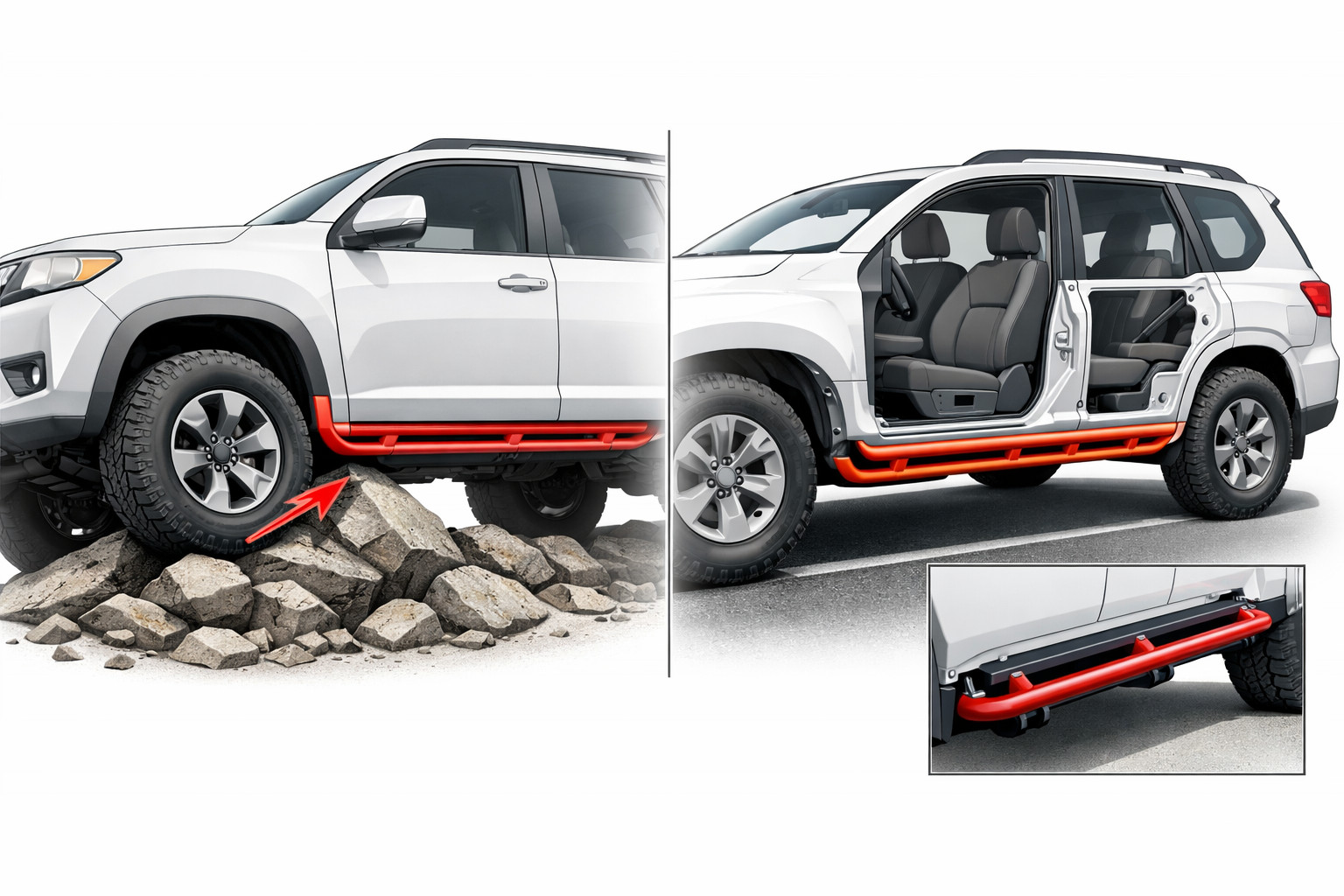
Its purpose is durability and functionality. It’s useful where the vehicle regularly contacts branches, rocks, embankments, works on job sites, or drives on rural roads. That’s where a winch platform, towing/recovery points, and a more open approach angle are truly justified.
But these advantages come at a cost. On some pickup kits, the complete assembly weighs around 100–120 kg, while the removed stock unit is about 40 kg. That means the extra front-end load can be roughly 60–80 kg, and adding a winch increases it even more. Installation often takes about 5 hours, and after fitting it you may sometimes need to stiffen the front suspension setup.
Another nuance: a quality heavy-duty bumper can be compatible with airbags and electronics, but only if it’s engineered specifically for your model and hasn’t been “made to fit” on the spot. Most problems come not from the metal itself, but from relocating sensors and changing their angle.
If the car is parked in the city every day, driven on highways, and quietness, factory geometry, and correct operation of assistants matter, the stock bumper has the edge. It doesn’t add extra load to the front axle and doesn’t force you to reconfigure the vehicle around one part.
If it’s a work pickup, a hunting rig, or a touring SUV where a winch isn’t “just in case” but a real tool, the situation is different. There, a heavy-duty bumper provides not just protection, but functionality the stock unit doesn’t have.
The in-between scenario is occasional dirt-road trips. In it, heavy-duty bumpers are often overestimated: the vehicle carries extra weight every day, while the benefit shows up a few times a year.
| Scenario | Best choice | Why |
|---|---|---|
| City, highway, daily parking | Stock bumper | Less weight, lower risk for sensors, quieter and more predictable operation |
| Crossover with rare trips outdoors | Stock bumper | A heavy-duty solution usually doesn’t pay back its weight, price, and installation complexity |
| Regular off-road use: ruts, rocks, branches | Heavy-duty bumper | Handles real loads better and provides practical recovery points |
| Vehicle built for a winch | Heavy-duty bumper | You need a rigid mounting base and load handling the stock unit isn’t designed for |
| Commercial vehicle for construction sites or rural roads | Heavy-duty bumper | More practicality and less downtime from minor front-end damage |
| Vehicle with many driver assists and a front radar | Stock bumper | Lowest risk of conflicts with electronics when there’s no real need for a heavy-duty unit |
A more expensive solution is justified when you’re buying function, not looks. If you need a winch, recovery points, front-end protection for regular off-road use, or work-grade durability, it’s worth looking at heavy-duty bumpers. If the task is lighter and you want to partially protect the front without fully changing the assembly, it can be more logical to start with front protection. And when the question is more about replacing or configuring the front end itself rather than heavy use, it’s useful to compare front bumpers as well.
Before buying a pricier kit, check four things: compatibility with your trim level, the presence of factory mounting locations or proper sensor brackets, the real weight of the assembly, and whether you’ll need to swap springs right away. If you don’t have these answers, you’re buying risk—not a solution.
From a customer’s experience: a pickup owner initially wanted a heavy-duty bumper “for confidence,” but after discussing the usage scenario it turned out the vehicle spends almost all its time in the city and on highways. In the end, he kept the stock unit and didn’t spend the budget on extra weight and sensor relocation. Another case involved an SUV owner with regular forest trips: there, a heavy-duty bumper for a winch really solved a practical need and justified the cost.
In short, a stock bumper is the sensible choice for most city and highway vehicles, while a heavy-duty bumper is a tool for those who truly use the vehicle in harsh conditions. What matters isn’t how “cool” the part looks, but how often you go off-road, whether you need a winch, the load on the front end, and your willingness to deal with more complex installation and possible electronics nuances.
This conclusion is based not on abstract statements, but on real selection experience, installation practice, and real-world usage scenarios: when the task is daily and asphalt-based, the stock unit more often proves to be the right choice; when the vehicle works hard and regularly, a heavy-duty bumper makes sense.
| ✔ | The stock bumper is lighter, quieter, and better aligned with the factory crumple zones, sensors, and cameras. For everyday city and highway driving, this means fewer risks and fewer modifications. |
| ✔ | A bull bar is useful in real heavy-duty conditions: off-road, forest roads, construction sites, ruts, rocks, and possible impacts with animals. In such scenarios, it handles loads better than the stock plastic unit. |
| ✔ | A bull bar provides practical functions that the stock one usually does not have: a winch mount, towing points, and a better approach angle. This is important for work pickups and SUVs. |
| ✔ | The stock bumper is usually simpler and cheaper to install, without the need to relocate sensors or modify the vehicle. This lowers the overall budget and the number of possible issues after installation. |
| ✘ | A bull bar adds significant weight to the front axle, and with a winch and brackets, the load increases even more. The article explicitly mentions that after installation, the front suspension sometimes needs to be set up stiffer. |
| ✘ | Installing a bull bar is more complicated: it may take several hours of work, two people, sensor relocation, and even trimming some parts. For a daily driver, this means more time, higher costs, and a greater chance of mistakes. |
| ✘ | On heavy metal solutions, wind noise, creaks, or rattles are possible, especially if there is play in the mounts or additional lighting. This makes them less comfortable for city driving and highways. |
| ✘ | A bull bar may interfere with parking sensors, cameras, and the front radar if it is not designed specifically for a particular model. For cars with many driver-assistance systems, this is a significant risk. |
Shipping to EU
Wholesale and retail
Own warehouse
Опис продукту
Подарунки не надаються при оформленні покупки у кредит під 0,01% або при покупці частинами.