10.05.2026
411
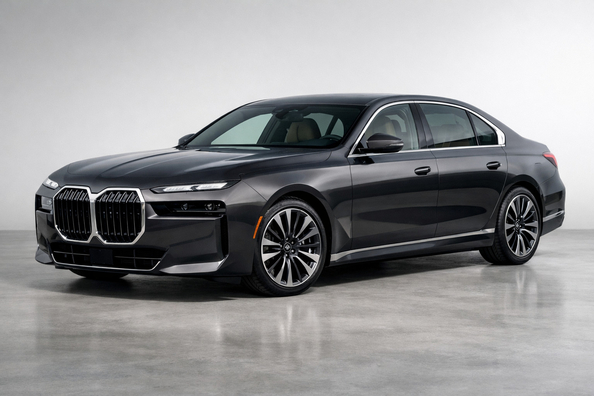
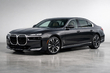
BMW 7 Series G70/G71 from 2022 is a large executive sedan for those who put silence, a supple ride, space in the second row, and very rich equipment first. This model is not about compactness and simplicity: it’s big, technically complex, and heavily depends on the correctly chosen powertrain.
The family’s main trump card is a broad range of versions: petrol, mild hybrid, plug-in hybrid, and the fully electric i7. That’s why it’s important not just to look at price or power, but to understand your use case right away: city, highway, chauffeured trips, or daily use with charging.
In its class, it’s BMW’s flagship, built not only for the driver but also for rear passengers. A lot of attention is paid to cabin quietness, multimedia, second-row seating, and the feeling of an expensive car on the move—not just acceleration.
The model suits those who often travel between cities, drive partners or family over long distances, and want maximum digital features. It’s not the best option for those who need agility in a tight city, simpler engineering, or less dependence on complex electronics.
The current 7 Series generation launched in 2022 and became a turning point for the model. With it, the family gained the fully electric i7 for the first time—meaning BMW split one flagship into petrol, hybrid, and electric versions at once.
In 2023, the lineup added the i7 M70, and for the 2024 model year—the 750e xDrive. An important nuance: in public catalogs, the G70/G71 designation isn’t separated the same way everywhere, so it’s better to verify specs by the exact version and market, not only by the body index.
By market, the lineup differs, but the core is as follows. The 740i is a 3.0-liter inline-six with a 48-volt mild hybrid rated at 375 hp and an 8-speed automatic; the performance reference is about 5.4 s to 100 km/h. The 760i xDrive has a 4.4-liter V8 with 536 hp and 750 N·m, all-wheel drive, and acceleration of about 4.2 s.
The 750e xDrive combines a 3.0-liter petrol engine with an electric motor, delivers 483 hp and 700 N·m, and accelerates in roughly 4.8 s. The i7 xDrive60 has two electric motors, 536 hp, 745 N·m, a 101.7 kWh net battery, up to 591–625 km of WLTP range, and DC fast charging up to 195 kW. The i7 M70 raises the bar to 650 hp and up to 1100 N·m in maximum-output mode, with acceleration around 3.7 s. In practice, the 740i is the most versatile, the 750e wins if you have a plug, and the i7 delivers maximum silence.
The current 7 Series is a 4-door, 5-seat sedan. The dimensions are very substantial: 5394 mm in length, 1951 mm in width, 1544 mm in height, a 3217 mm wheelbase, and the width with mirrors reaches 2192 mm. On the highway, this works for comfort; in the city, it works against parking convenience.
Ride smoothness is handled by adaptive air suspension, and depending on the version, rear-wheel steering and active roll stabilization are available. For the i7 xDrive60, the stated ground clearance is 136 mm; on other versions it may differ. Trunk volume also depends on the powertrain: petrol versions have more space, while the hybrid and EV have less.
| Parameter | Value |
|---|---|
| Body | Sedan, 4 doors, 5 seats |
| Dimensions | 5394 × 1951 × 1544 mm |
| Wheelbase | 3217 mm |
| Width with mirrors | 2192 mm |
| Ground clearance | 136 mm for i7 xDrive60; may differ on other versions |
| Trunk | 540 L in 740i/760i, 524 L in 750e xDrive, 498 L in i7 |
| 740i | 3.0 L inline-six, mild hybrid, 375 hp, 8-speed automatic transmission |
| 760i xDrive | 4.4 L V8, 536 hp, 750 N·m, 8-speed automatic transmission, all-wheel drive |
| 750e xDrive | 3.0 L petrol + electric motor, 483 hp, 700 N·m, all-wheel drive |
| i7 xDrive60 | 2 electric motors, 536 hp, 745 N·m, 101.7 kWh net battery |
| i7 M70 | 2 electric motors, 650 hp, up to 1100 N·m in maximum-output mode |
The cabin is built around a large curved front display and a 31.3-inch screen for rear passengers. For this model, it’s not just a flashy option: climate, media, navigation, parking, and part of the comfort functions are genuinely tied to electronics.
The strong point is the second row. Depending on trim, you get comfort seats, massage, a powerful audio system up to 1965 W with 35 speakers, a digital key, advanced driving and parking assistants, and a wide set of safety systems. The nuance is that the middle rear passenger in the i7 will be less comfortable due to the central tunnel and raised floor.
In the city, the 7 Series takes getting used to: the long body, large wheelbase, and width over 2.19 m with mirrors don’t like tight courtyards and narrow parking garages. But on the highway the car is completely in its element—quiet, stable, and very composed at speed. If the car is often driven with a chauffeur, the point of this model comes through even more.
Before choosing, it’s worth honestly assessing the infrastructure. The 750e xDrive makes sense when it’s charged regularly; the i7—when there’s home or office charging and a predictable route routine. For some markets, the official fuel-consumption figures still need to be уточнювати for the specific wheels and trim, and before buying used it’s advisable to check the VIN for recalls and the condition of the electronics and suspension.
| Aspect | Pros | Cons |
|---|---|---|
| Comfort | Very quiet and smooth ride, strong sound insulation | 5.4 m length complicates life in the city and in parking lots |
| Technology | Lots of screens, assistants, and comfort features | Complex electronics require careful condition checks and updates |
| Rear row | One of the model’s key arguments for chauffeured trips | In the i7, the third rear passenger has less comfort due to the tunnel and floor |
| Powertrains | Petrol, V8, hybrid, and EV versions for different задачі | A wrong version choice is expensive: without charging, the hybrid and i7 lose part of their point |
| Ownership quality | The right configuration delivers the feel of a true flagship | There are complaints about electronics, front suspension noise, and build quality |
In short, the 7 Series is very strong where you need silence, long-distance travel, and second-row comfort. Weak points show up in a tight city, with a careless powertrain choice, and when expecting absolute trouble-free ownership from a complex flagship.
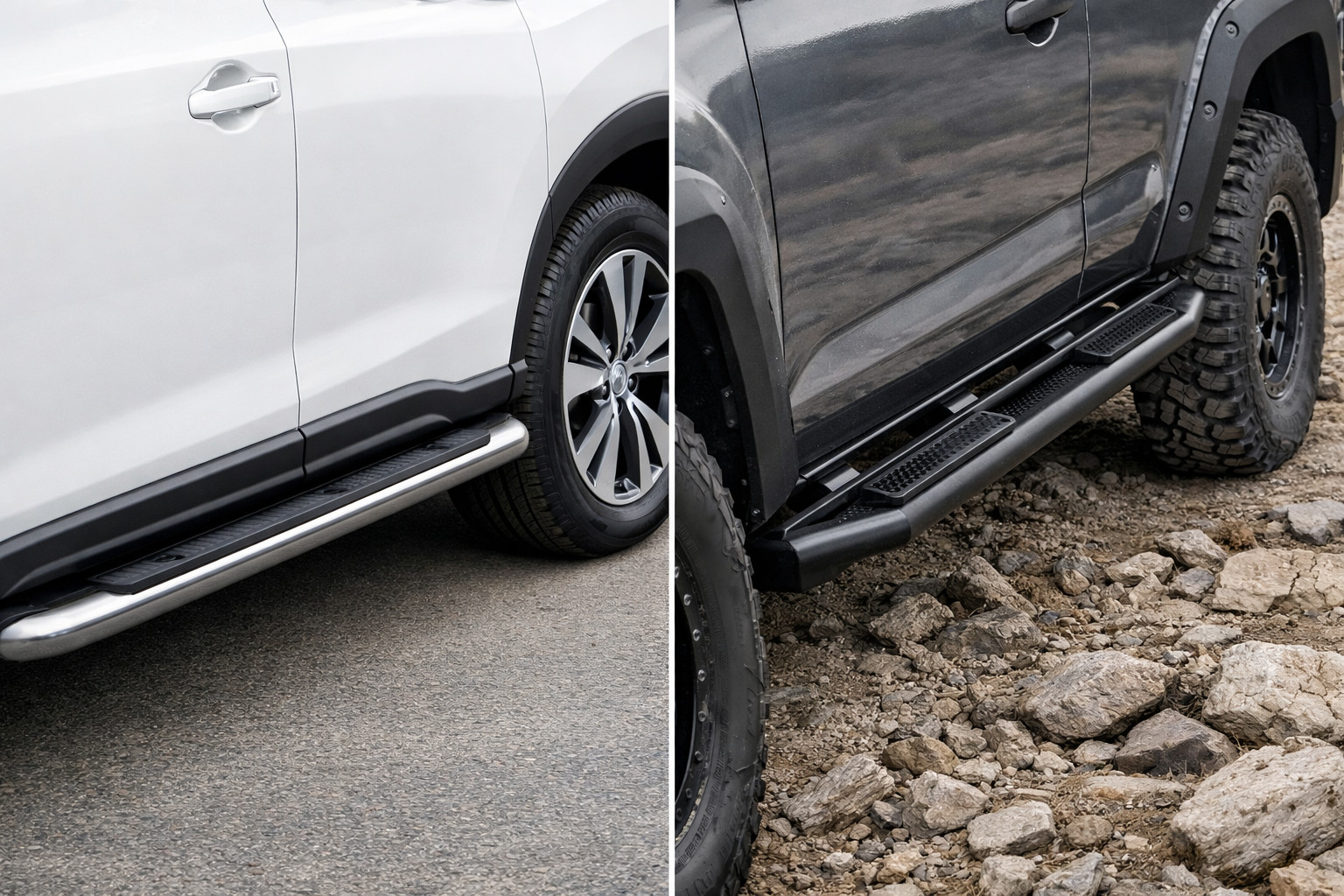
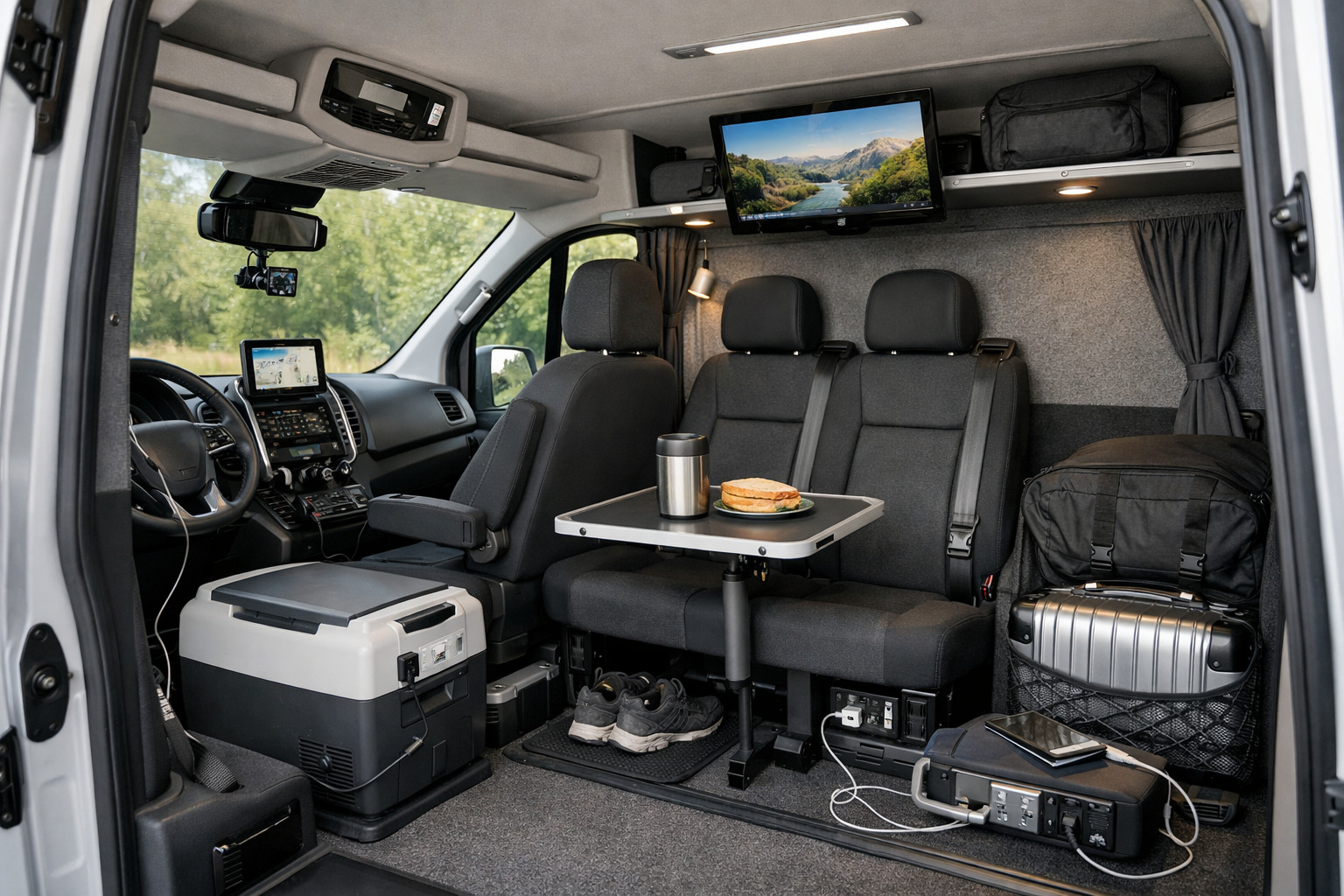
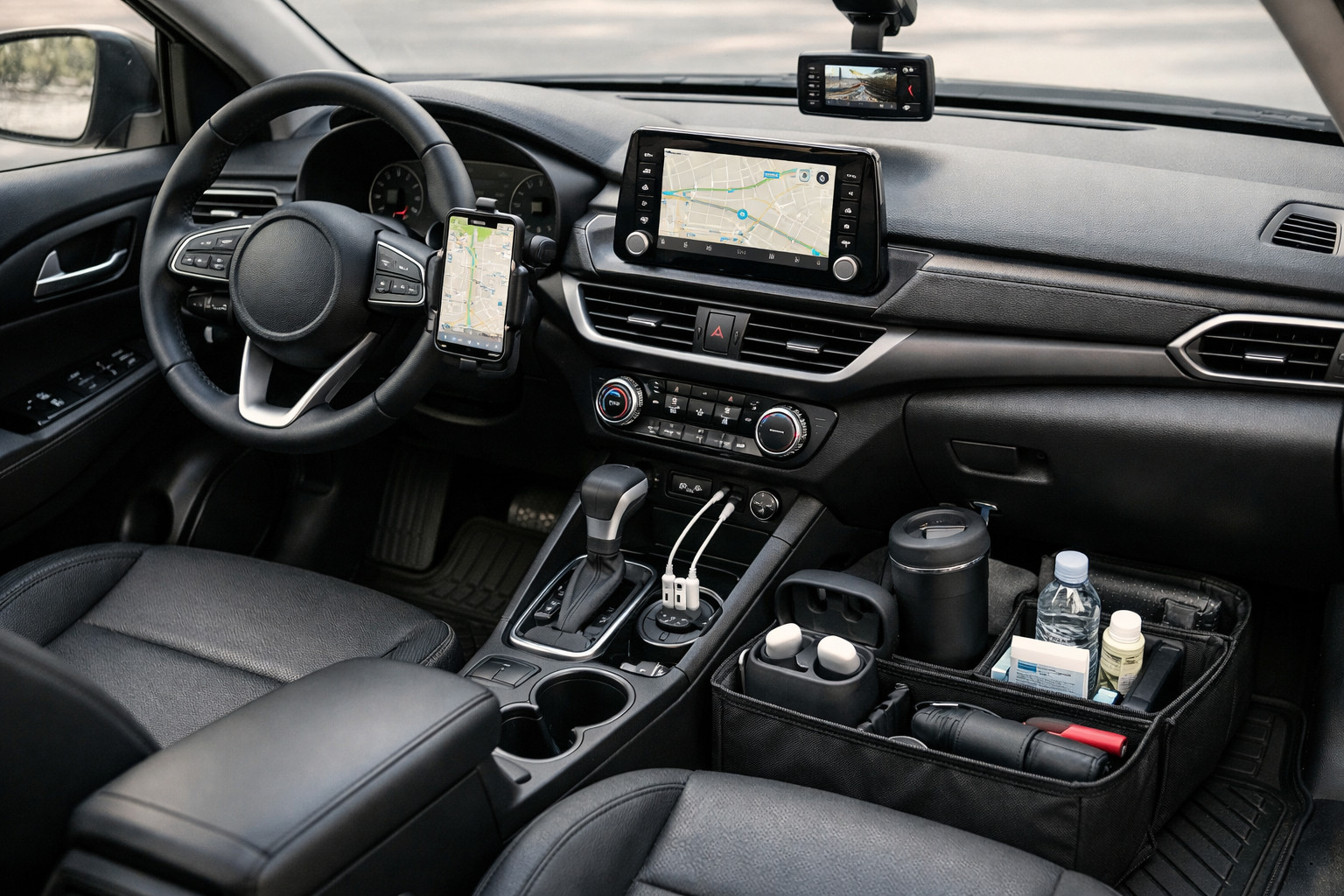
For the BMW 7 Series G70/G71, tuning makes sense when it doesn’t spoil comfort, cabin acoustics, and body geometry. The smartest approach is not to chase an aggressive look, but to choose what реально works every day: underbody protection, neat interior solutions, and practical small items for caring for a large sedan.
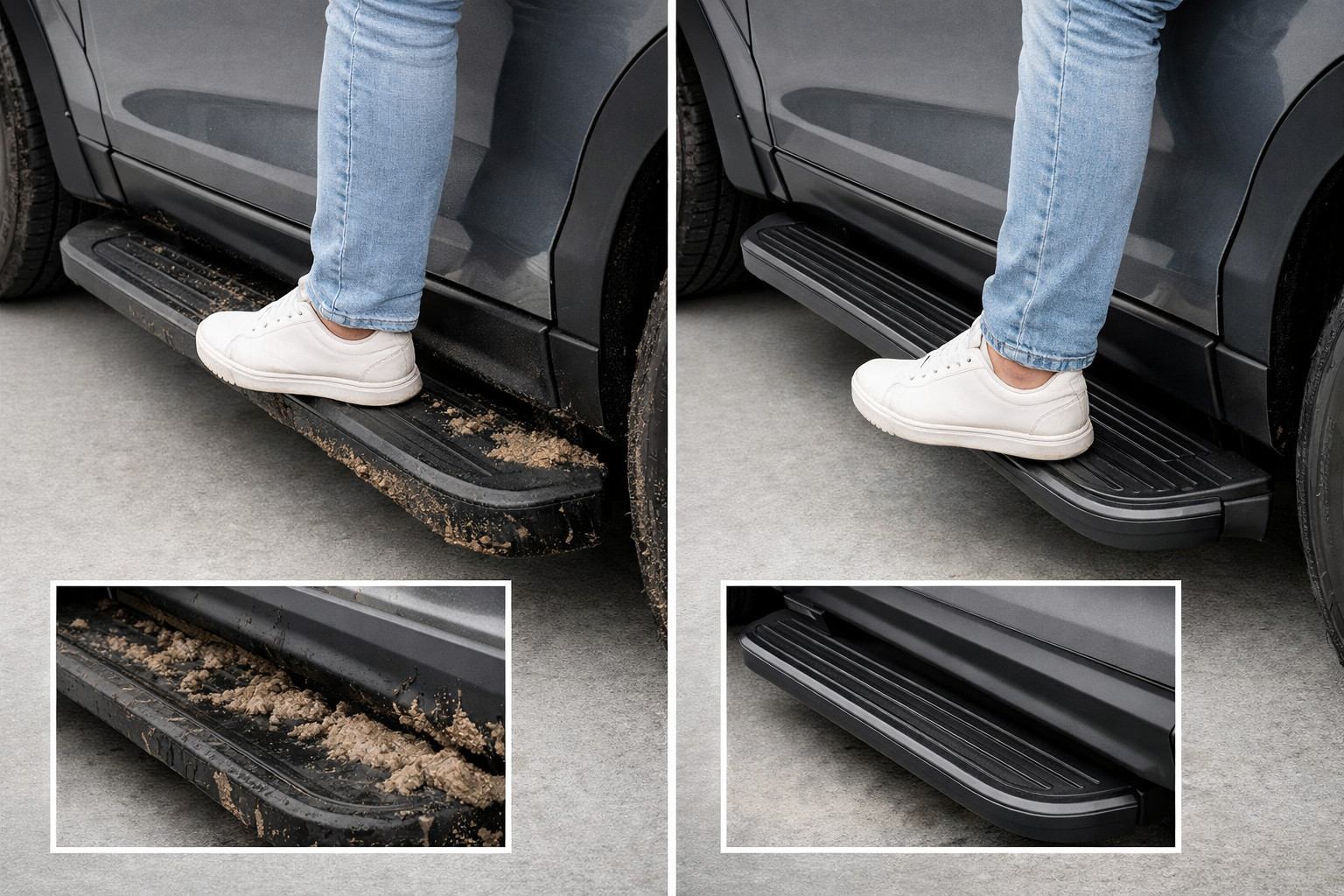
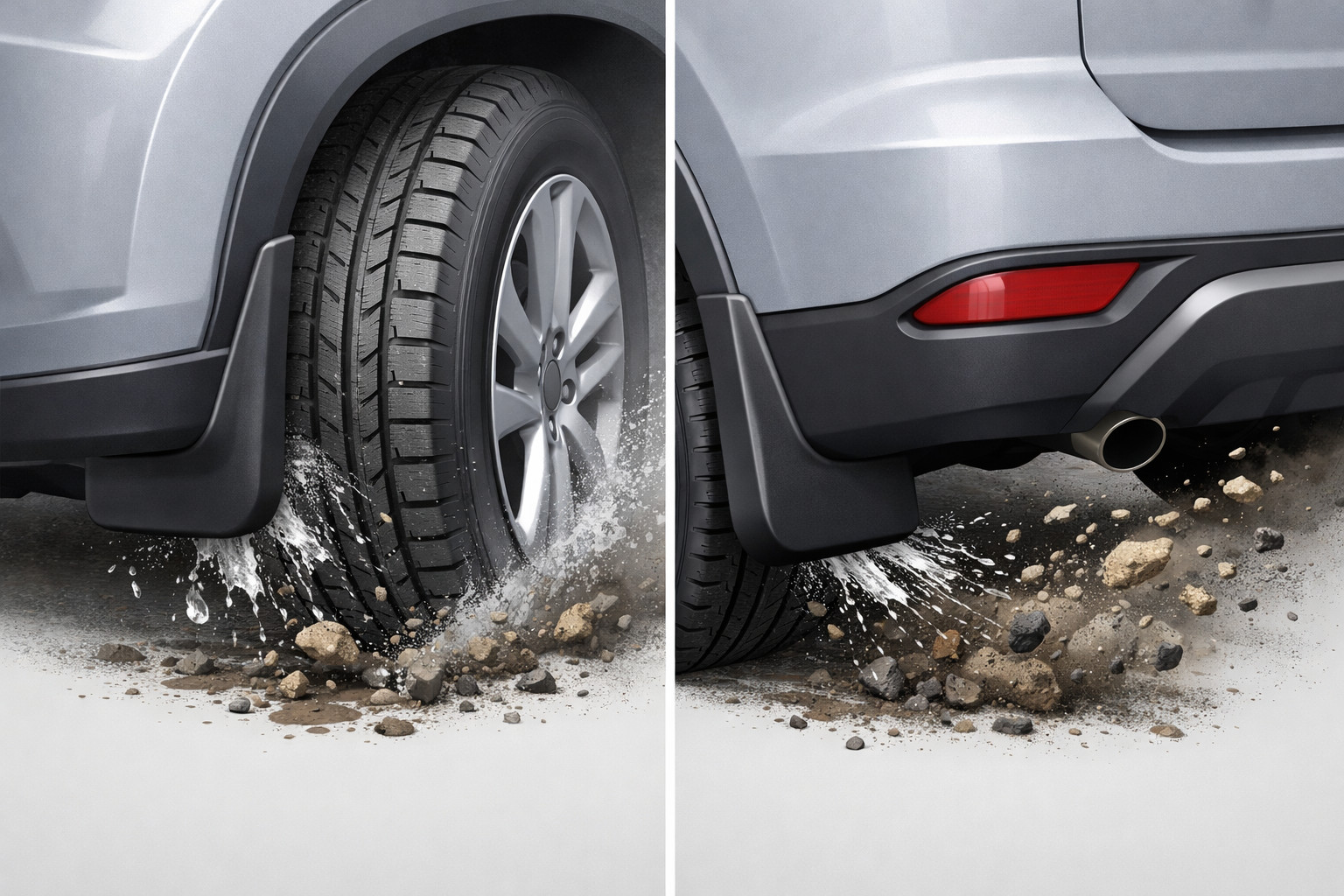
If the car often drives on the highway or in the city during the dirty season, it also makes sense to look at protective exterior accessories. But with massive body kits and overly bright decor, it’s better to be careful: a flagship sedan is easy to make look visually heavier and less practical.
BMW 7 Series G70/G71 is a flagship for those who need a very quiet cabin, a strong second row, lots of technology, and a choice between petrol, hybrid, and electric drive. It’s best suited for long trips, corporate use, and owners who know their usage pattern exactly. If the priority is compactness, simpler engineering, and ease in everyday city life, this model will be overkill.
The most important thing here is to choose not the loudest version, but the right one for your scenario—and before buying, carefully check the VIN, equipment, and the condition of the electronics. The material is based on real selection experience, practice, and real usage scenarios, so the conclusions are tied not to paper specs, but to how the 7 Series behaves in real life.
| ✔ | There are several powertrain options to choose from: gasoline, mild hybrid, plug-in hybrid, and the electric i7. This makes it possible to pick a version for city driving, highway use, or daily charging. |
| ✔ | The model is very strong in long-distance comfort: quiet, smooth on the road, and focused on stability at speed. |
| ✔ | The second row is truly well thought out: a large rear-seat screen, comfortable seats, massage, and advanced features for chauffeur-driven trips. |
| ✔ | The cabin has many modern features and assistants, while control of part of the systems is concentrated in the electronics and large displays. |
| ✔ | For its class, the gasoline versions have a practical trunk, as well as air suspension, rear-wheel steering, and active roll stabilization in some trims. |
| ✘ | The car is very large: a length of over 5.3 m and a width of over 2.19 m with mirrors make it inconvenient in tight courtyards, parking lots, and narrow city passages. |
| ✘ | Complex electronics mean higher demands for condition checks, updates, and overall attention during purchase, especially on the used market. |
| ✘ | In the i7, the rear middle passenger is less comfortable because of the central tunnel and raised floor. |
| ✘ | The hybrid and electric versions lose part of their point without proper charging infrastructure, so choosing the wrong version can be costly. |
Shipping to EU
Wholesale and retail
Own warehouse
Опис продукту
Подарунки не надаються при оформленні покупки у кредит під 0,01% або при покупці частинами.